This is my finalised project. I will submit the PDF version with the link to the online flip book on the back cover. The best way to view it is through the flip book as I think it’s the most authentic way to see the sequencing of the project. Overall I’m very happy with the project as I think I was able to achieve my target and that was to show the natural beauty in London. I really enjoyed visiting the 2 places getting the opportunity to advance my observational drawing skills and improve on my use of mediums such as watercolour and biro. My illustrations take strong influence from the likes of Beatrix Potter and the Lost Words book. I think as a collection they all work well. Moreover I’m pleased that I was able to improve my skills on Adobe InDesign by creating this digital art book.
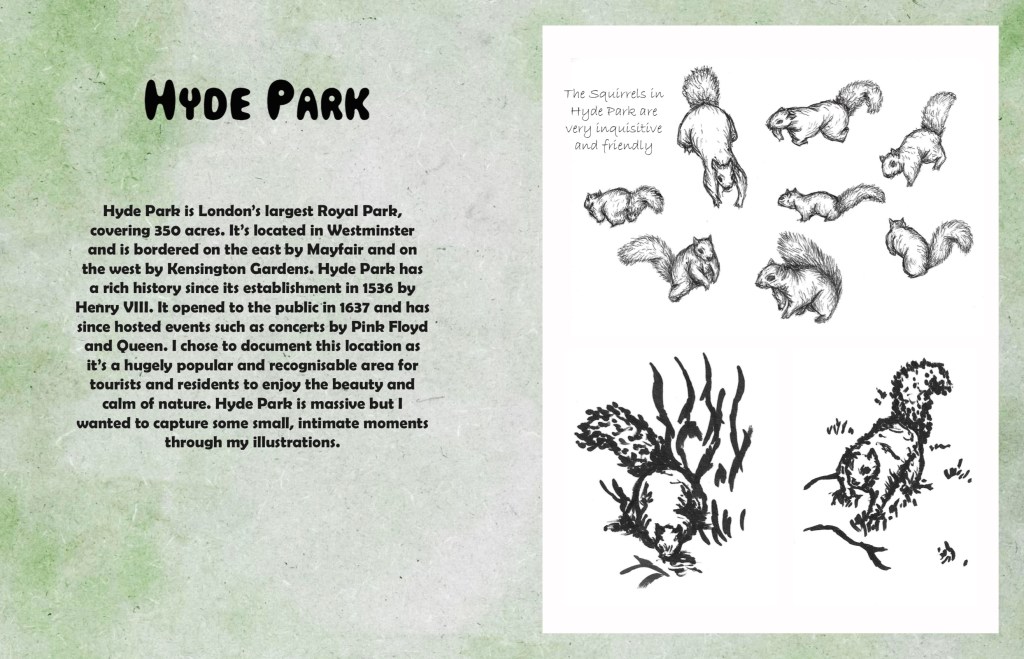
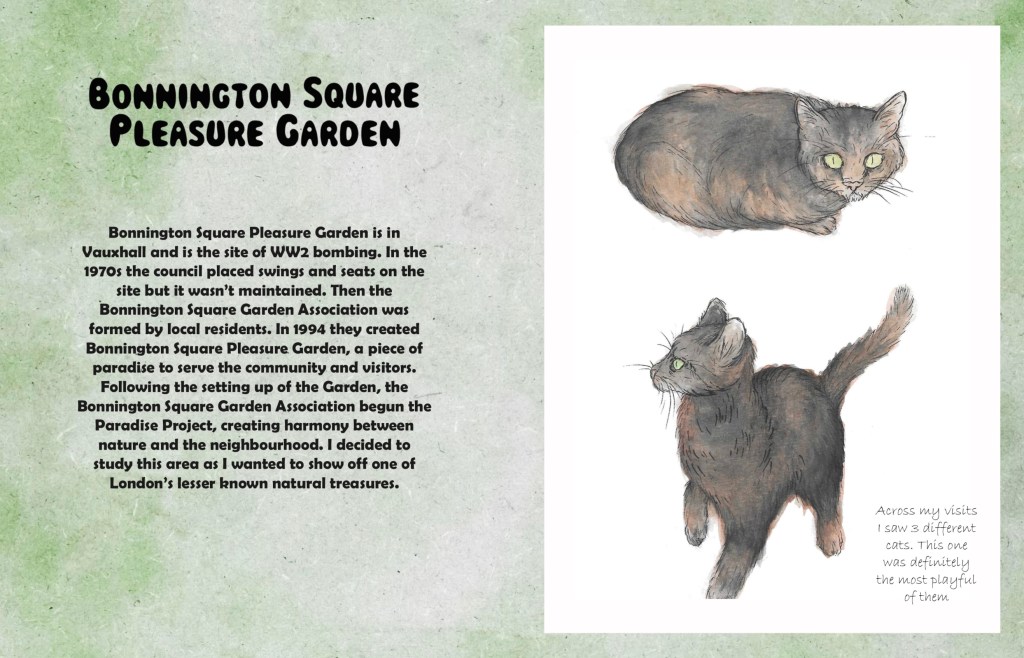
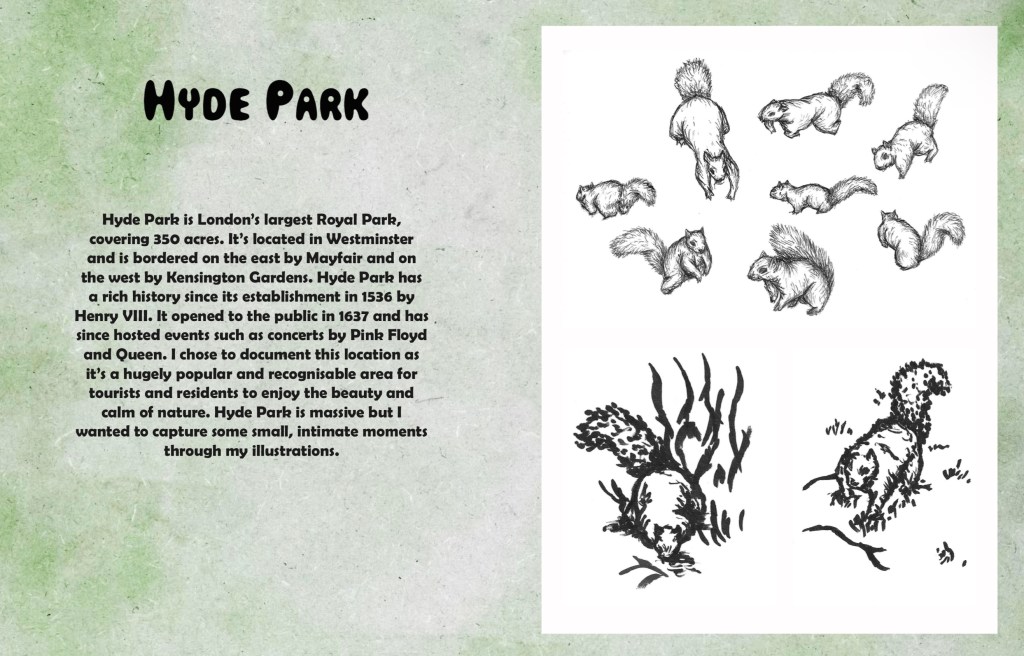
The art book is divided into 2 chapters, 1 for Hyde Park and 1 for Bonnington Square Pleasure Garden. Both chapters will begin with an introductory page, that has a title and a paragraph about the location. For the titles I used the same font as the title on the front cover.
I spent a while researching both locations to write the introductory paragraphs. I did many redrafts before I got to the final ones. I wanted it to include a brief overview of the location and its history as well as why I chose to study them. I wanted them to be informative but not too heavy with facts and stats. For the consistency of the art book I chose to type the paragraphs in the same bold font as the paragraph on the back cover.
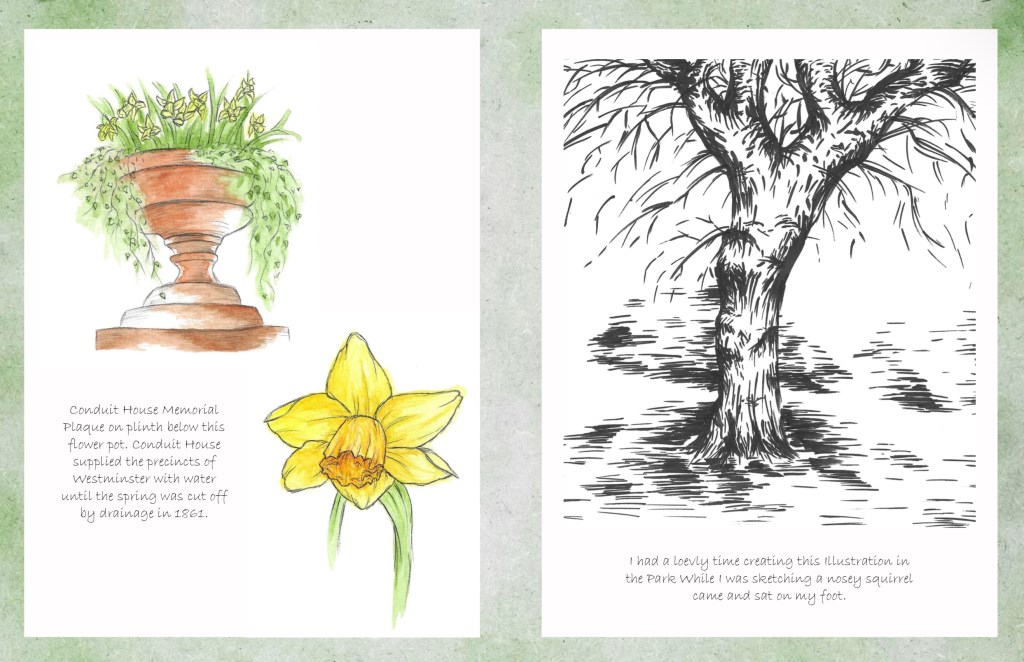
The next step was to add the little notes around the images. I experimented with hand writing them and typing them to see which I preferred. I chose to type them as I thought the hand written notes looked too messy and took away from the clean aesthetic of the pages. The font I chose was a more cursive style to imitate old hand writing styles that would’ve been seen in vintage photo albums.
I planned out the notes for each page. The contents of the notes range from facts about the location/ subject of the illustrations, descriptions of the image and my own opinions/ stories. I wanted to make the notes feel both informative and fun to create and informal and relaxed experience for the viewer.
Then I chose where to put the annotation in relation to the images on the page.
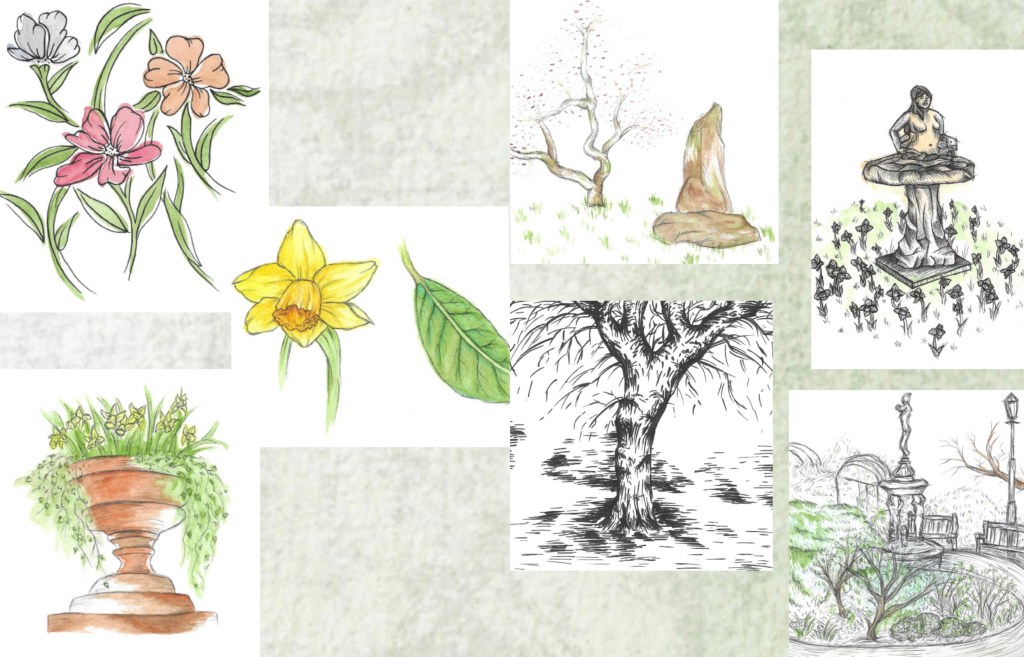
This was the initial way I tried to layout the images. I was unhappy with this for multiple reasons. The quality of the backgrounds wasn’t good enough and the negative space around the images was too distracting. Also I felt that they was too many images crammed onto each page.
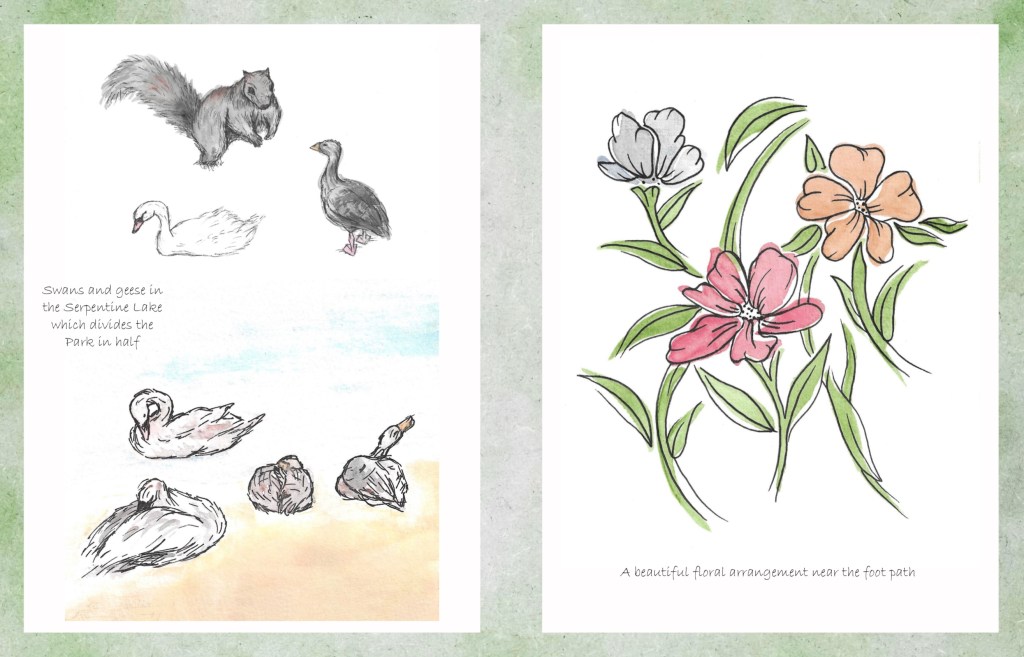
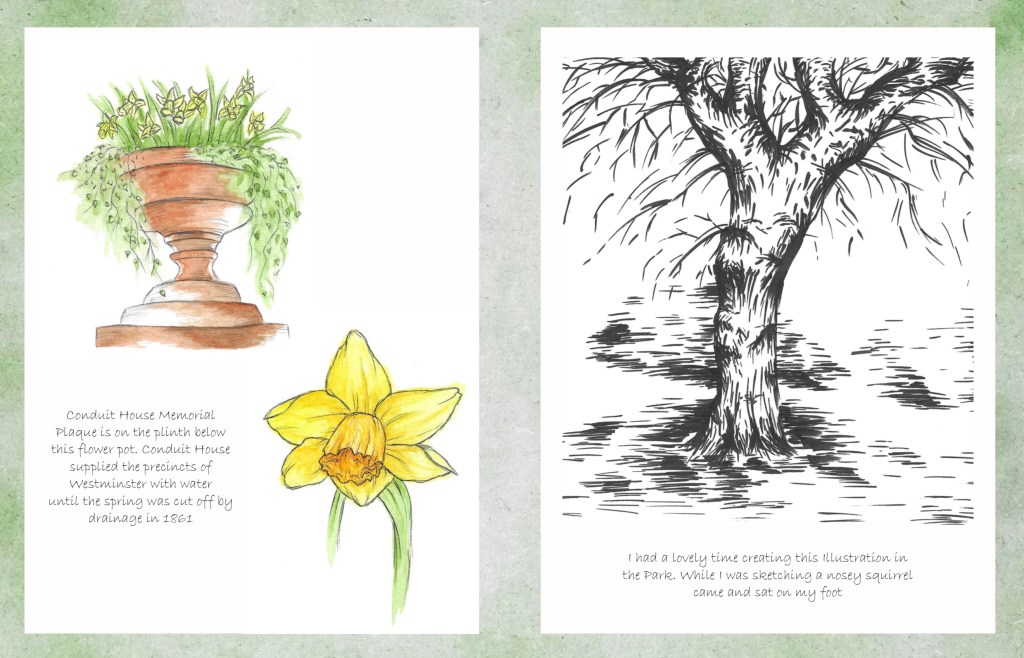
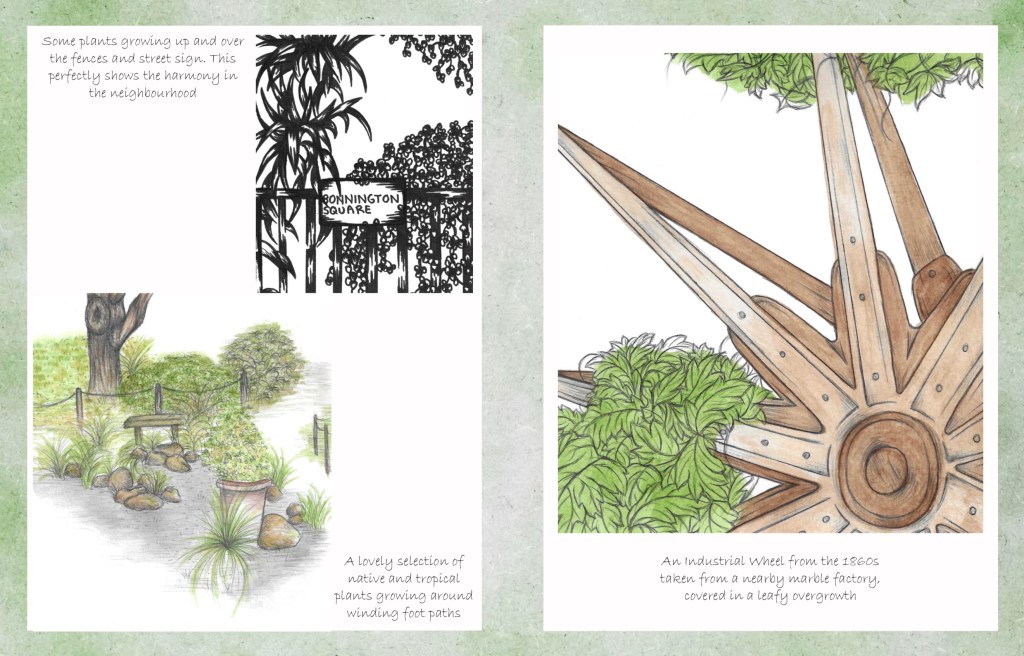
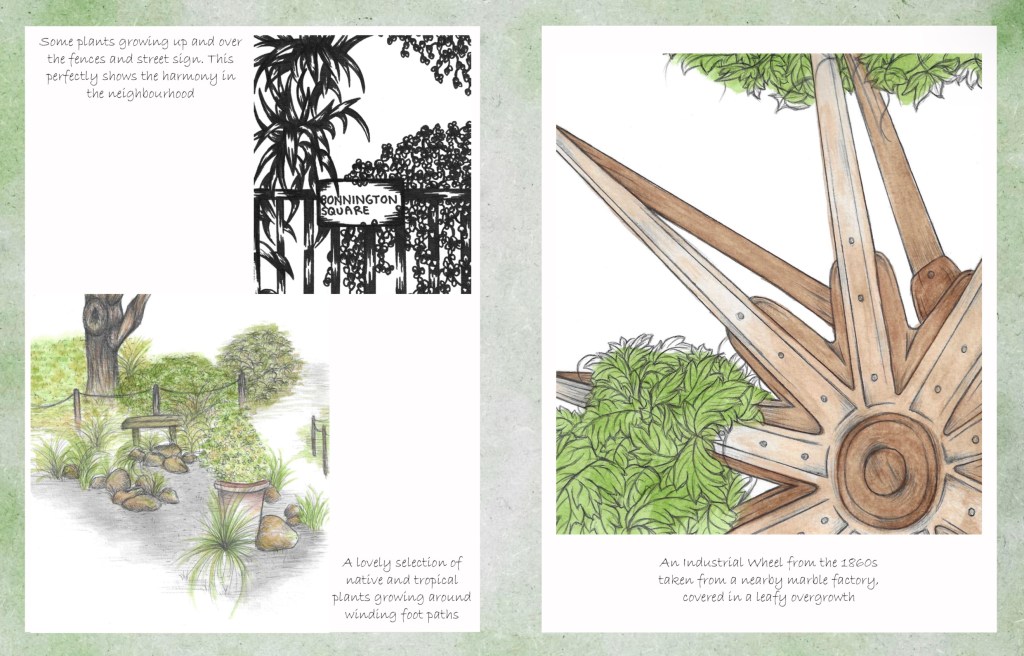
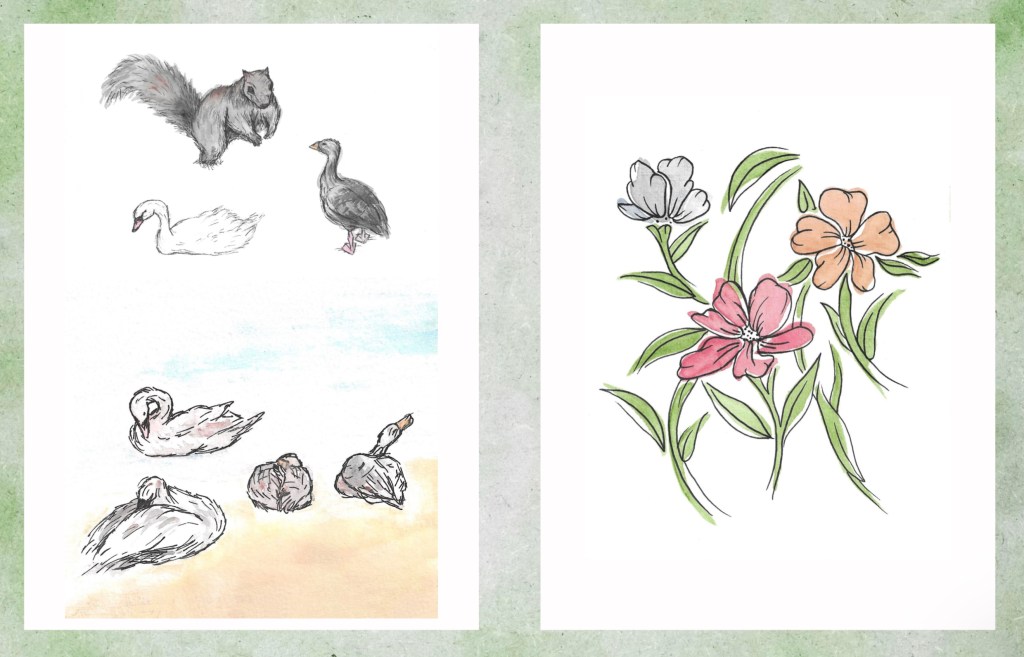
I fixed these problems by using the textured background as just a border and placing the images on a white rectangle. This helped draw the viewers attention straight to the illustrations rather than the green spaces. Also I spaced out the images better. I still kept them in themes, animals, plants and scenery. I chose to put some of the images that I felt where the strongest on their own page. This helps to slow down the experience of looking through the art book and make each image clearer.
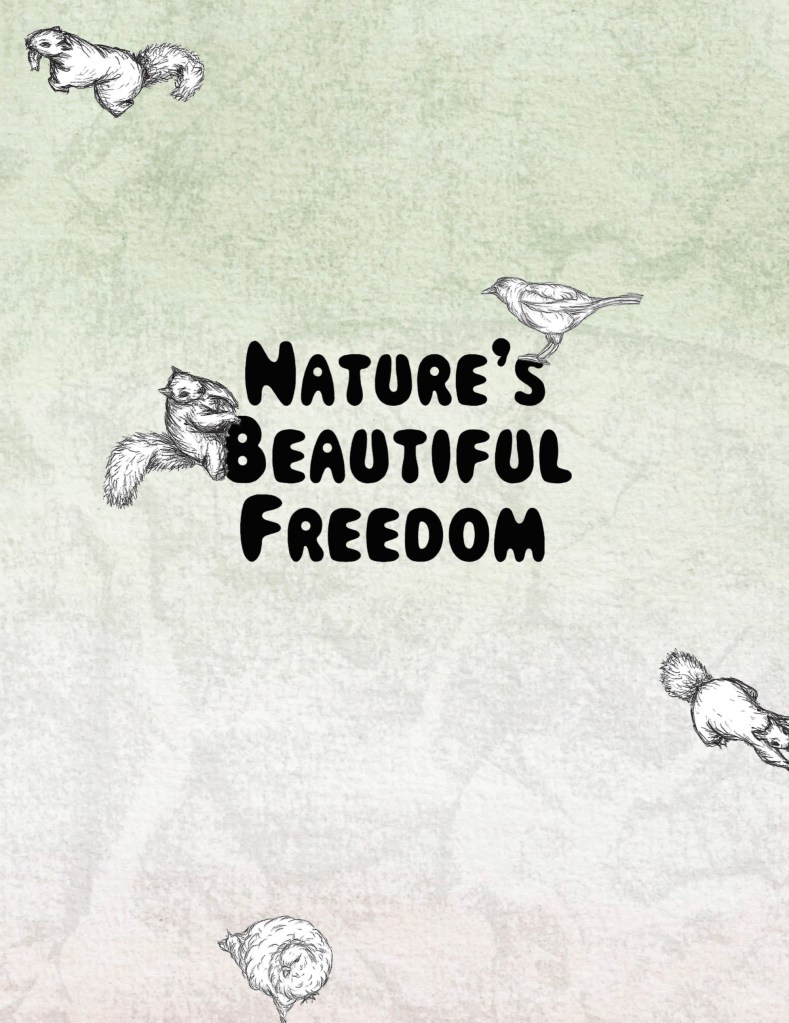
Once I had settled upon the image layout for the main pages I began to work on the front and back cover. I tried out different fonts and eventually chose this one. I liked the fun and bubbly look of it and thought it reflects the tone of my project well. I chose the title ‘Nature’s Beautiful Freedom’ earlier in the project. I used Photoshop to select the text, remove the background and save it as a PNG so when I went to place it in InDesign it would just be the words.
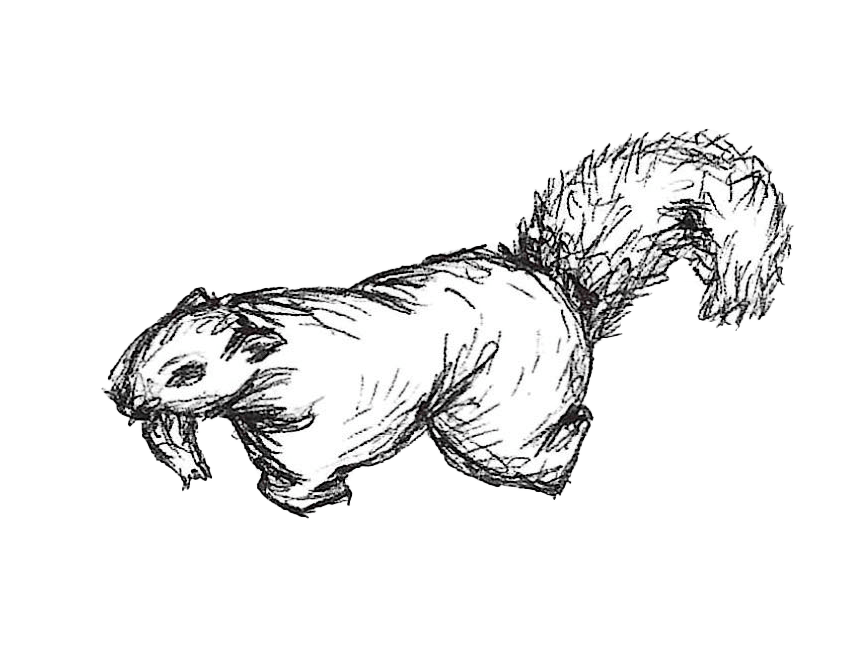
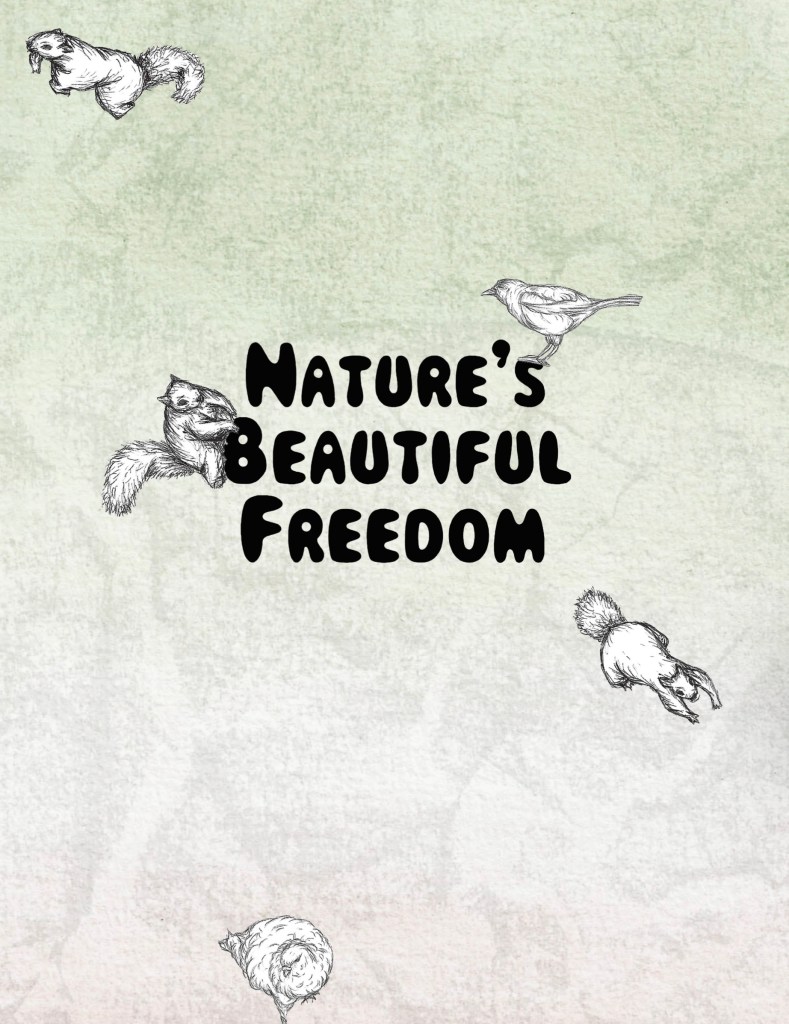
I didn’t want to overcrowd the covers but didn’t want it to just be the title on the watercolour background. I decided on cutting out some of the biro sketches of squirrels and birds to place on the covers. I used the same technique as the titles to remove the backgrounds. The animals help to make the covers more dynamic and playful, with some running off the page and others climbing on the title.
This is the font cover, I’m really happy with how the background, title and animal sketches came together.
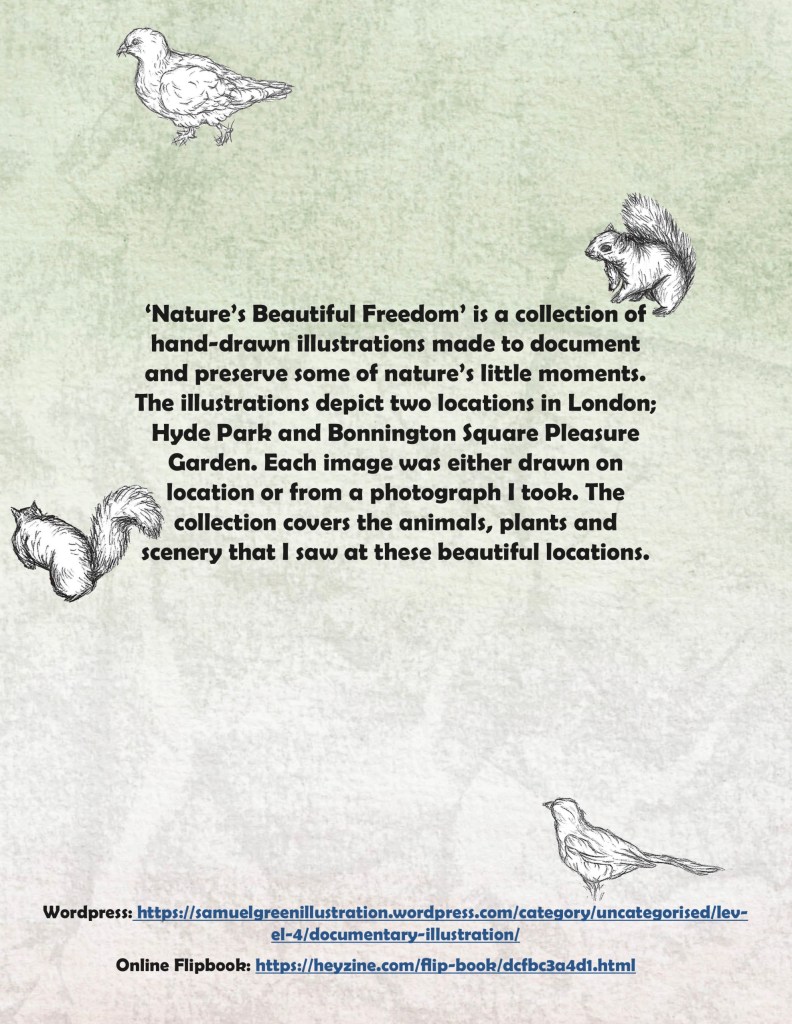
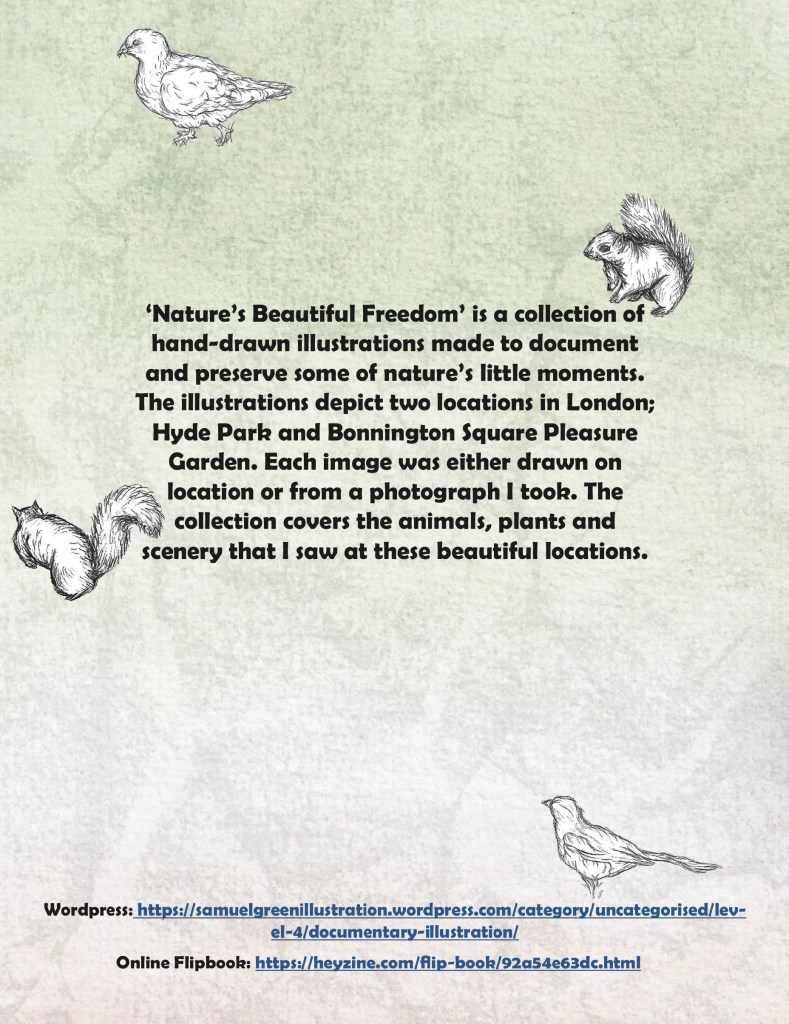
This is the back cover. I used the same textured background the same idea of the animals running around the page. It has a summary on the back of what my project is all about. I chose a different font for the larger blocks of text. I also included links to my website and an online flip book version.
Using InDesign I made the template for the art book with the watercolour backgrounds I created. I learnt about how to create different page layouts and how to export them into a PDF with the correct layout. I like the textured backgrounds as they fit better with the natural theme of the project than plain white pages. The next step is going to be placing the images and text into the InDesign booklet. I will experiment with scanning in hand written text and using typed text to see which looks better.
After testing exporting my template as a PDF I was unsatisfied with the quality of the background as it became too pixelated. So I found a different texture, a piece of wood, and scanned it. Then I added my water colour wash over it on Photoshop to create this textured background. It still aligns will the natural theme of the book but is a much clearer image when exported. So I will use this for all of the double page spreads in the book but I’ll keep the front and back cover the same as the initial one.
I would like to make my art book resemble an old style photo album. I can achieve this aesthetic by using corner tags, small notes around the images, and by spacing the images out. The reason I’d like this style is to create an organic and intimate experience for the viewer.
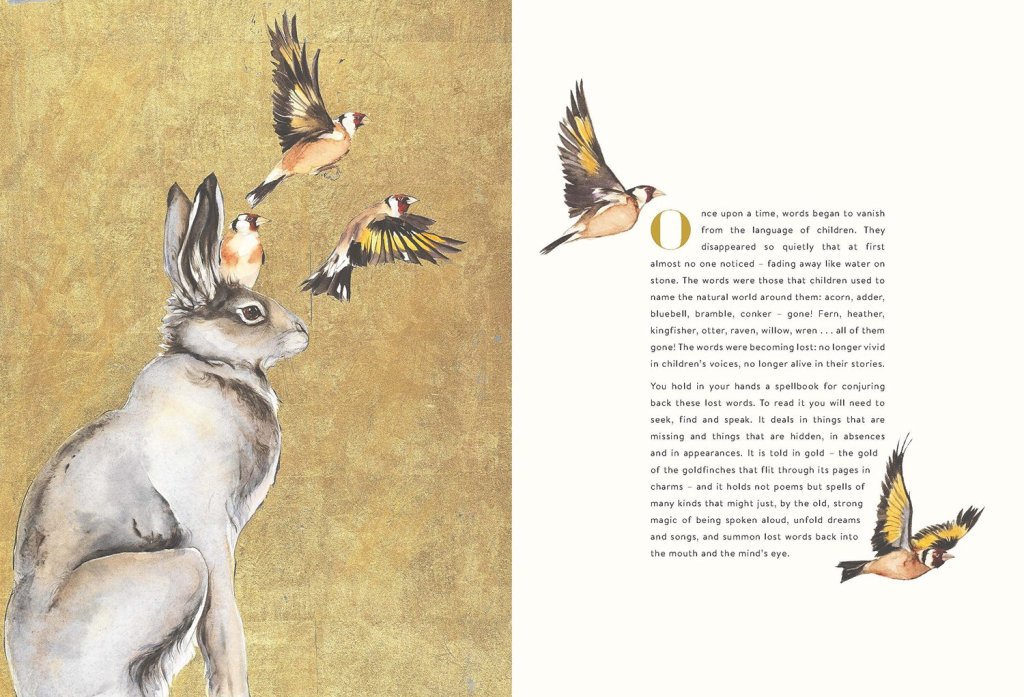
Another key inspiration for the layout of the art book is The Lost Words as I like the way the images and text are placed on the pages.
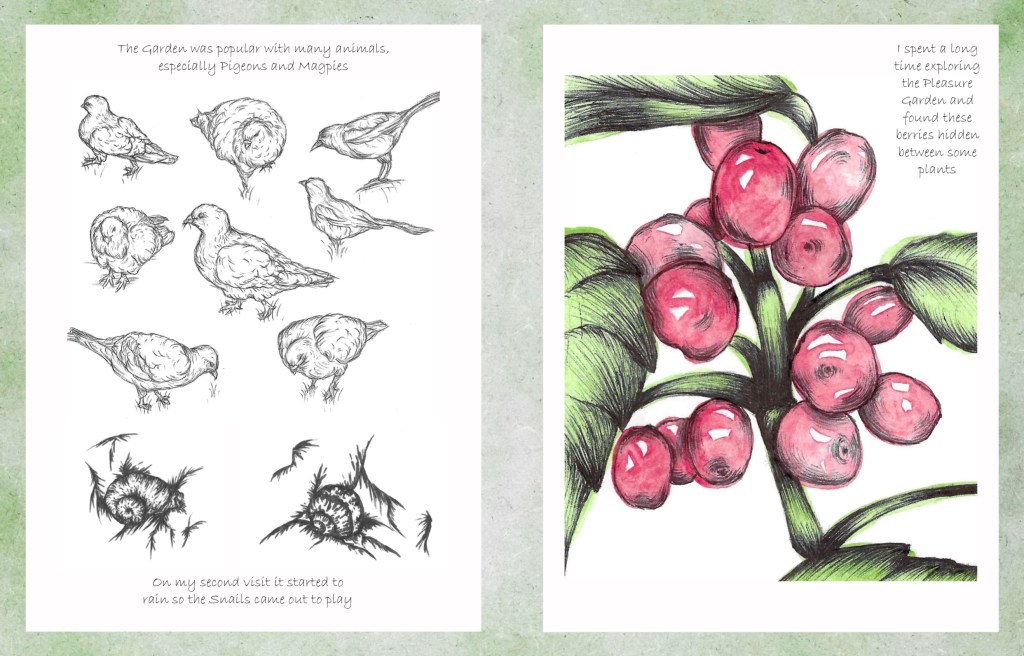
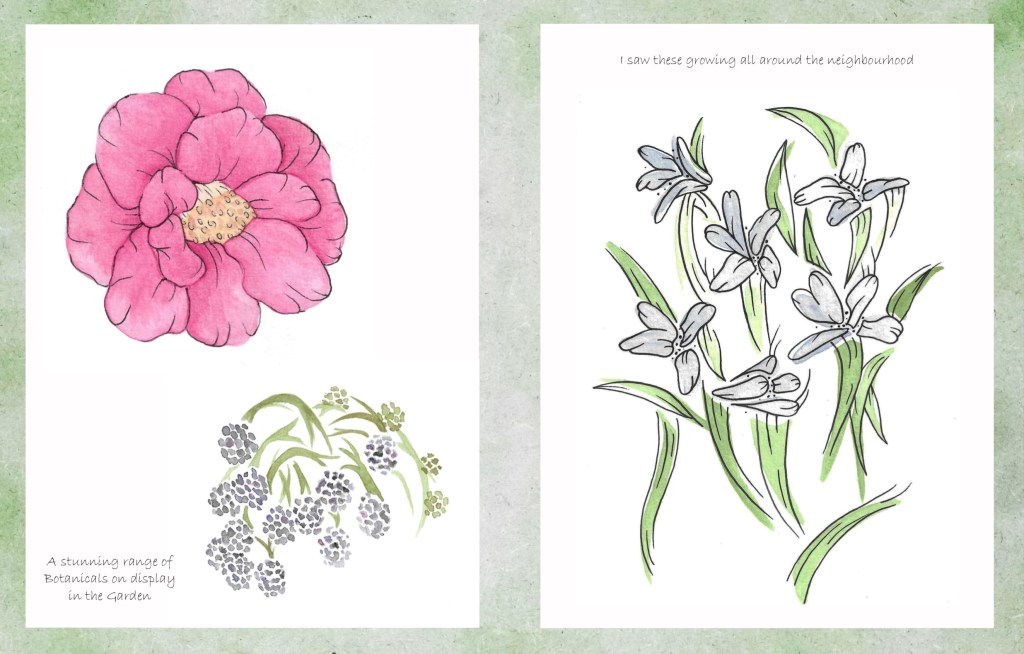
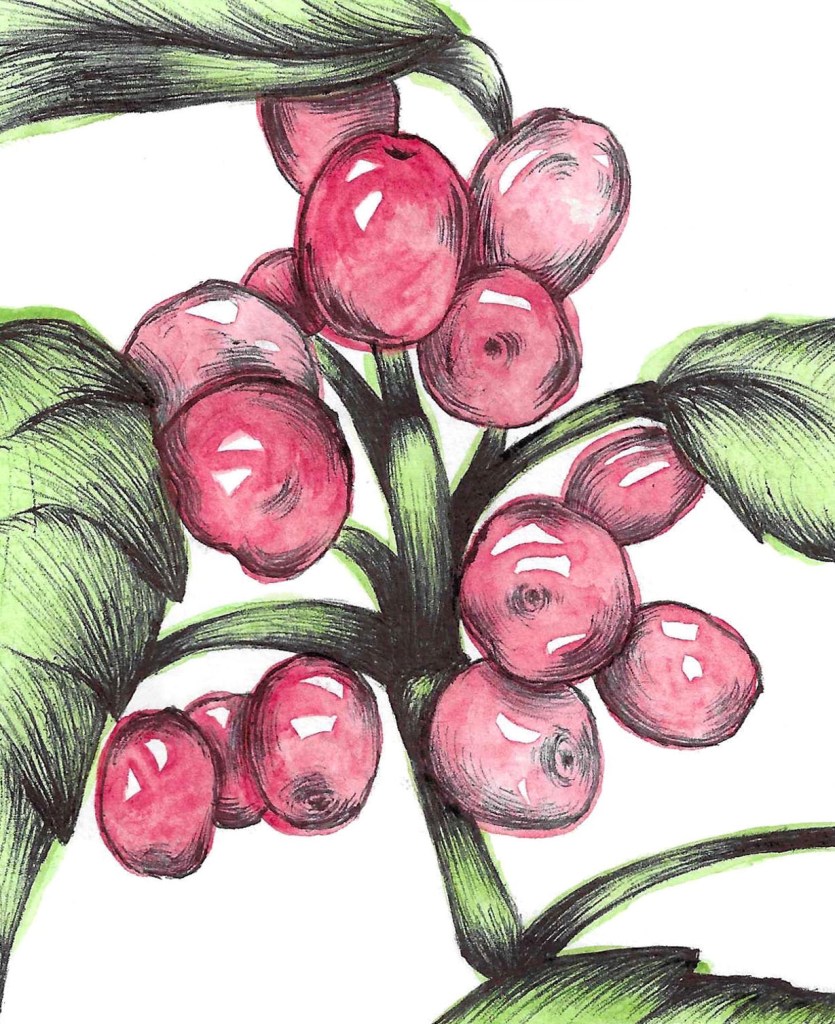
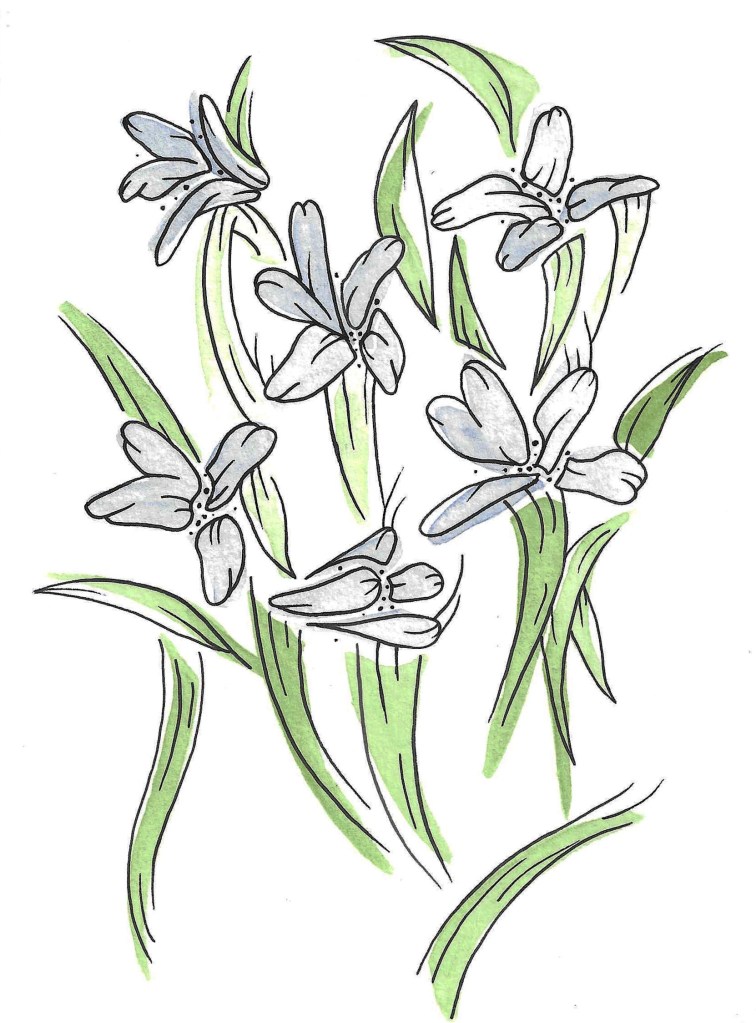
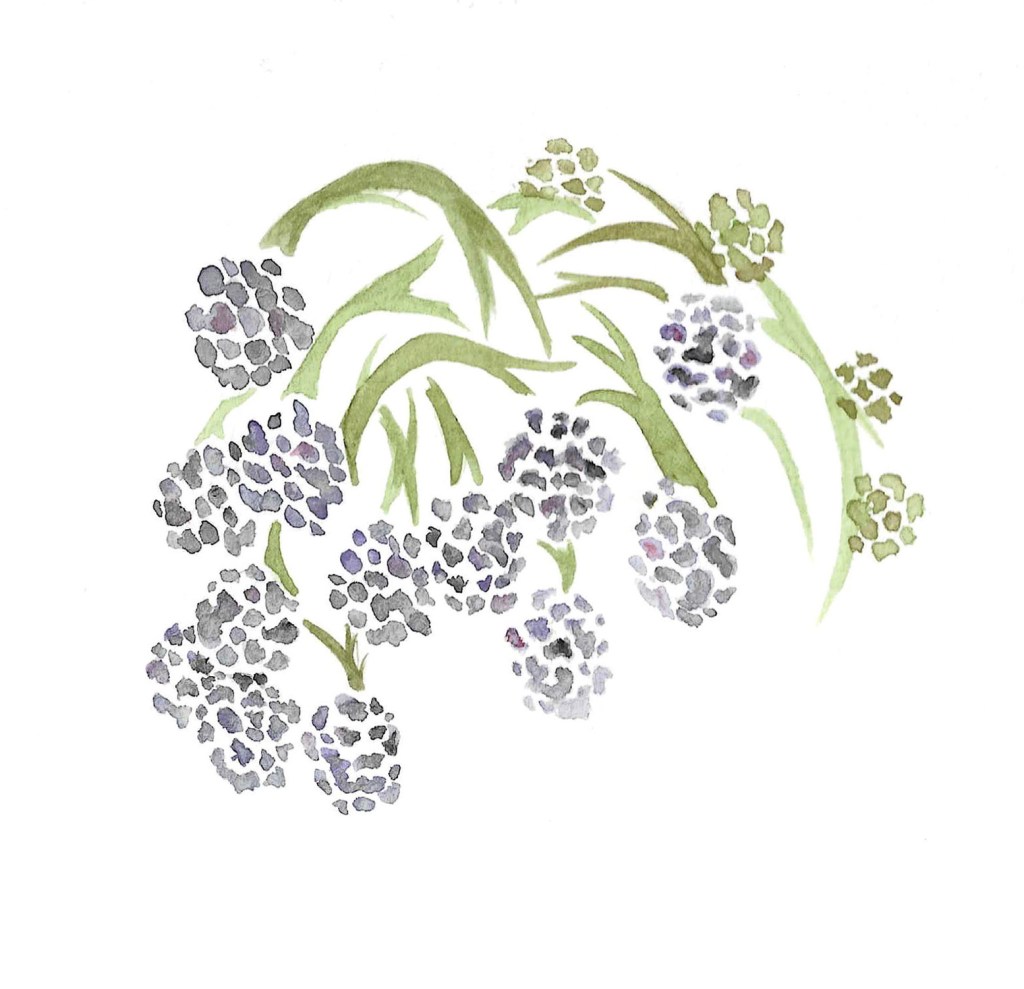
After completing the illustrations for Hyde Park I moved onto the ones for the Bonnington Gardens in Vauxhall. I finished the animals last week and now I’m moving onto the plants and scenery. First I made illustrations of berries and flowers I saw in the gardens. I experimented with different techniques as well as using some of the most successful ones from the Hyde Park illustrations. I really like the colours in these images as it brings a lot of life to the collection.
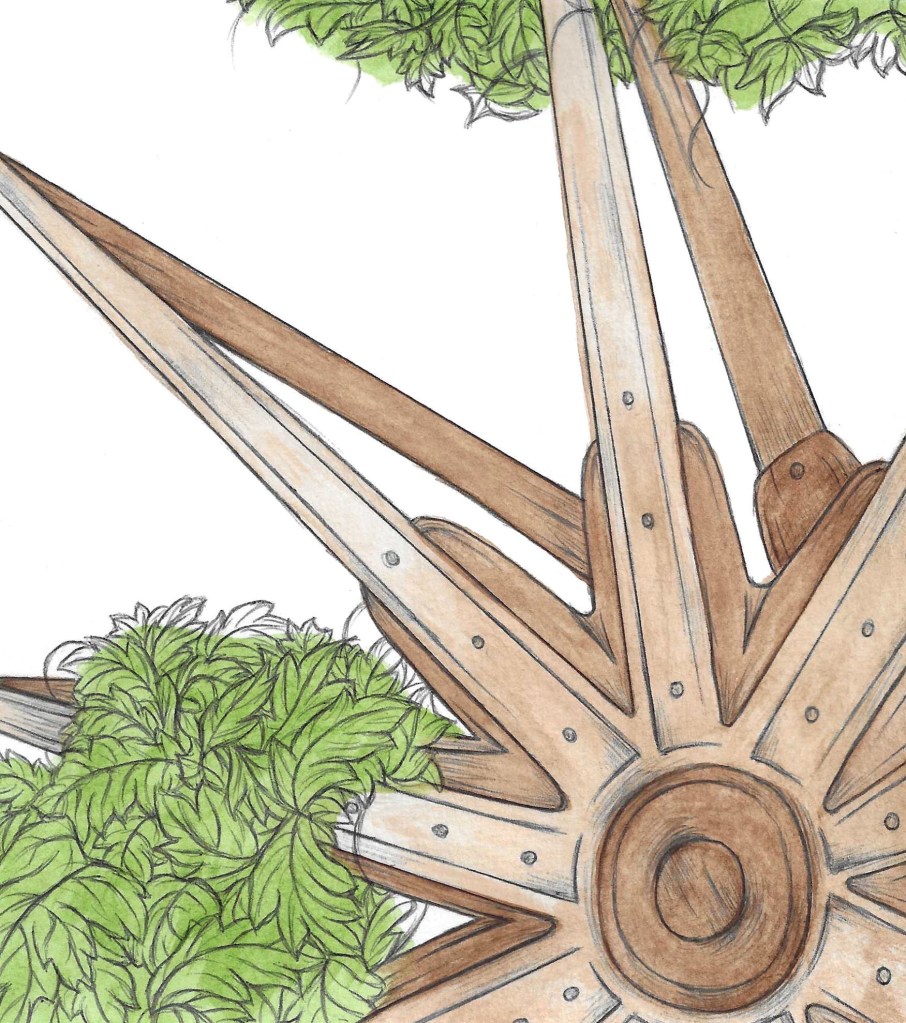
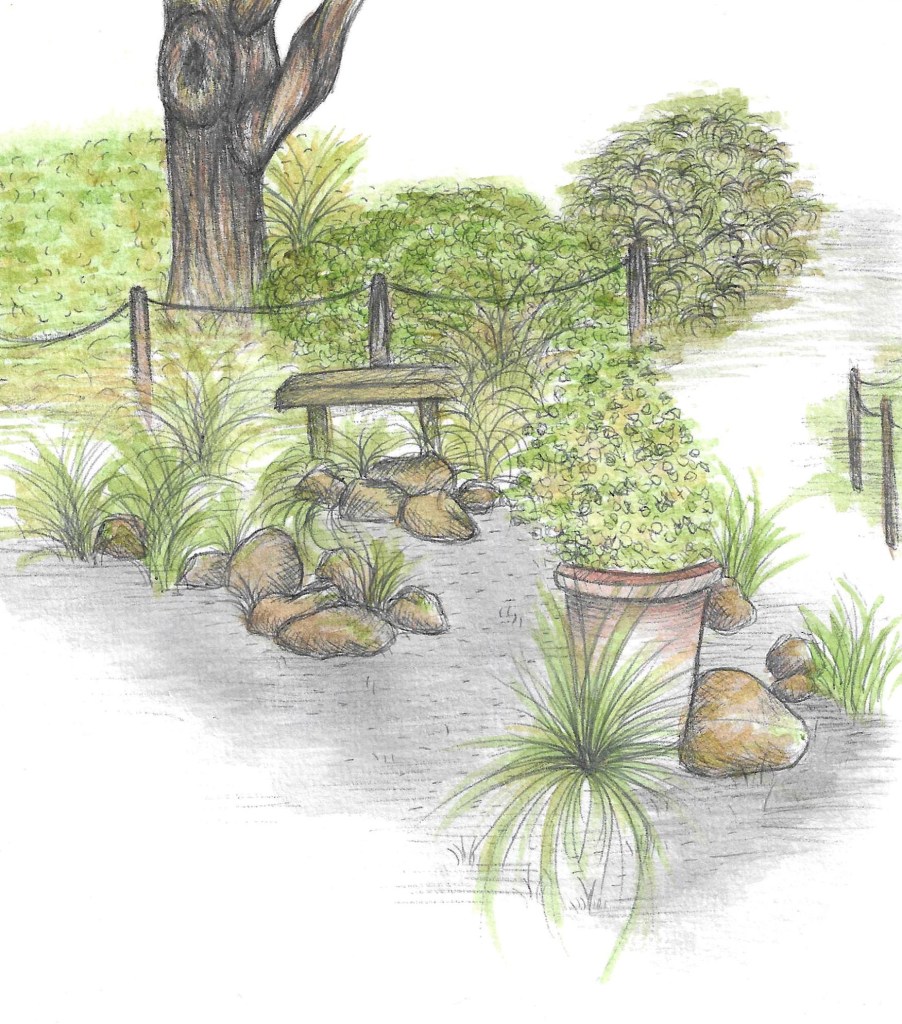
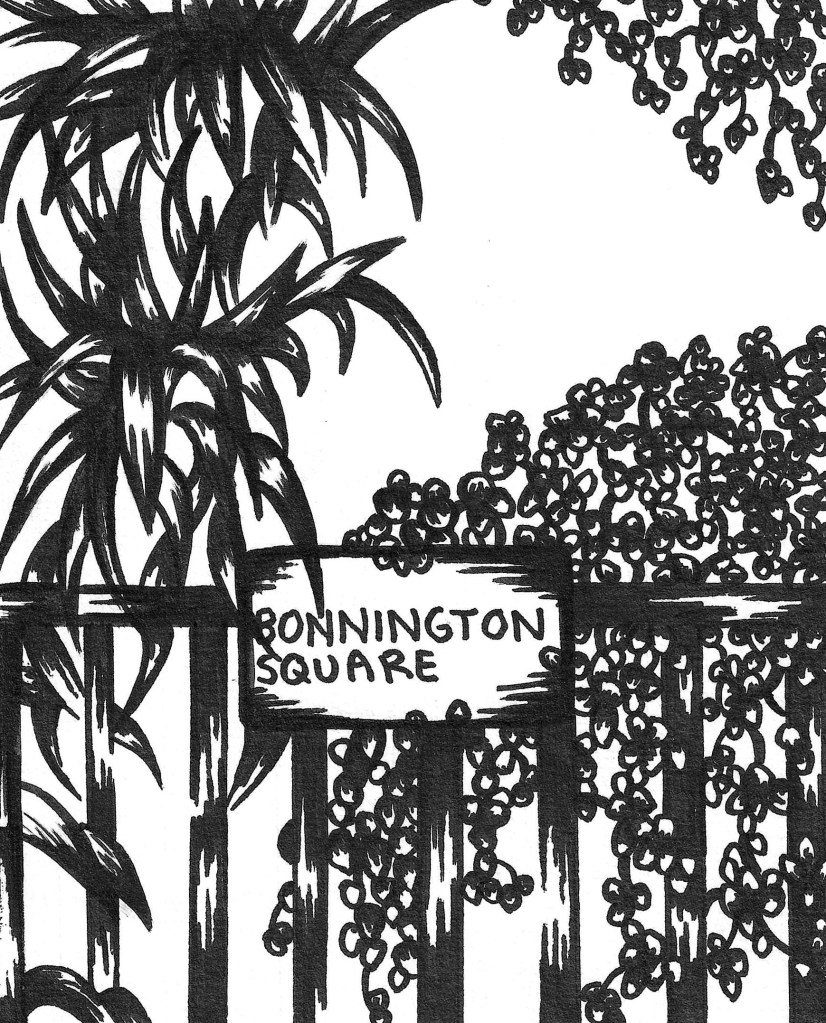
These are the 3 illustrations of the scenery in the Bonnington Gardens. The first one is a more refined combination of water colour and biro.
This piece is inspired by Beatrix Potters illustrations of natural scenery.
Another experiment with marker pens.
Also I went to a session to learn about book making. It was very helpful as I now know how to produce multiple different types of books. If I have time I’d like to produce a physical art book to accompany the digital version. I would use a traditional stitch binder book style.
I have now completed all the illustrations I’ll need for this project so I can now move onto the next step, assembling them in an art book.
As well as visiting the gardens, I spent a lot of time this week working out the details of the project and ideas for the presentation of the art book. In order to make the art book visually cohesive, I’ve settled upon using only 3 mediums. These are marker pens, biros and watercolours. These mediums allow me enough versatility because they can be combined as well as used on their own, while still maintaining a visual flow.
One of the biggest challenges for me has been titling my project to help consolidate my ideas. The title I’ve decided on for my art book is ‘Natures Beautiful Freedom’, with the subheading ‘to document and preserve a collection of little moments’. I feel that this sums up my intentions for this project as I want it to be a set of delicate and sweet illustrations to capture the beauty of 2 locations in London.
I plan to scan all my illustrations and assemble the art book digitally using Adobe InDesign. The number of pages remains flexible but I would like it to be 10 pages long. With a front and back cover, 4 pages of illustrations for Hyde Park and 4 pages for the Bonnington Gardens. I will make a watercolour wash background which will be used for the background of each pages. The illustrations will be grouped by location and sub grouped thematically, with all the animals together, all the botanics together and all the secretary ones together. This should make it engaging for the viewer.
These are the water colour background:
Next week I will test page layouts and refine the details of the art book such as introductions to the locations and summary for the back cover.
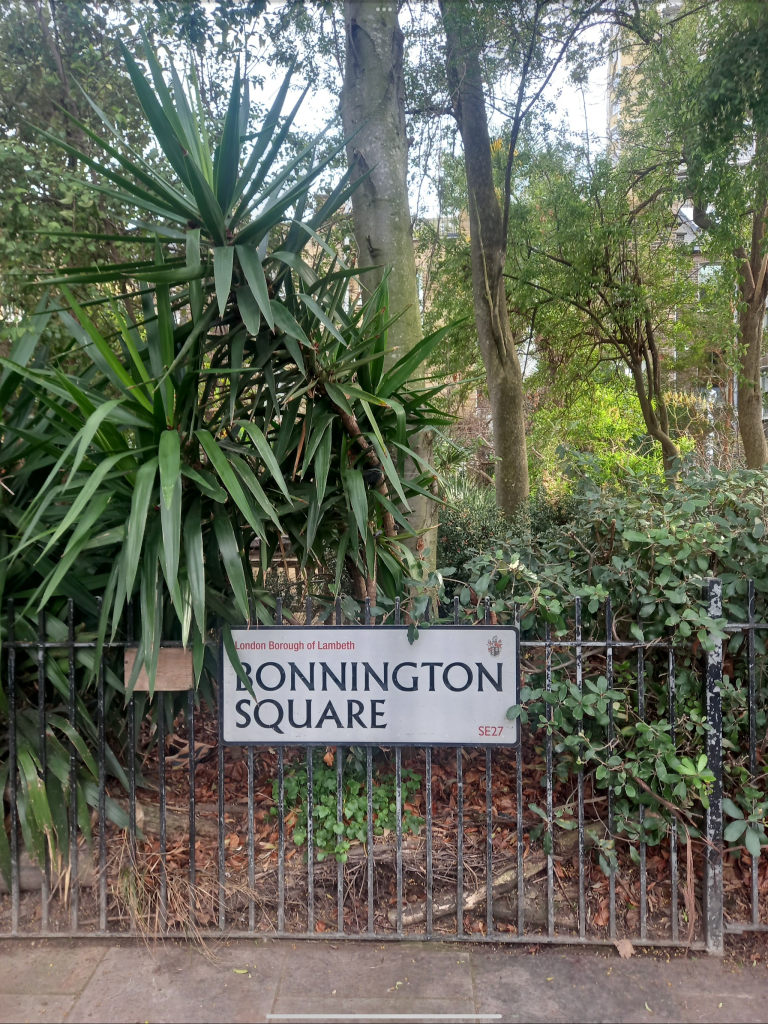
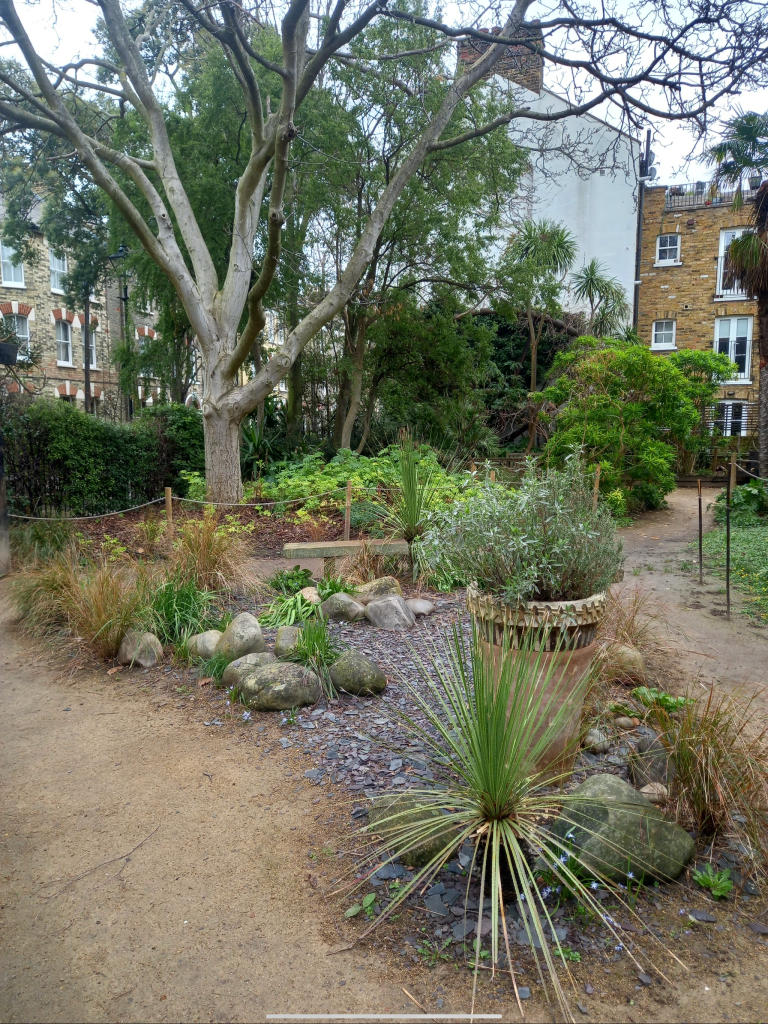
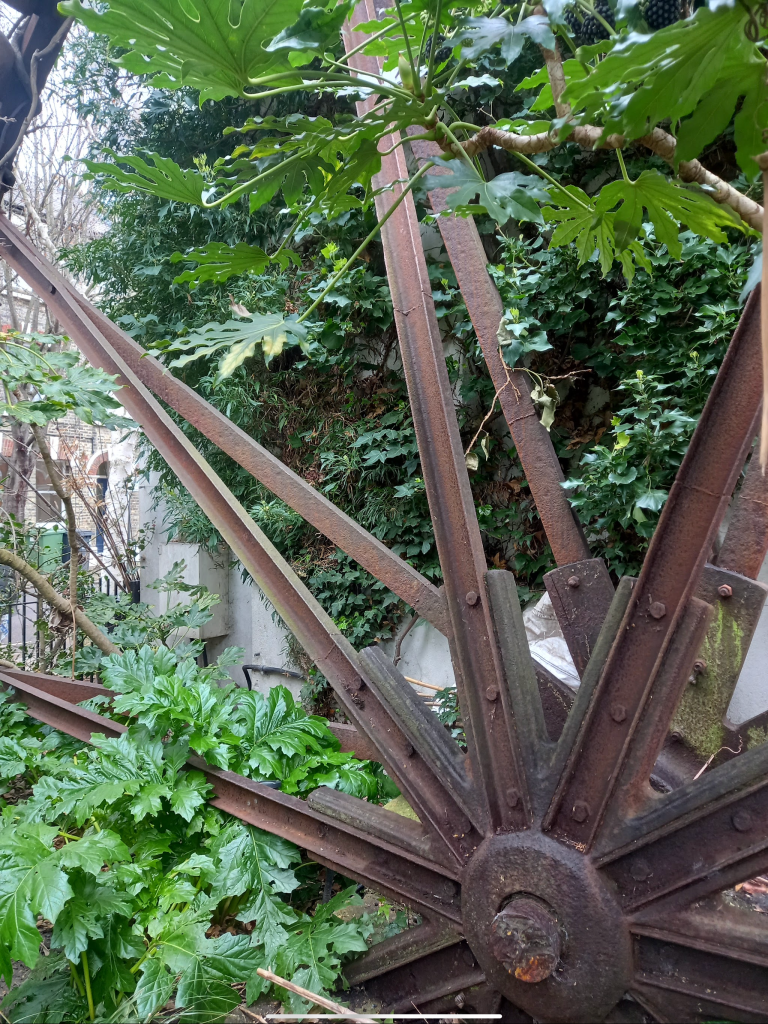
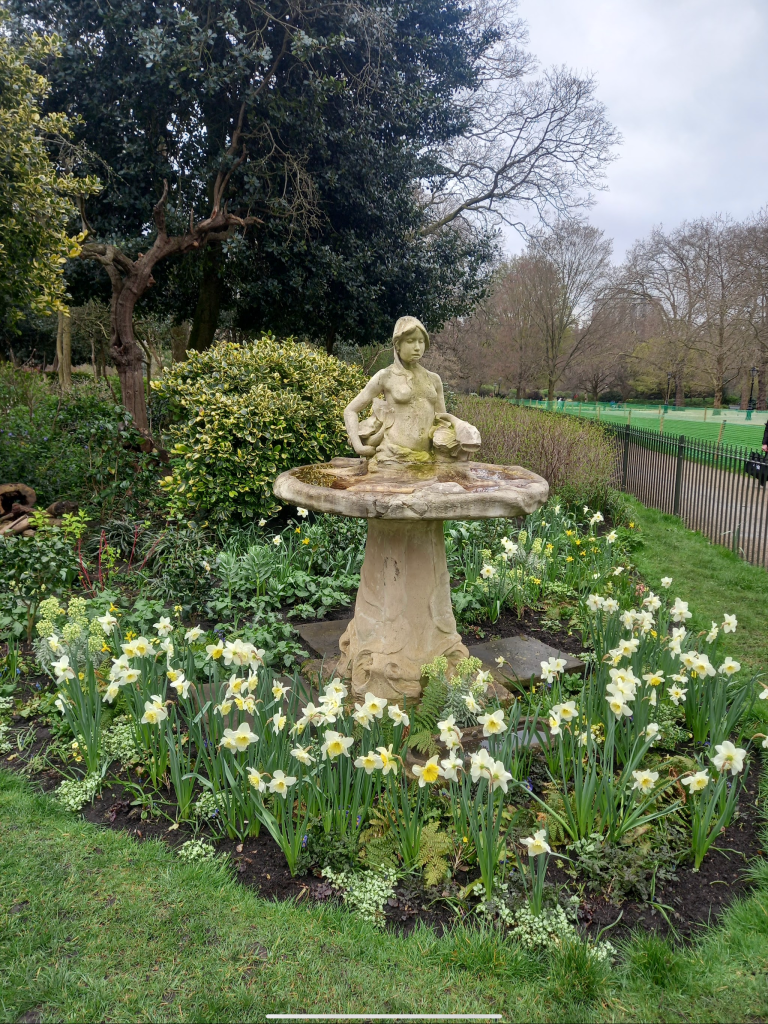
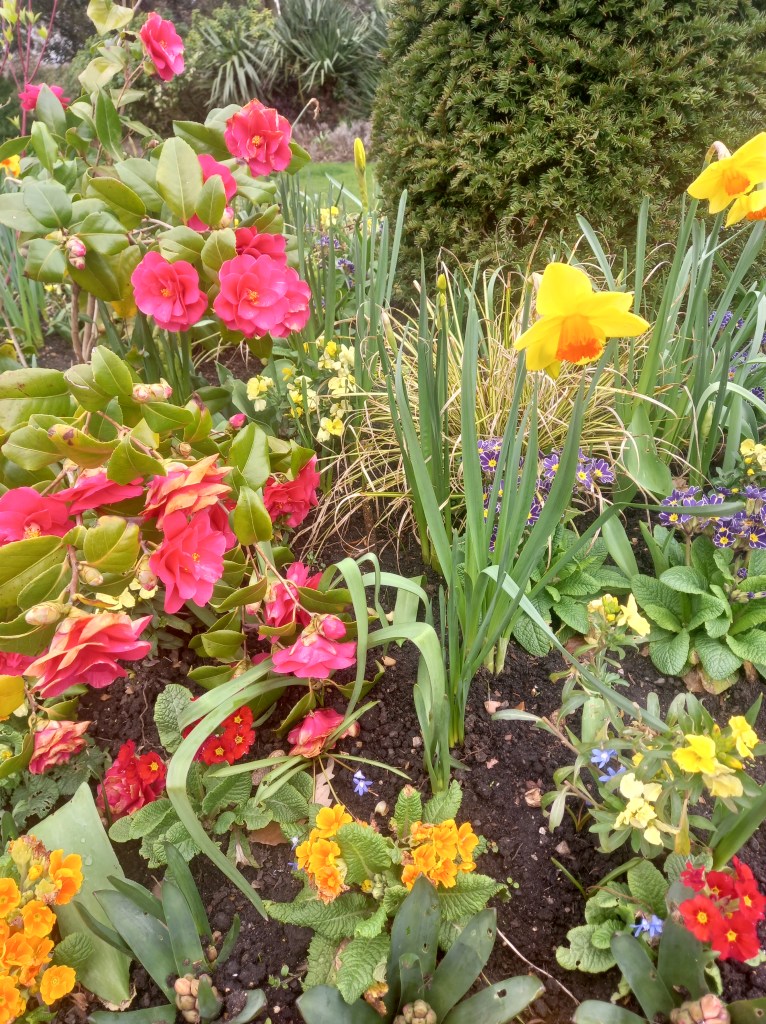
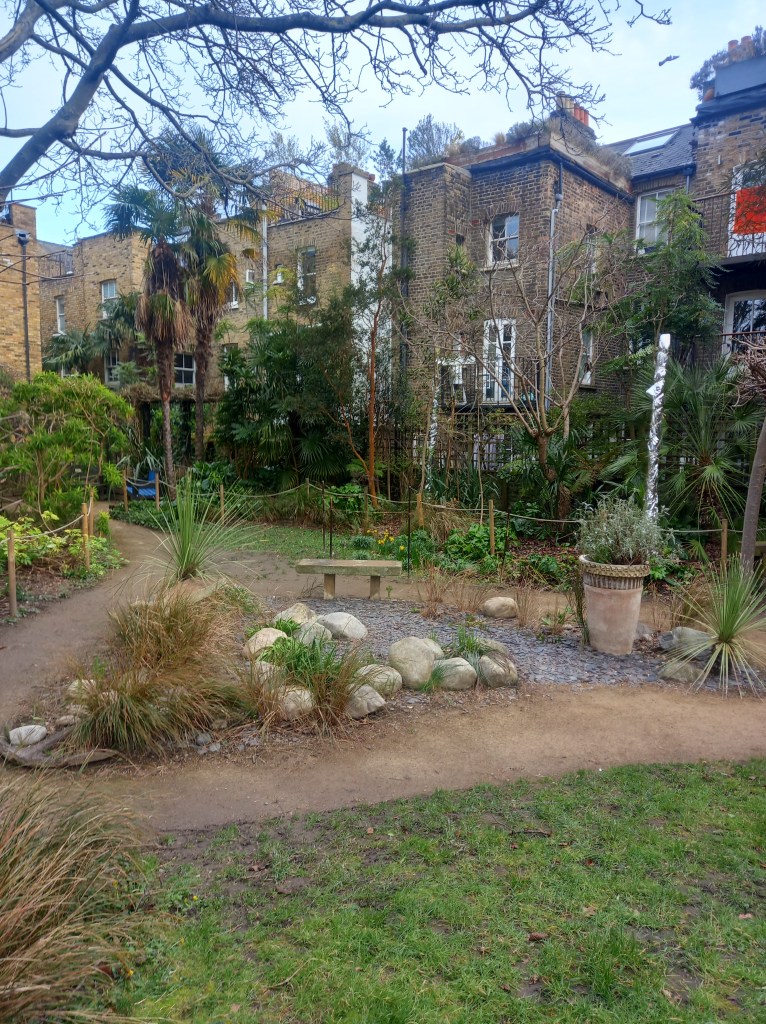
This week I visited the Bonnington Pleasure Gardens in Vauxhall. I spent some time in the gardens and going around the surrounding area. Unfortunately, due to the changing weather condition, I wasn’t able to produce many sketches on location but did get plenty of photos to draw from. The gardens is a beautifully overgrown little place so I want to capture this through my illustrations. Here are some of the photos I’m going to use as reference:
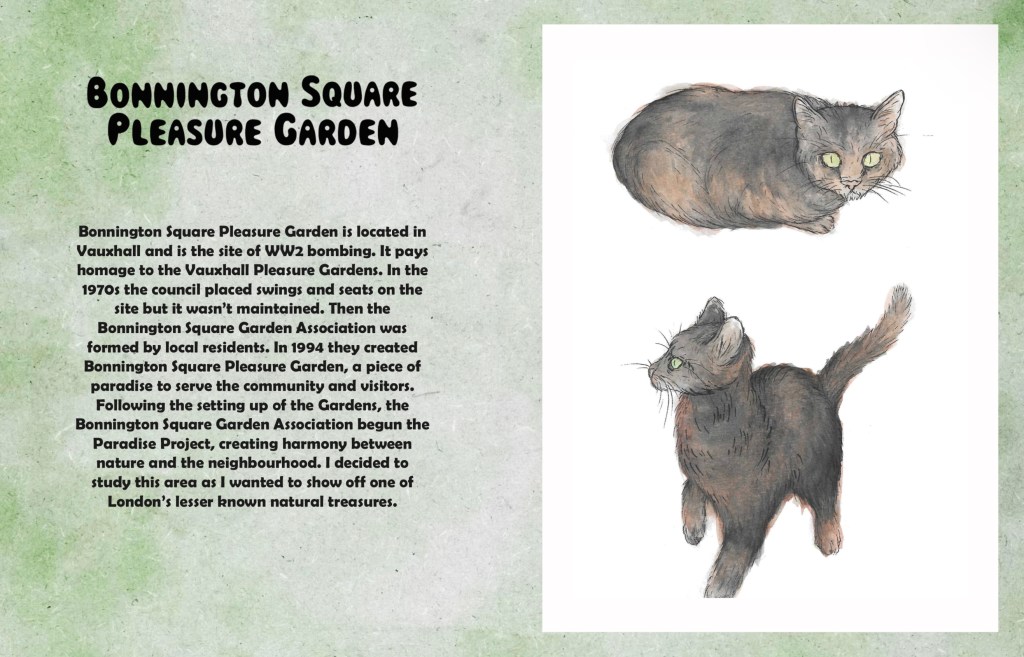
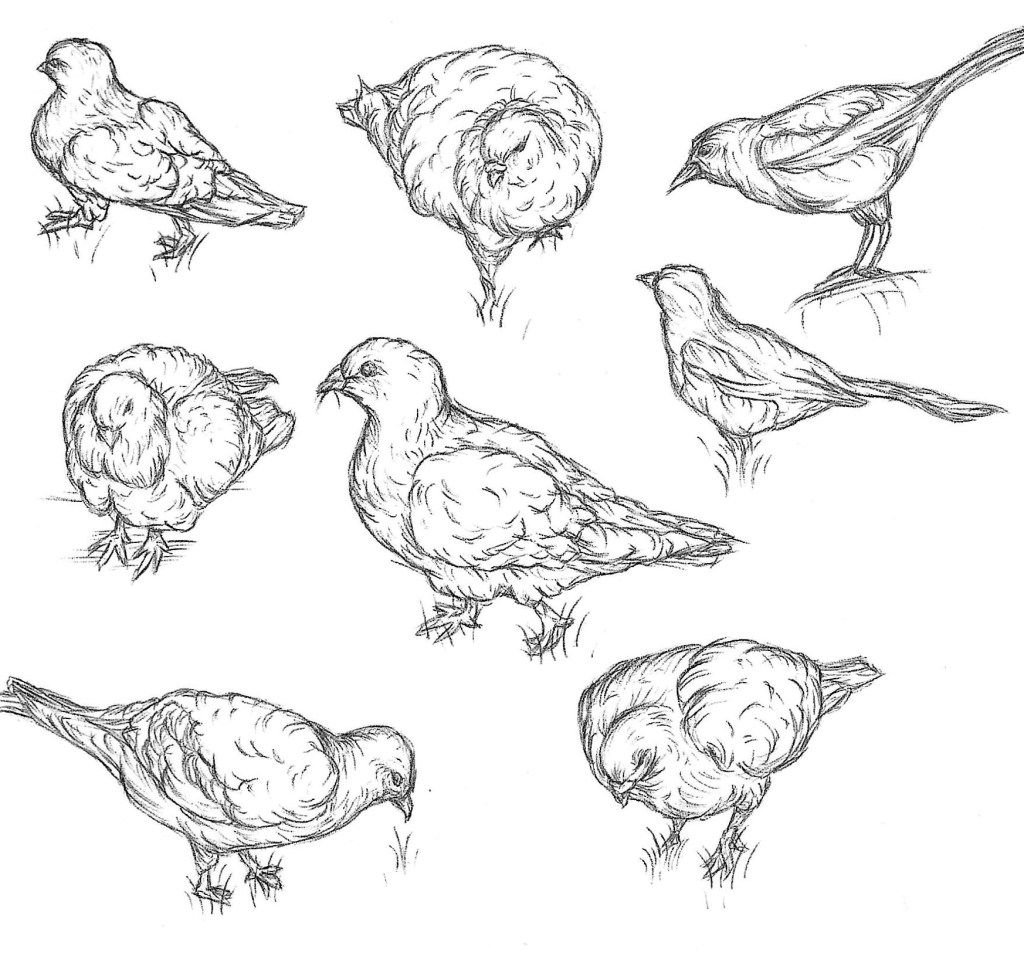
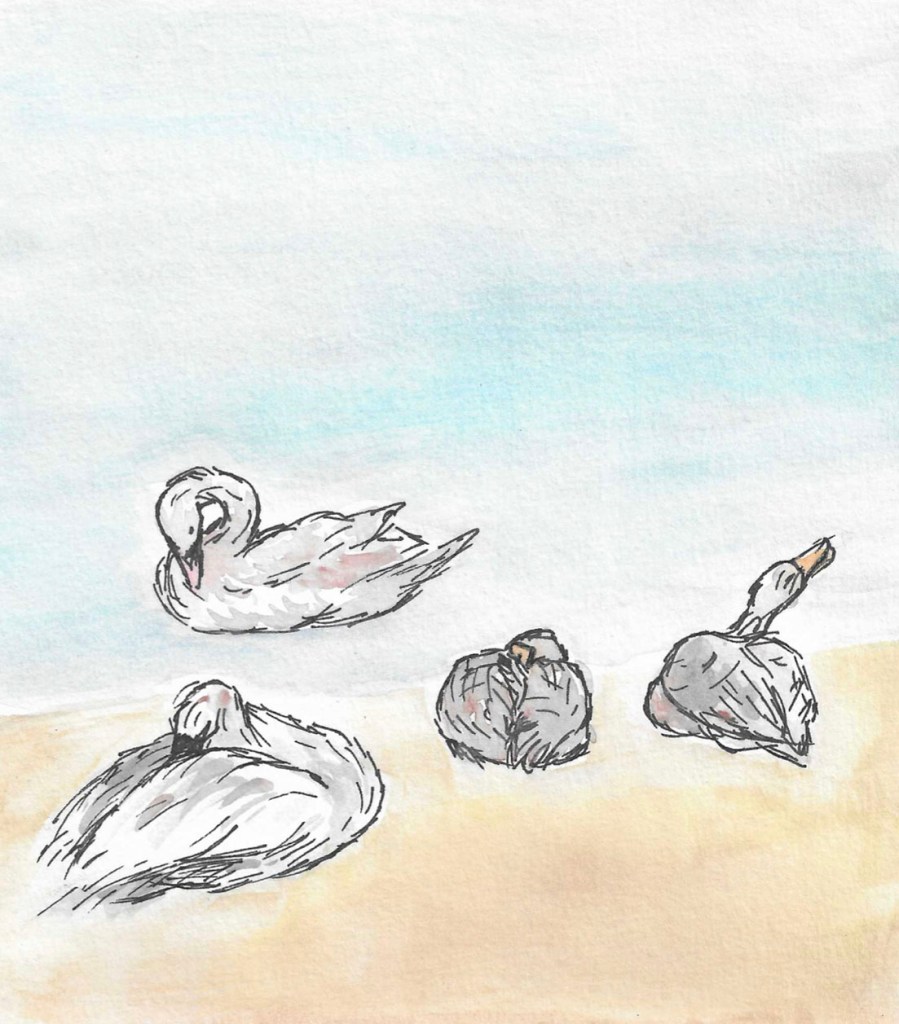
These are the illustrations of animals from the Bonnington Gardens. Here are a set of more anatomically-focused illustrations of some birds I saw.
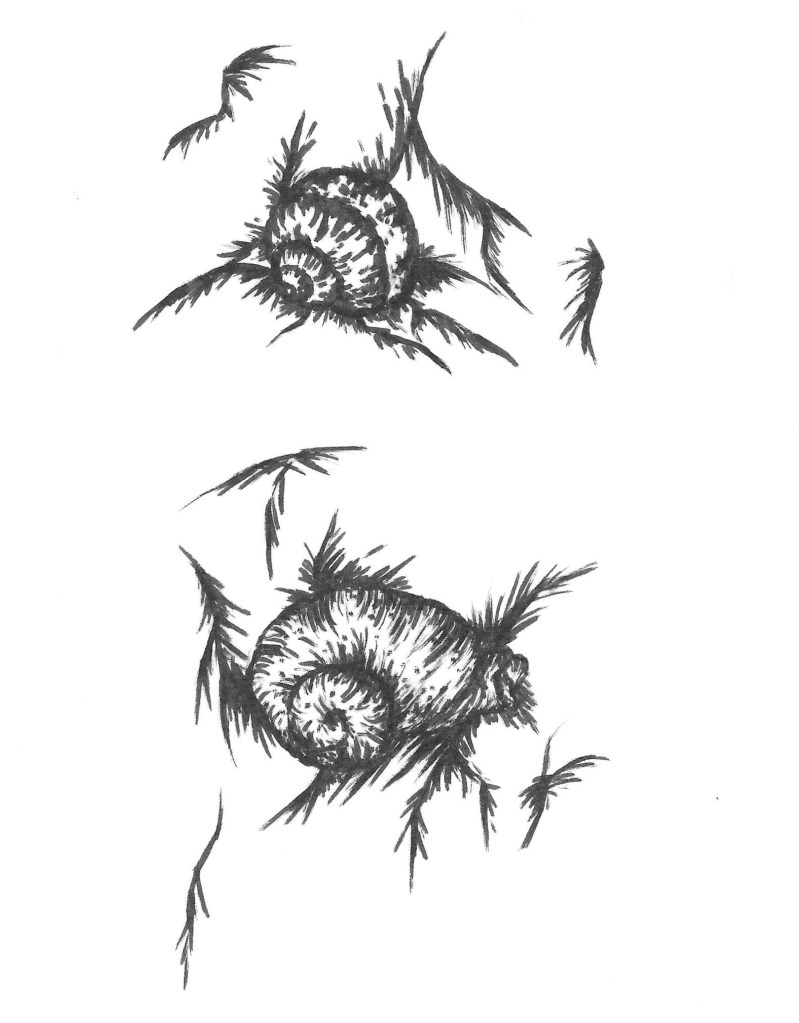
Some bold marker style snails.
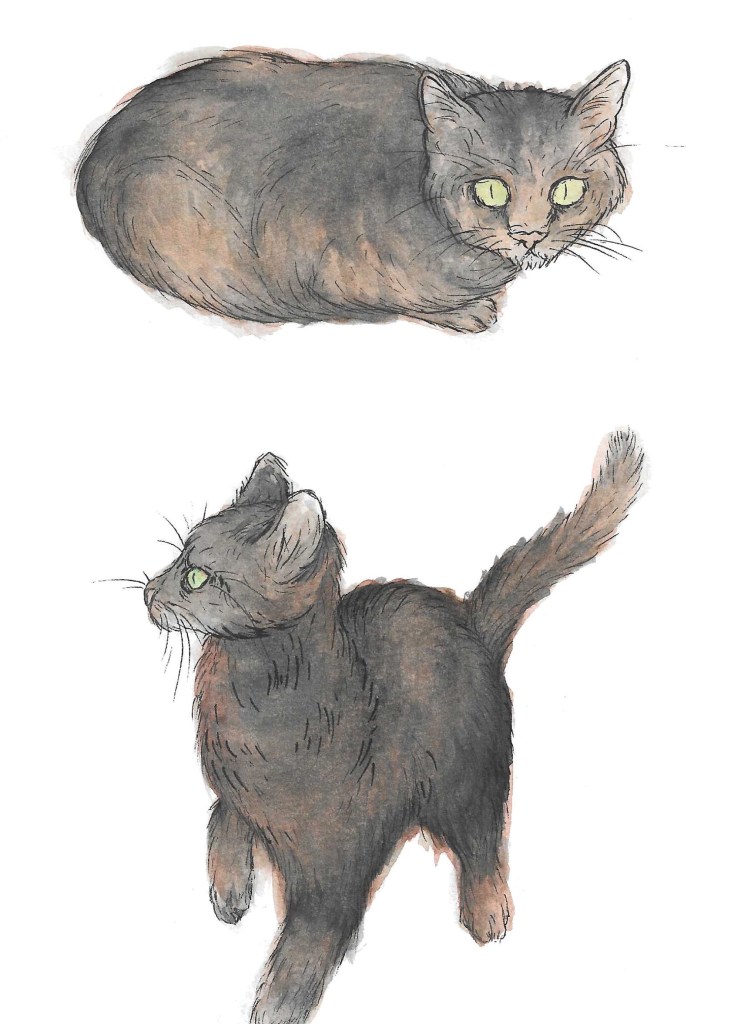
A detailed watercolour study of a cat heavily inspired by Beatrix Potter and Marco Brodde.
I also went back to Hyde Park to get some more photos. Because I had already done some sketches from Hyde Park, I had a more focused idea of what to photograph in order to comprehensively study the area.
This illustration took inspiration from the work of George Butler. I really like way the watercolour and biro overlap but don’t fit perfectly.
I used a similar style to depict some flowers that where in Hyde Park.
I have enough source material to work from so now I can focus on producing my illustrations and creating the art book for them.
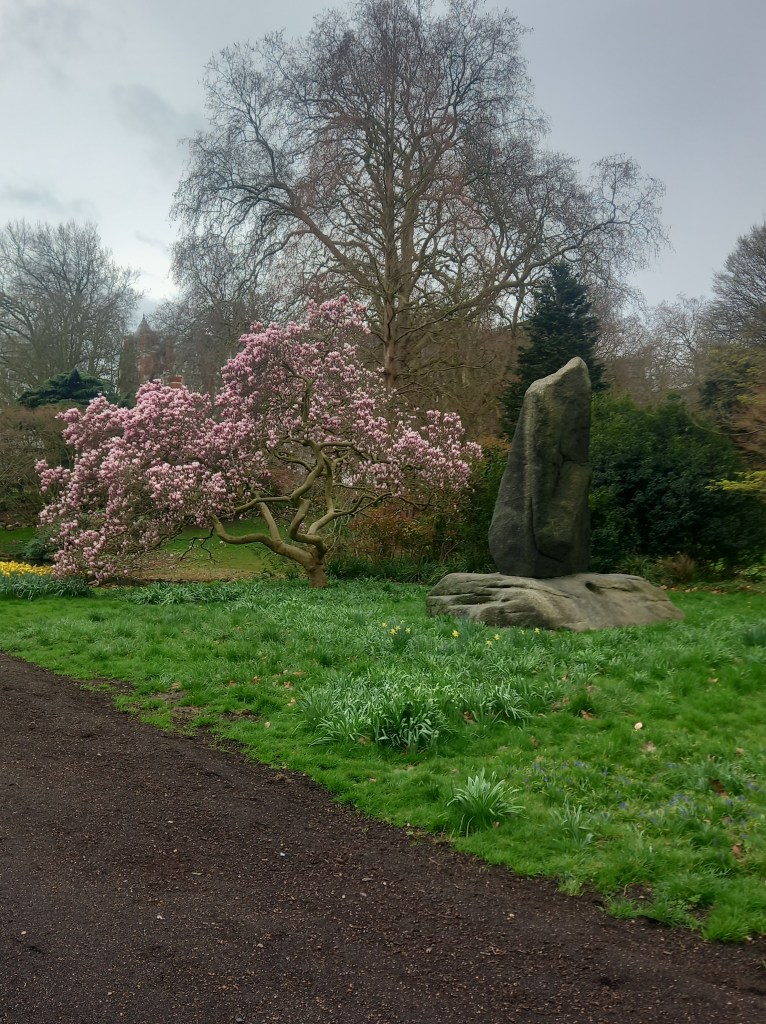
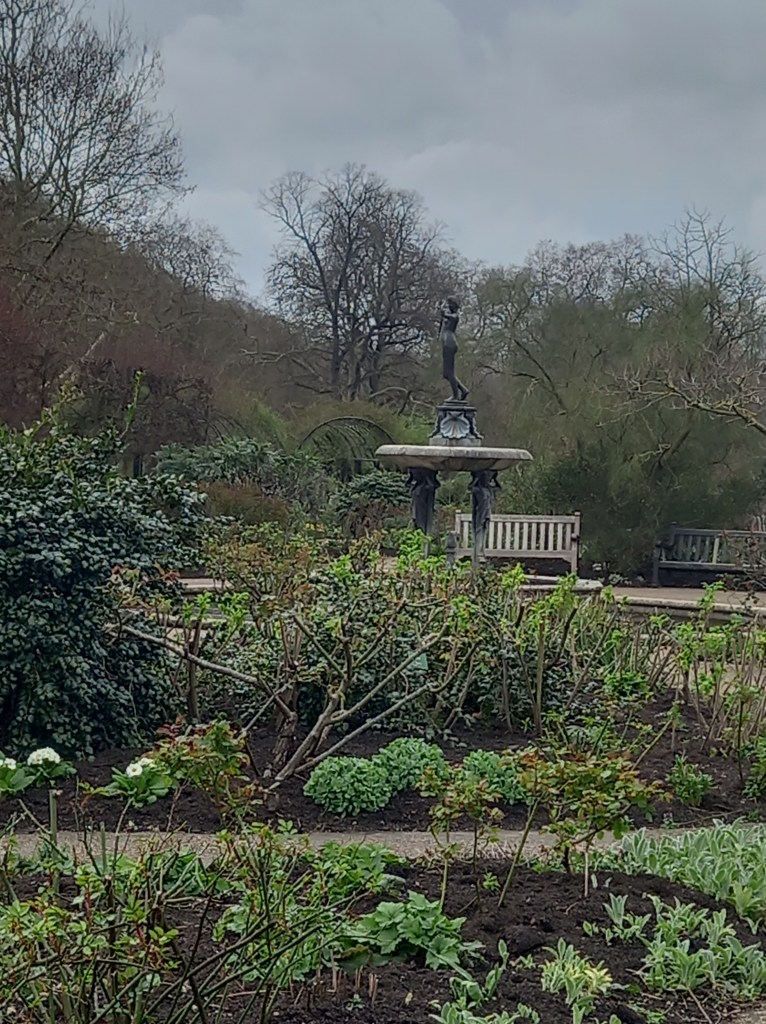
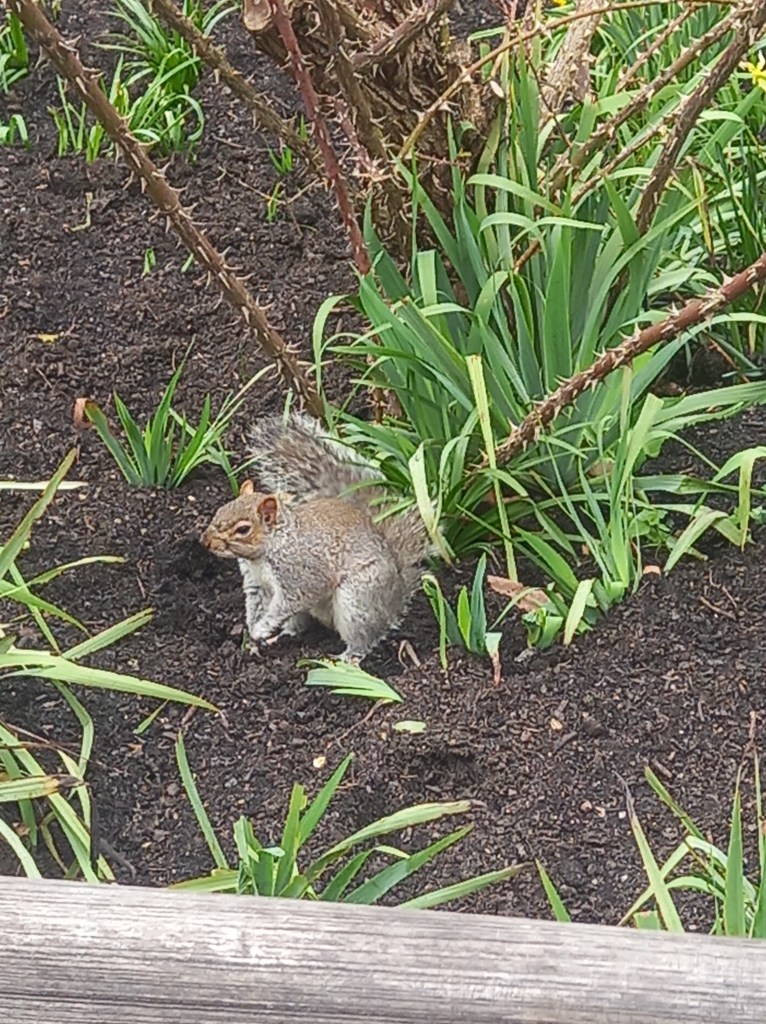
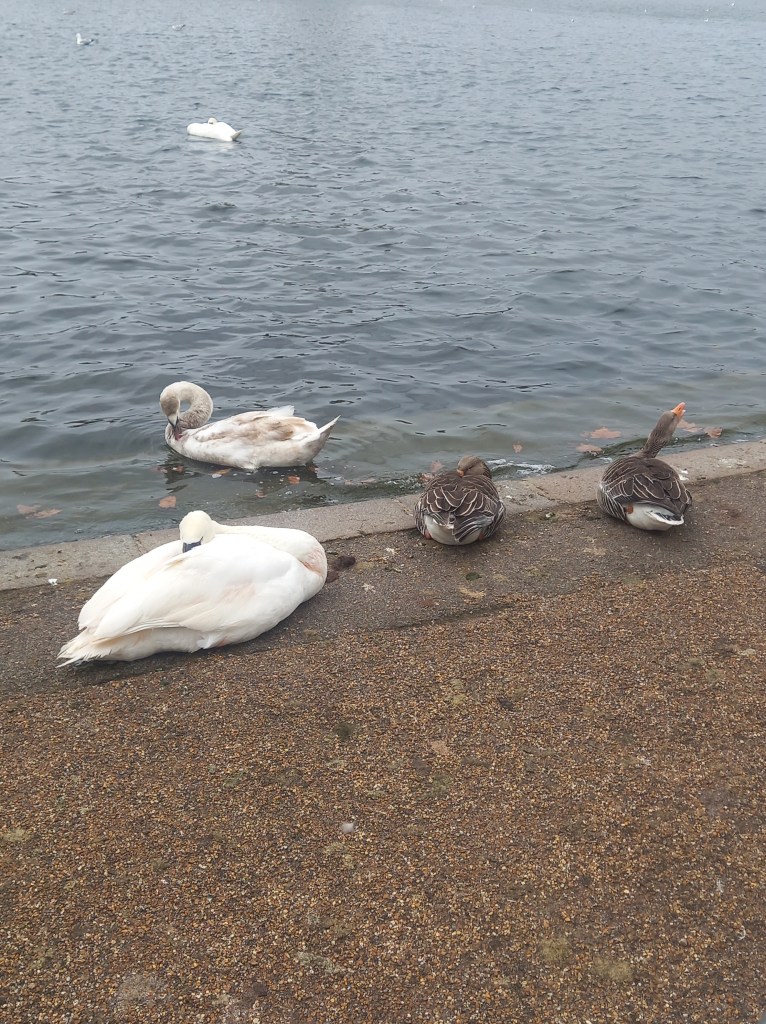
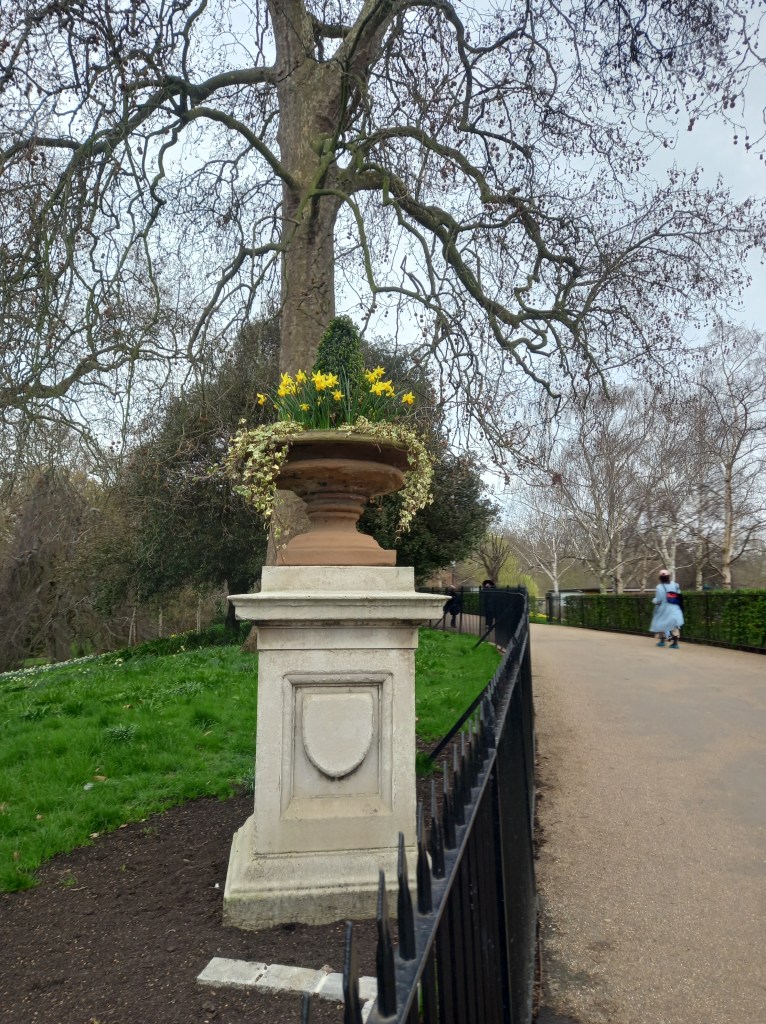
This week I visited Hyde Park, I went for around 4 hours. I spent a while wandering around the park to see what different areas there where and finding my own areas of interest. Then I found places to sit and began to sketch on location as well as take some photos to reference back to and make further developments with. I found that I had a big interest in trying to capture animal behaviours and drawing these from the photos I took. Also I really like parts where the plants and man made structures are interacting. These are a selection of the photos I took of locations I drew at as well as ones I used for later developments.
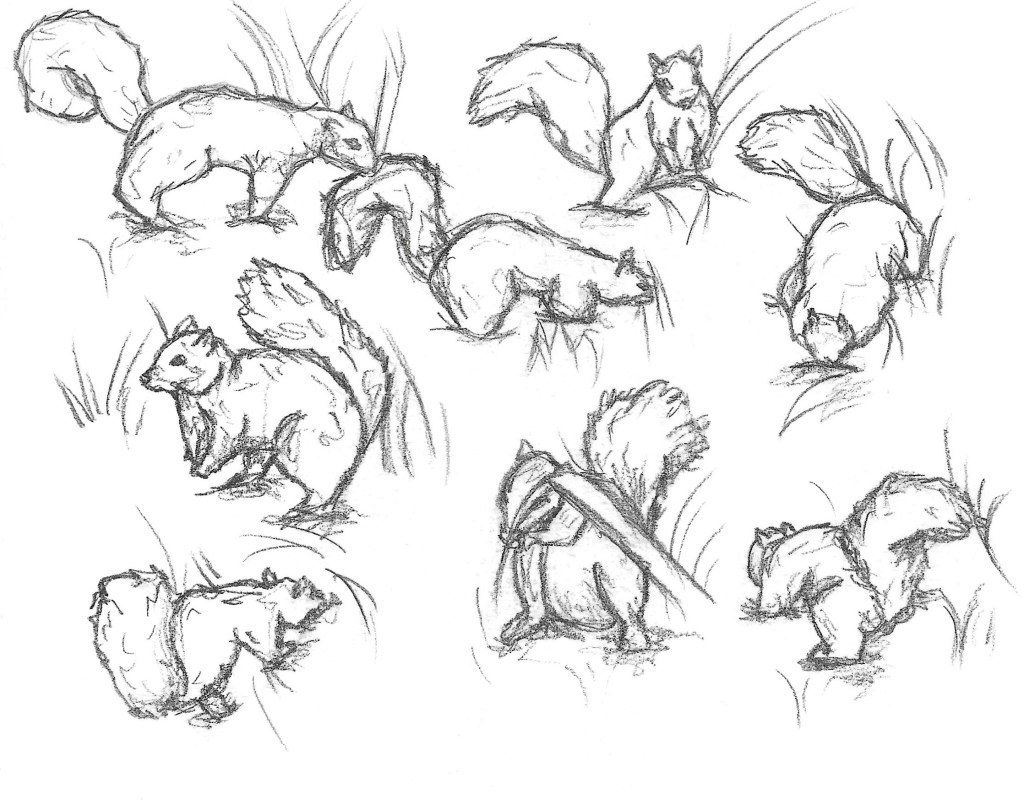
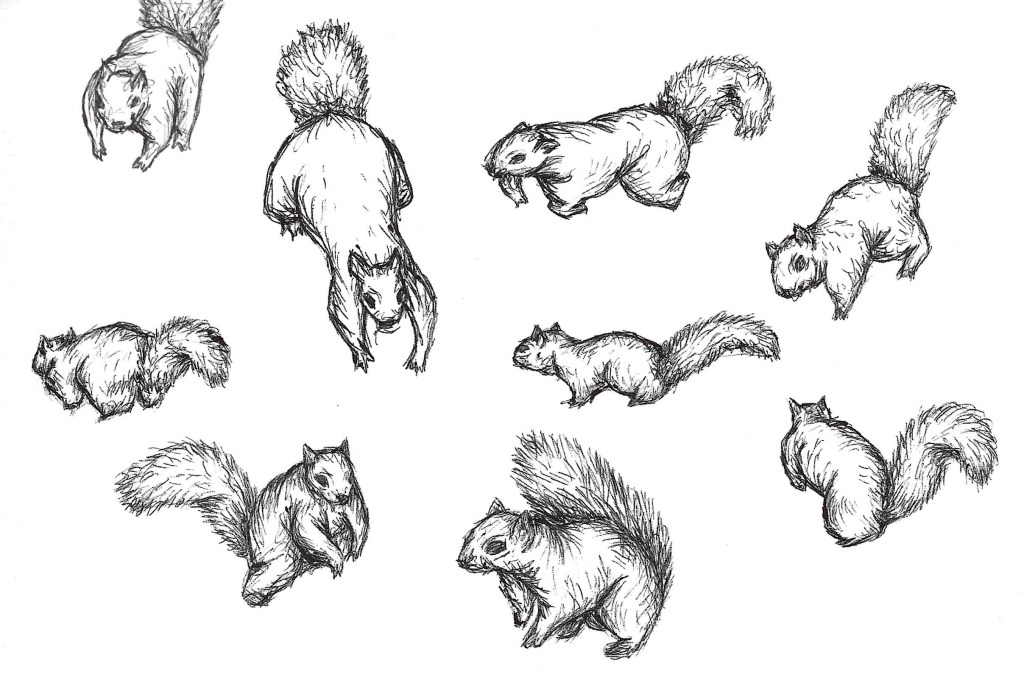
I did a study of a few different squirrels. I was lucky to get close enough to film a few and make sketches of their movements. I tired this in a few different materials, pencil, biro and marker pen.
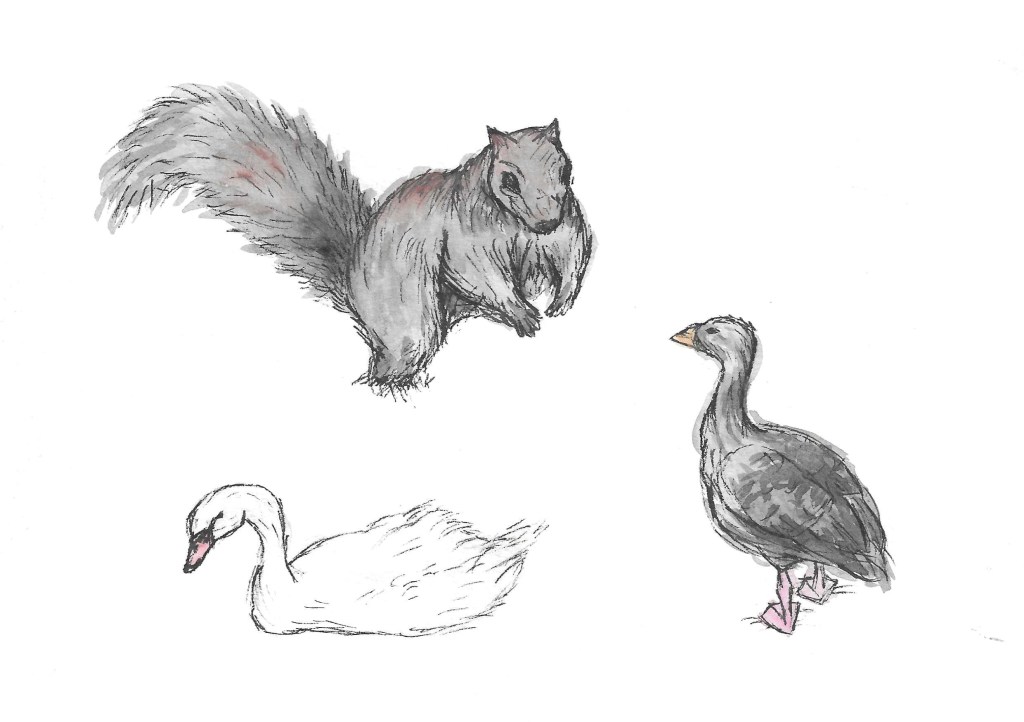
I really like this Beatrix Potter inspired style of drawing animals. I start with a biro sketch then add watercolour. I hope to capture more animals through out this project to do more in this style. I also took inspiration from the illustrative style of the Lost Words.
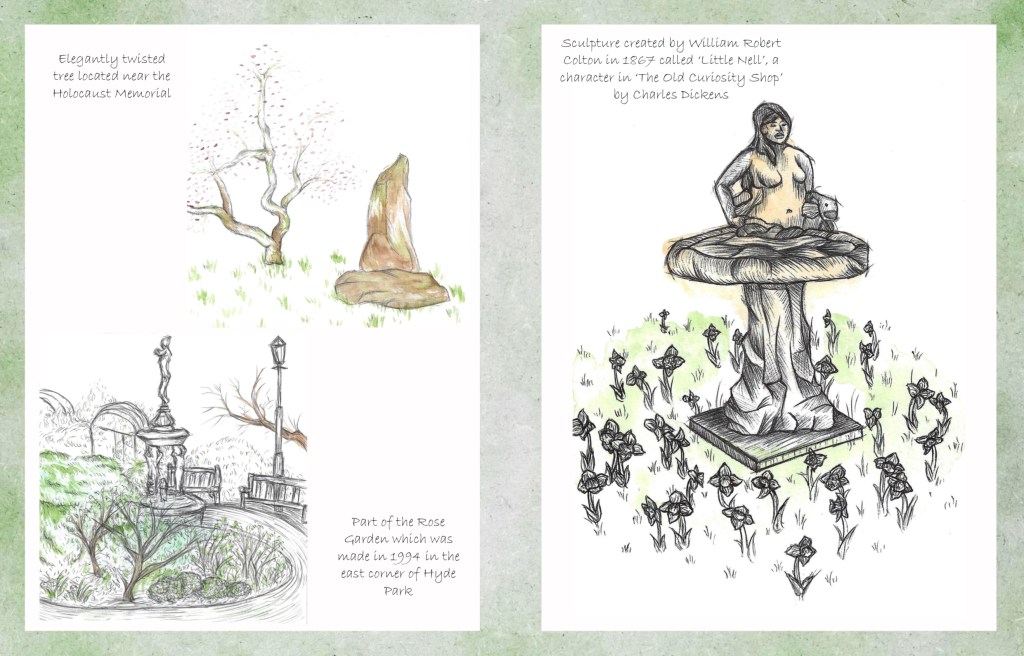
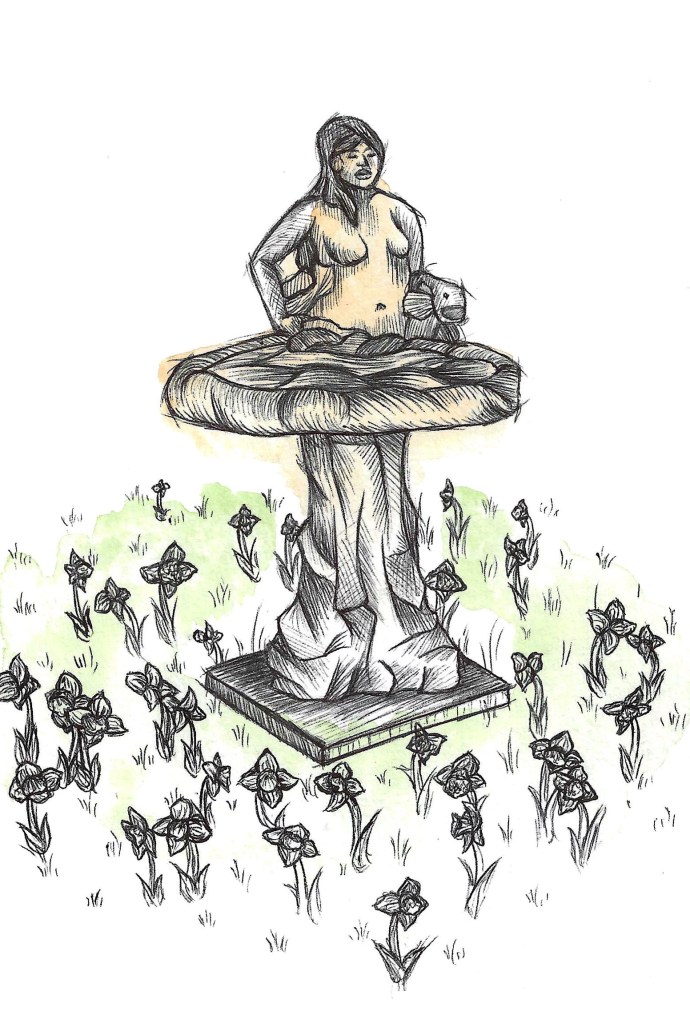
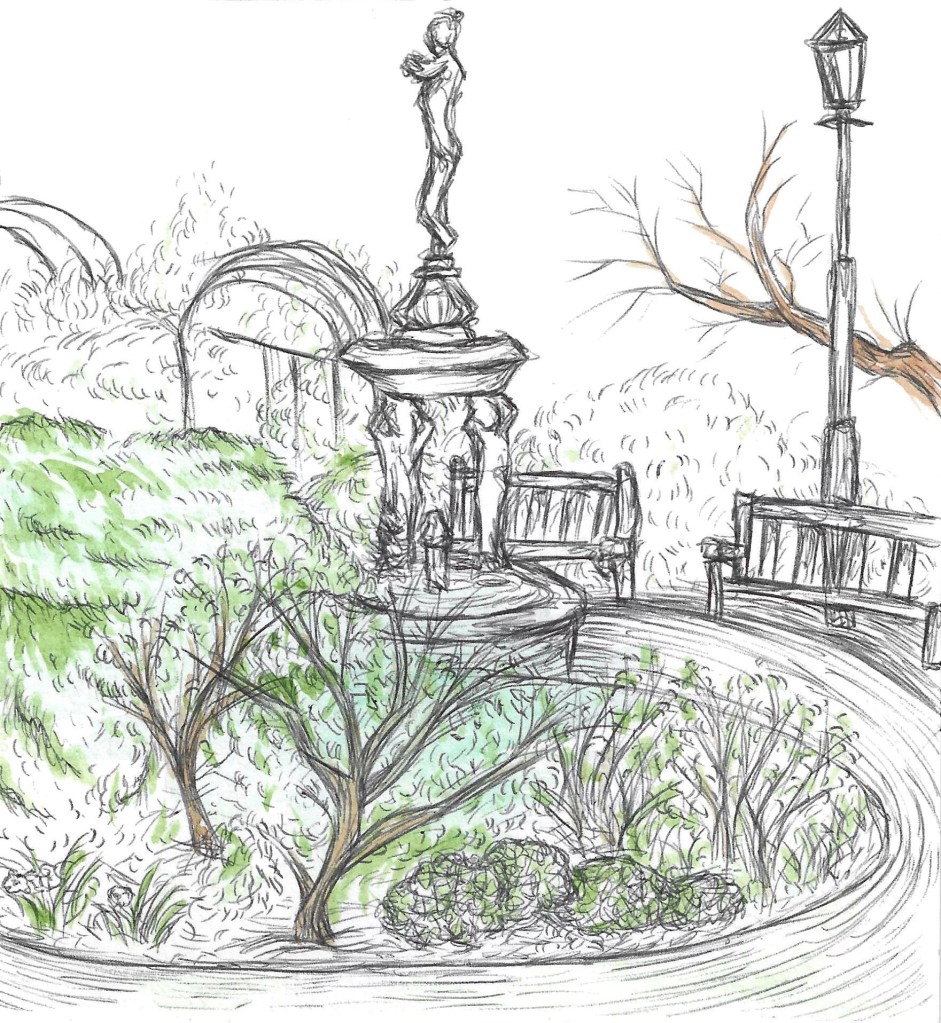
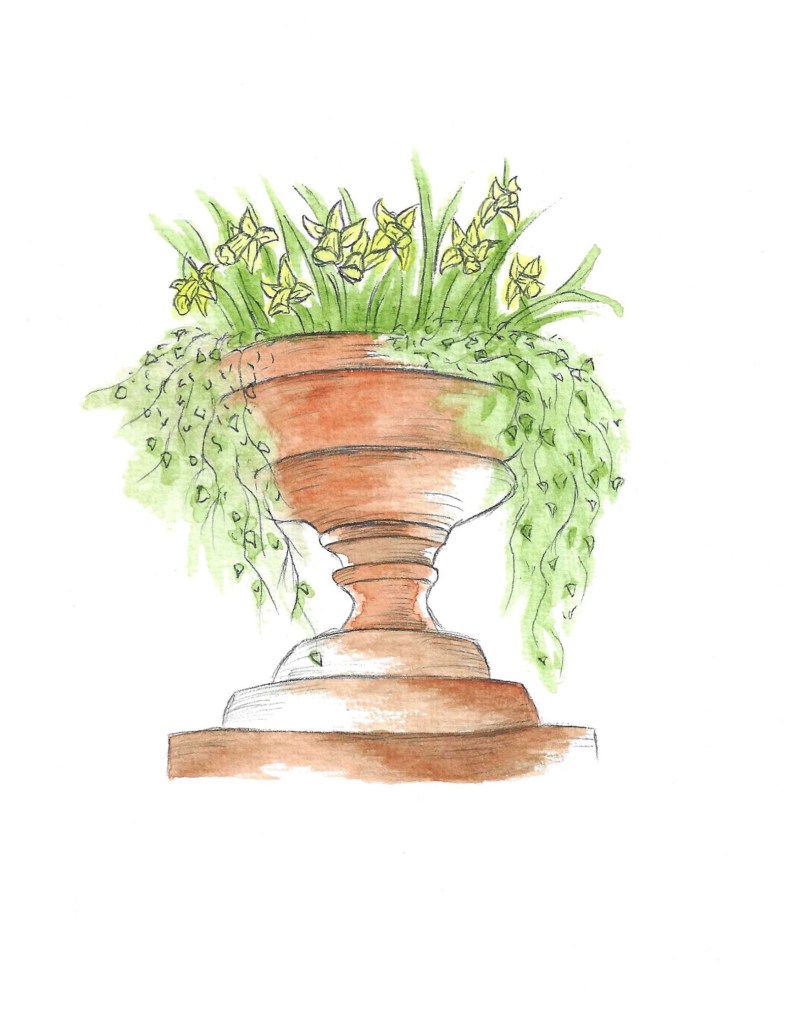
I also did some biro and watercolour sketches of areas that particularly caught my eye. I like this area because there was lovely interaction with man made objects such as the sculpture and bench with the plants and bushes. I also liked how the plants where clearly only supposed to be growing in certain areas but had overgrown.
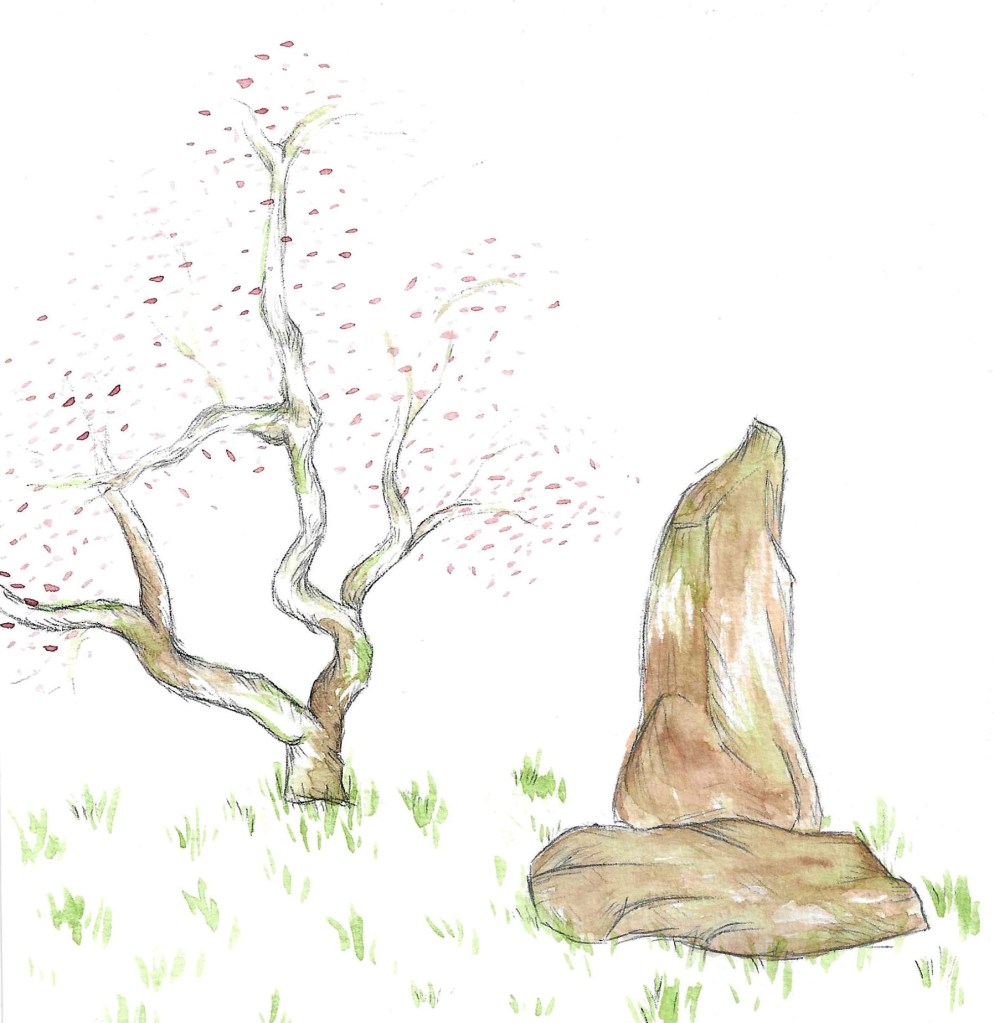
I chose this areas because of the pink leaves on the tree which had a very interesting twisted trunk. This style was heavily inspired by the documentary illustrators that I mentioned previously such as George Butler.
This dynamic marker pen style is something I will develop throughout this project. This is a sketch that I did on location.
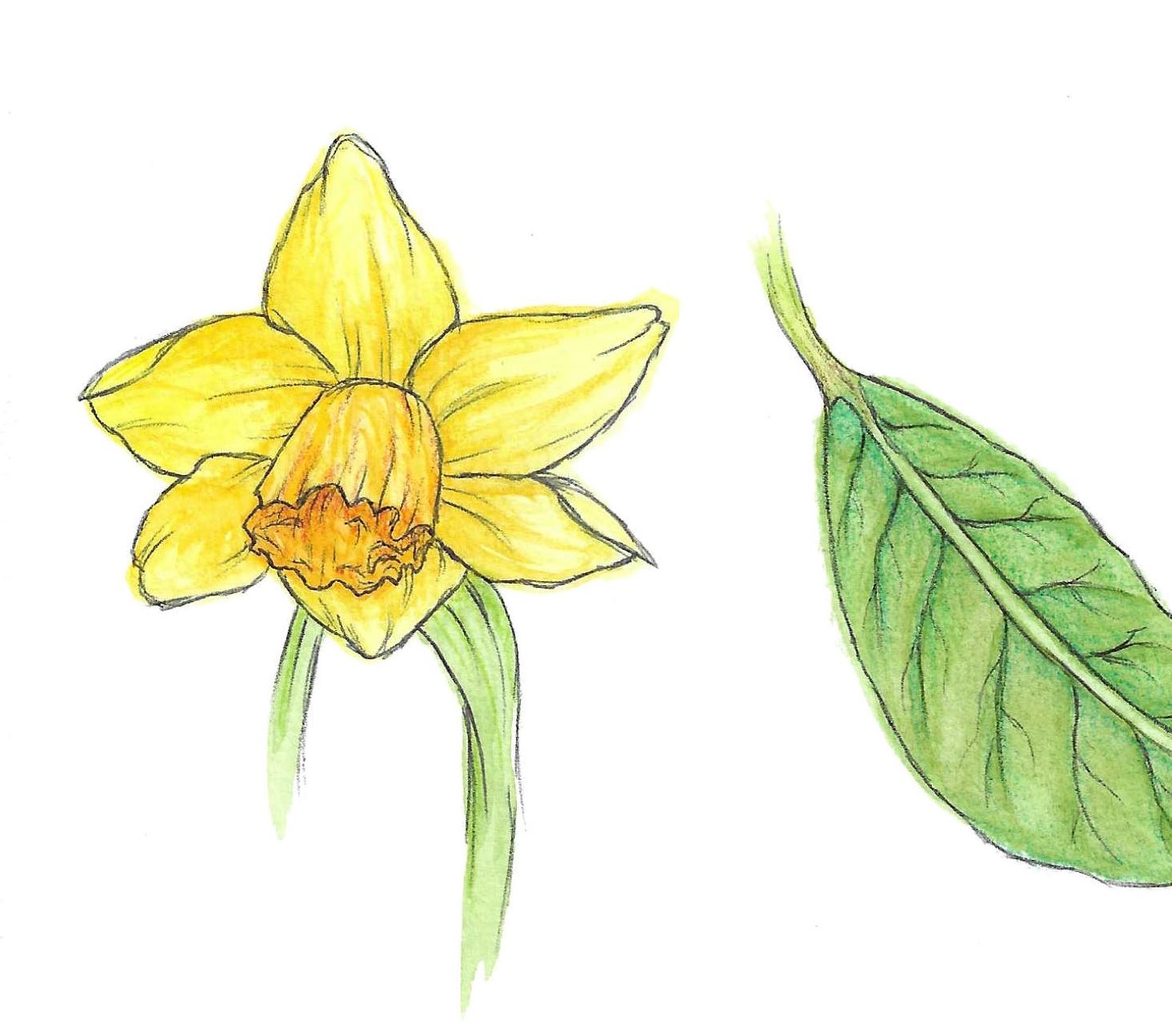
Then I did a study of some flowers in a similar style.
I thought my first trip to Hyde Park was a success as I was able to create lots of sketches on locations and from photos I took. I will continue to develop from some of the photos and make at least 1 more trip to doing more observational drawings. I also have a greater understanding of my interests and the theme I was the images from my project to be centred around. I want to capture animal behaviours and the interactions between plants and man made objects as well as some pieces which simply reflect the beauty of nature.
Next week I plan to visit the Bonnington Gardens to do sketches there and take photos for reference. Also I think it will be important for me to come up with a title to help keep my illustrations focused and on theme so I’ll try to figure that out by next week.
My proposal is to document different areas of London with rich natural beauty. I will focus on the landscapes, plants and hopefully some animals. Also I will document some interactions of people and man made structures with nature. I want to focus on natural environments to highlight the how much natural beauty there still is in cities like London and the importance of maintaining these environments. While areas like Hyde park are not all natural I want to show that nature is still thriving. I will use primary observational sketches and photographs to document the areas. I don’t want to interact with the people there as I want to capture authentic and genuine interactions with nature.
I will produce an art book with my sketches. It will have 2 chapters, one for each location I visit. I plan to visit 2 locations, 1 well known and famous location and 1 more obscure natural area. I think it will be interesting to compare them as well and just being enjoyable to experience drawing in different types of locations. I’ve done some research about different areas and the popular location I’d like to visit is Hyde Park. The smaller area is in Vauxhall and it’s called the Bonnington Square Pleasure Gardens. Before drawing at these locations I plan to visit all of them to check that I’m happy to use those locations and see which particular bits interested me to document.
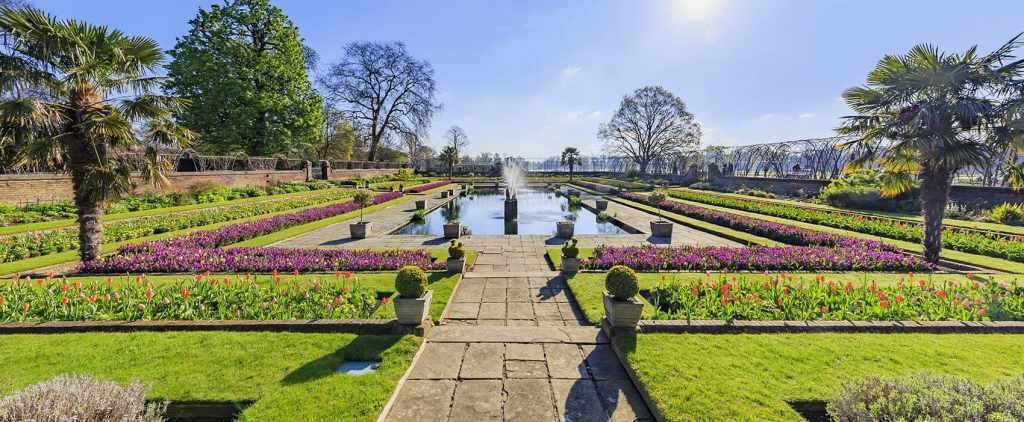
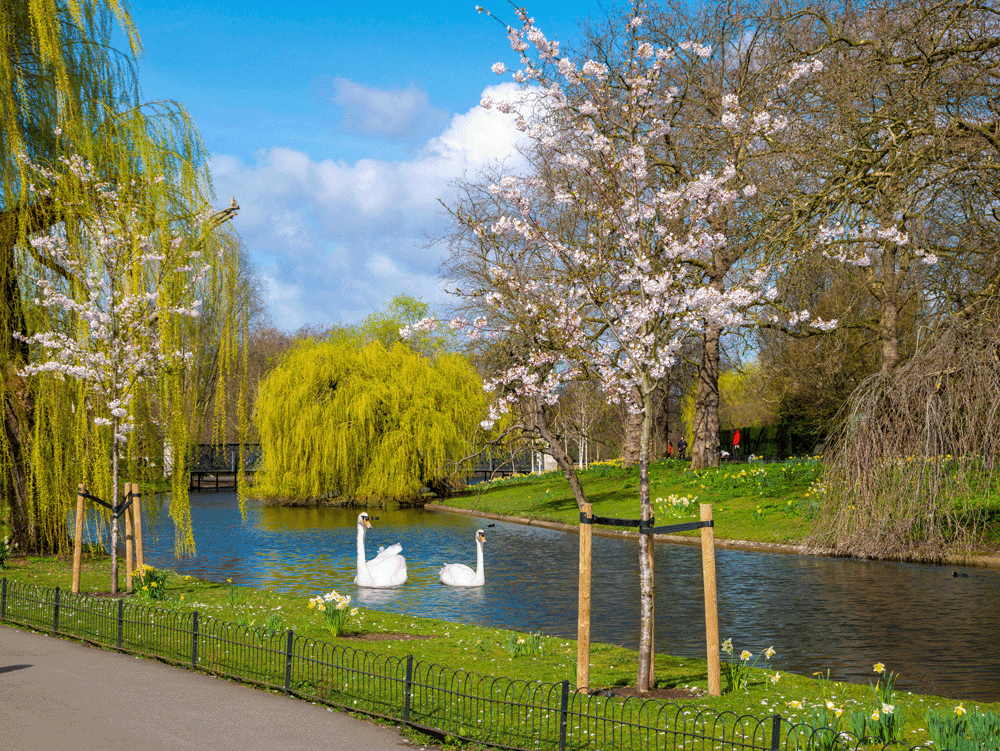
Here are some photos of the locations I’ve mentioned, Hyde Park and Bonnington Pleasure Gardens. I visited the Gardens in Vauxhall and there was lots of parts of it that interests me so I’m definitely gonna use this location.
Next week I will try to visit Hyde Park and finalise my plan then I can move onto creating the illustrations. I was doing some research of nature illustrations and found a website called the Society of Wildlife Artists and I really like some of the artists style so I’m gonna take inspiration from some of those including David Measures and Marco Brodde. Also a big influence on me since my childhood has been the work of Beatrix Potter. I love her natural illustrative style as it’s very warm and sweet and I’d like to try and capture this through my images.
David Measures
Marco Brodde
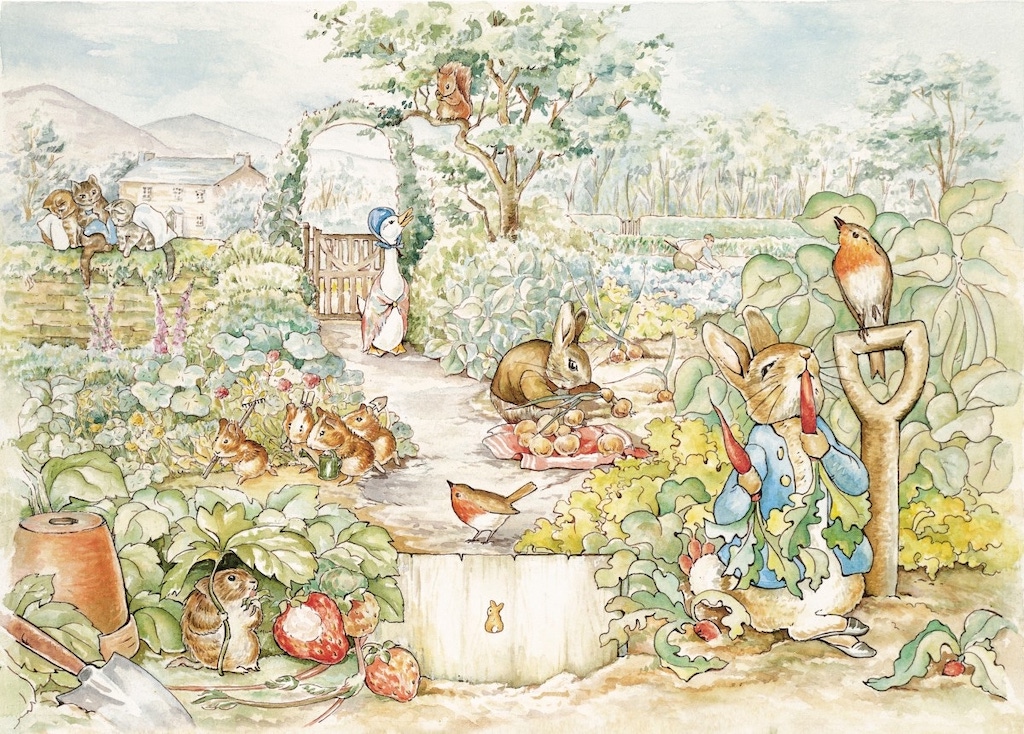
Beatrix Potter
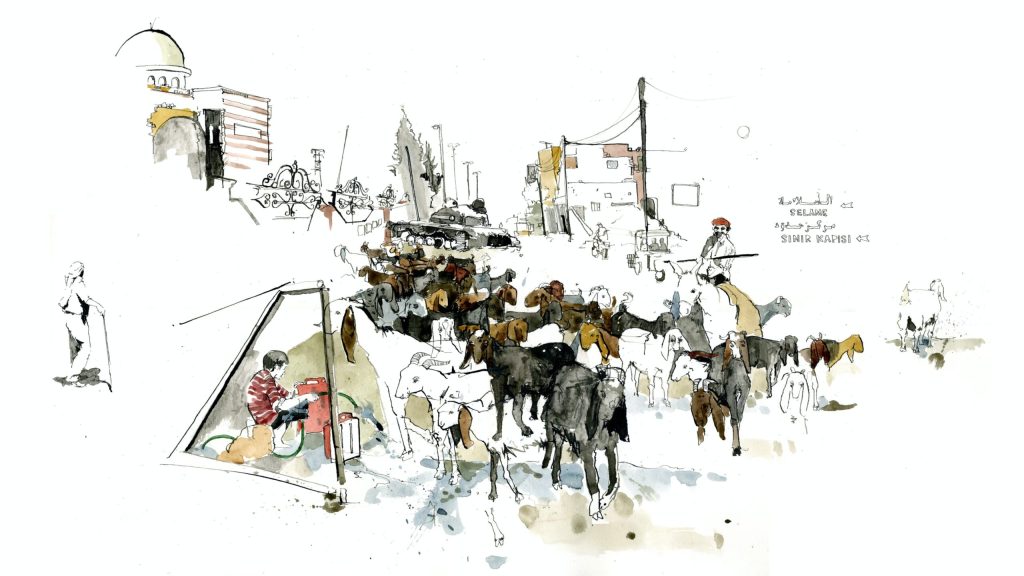
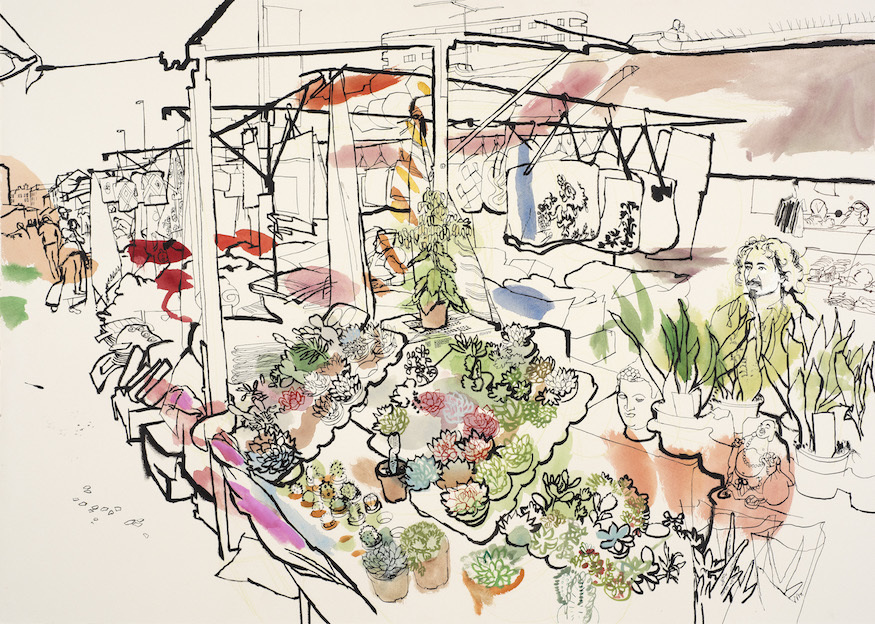
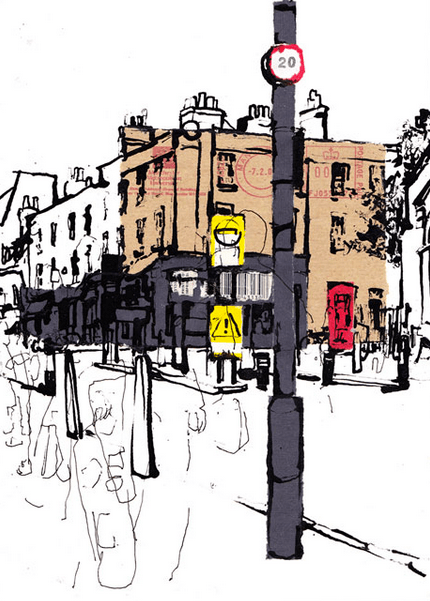
Below are images by 3 documentary illustrators that I will be taking inspiration for when creating my illustrations. They are George Butler, Lucinda Rogers and Jim Butler (in that order).
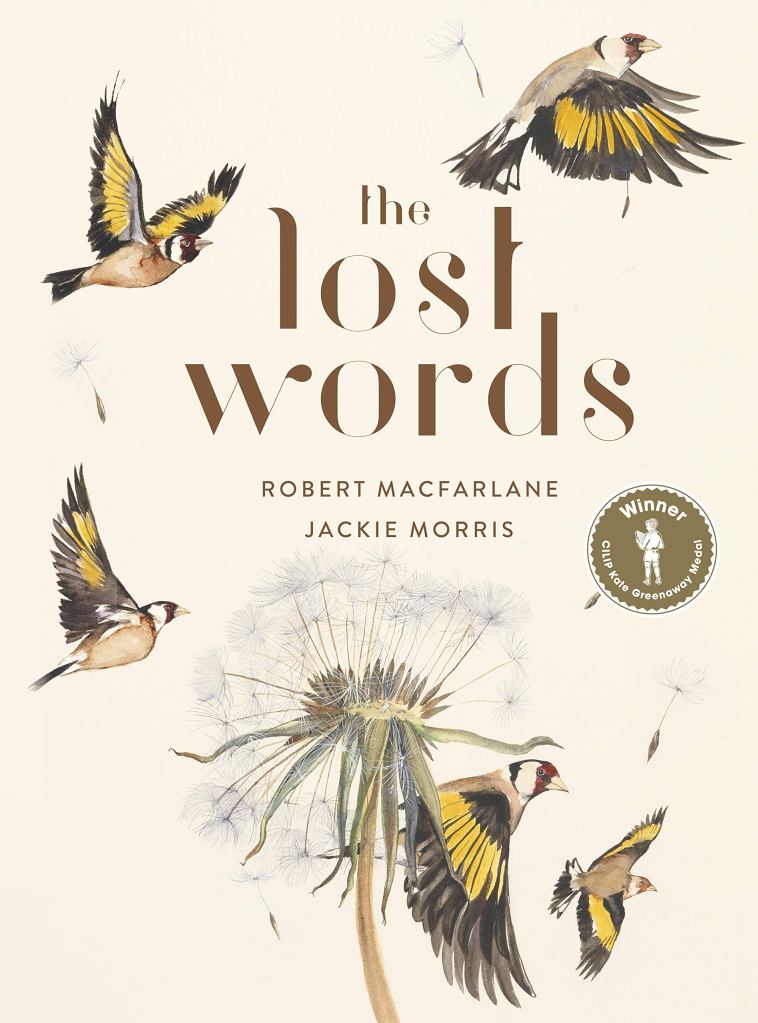
Also I will be taking inspiration from this book titled the Lost Words. It depicts a different animal or plant for each letter of the alphabetic as a way of documenting and preserving the worlds natural beauty. I both really like the concept and art style of the illustrations.
I’ve been thinking more about the central theme that I want to tie all my images together and I’m leaning towards the ideas of nature taking over. This is in reference to the animals that come and enjoy the areas then move on and the growing of plant life.
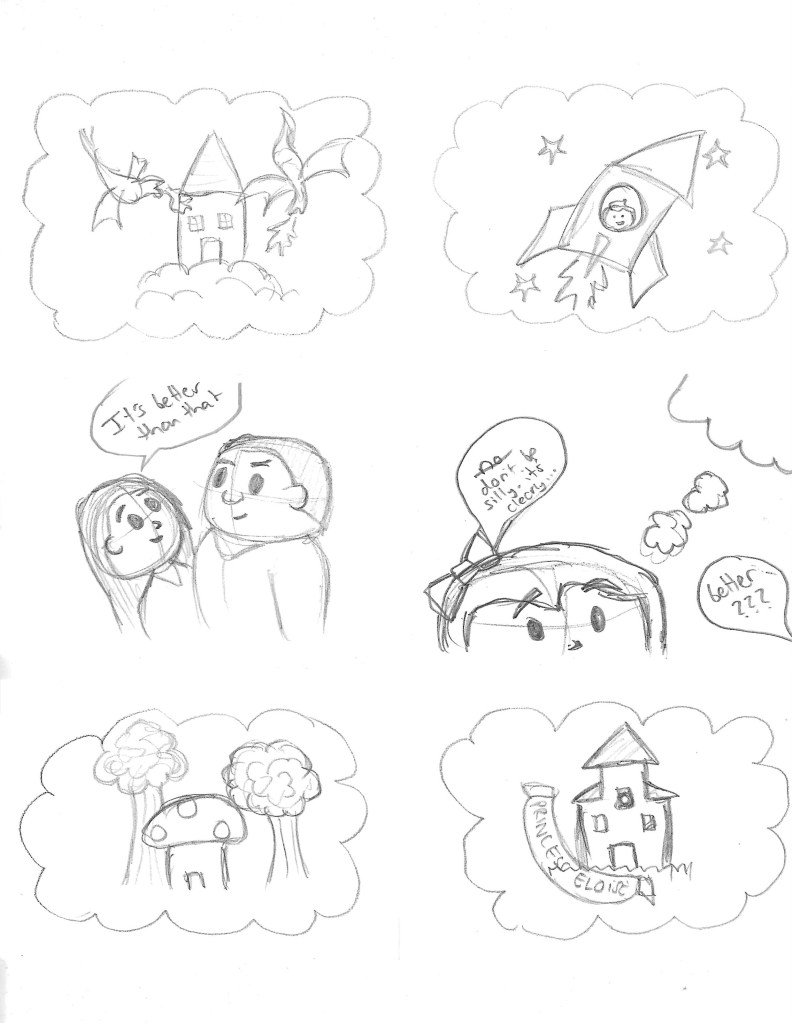
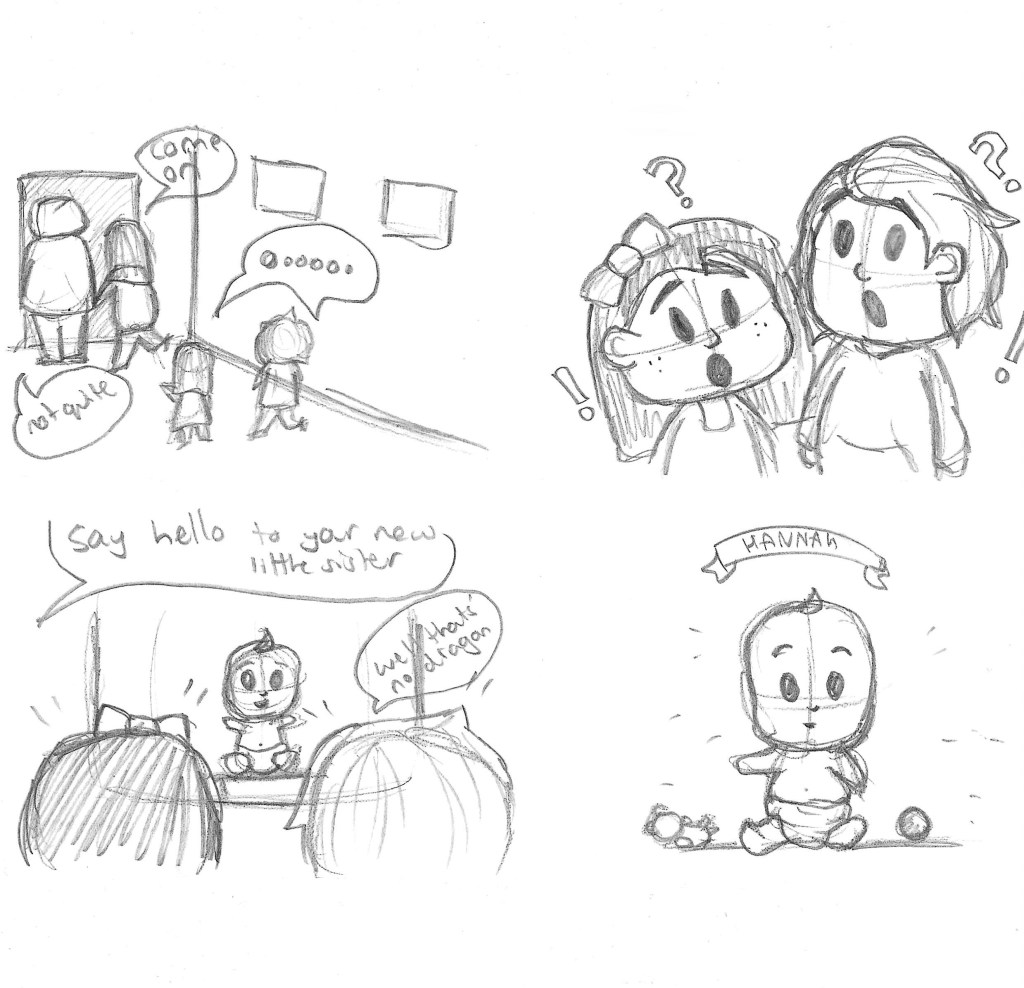
In this session we continued on with the Graphic Novel Your Life workshop with Rachael Ball. I learnt some very important things in this session such as the fundamentals of making an engaging story with interesting characters, how to pace a comic and how to effectively storyboard ideas. Most stories, even those with complex plots can usually be simplified down to a main charters goal, obstacle and action. This is key to creating a story and I’ll keep this in mind for the future. In the session we took the story we had thought of with the characters we’d created and create quick thumbnail sketches. These are my quick thumbnail sketches that I did to show my story.
These are very rough sketches, just enough to get the point across. After making these I looked through them and began to add in frames and remove ones to adjust the flow and pacing of the story. This is a good idea to do in the early stages so that you don’t waste time on lots of detailed sketches just to remove them later on. Rachael also taught us about framing in a comic and how this can impact the message it conveys. For example wide shots are good at the start to show the location and close up shots are good for drama.
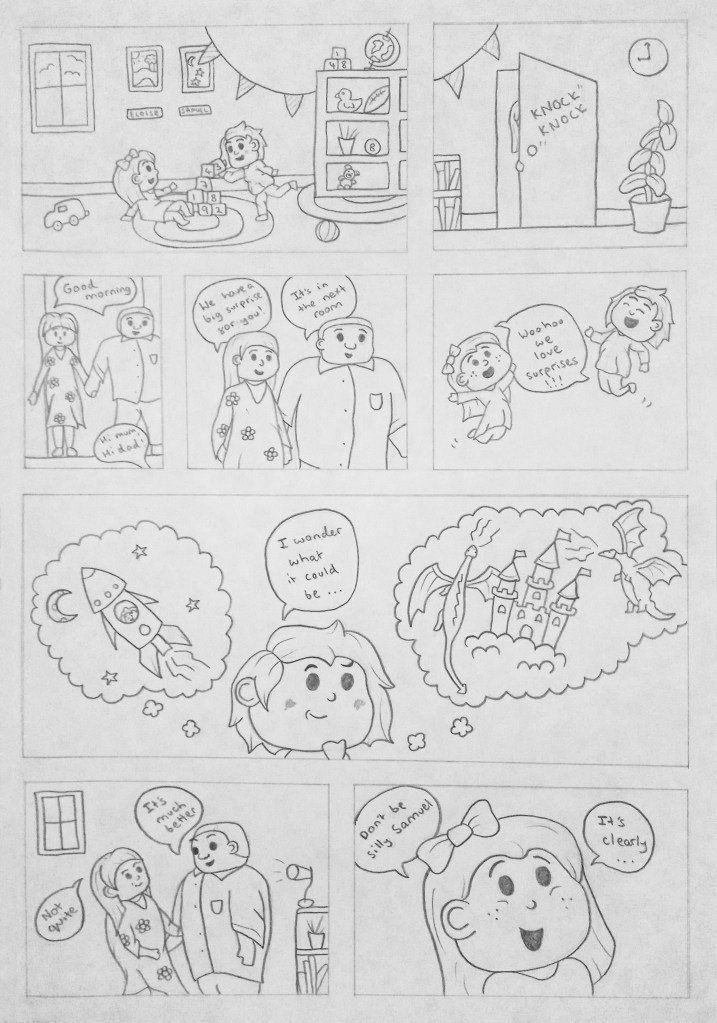
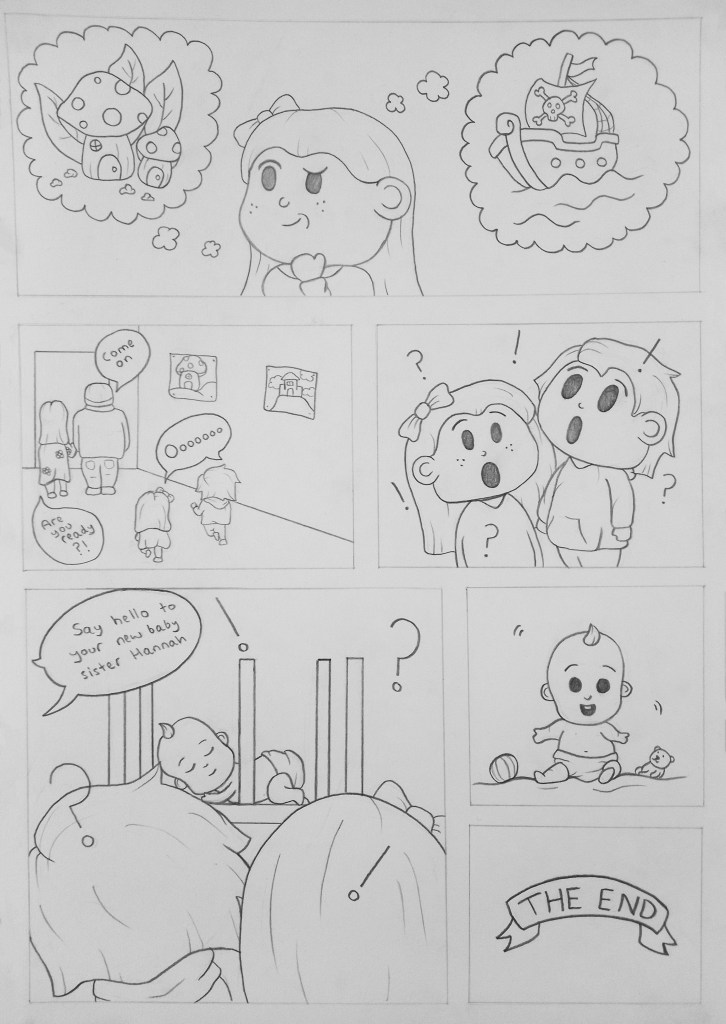
After creating the thumbnails I made the layout for the comic strip. My story is not a complex story it’s just a short wholesome story so I wanted to keep it within 2 pages. Some boxes are bigger than other others demoing of the importance of the frame. The frames where me and my sister are imaging what the surprise could be are large to give me space to show the vivid childish imaginations.
I then developed my comic strip into a more detailed storyboard. I used the layout from above. The images stay fairly similar to my initial sketches but are all more refined and neat. I really like how the pages turned out with the consistency of the images and pace of the story telling. I can see the Disney character inspiration coming though well in the illustrations. If I was to colour this comic strip I would use a simple and bold style to make the illustrations eye catching and help reflect the childish and light hearted story.
Creating characters and comic stripes is something I want to do more of as I’d like to improve of showing emotion through dynamic, caricatured characters.










 Samuel Green Illustration