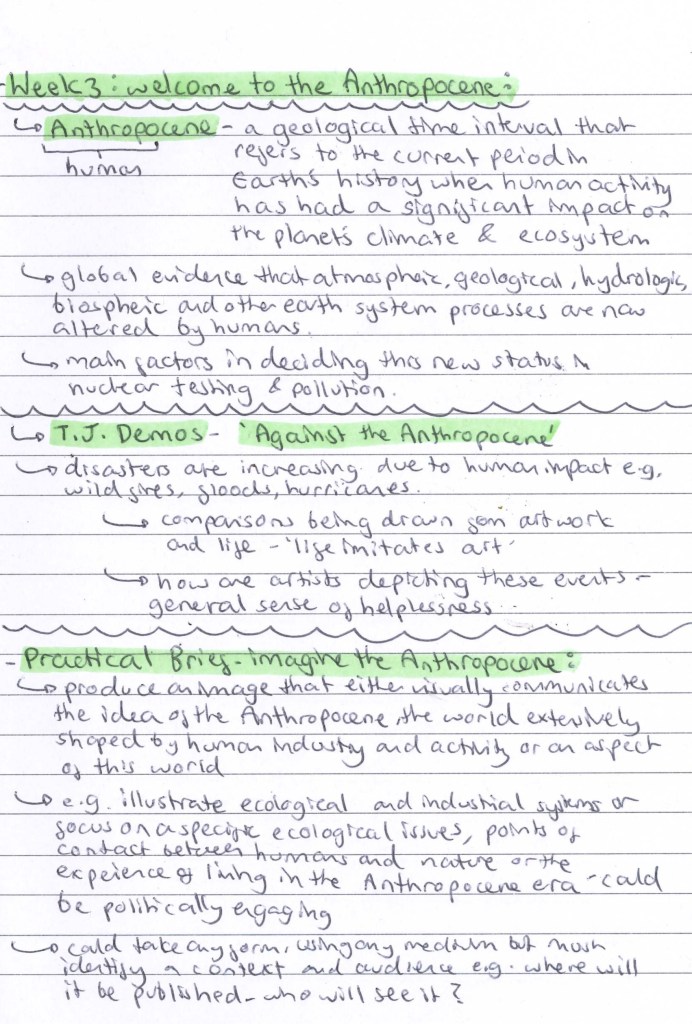
Welcome to the Anthropocene:
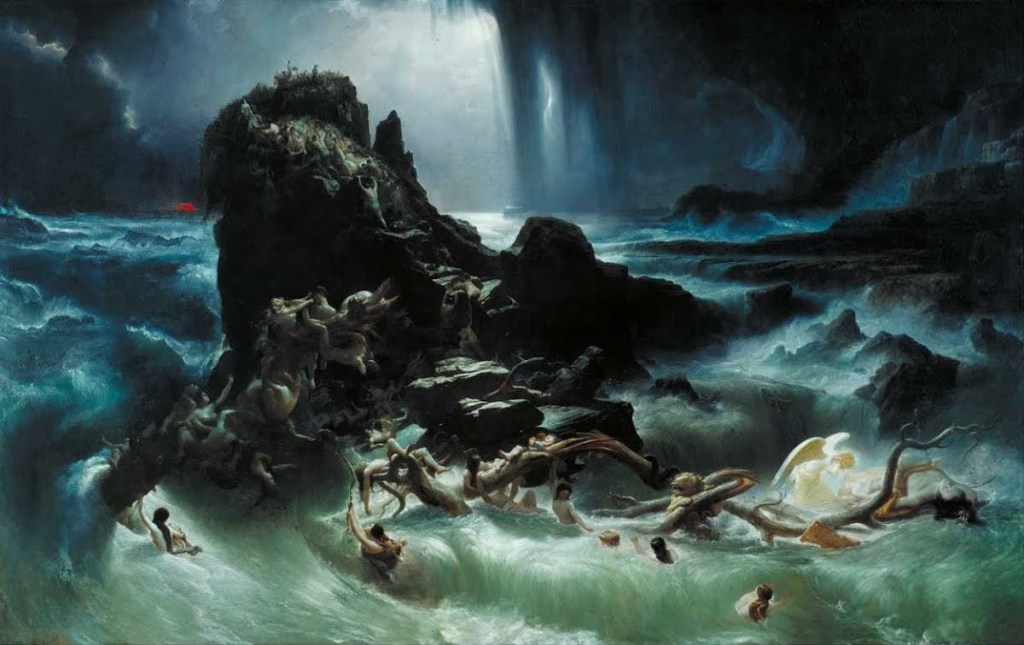
‘The Deluge’ by Francis Danby (1840): romantic sublime
Hurricane Harvey (2017): photograph of modern day disaster

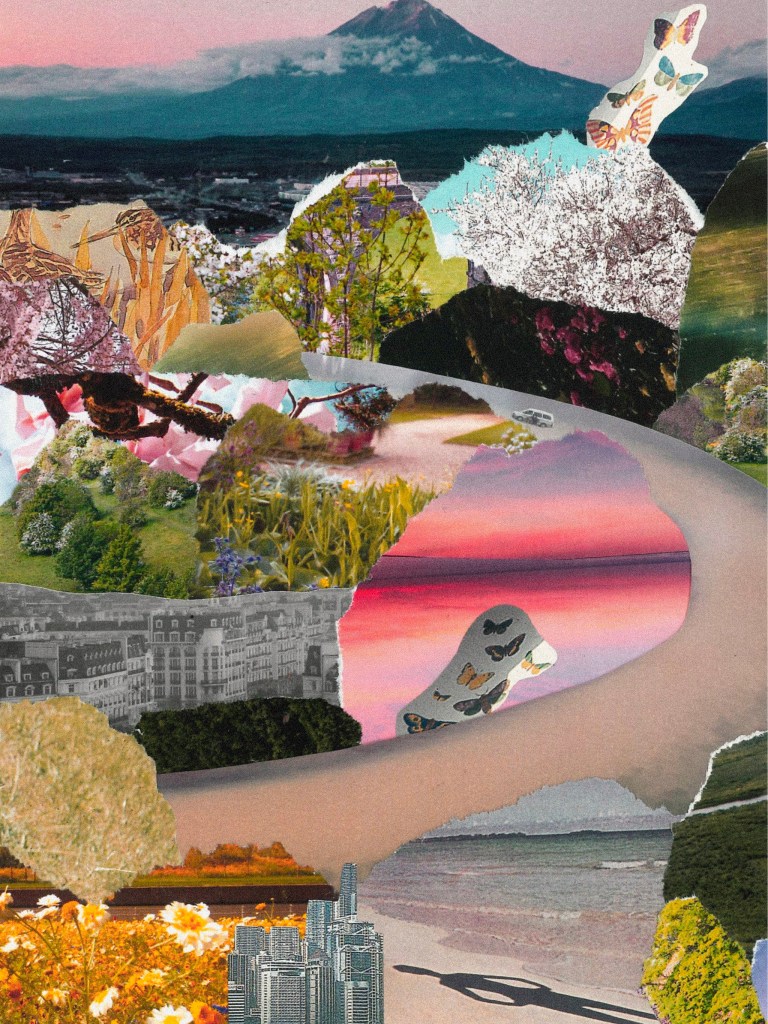
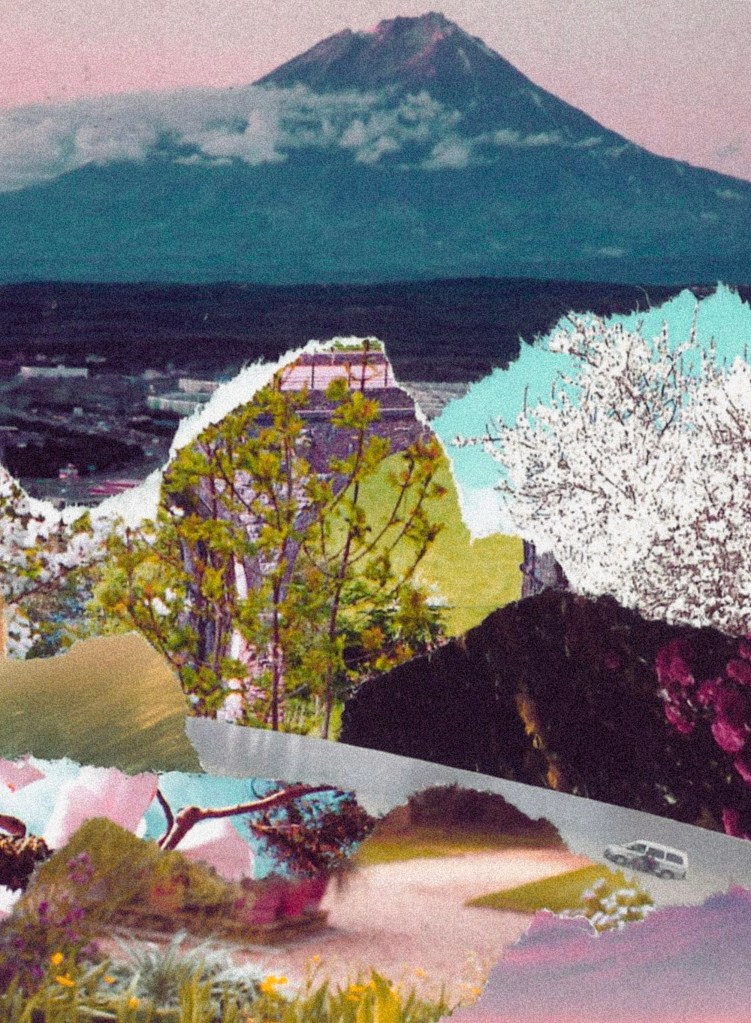
Digital collage:
Welcome to the Anthropocene:
‘The Deluge’ by Francis Danby (1840): romantic sublime
Hurricane Harvey (2017): photograph of modern day disaster
Digital collage:
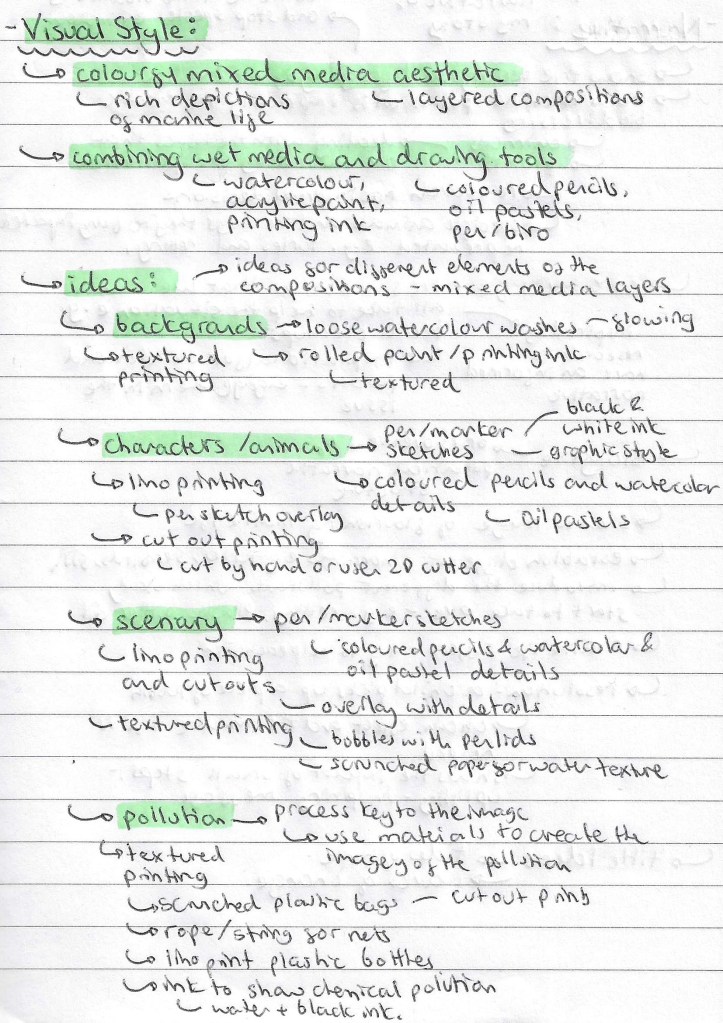
Visual style ideas:
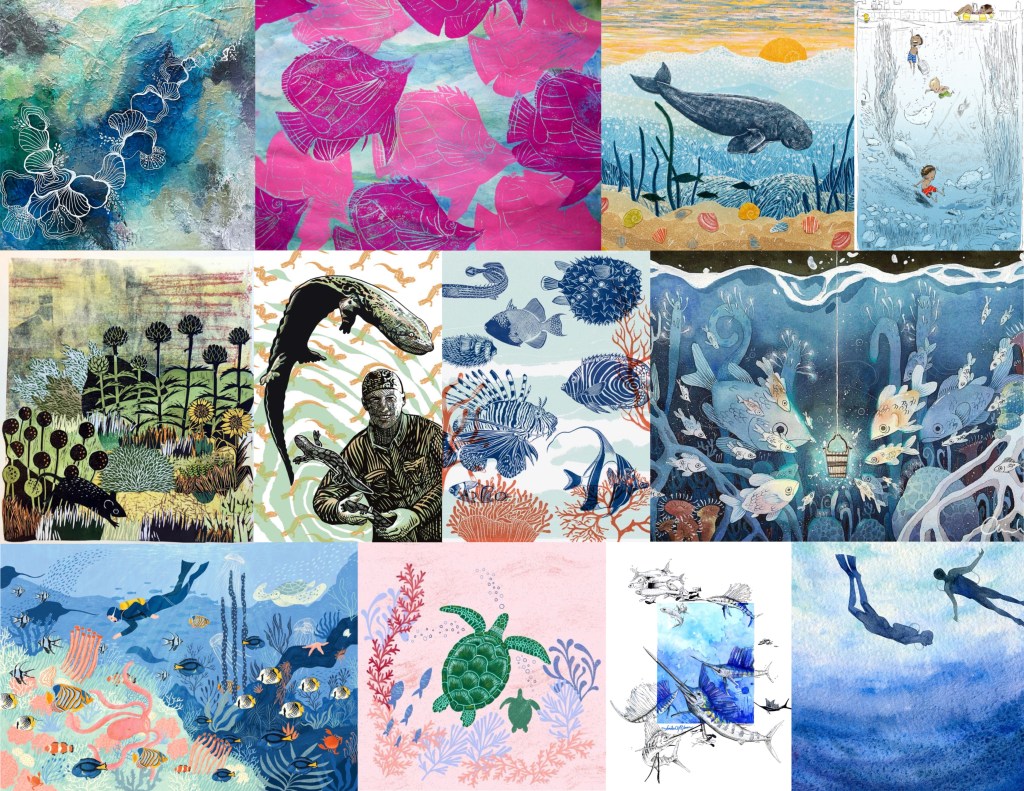
Visual inspiration:
Becca Hall:
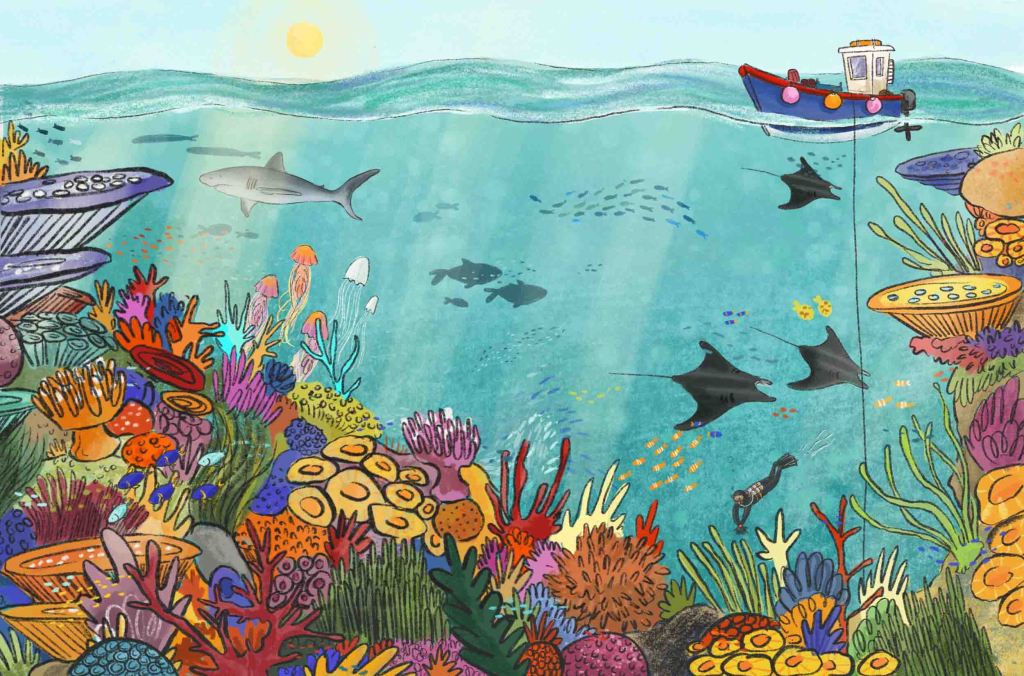
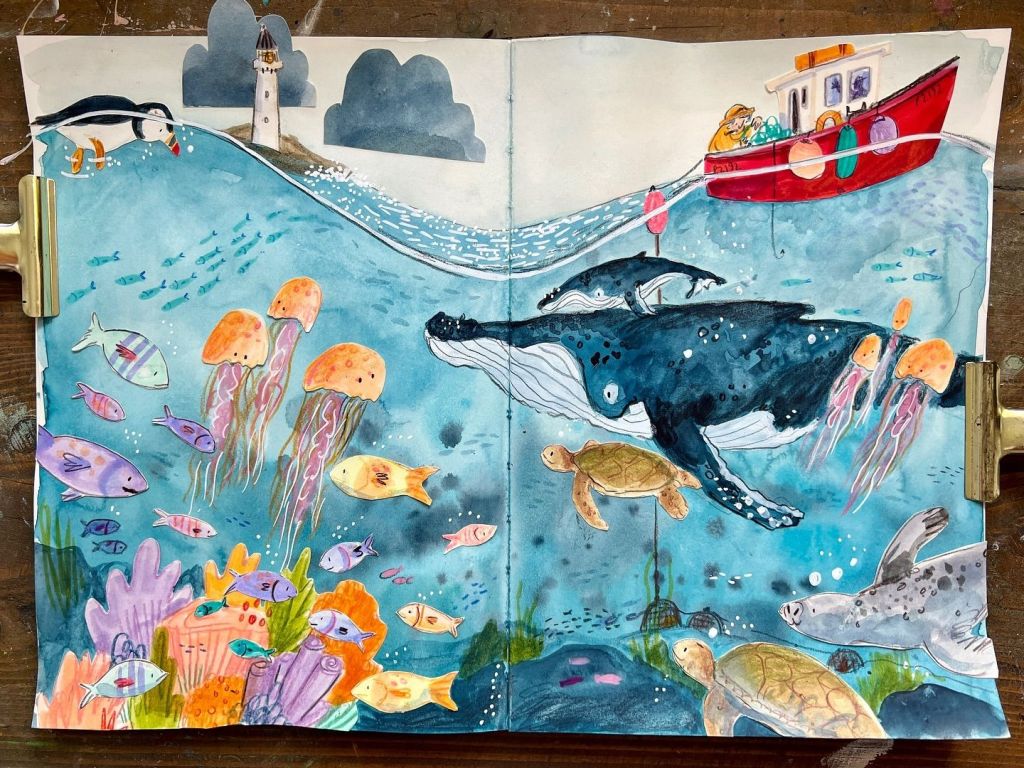
Amy Schimler-Safford:
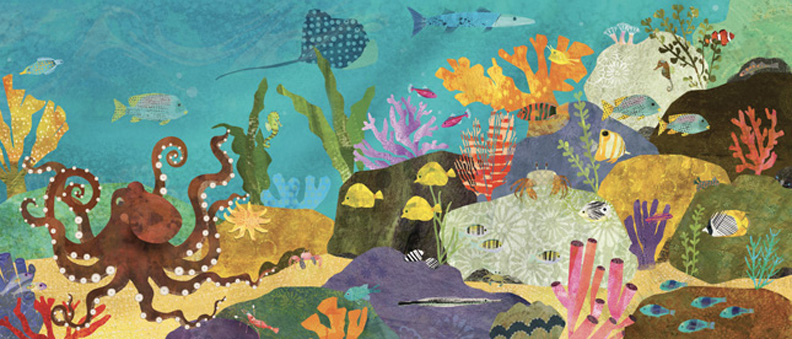
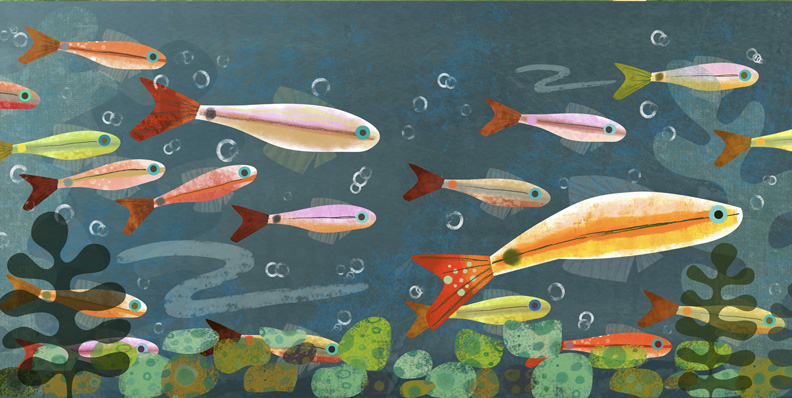
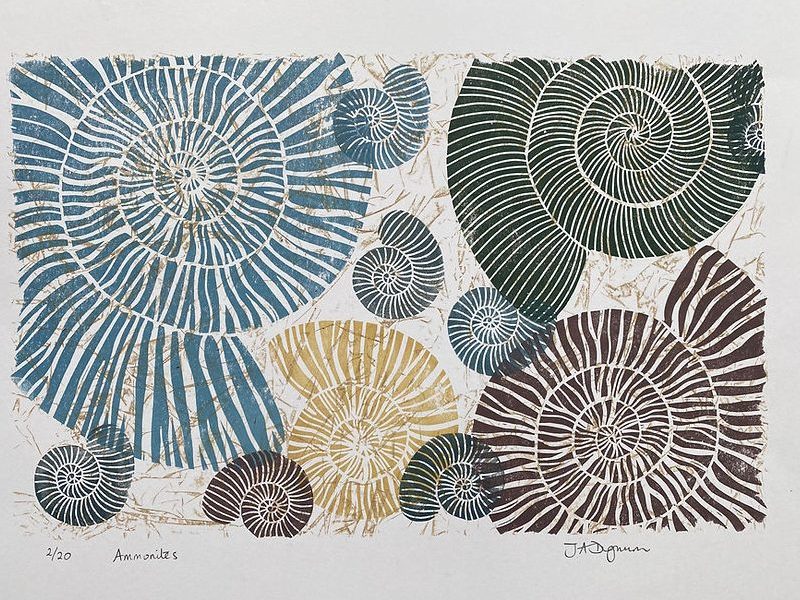
Jane Dignum:
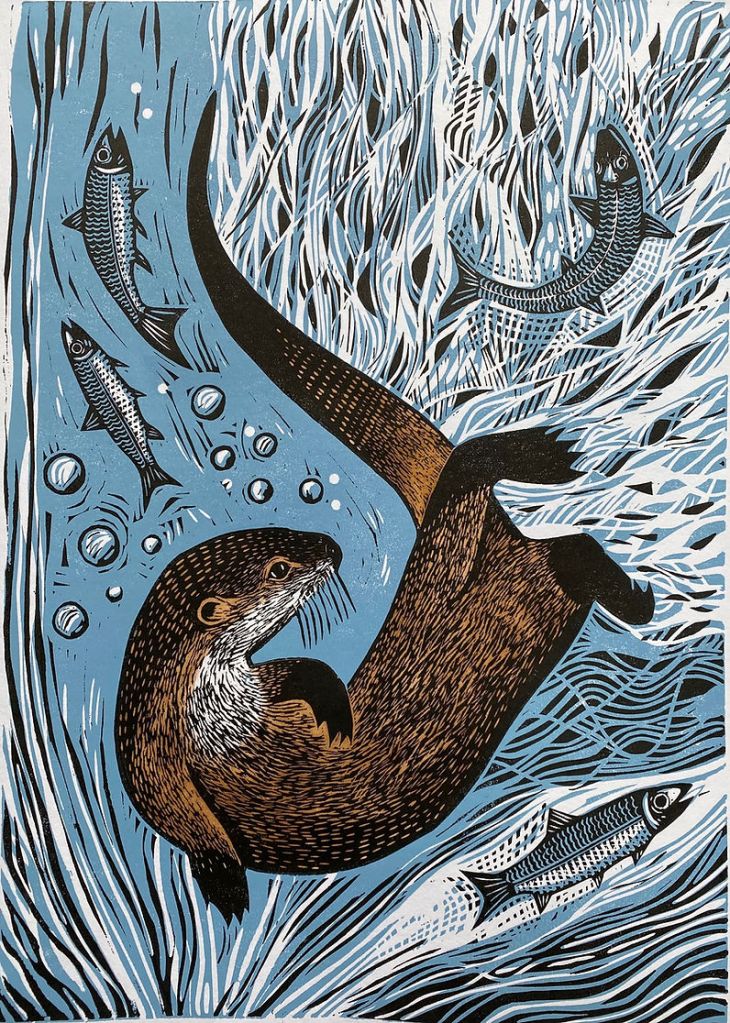
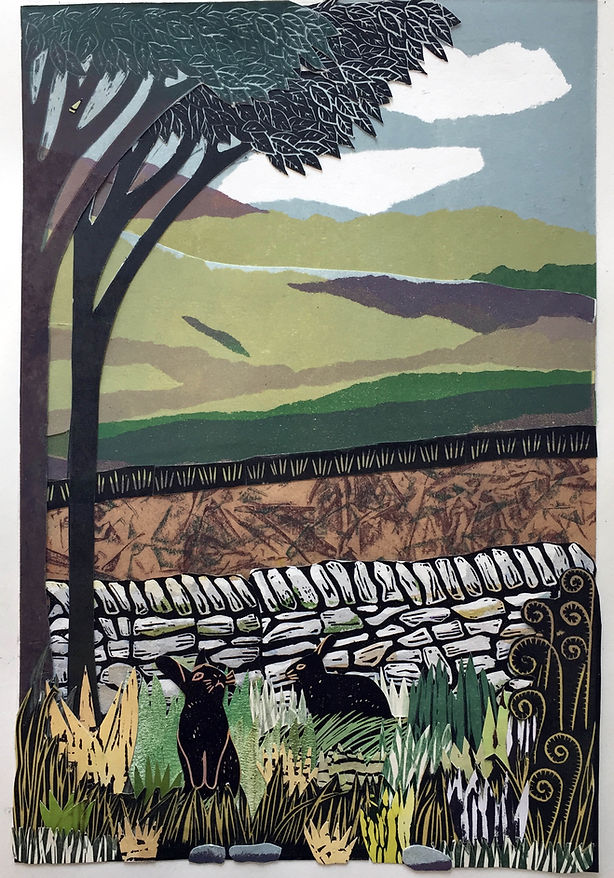
Experimentation:

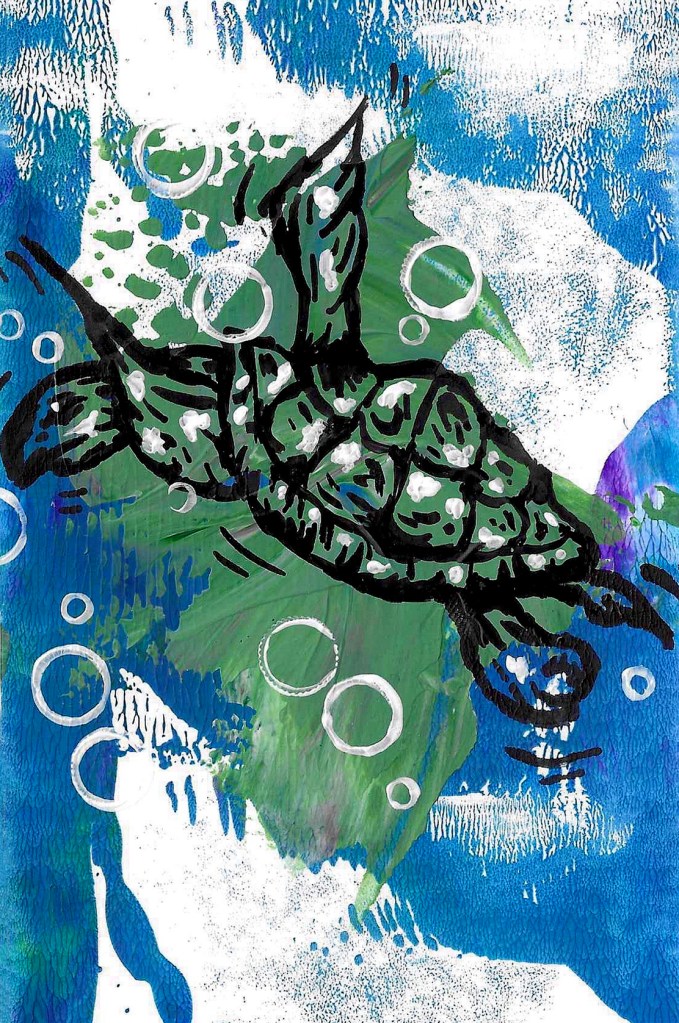
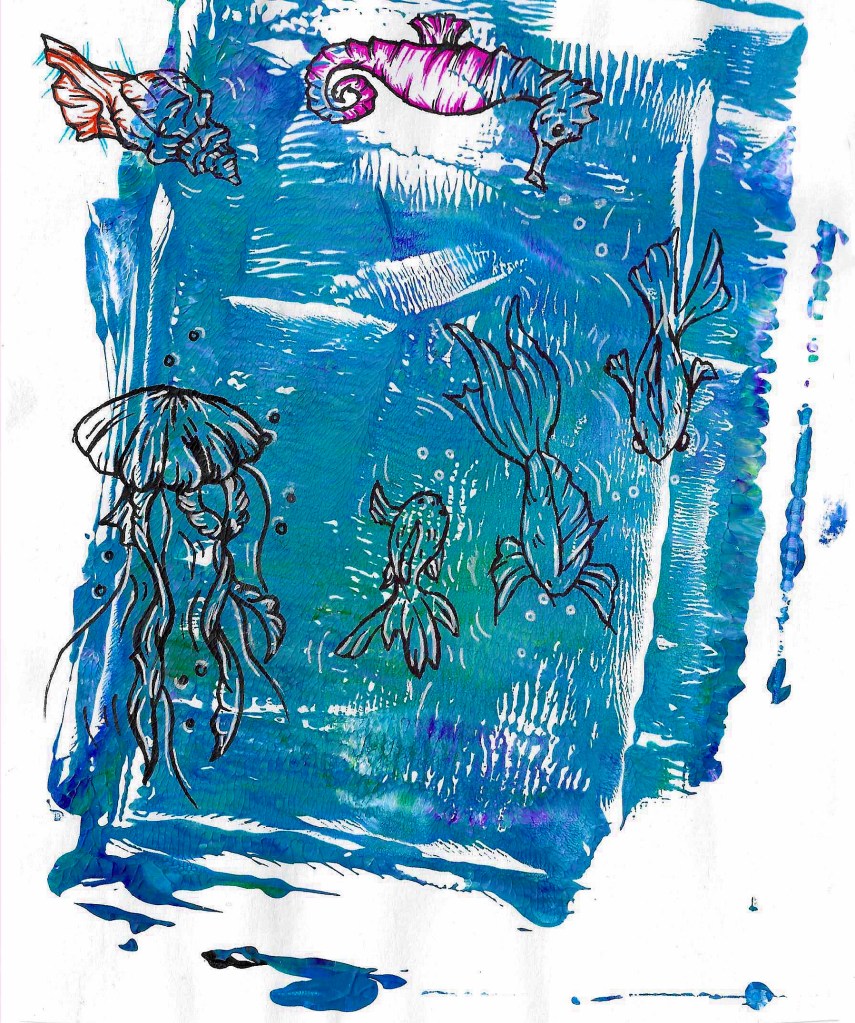
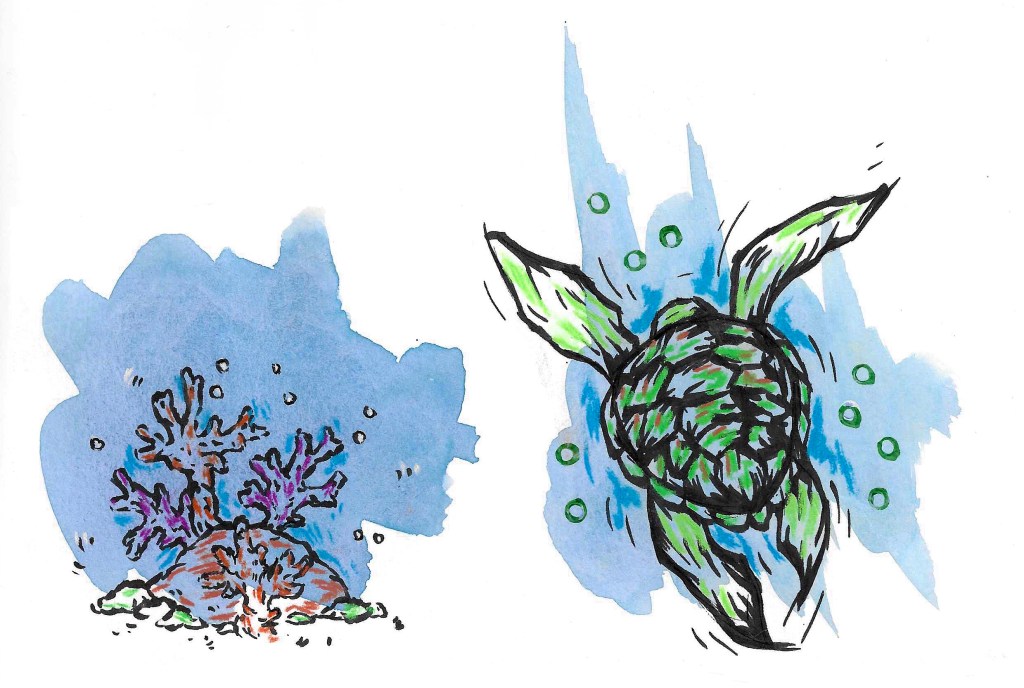
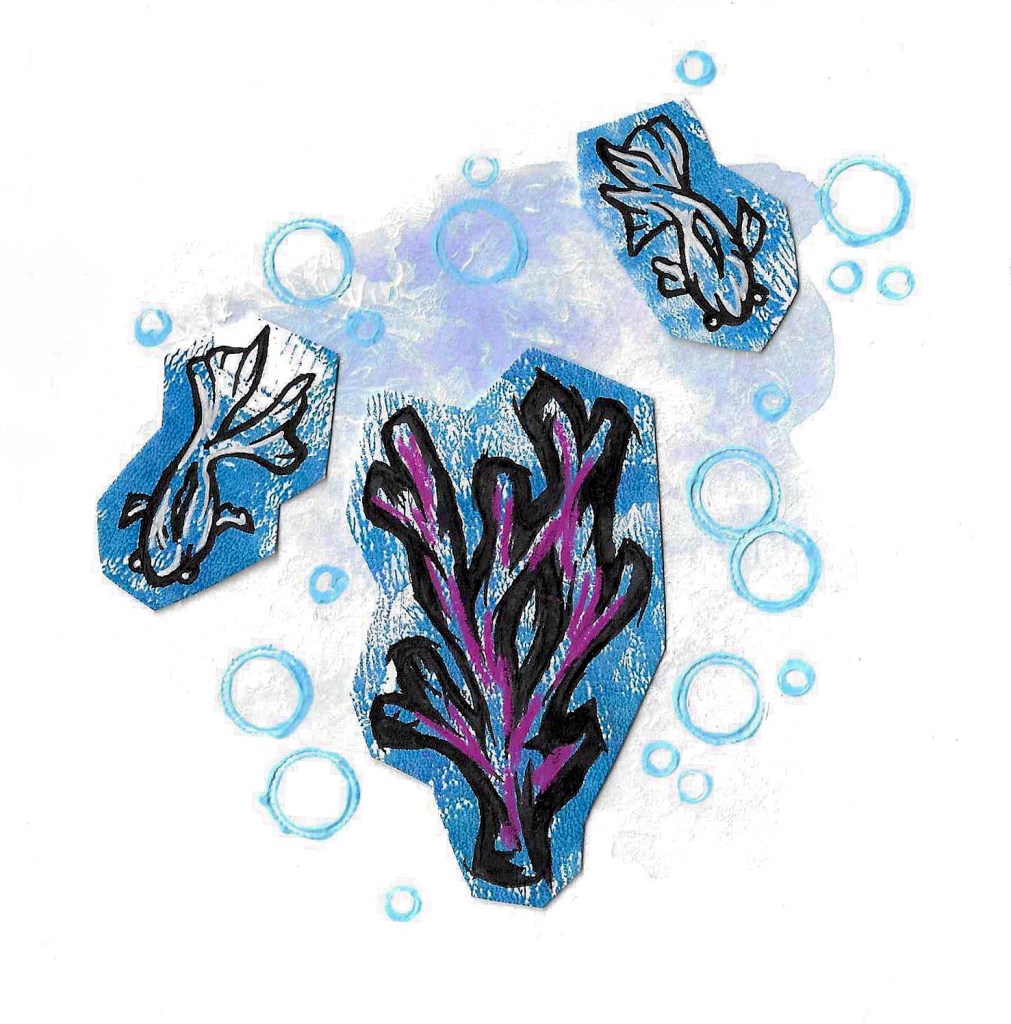
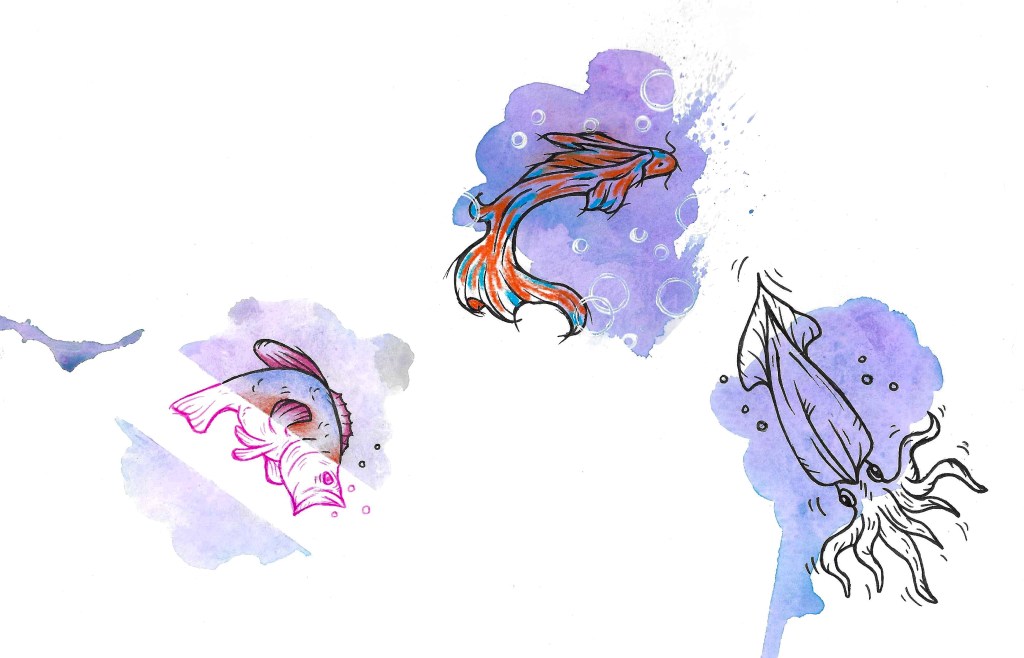
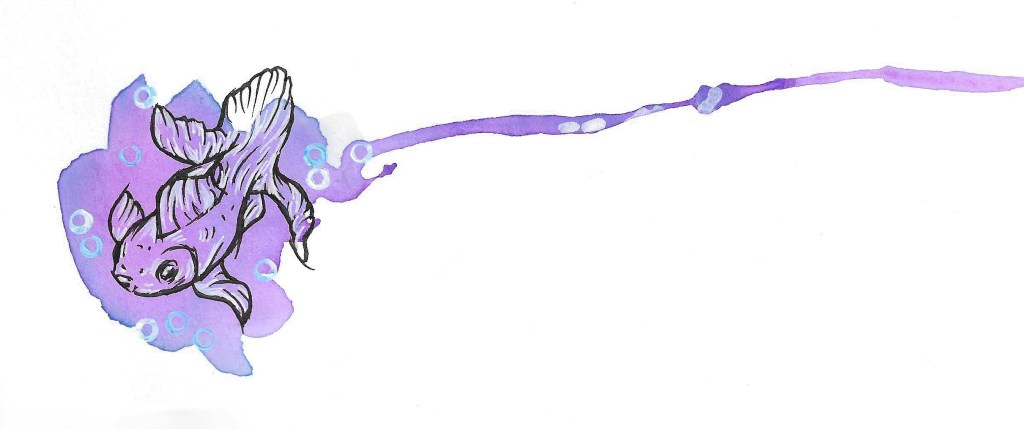
Project format ideas:

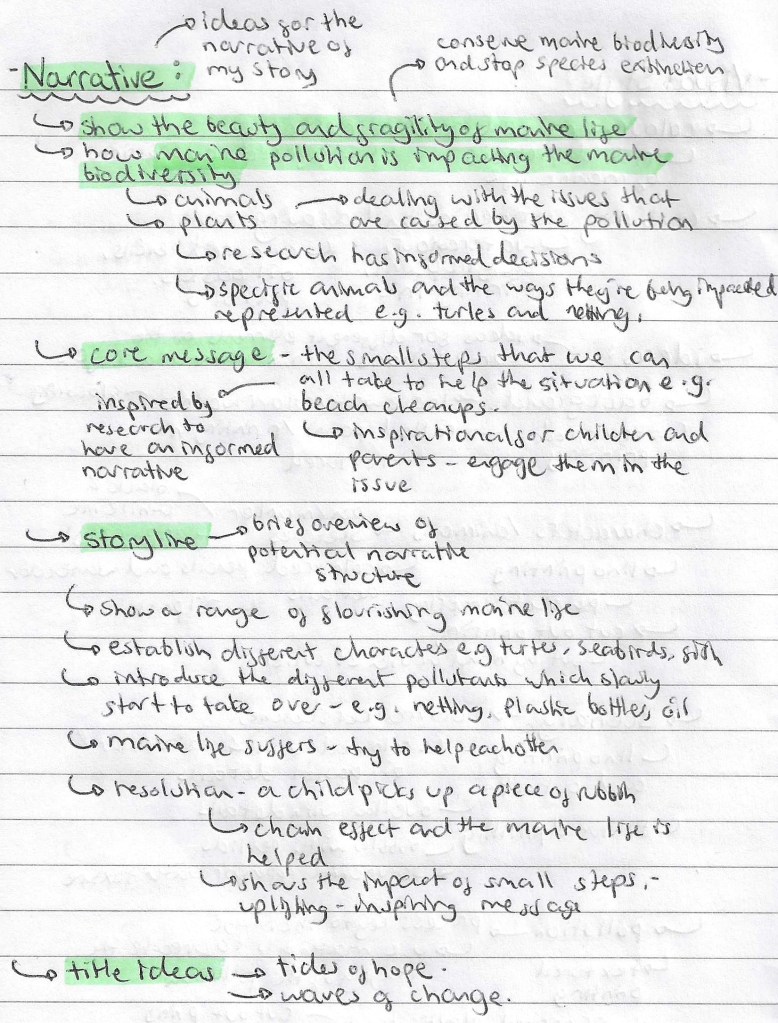
Project narrative ideas:
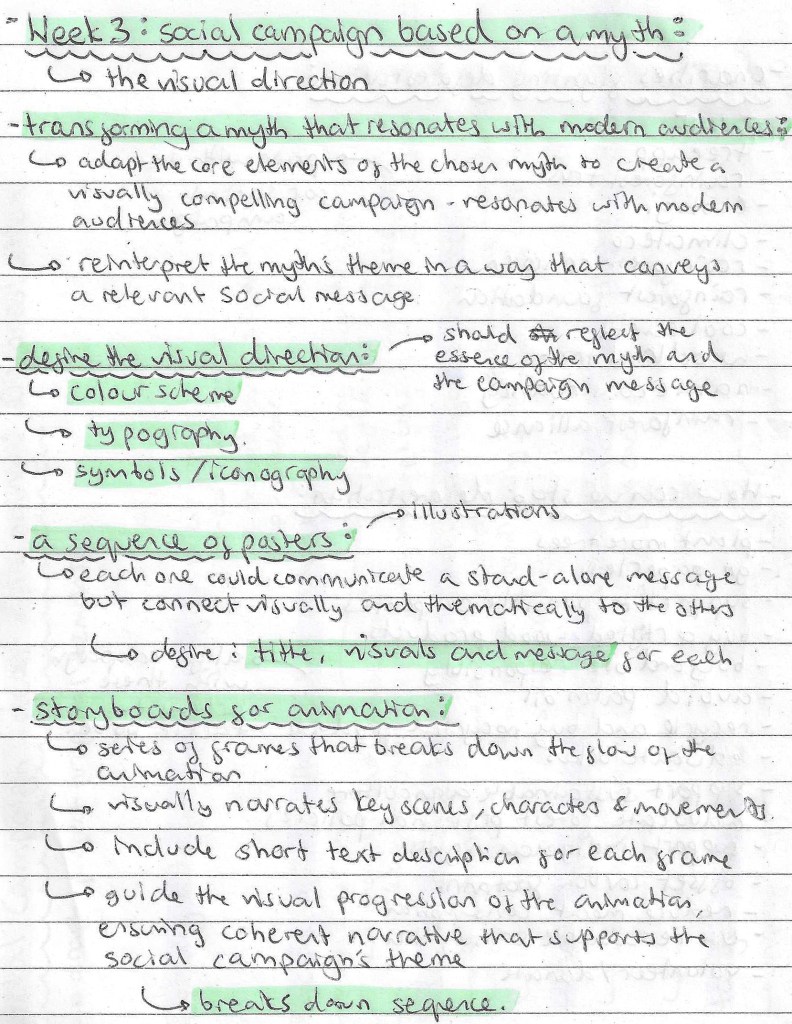
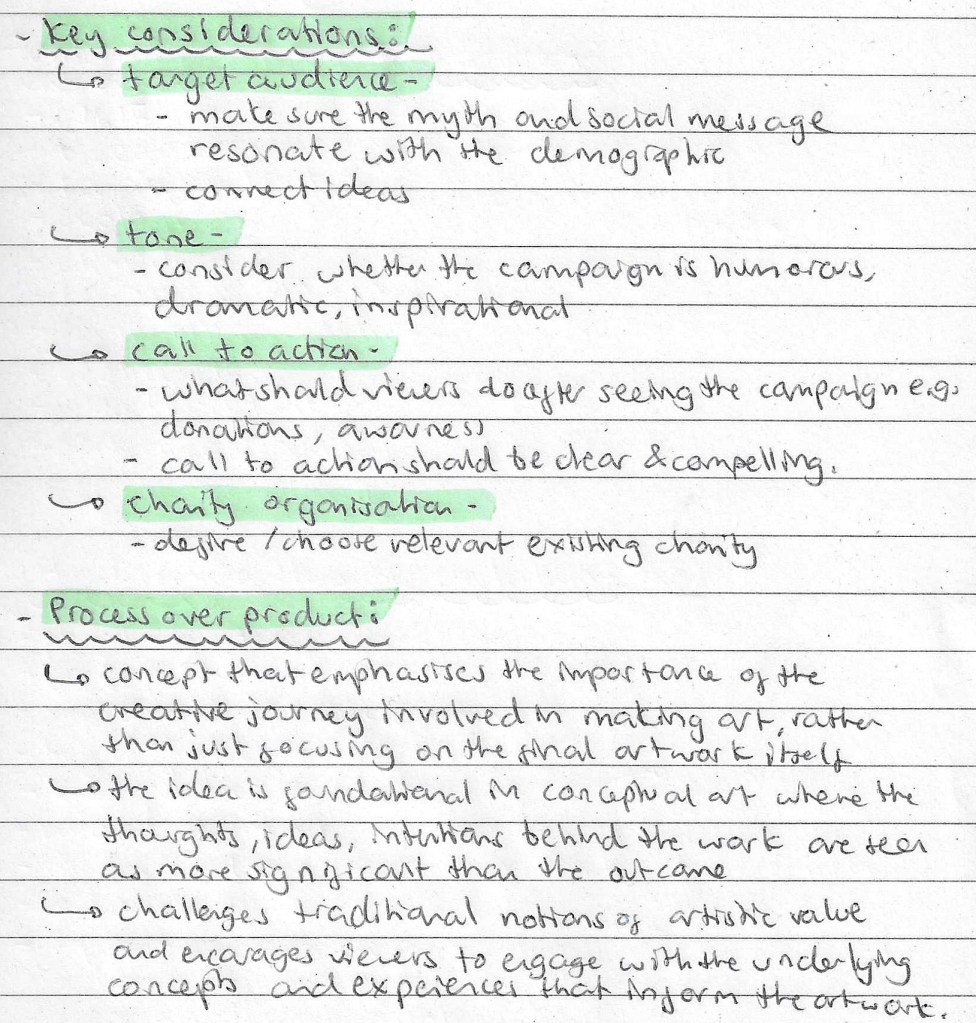
Social campaign based on a myth:
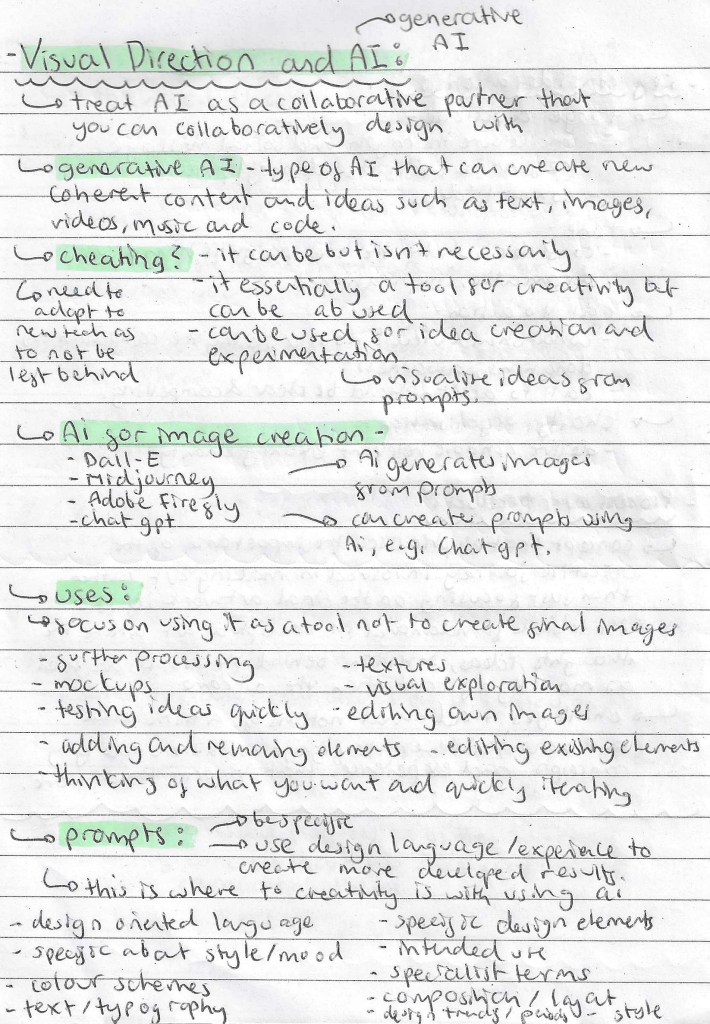
Visual Direction an AI:
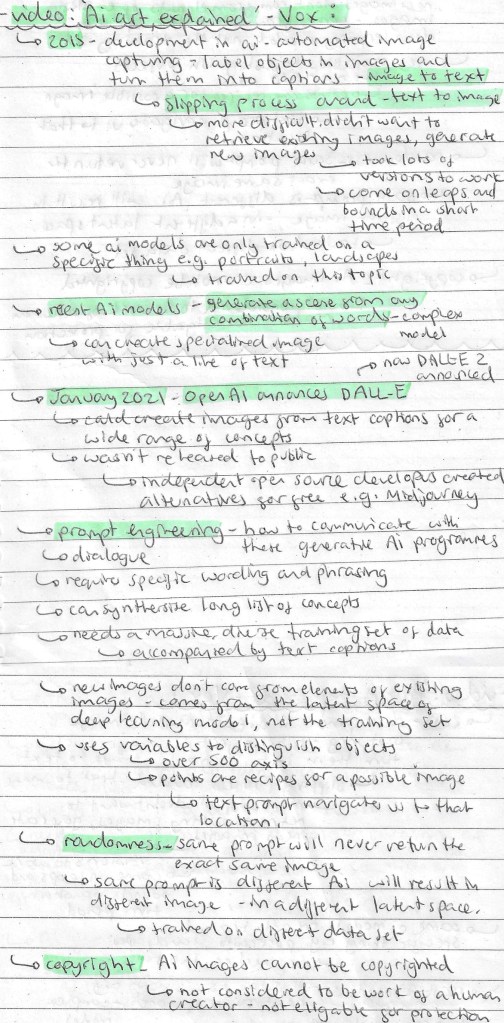
‘AI art, explained’, Vox:
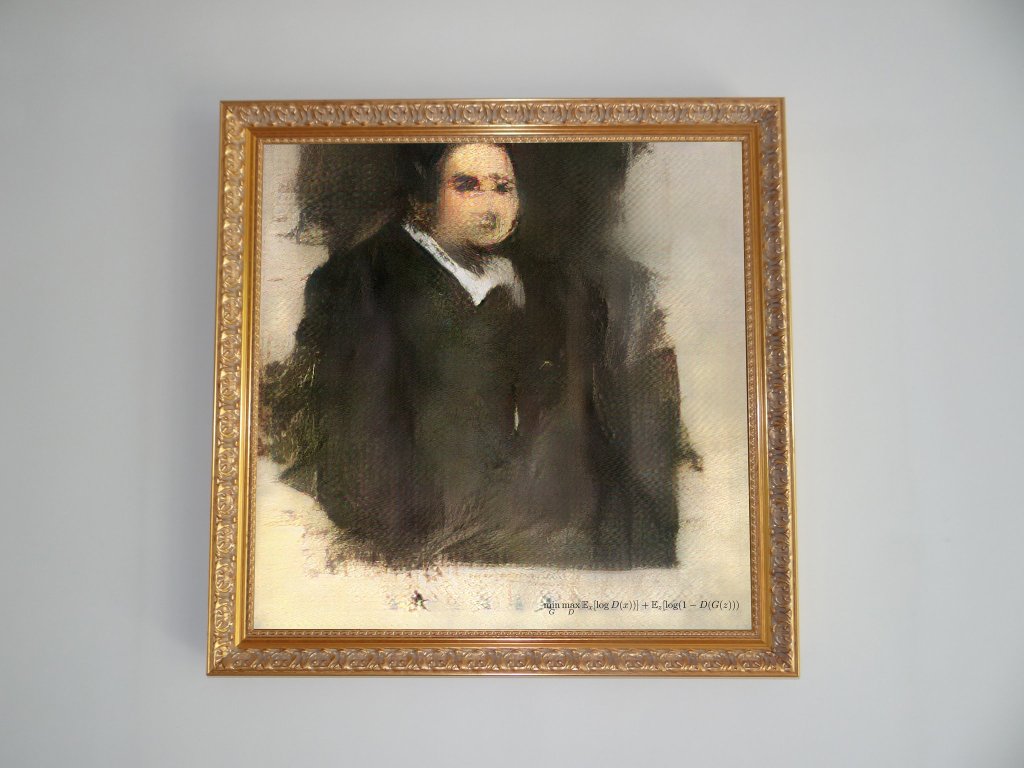
Portrait by AI program sold at auction for $432,000 (2018):
AI images by Jason Allen won an art competition (2022):

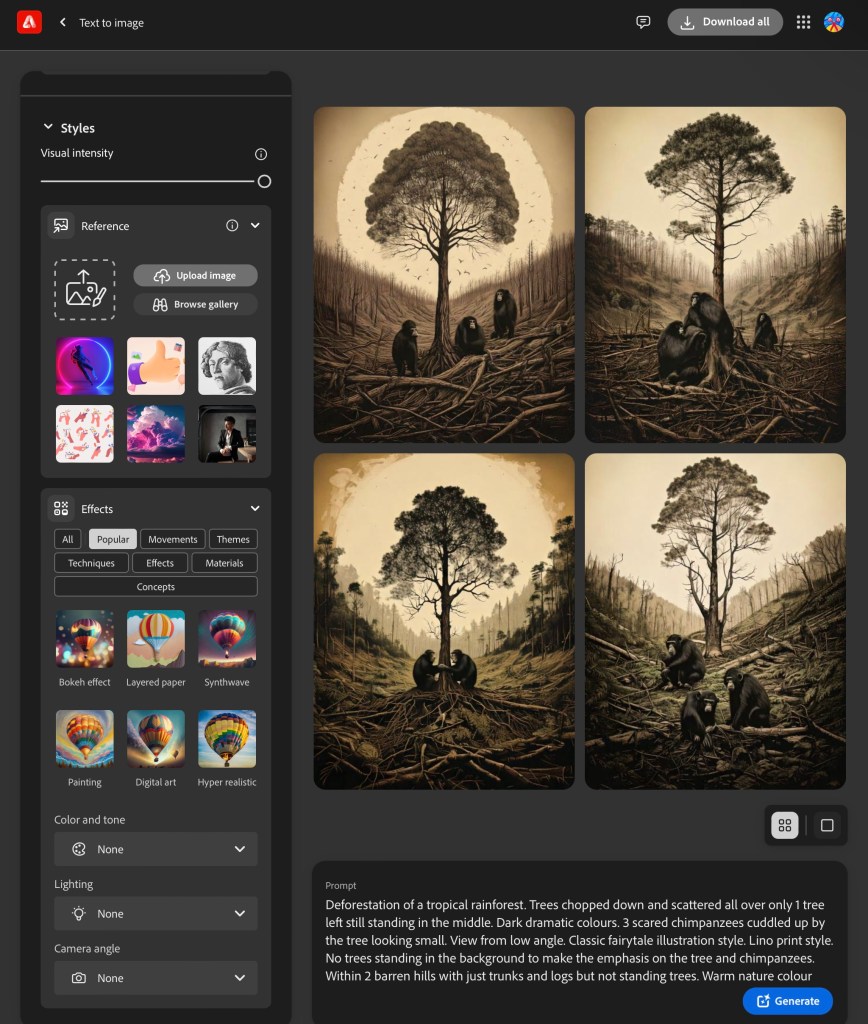
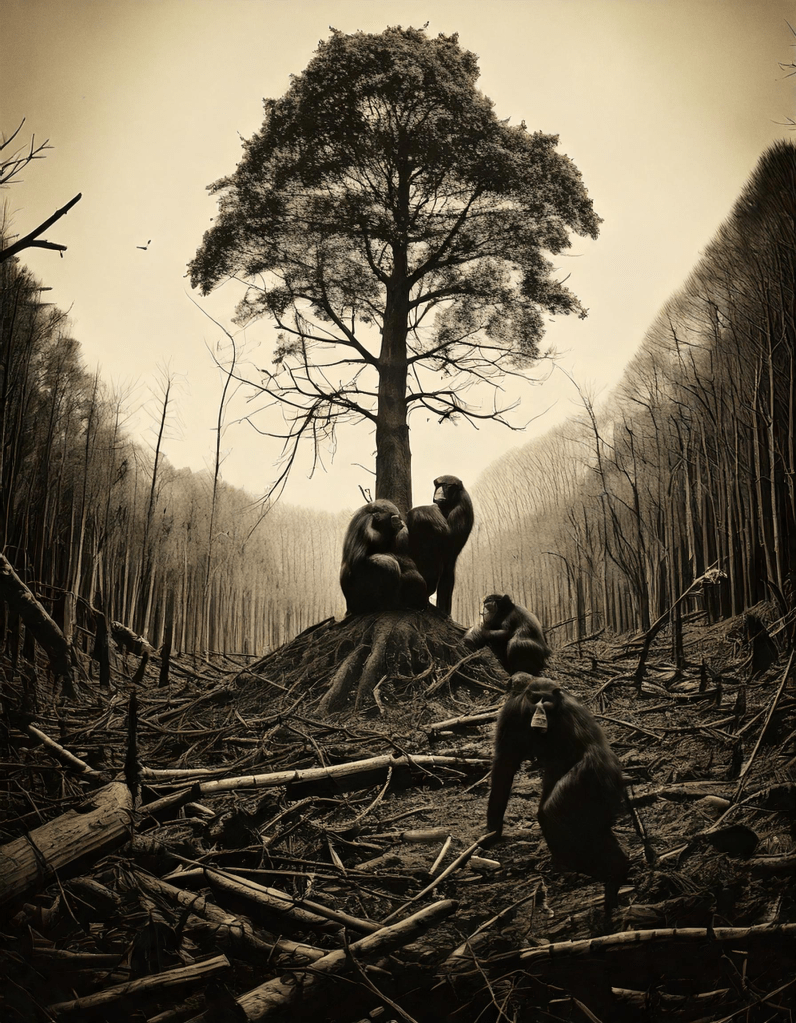
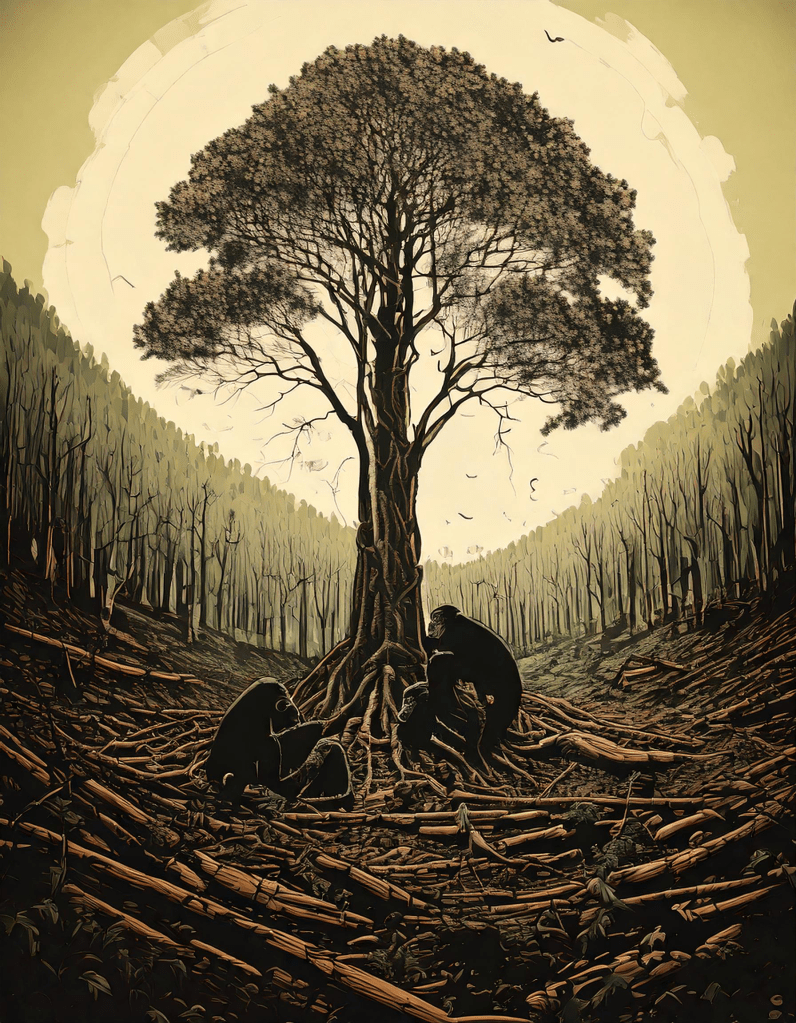
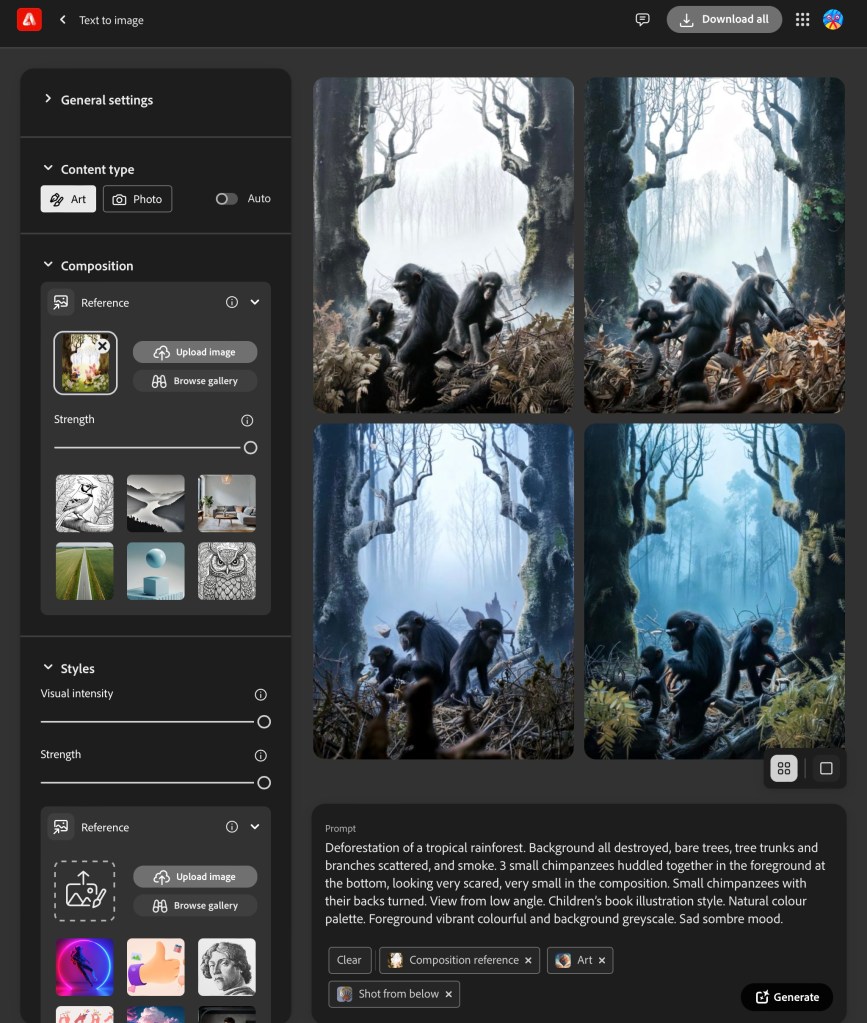
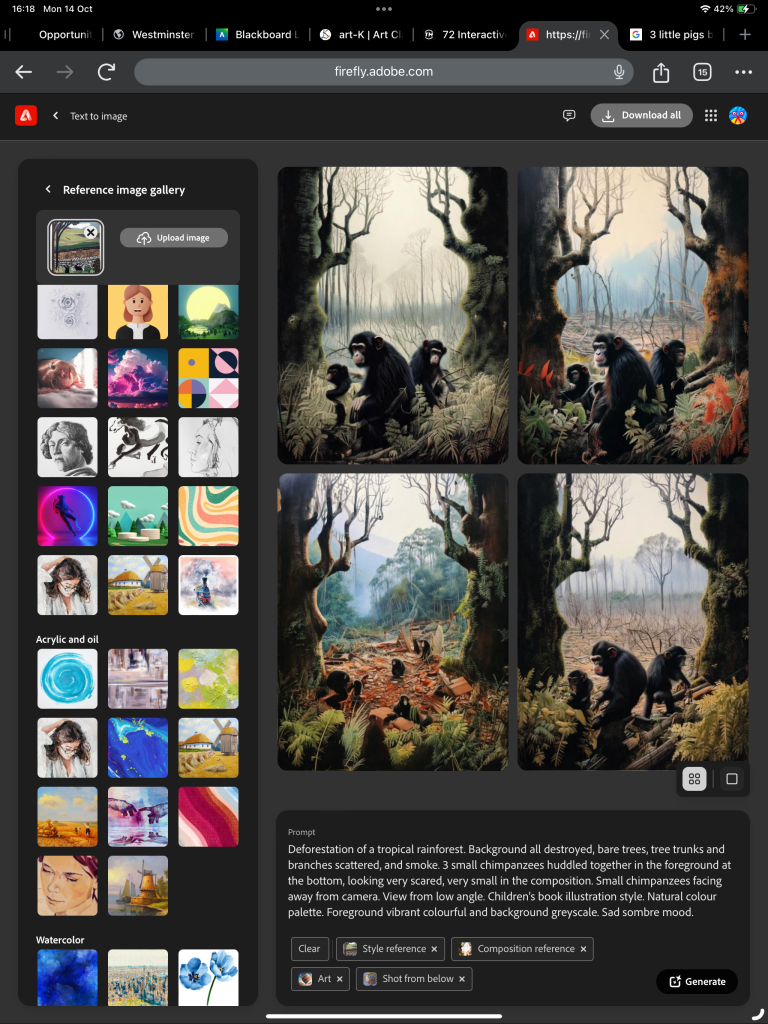
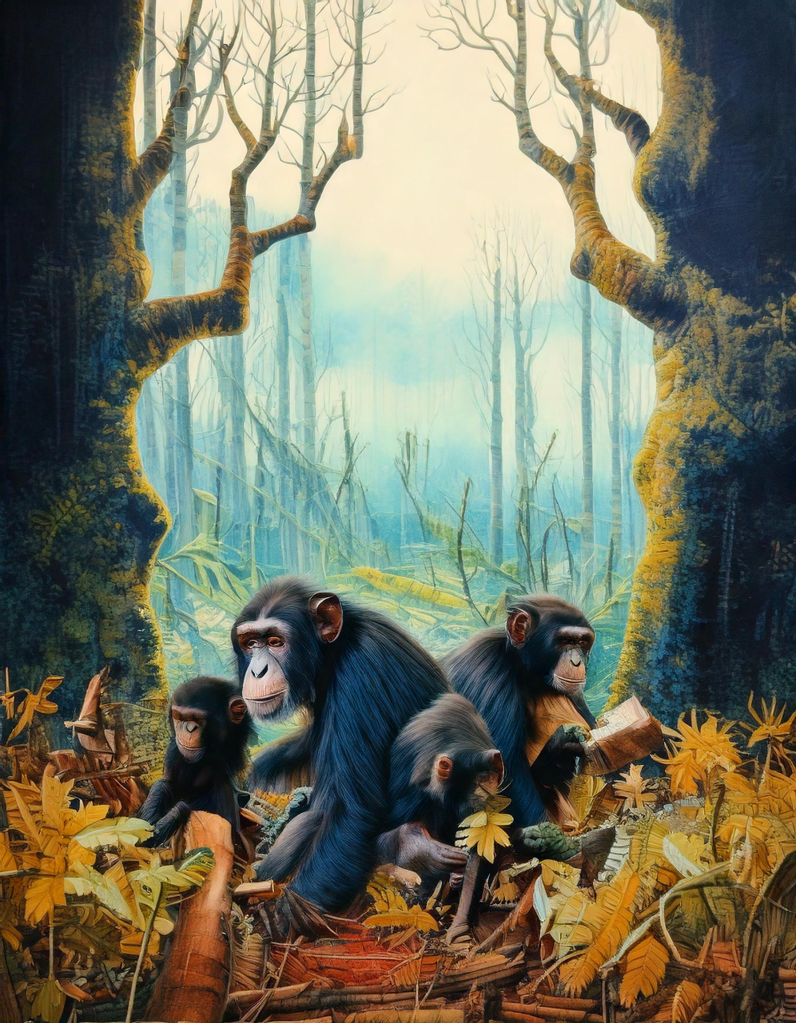
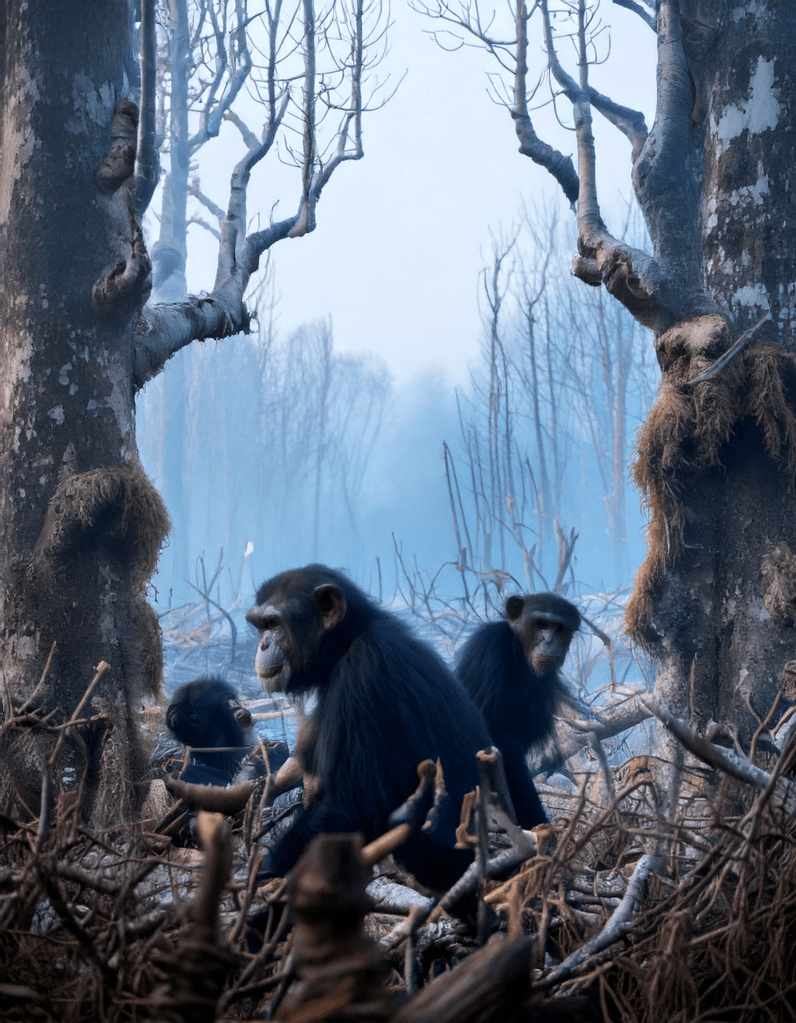
Adobe Firefly:



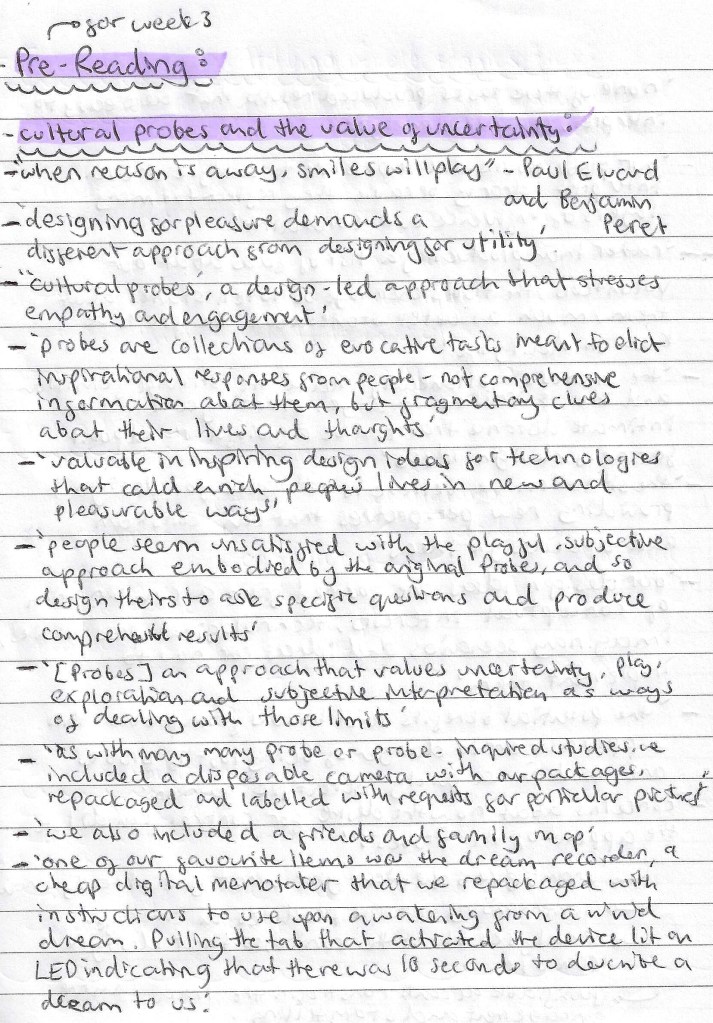
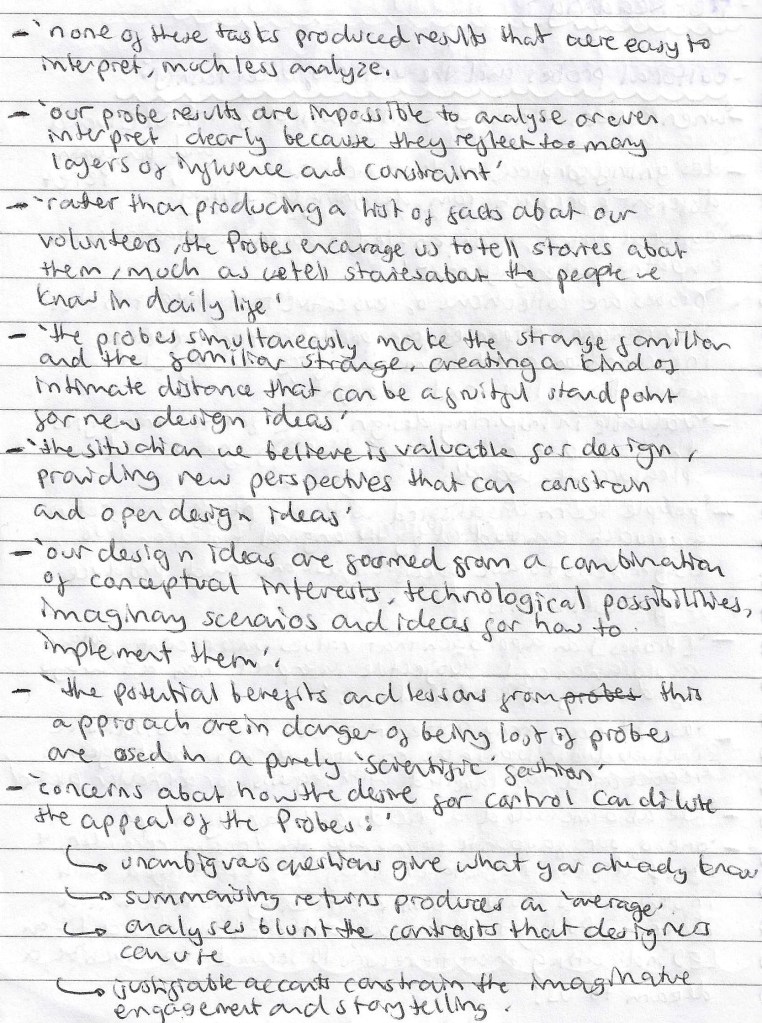
Pre-Reading:
‘Cultural Probes and the Value of Uncertainty’: Cultural Probes are collections of playful, open-ended tasks or artifacts designed to provoke inspirational responses from people, rather than generate precise or comprehensive data or solve a problem. This emphasises the importance of playfulness in the design process. Cultural probes encourage a design approach that is more about discovery, empathy, and subjective interpretation than solving practical problems. Some of the key takeaways are embracing uncertainty, subjective interpretation and play as a design tool.
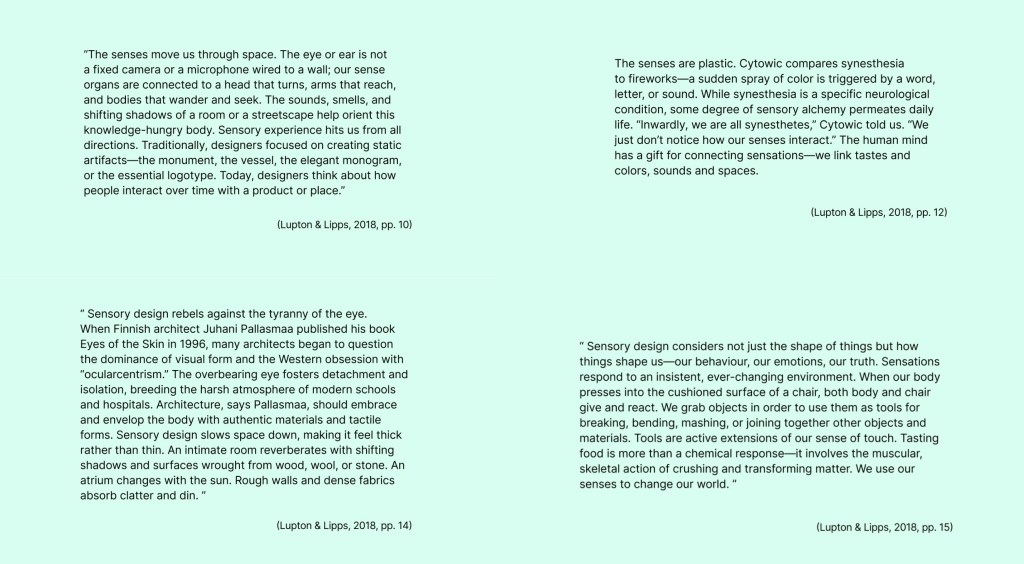
Extracts from ‘Lupton and Lipps’ (2018):
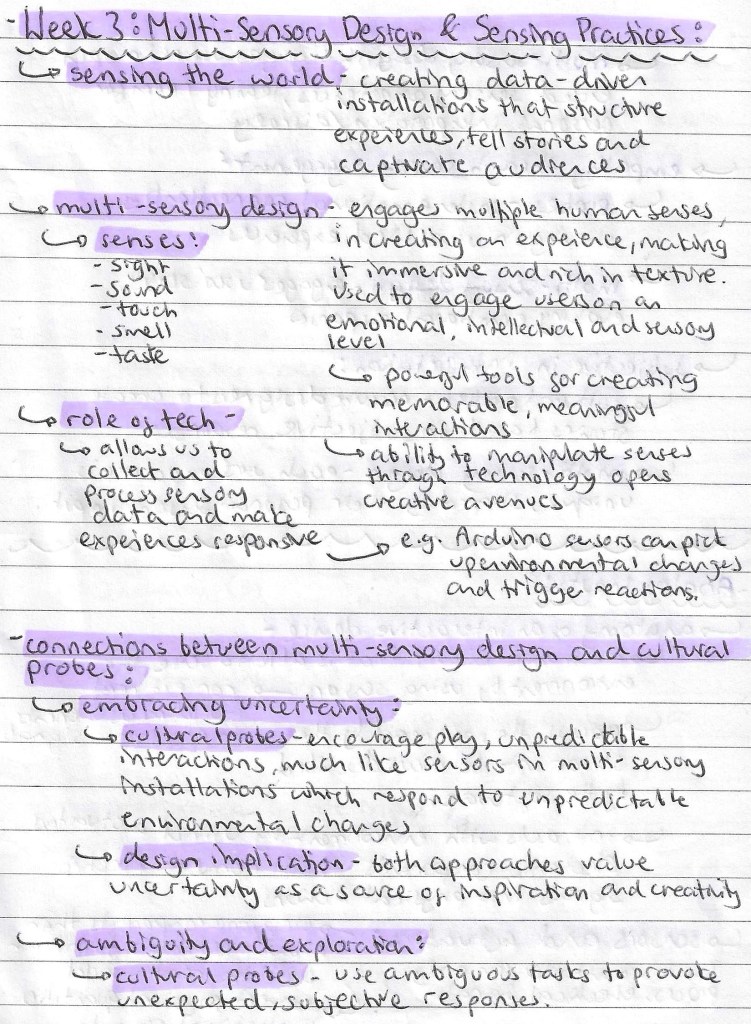
Notes:
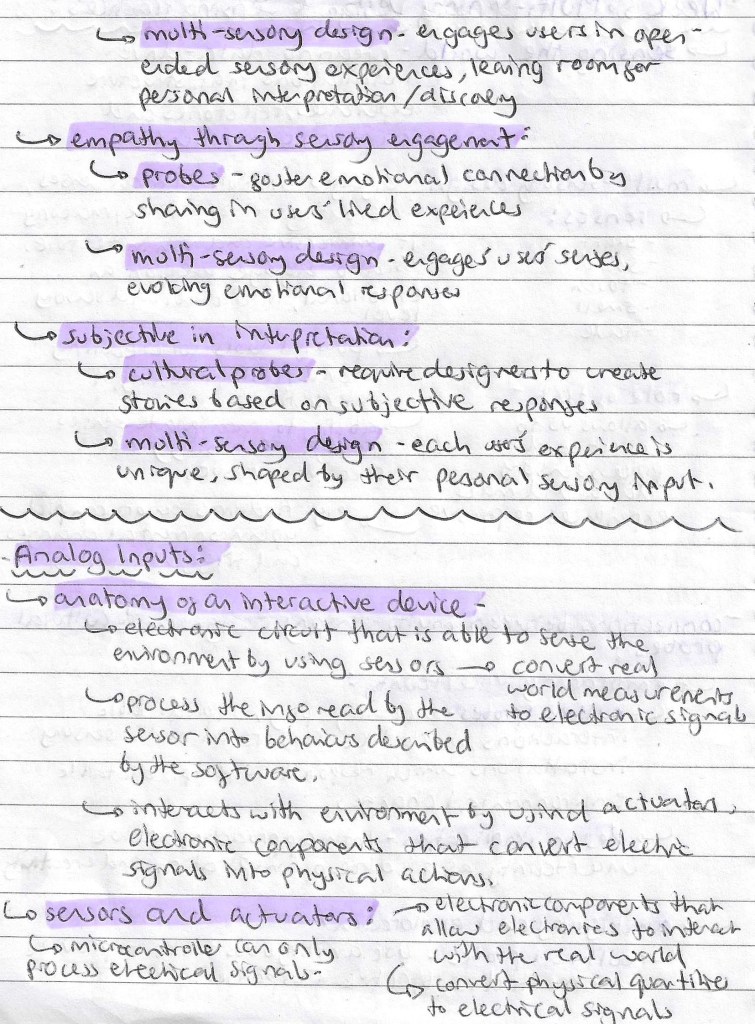

Examples of Multi-Sensory Design:
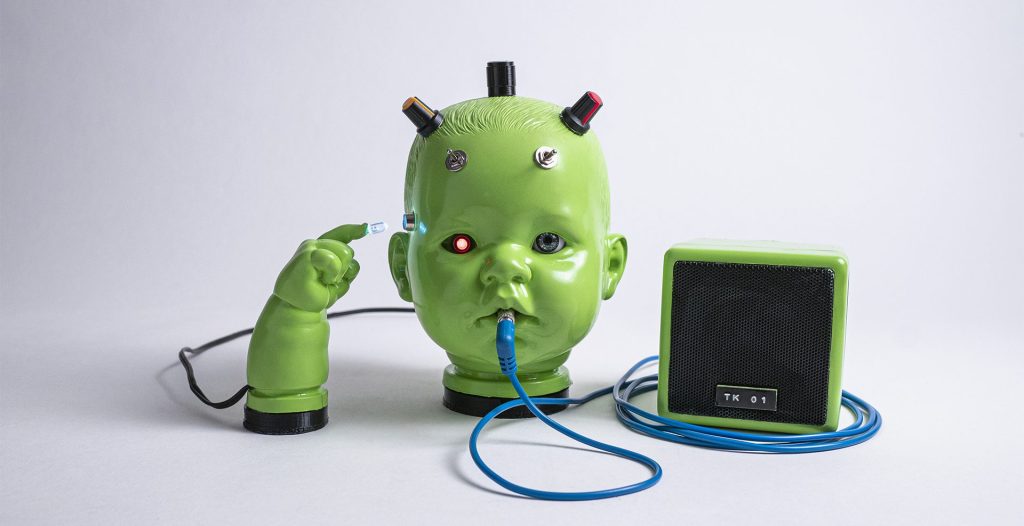
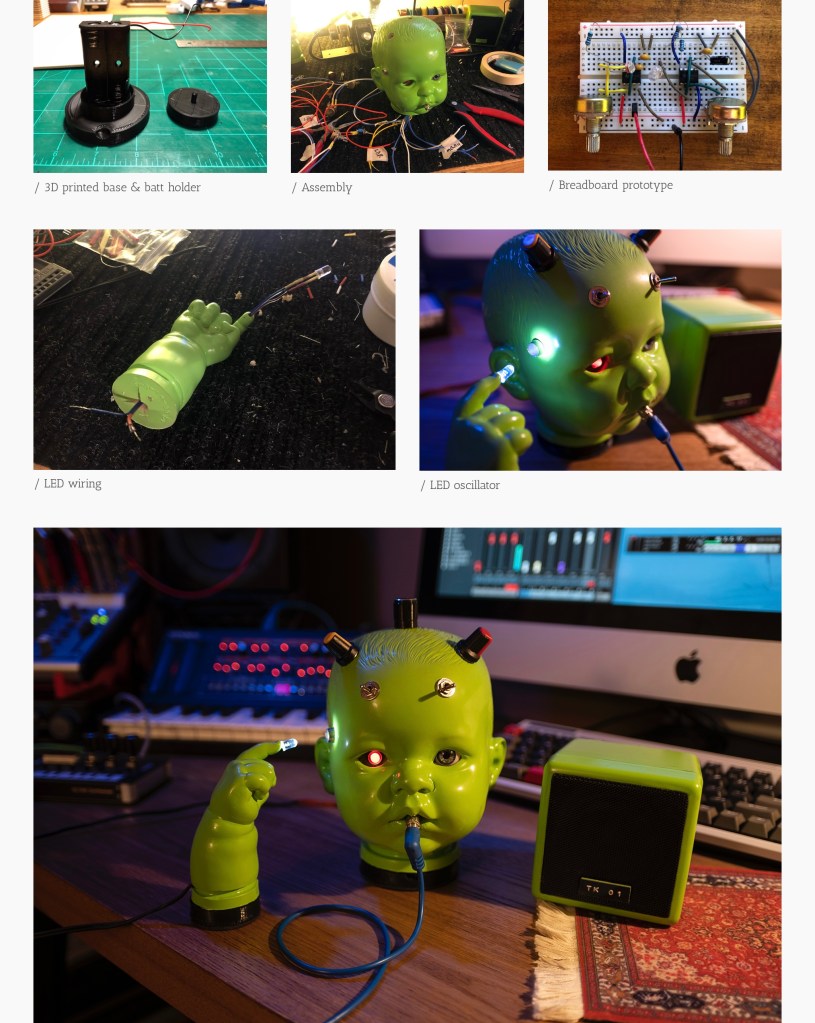
Light Theremin by Kevin Powell Studio: There are two potentiometers that vary the pitch and the oscillation speed of the LED in the finger. That LED is used to get the theremin “wobbly” effect through the light dependent resistor on the bot’s temple. The 3.5mm jack in the mouth is the output. There’s another 3.5mm jack on the back of the head for easily removing the hand connection.
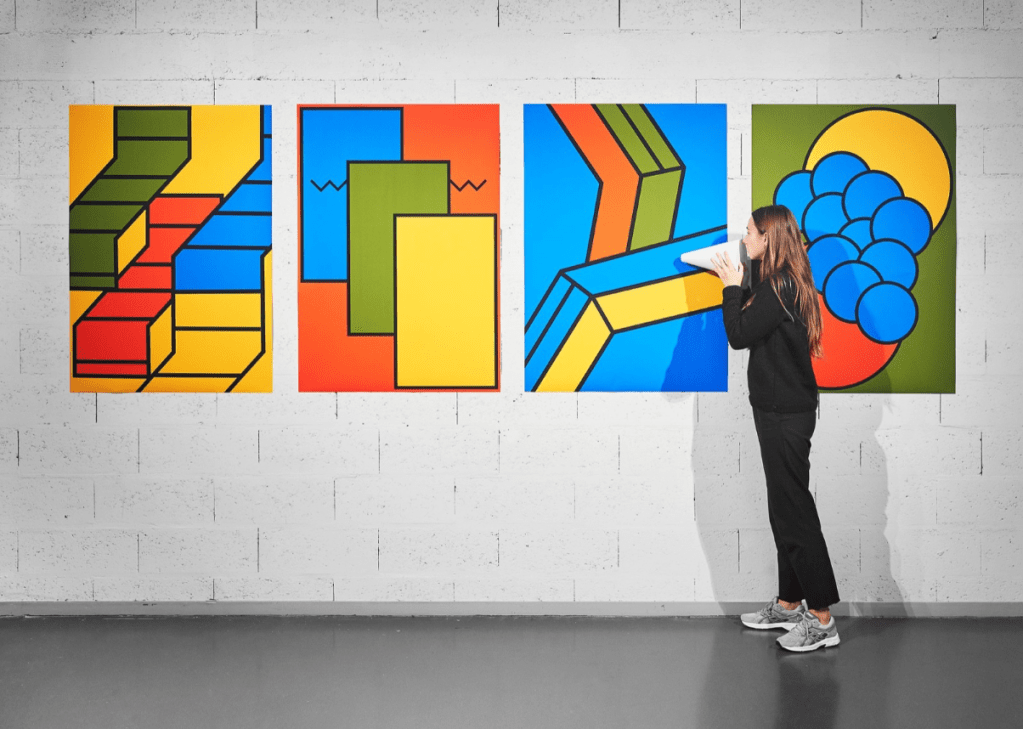
‘In Real Life’ by Olafur Eliasson’s at Tate Modern:

‘Bouquet’ by Niklas Roy: a synaesthetic olfactory device which allows the user to perceive color through fragrances
3D Printed Interactive Wearable Designs by Anouk Wipprecht:
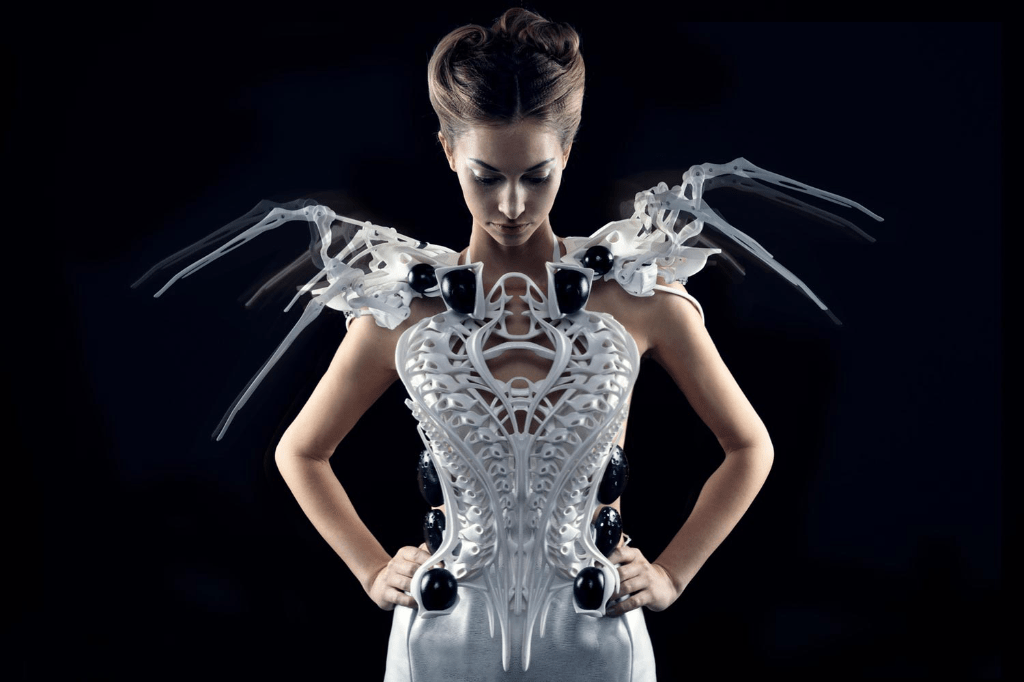
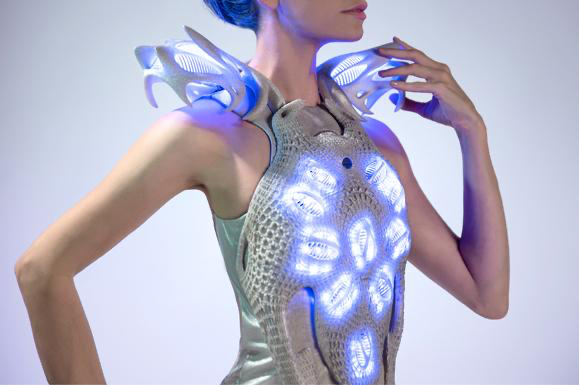
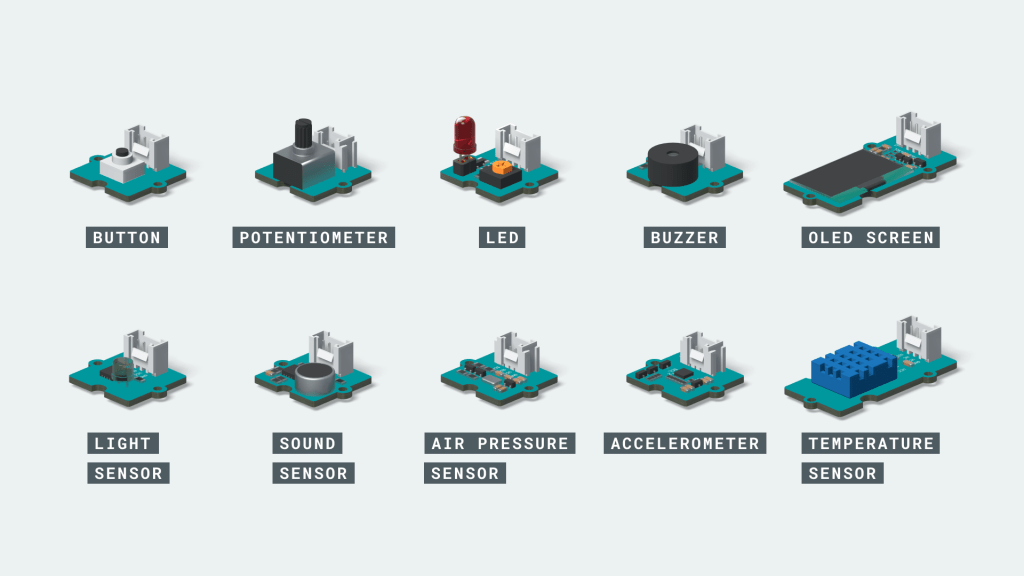
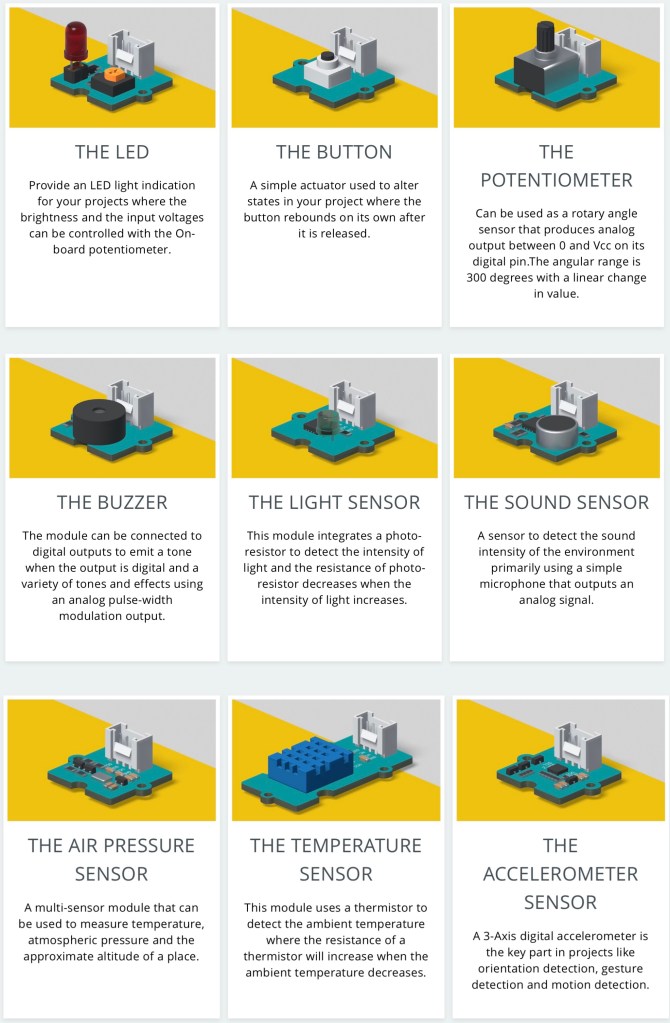
Intro to Sensor Kits: These are made up of several modules, each module being able to either input or output different types of data, therefore being able to support different interactive installations and experiences.
The Modules:
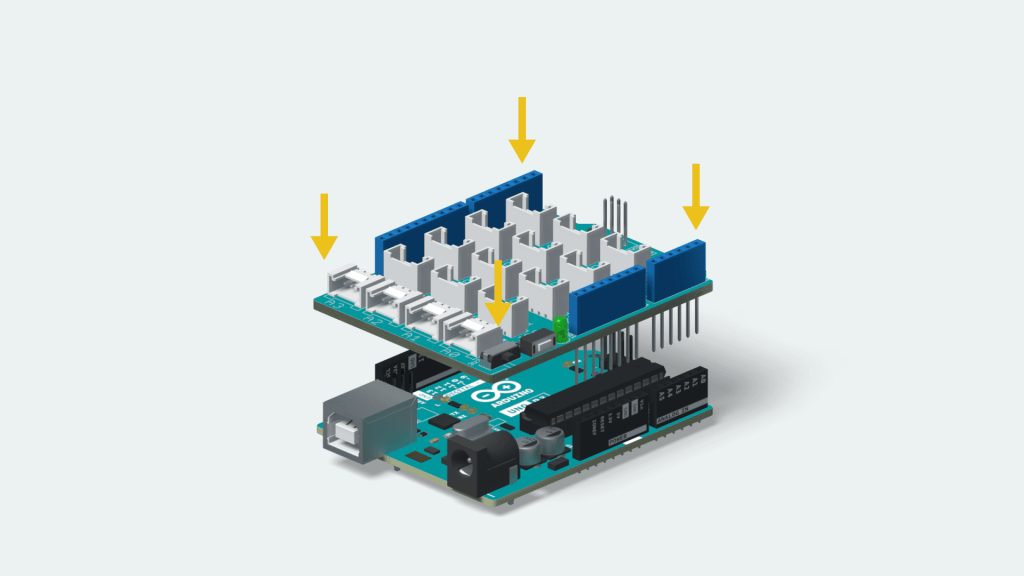
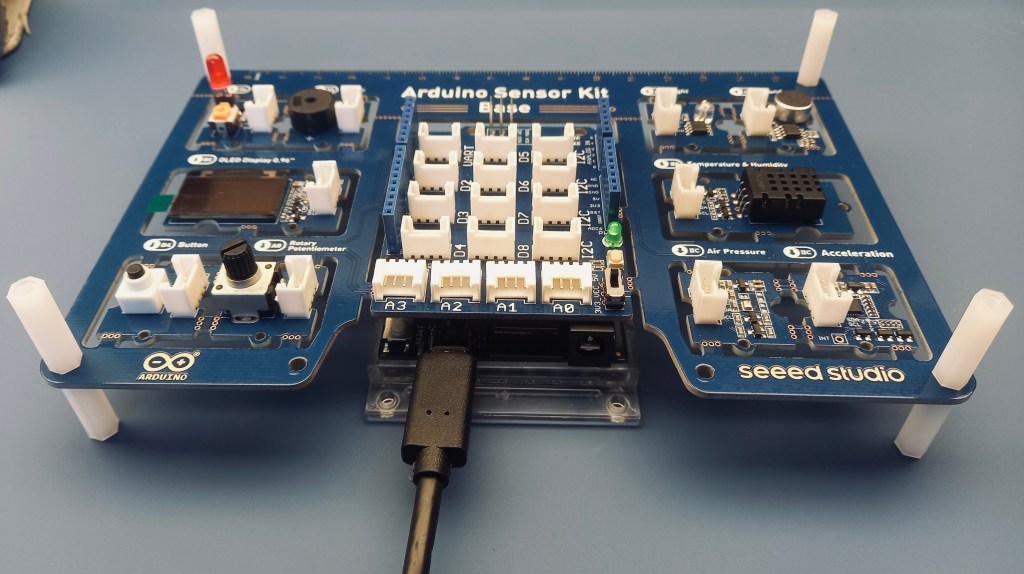
Arduino Sensor Kit:

Analog Inputs:
Button controlling LED:
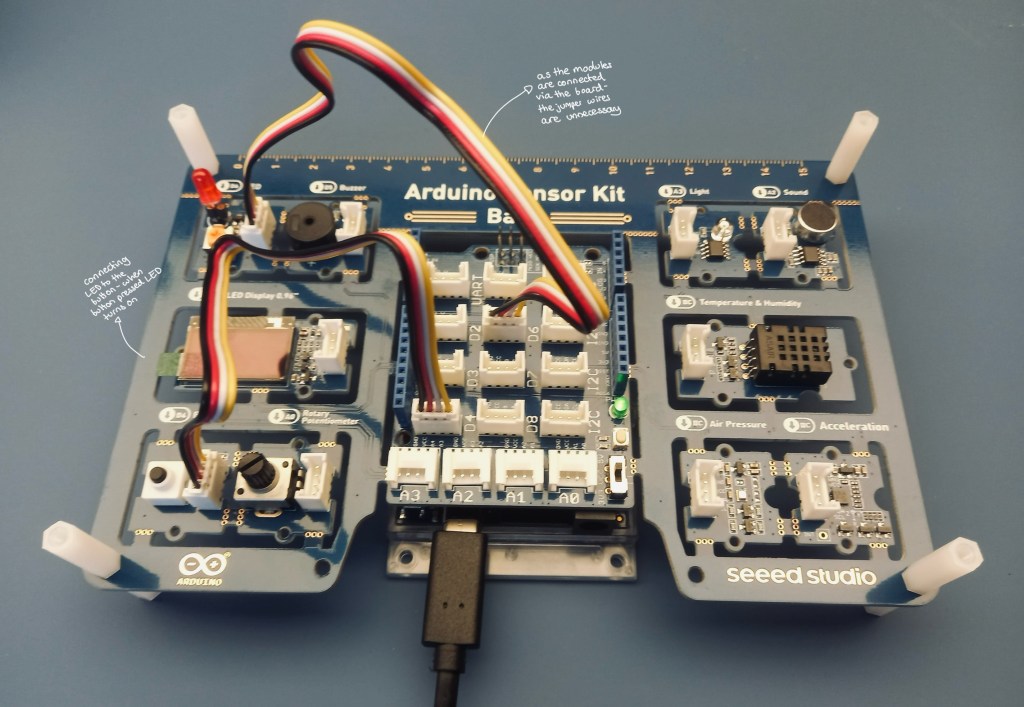
Potentiometer Upload the code and see a live variable change in real-time as you turn the knob.
Light Sensor: Stream data from the photoresistor (a sensor that measures the amount of light ) into the Arduino software. As you cover it with your hand and then remove it the value change depending on how much light is being received.
Ultrasonic Distance Sensor (HC-SR04): This means you need to record an analog input of the distance between two objects, measures proximity.

Arduino sensor kits- Analog inputs:
More information about sensor kits:
https://sensorkit.arduino.cc/sensorkit/module/getting-started/lesson/00-getting-started
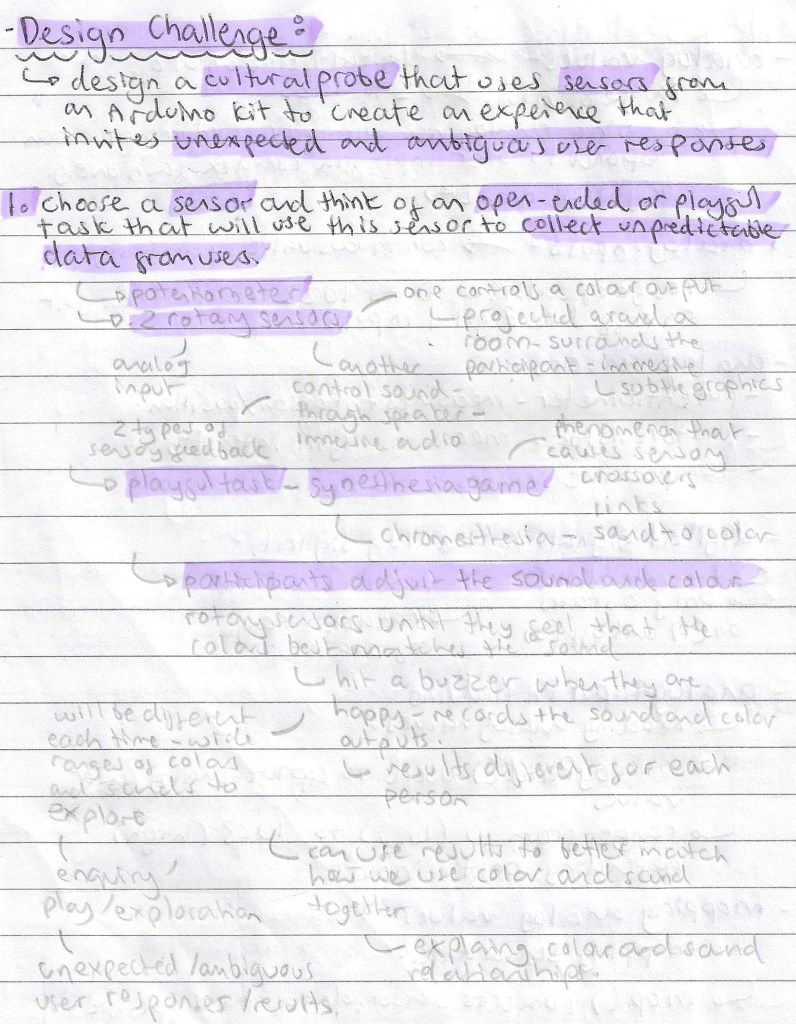
Design challenge: Chromesthesia (sound-to-colour) synesthesia:
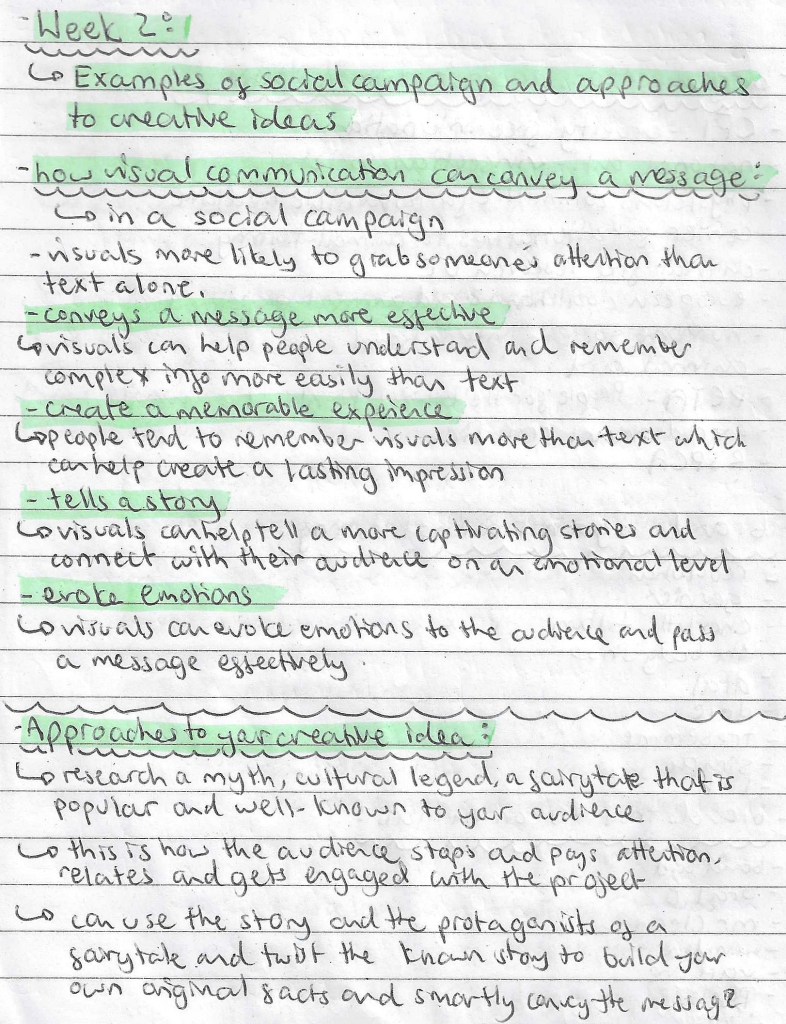
Examples of Greek myths:
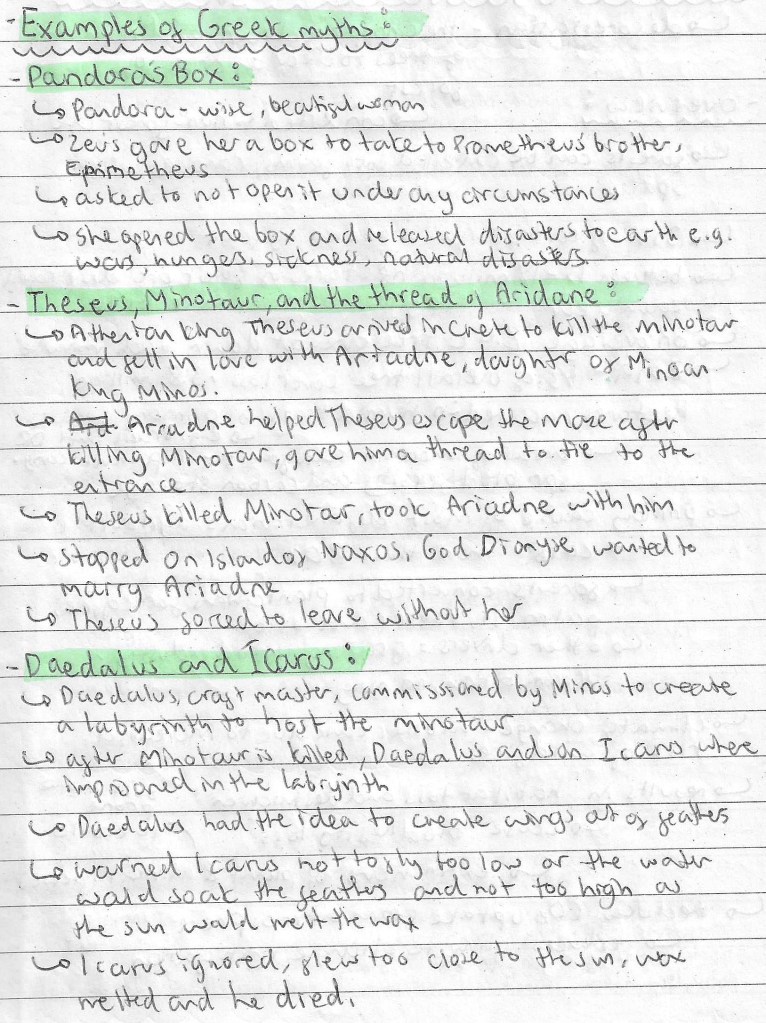
Deforestation:

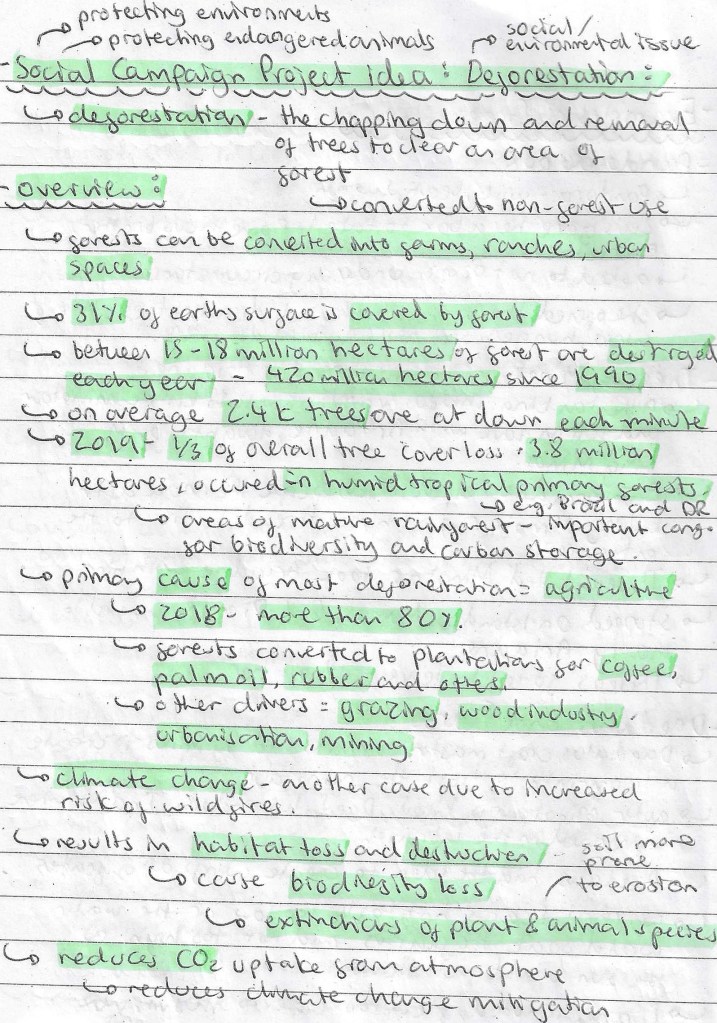
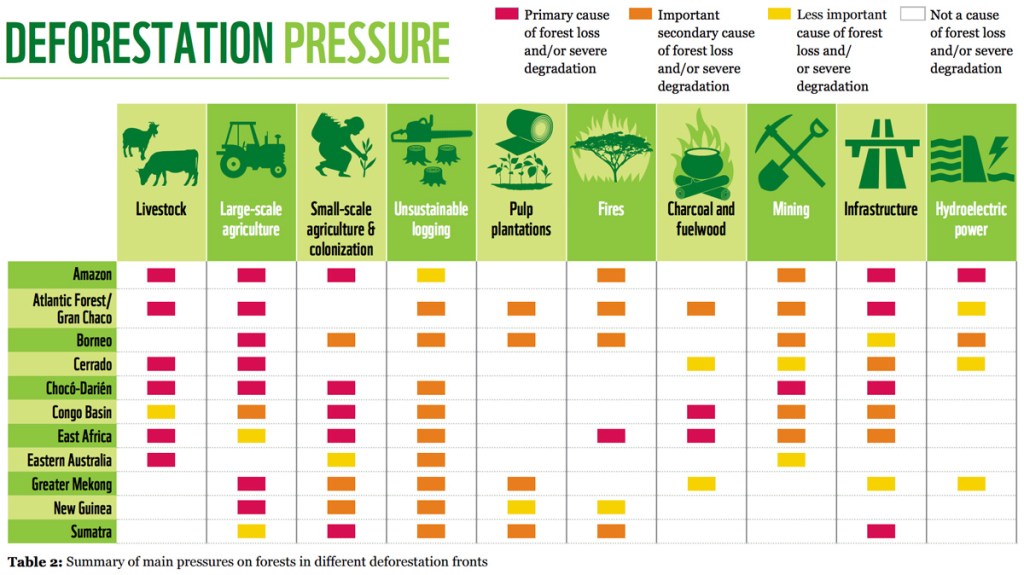
Causes and Impacts:

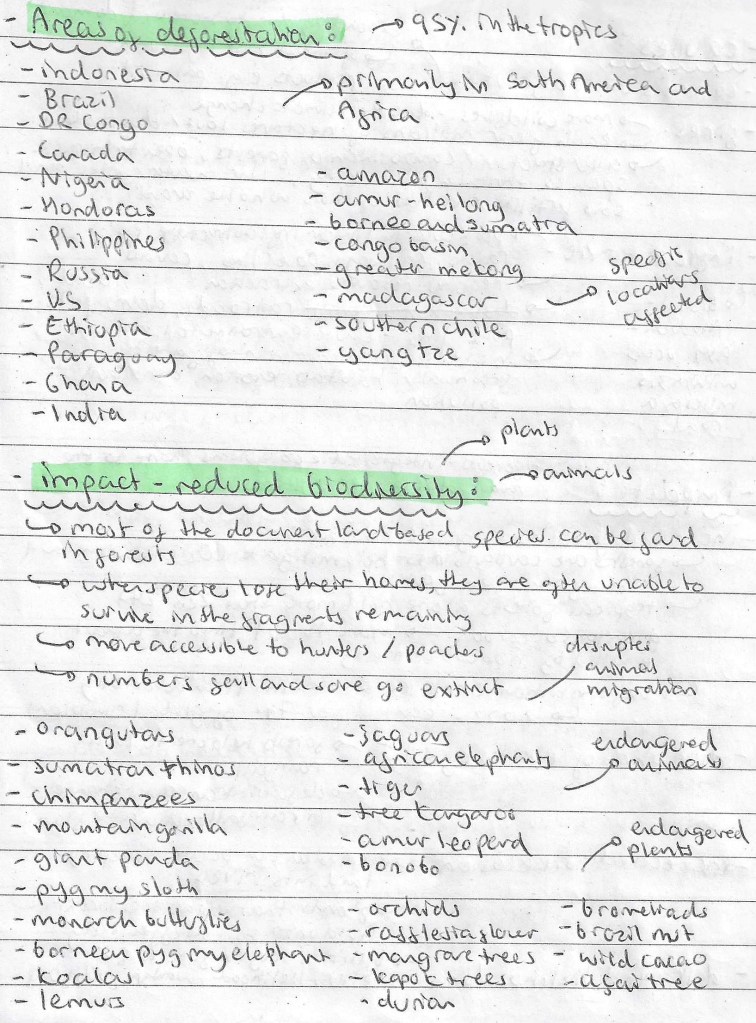
Areas affected and impact on biodiversity:
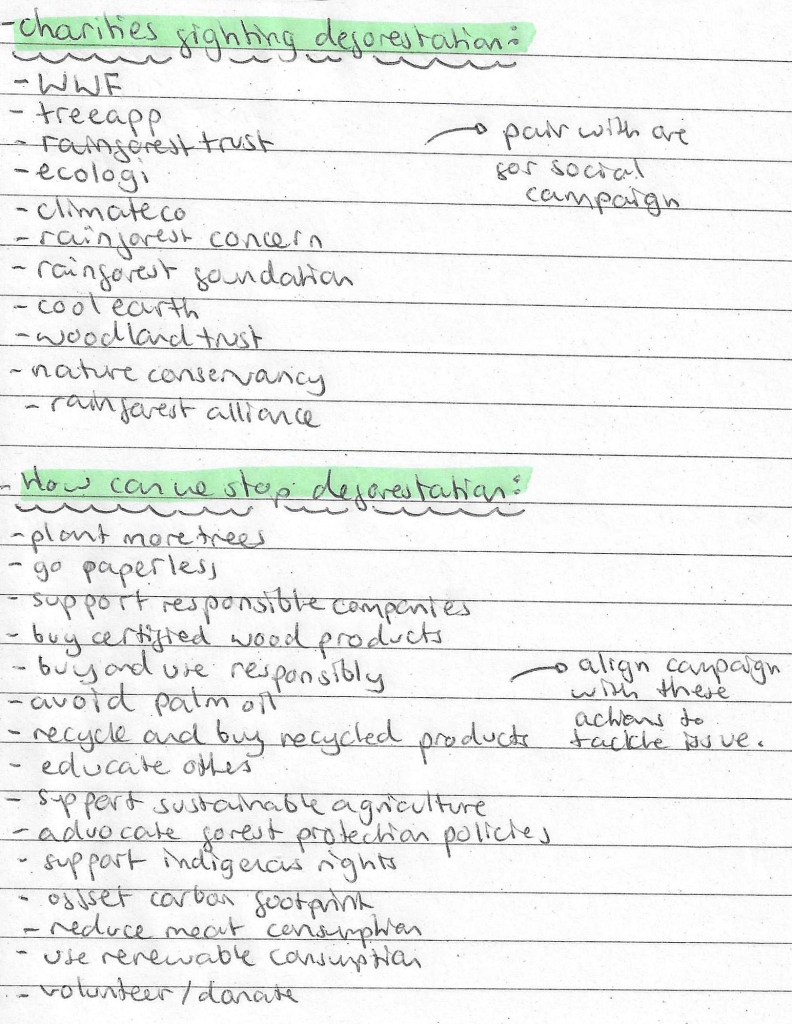
Charities fighting deforestation and what we can do to help:
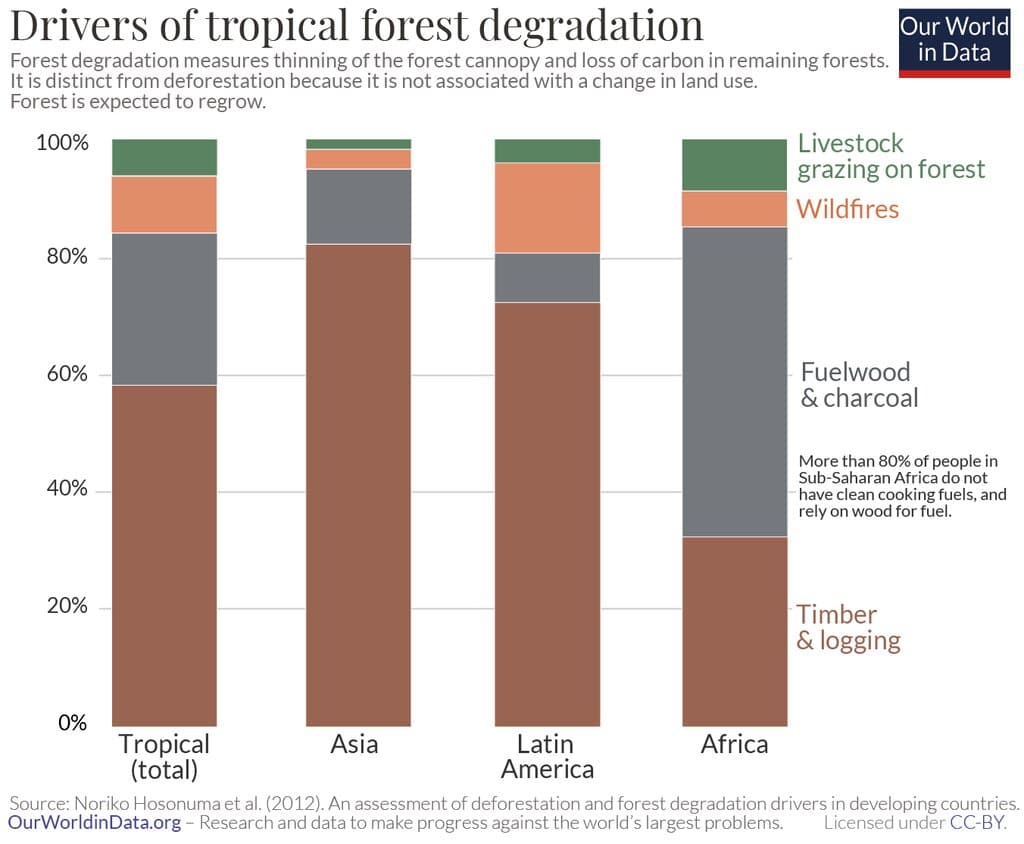
Statistics:

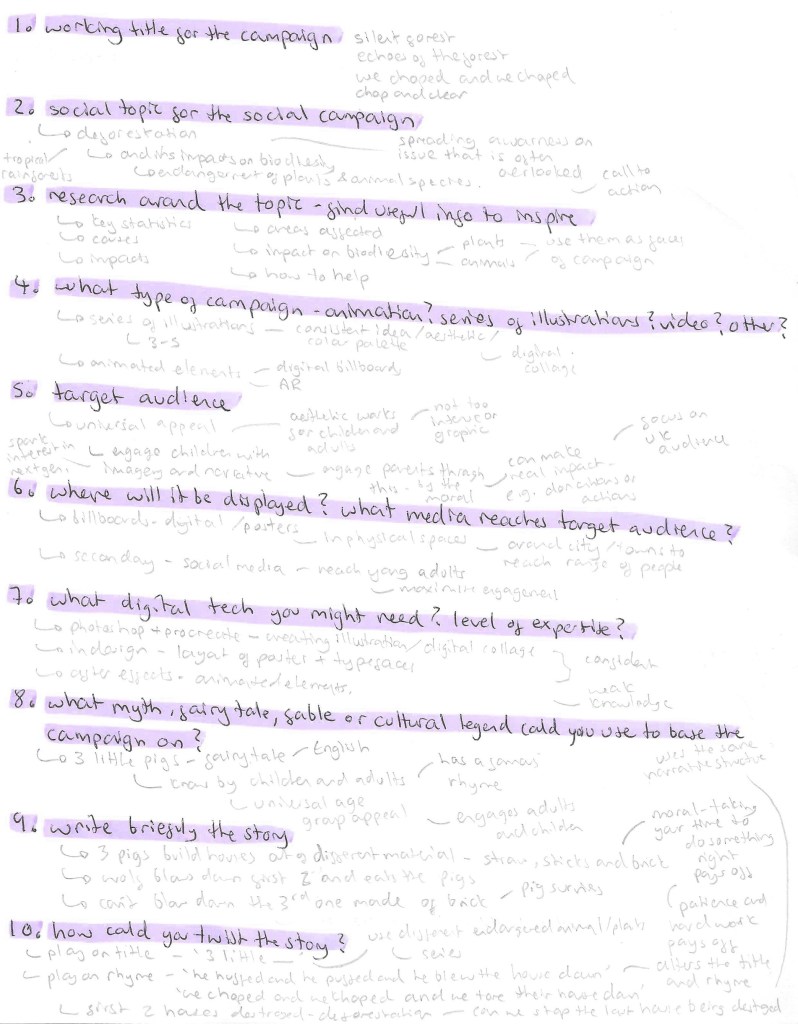
Planning and ideas: Deforestation:
Campaign posters:
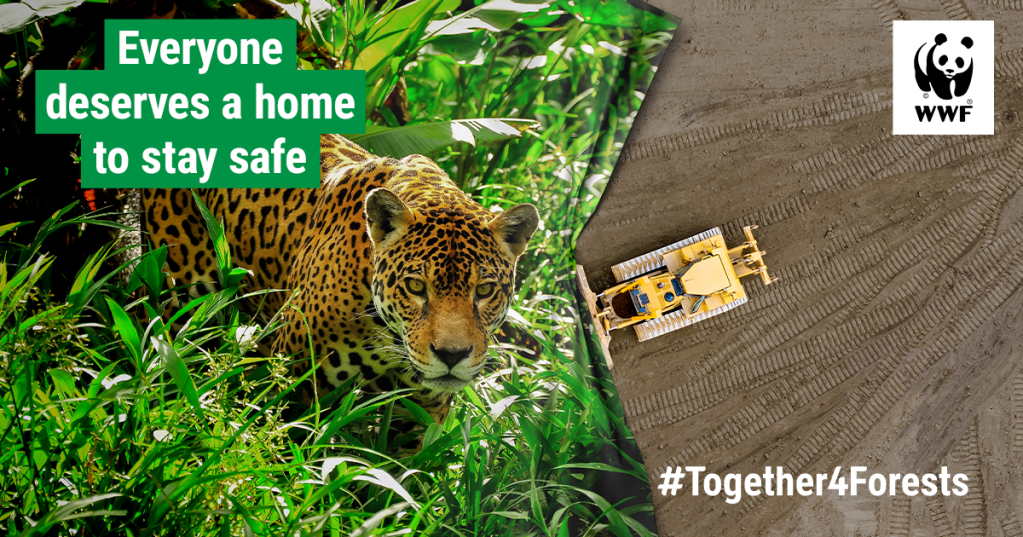
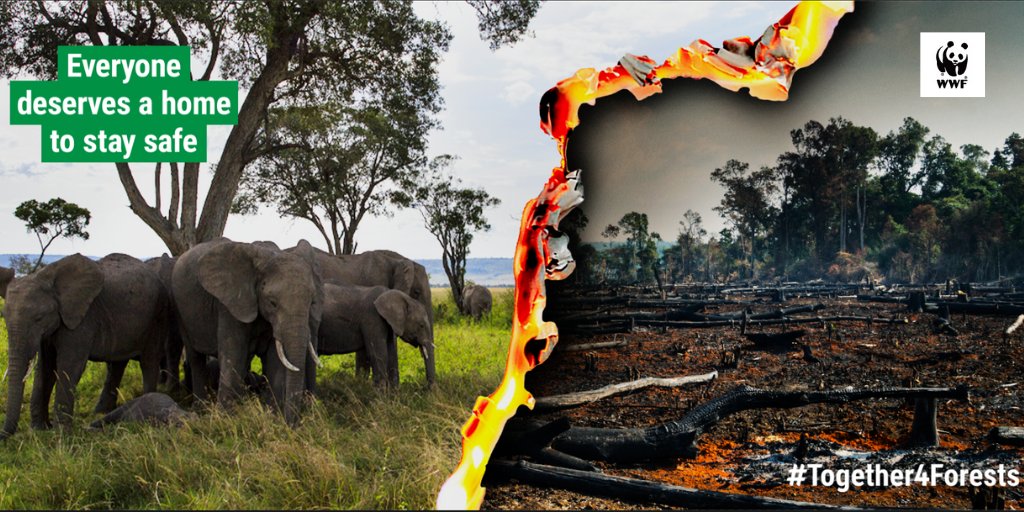
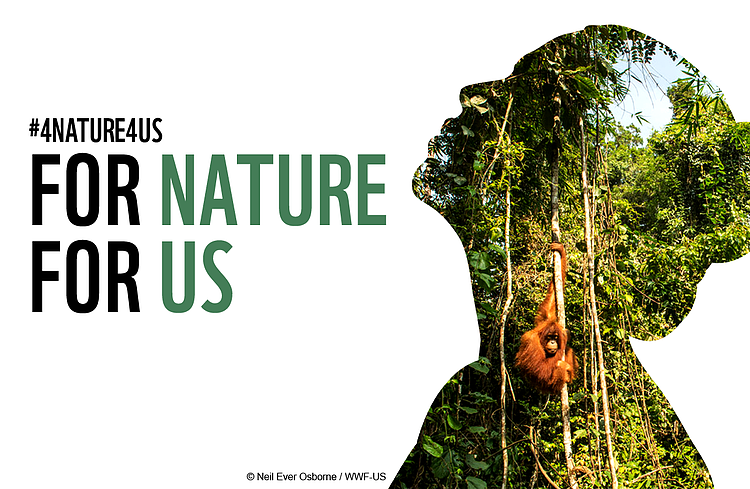
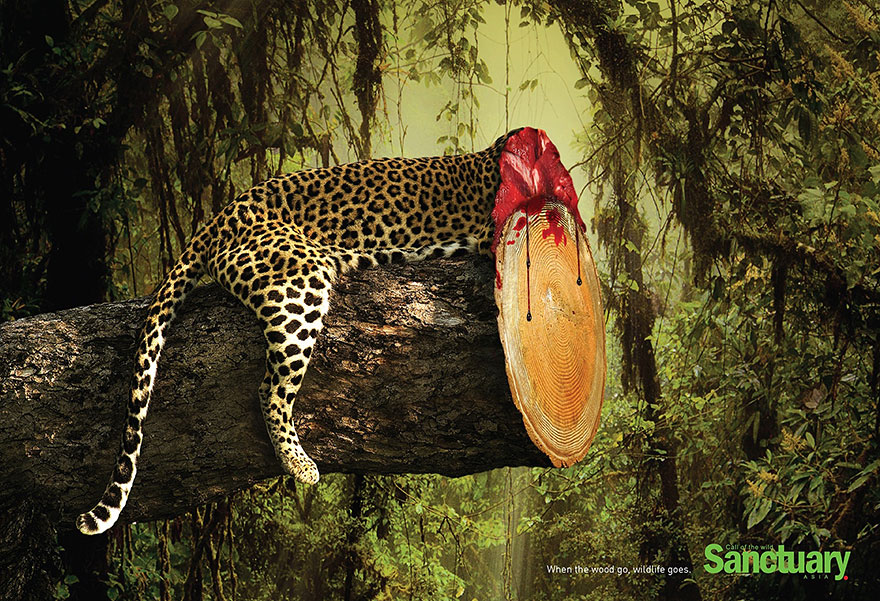
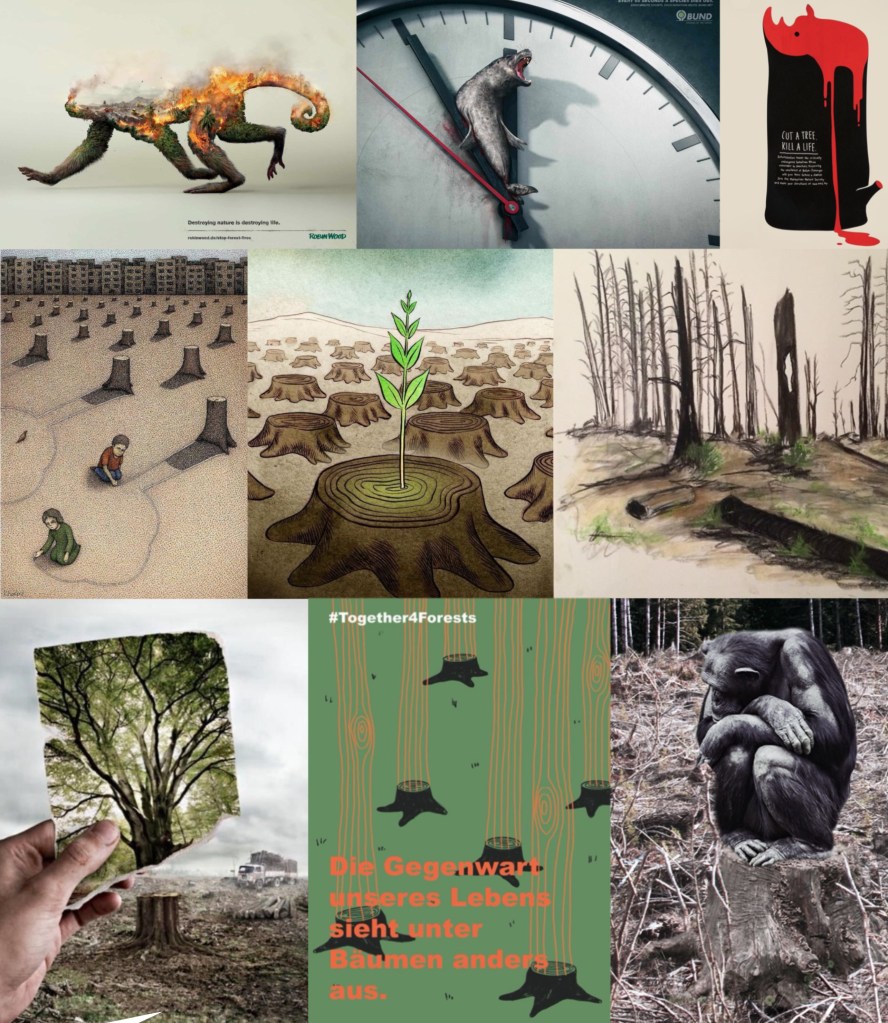
Visual Research- Deforestation mood board:
Fairytale: 3 little pigs:
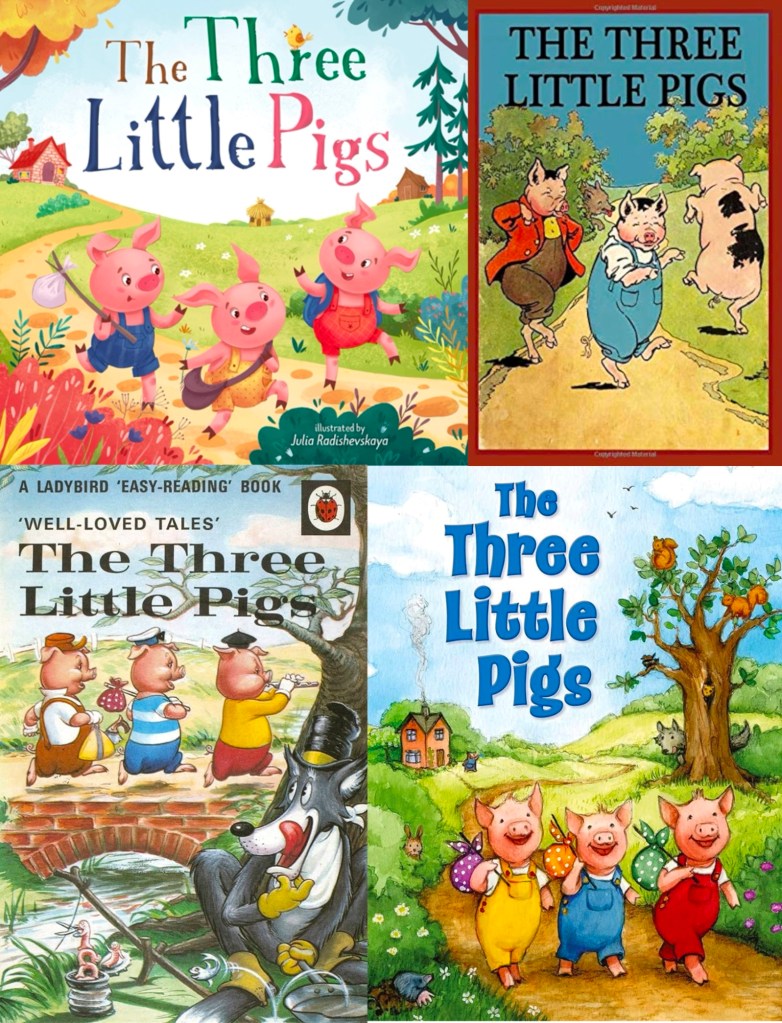
Book covers:
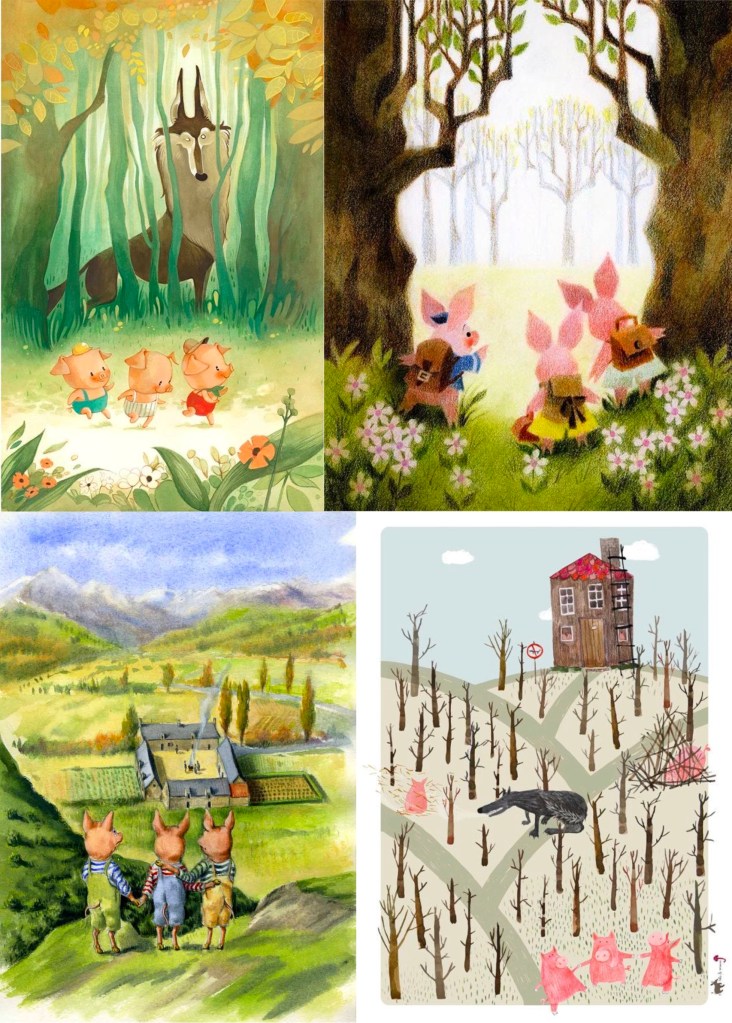
Illustrations:
Visual Inspiration- children’s book illustrations:
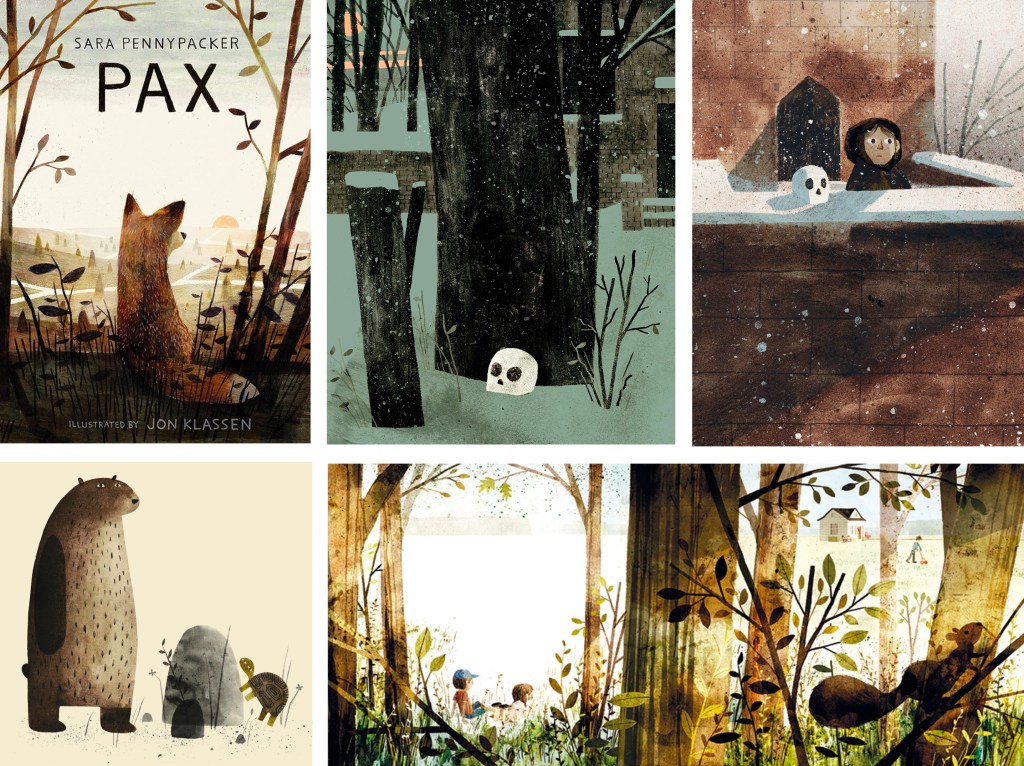
Jon Klassen:
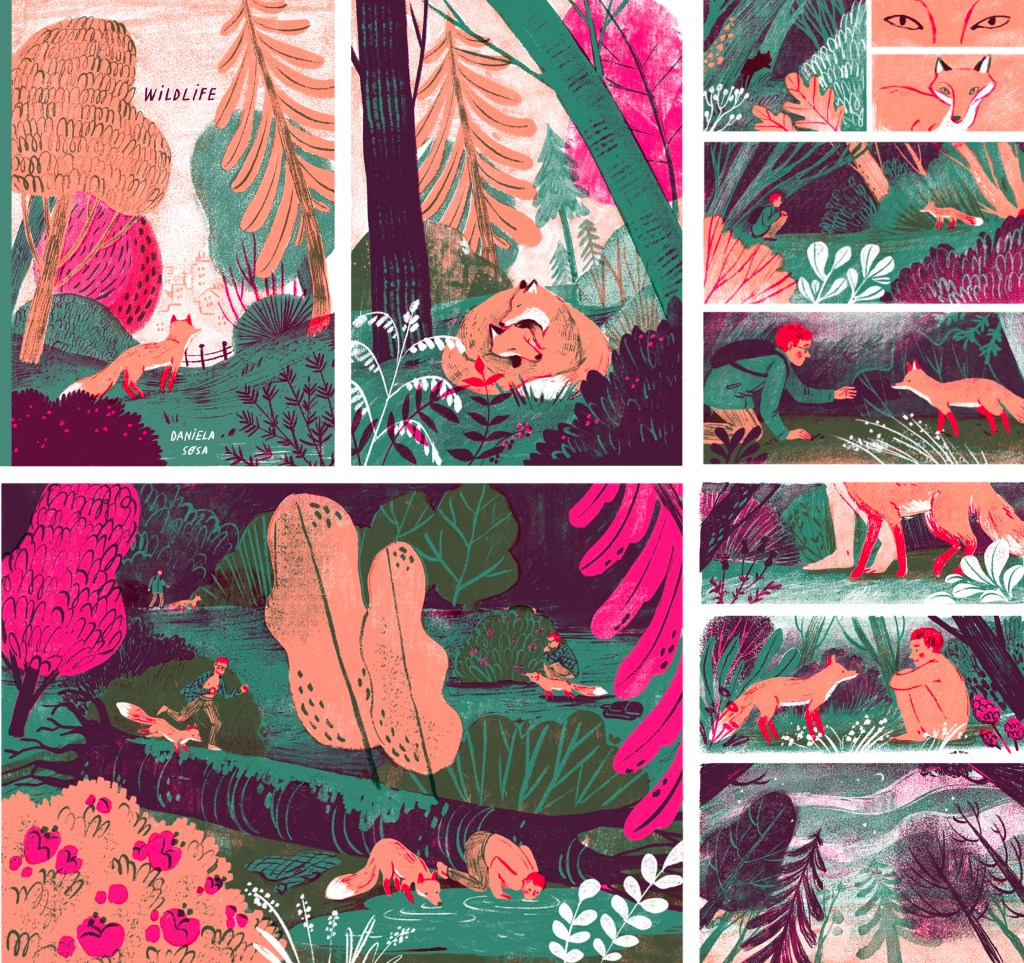
Daniela Sosa:
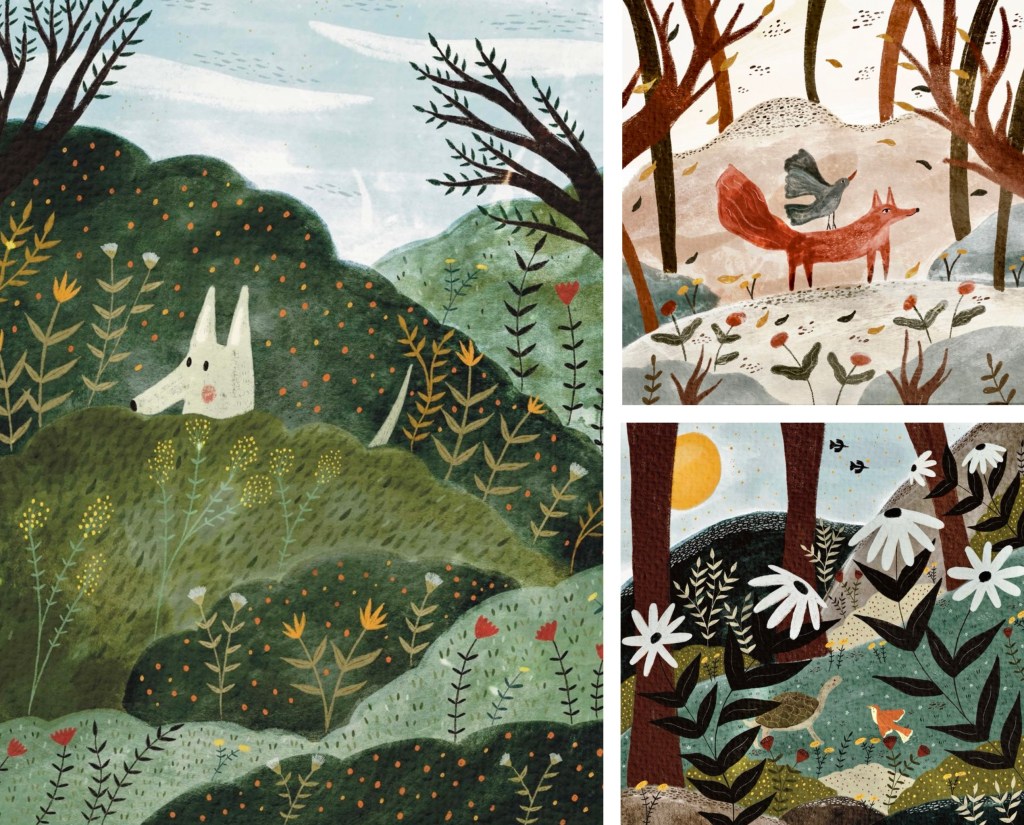
Maiden Moose:
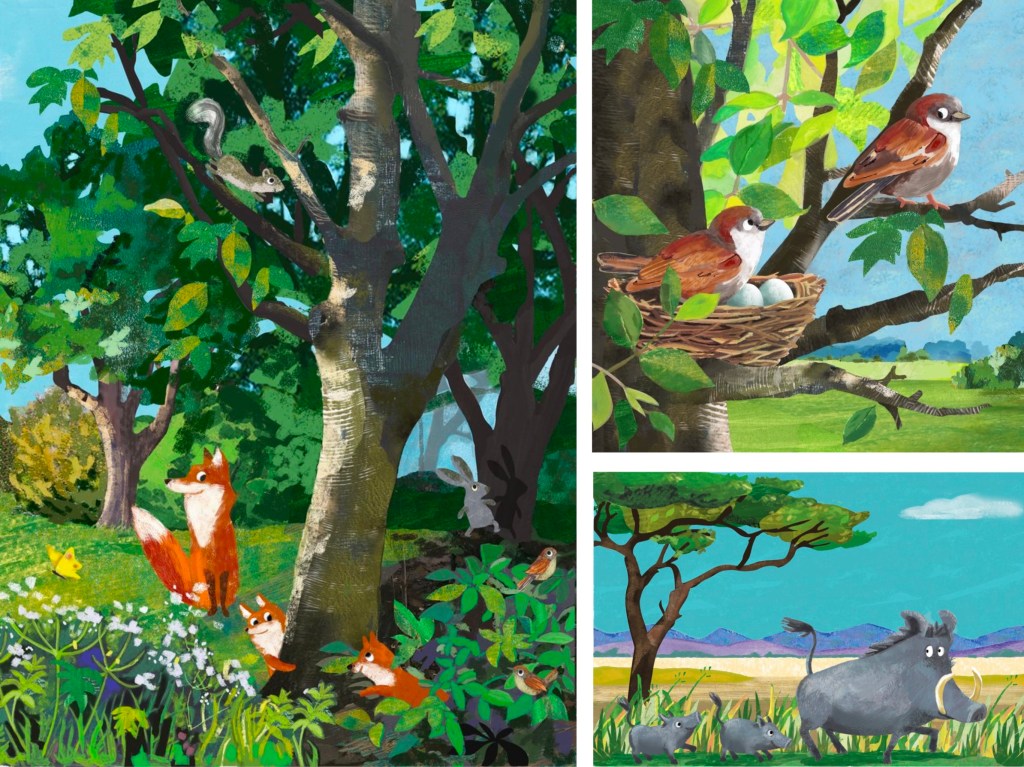
Annabel Hudson:
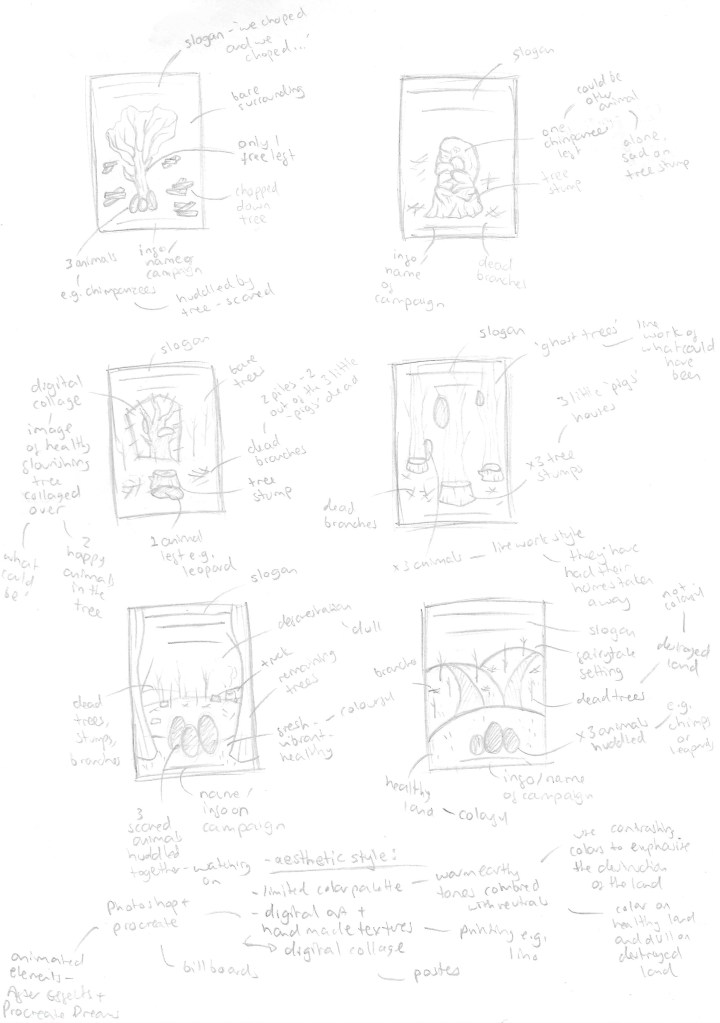
Thumbnail sketches:
Examples of Interactive Experiences:
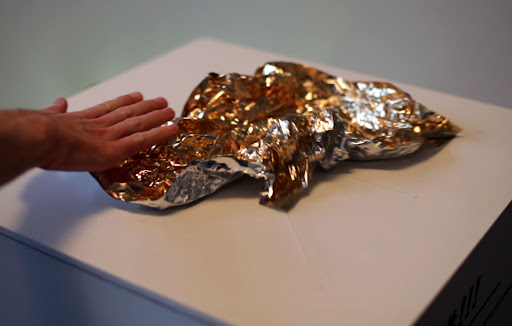
‘@><#!!! the life of an overtaxed surface’ by Vera Hausmann, Till Maria Jürgens and Vitus Schuhwerk: A thin metal coated foil with invisible string is connected to servo-motors and an arduino board. This senses if somebody comes close. Through squeezing and releasing, the flat motion turns into a spatial transformation and expands towards the user. It reacts by proximity and physical interaction. The intensity of expression is determined by the user’s interaction. The foil reacts more intensely to more than one interaction. An arduino board controls the interaction.
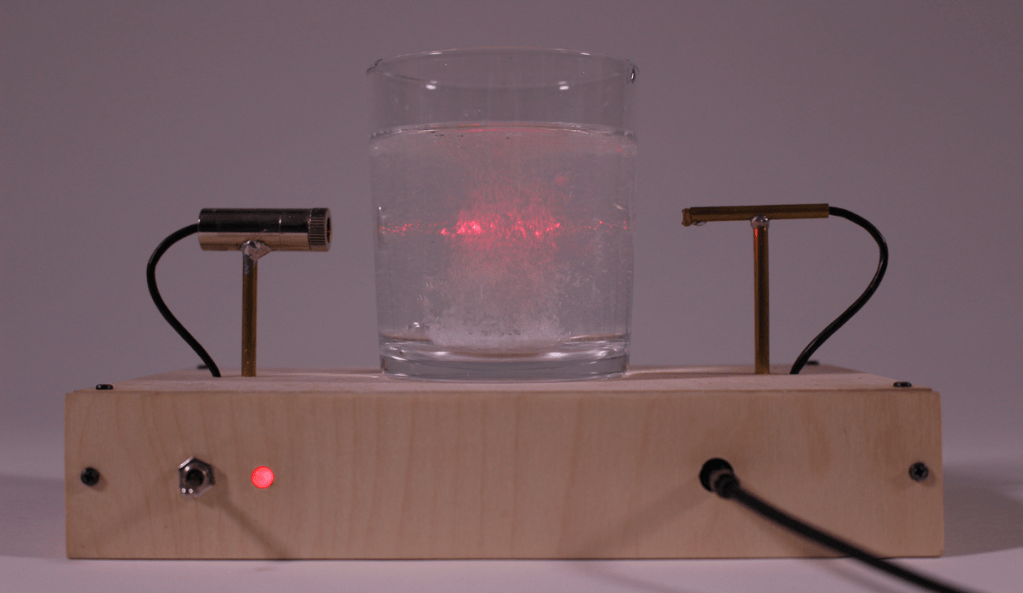
‘Laser Microphone’ by Kai Lab: Laser Microphone acts like a microscope for sound, amplifying the physical vibrations of tiny objects that are otherwise too quiet to hear. This installation has been used to hear things such as the movement of insect wings, water spray and the movement of bubbles. A laser is used to illuminate a vibrating object. When the material of the object oscillates, it disrupts the beam of the laser and casts a shadow on a light sensor placed opposite the laser. The varying light intensity is translated into an electrical signal, which is amplified by an electrical circuit. This signal can then be fed into an audio playback device. The sound detected by the device is real-time and unprocessed.
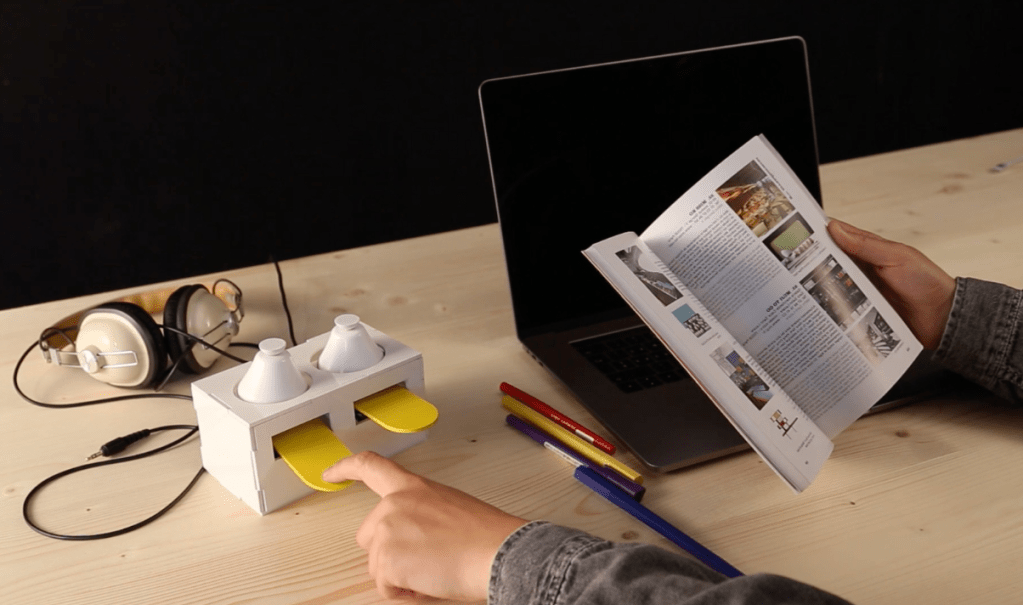
‘Twin Objects – Devices for Long Distance Relationships’ by Elise Migraine: Twin Objects is a collection of devices designed to act as a ‘hotline’ in attempt to nurture intimacy that long-distance relationships can lack. It is a playful solution to enhance the experience of instant messaging. It consists of two buttons which react to each other’s positions. When one button is pressed down, it causes the other twin button to move up creating a physical, interactive experience.
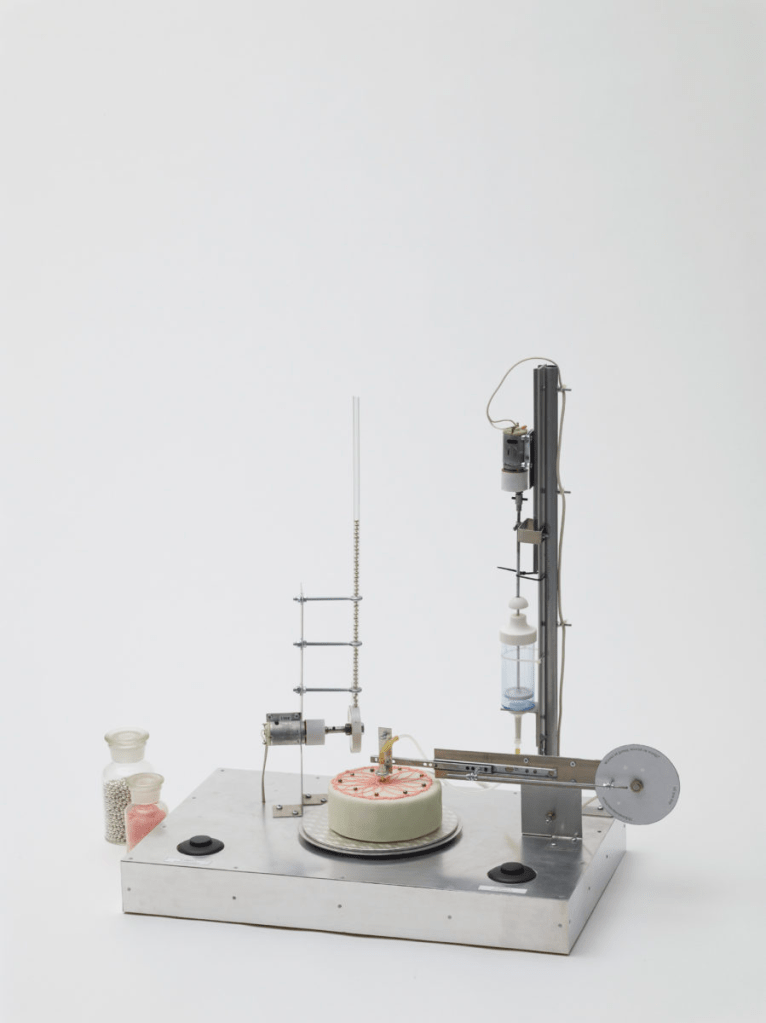
‘till you stop’ cake decoration machine by mischer traxler studio: A machine decorates a cake with lines, similar to a Spirograph, until the customer/visitor decides to stop the decoration process. Then in a second process sugar pearls are dropped onto the glazing. The decor is continuously changing and the costumer/visitor has to decide whether they prefer a simple design or a more complex one. Once the decoration machine is stopped it can not be started again.
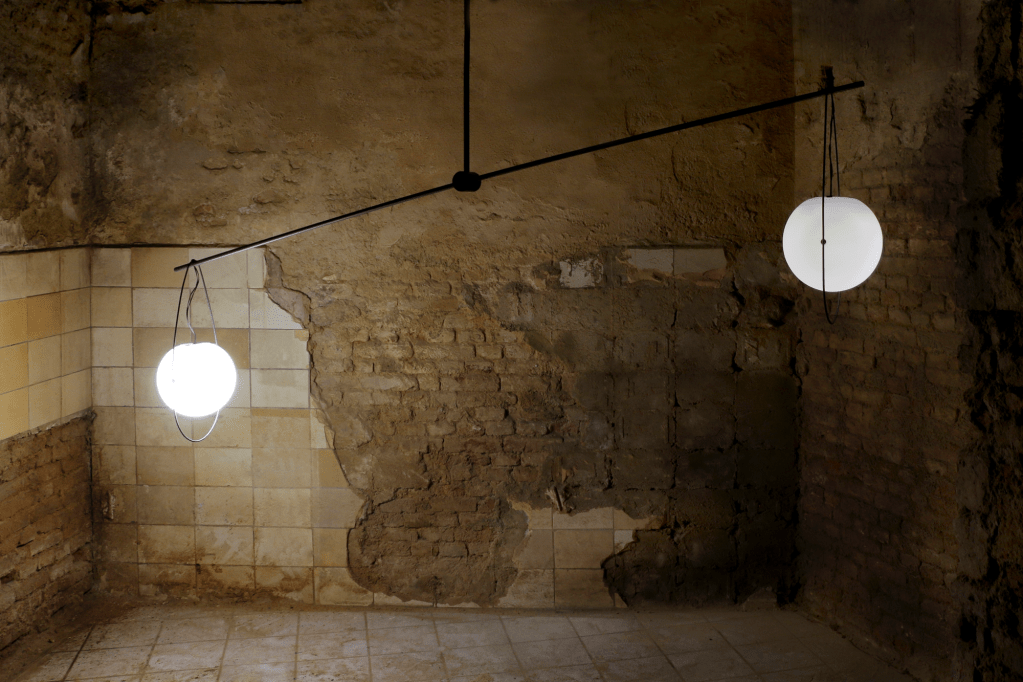
‘equilumen’ by mischer traxler studio: It consists of a long rod with a glass sphere on each side. When the lamp is balanced, both spheres give off the same amount of light by sharing the lamp’s power equally. Once somebody pulls down one end of the lamp, this sphere will light up to its maximum while the other sphere gets dimmed down. It is a constant game of ‘give and take as soon as someone interacts with the lamp – symbolising that the right balance is delicate and hard to achieve.
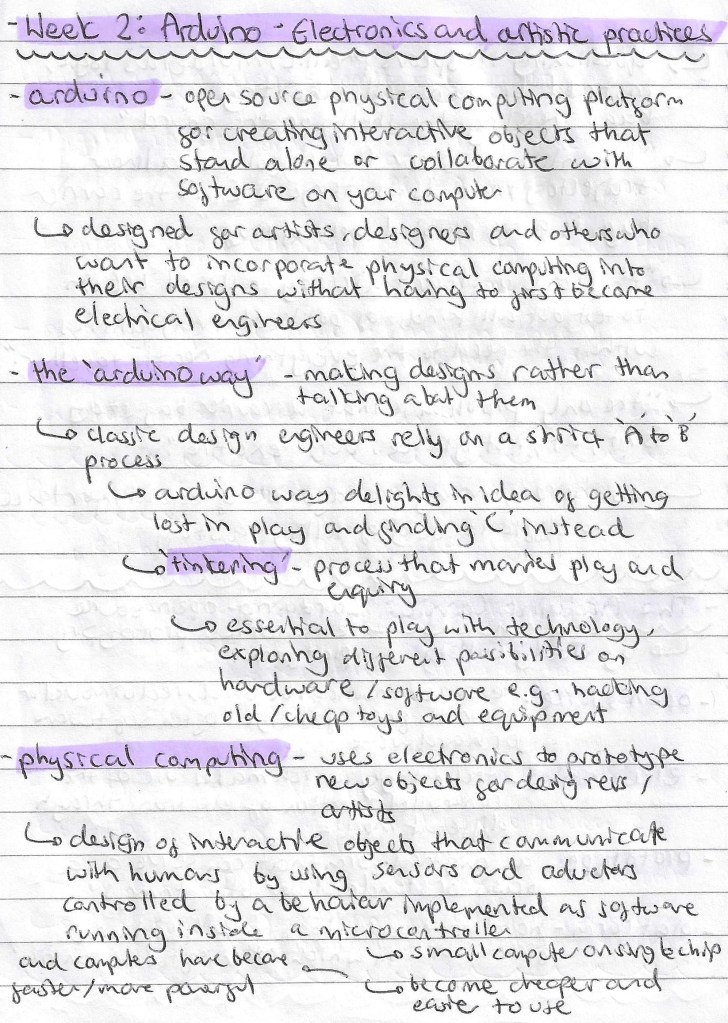
Arduino Introduction:
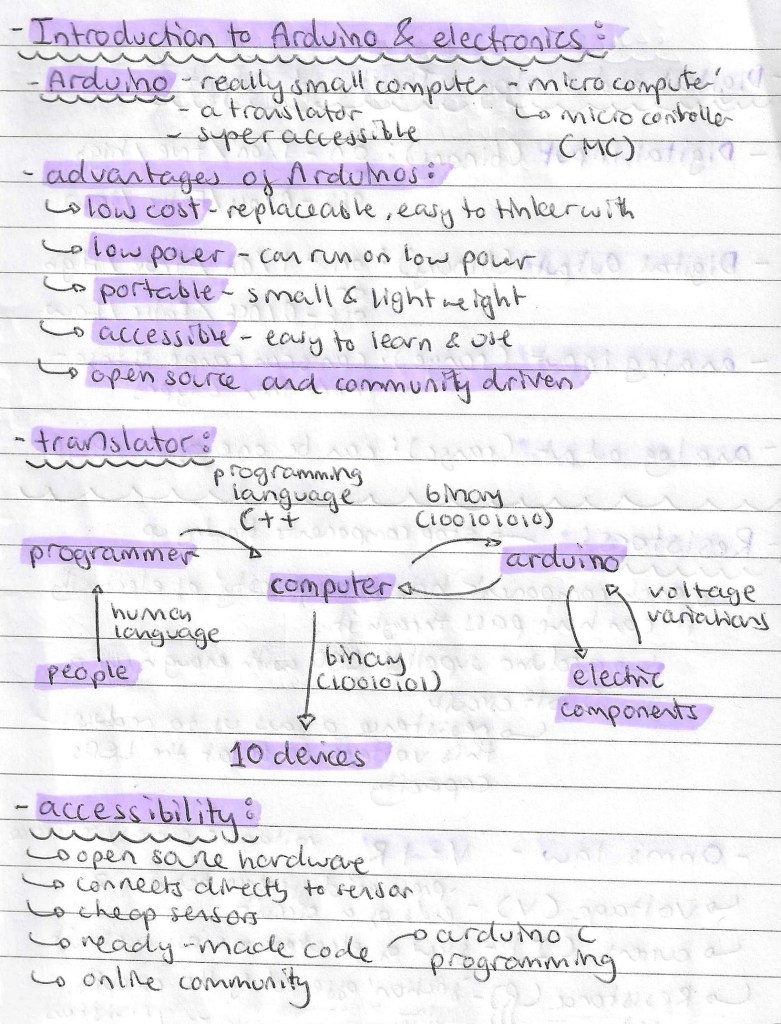
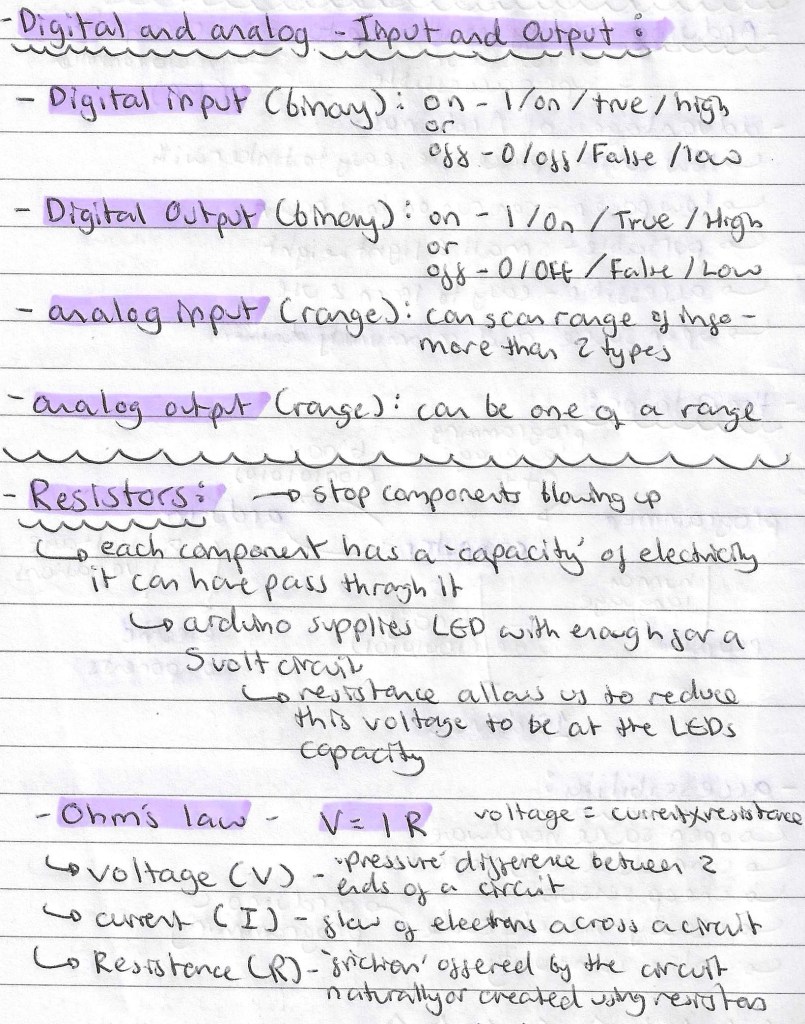
Arduino:
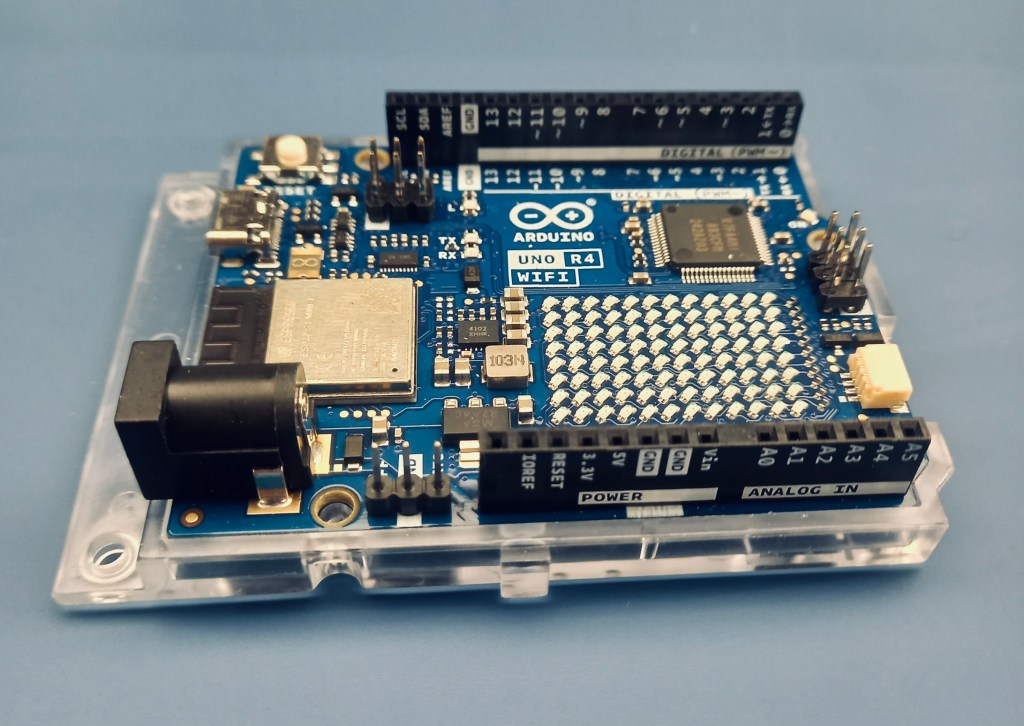
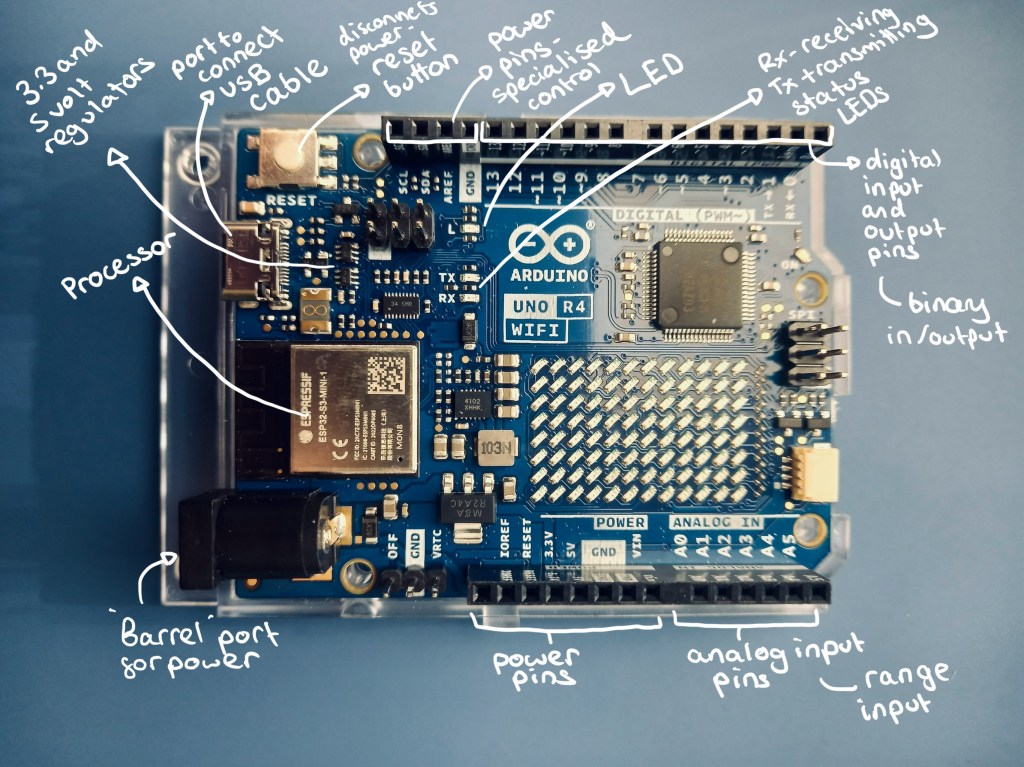
Labelled Arduino:
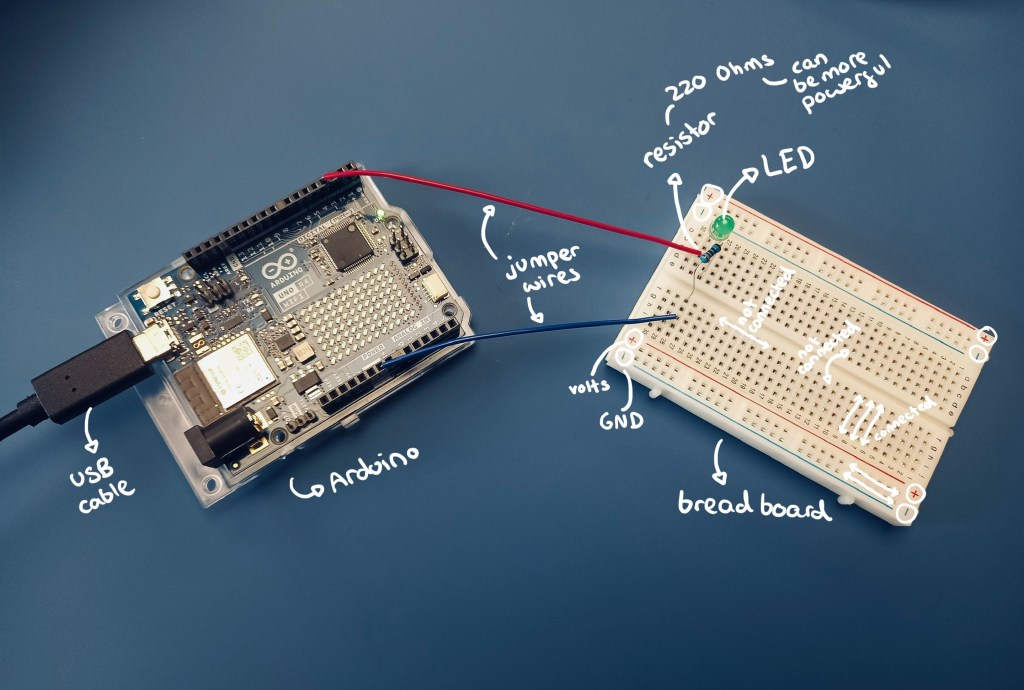
Labelled circuit:
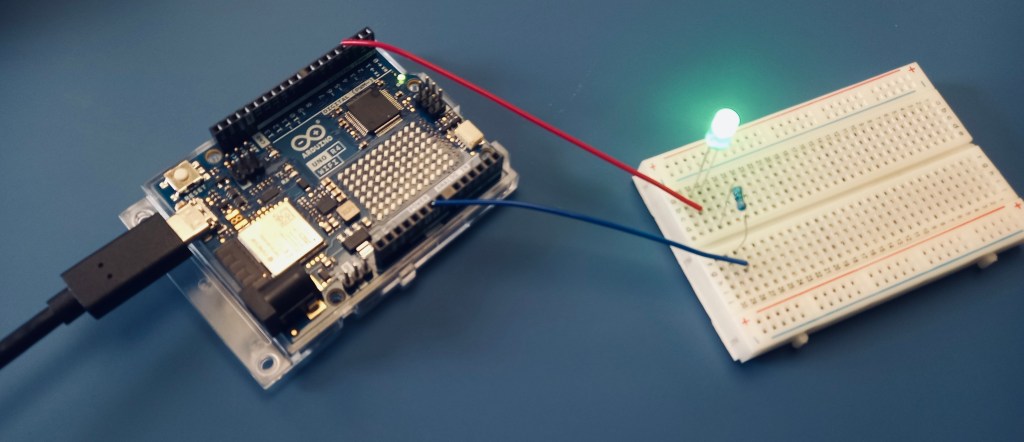
LED on:
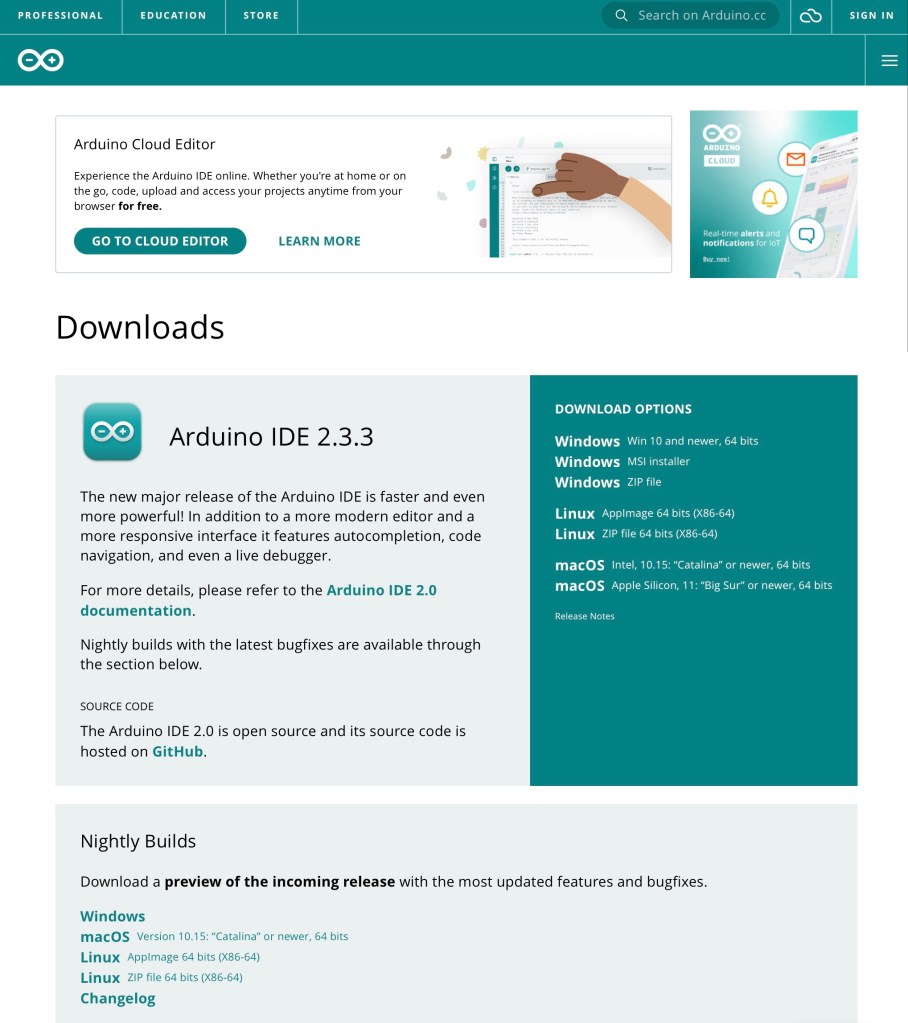
Download Arduino IDE:
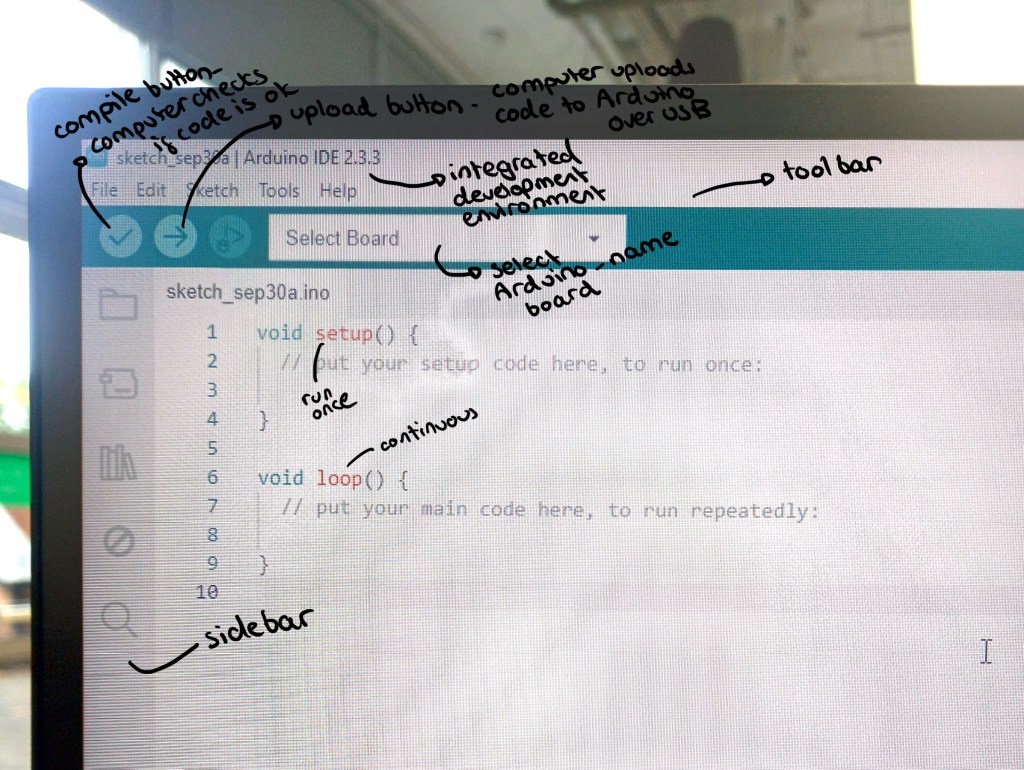
Basics of Arduino coding:

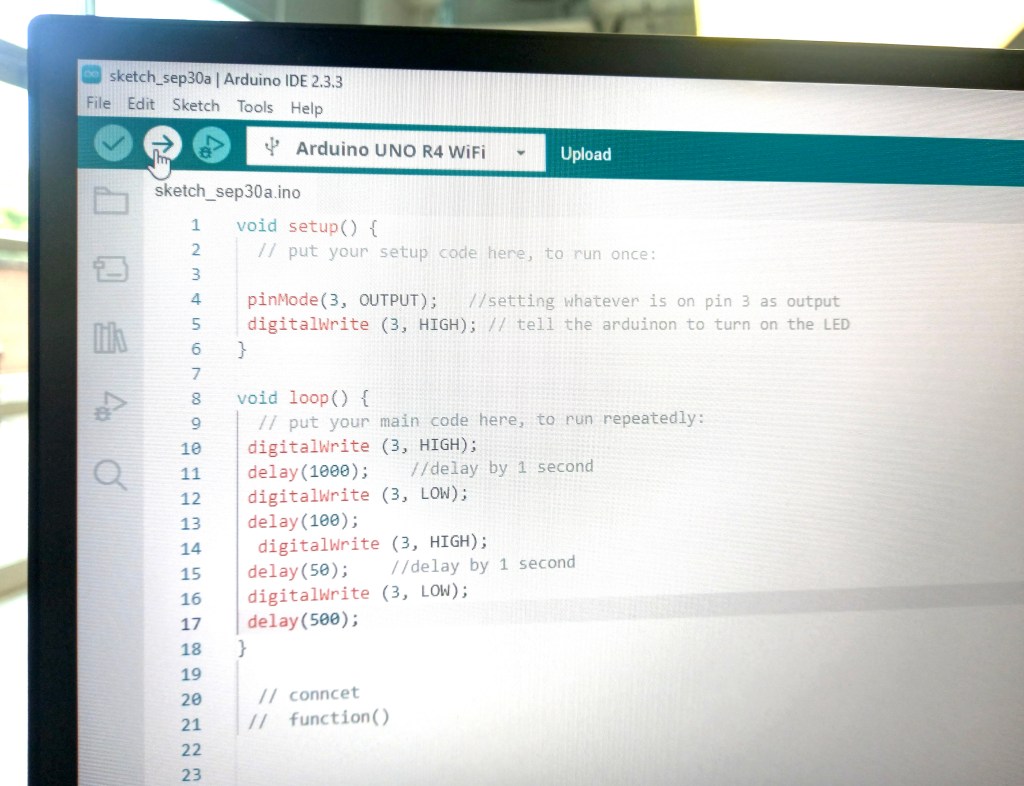
Results of the coding:
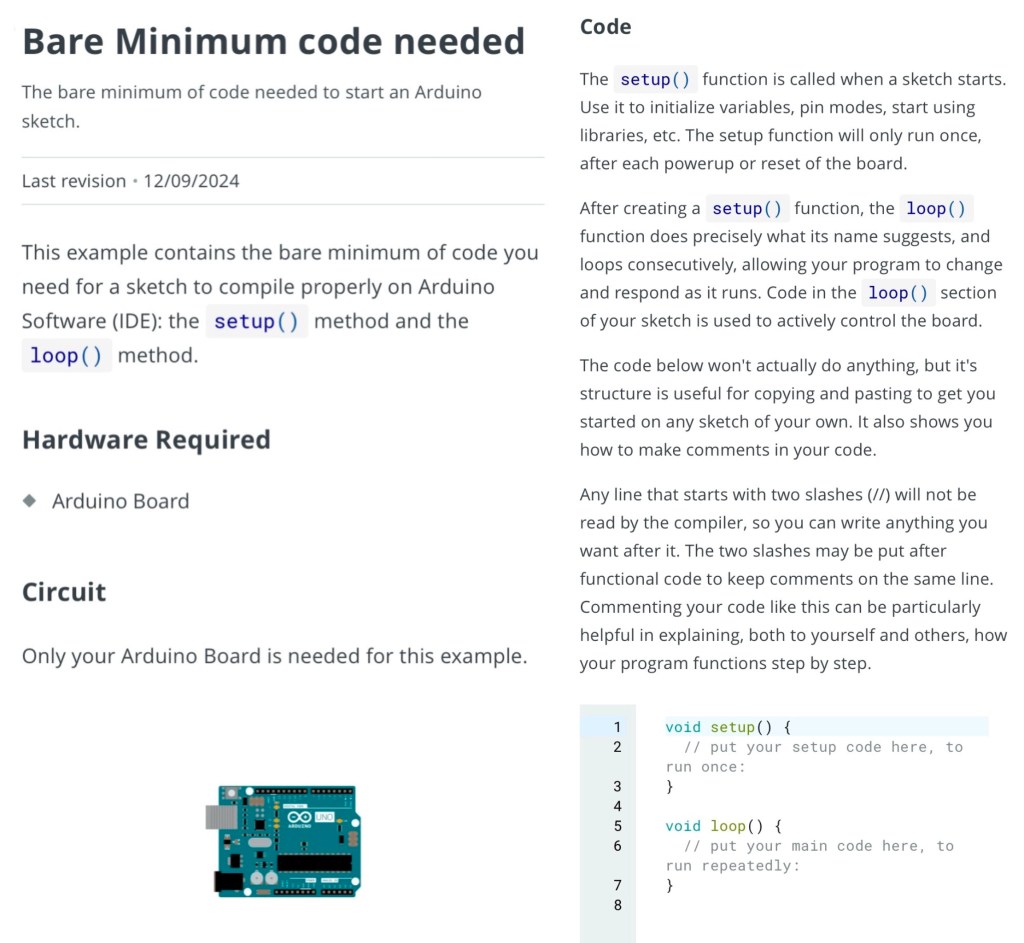
Bare minimum code:
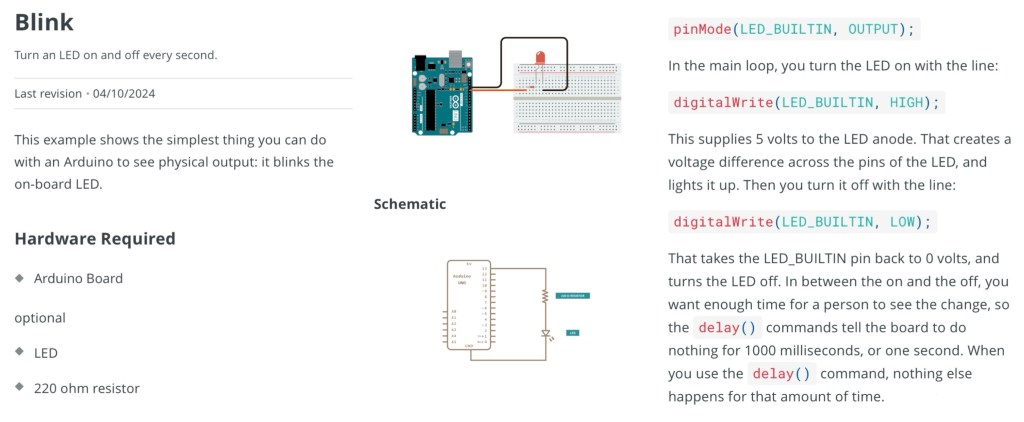
Blink:
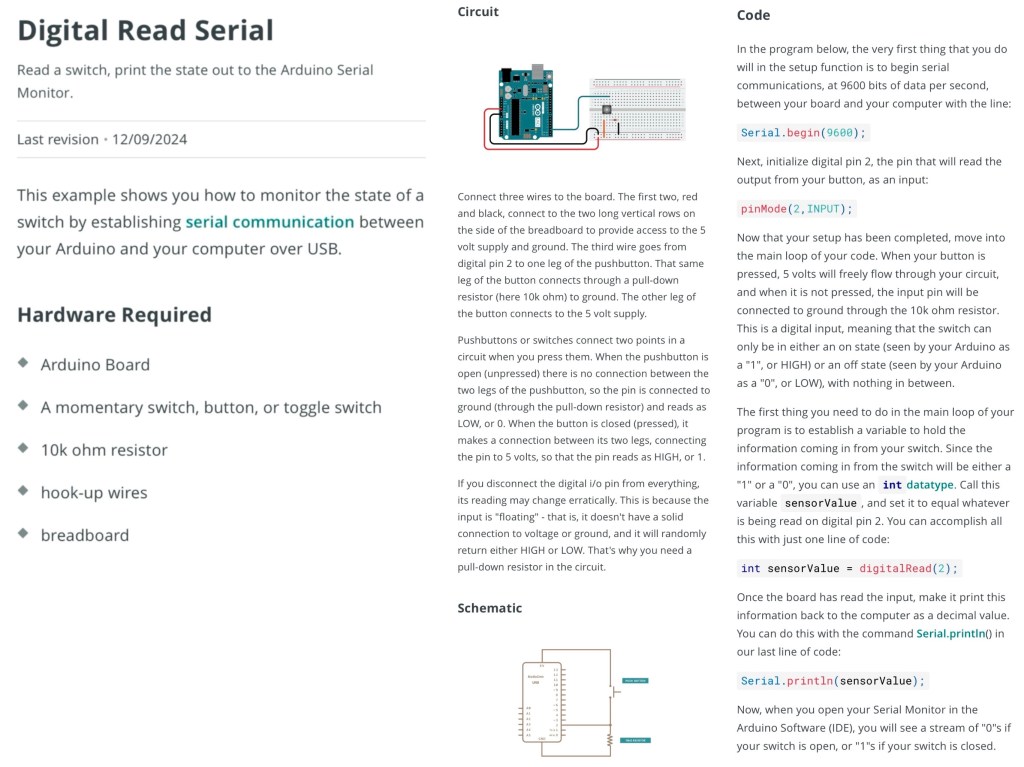
Digital Read Serial:
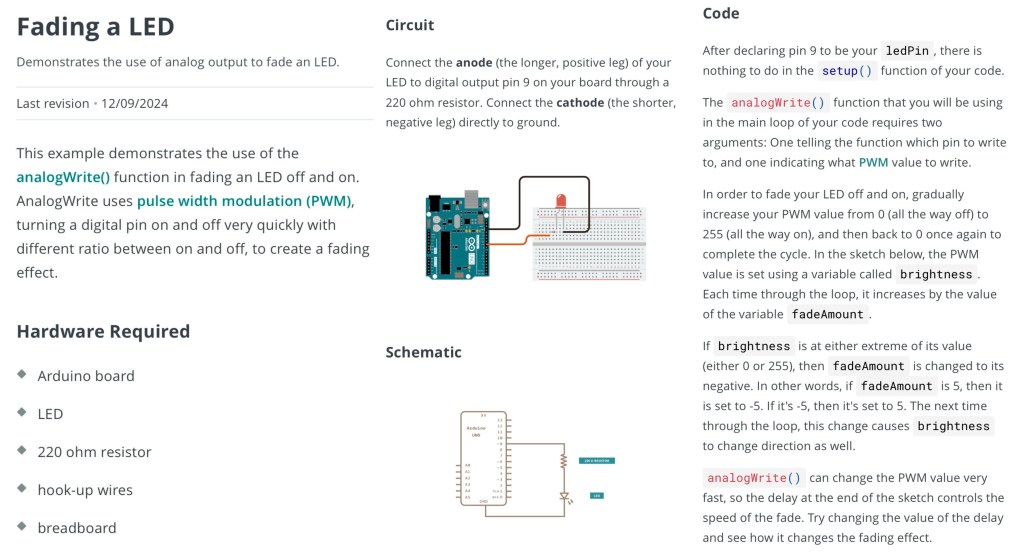
Fading an LED:
Learn more about Arduino coding:
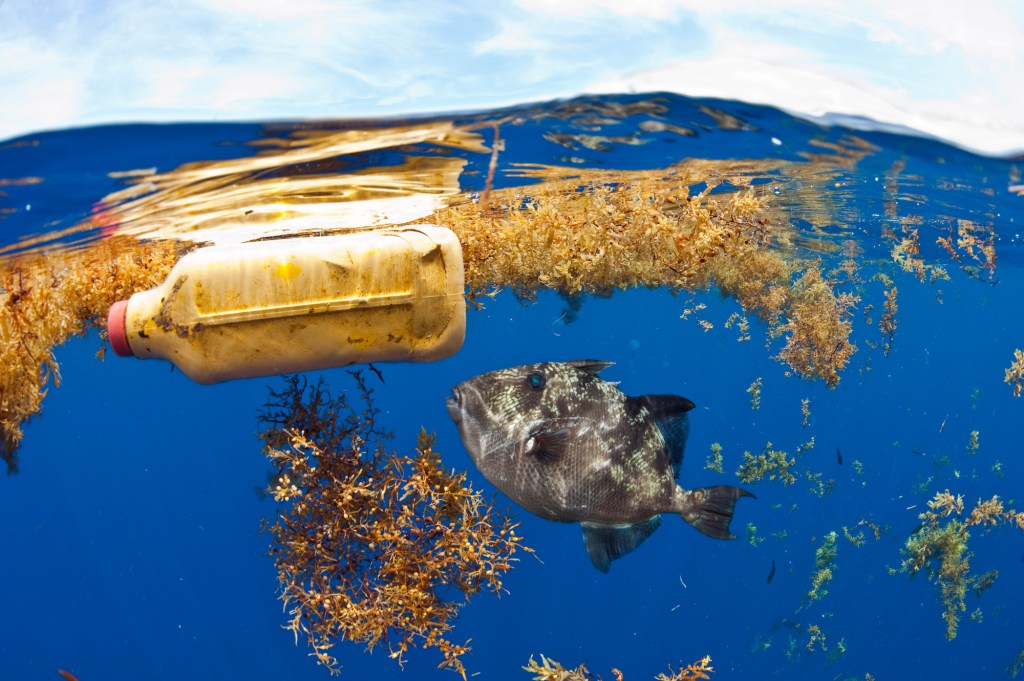
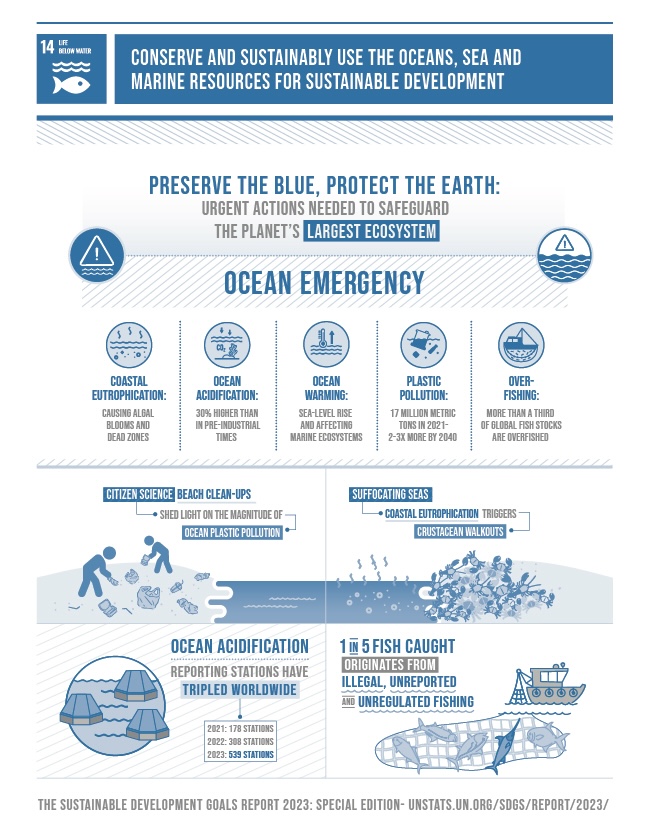
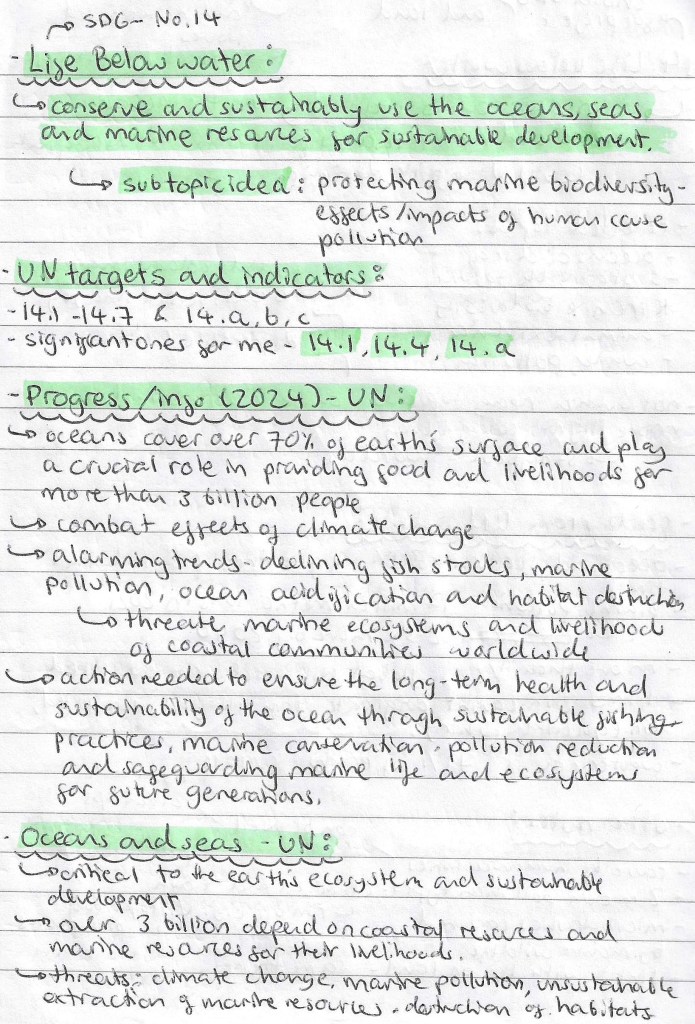
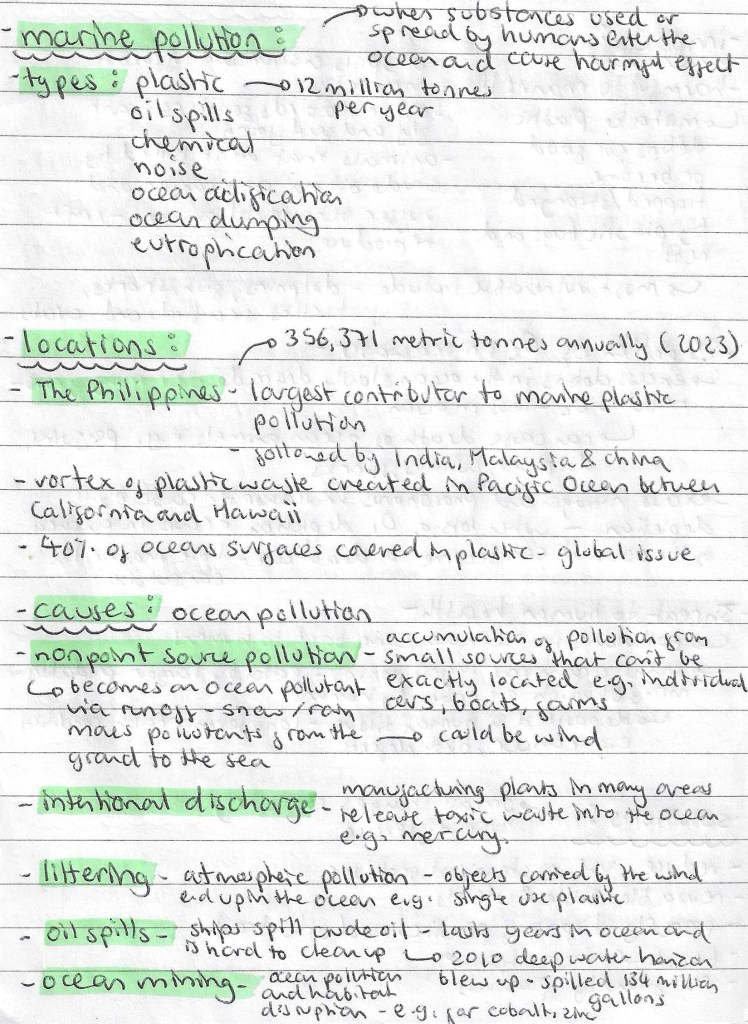
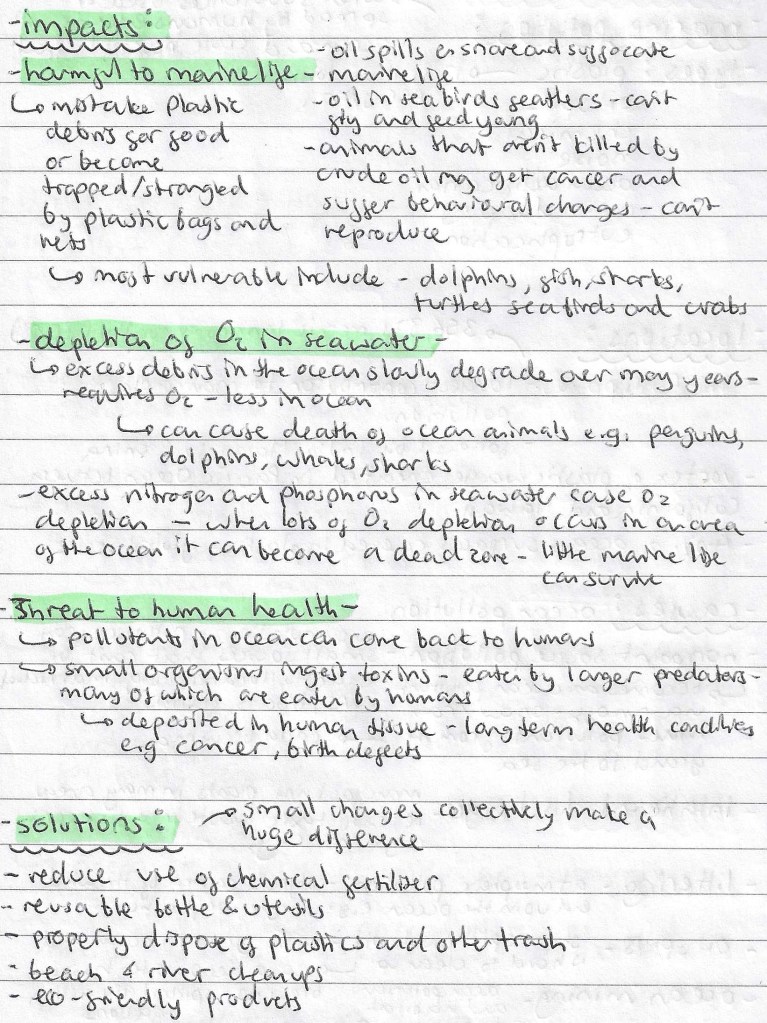
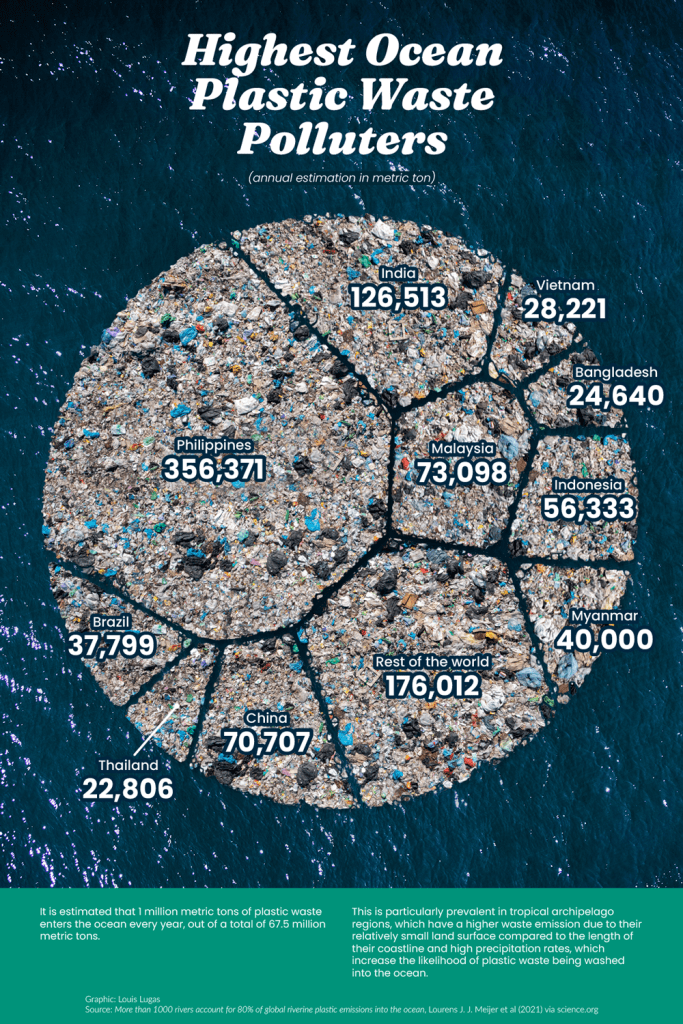
United Nation targets:
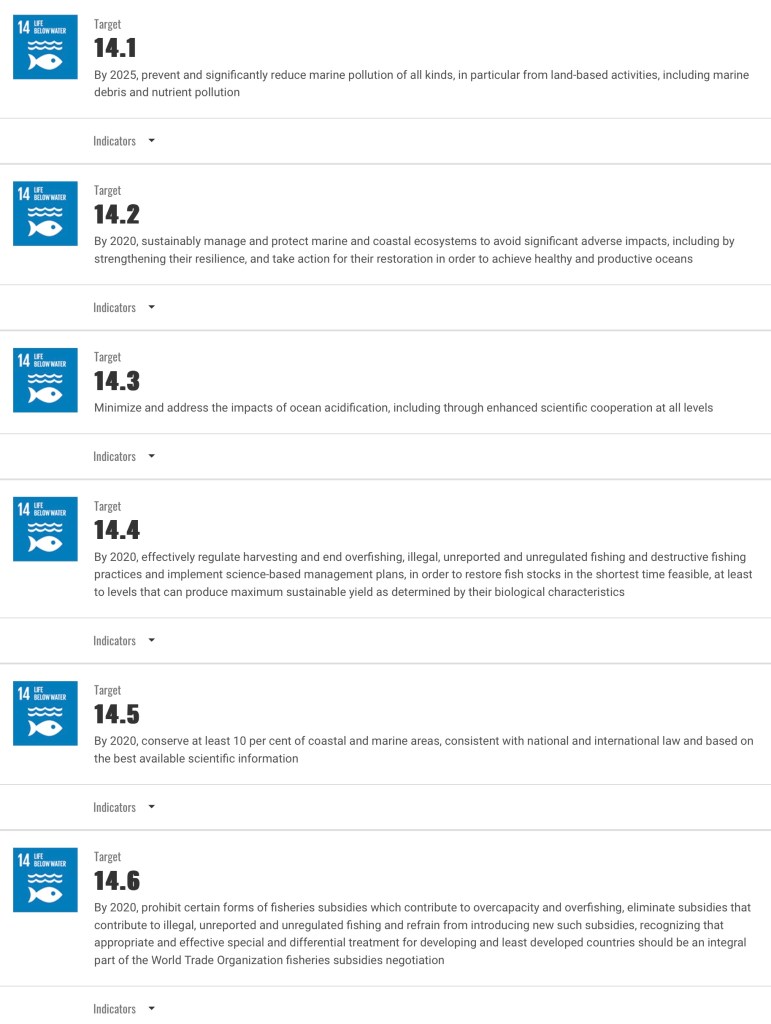
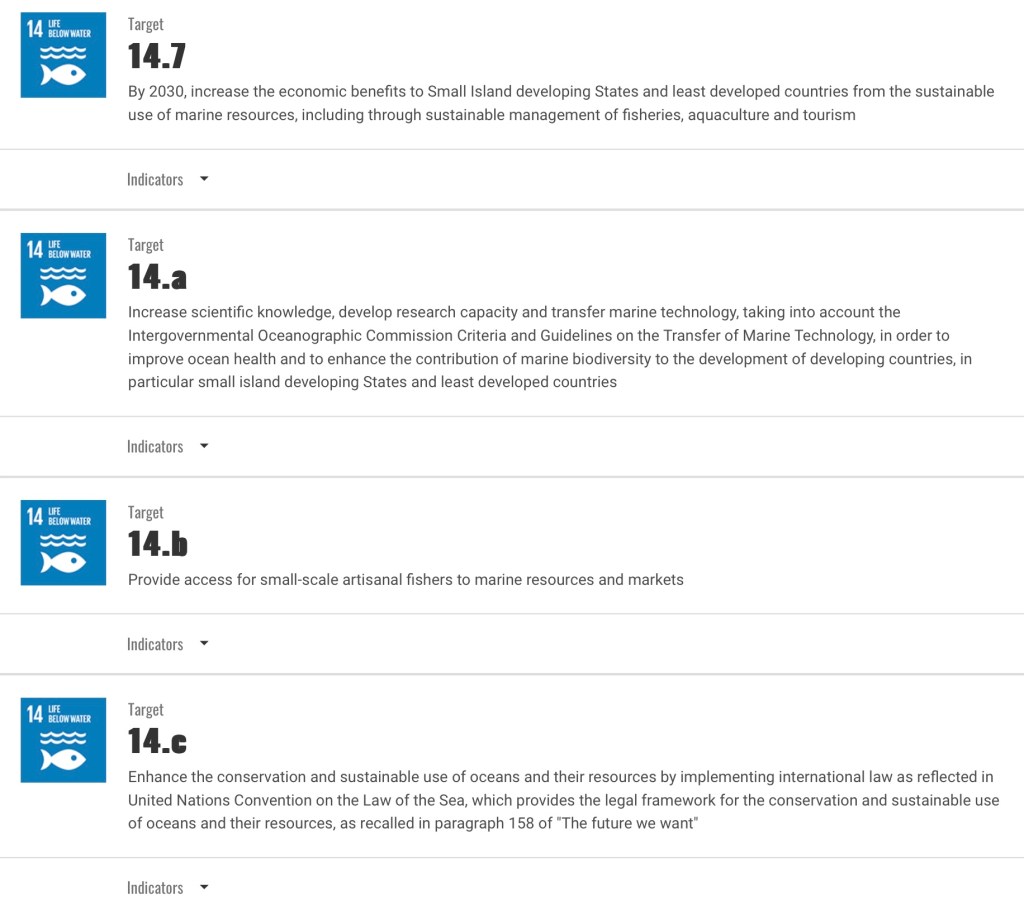
Research:

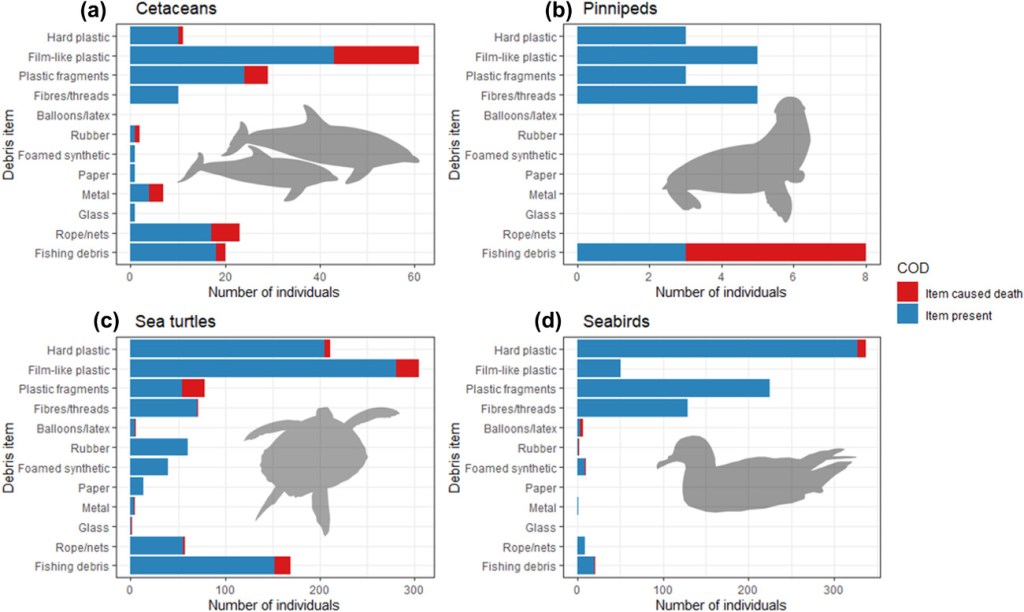
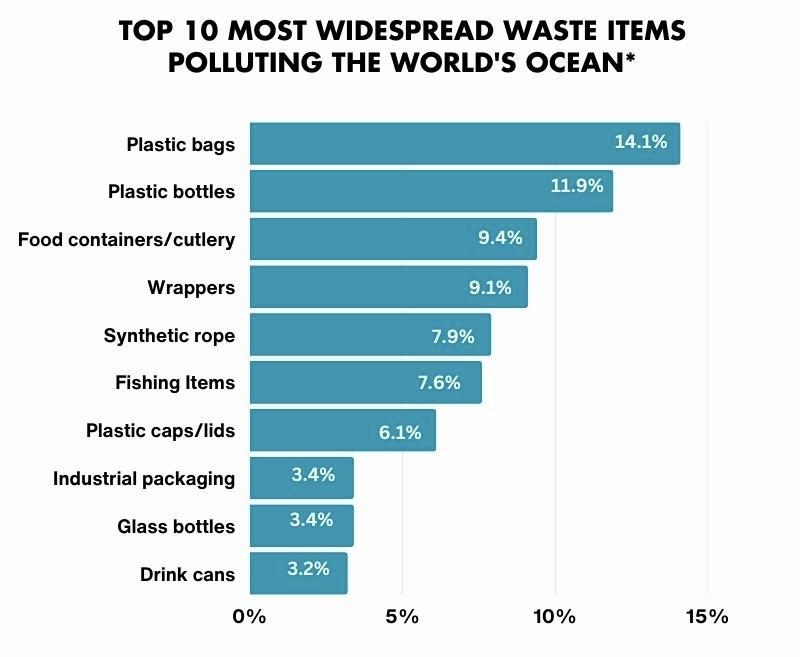
Academic research:
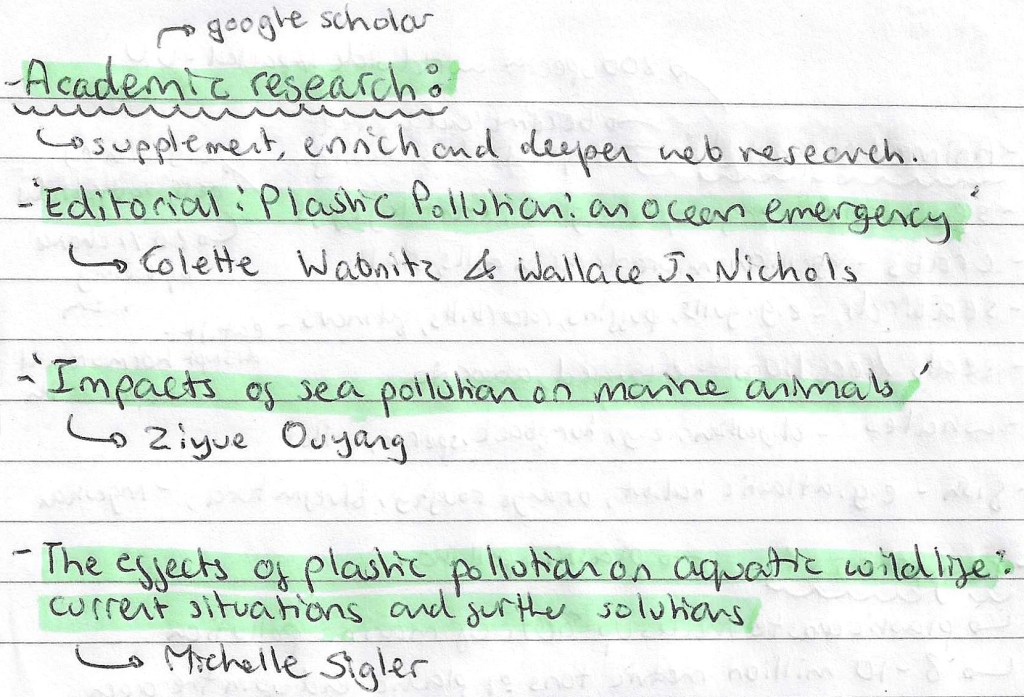
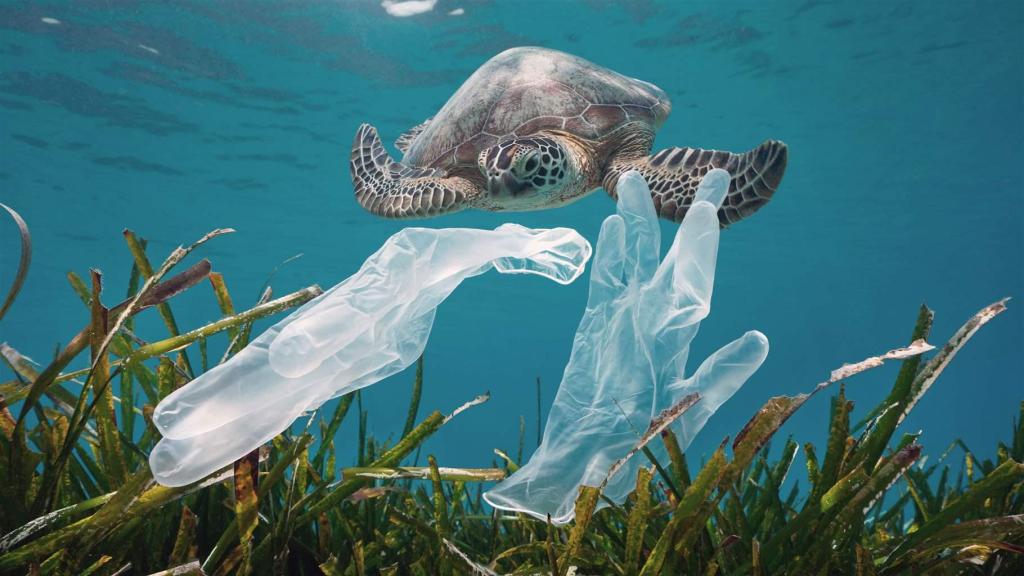
-‘Editorial: Plastic Pollution: An Ocean Emergency’ by Colette Wabnitz & Wallace J. Nichols:
-‘Impacts of sea pollution on marine animals’ by Ziyue Ouyang:
-‘The Effects of Plastic Pollution on Aquatic Wildlife: Current Situations and Future Solutions’ by
Michelle Sigler:
Animal Testing:
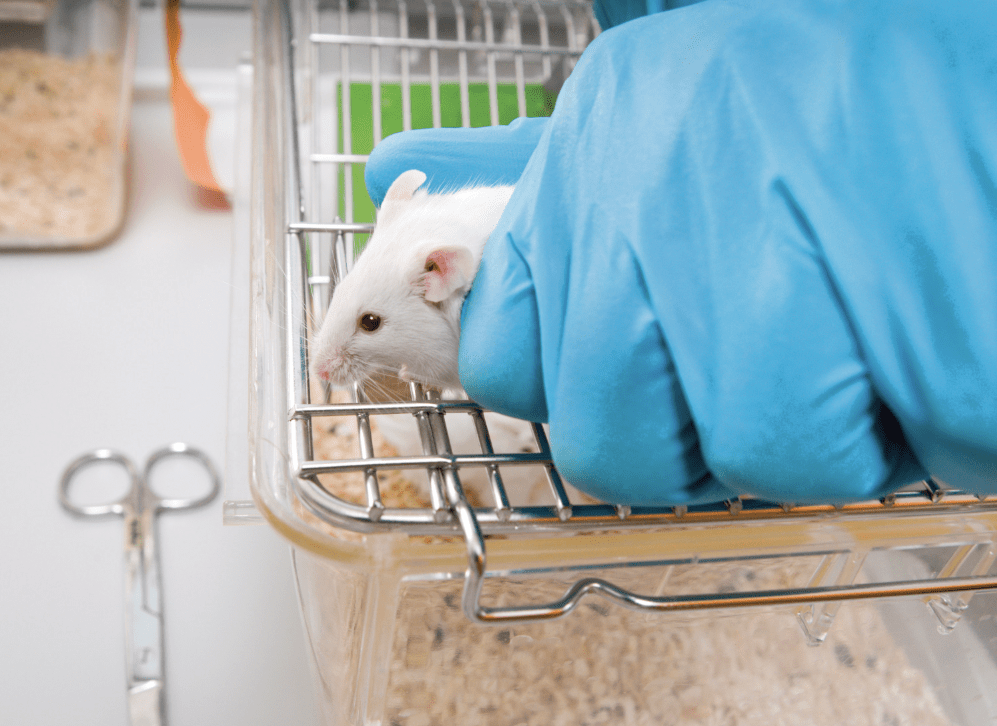
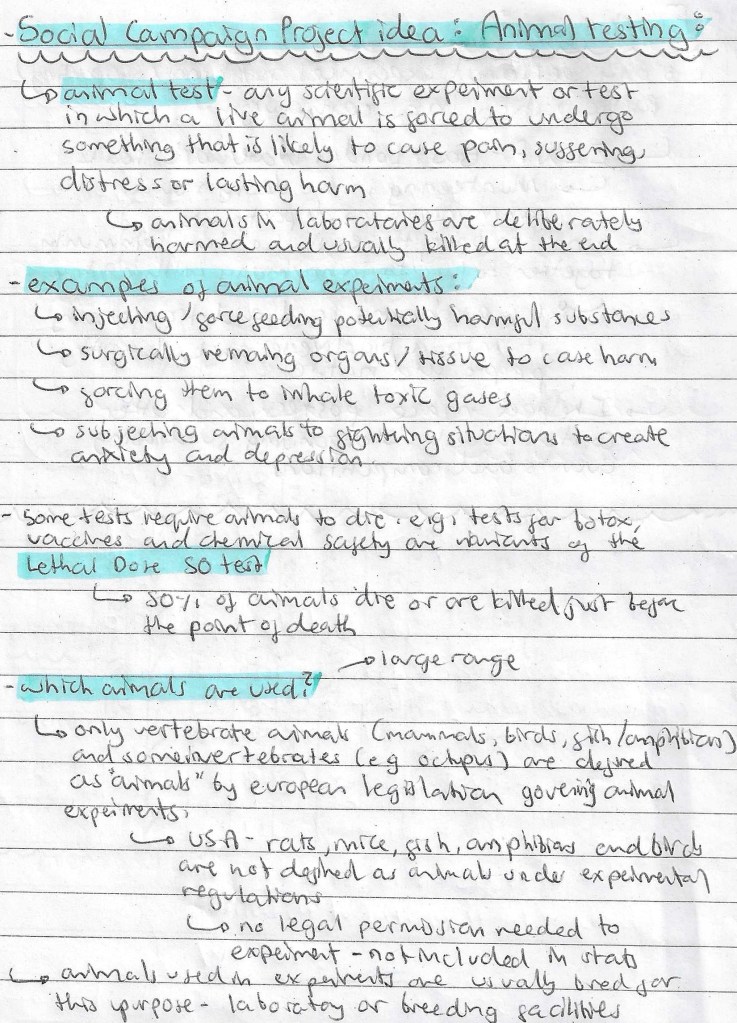
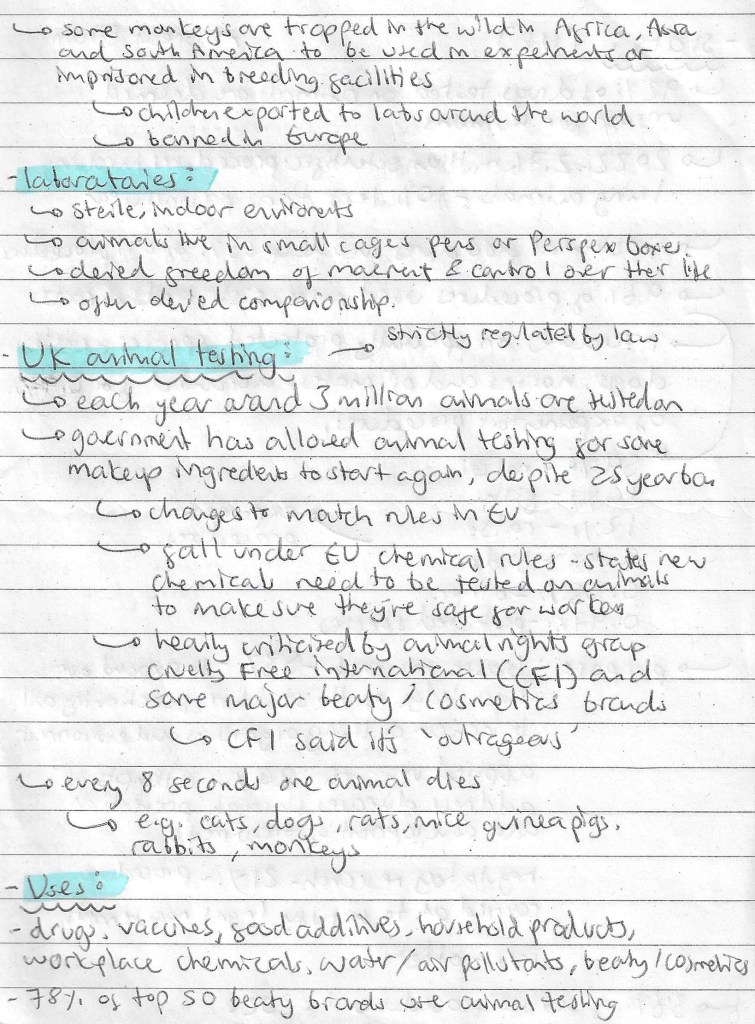
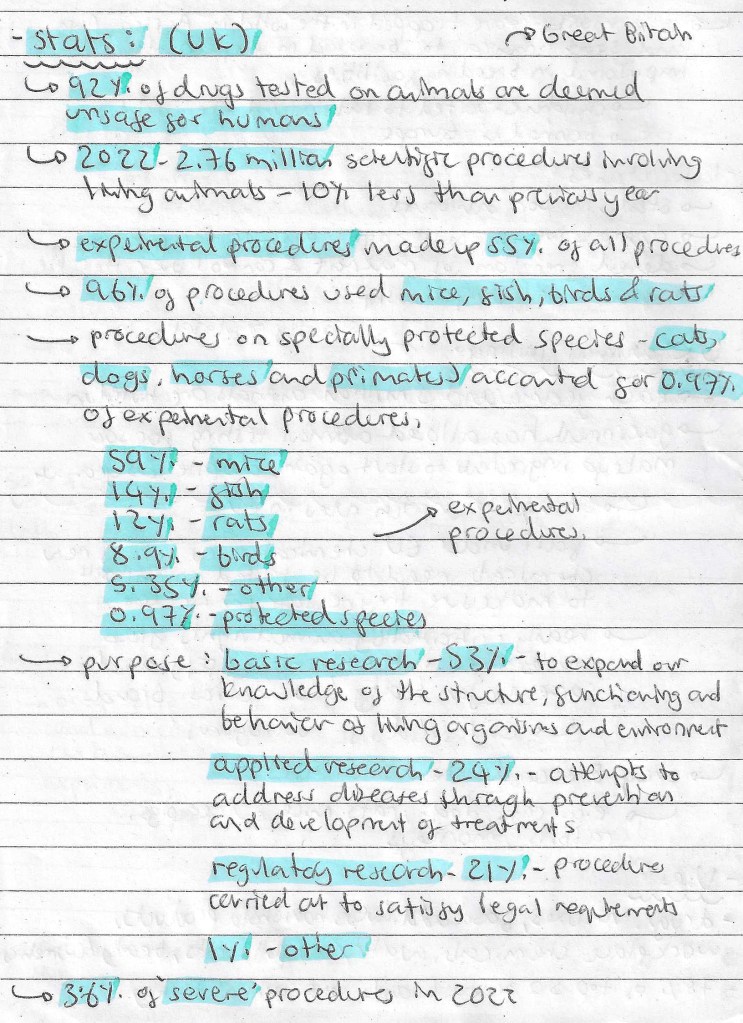
Stats about animal testing (UK):
Organisations fighting against animal testing:

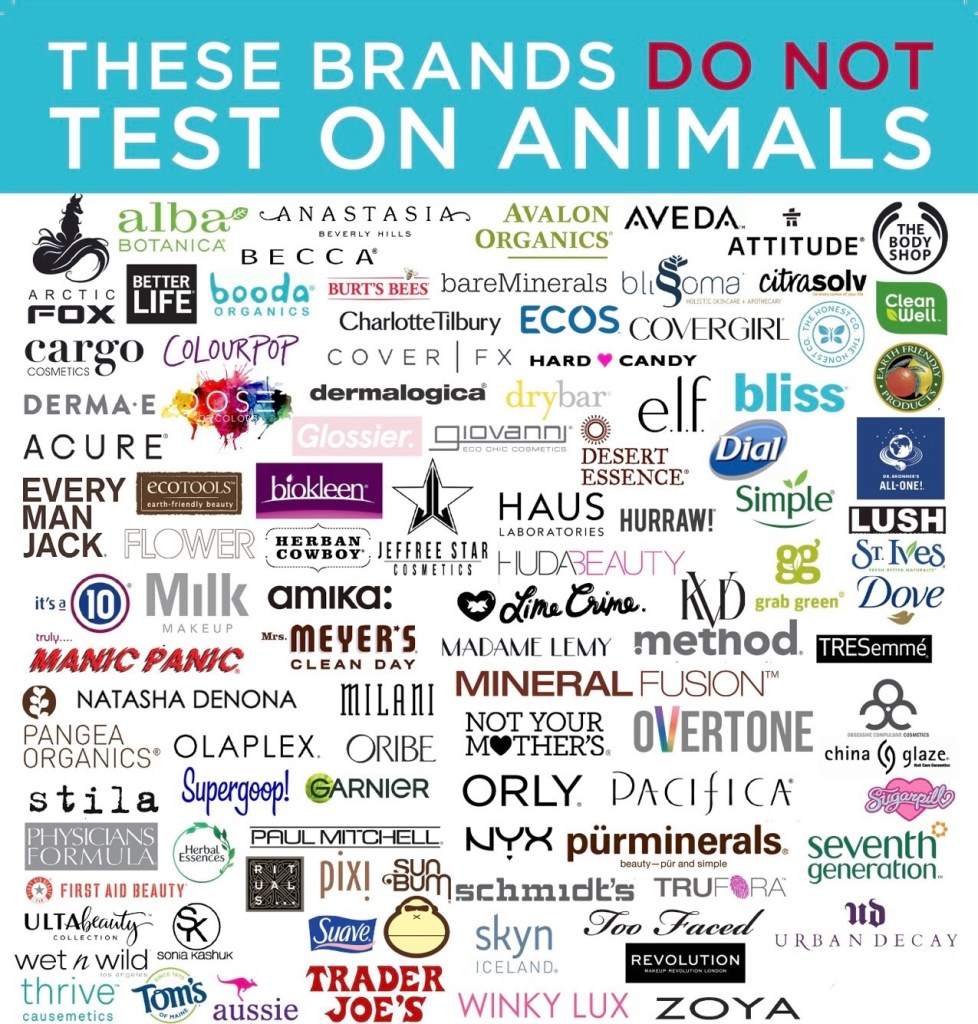
Brands that do not test on animals:
Brands that do test on animals:

Planning and ideas: Animal Testing:
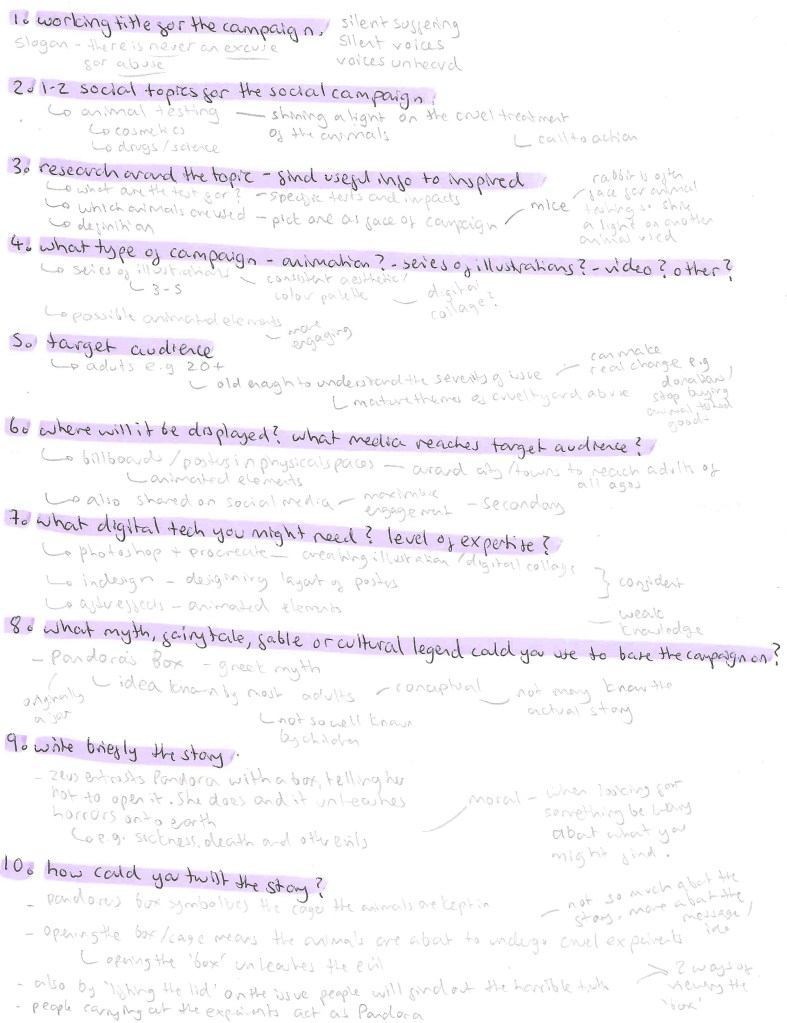
Save Ralph: this is a short stop motion film created by ‘The Humane Society’. Its intention was to raise awareness for the problems surrounding animal testing. It follows a rabbit called Ralph as he goes to the ‘work’ and we see the effects that the experiments are having on him. It’s a really powerful way of communicating this pressing issue.
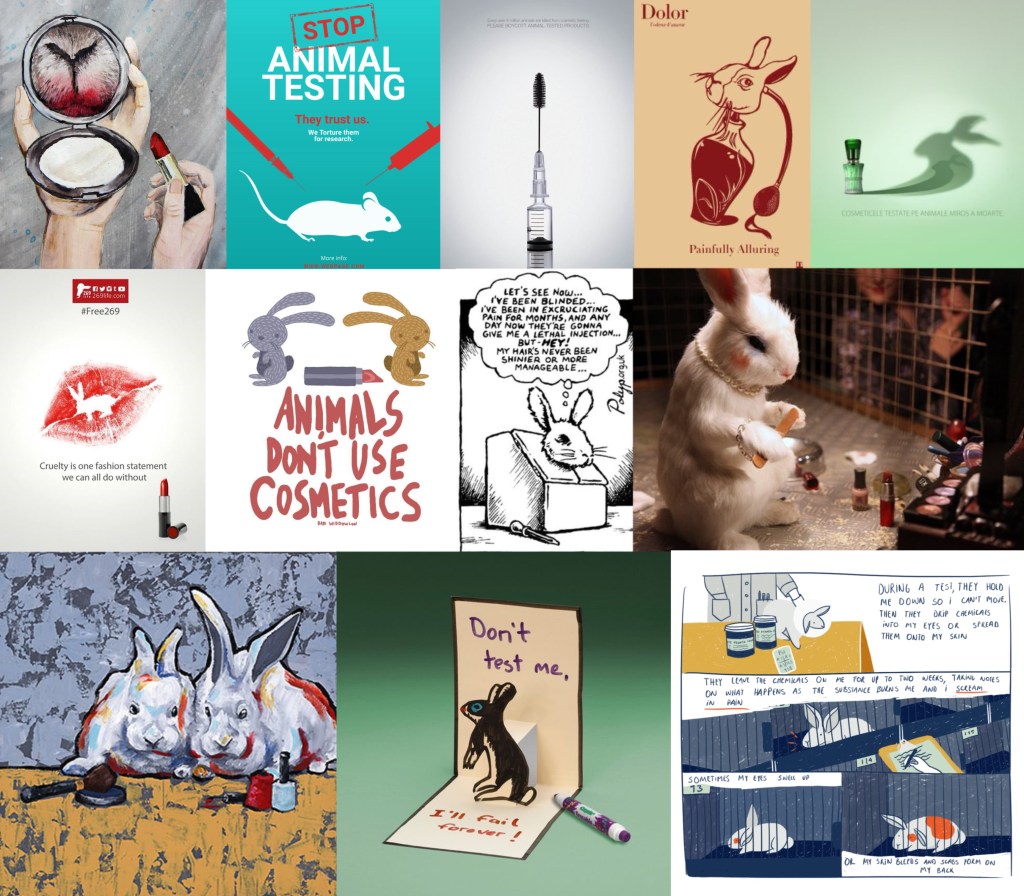
Campaign posters:
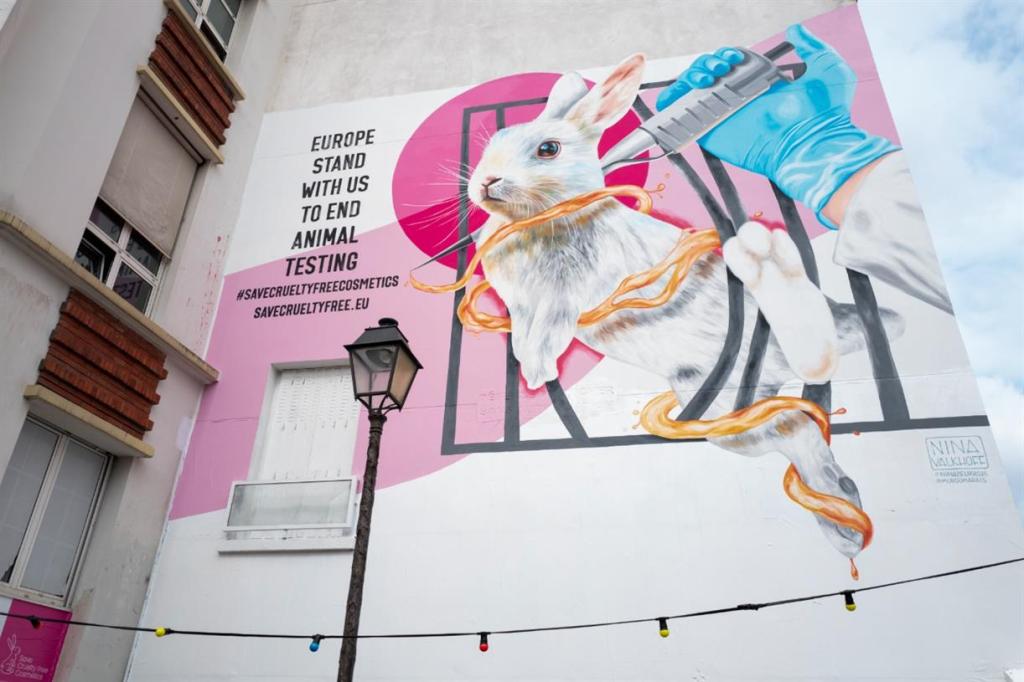

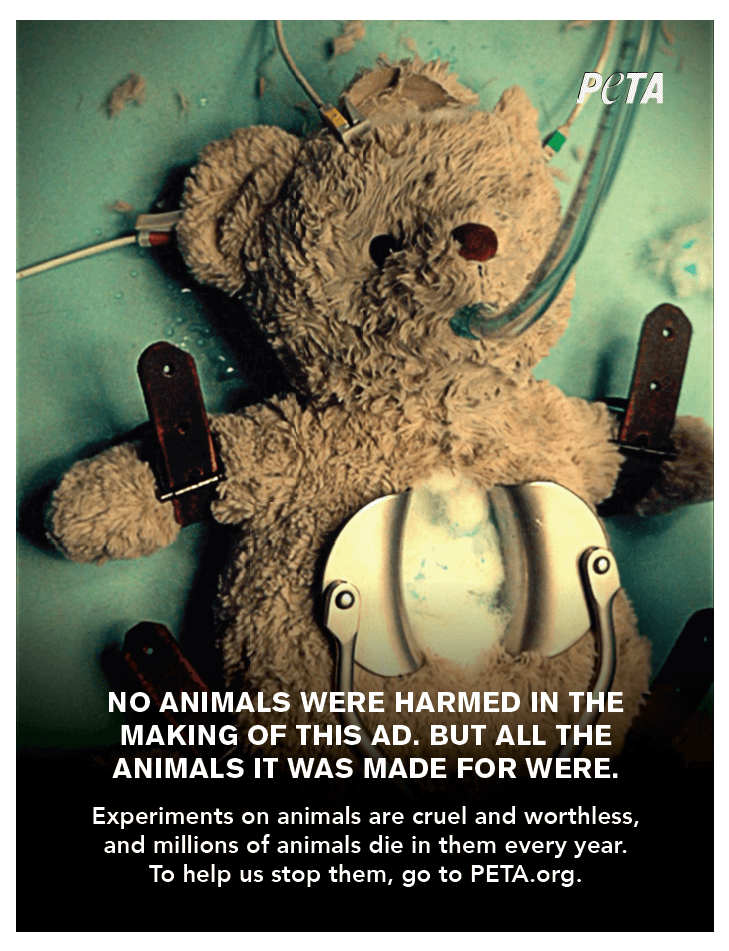
Visual Research:
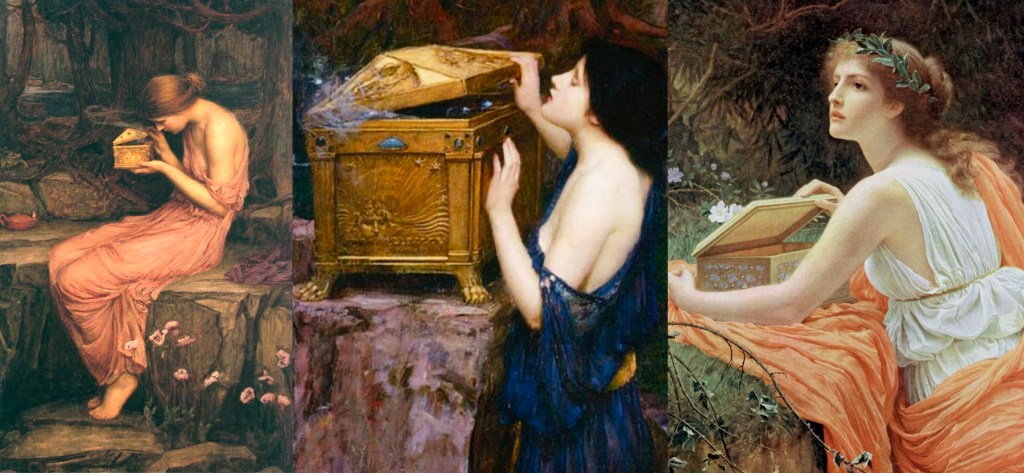
Greek myth: Pandora’s Box:
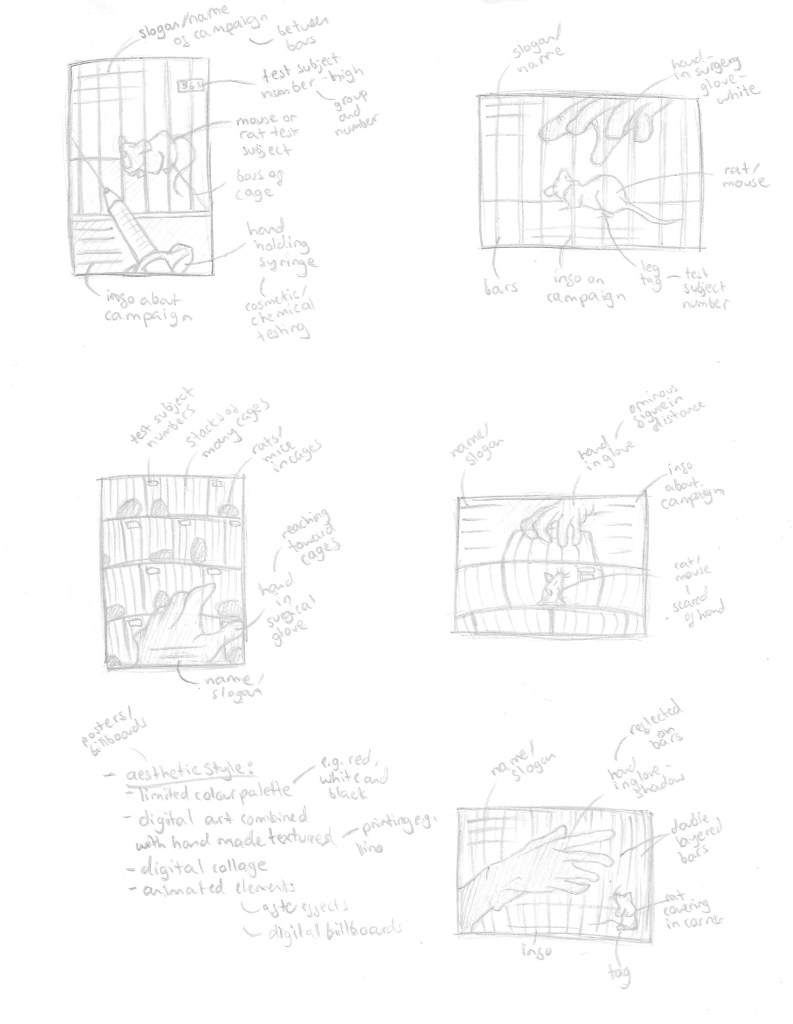
Thumbnail sketches:
 Samuel Green Illustration