Before shooting the scenes I had to have an induction into the stop motion studio. We went through the basics rules of the room, health and safety and an introduction into the equipment.
The most important thing I learnt was Dragon Frame. I had never heard of this software before so I was having to learn it from scratch. It is an industry standard stop motion animation software. It has been used to make several full-length stop motion films, including Disney’s Frankenweenie and Laika’s Coraline and ParaNorman as well as stop motion TV shows such as Shaun the Sheep.
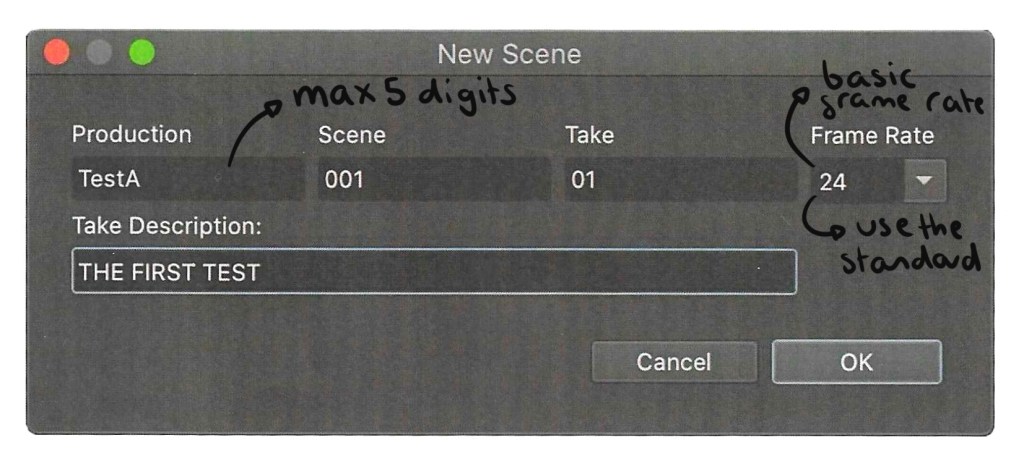
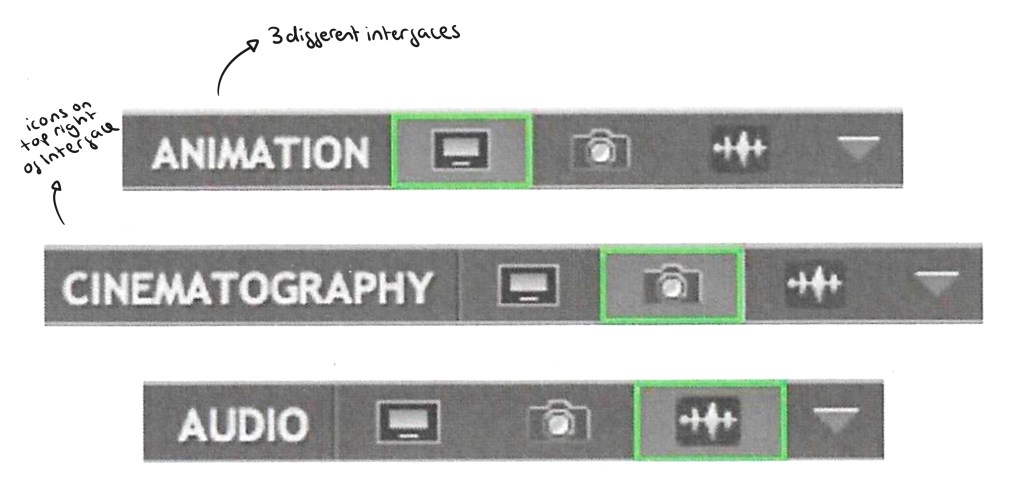
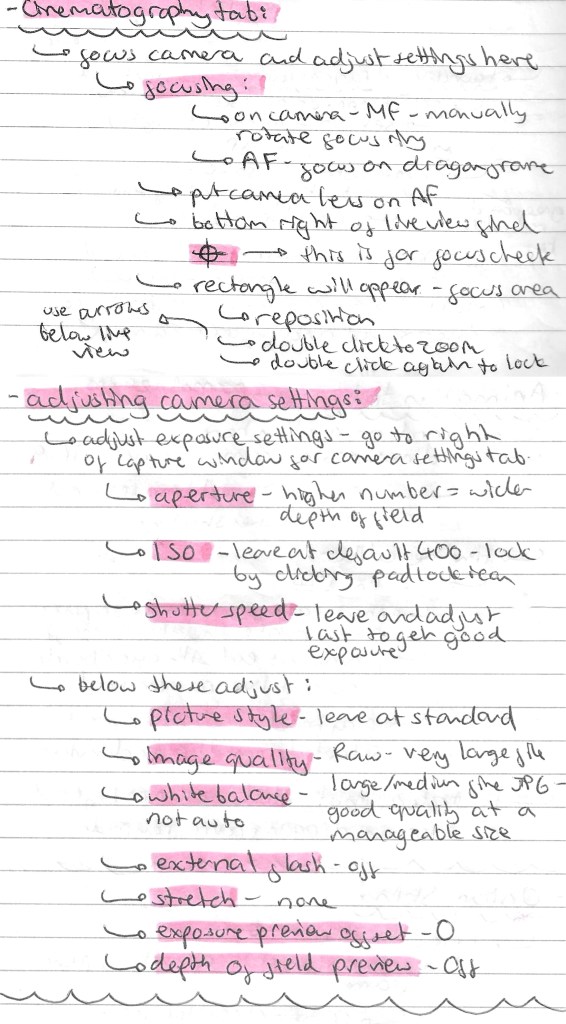
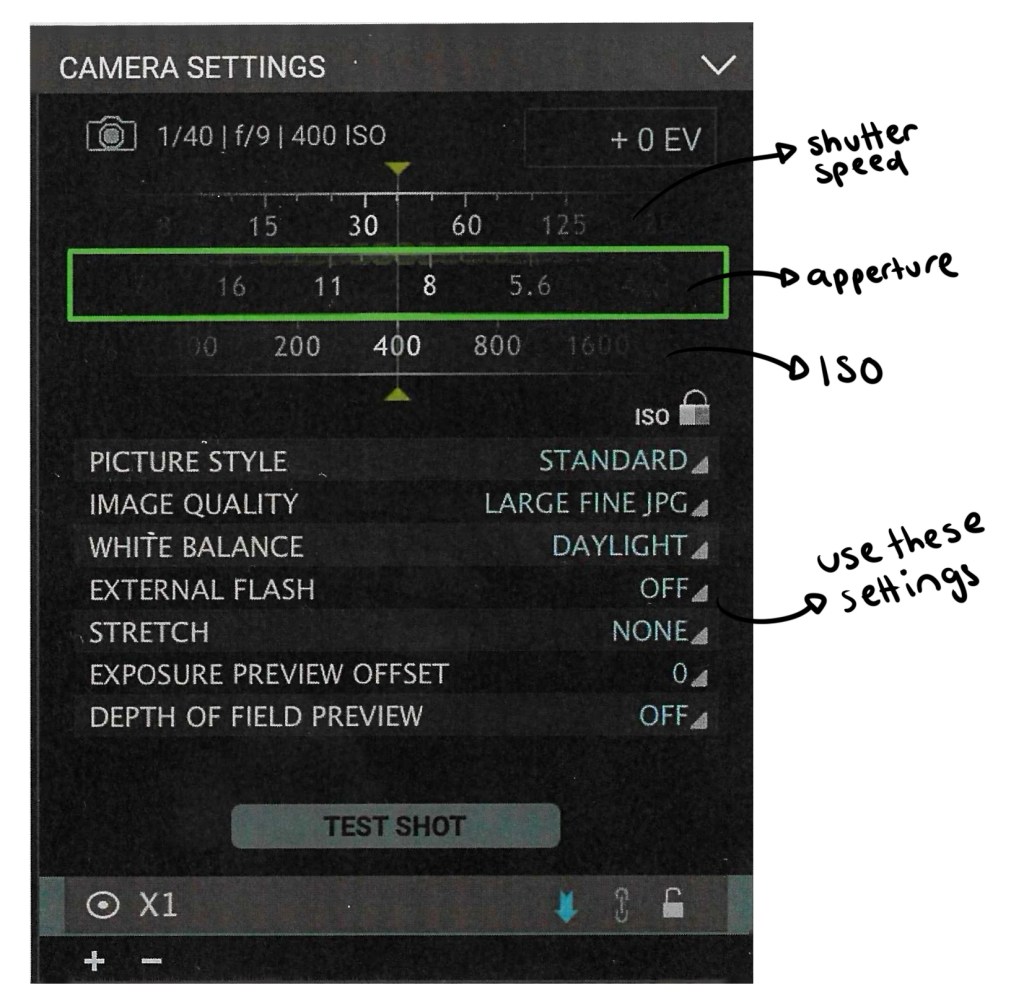
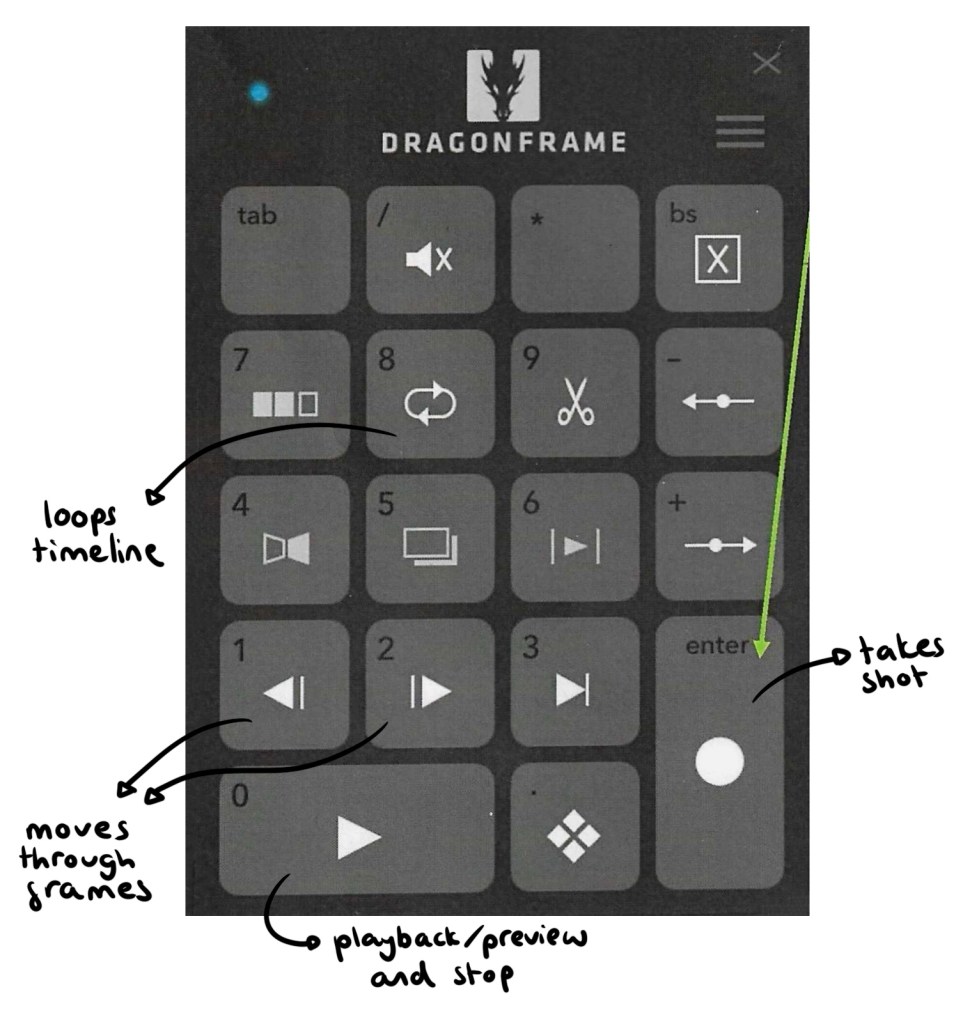
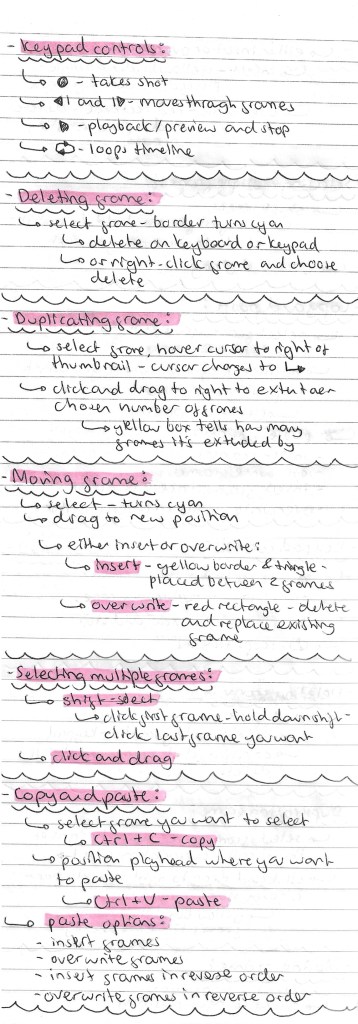
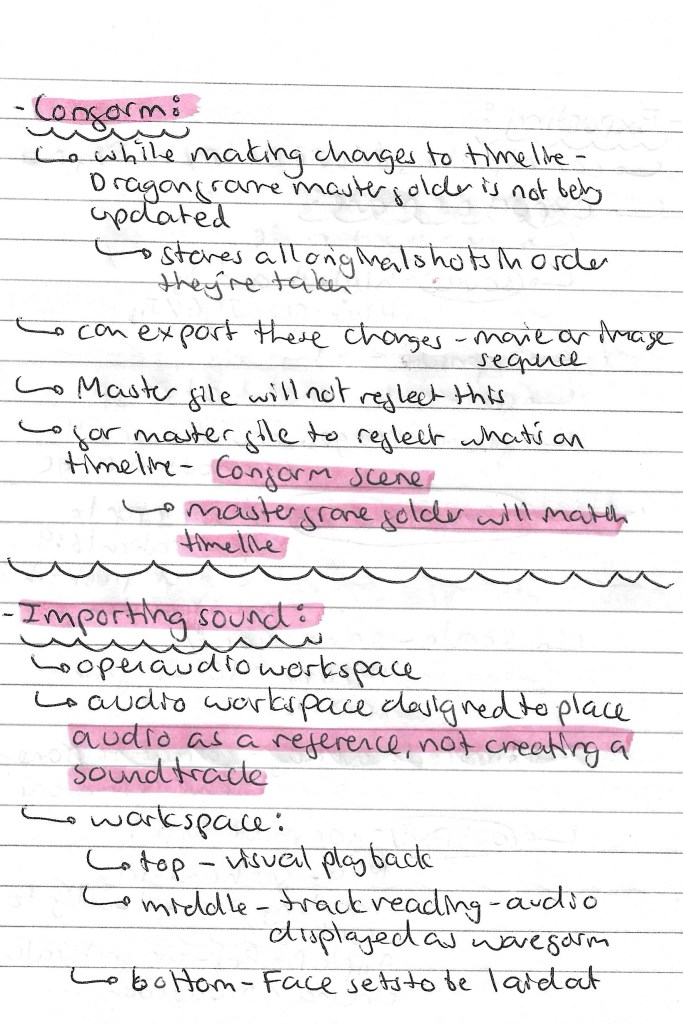
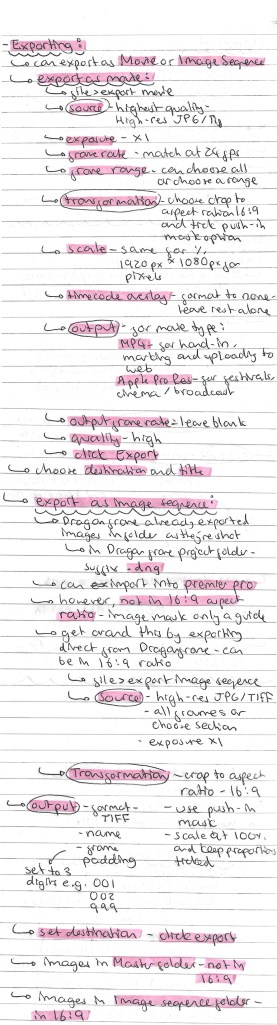
I learnt a lot about the software including how to setting it up with the camera, navigating the interface, shooting the frames and exporting the image sequences. Here are the notes that I took from the induction and my independent research into Dragon Frame:
As well as the induction I had at the university I looked at this websites to learn about Dragon Frame:
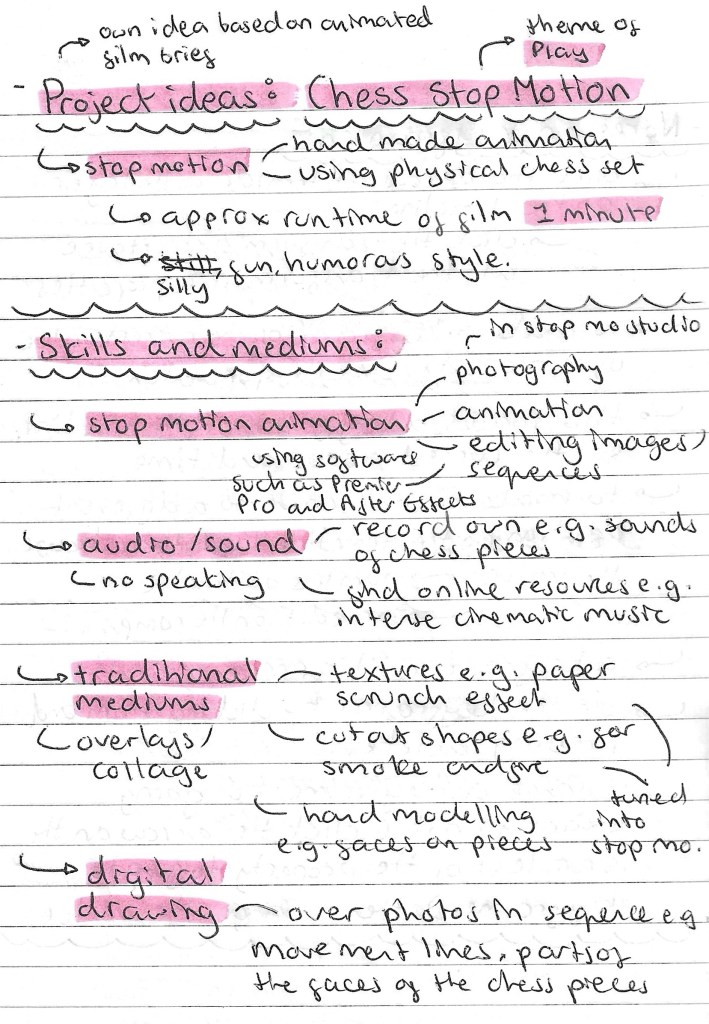
Chess Stop Motion ideas: this is my project idea that I proposed to my tutors. It’s a twist on the suggested animated film brief. In summary I want to create a short stop motion chess film. I am aiming for just over 1 minute of run time. I want the style to be fun and silly with some nice cinematic shots. Stop motion isn’t something I’ve done before and I’ve been wanting to try it out for a while and this is the perfect opportunity. Stop motion is an artistic medium that combines analogue and traditional techniques. I plan to explore this combination further by using some hand made overlays and some digital editing effects.
Target audience: my intention for this project is to make a short stop Motion video that is appropriate and suitable for all. I want it to have a fun tone that anyone can enjoy. I want the plot of the video to be simple enough that children can understand it but have enough drama and intrigue that adults can also enjoy it. Stop Motion videos are growing in popularity on social media so I am drawing inspiration that that trend and proposing that the video be viewed in this context.
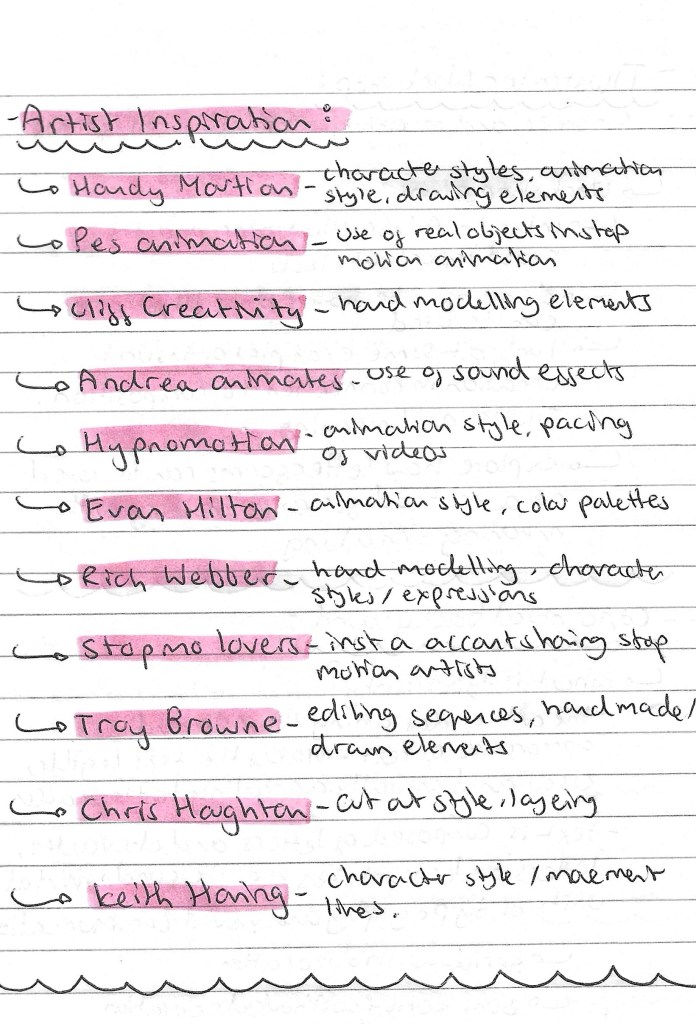
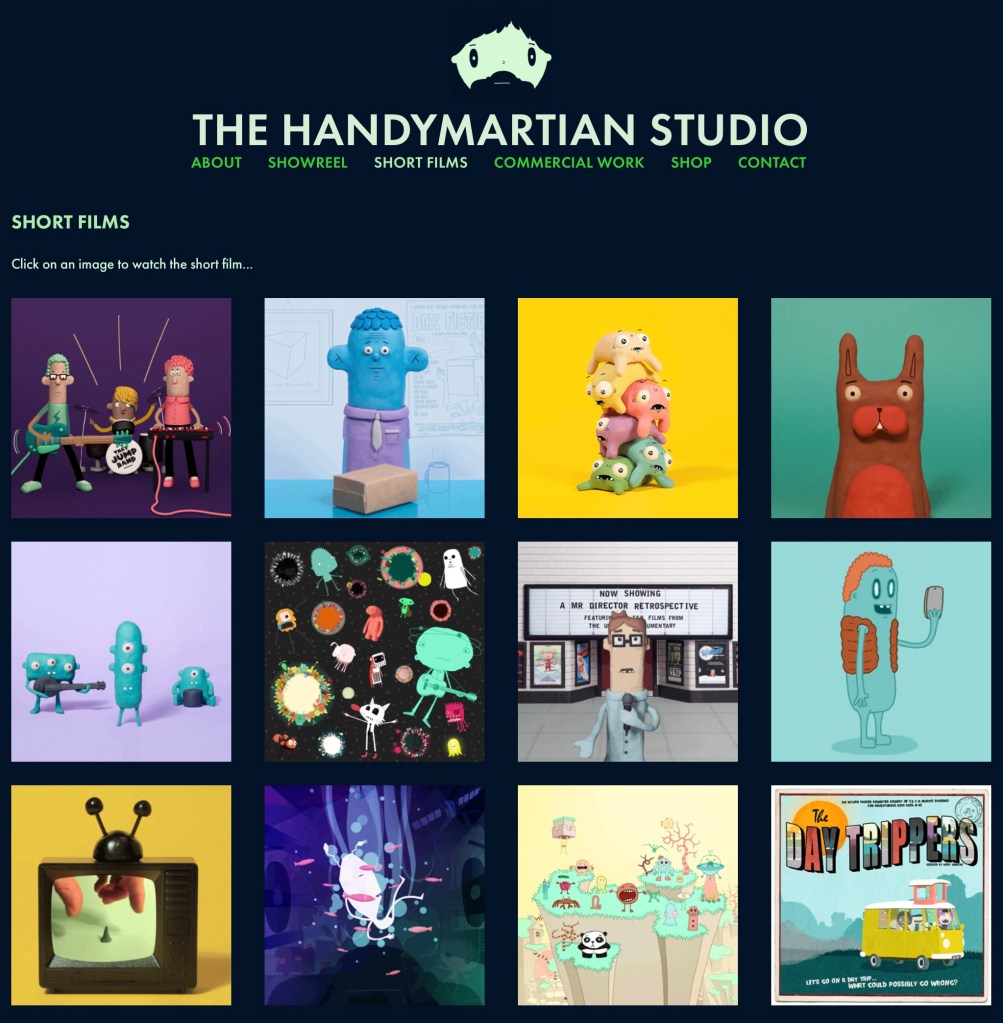
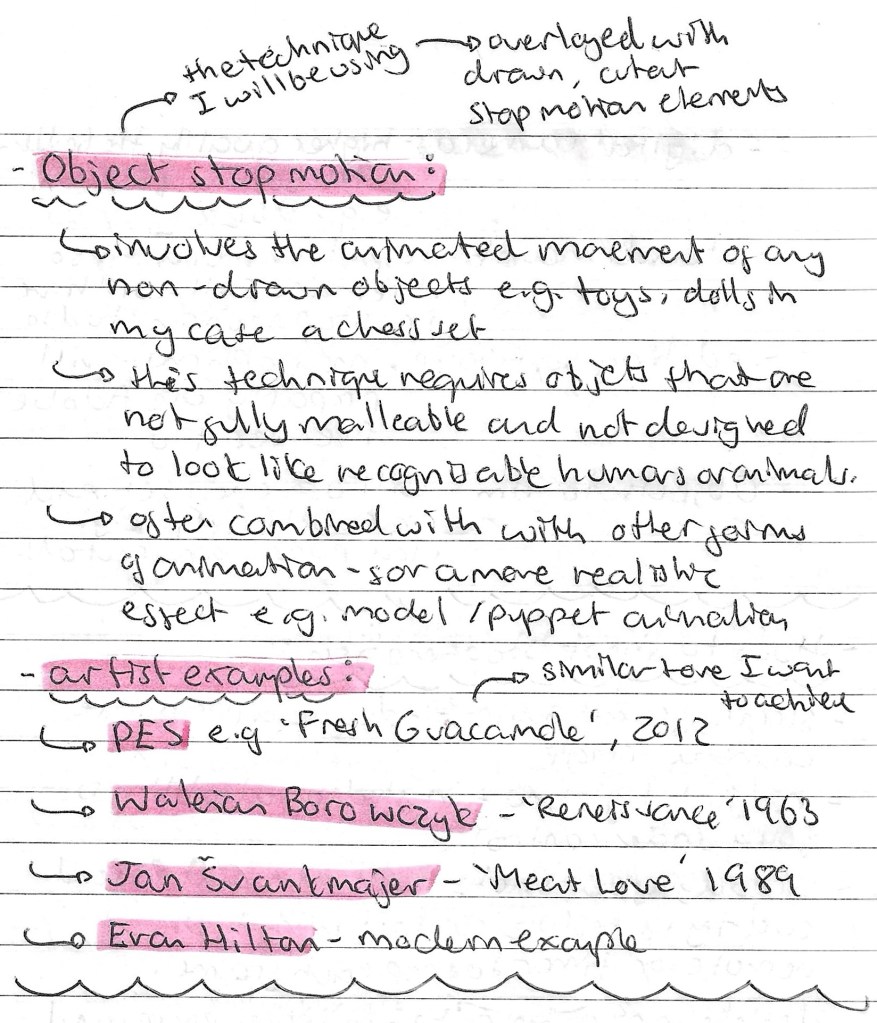
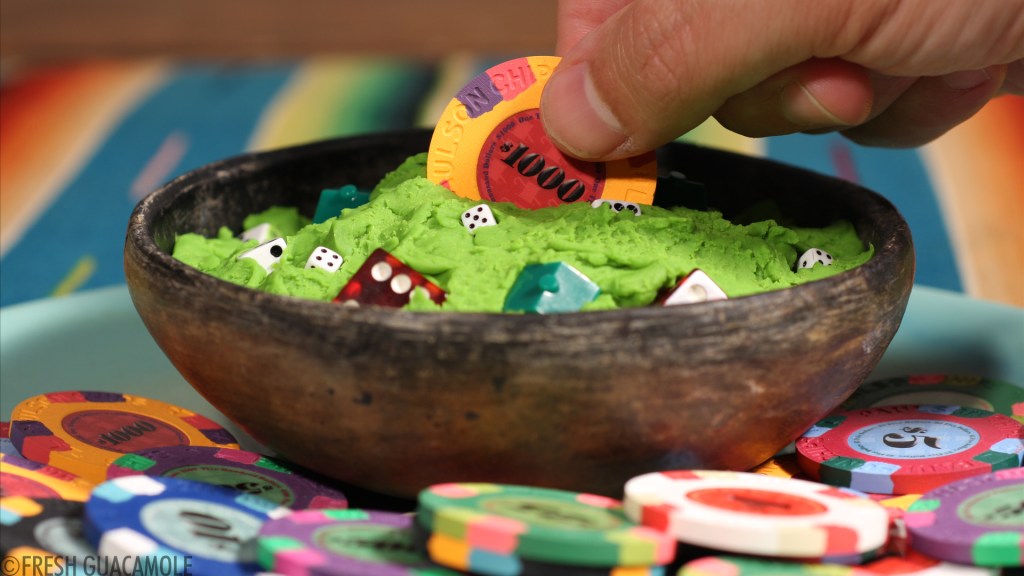
Artists inspiration: As stop motion animation is a new style to me I did lots of research into artists who create work in this style to take inspiration from. I’ve also got a few artists who don’t work within stop motion but there are ideas from their work I like for this project. Below is a list of artists whose work I like and want to take inspiration from. I’ve written what parts of their work I am inspired by and attached images of their work below:
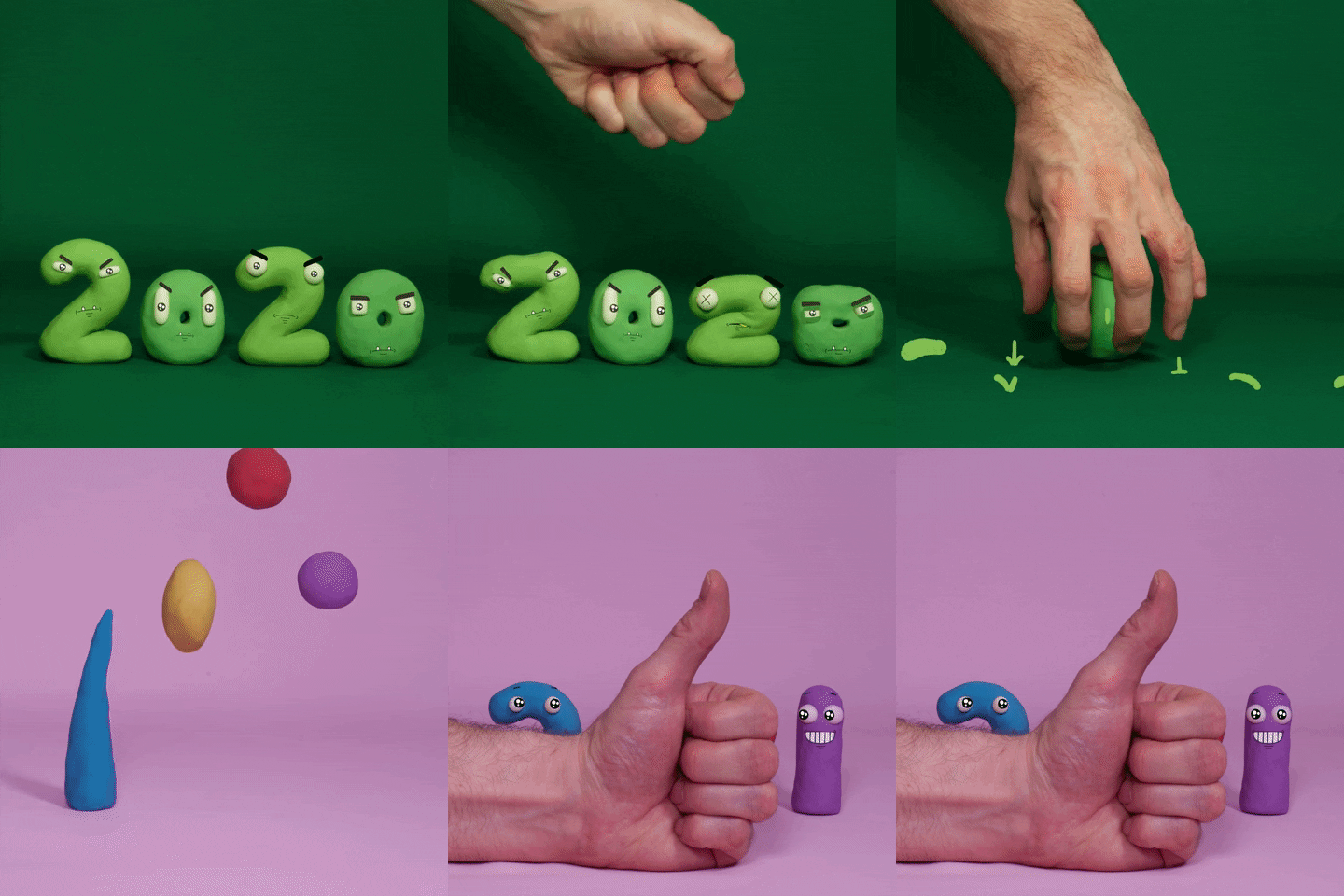
Handy Martian:
PES:
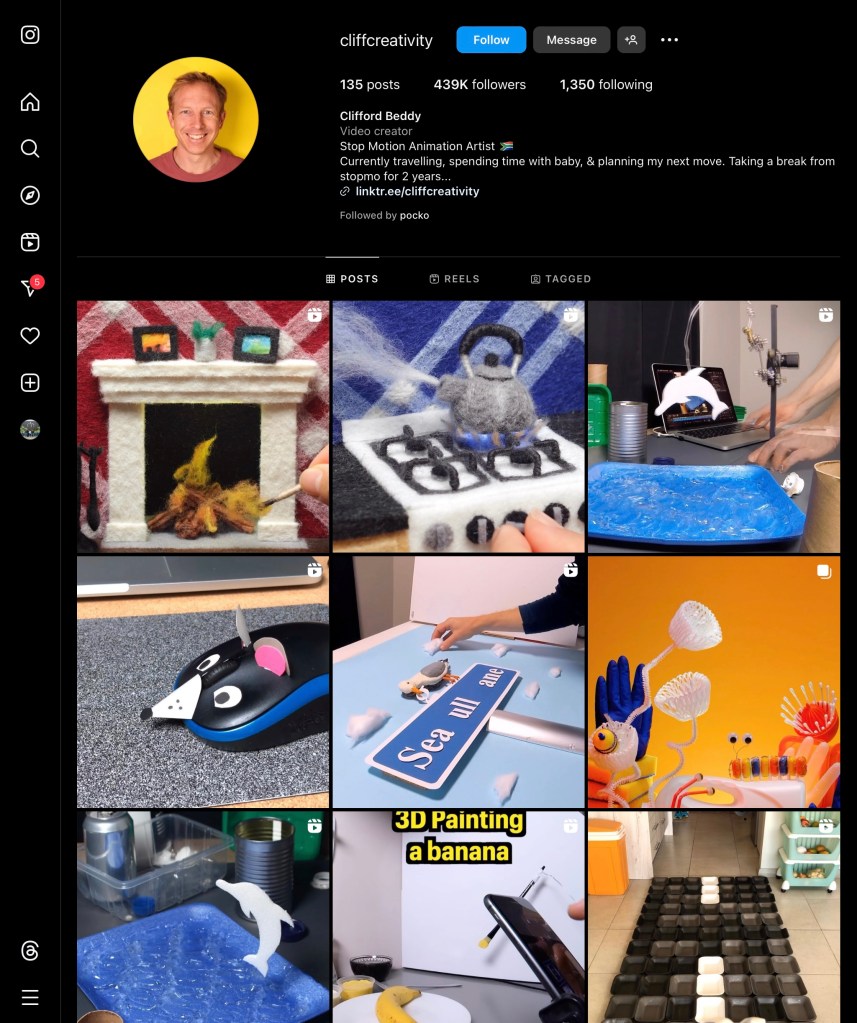
Cliff Beddy:
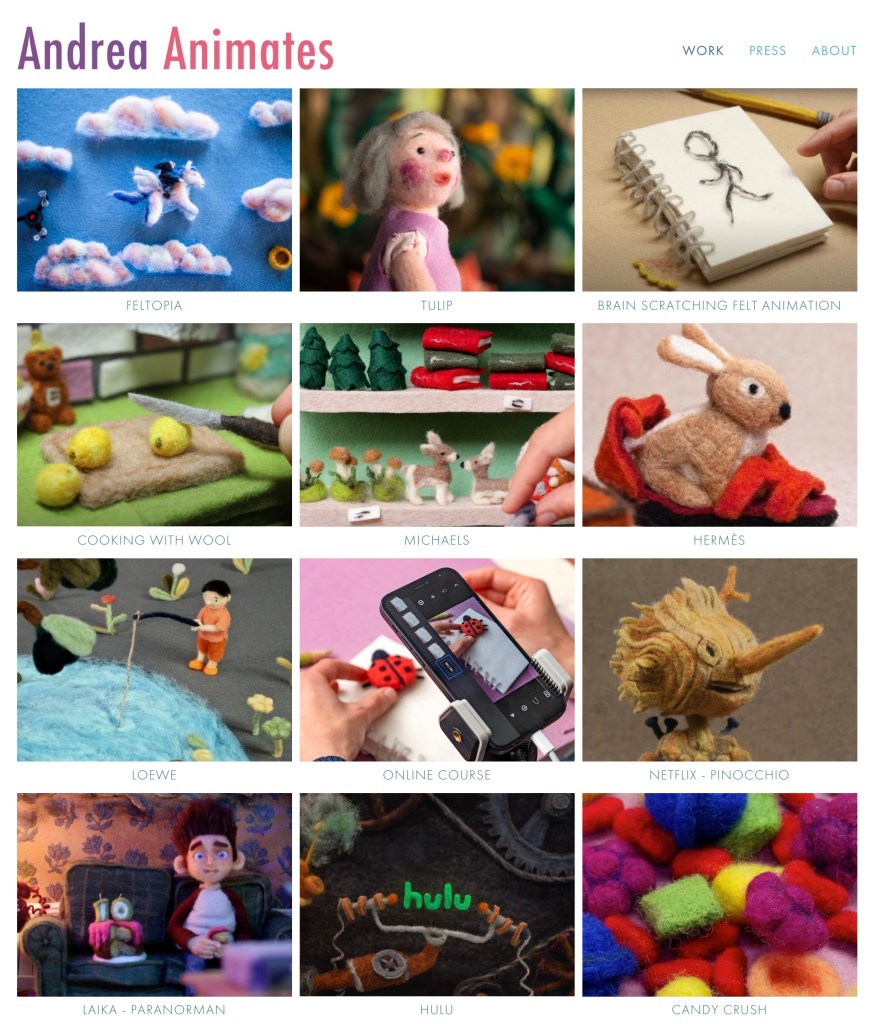
Andrea Animates:
Hypno Motion:
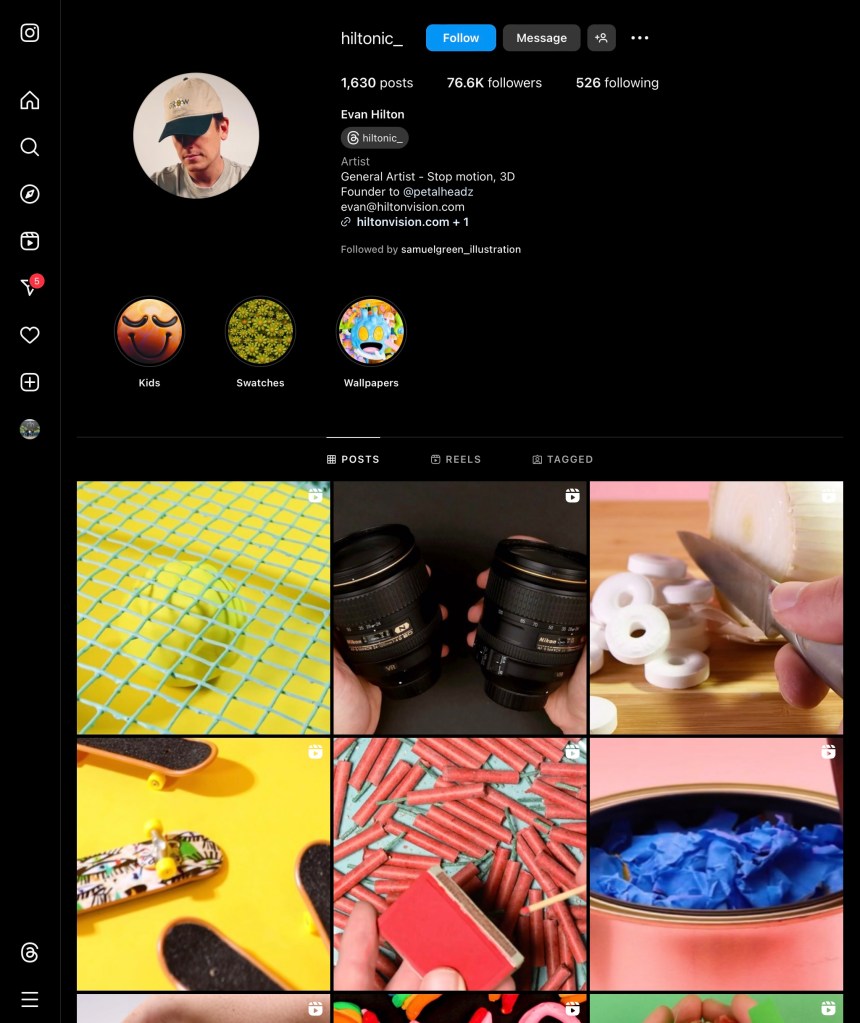
Evan Hilton:
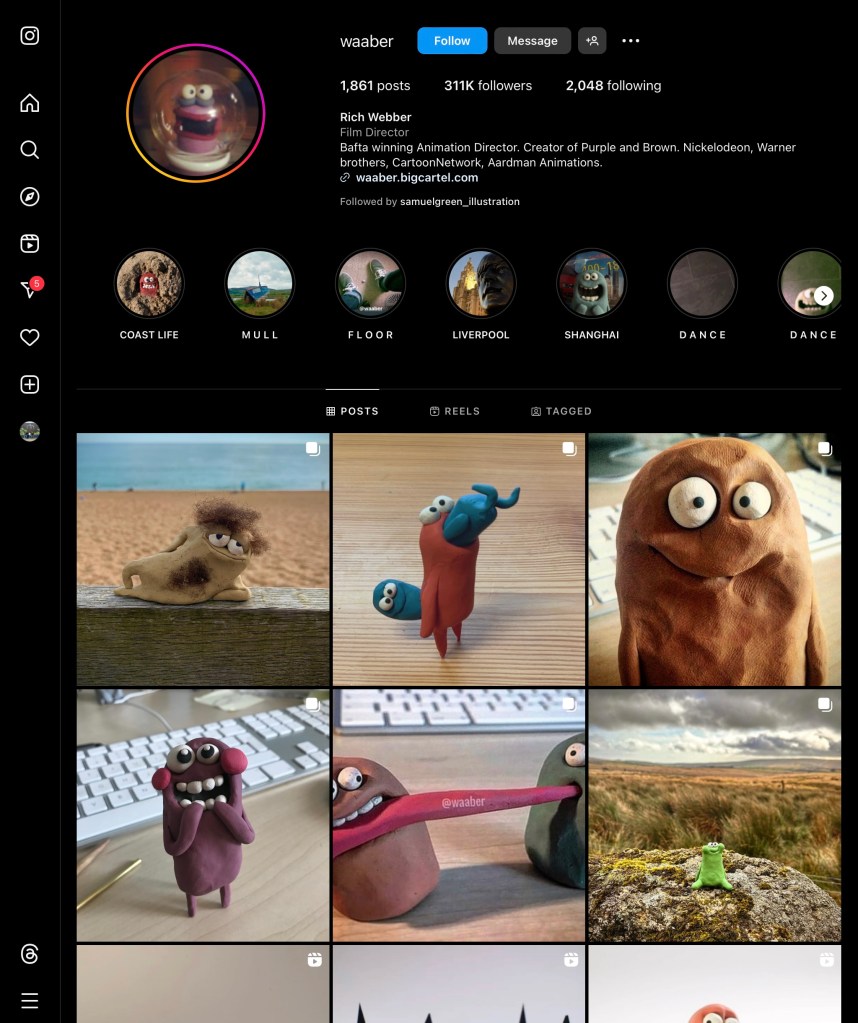
Rich Webber:
Troy Browne:
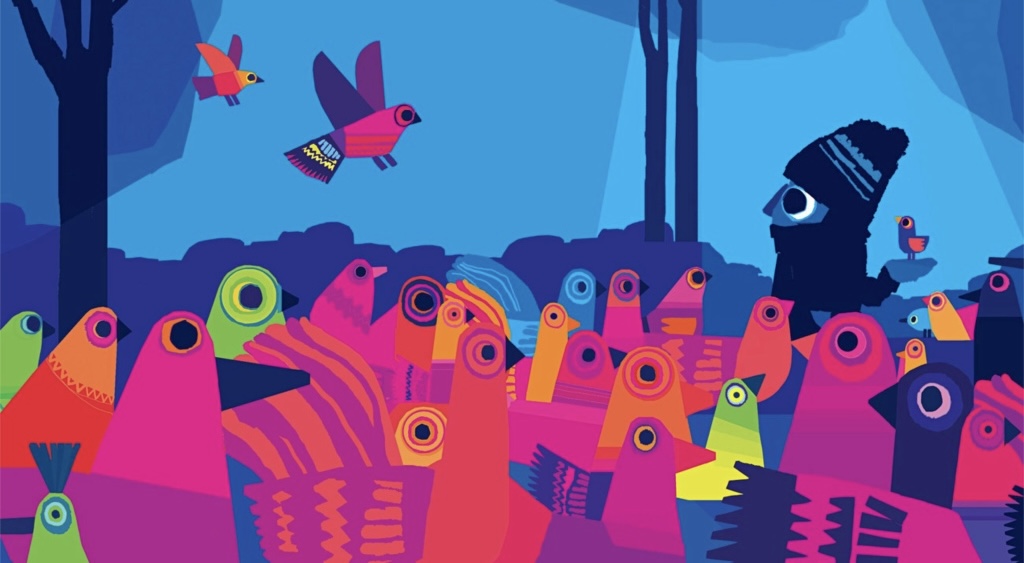
Chris Haughton:
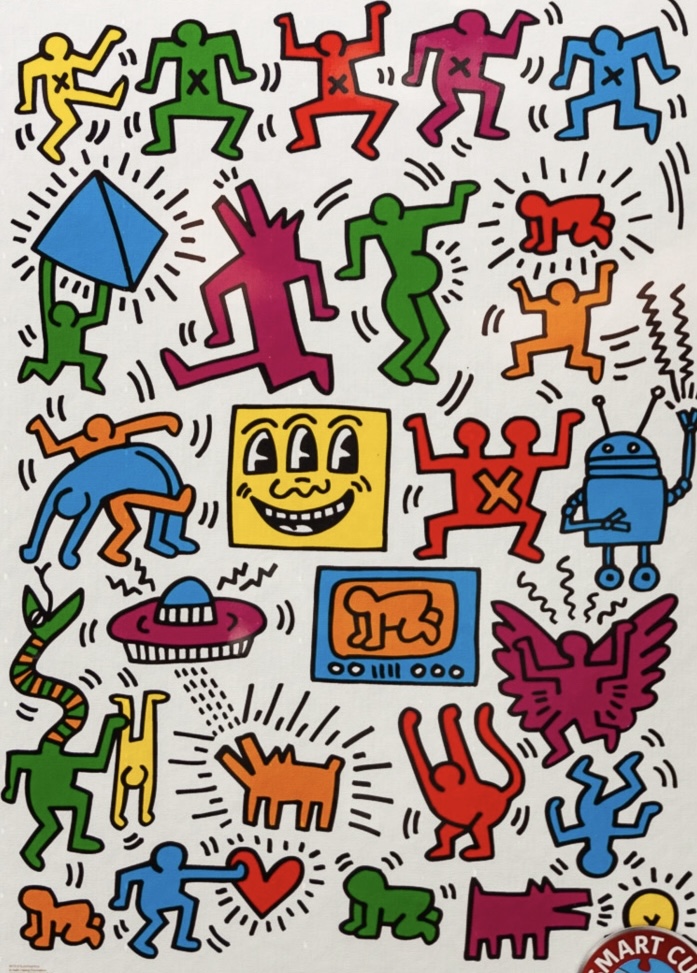
Keith Haring:
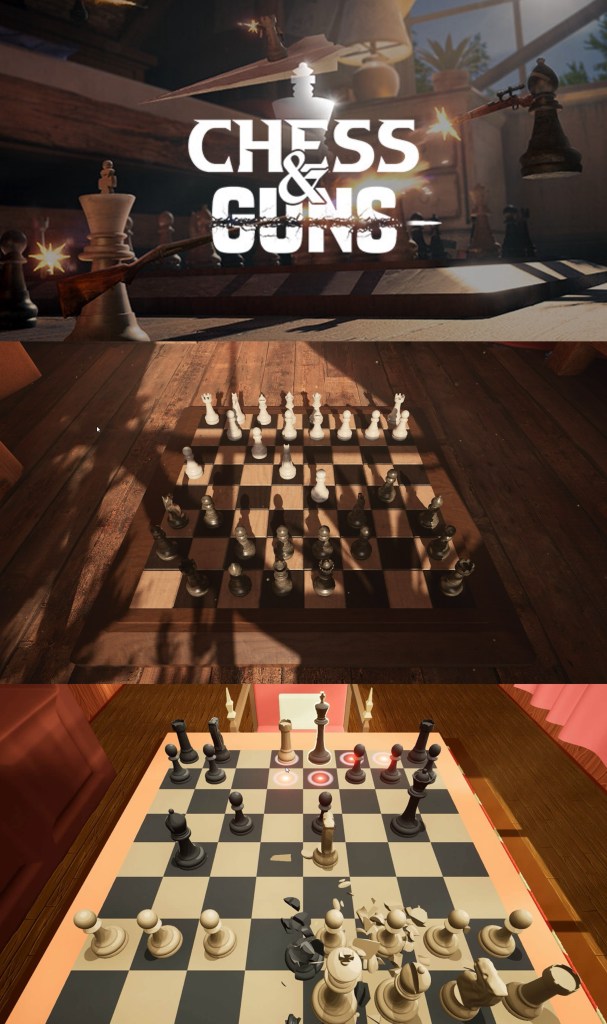
Chess and Guns: a game that mixes chess and real-time third person combat. This game doesn’t fit the tone of what I want my project to be but it does have a nice cinematic and dramatic style which I can take influence from. I really like the different angles that the board is viewed from, I want to get a range of angles in my films. Some more panned out to view the whole board and others that are more intense and level with the pieces.
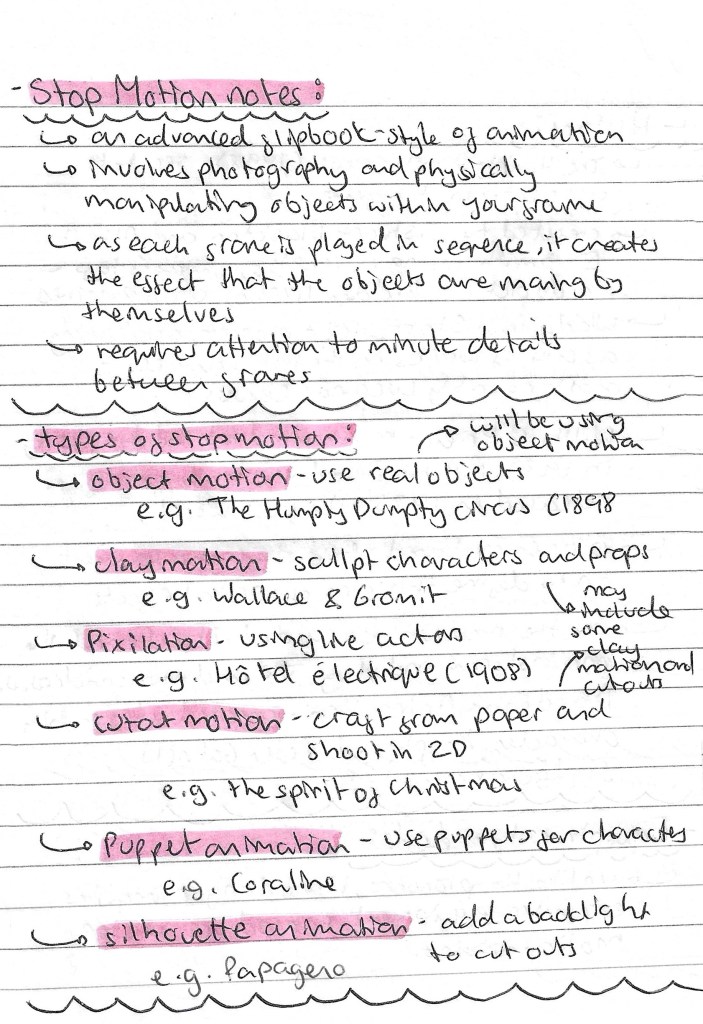
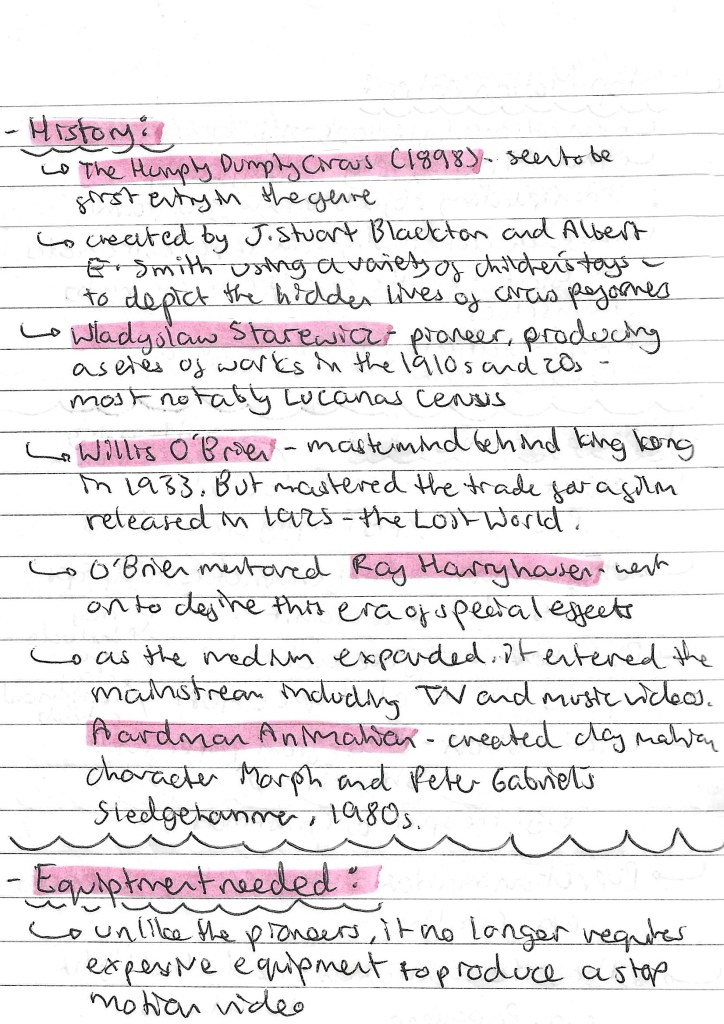
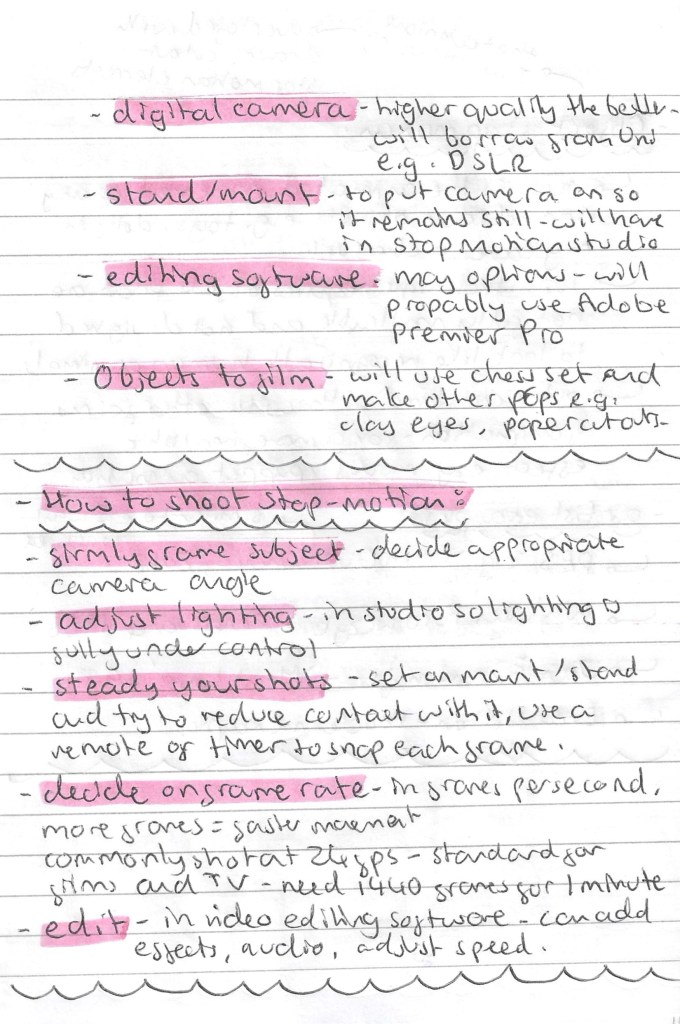
Stop Motion Research: it’s key in any project to do contextual and academic research before stating to create the project. This is particularity important when exploring a new theme, technique or style. I did lots of research into stop motion, looking at the different types, the history, the equipment, how to shoot it and some artist examples. Below are some notes from my research:
This is one of the main sources I used to collect this information:
Project Storyboard: This is the first complete draft of a storyboard for my project. Creating a storyboard is not something I do regularly so I did some research into how to best create interesting and engaging storyboards. The storyboard consists of a beginning, 3 main acts and an end. This is a classic story structure so through it was best to keep to a traditional format for the narrative. In this storyboard I began to think about what would happen in each scene and how they would flow together to tell a whole story. I also made notes about some of the effects and audios I wanted to have on the video. There are also some technical notes such the orientation, aspect ratio and frame rate that I want.
Further ideas: these are more notes on my ideas for the project. They focus more of the visuals and how I want the different shots in each scene to look. For inspiration on the cinematography of the video I watched some videos from the YouTube channel ‘every frame a painting’, they study topics such as how to do action comedy and framing a fight scene.
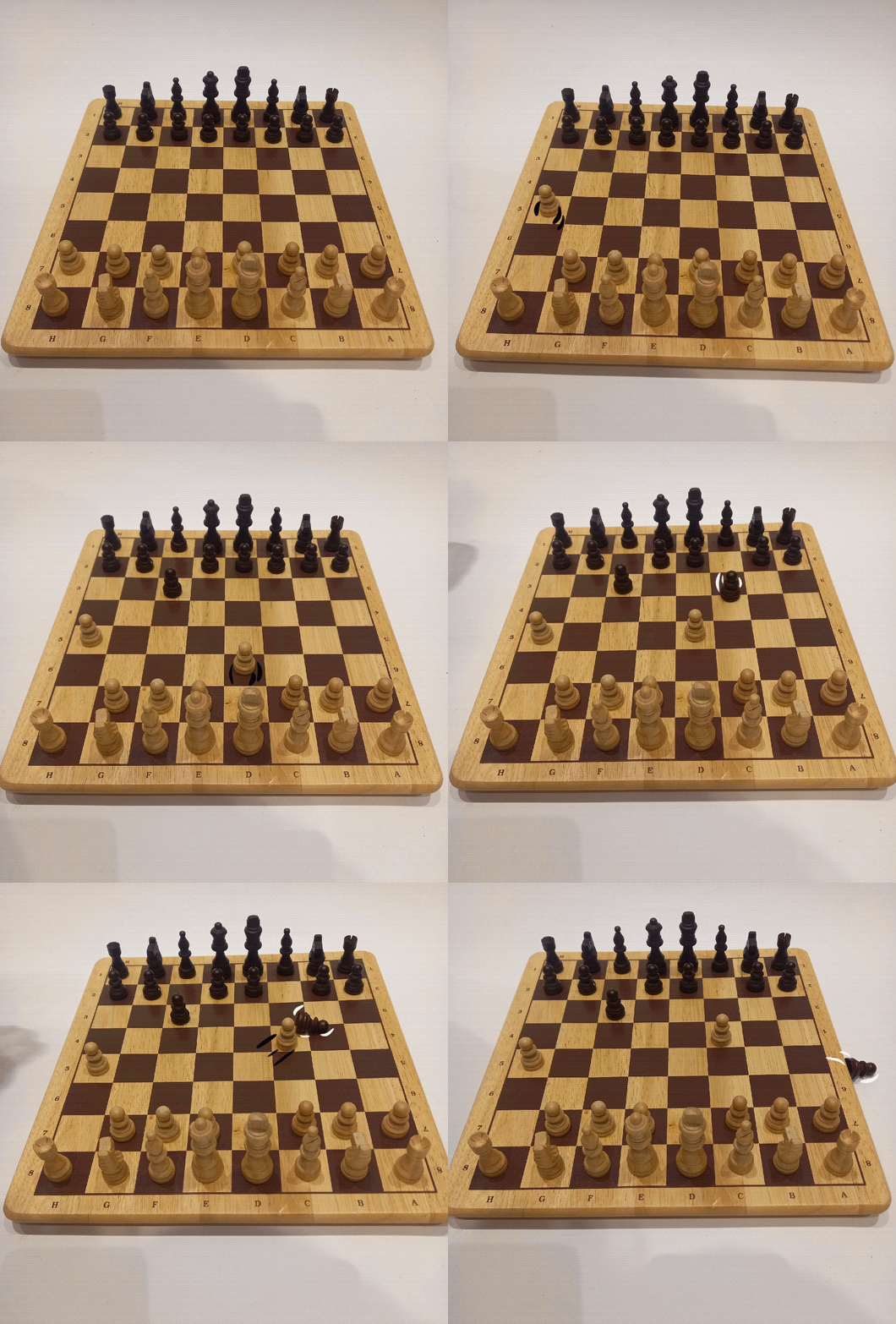
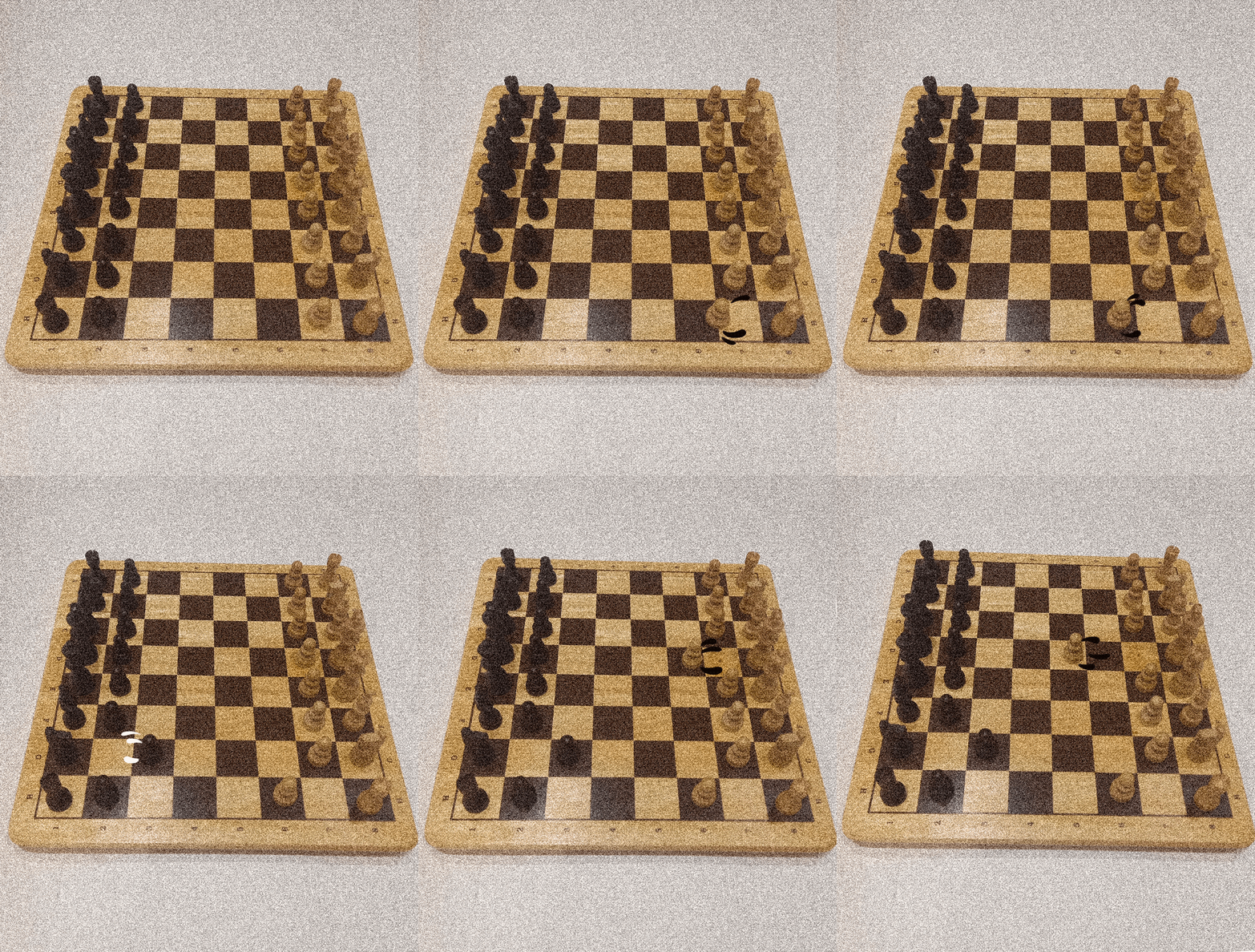
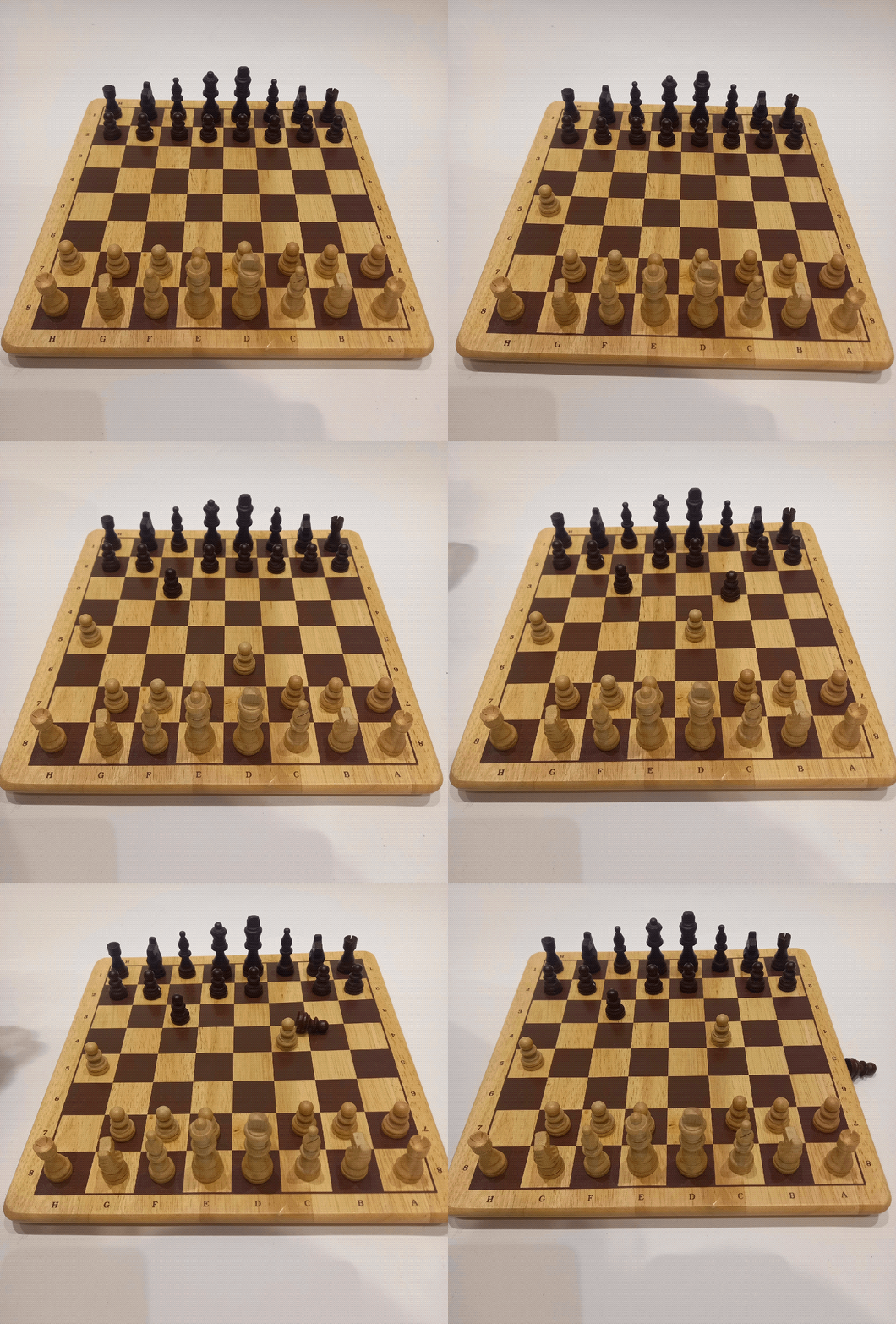
Stop Motion Experimentations: I made these simple tests to help better visualise my idea. I shot these at home but for the real video I will use the stop motion studio at the university. I’m happy with these visualisation and think this idea is worth carrying out. There are lots of things I will improve on these videos for the final videos such as making the camera steady and having a higher frame rate so the movements are smoother. I really like the additions of the movement lines inspired by Keith Haring, I think they add a fun dimension to the animation.
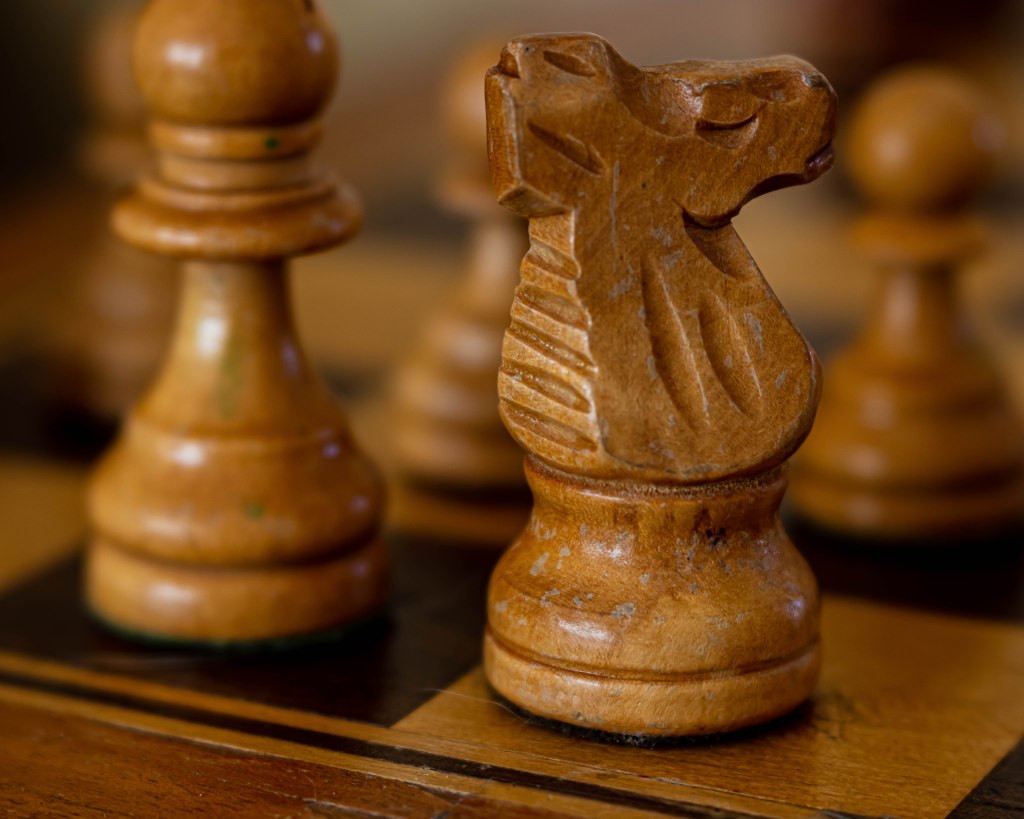
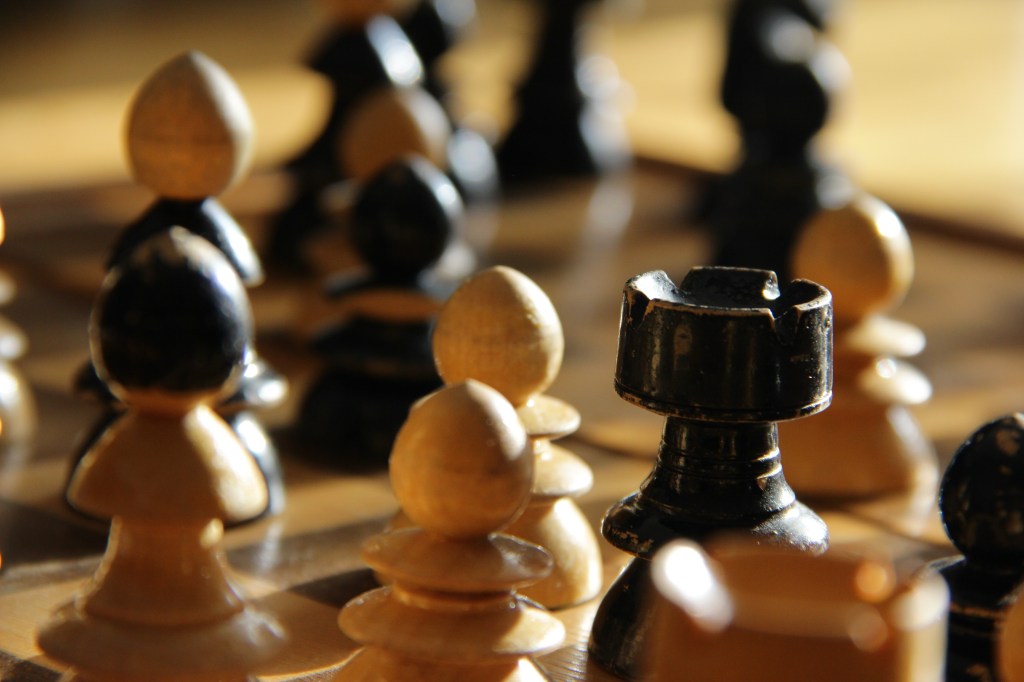
Photographic styles: these are images I downloaded from Flickr. I want to achieve shots similar to these for some of the shots, mainly in act 3. I like the clarity of the images and the angle they’re taken from.
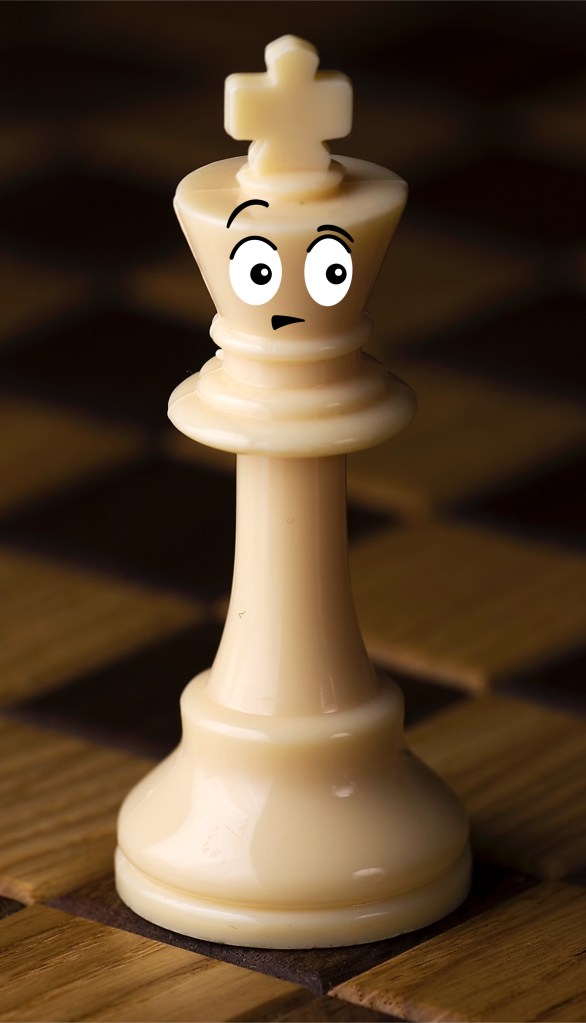
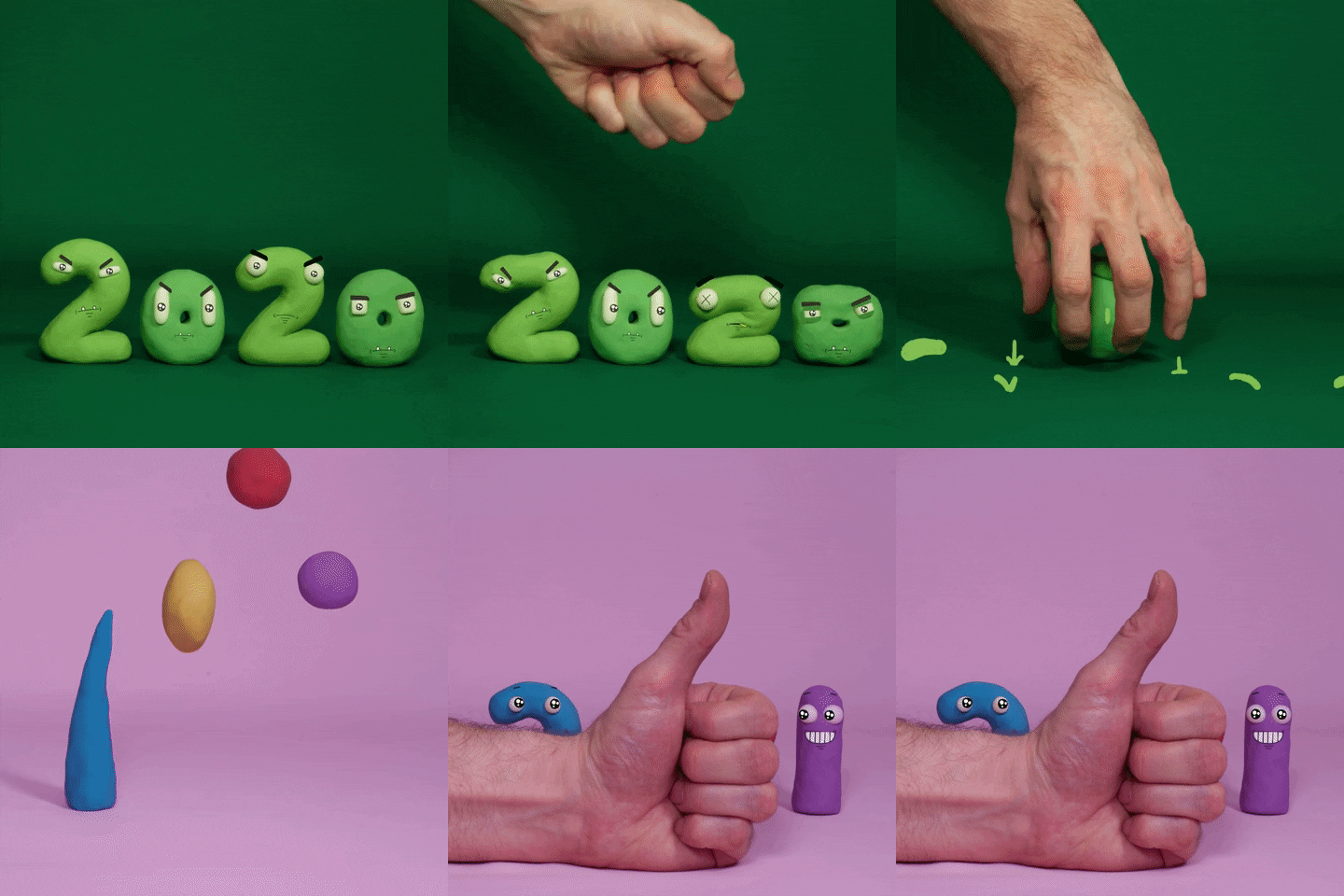
One thing I am experimenting with is the idea of adding faces to the pieces. This idea is inspired by Handy Martian and his stop motion videos. My idea is to have simple faces with dramatic expression to help give the pieces personality and make the film more humorous. I’m undecided if I will mould the expression onto the pieces by hand using modelling clay or digitally add them in post production.
As part of the first session we had to start thinking about ‘play’ objects and create a range of materials/assets related to these objects that we could use in the upcoming software workshops.
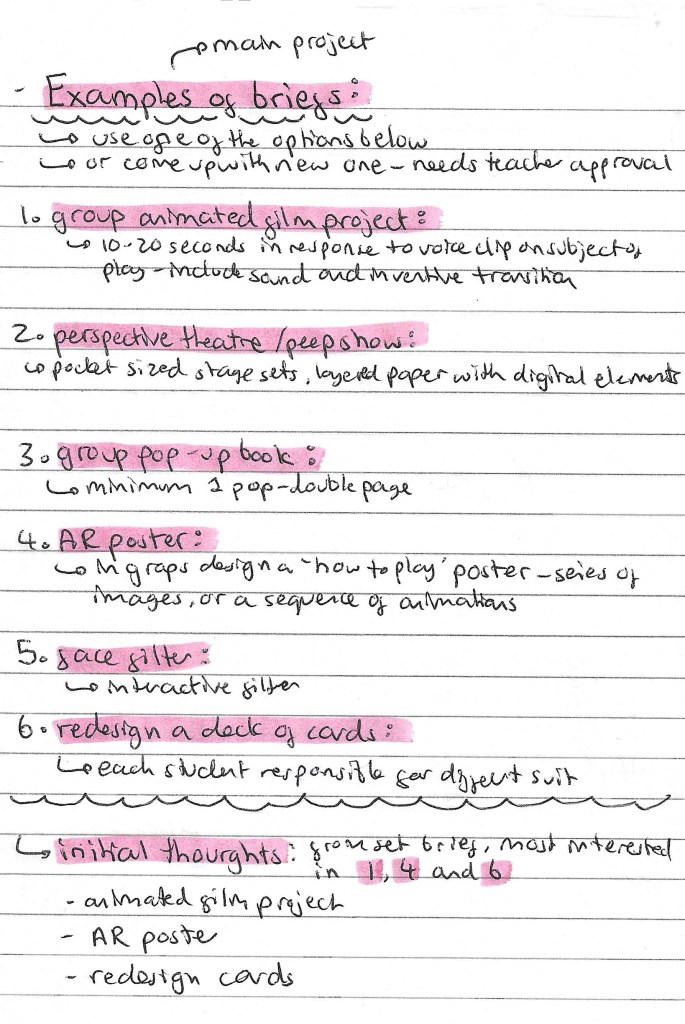
This is a list of the project briefs we could choose from. We can either pick one off the list of propose a new one to our tutors. My initial thoughts on the briefs are that I’m most drawn to options 1, 4 and 6. These are the animated film project, AR poster and redesigning a pack of cards. But I’m also open to coming up with my own idea. Redesigning a deck of cards is within my comfort come of design and illustration so it might me I’ve to push myself to try something I’ve not explored before such as animation or immersive arts.
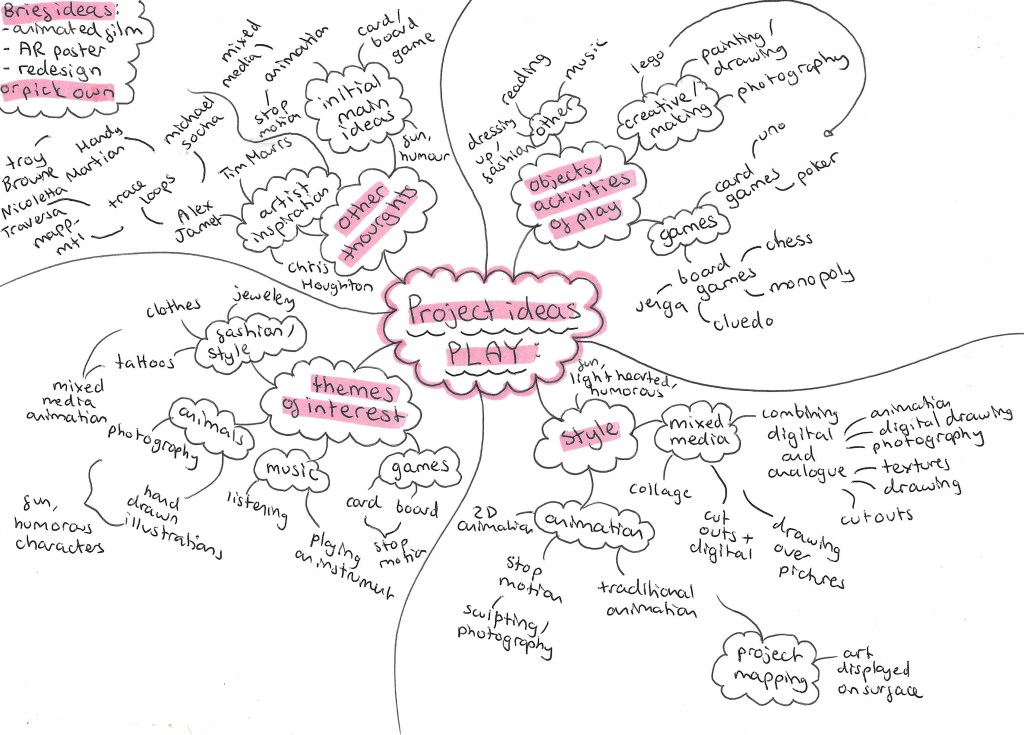
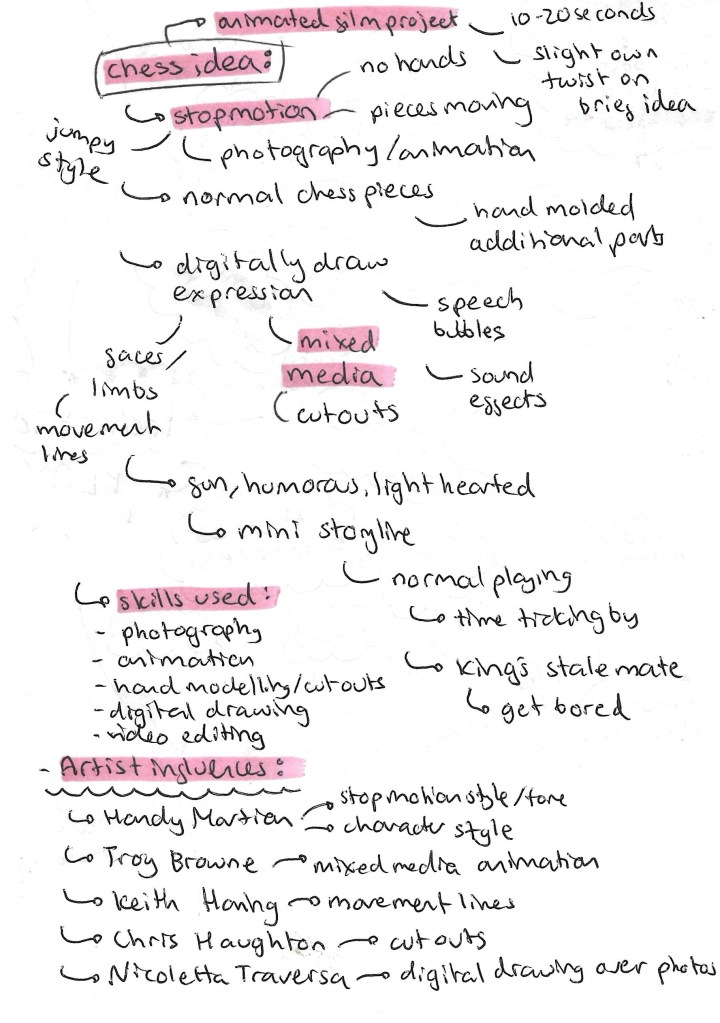
Here is a mind map of some of my initial thoughts and ideas for the ‘play’ project.
This is an idea I had for the project. I would need to propose this idea to my tutors as it’s not one of the suggested briefs although it does draw inspiration from the animated film project. The idea is to create a stop motion animated film using chess pieces. There are more details on the idea below:
Games is the topic I want to explore within this ‘play project’. The types of games I wanted to work with is either board games or card games. The next step was to create a range of material to use upcoming workshops. I will be adding to this when I think of more ideas and feel that I need more visual media to work with.
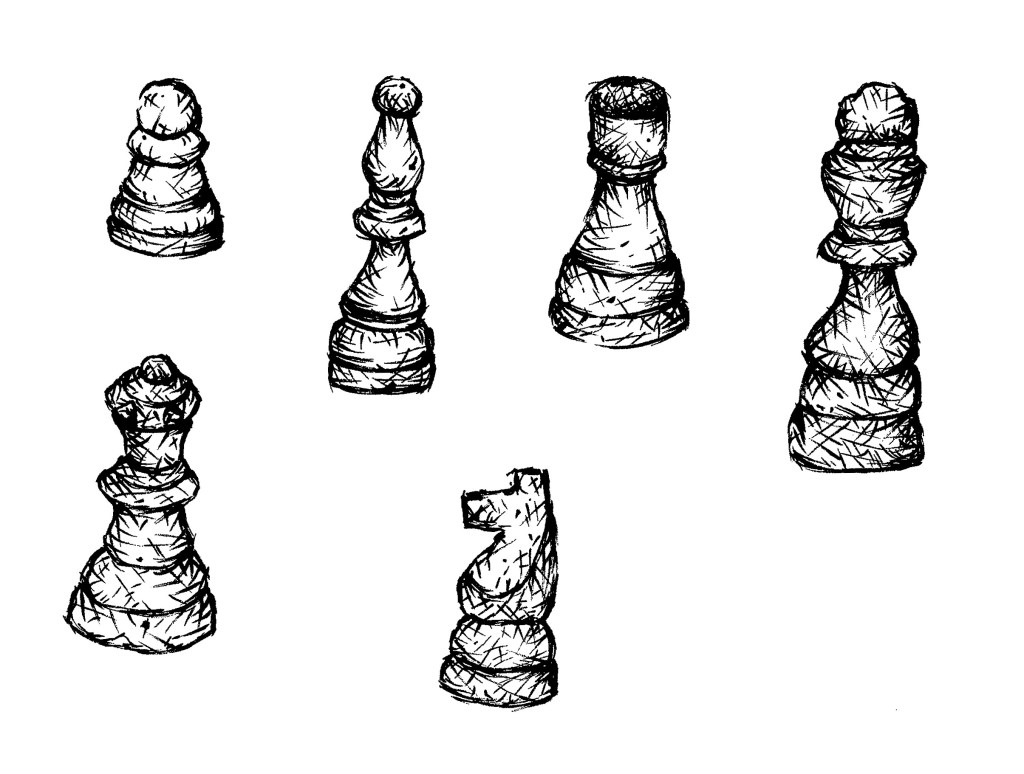
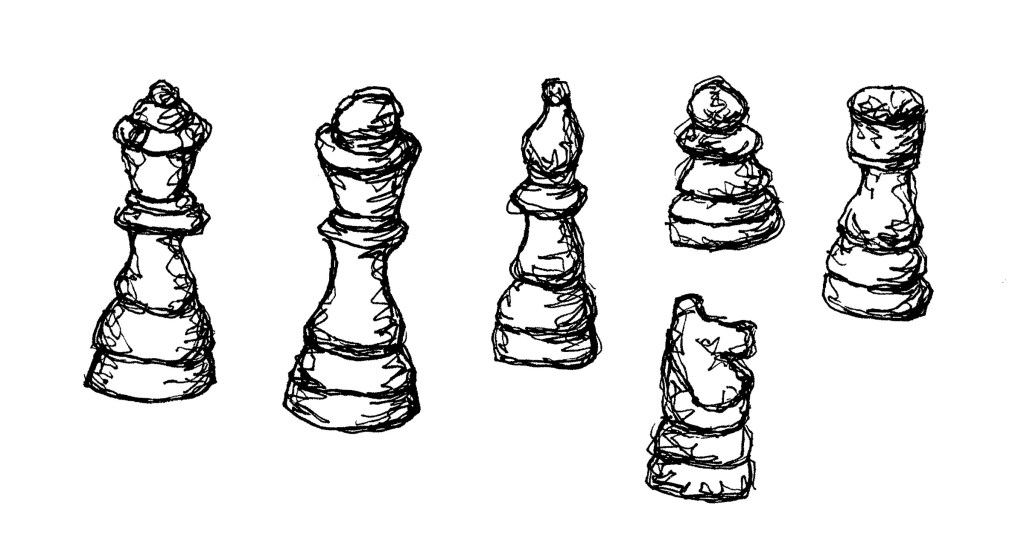
Chess:
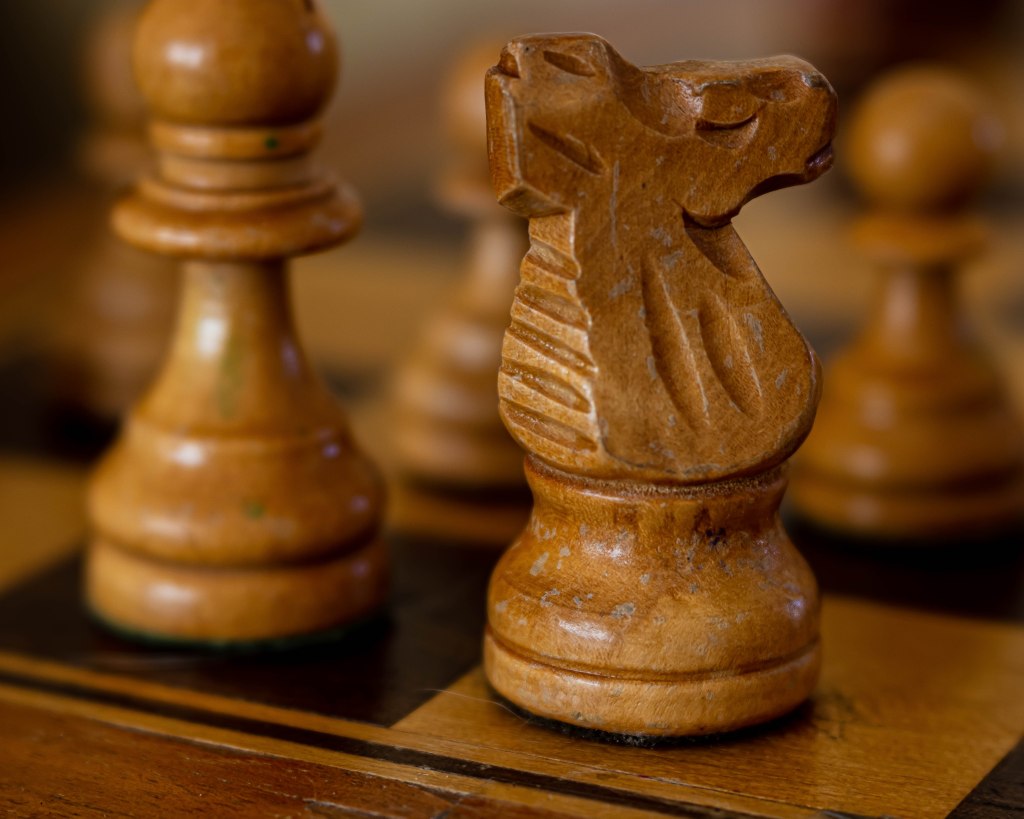
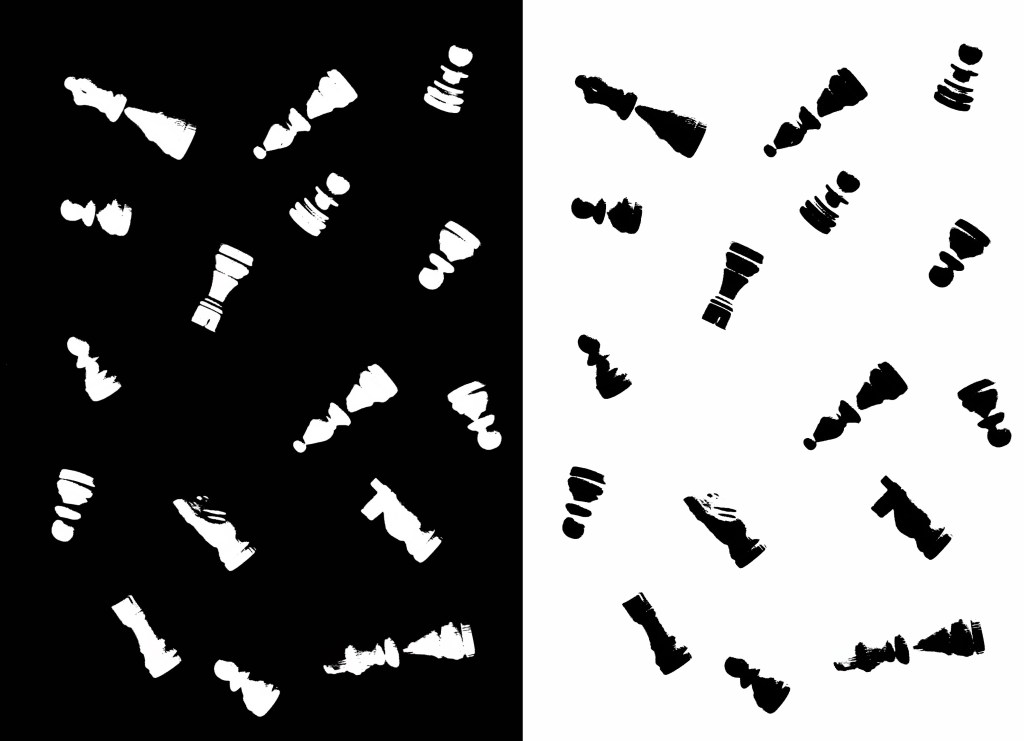
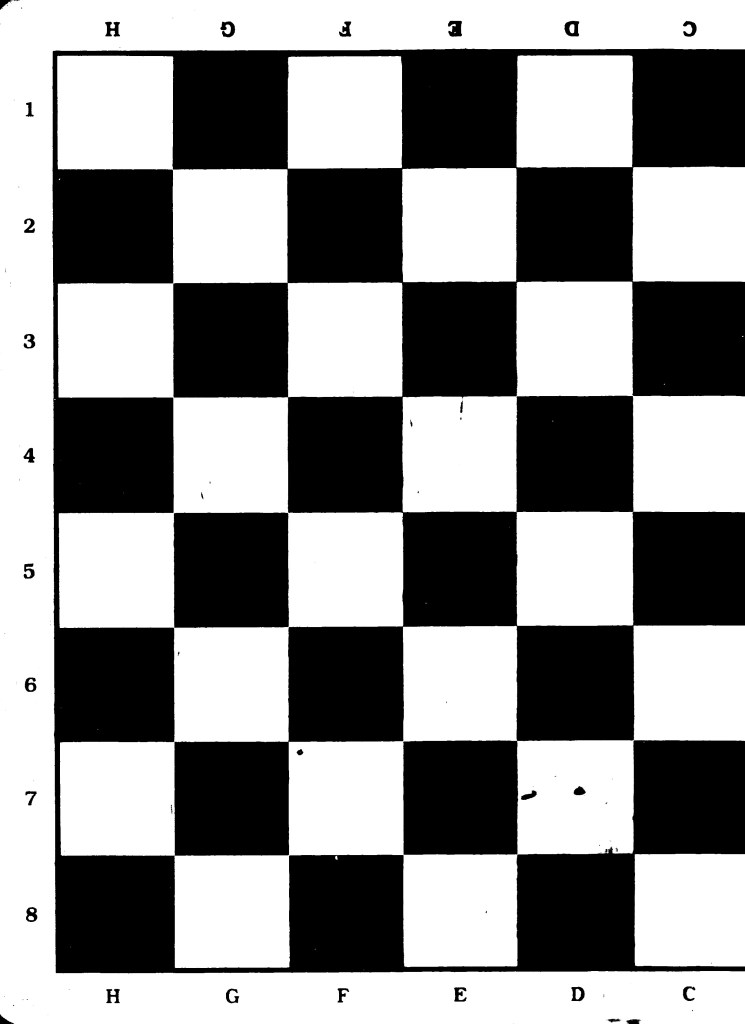
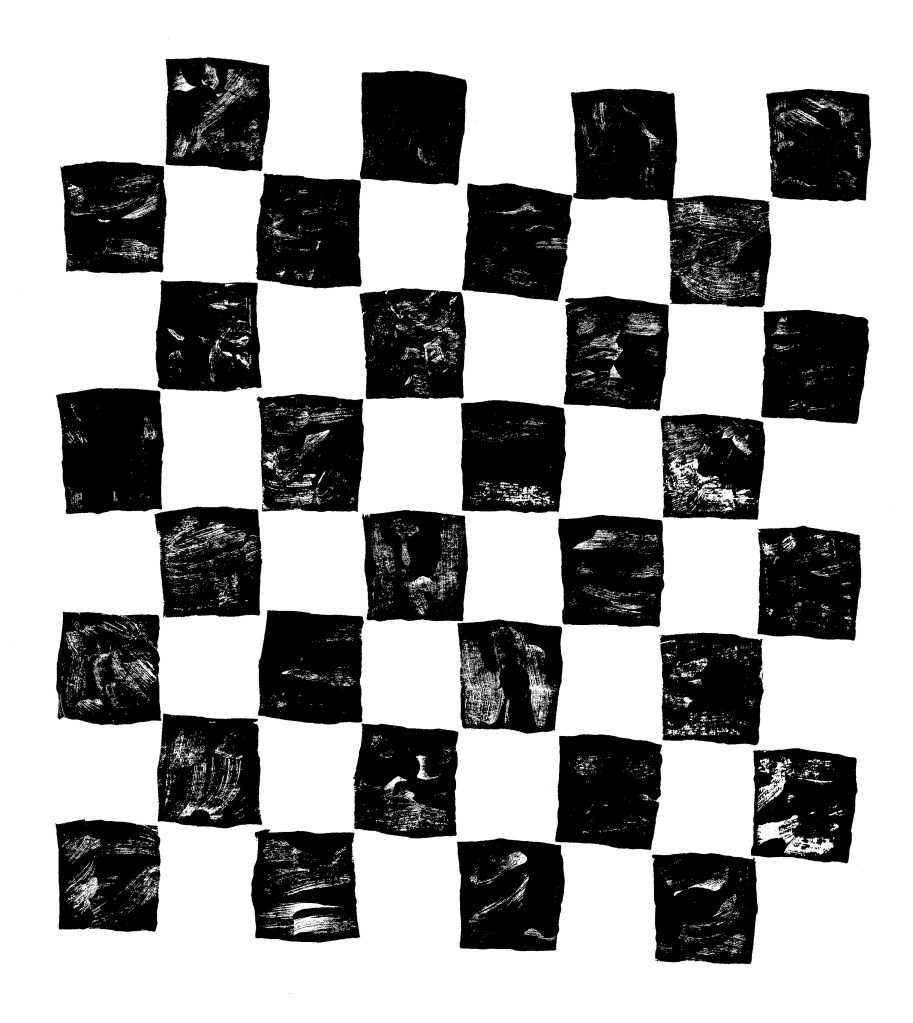
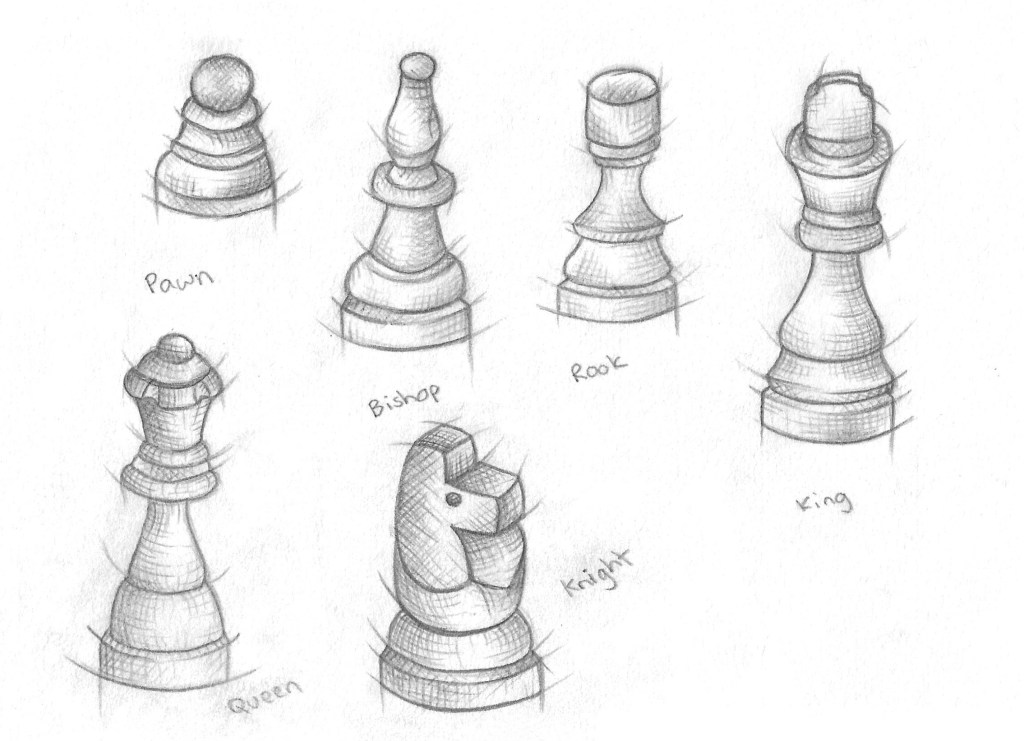
I made and complied lots of visual media related to chess. I chose chess as it’s a historical and widely popular game that most people at least recognise. It’s a game that I really enjoyed as a child and is played by many across a wide range of ages and I can see lots of room to explore the game in a creative and playful way.
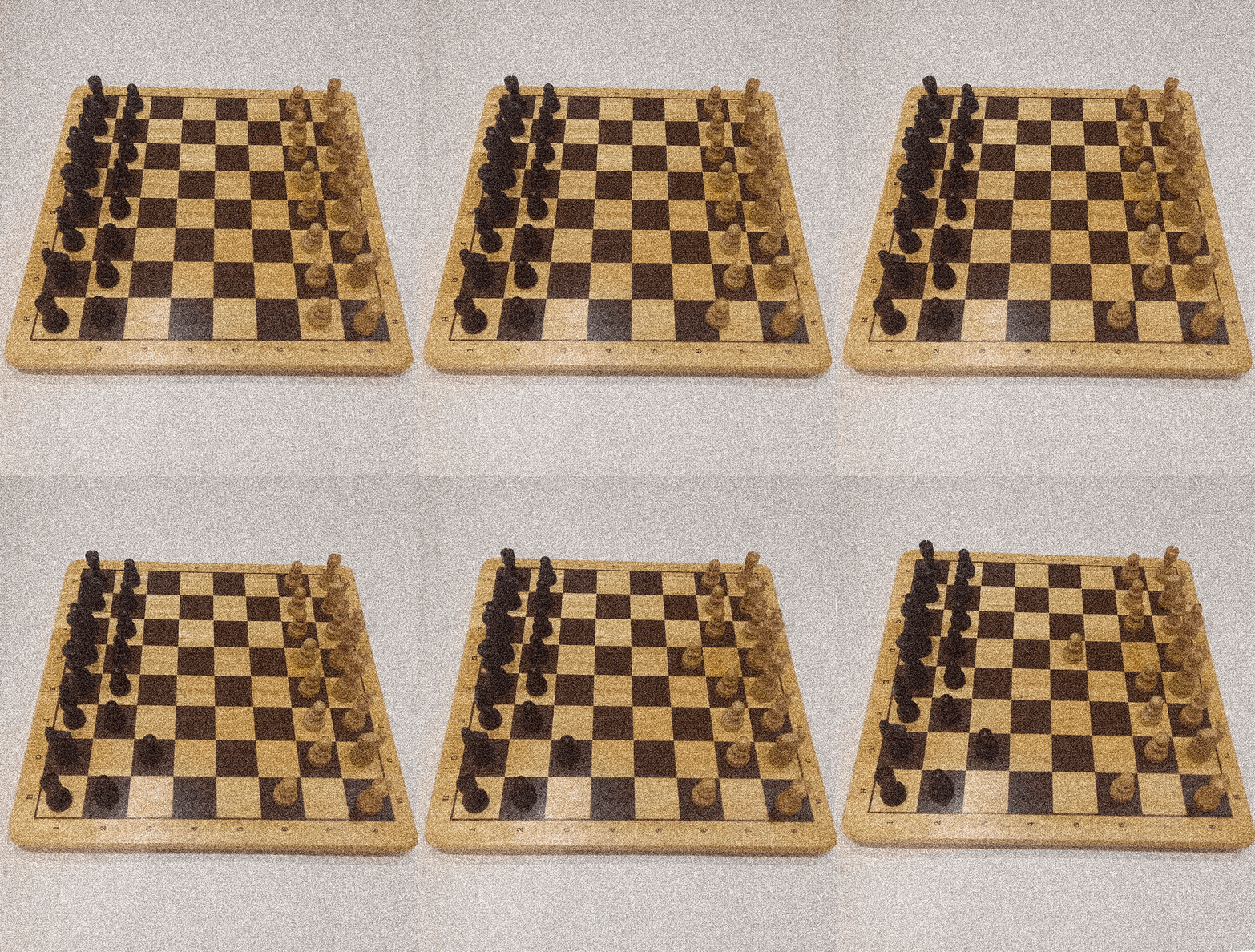
Stop motion:
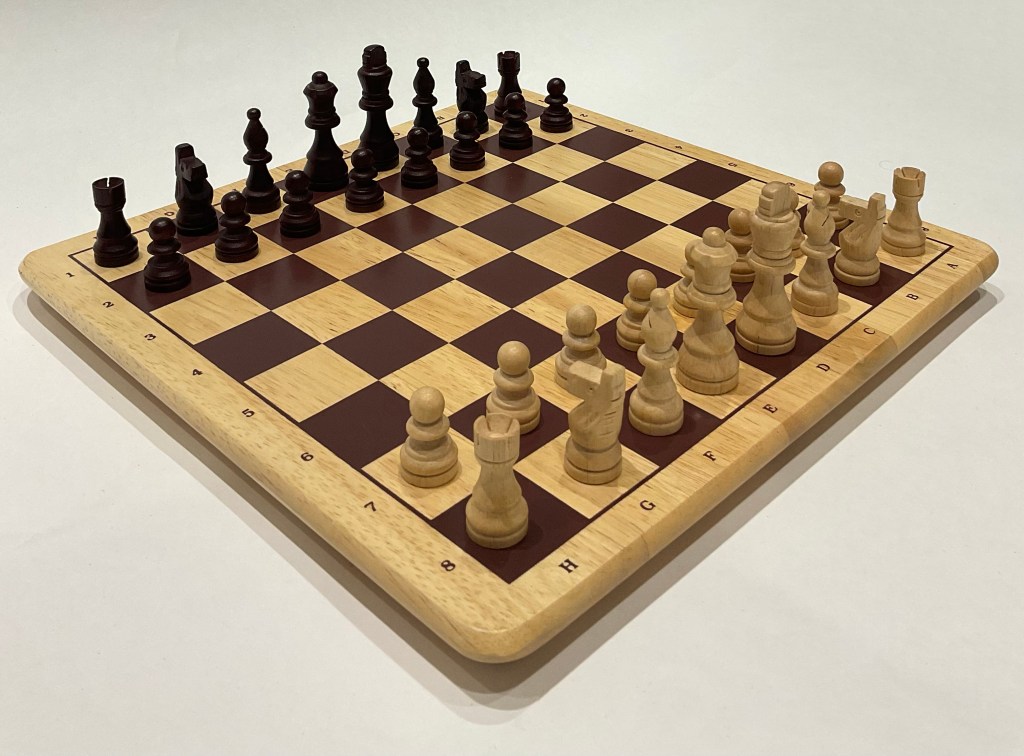
Photographs:
Photographs (from Flickr):
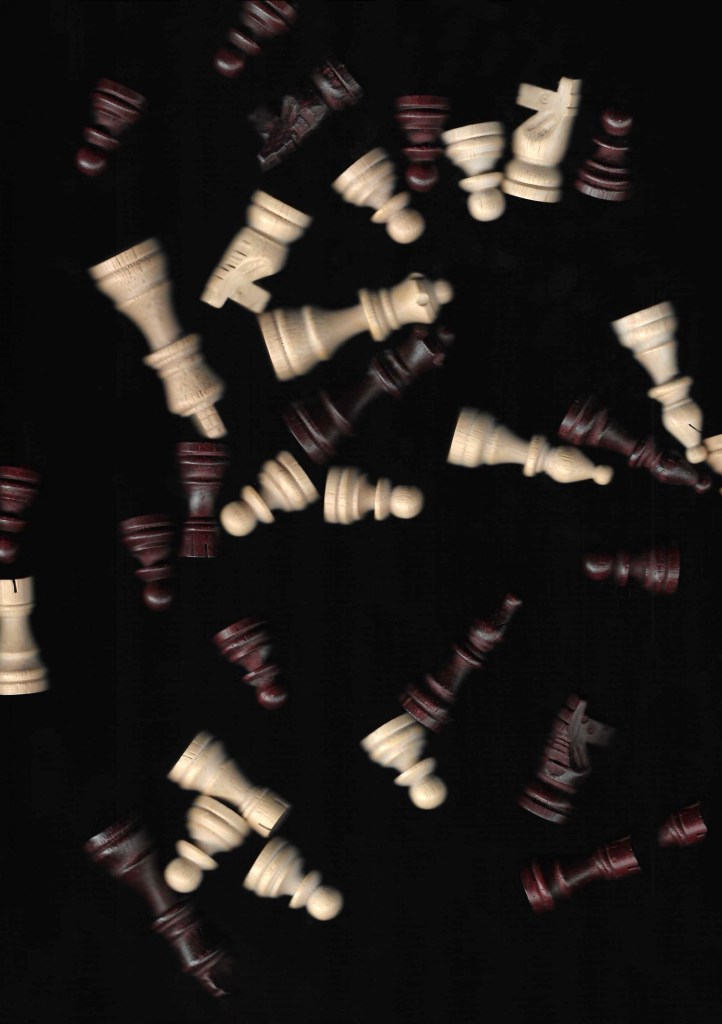
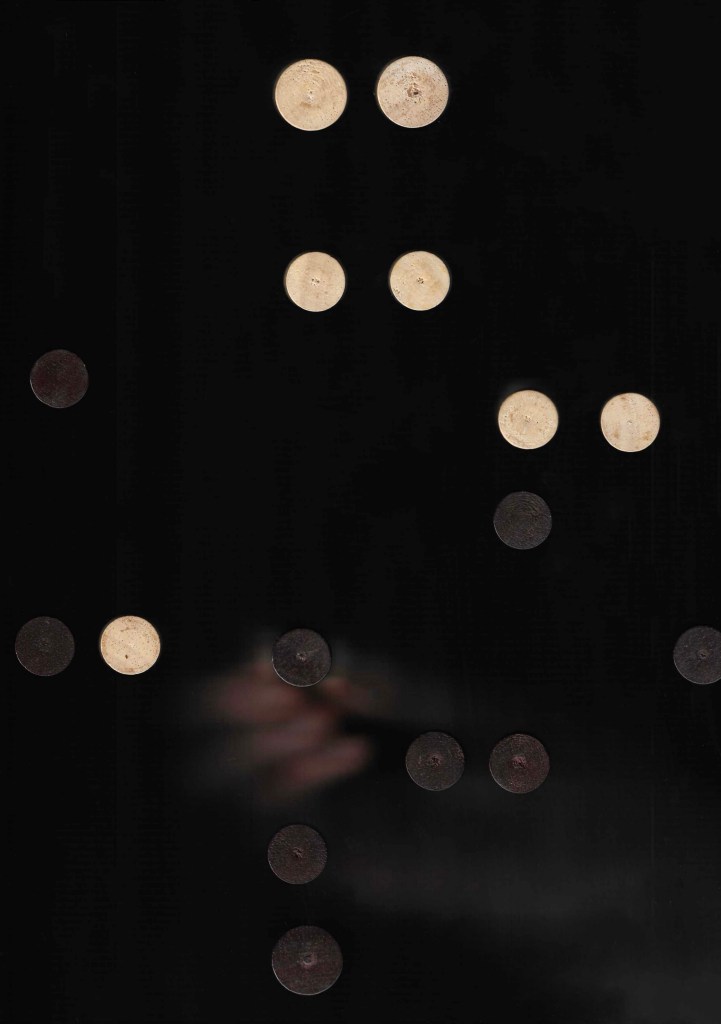
Scanning:
Edits of scans:
Printing (Lino):
Illustrations:
Illustrations (from Flickr):
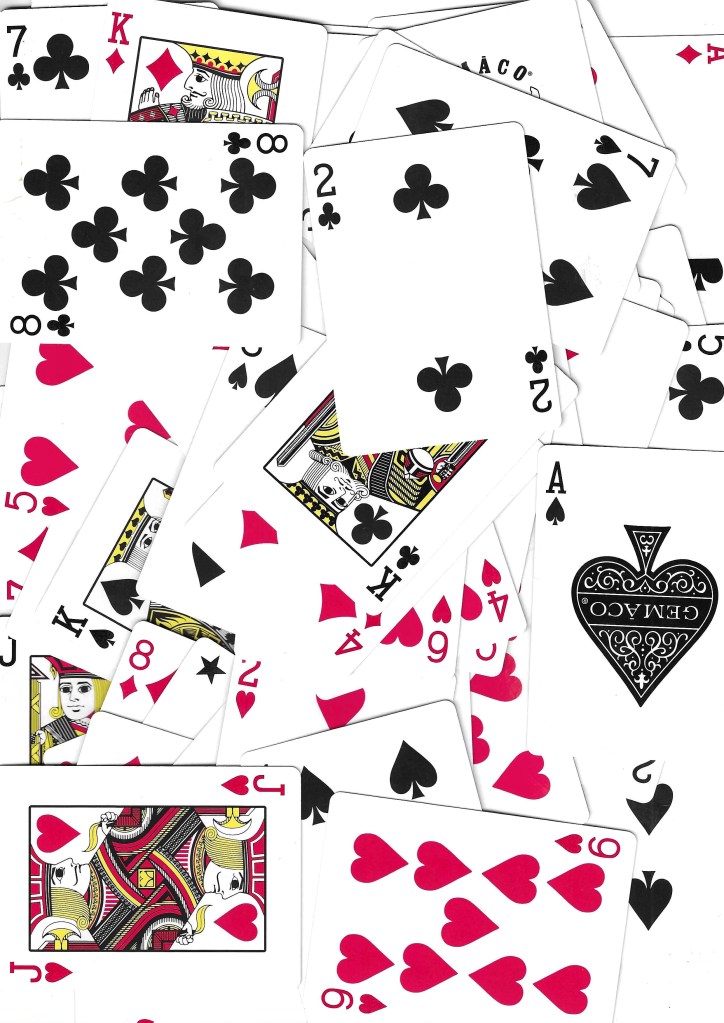
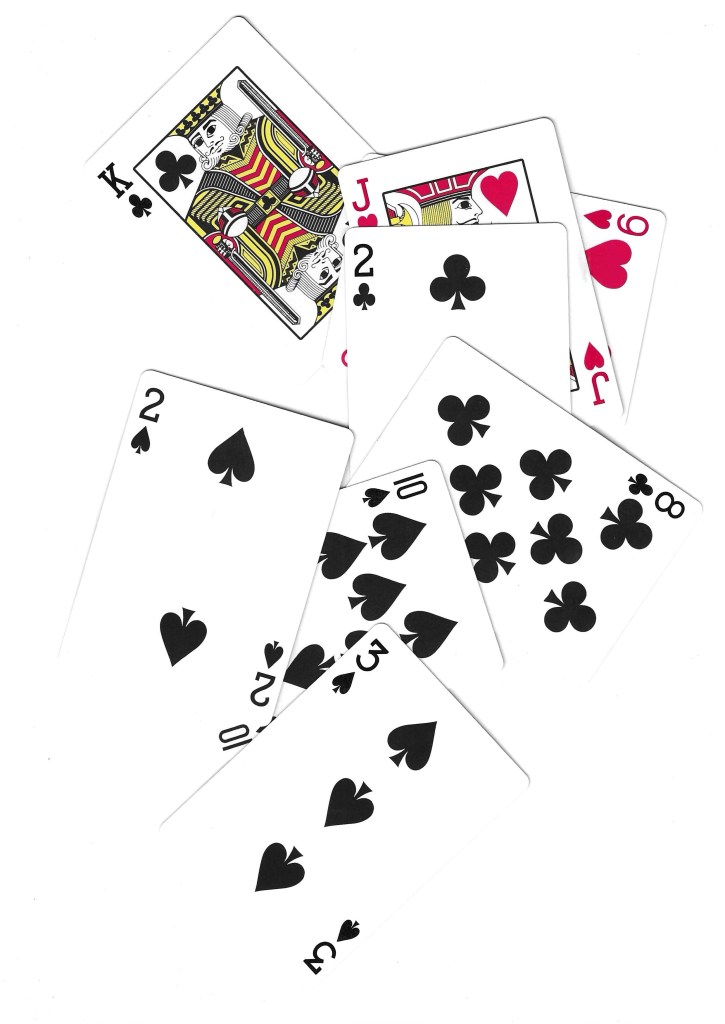
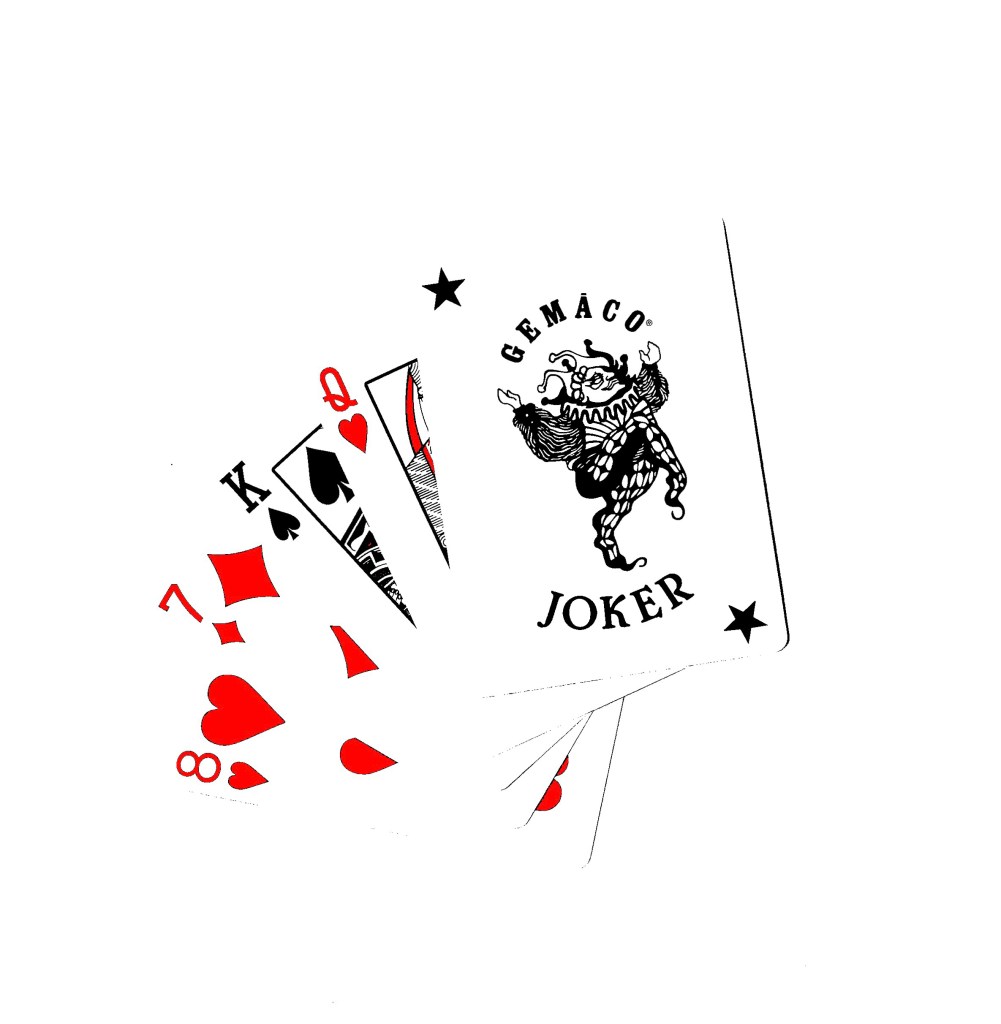
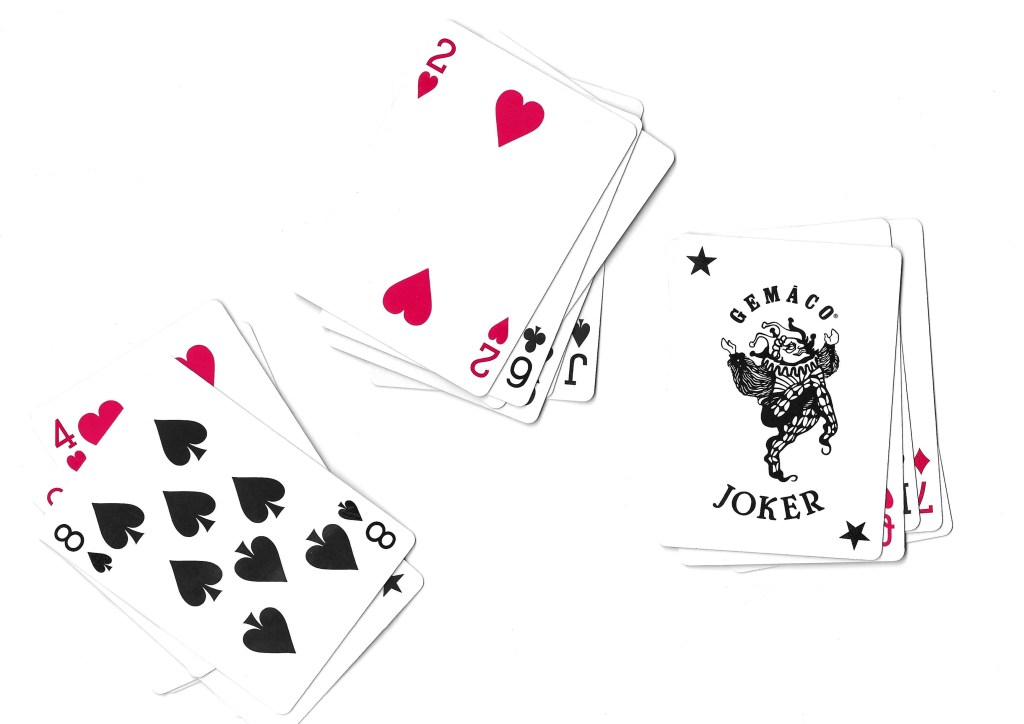
Cards: the other topic that I created a bank of visual media for is cards. Cards is an iconic symbol of play for both adults and children’s so fits perfectly into the modules brief. Creating a deck of cards is one of the set briefs that interests me and just generally it’s a topic I’m interested it and would like to creatively explore.
Scans:
Experimental scans:
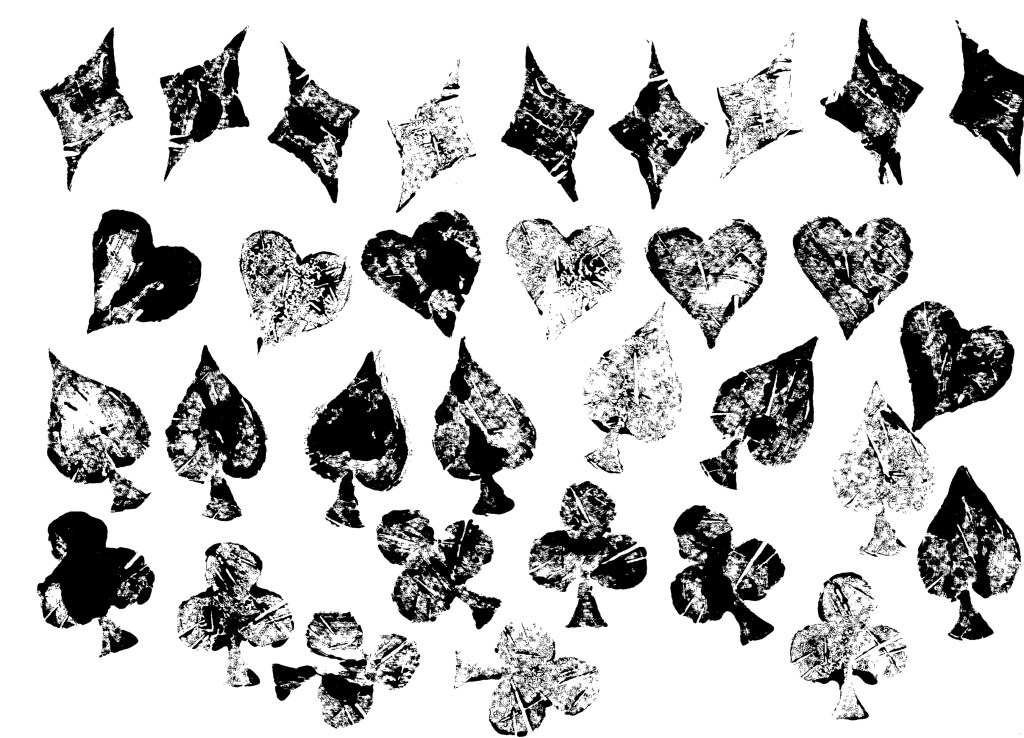
Printing (Lino):
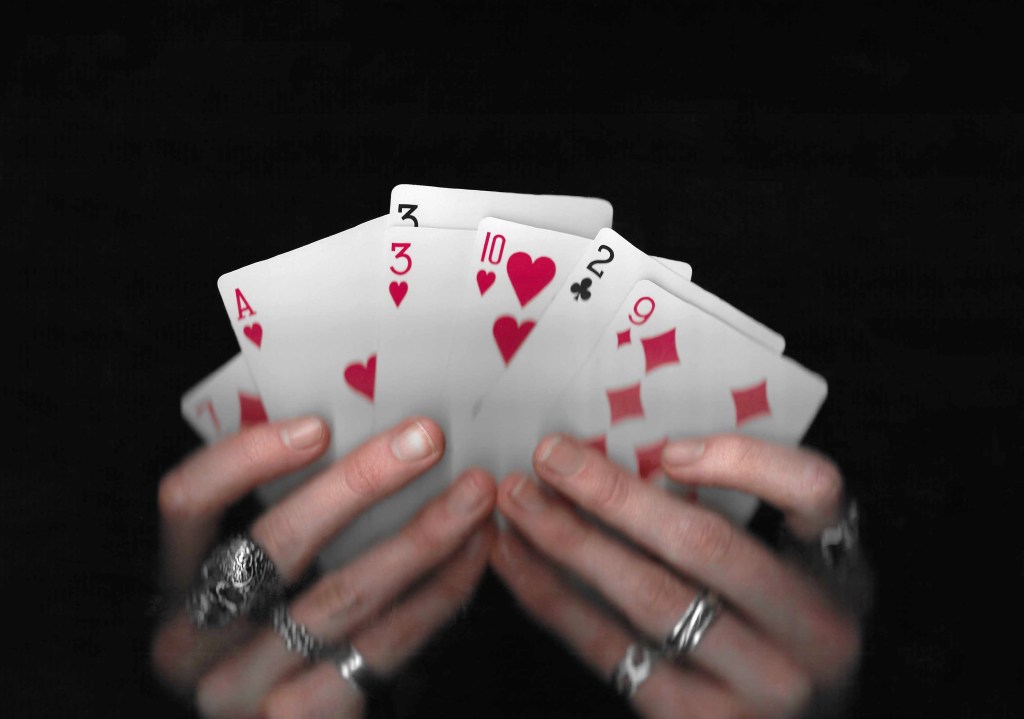
Images from Flickr:
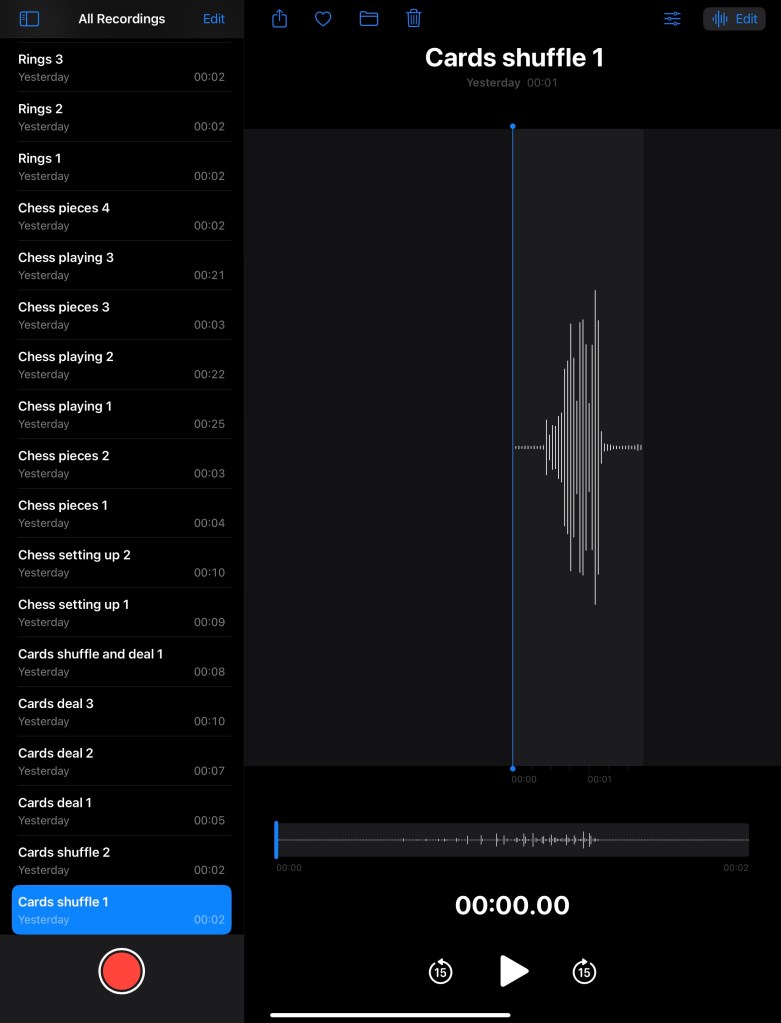
Audios:
In addition to create lots of visual media to use, I recorded a series of sounds related to the images. These included shuffling cards, moving chess pieces on the board and dropping rings. I can use these sounds to overlay videos and animations to provide another dimension to my work.
In this session we got more of an introduction to the Module requirements and started to explore the topic of ‘play’. Below are my notes and ideas from the session and my independent research.
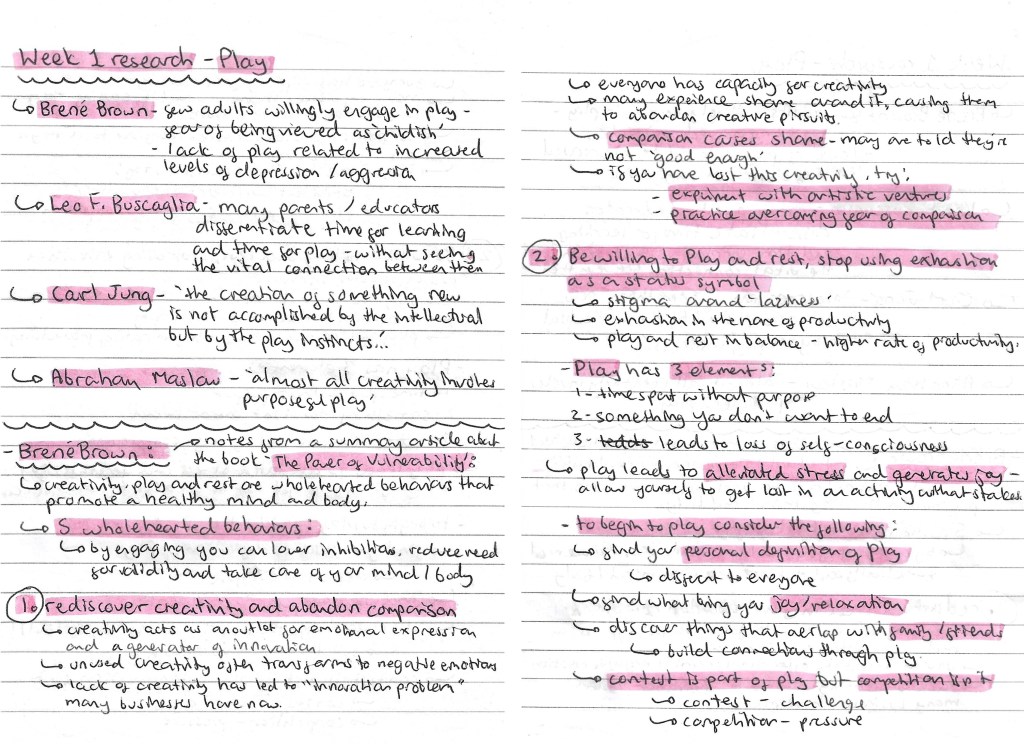
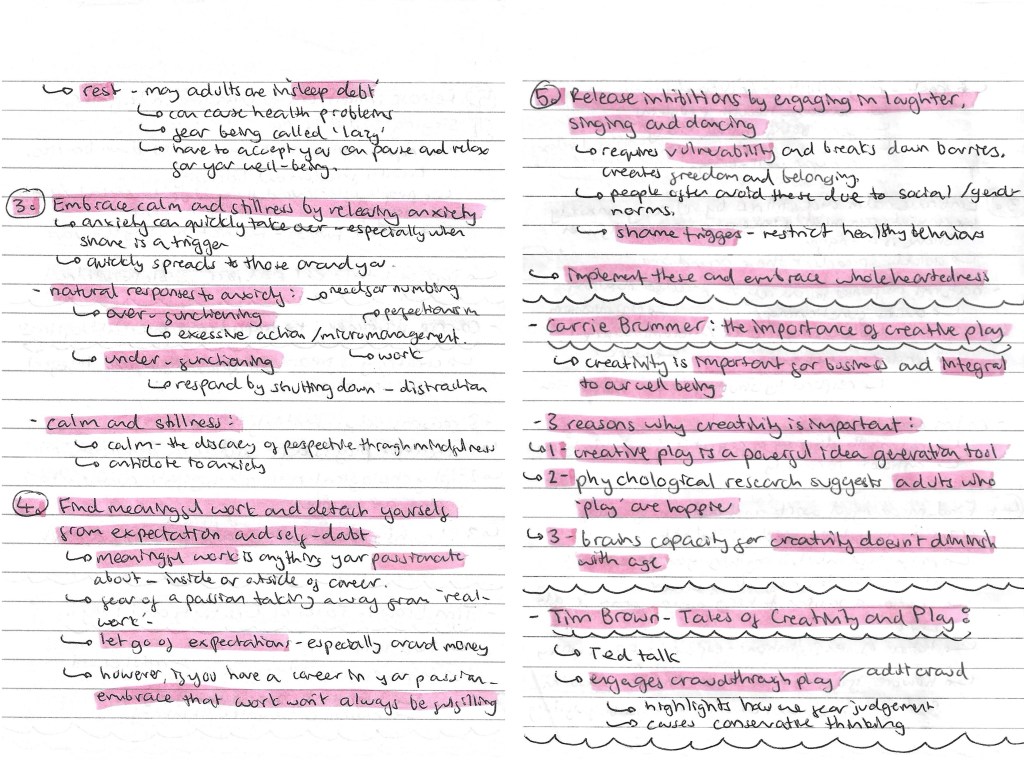
On one of the slides from the power point, there was a list of people who have studied ‘play’, I wrote down their names and the key quote from them. I researched each of them and found Brene Brown’s ideas particularly interesting. He wrote an article called ‘The Power of Vulnerability’ and within this he talks about 5 wholehearted behaviours that promote a healthy mind and body, which I made notes on. I also looked at a couple other people including Carrie Brummer and Tim Brown. The notes on all of these can be found below:
In the session we had an activity where we spoke in group about ‘play’ and answered a series of questions. I made notes and took some recordings of our discussion. I then presented our ideas and answers in this mind map. This was a helpful way to get us to start engaging with the topic of play and thinking about our own perceptions of the topic.
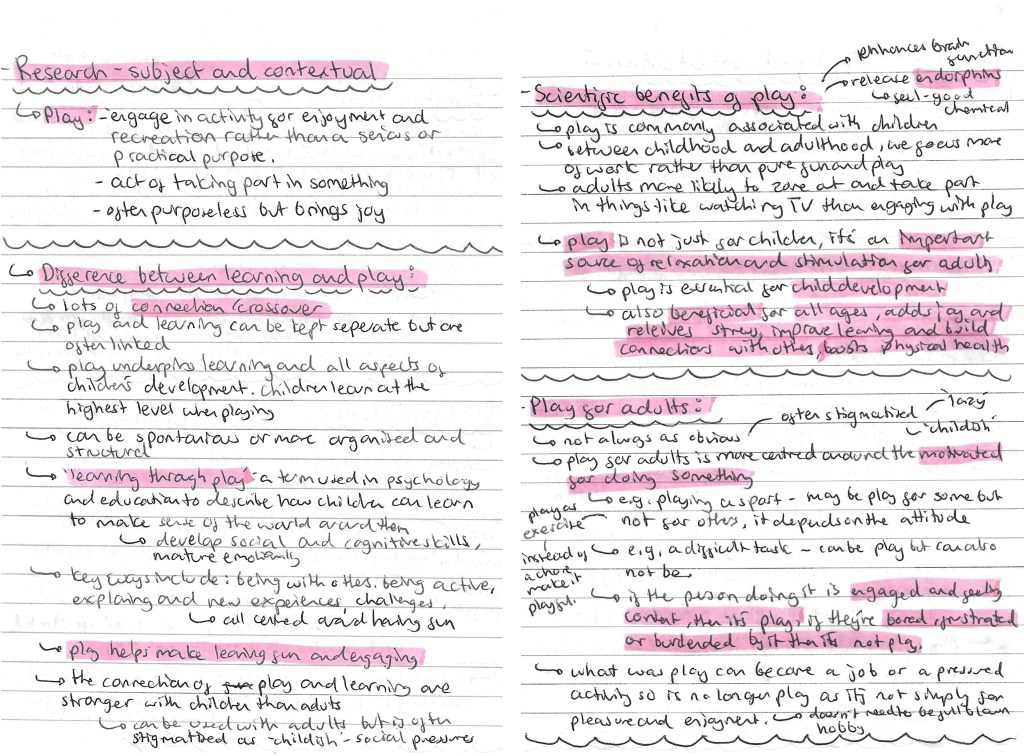
Prompted by the session, I did some subject and contextual research. I looked at the definition of ‘play’, the differences between learning and play, the scientific benefits of play and play for adults. All the research and ideas are below:
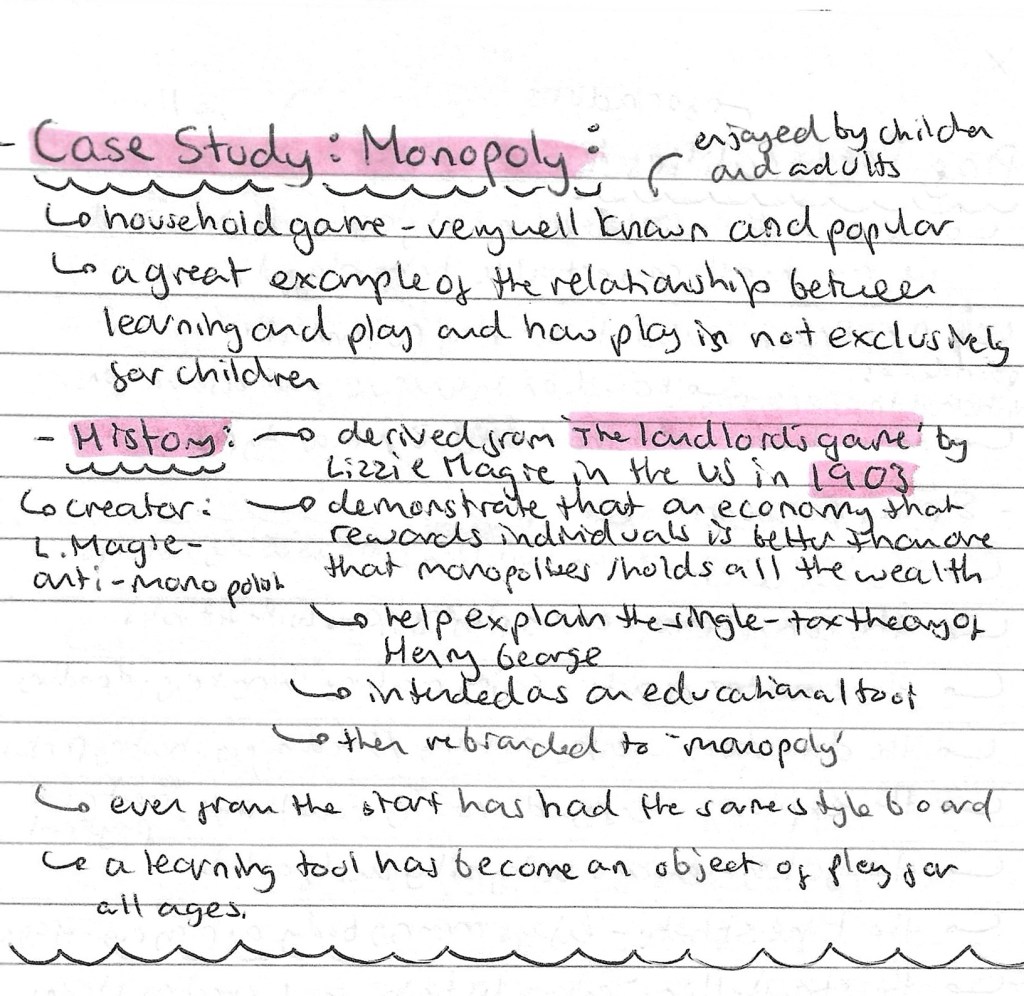
I wanted to pick a famous and popular game to study as board games are one of the first types of ‘play’ that I thought of during our group discussion and is something I’m considering basing my project around. I chose to research Monopoly and found it has an interesting history, starting out as an educational tool and later becoming a game. This is a good example of the fundamental connection between play and learning at all ages.
I found an article by Dr. Brown titled ‘play personalities’ which thought was an interesting idea so I made some notes of the 8 ‘play personalities’ and what each one means.
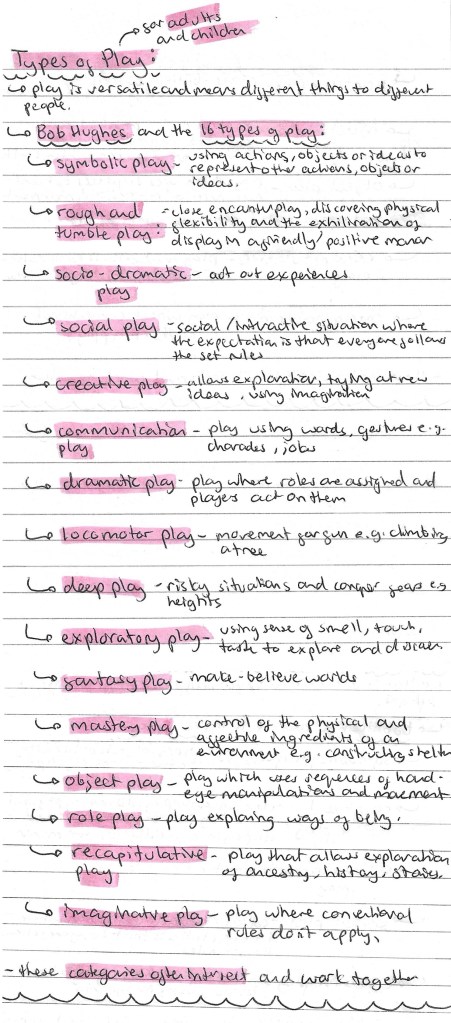
To get a comprehensive understand of what it means to ‘play’, I researched the different types of play for both adults and children. I used Bob Hughes’s article about the 16 different types of play.
I made a list of different objects of ‘play’. Objects of ‘play’ is something we talked about in our group discussion so I wanted to make a list of all the different objects and activities I could think of. This was a good way to start generating ideas for the project. To help me I divided the objects into creative/making, games, activities/outdoors and other.
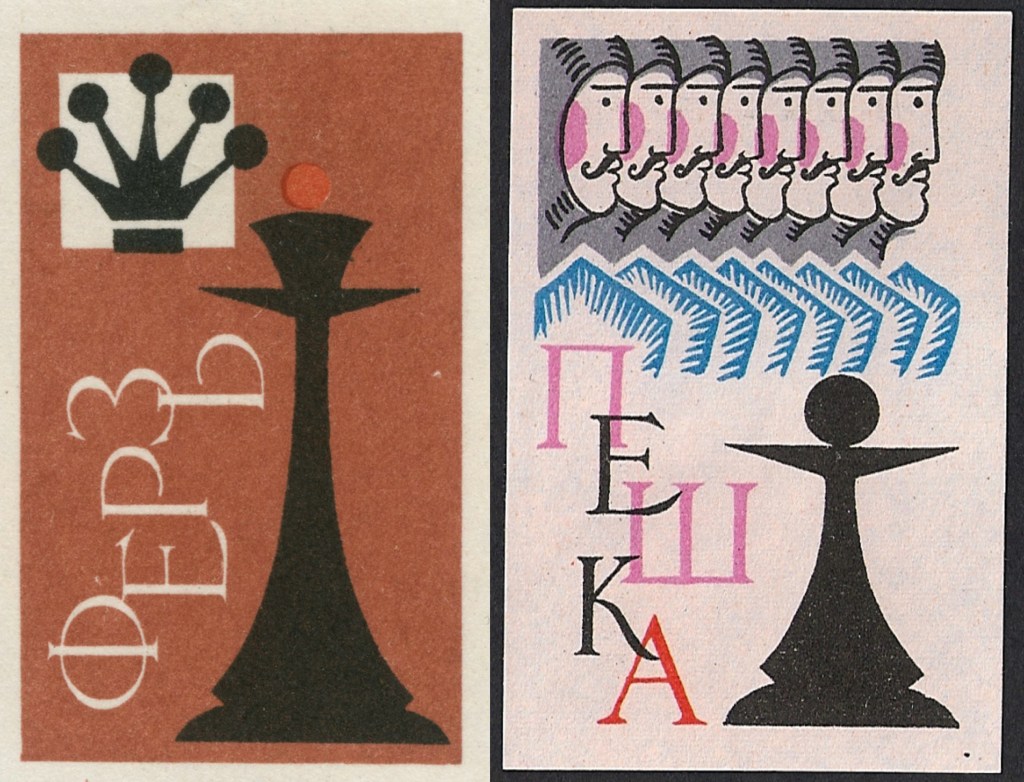
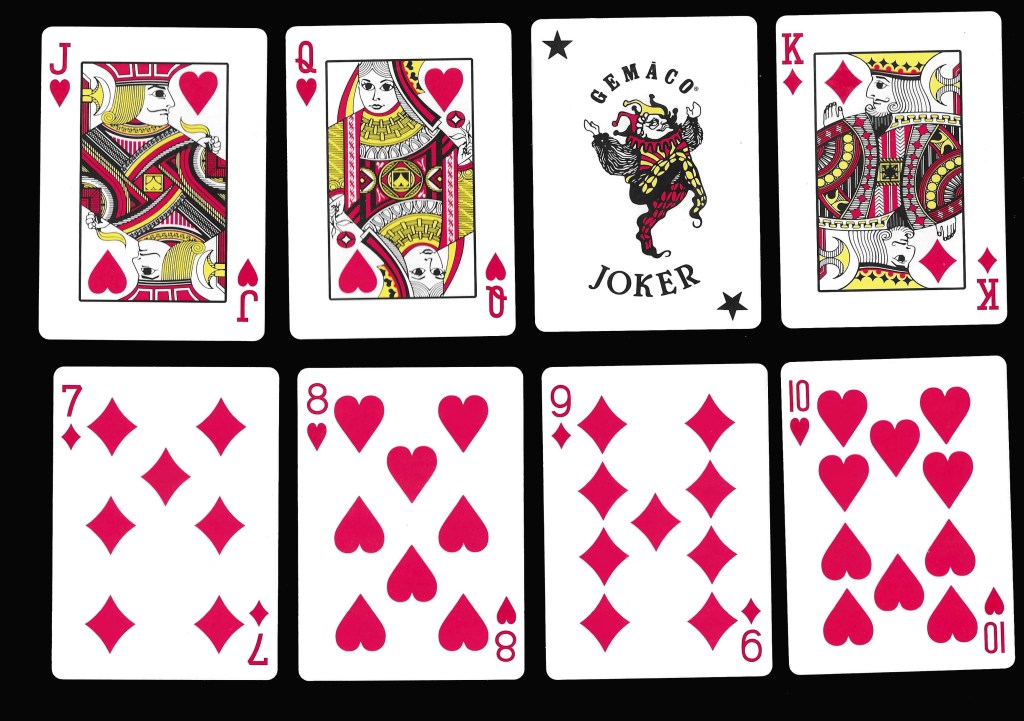
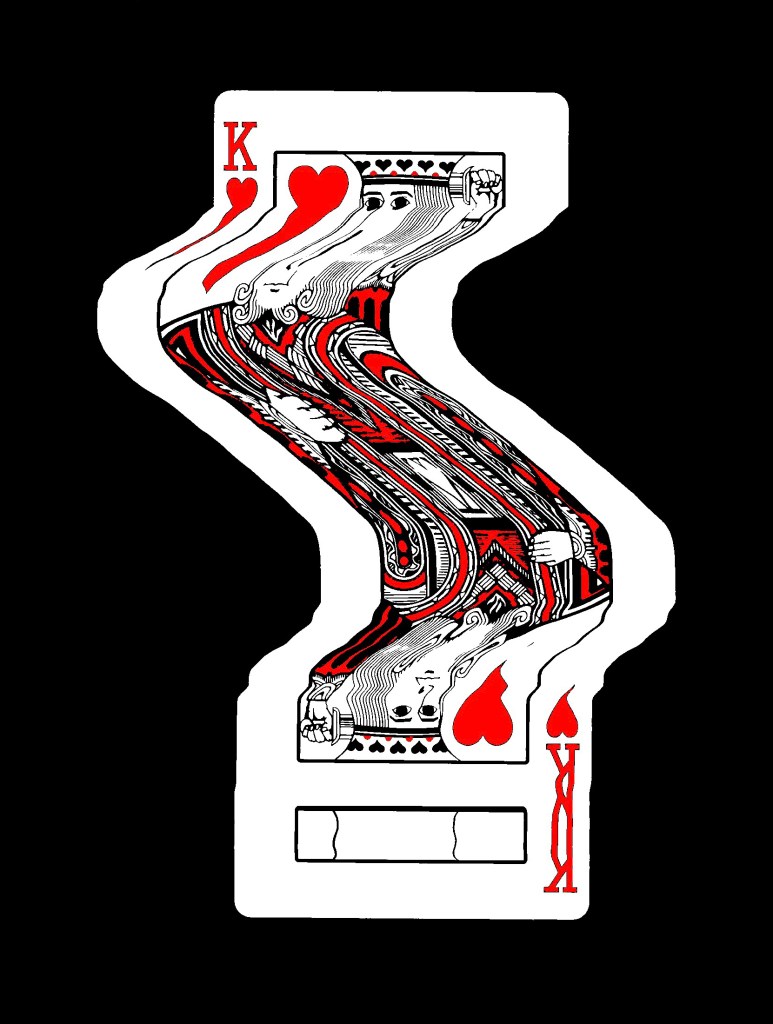
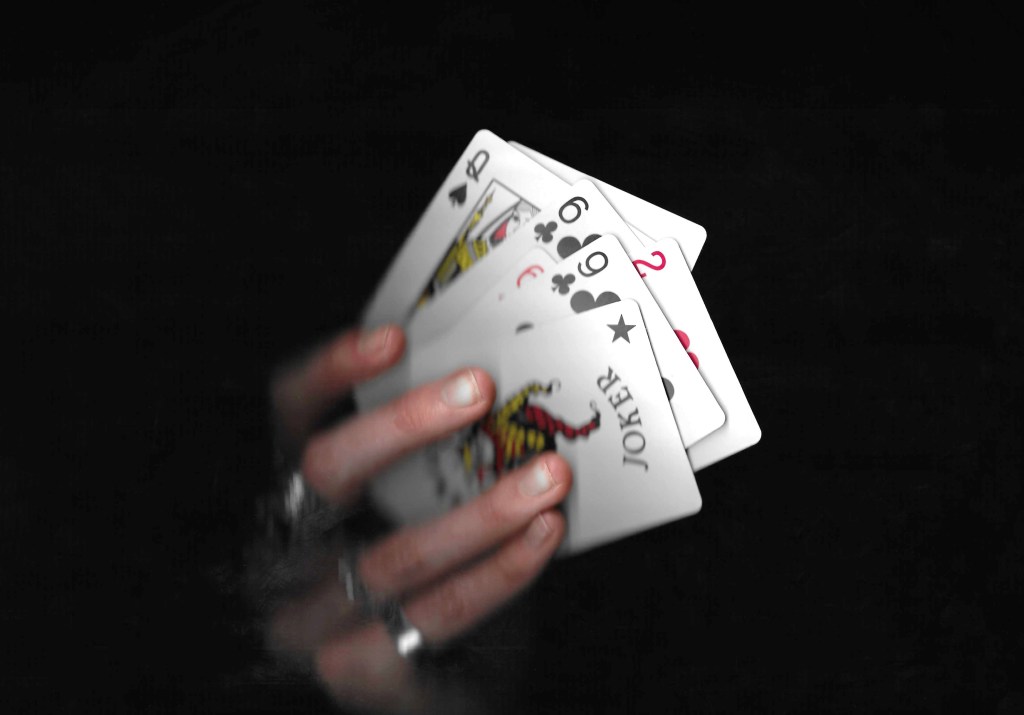
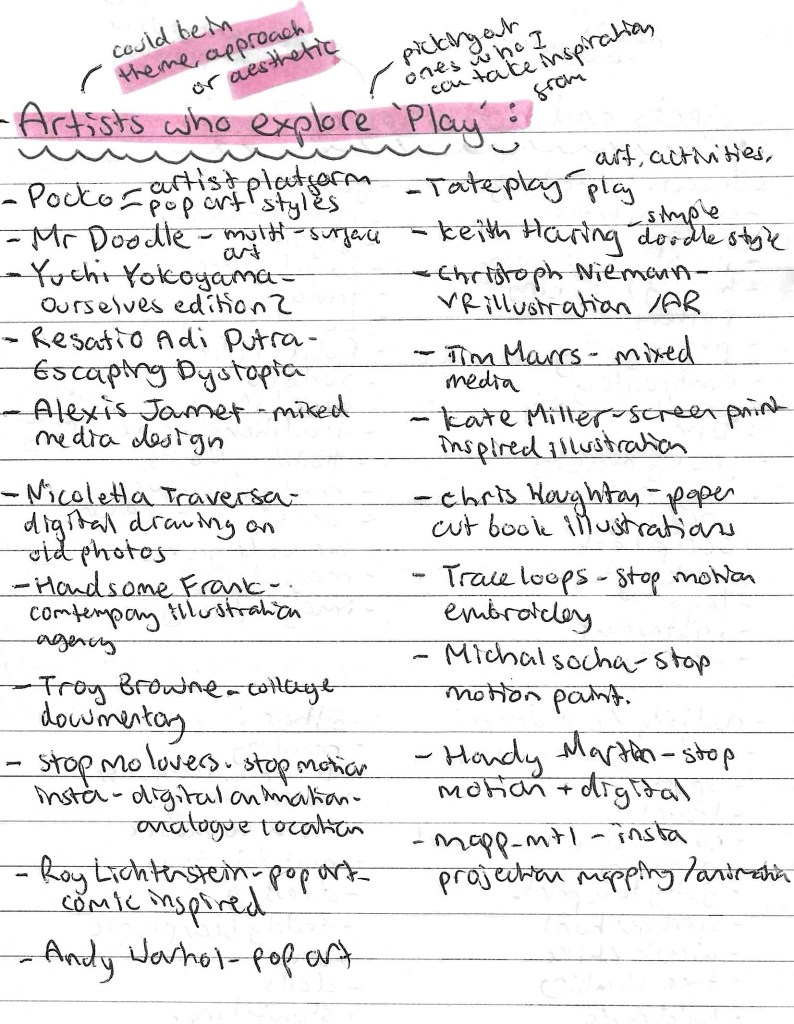
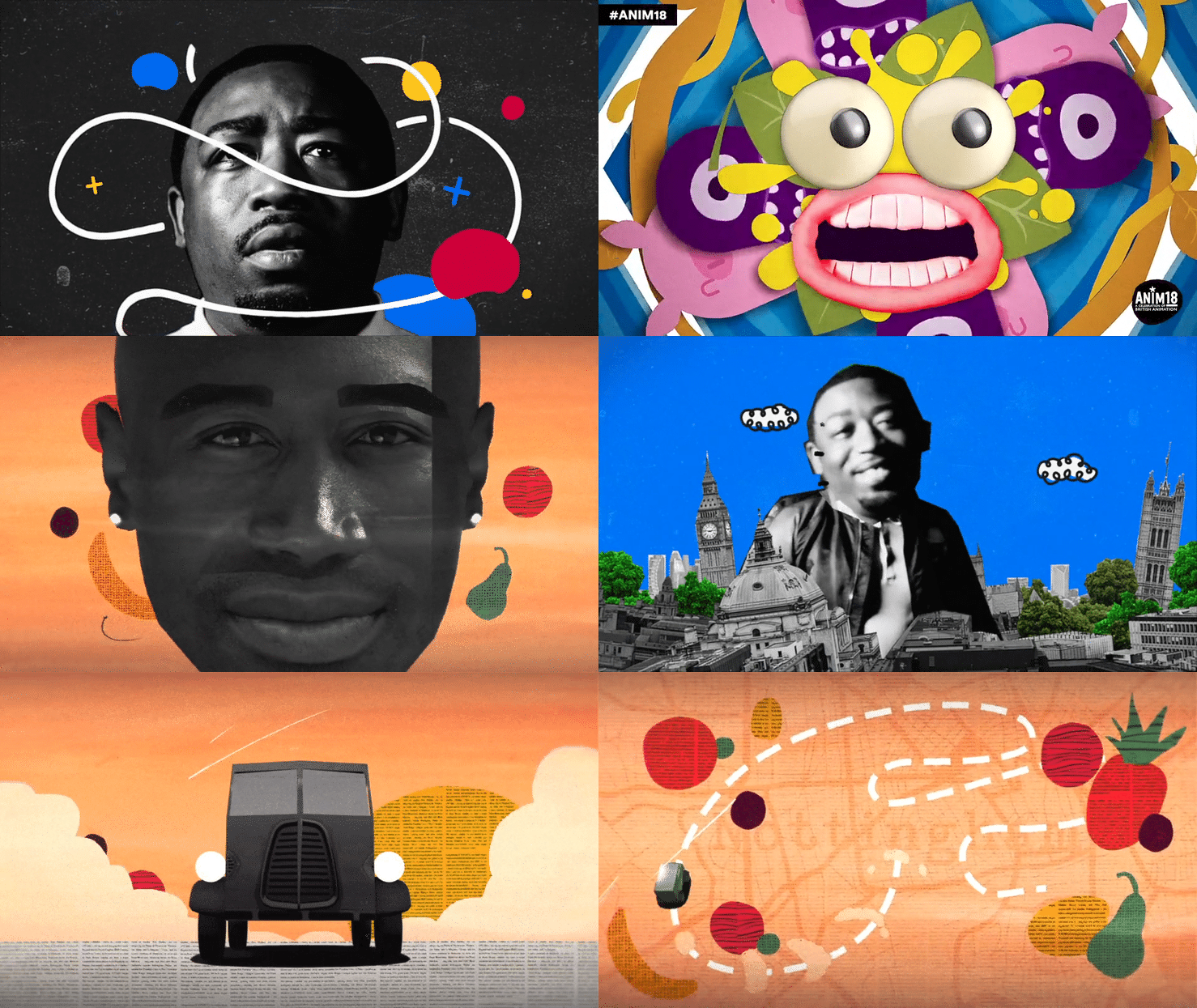
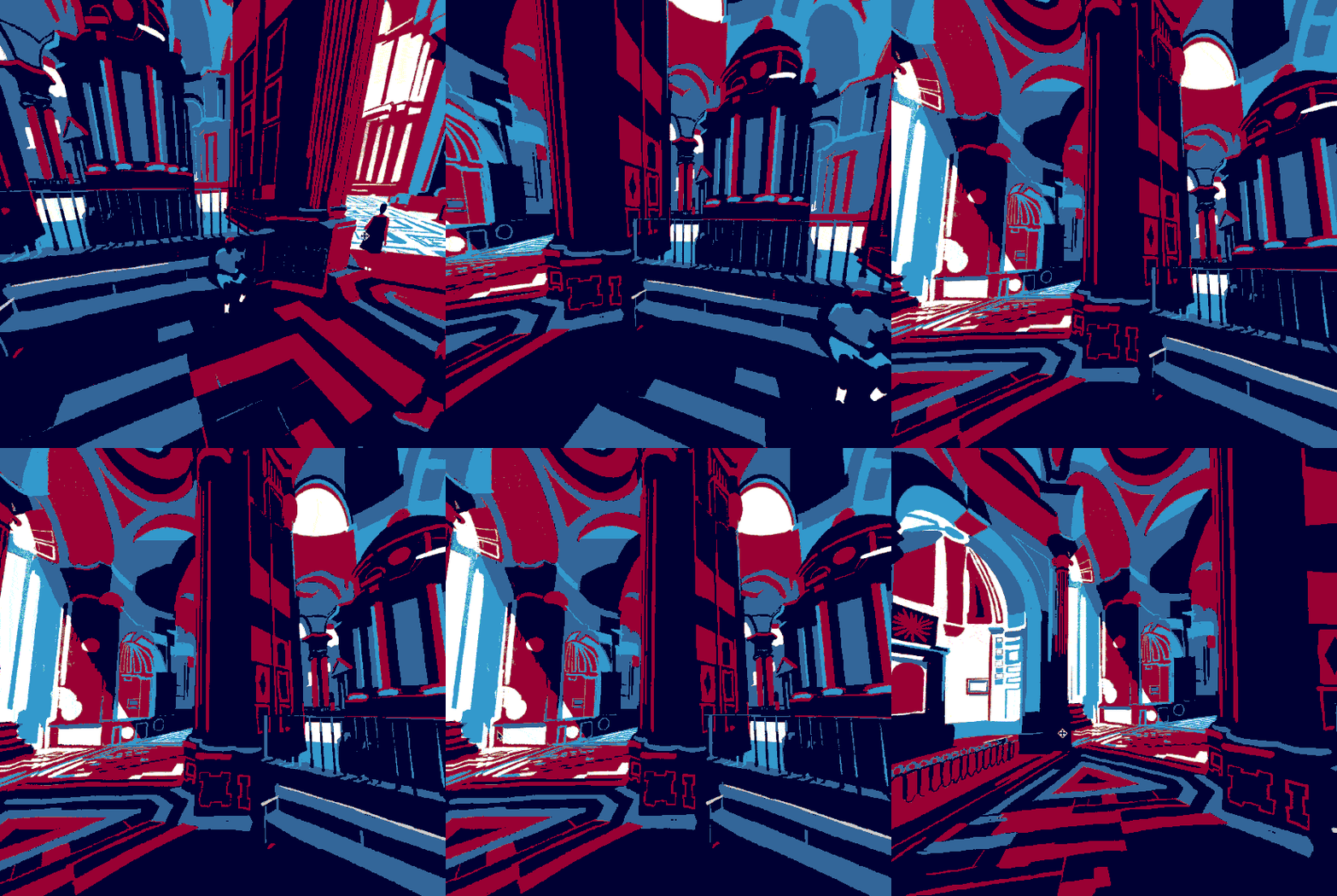
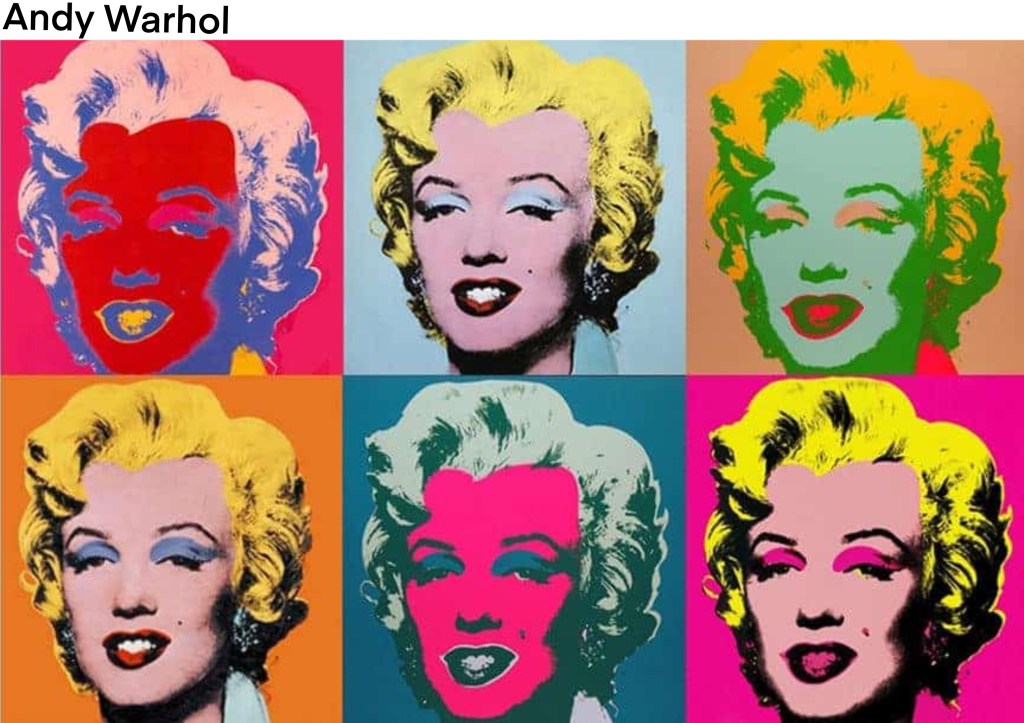
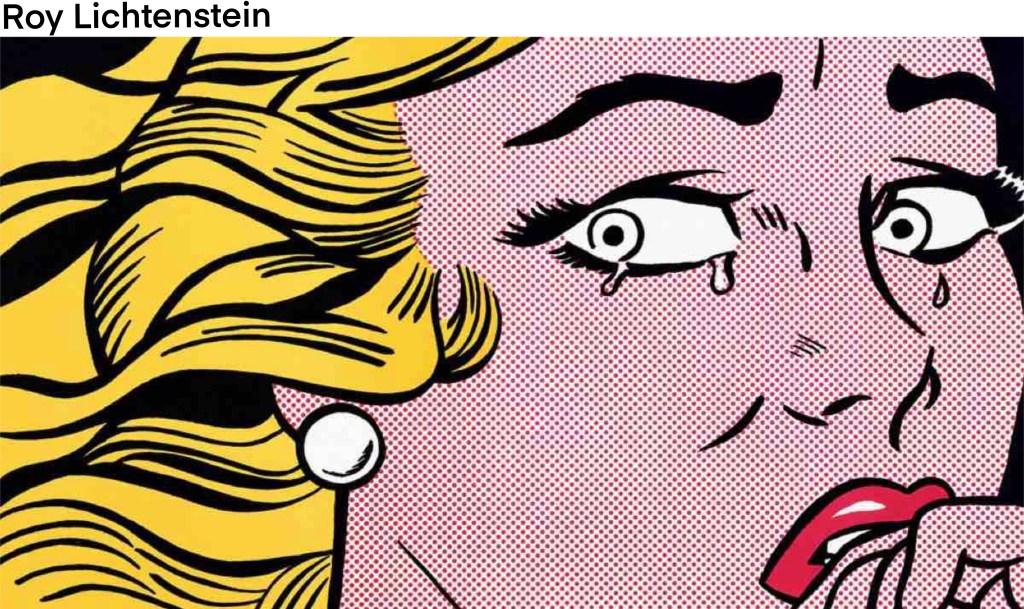
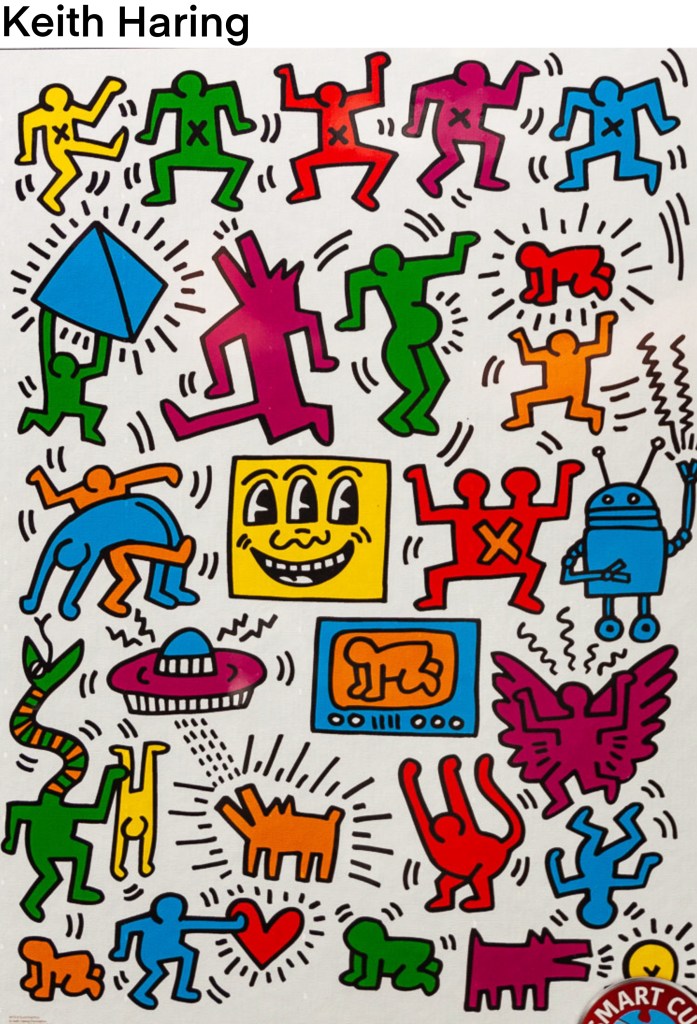
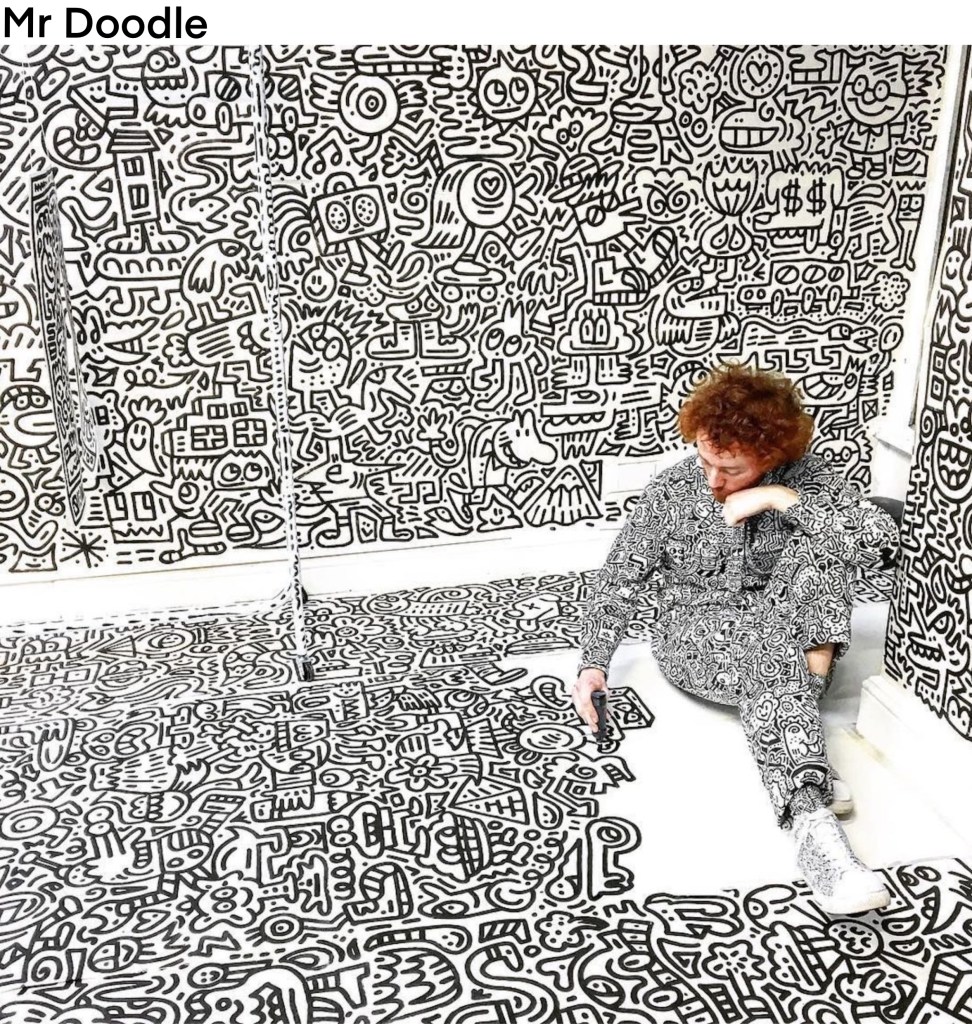
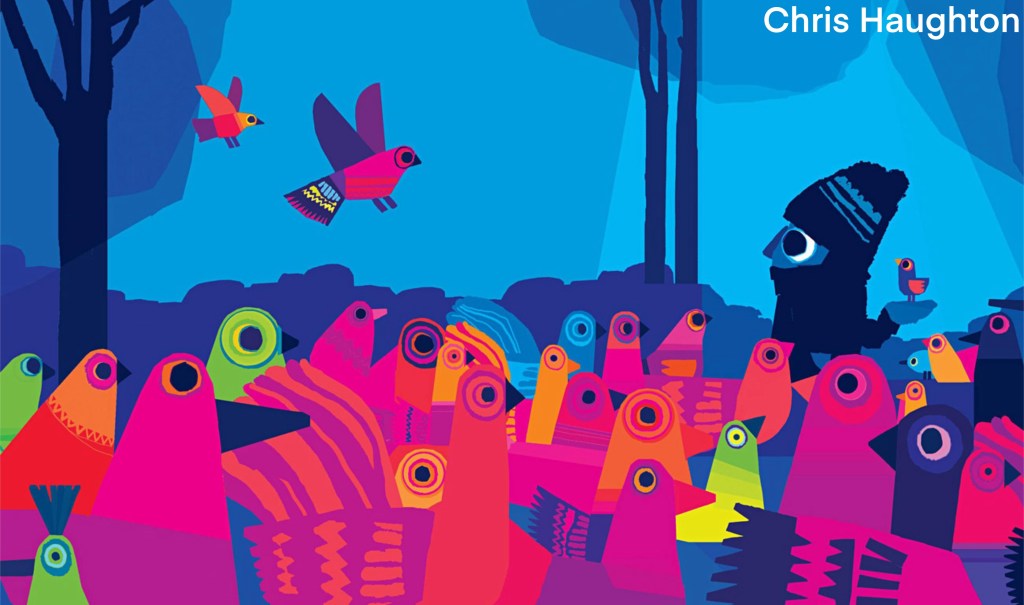
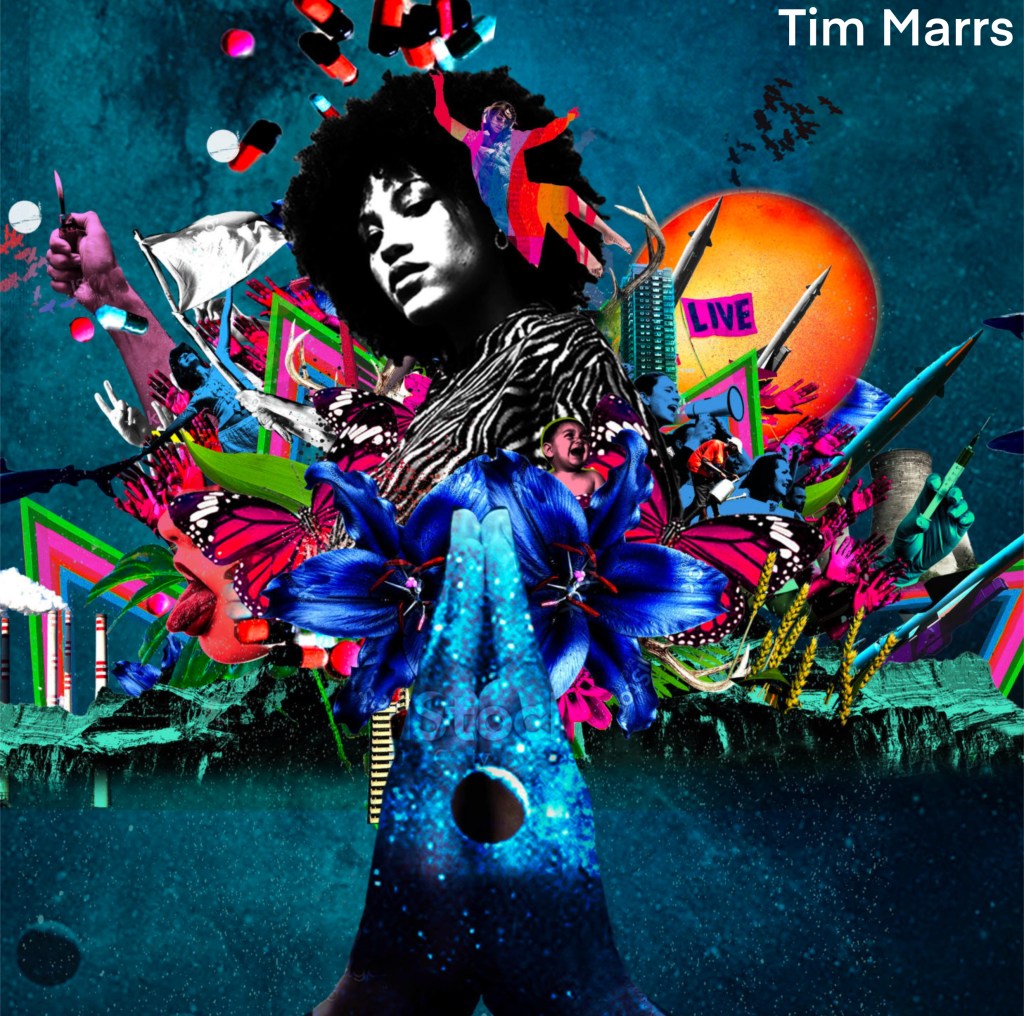
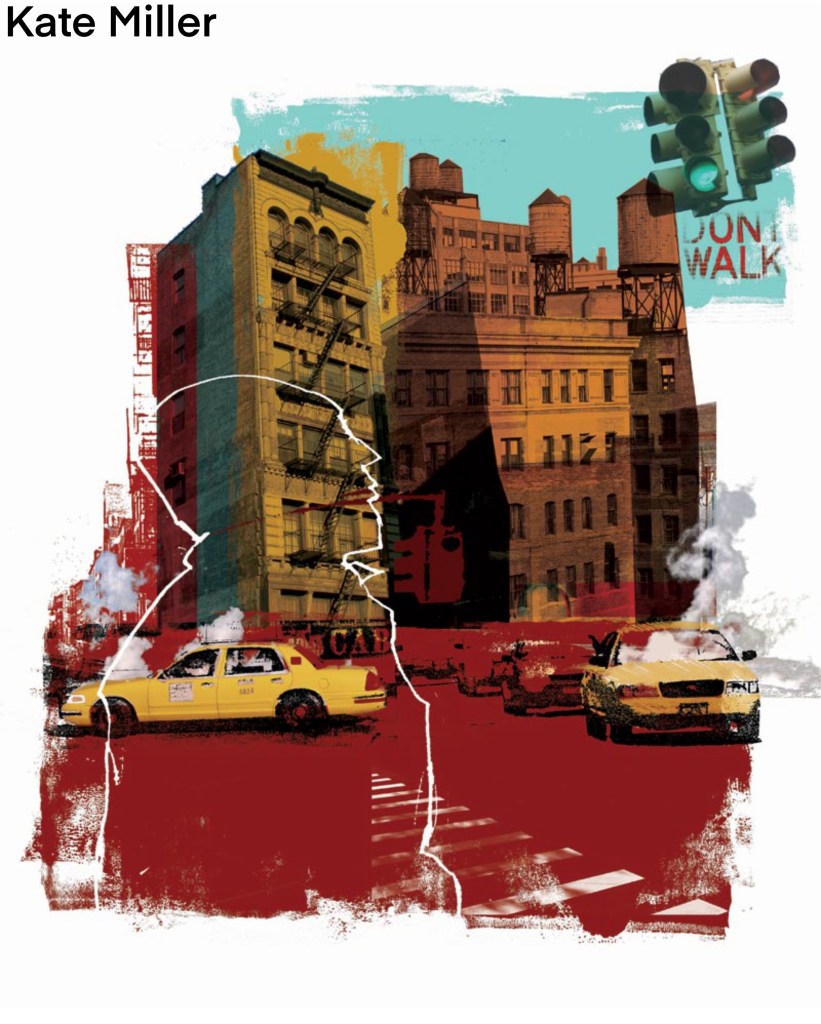
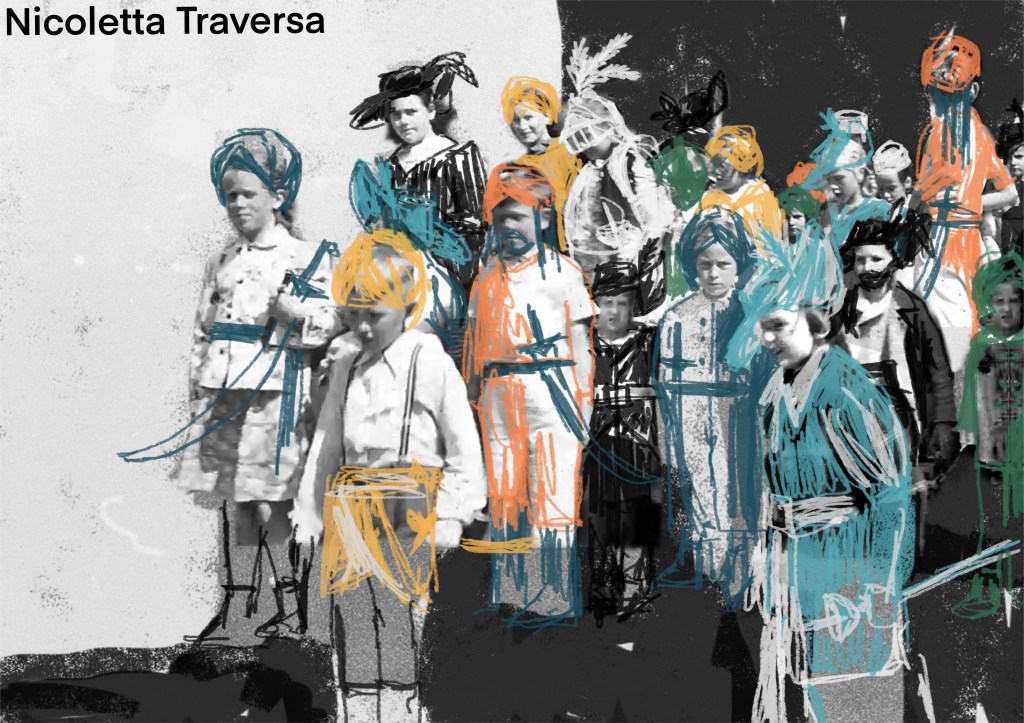
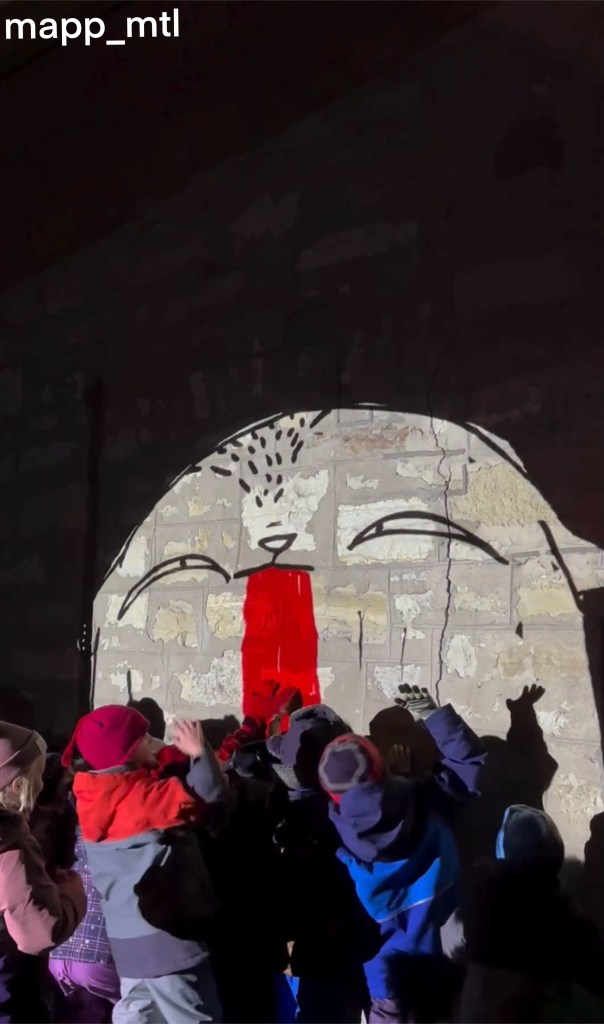
I also researched artists that explore ‘play’ either through their theme, approach or aesthetic. Below is a list of artists whose work I liked and found inspiring for the project. I made a note of the type of art they create and have included images from the artists mentioned.

























 Samuel Green Illustration