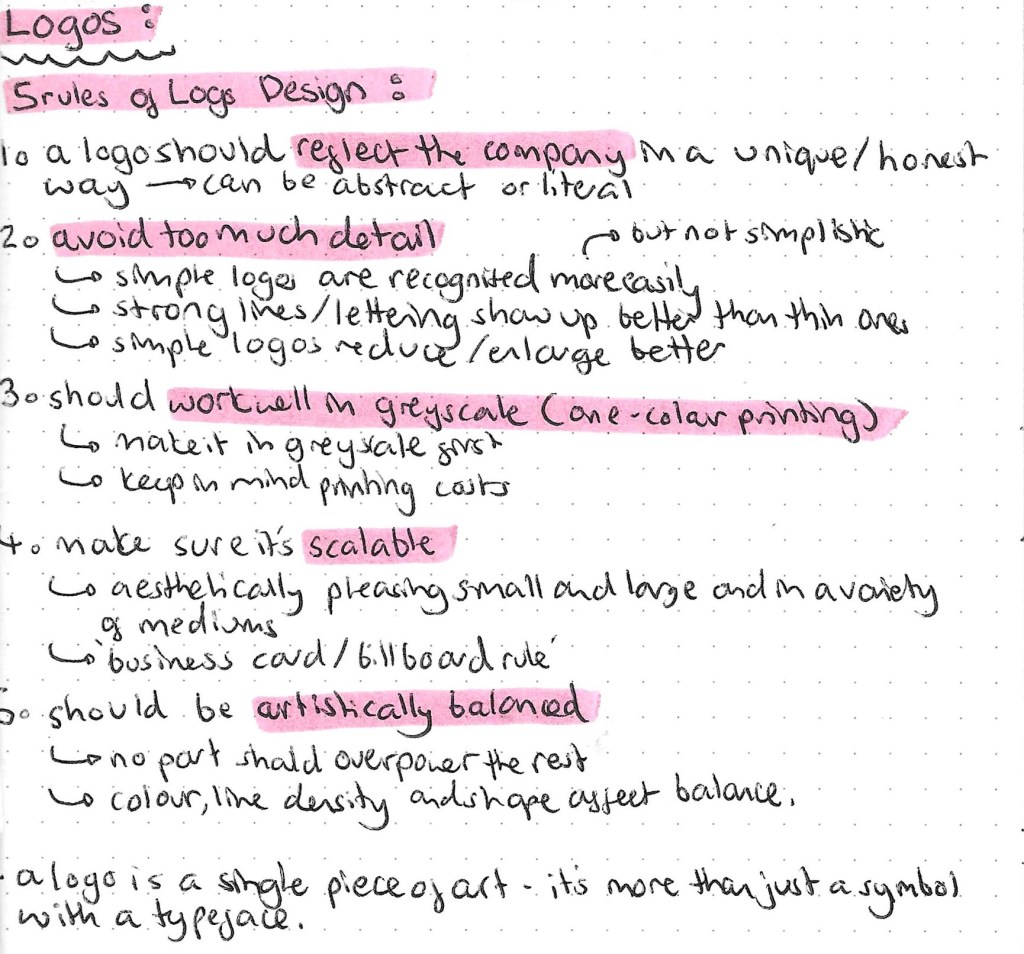
Another key aspect of constructing a brand is to create a logo that represents the brand identity, value and service/product.
These are the 7 different types of logos. It’s important to understand what all 7 are, the differences between them and the reasons for choosing each one. After learning what they all are and looking at examples of each type I think my favourite types of logos are pictorial and mascot logo such as Apple, WWF and Pringles. These are examples of iconographic logos. I feel like they’re the most fun and visually engaging. However, depending on the brand these may not always be appropriate for example the BBC uses a letter mark logo and this is perfect for their more serious brand identity.
Letter mark logo example:
Word mark logo example:
Pictorial logo example:
Abstract logo example:
Mascot logo example:
Combination logo example:
Emblem logo example:
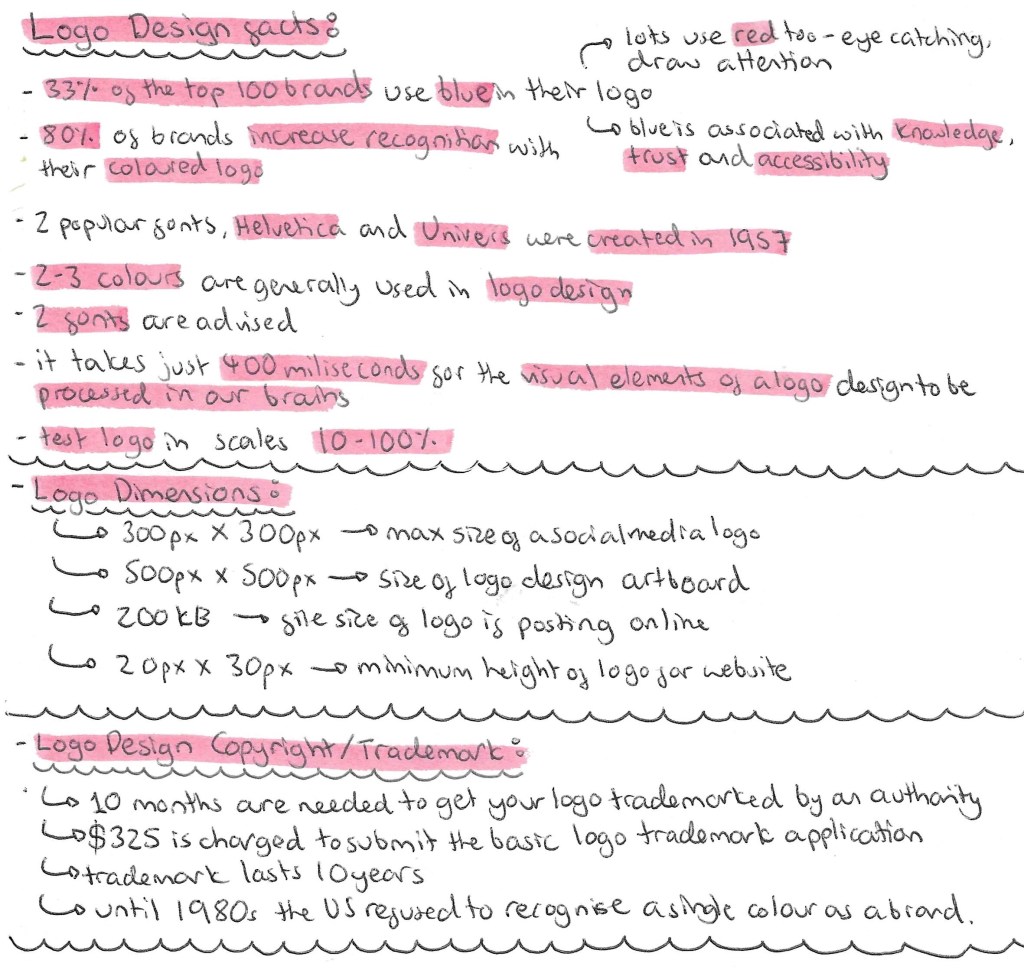
When designing it is often advised to make it fit within a contained shape such as a square, rectangle or circle and this makes it easier to place in both digital and physical media. This isn’t always the case but can make product design easier.
A logo should be a vector. A vector’s main advantage over its raster counterparts is its infinite scalability, you can scale logos up or down without loss of resolution and quality. In addition to being scalable, vector logos are easily editable. The best logo making software is Abode Illustrator. I usedIllustrator last year as part of the Digital Arts module but wasn’t overly confident with the software so will spend lots of time practicing as it’s an important industry standard software. Below are some keyboard shortcuts that will help with using Illustrator:
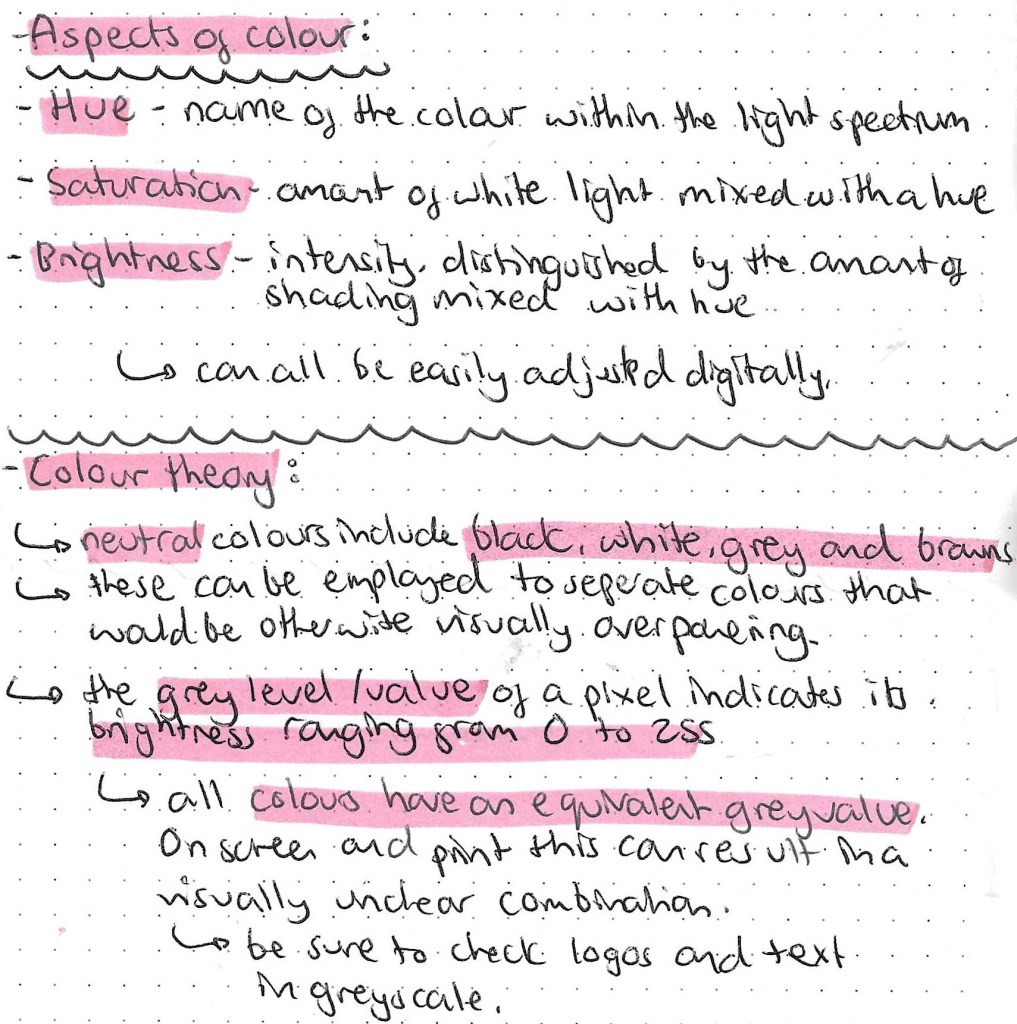
In this weeks session we looked at 3 key graphic design elements that go into creating any successful brand, the logo, colour choices and typographic choices.
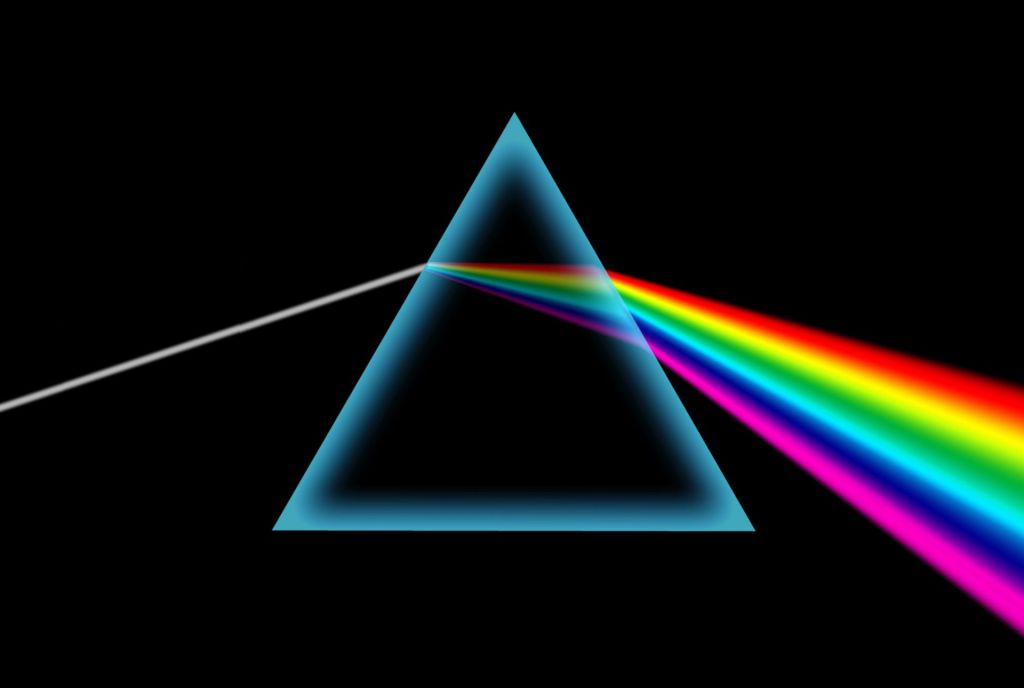
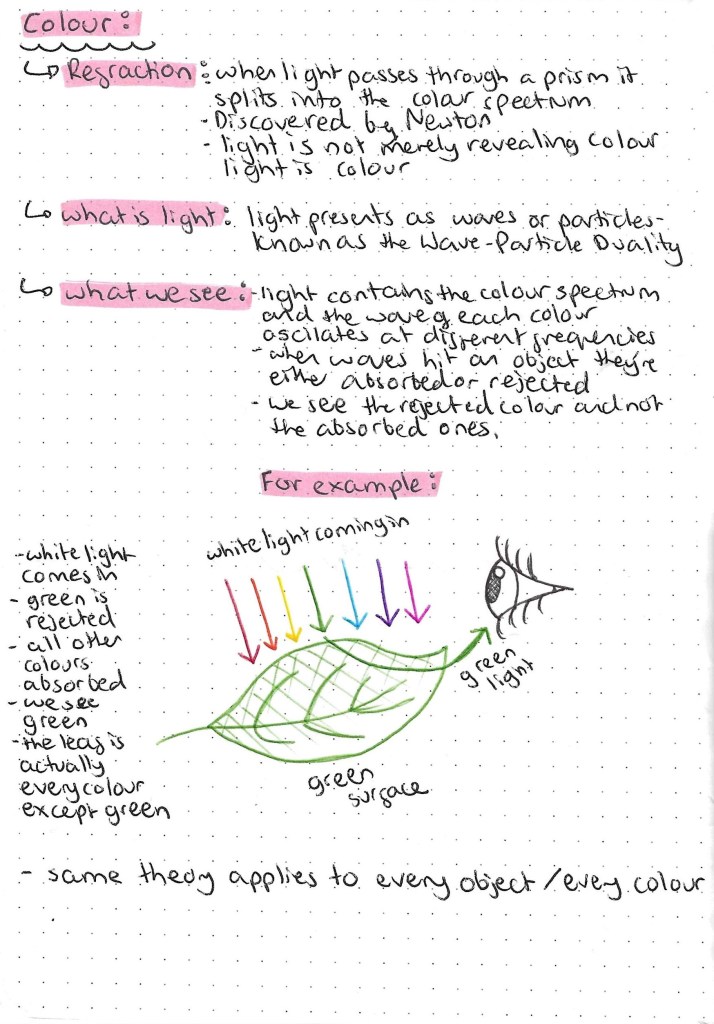
I find the science behind light a interesting topic so I’ll be exploring this further. Also the idea that an object we see as green actually being every colour but green is very interesting and quite confusing so I tried to depict this is a simple way with an illustration.
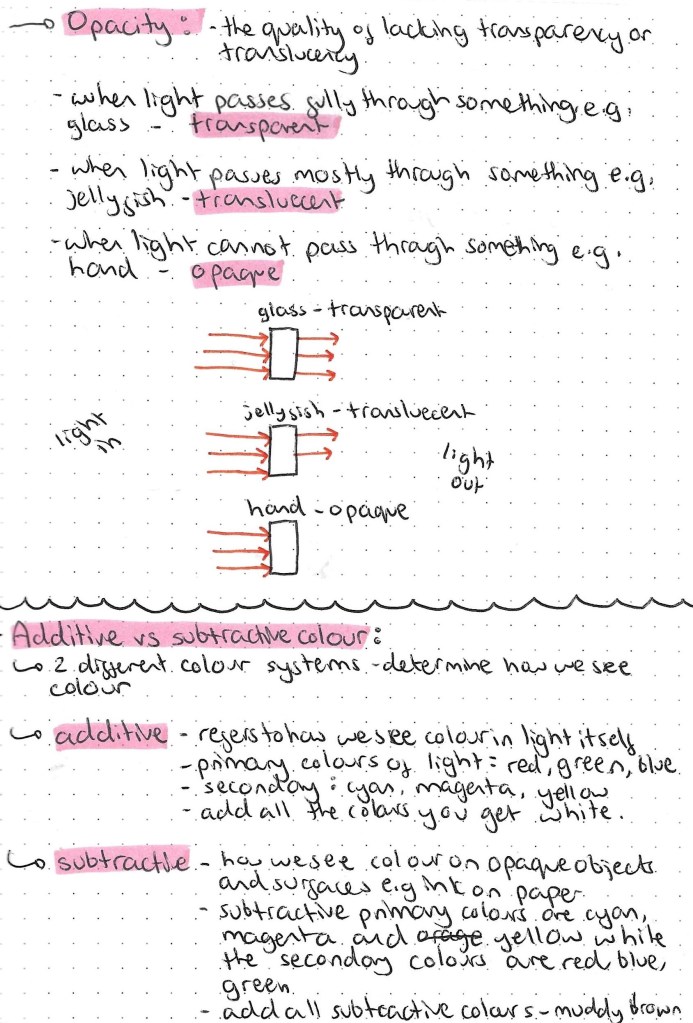
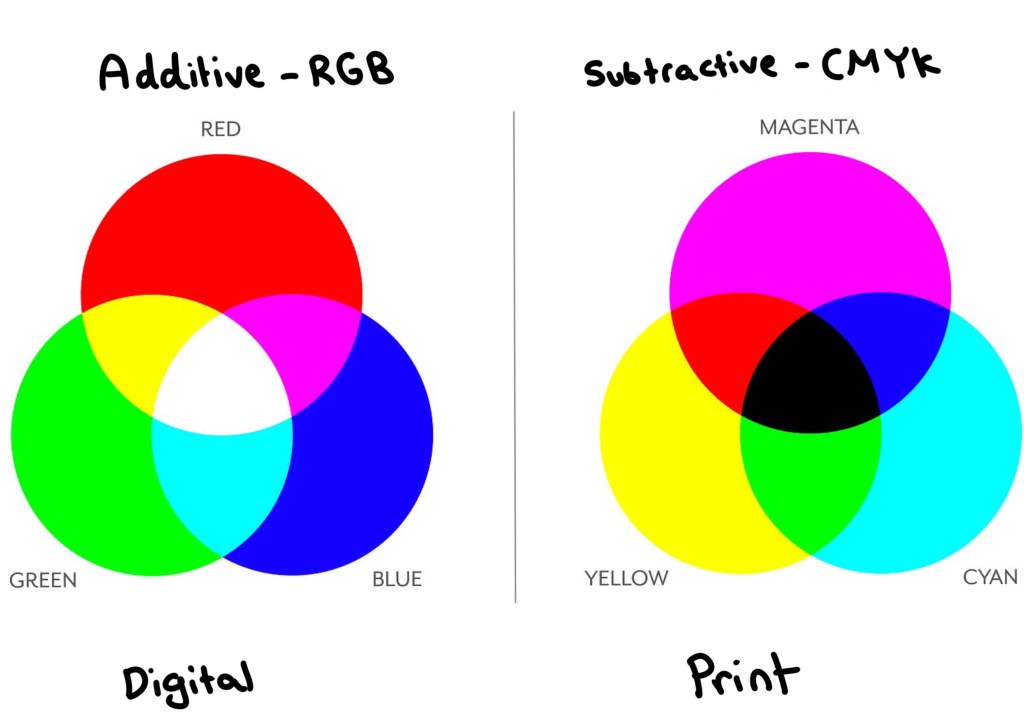
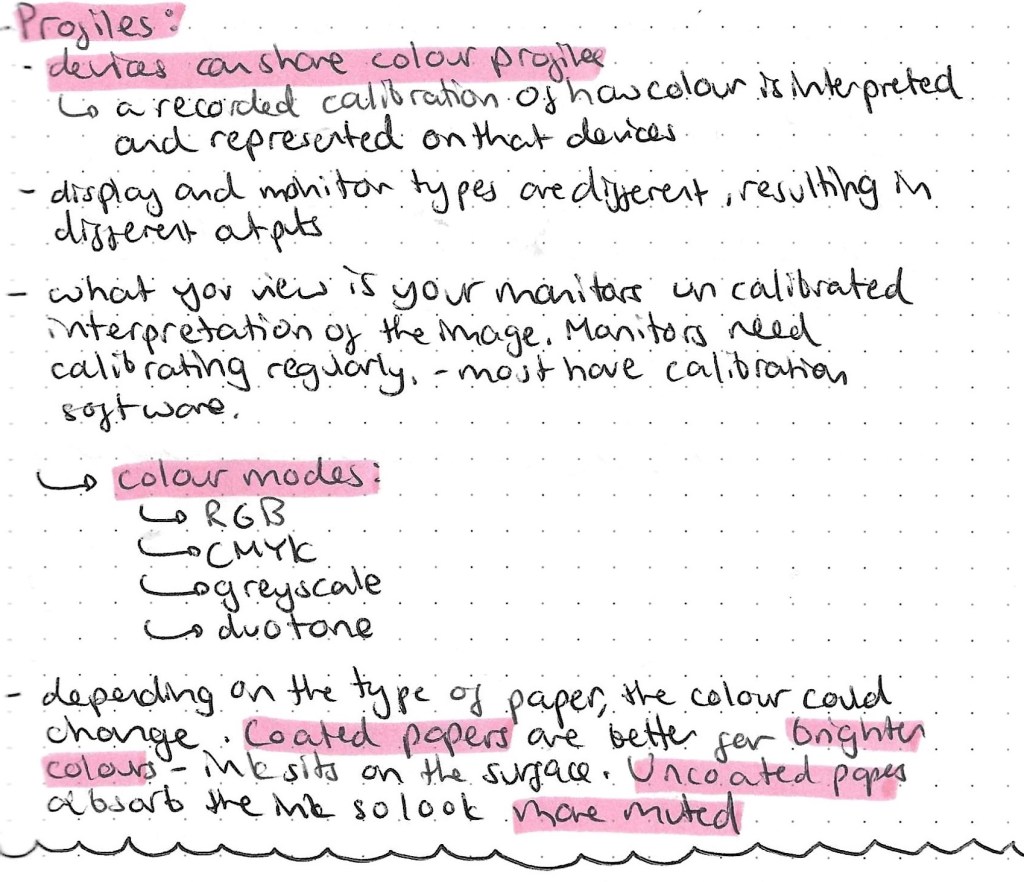
Understanding the different between additive and subtractive colours is key to anyone doing graphic design based work. The image below contains all the key information needed. I think the main take always from this research was the RGB is the colour mode used when your work will be viewed on a screen and CMYK is the colour mode used when your work will be printed. It’s easy to change colour modes on apps such as Adobe Photoshop.
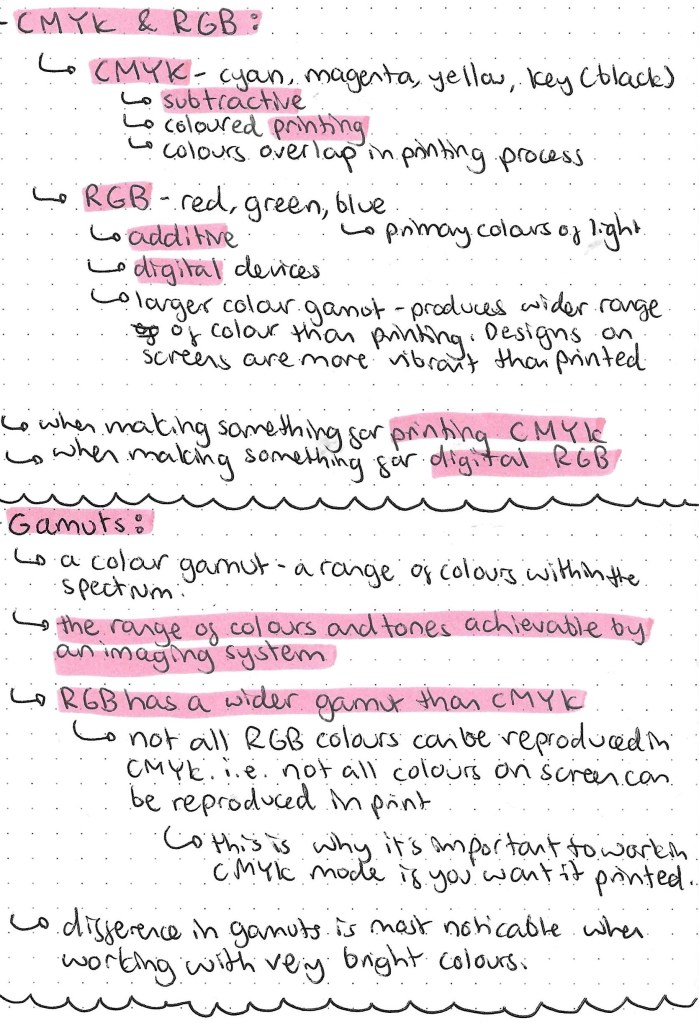
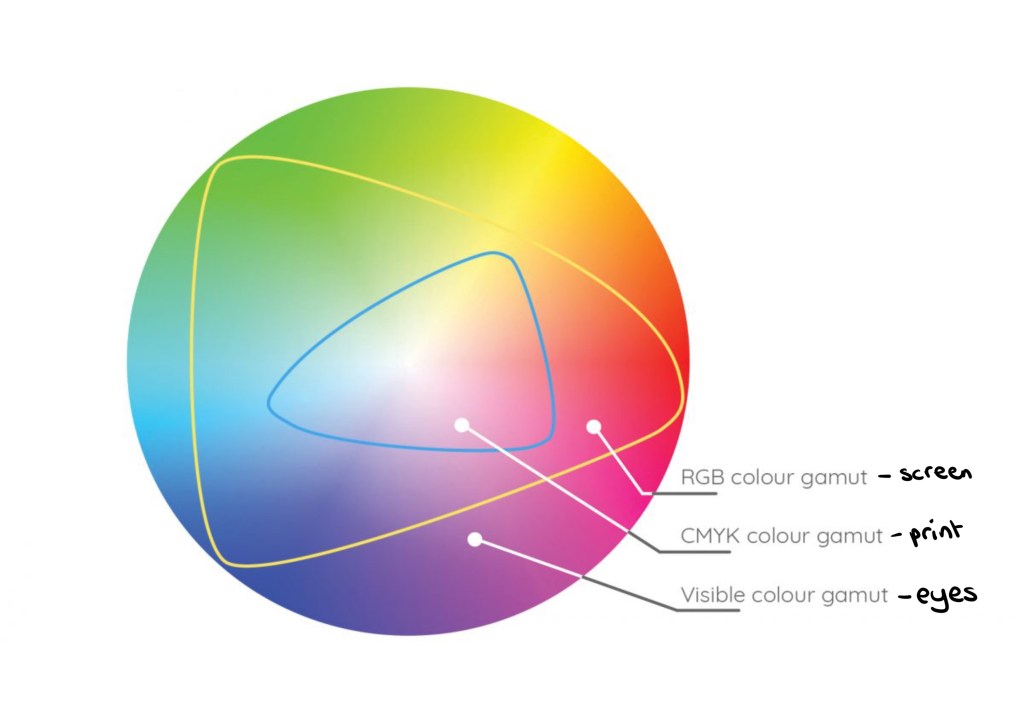
The image below shows the different gamuts, colour ranges, that can be achieved in different formats. Our eyes have the biggest colour gamut, then the RGB screen mode then CMYK print has the smallest gamut.
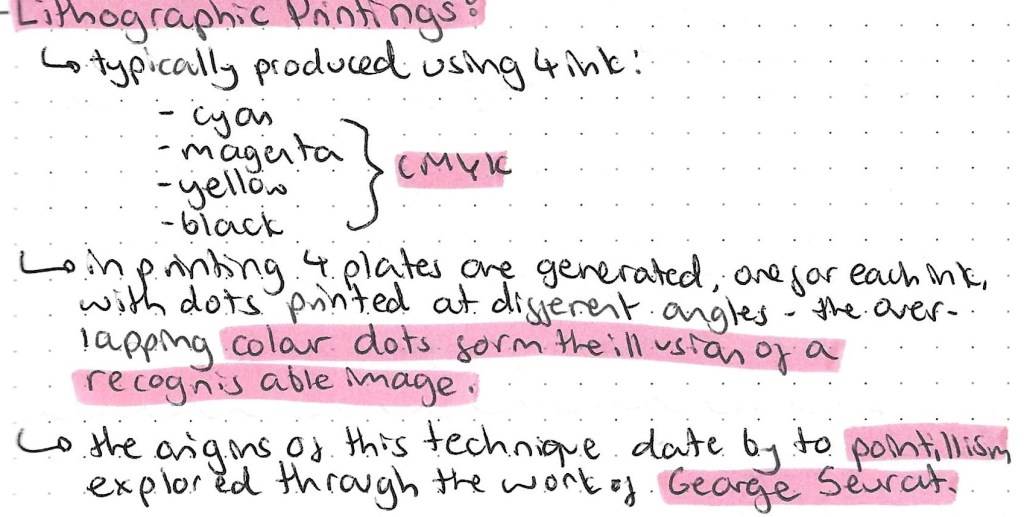
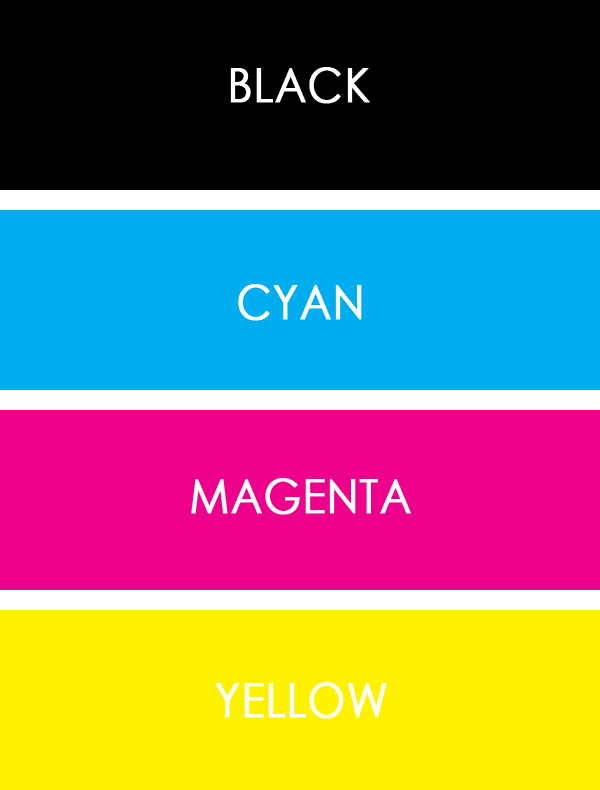
Prior to doing this research I had actually seen Lithographic printing but just didn’t really understand it. I have a mini Canon printer at home and you can see the image as it goes through the different stages. First the yellow gets printed, then the magenta, then the cyan and finally the black. This builds up to form a whole images. By the end of the process you wouldn’t know that only 4 colours had been used.
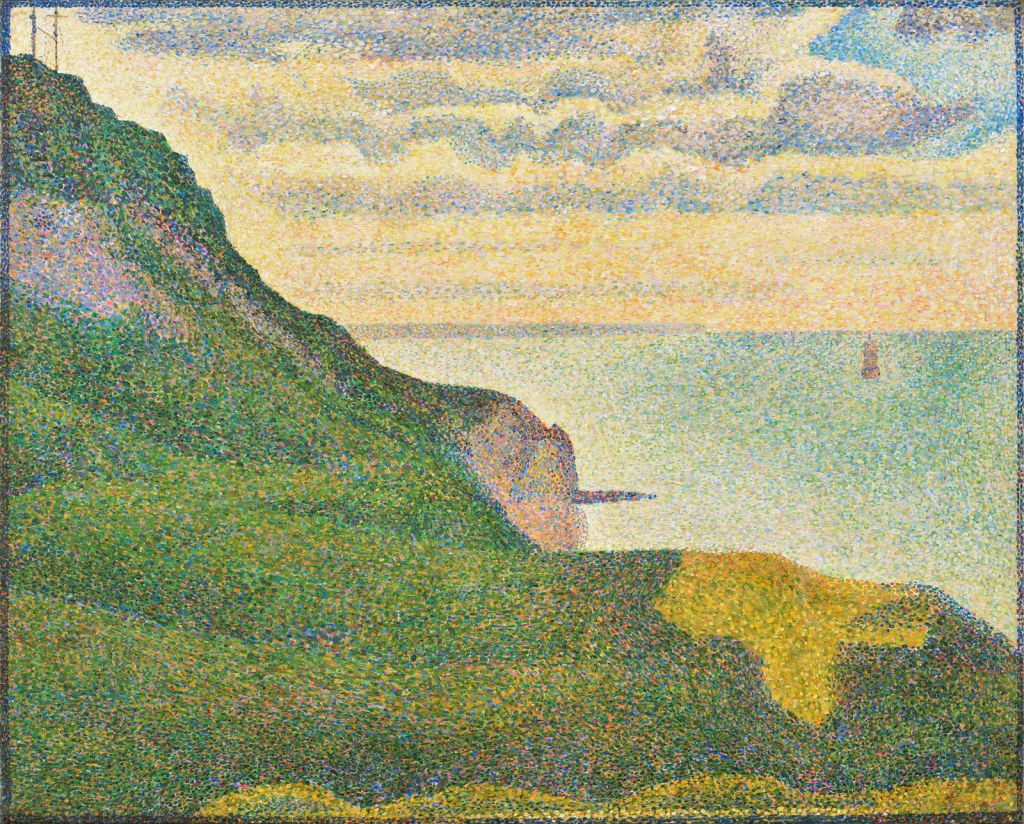
This is an example of a pointillism painting by George Seurat:
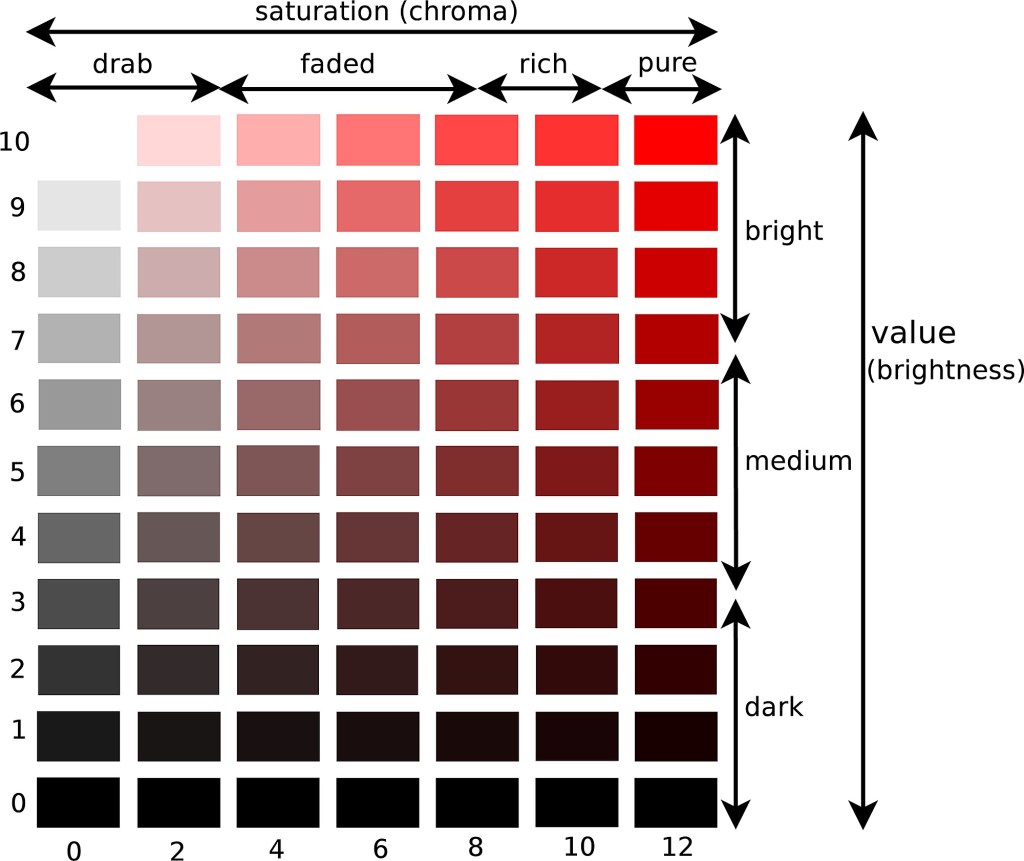
This image clearly shows the relationship between hue, saturation and brightness:
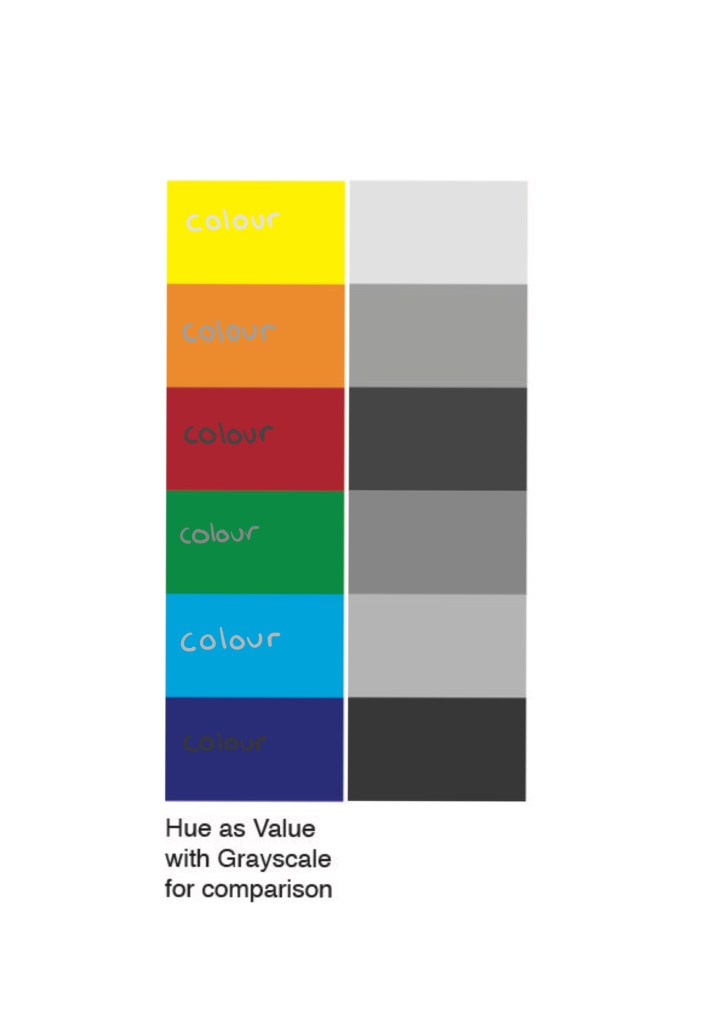
On the left is the hue and on the right is the grey value. As you can see when the 2 are combined it becomes difficult to read and uneasy on the eye. So when designing a logo or making colour choices it’s important to test the hue against its greyscale value.
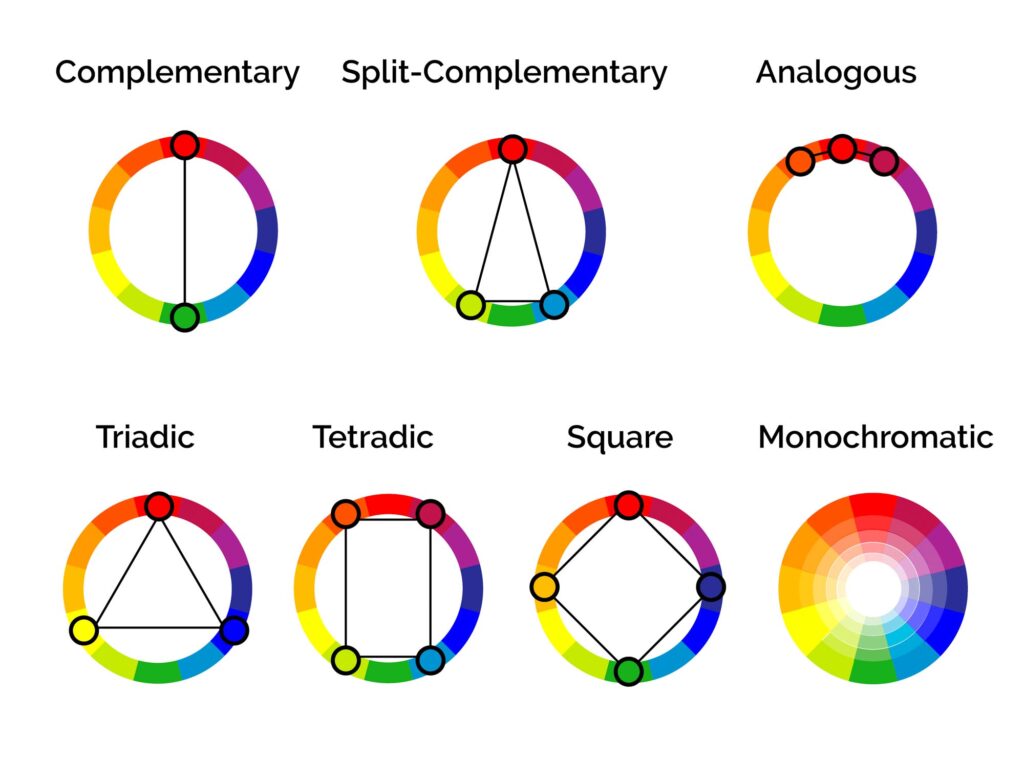
These are several different colour relationship that are important to know before deciding on a colour palette. Most brands have between 2 and 4 main colour in their palette.
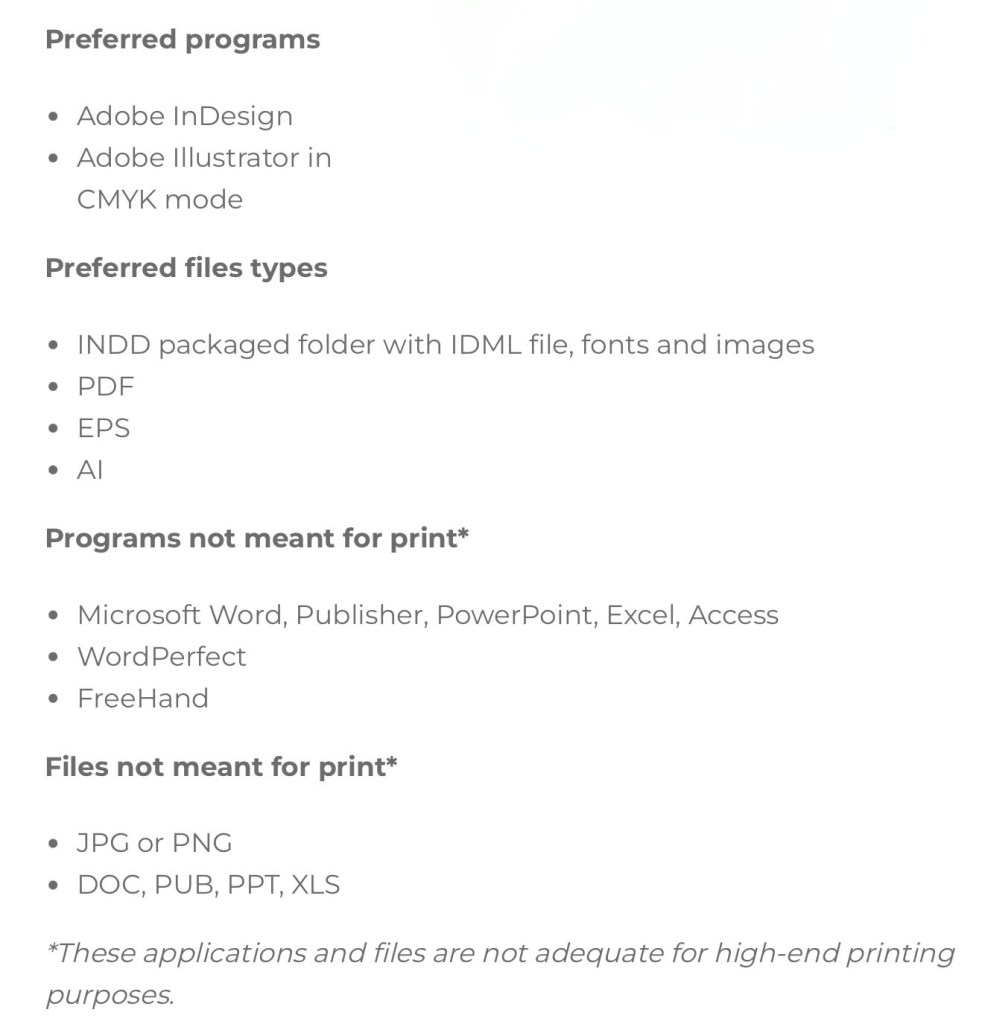
This is a helpful list about the more technical side of printing in colour with suggestions of what file types and programs to use.
The Pantone Color System, or PMS, is a standardised colour system which is widely used around the world. It was devised to help printers and designers to specify and control colors for printing projects. The Pantone Color System allows you to specify colors that cannot be mixed in traditional CMYK. This is good to use to ensure you get the exact colour you want as each colour I’d described by a numerical value. There are also many other apps and website available to help with colour choices. They can recommend palettes, test contrast, test it’s greyscale value to make sure that your chosen colour palette will work across screen and print.
I will be buying 2 books, Colour Index and Process Colour Manual to help me explore and develop my understanding of colour relationship.
Here are 3 main colour palette formulas that brands use:
This is a screenshot taken from a resource by the Colour Palette Studio.
When picking a branded colour palette you’ll need a selection of tools include a colour picker, a contrast tester and the Hex codes so you can communicate and share exactly what colours you’ve chosen. Hex codes allow you to add your chosen colours across all platforms.
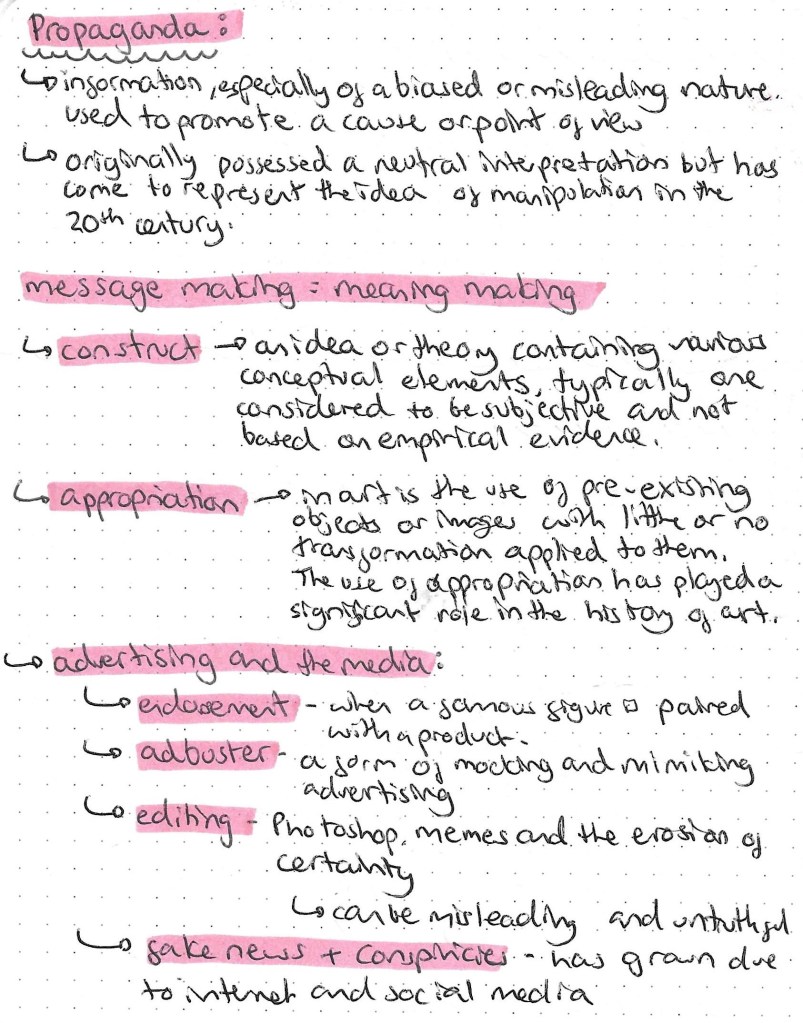
This weeks session was all about Propaganda, which is information of a biased or misleading nature used to promote a cause or viewpoint. We learned the definitions of key terms, the different types of propaganda and the different techniques used to persuade people. Propaganda originally possessed a neutral interpretation but has since come to represent the idea of manipulation in the 20th century.
There are different types of propaganda used for advertising in the media including endorsements, adbusters, editing and fake news/conspiracies.
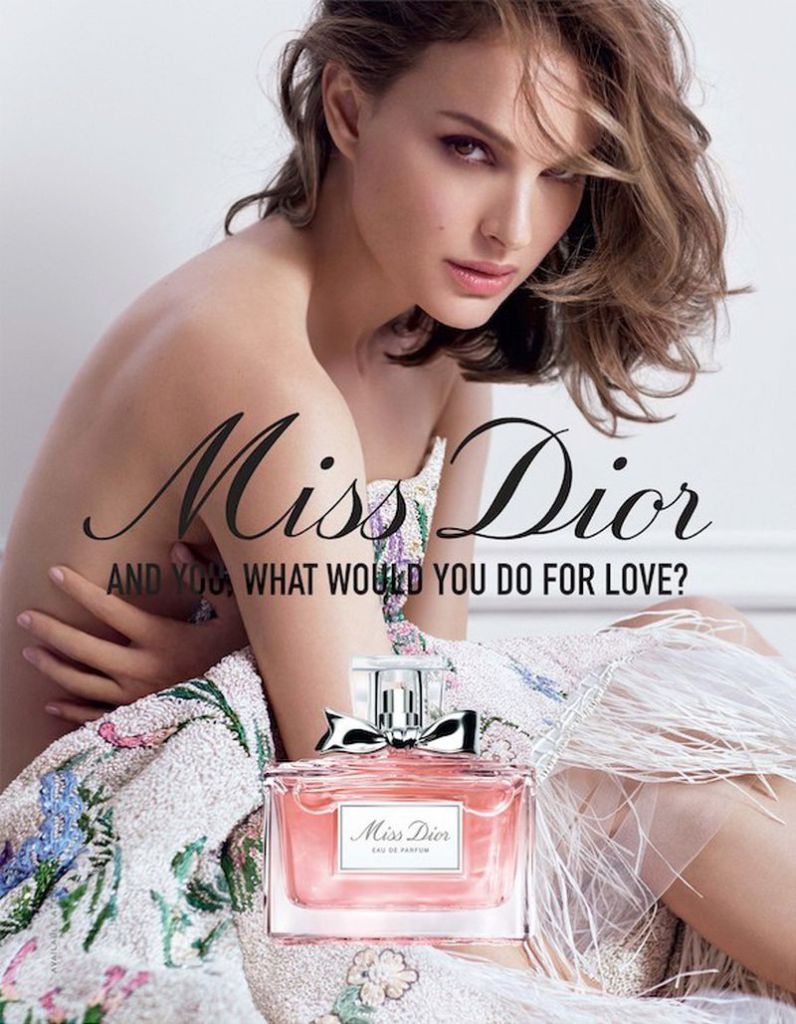
This is an example of endorsement. Natalie Portman, a famous actress, is being paired with a Dior perfume to try and encourage people to buy the product. By associating Natalie Portman with the brand, people who are fans of her are more likely to purchase the perfume in an attempt to be more like her.
This is an example of an adbuster. It’s mocking an established brand by altering their product and slogan. In this case it Absolut Vodka and is changing its slogan to suggest the product causes impotence. They’ve emphasised this point by deforming the shape of the bottle.
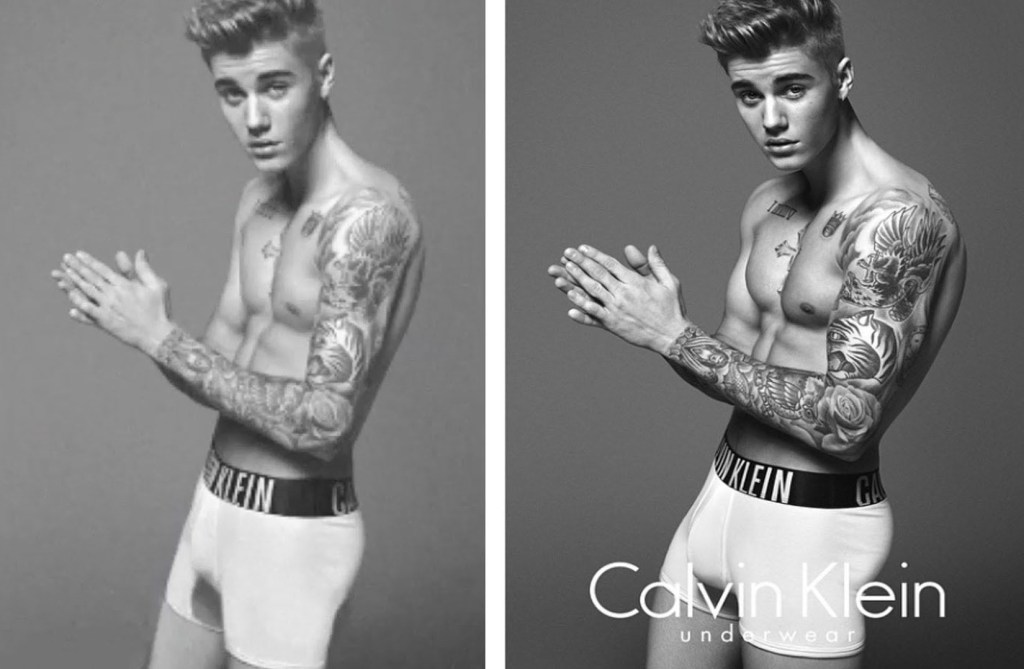
Since the invention of digital editing there has been an erosion of certainty, making it more difficult to tell what is real and what is edited. The main software used for this is Photoshop. This is seen regularly in advertising especially when working with models. Here is an example from a Calvin Klein advert. Many of Justin Biebers features have been digitally edited. This example is done well so it’s difficult to tell it has been edited, making it misleading and dishonest.
Editing can also be used in a less subtle way. This is an example of someone dramatically editing the same photo to the point where it becomes obvious. This is often used in memes to make fun of something.
Digital editing has become so advanced that it’s now difficult to tell if something is real or not. This has led to a growth in conspiracies and fake news as the line between real and edited has become harder to distinguish.
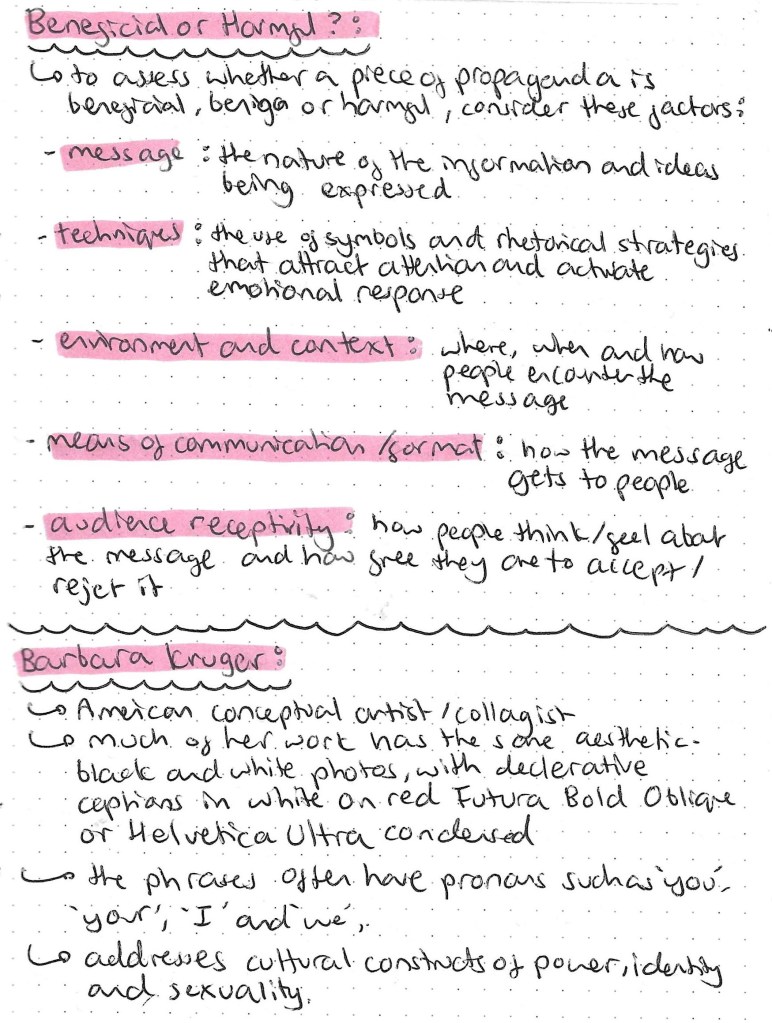
We looked at factors you need to look at in order to distinguish if a piece of propaganda is beneficial or harmful. The word propaganda has grown to have negative connotations but not even piece of propaganda is inherently harmful.
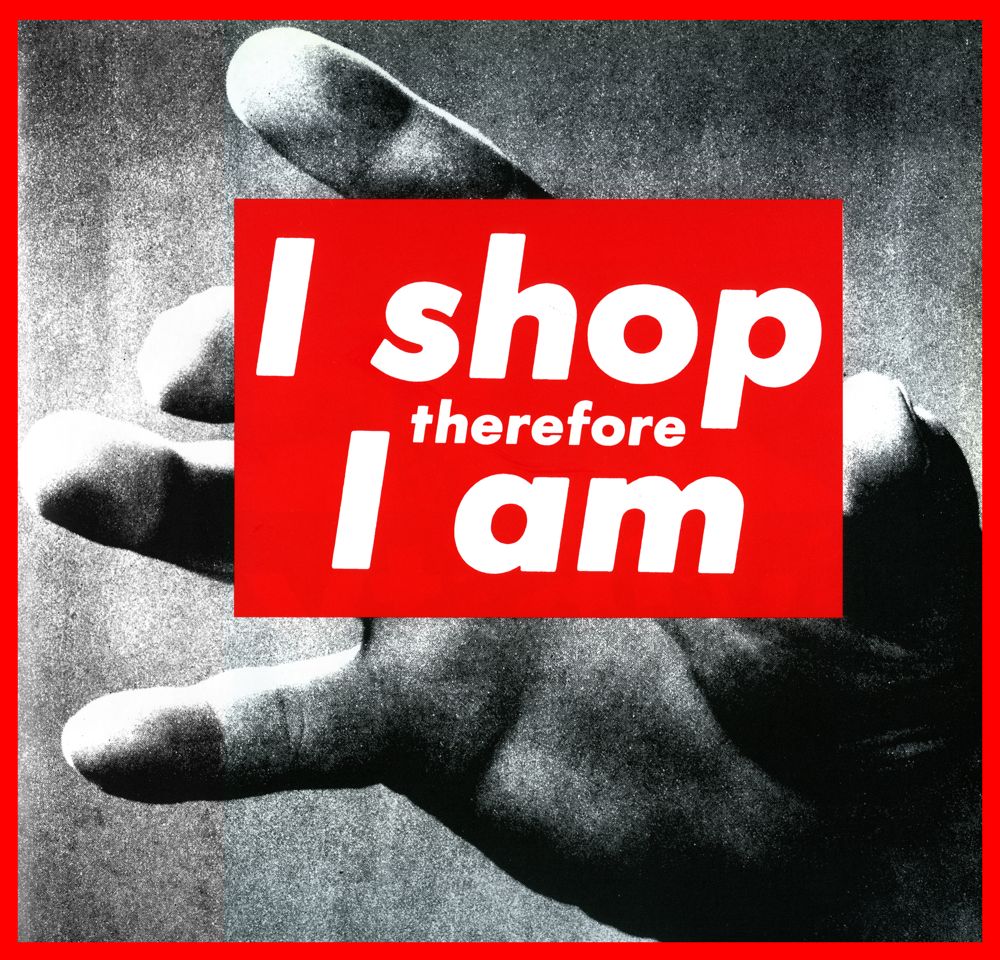
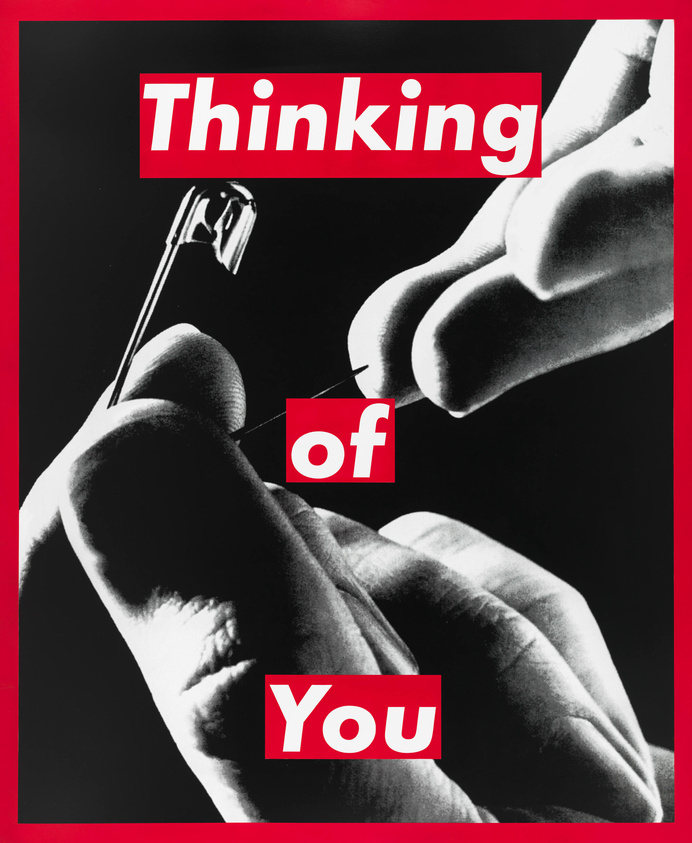
I really like Kruger’s style as it has a simple yet easily recognisable look. The red combined with the bold white text contrasts the grainy, dark images making them very eye catching even from a distance. Her work is propaganda as it in pushing an idea of message onto the viewer. These are some examples of Barbara Kruger’s distinctive aesthetic:
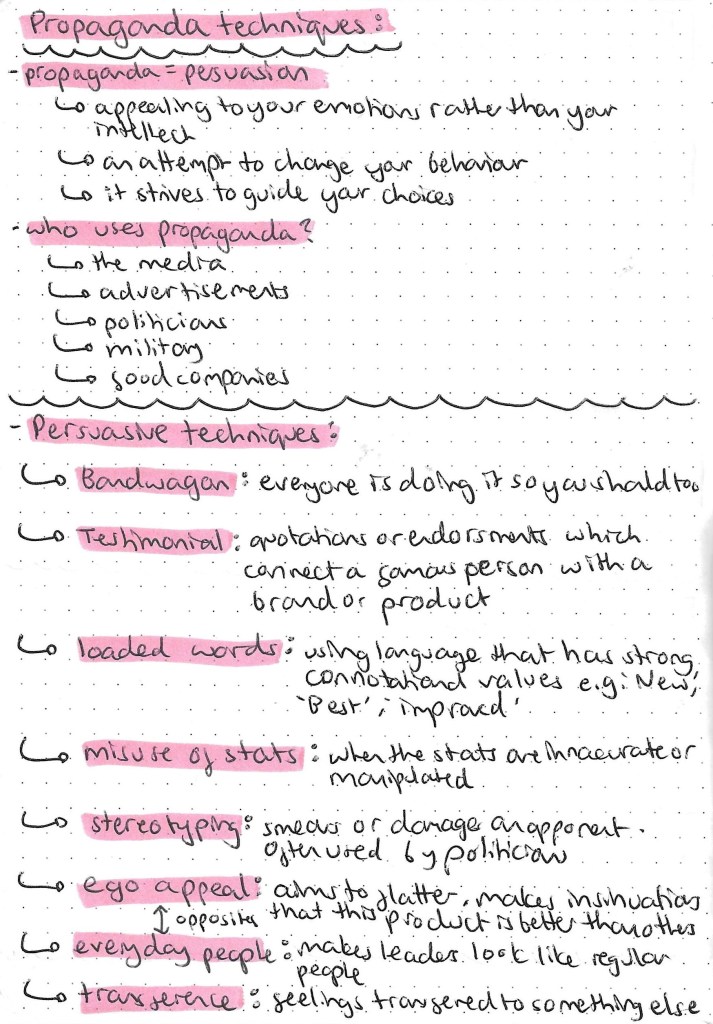
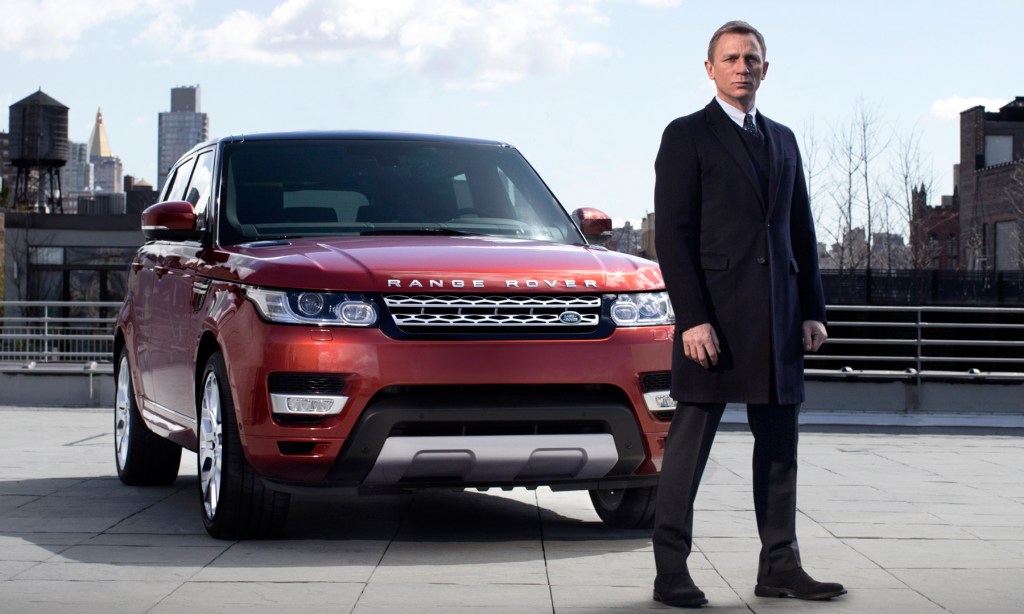
We looked at lots of different persuasive techniques used in propaganda and did an exercise where we had to identify which techniques are being used in different pieces of propaganda. There’s often lots of overlap between techniques and certain techniques lend themselves more to particular types of propaganda. Politicians often misuse statistics and use stereotyping and loaded words to push their campaign and bring down their opponents. For example testimonial and ego appeal are often paired to sell products from car and perfume brands.
Our homework task for this week was to use Photoshop to create a fake version of ourselves. We had to produce 2 pieces of propaganda, a social media post and a promotional poster of a fake version of ourselves. I decided to create a version of myself that is a professional footballer. I decided that I was going to make a version of myself that plays for Watford FC. I did play for Watford’s college team so there was some photos to work from. Physically the fake me is not much different from the real me.
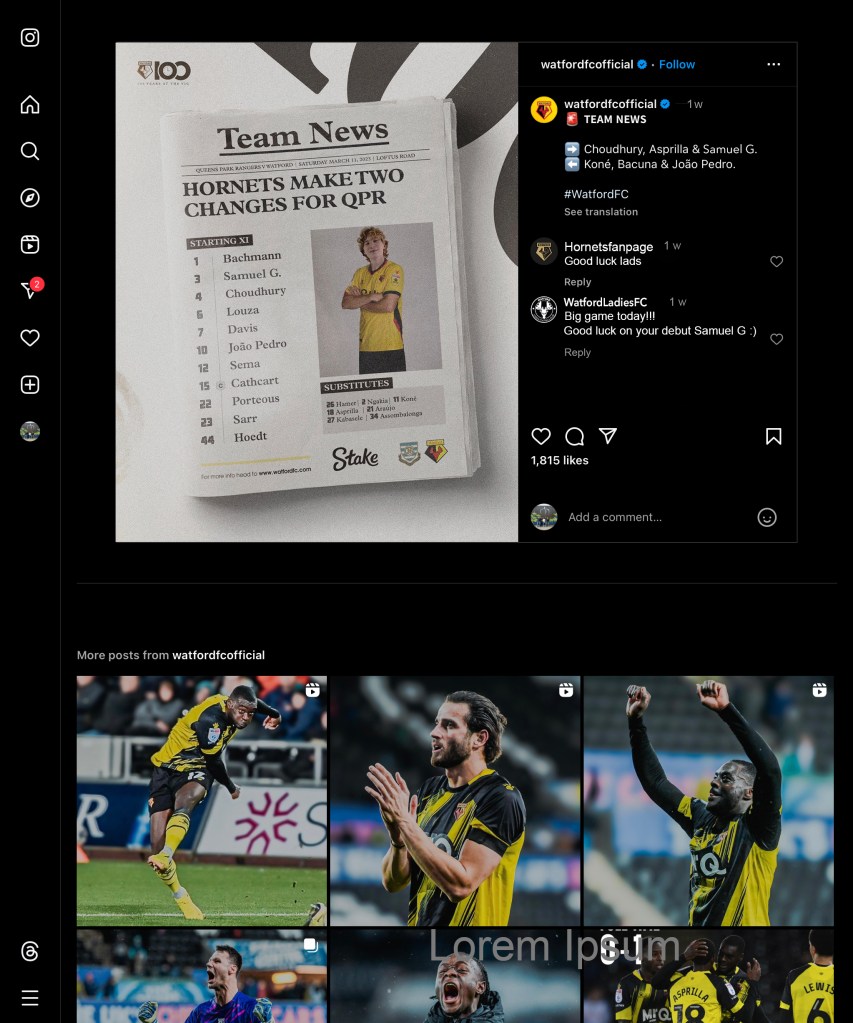
Once I decided on the idea I looked on the Watford FC instagram and saw these team sheets that they post before each game. I thought they looked cool so chose to edit these to be my fake social media posts. I used an image of myself, cut out the head and neck and put in on the player. I spent a while editing the images to try get my head to blend with the body. I also removed one of the players names from the team sheet and put my name on it. I edited the name to try get the same colour, size and font. I found it difficult to try and make it convincing so did 2 for practice. I will continue to try advance my skills on Photoshop but am happy with my progress.
I made one of them look like it had been officially posted by Watford Fc. It was fun changing the details of the post and trying to make it look legitimate.
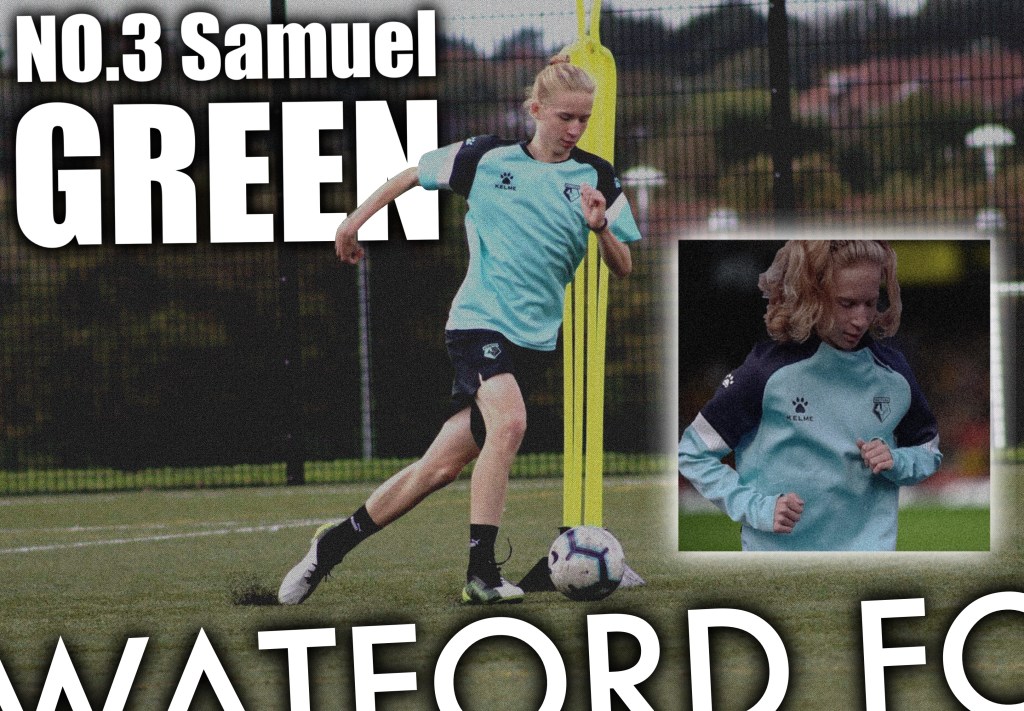
This is the poster I made for the fake me. I focused more on the composition and graphic design elements for this one rather than Photoshop skills. As someone who likes football I’ve always liked the the graphic poster you can get off the different players. I think the composition works well with the bold white font highlighting key details, my name and the team name. I particularly like the dynamic placement of the text at the bottom which complements the angle of the main photo. For the smaller image I Photoshopped myself in front of a crowd, I used multiple selection tools to get myself out of the original image.
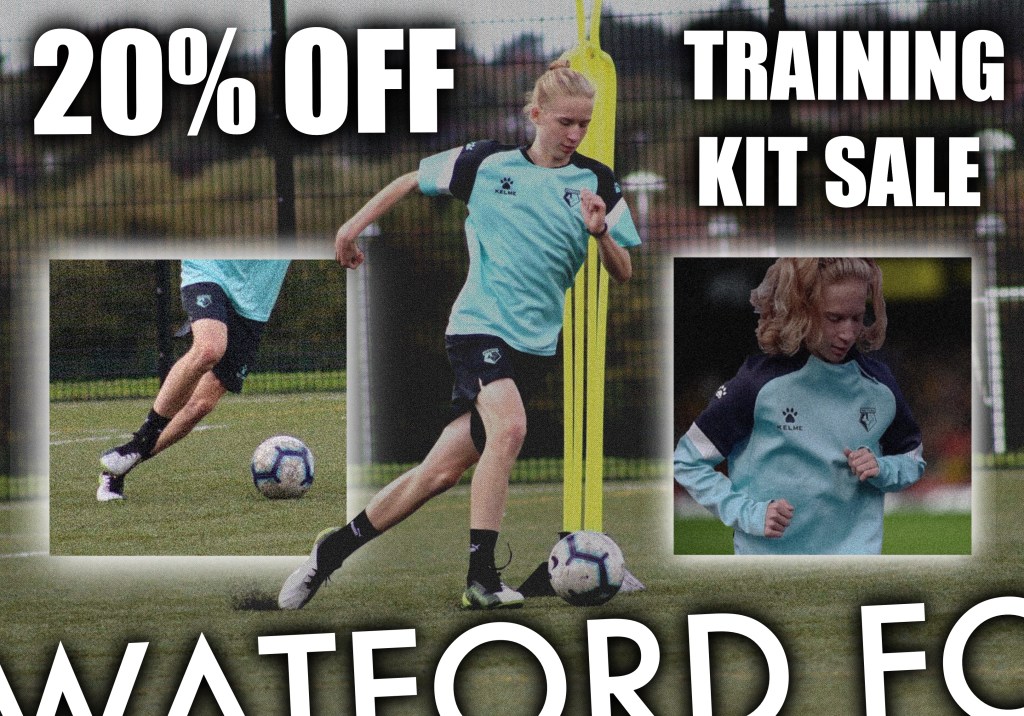
I made a second version to be a poster advertising a merch sale. This links back to the work we did on advertising. The fake version of me is a professional footballer so this would be an example of an endorsement. I used bold lettering to draw the viewers attention to the sales points and added multiple images of the product being worn.
This exercise was all about making us think about easy it is the create personal branding that is at least in part not true. Also it pushed me to practice my Photoshop skills which will be helpful for the main brief.
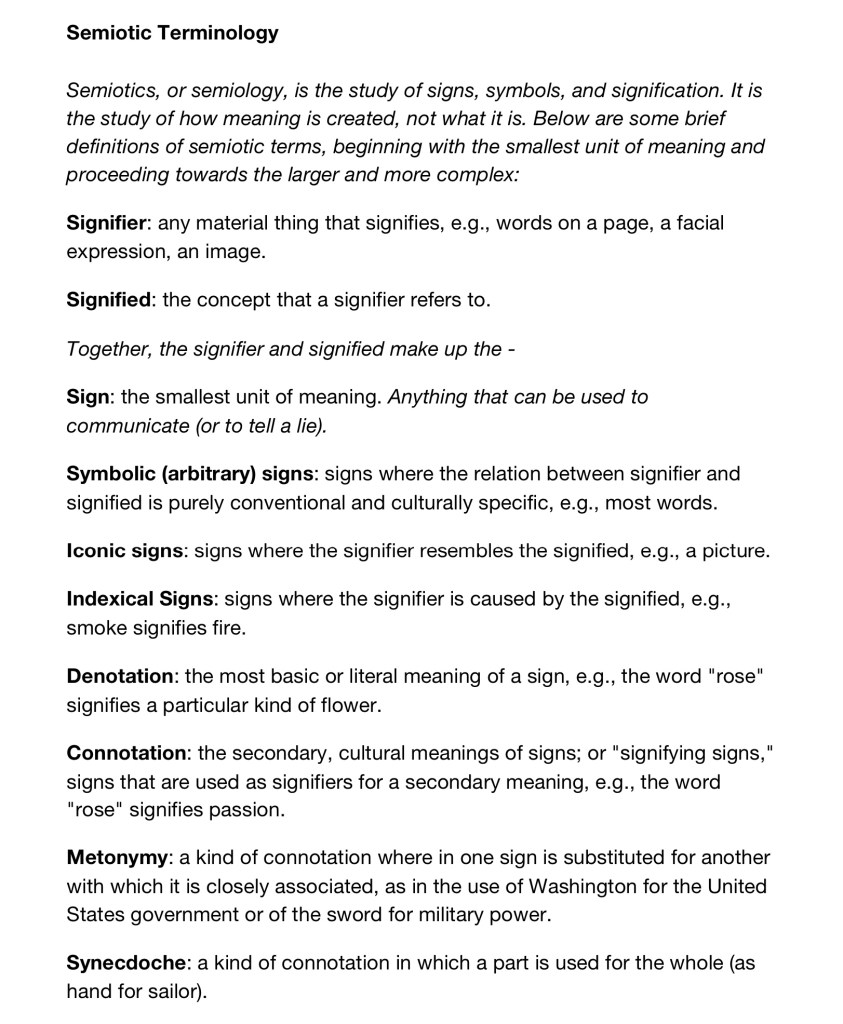
In this session we learn about semiotics and all the key terms surrounding this topic. Then we applied these concepts to branding and how brands use semiotics in advertising and finally putting these ideas into practice. Semiotics is the study of signs and symbols and signification and how meaning is created. Below are the key terminology for this topic:
Semiotics are always being used when designing something. For instance different typography choices suggest different things. This can be as simple as bold lettering making something appear more important. This is also key to colour choices as different colour suggest different things so manipulating this is important for branding for example black and white representing something serious.
This is the Frederici ice cream advert that I broke down and analysed semiotically. It’s a really interesting advert to study as it’s packed full of messages and signs all trying to persuade you to buy the product. Upon further research I found out that the advert was actually banned for being offensive. The creator of the advert defended it saying that the pregnancy is representative of making the ice cream. This shows how you can’t fully control how someone views your work and not everyone draws the same messages from an image.
Below is a good representation of how the terms sign, signifier and signified are linked. There’s also a description of the 3 different types of signifiers; icon, index and symbol.
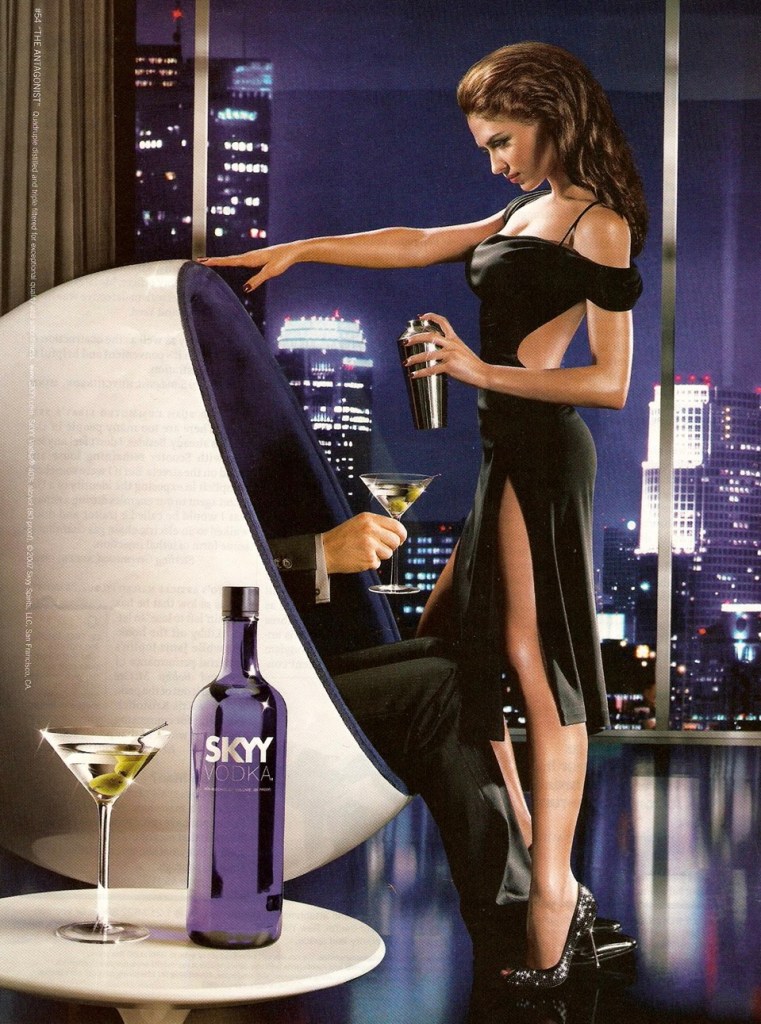
Then we had an exercise where we looked at different adverts and broke down the semiotics involved and how this is used to market the product or service they’re selling. Below are the 2 adverts I studied and a breakdown of the signs and messages involved in them.
Then we moved onto the next task called anchor and relay. For this we had to take a stock image and make 3 different advertisements for 3 different brands by adding the brand logo and a slogan that we make up. This is making us think about semiotics and how we can manipulate an image to push a product or a narrative.
The image I chose was of a dog playing in some water out in nature. It’s a nice clear stock image that I could see lots of potential branding possibilities for. I first wrote what I could see in the image and the messages of these things and come up with possible slogan ideas. Then I through about possible industries to apply these slogans too and finally researched specific companies.
The first one I did was for a company called The Natural Adventure. The logo fit really well in this open space as the top right corner and the colour fit the natural theme of the image. Then I decided on the slogan ‘running wild and free’ in large text in the middle. I wanted it to be big and eye catching. The colour is blue to continue with the natural theme but a dark shade with a white highlighted border to help it stand out.
The second company is the well known dog care brand Pedigree. Their logo nicely contrasts the colours of the image making is stand out and be distinctive. Then I used the open space at the top for the slogan ‘let your hair down’. I copied the white of the typeface in the logo but picked a less rigid font and added a blur to the border.
The third one is for the camera company Canon. For this image I wanted to restrict myself and not use any colour in the logo or slogan and not use the top right corner again. I made the logo black and compensated for the lack of colour by making it larger. I chose the slogan ‘capture the moment’ and made it white and in a bold legible font. I placed this on the horizon of the water and trees as it’s a dark area so would allow the slogan to be easily visible.
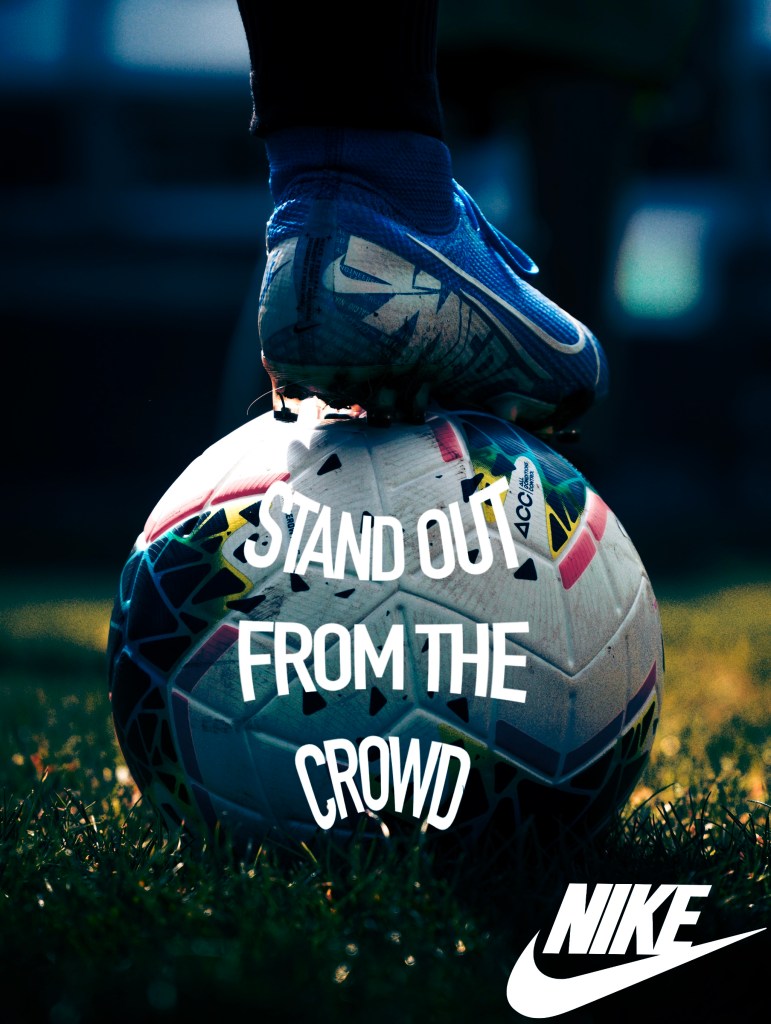
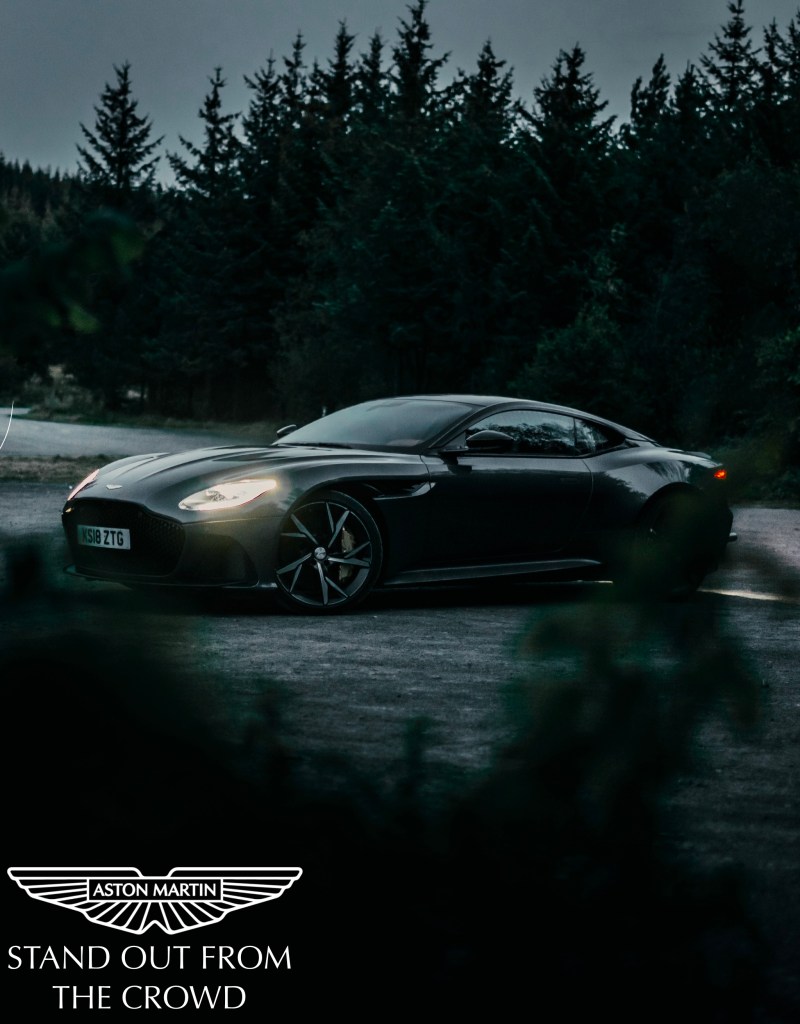
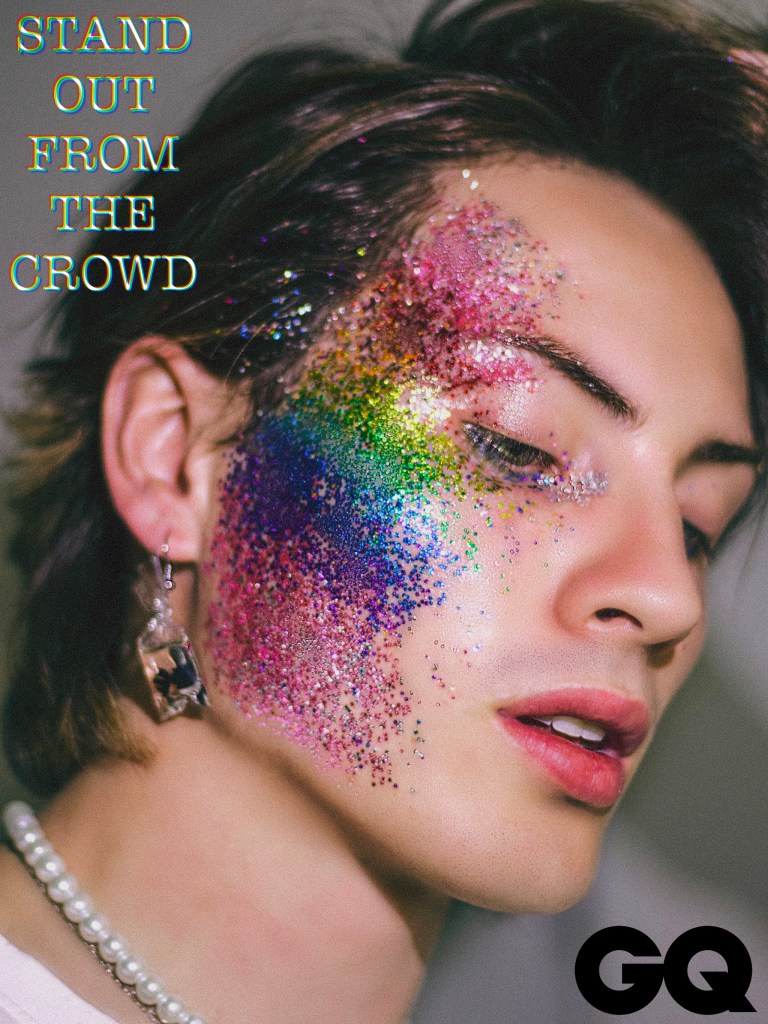
The other part of this task was to make a slogan and then chose 3 stock images and 3 different brands to make an advertisement for. I found starting with the slogan more difficult than starting with the image because when I see an image I am able able to brainstorm ideas from is easily but phrases not so much. The slogan I chose was ‘stand out from the crowd’ as I could see many possible industries to apply this to. Also it’s a well known saying already but not connected to a particular brand so people will already be familiar with this idea.
The first brand was Nike and specifically for their football merchandise. The logo has a simple geometric font so I used a similar style typeface just with thinner lettering. I made both of these in white to make them stand out from the dark image with lots of cool tones. I put the slogan in the ball and warped it to reflect the shape.
For the Aston Martin advert I wanted to keep it classy and simple to reflect the values and identity of the brand. Put both the slogan and logo in the bottom corner as it not distract from the image of the product. I made them both white to provide enough of a contrast that they stand out while keeping it classy by choosing a simple font.
The third advert is for GQ magazine. The logo is placed in the bottom right in black as this is where the company often places their logo in publications. The slogan is in the top left because I wanted it close to the glitter on the man’s face as this is the most eye catching part of the image. I tried to reflect the glitter in the typeface by giving it a colour, broken apart look.
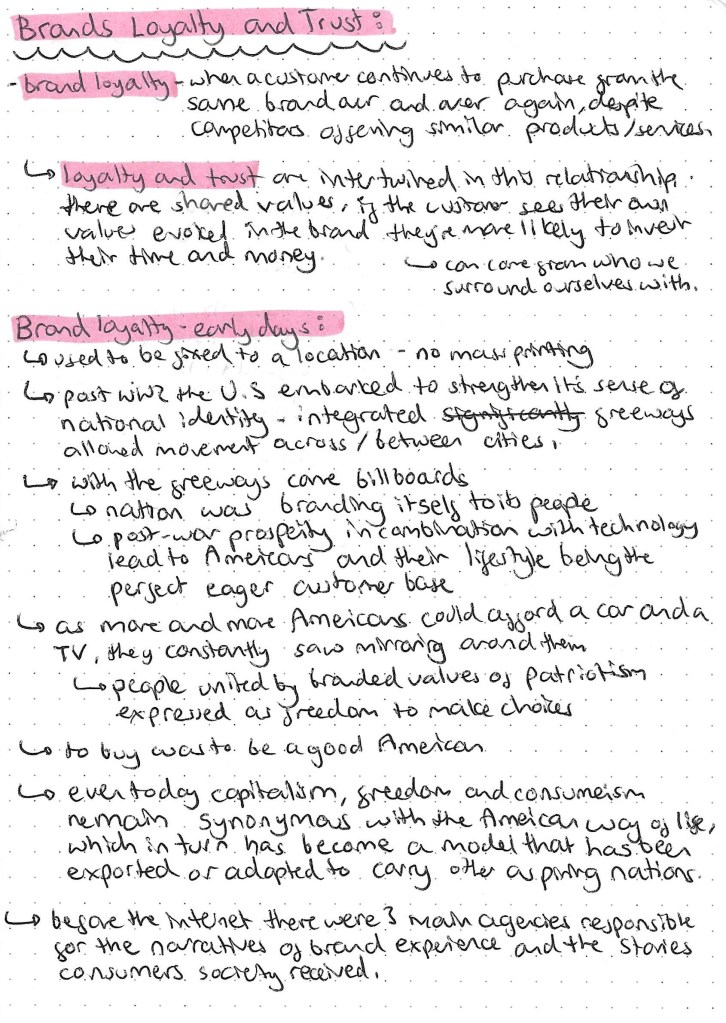
In this weeks session we learnt about brand loyalty and trust. Brand loyalty is when a customer repeatedly purchases from the same brand despite competitors offering similar products and services. A customer could feel trust in a brand due to shared values, if you see your own values reflected in the brand then you’re more likely to invest your time and money. I found this interesting in connection to my brand research from last week as I have brand loyalty for Puma and WWF so it was interesting to see exactly why that may be.
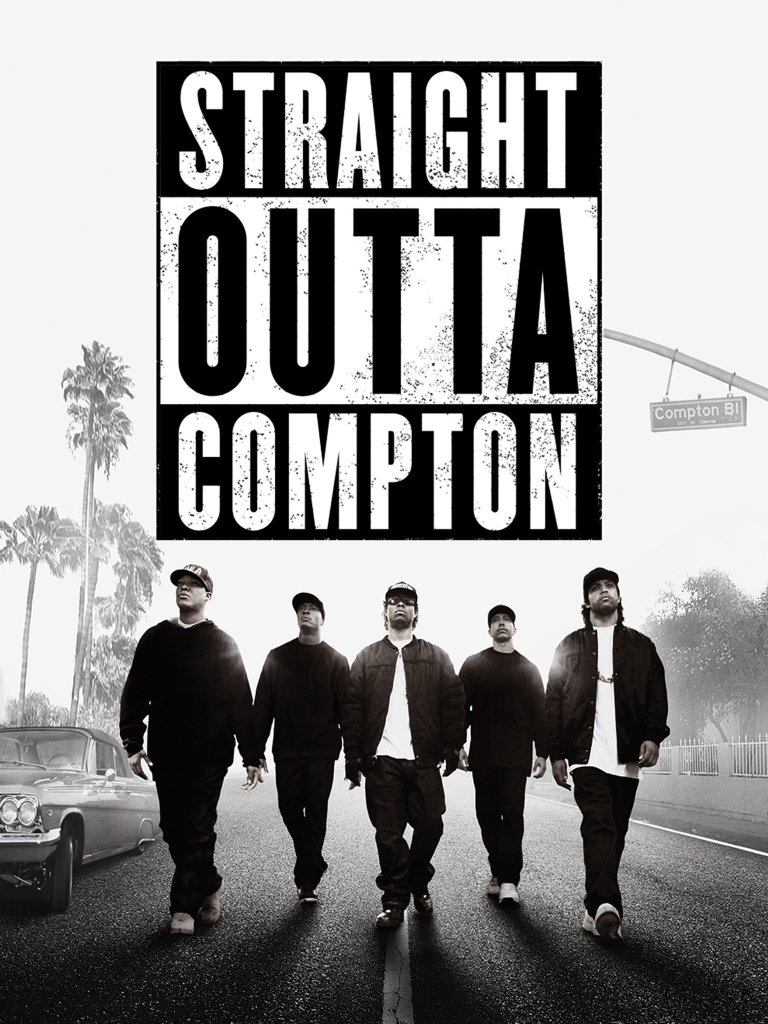
This is the movie poster from Straight Outta Compton which became a viral meme.
Some examples of other images made with the template. This is great marketing as it went viral online so there was widespread interaction with it.
We also learnt some ways in which brands create this relationship. Often brands target children in order to create that relationship early in the hopes this loyalty will carry into adulthood. For example many cartoons have been merchandised such as Transformers. Also brands will create opportunities to experience them through multiple points of engagement. The companies with the best branding are able to take their concept and create a world such as Marvel, Harry Potter and Disney. We also learnt about different campaign strategies and how they’re able to appeal to their target audience.
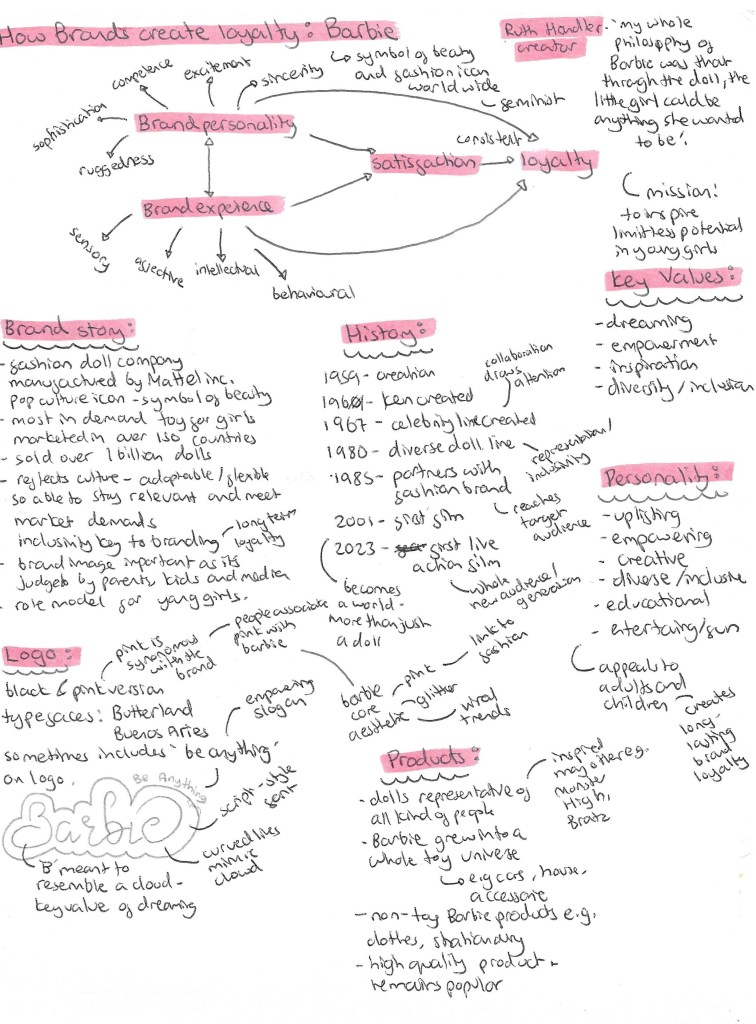
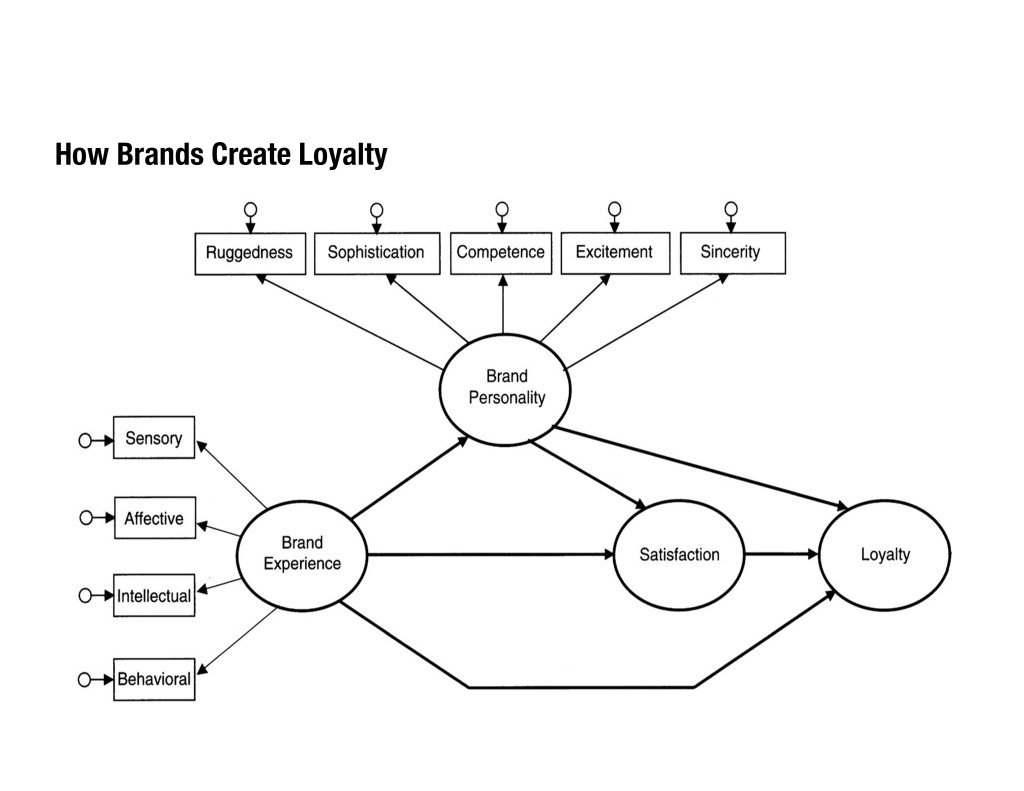
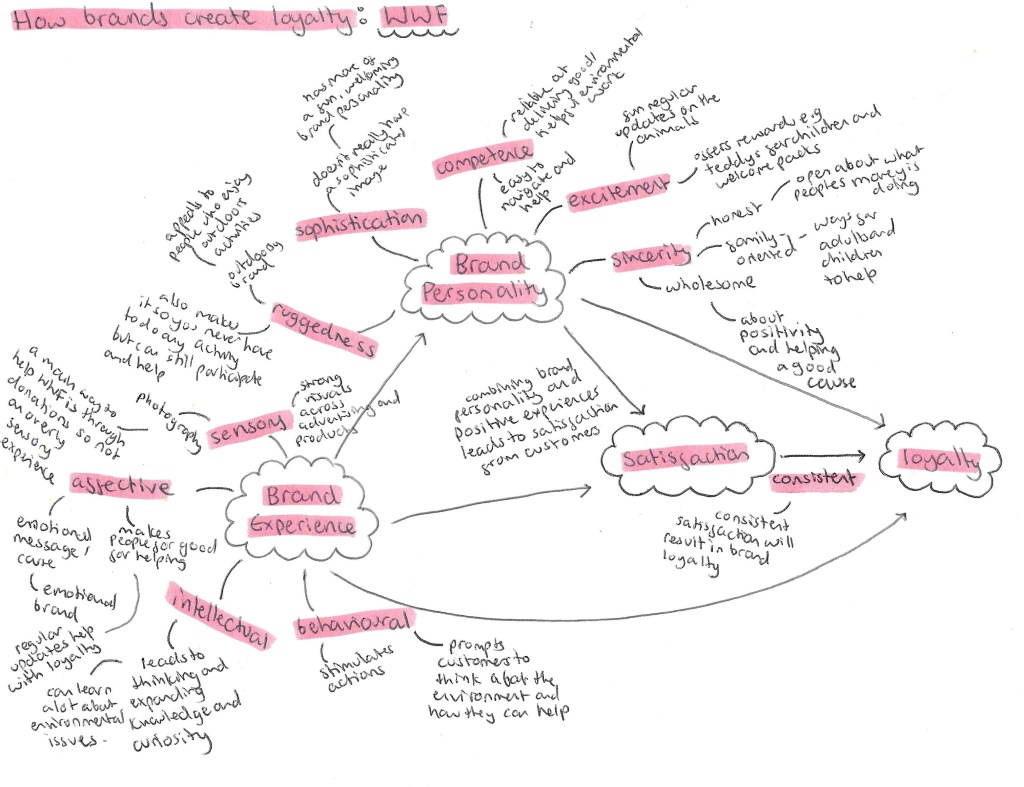
Our research task for the week was to choose from a selection of brands and research them and how they’re able to create brand loyalty and trust. I chose to look into the Barbie brand. The general map for how a brand creates loyalty is through the brand personality combined with the experience which creates consistent satisfaction and then loyalty. I enjoyed this research and in particular learning how engrained inclusivity and diversity is in the brand values. Some believe this is a newer addition to the brand ethos but it was actually there from the start. This is a key reason as to why Barbie is able to create loyalty as people see themselves and their values reflected in the brand.
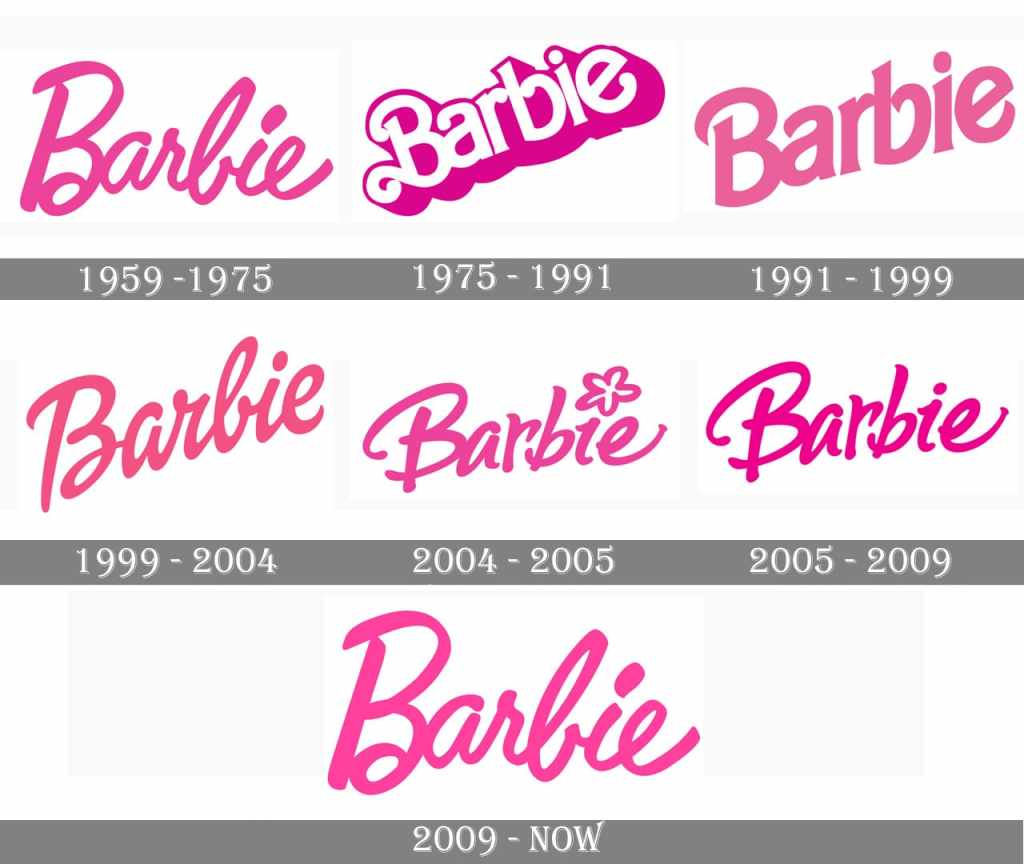
The evolution of the Barbie logo. Has remained similar in typeface and colour but the has been subtile change made.
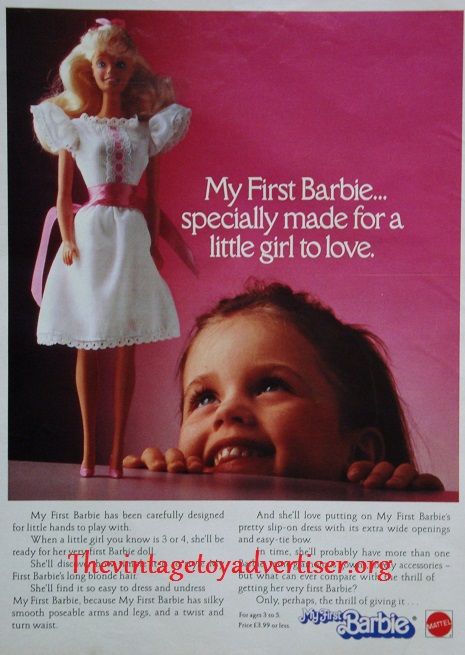
An old piece of Barbie advertising. From when Barbie was simply an inclusive toy doll brand for girls.
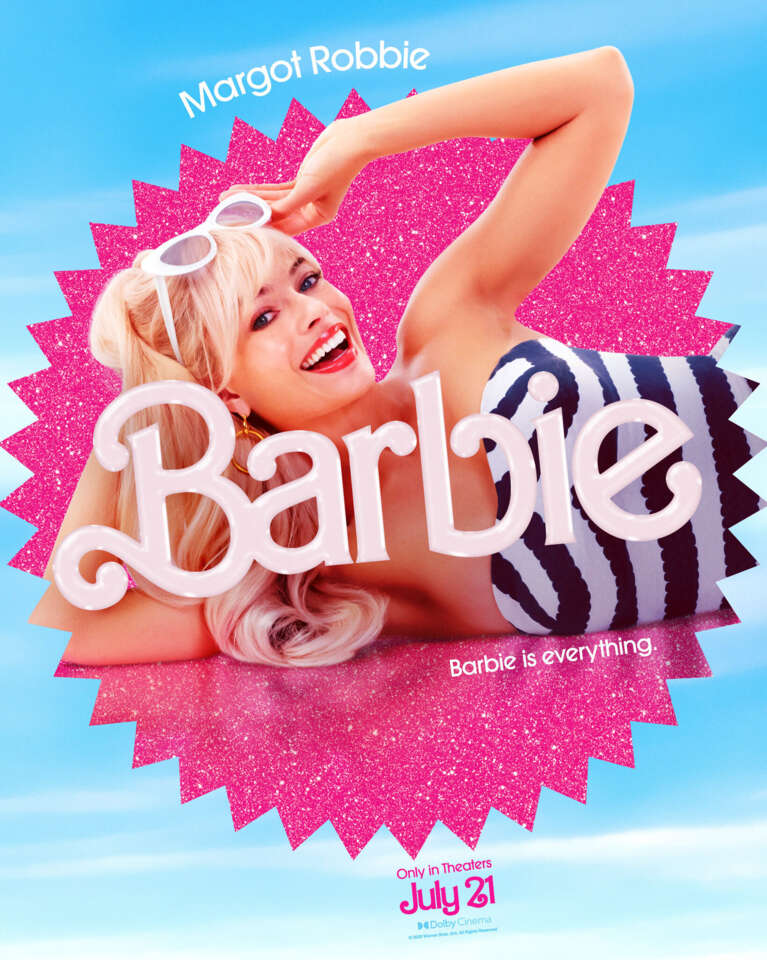
A movie poster from the live action Barbie movie staring Margot Robbie. Barbie has transformed from a simple doll brand to a world where consumers can engage in multiple ways .This poster, similar to Straight Outta Compton went viral online with people putting themselves and others in place of Margot Robbie. Still pushing the key idea of inclusivity.
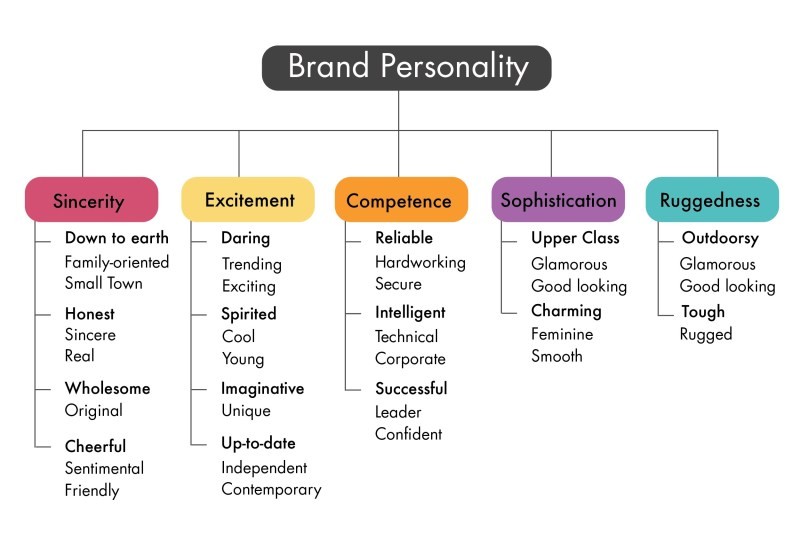
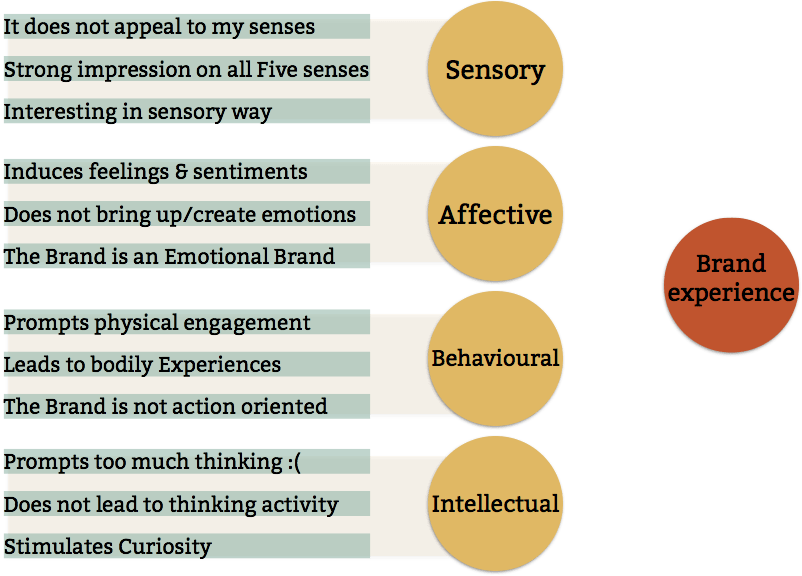
This model breaks down the idea of creating brand loyalty into 2 sections, brand personality and brand experience. Each of these are broken down into sub sections. When a customer likes the brand personality and is happy with the brand experience this leads to satisfaction and with consistency it will create brand loyalty.
Some more detail on the different parts that make up brand personality and brand experience.
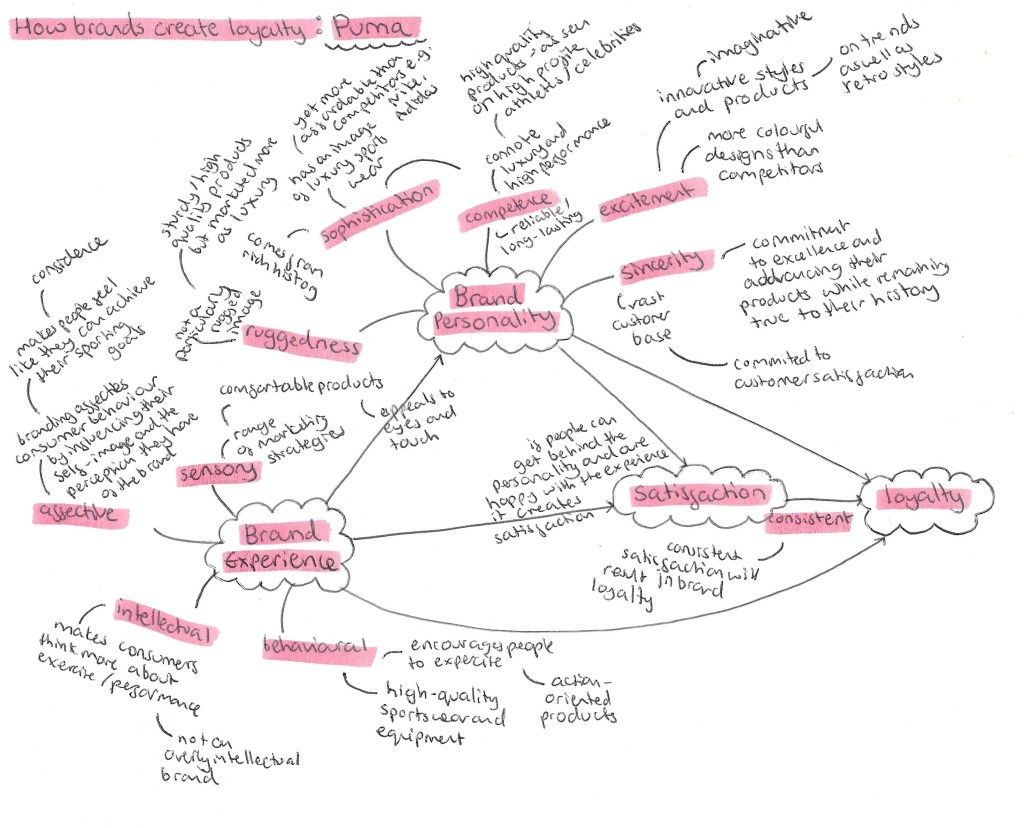
I used this model to explain how the 2 brands that I researched last week, Puma and WWF, are able to create brand loyalty. I used a combination of my knowledge from last week and additional research to explain each part.
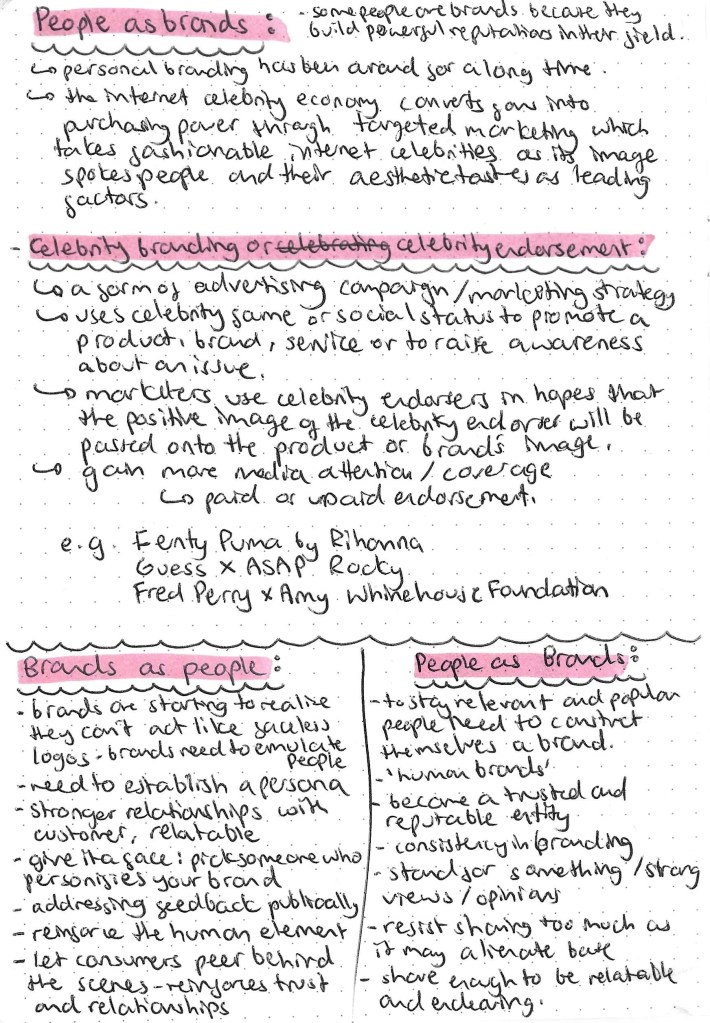
Also I did a bit of research into people as brands as this is a topic that interested me. I found out that this idea is broken into 2 sections, brands as people and people as brands. Brands as people is where brands establish a human persona to advance their sales and build a stronger relationship with the consumer. Whereas people as brands is where an individual needs to market themselves a brand in order to sell a product and advance their popularity. This ideas are seen all the time in celebrity culture.
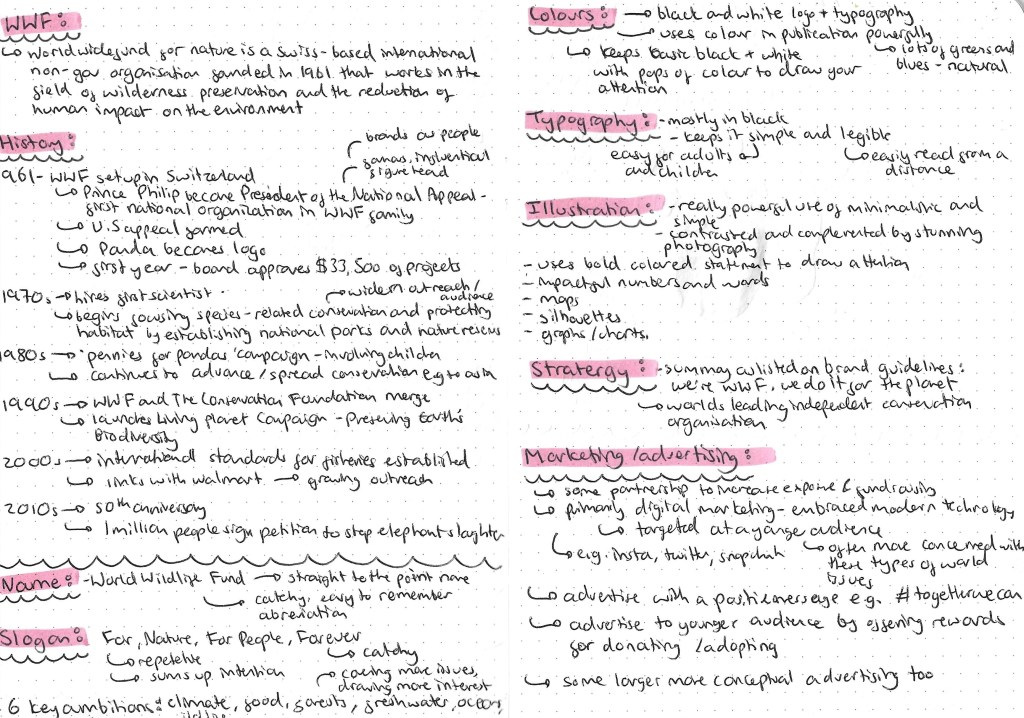
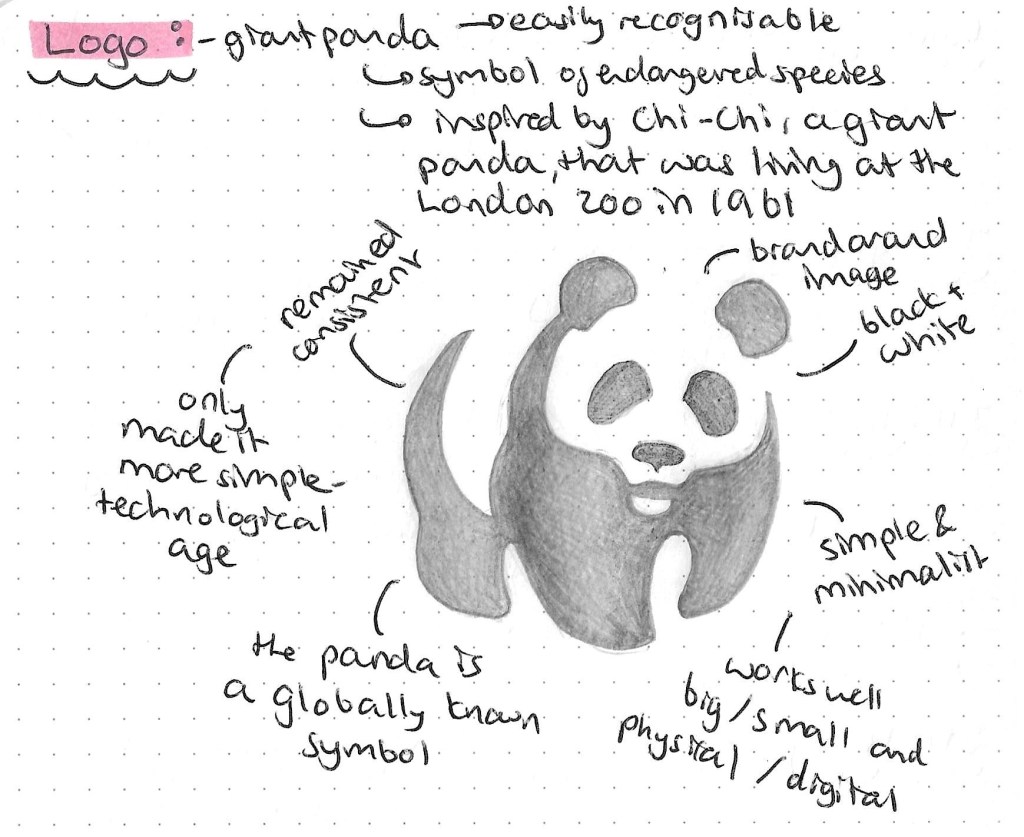
We where given a follow up task to research 2 brands we liked. I chose Puma and WWF as they’re both brands I’ve spent money on and feel a connection to. 1 is more product based whereas the other is more about what they stand for so I thought they would make an interesting pair to research. I found this very enjoyable as I was able to get a deeper understand about how these brands work and what makes them appeal to me. I’ve developed some ideas of what kind of brand aesthetics and tactics that I like.
Puma:
The evolution of the Puma logo.
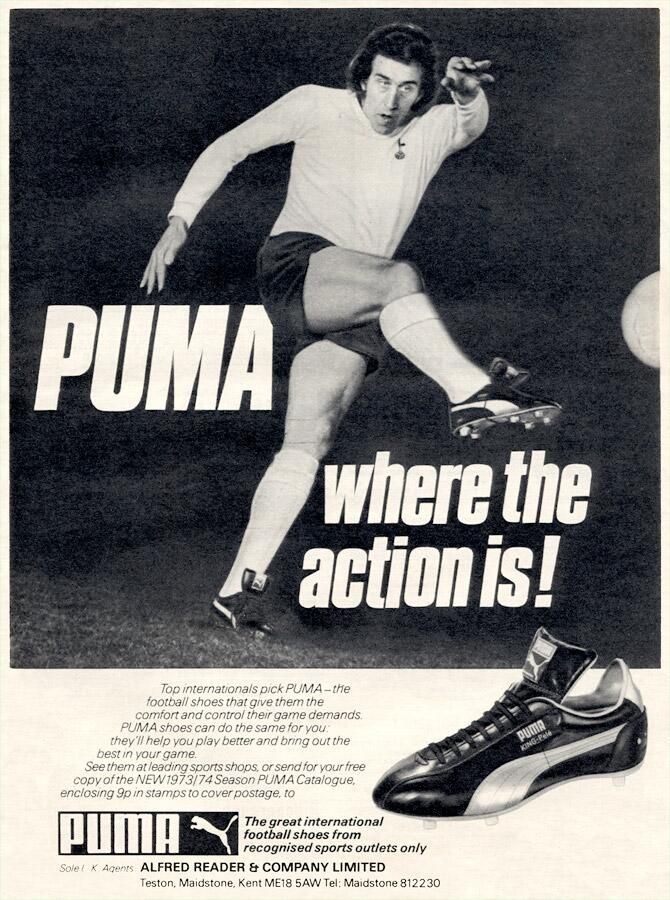
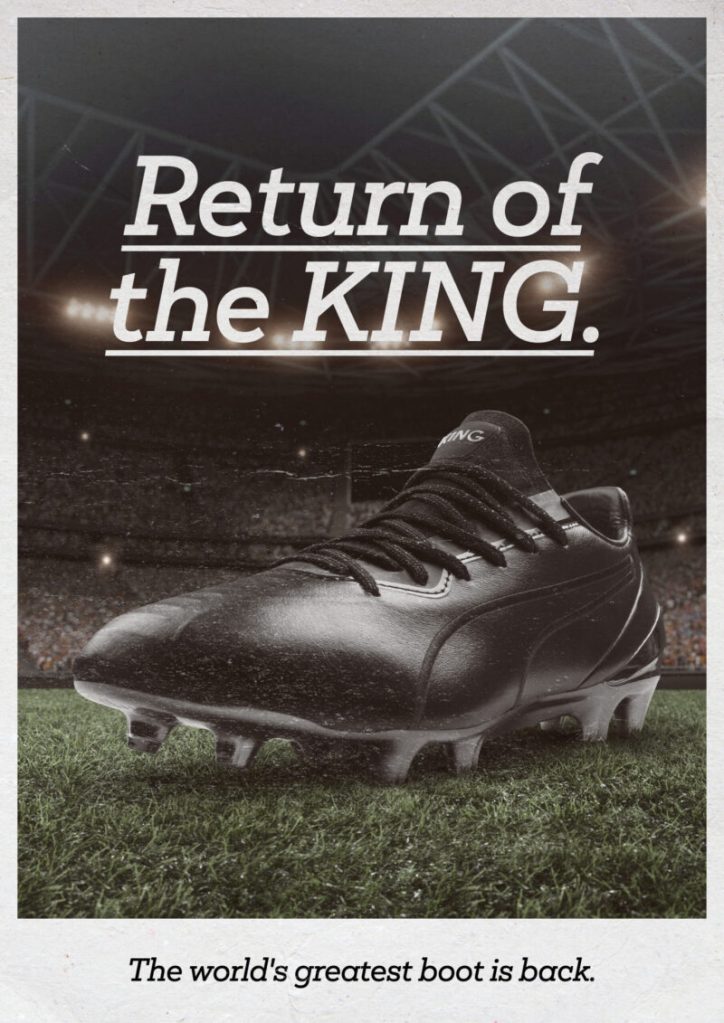
An old Puma advert for football boots. A line of boots that is still available today.
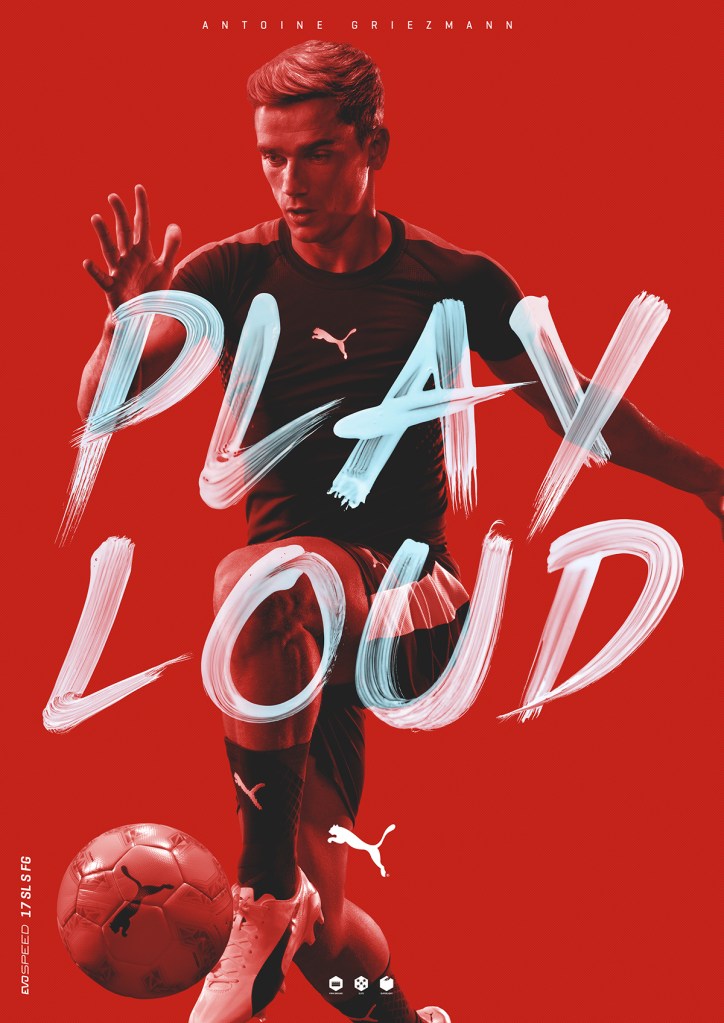
A newer advertisement of a newer version of the same boots. Shows how the brand has evolved but staying consistent to their core values and products. This leads to brand loyalty.
A strong use of colour is key to lots of Pumas modern marketing campaigns. Also using a famous footballer to encourage people to buy the product.
WWF:
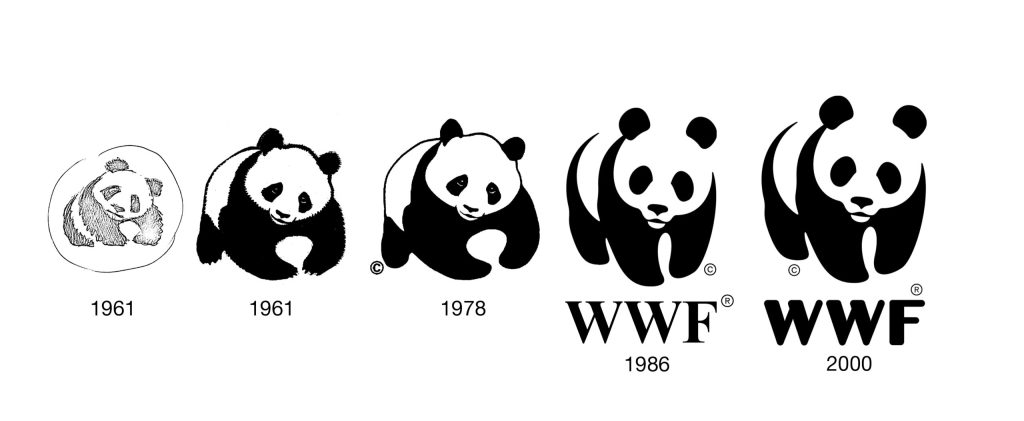
The changes to the WWF logo.
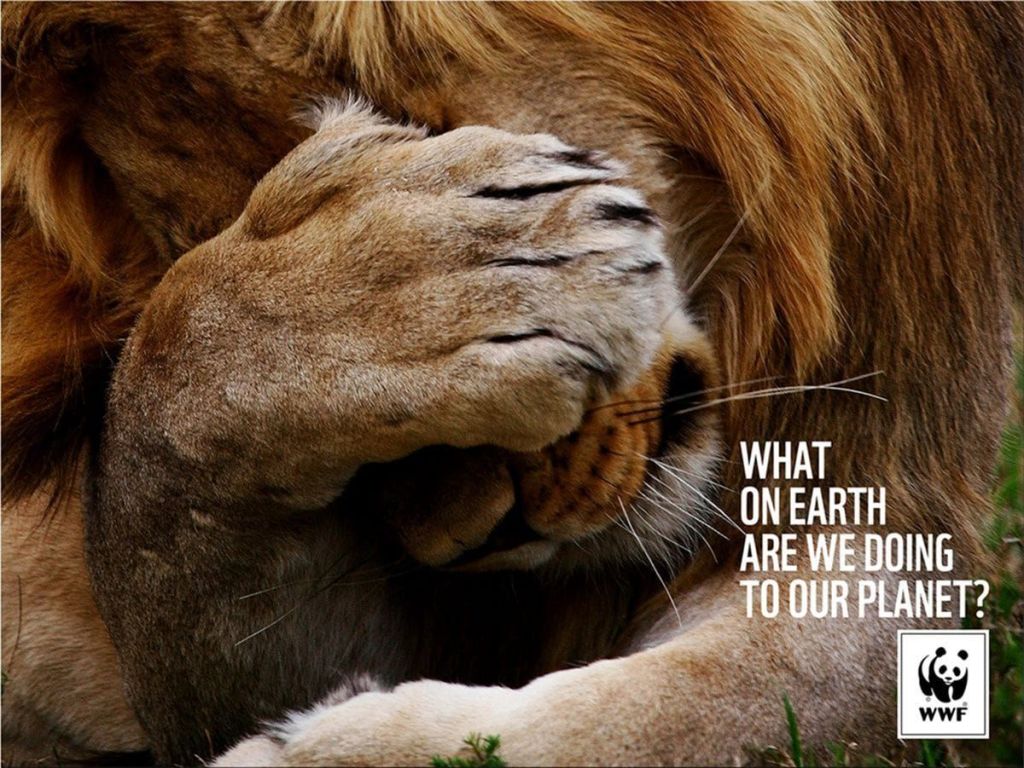
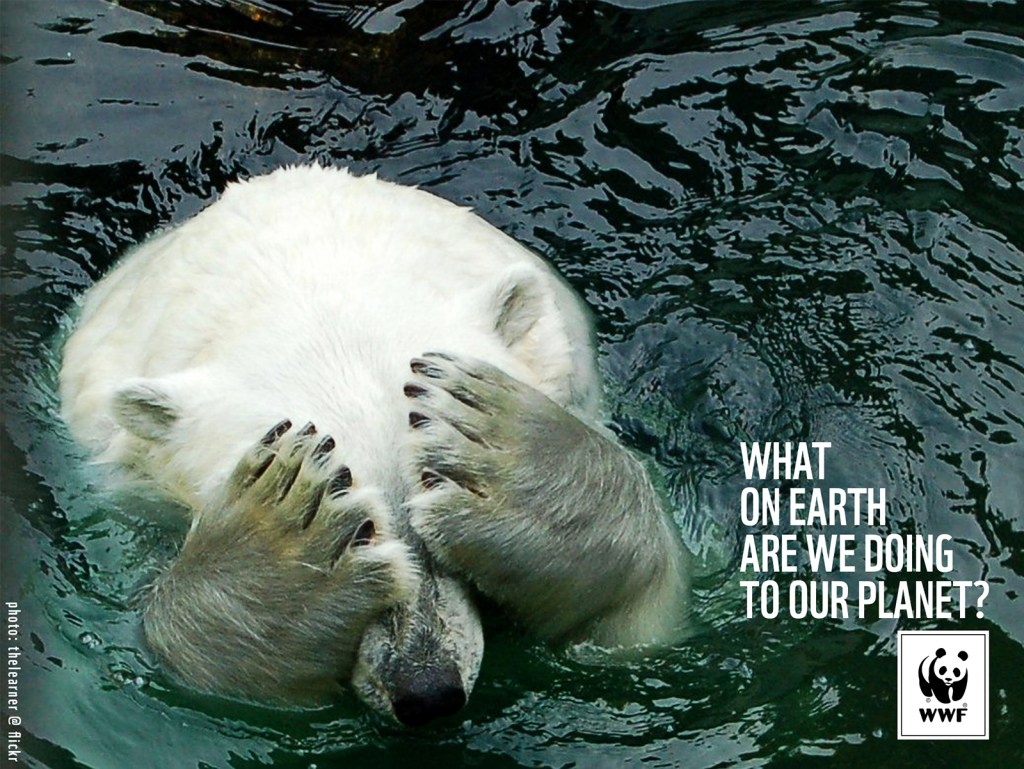
An advertisement campaign that relied heavily of the photography. It’s a very simple formula, photo of animal looking shocked and a slogan. Many versions of this where made. The slogan is a simple, catchy question that is designed to get the viewer to think. As humans we connote that bodily action with an emotion, although the animals won’t be doing it for that reason we humanise them.
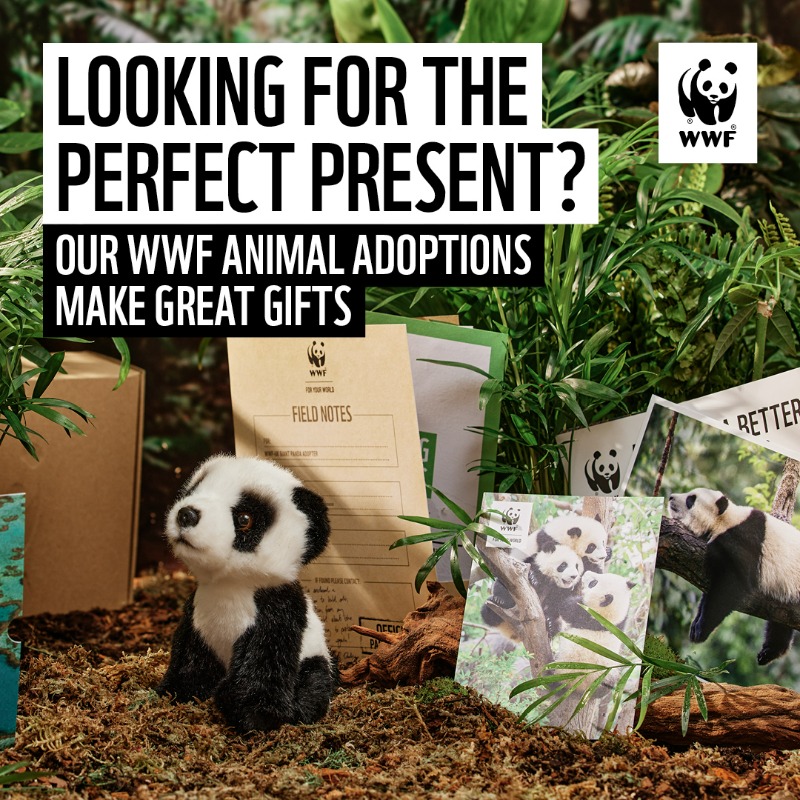
This is the adoption pack that WWF offers. It’s targeted towards children but not exclusively. It’s a good way to get people to donate as they’re offering rewards for contribution.
I think this kind of research is going to be key for this module so I’ll continue to research different kinds of brands and have a look at the idea of people being brands.
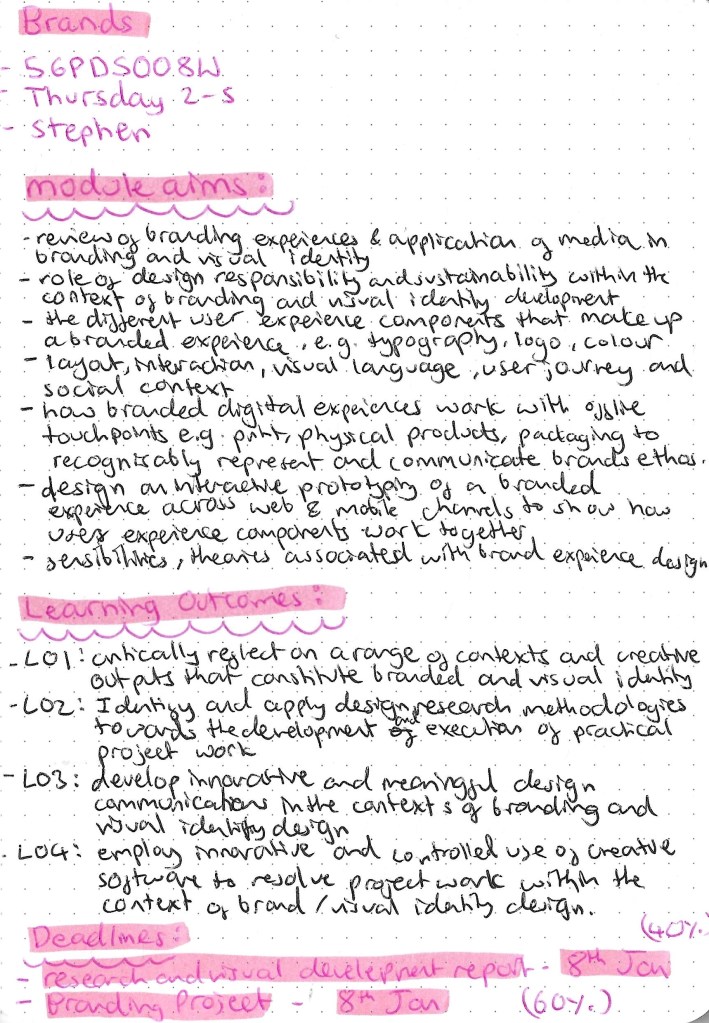
In our first Brands session we went through the Module handbook and I made notes about the deadlines, assessment criteria and assessment deliverable
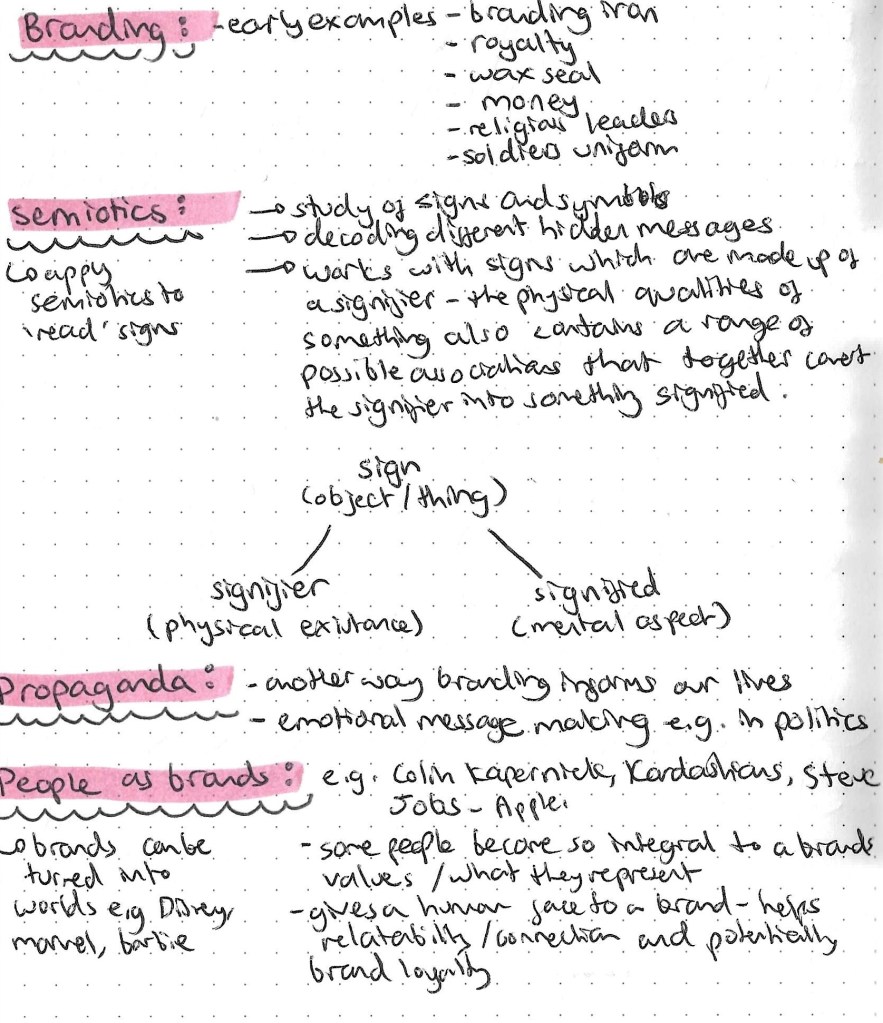
We had an introductory lecture where we discussed the basic topics such as what makes a brand, the meanings of branding, marketing and advertising and semiotics. A brand is a combination of visual communication representations. Some elements that makes up a brand are a name, logo, colour palette, typefaces, language, slogan, aesthetic tone and consistency. I made notes and research some bits further. I found it all very interesting as it’s all relatable in day to day life as we’re constantly exposed to brands and their marketing/ advertising. Even just from this session it’s made me more aware and conscious of the way brands work.



















 Samuel Green Illustration