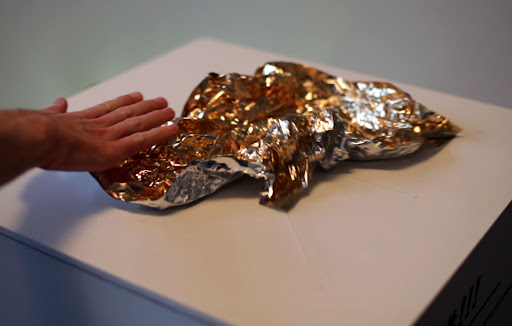
‘@><#!!! the life of an overtaxed surface’ by Vera Hausmann, Till Maria Jürgens and Vitus Schuhwerk: A thin metal coated foil with invisible string is connected to servo-motors and an arduino board. This senses if somebody comes close. Through squeezing and releasing, the flat motion turns into a spatial transformation and expands towards the user. It reacts by proximity and physical interaction. The intensity of expression is determined by the user’s interaction. The foil reacts more intensely to more than one interaction. An arduino board controls the interaction.
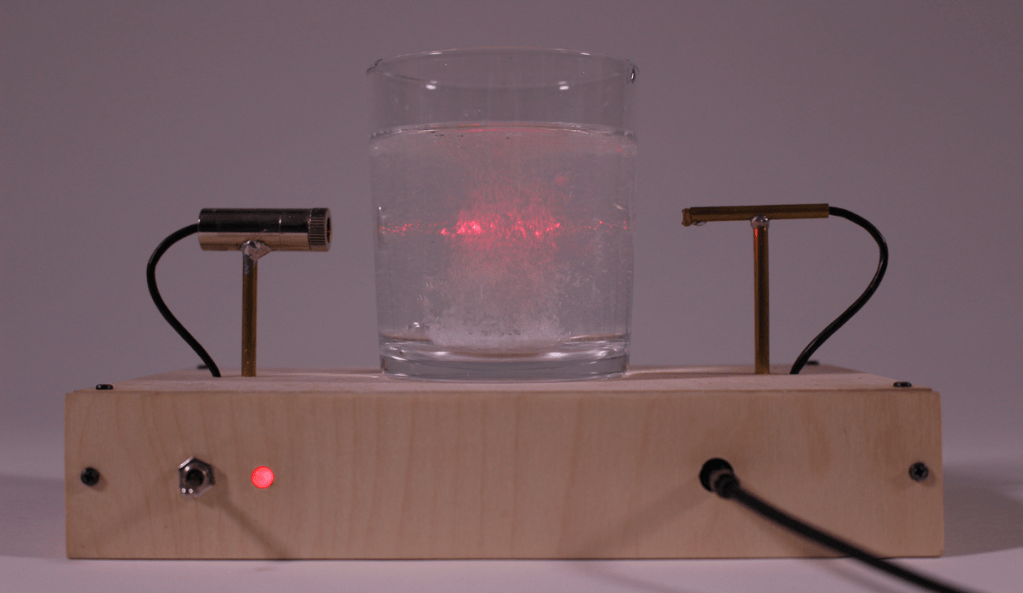
‘Laser Microphone’ by Kai Lab: Laser Microphone acts like a microscope for sound, amplifying the physical vibrations of tiny objects that are otherwise too quiet to hear. This installation has been used to hear things such as the movement of insect wings, water spray and the movement of bubbles. A laser is used to illuminate a vibrating object. When the material of the object oscillates, it disrupts the beam of the laser and casts a shadow on a light sensor placed opposite the laser. The varying light intensity is translated into an electrical signal, which is amplified by an electrical circuit. This signal can then be fed into an audio playback device. The sound detected by the device is real-time and unprocessed.
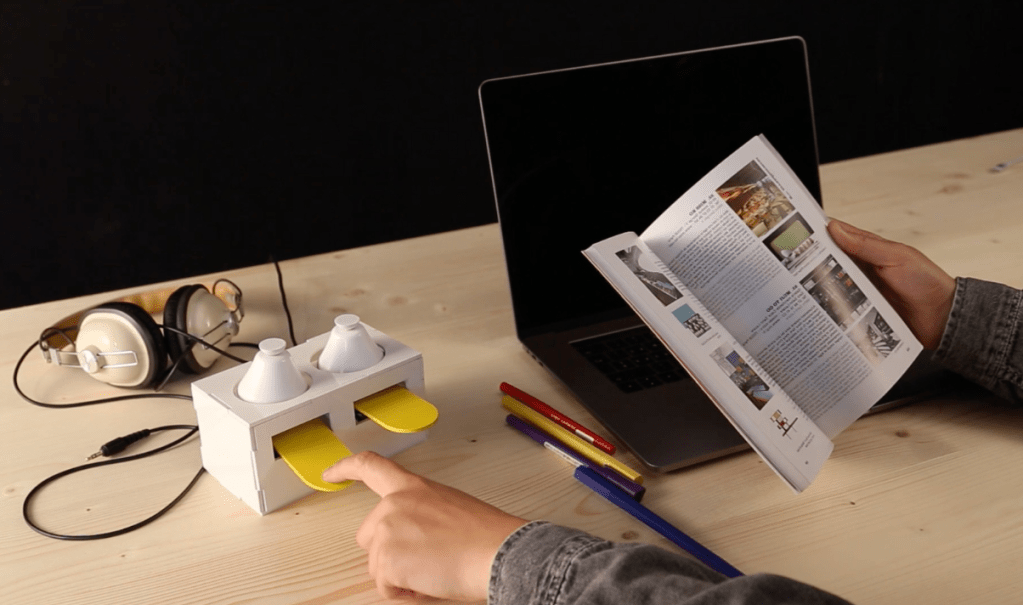
‘Twin Objects – Devices for Long Distance Relationships’ by Elise Migraine: Twin Objects is a collection of devices designed to act as a ‘hotline’ in attempt to nurture intimacy that long-distance relationships can lack. It is a playful solution to enhance the experience of instant messaging. It consists of two buttons which react to each other’s positions. When one button is pressed down, it causes the other twin button to move up creating a physical, interactive experience.
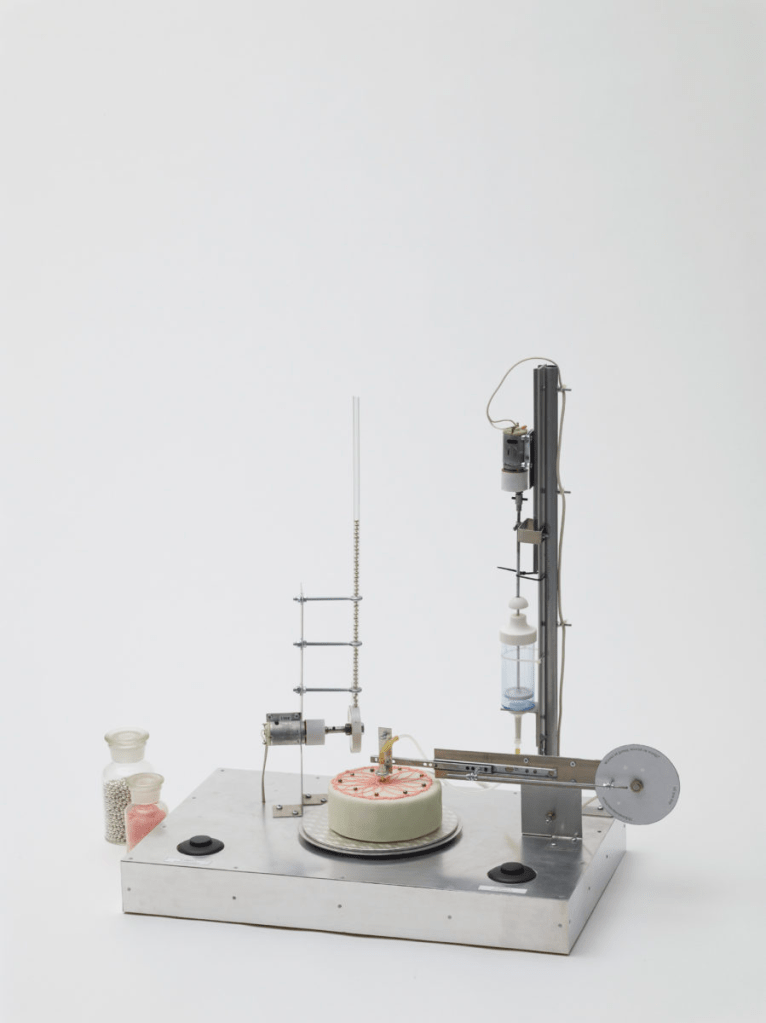
‘till you stop’ cake decoration machine by mischer traxler studio: A machine decorates a cake with lines, similar to a Spirograph, until the customer/visitor decides to stop the decoration process. Then in a second process sugar pearls are dropped onto the glazing. The decor is continuously changing and the costumer/visitor has to decide whether they prefer a simple design or a more complex one. Once the decoration machine is stopped it can not be started again.
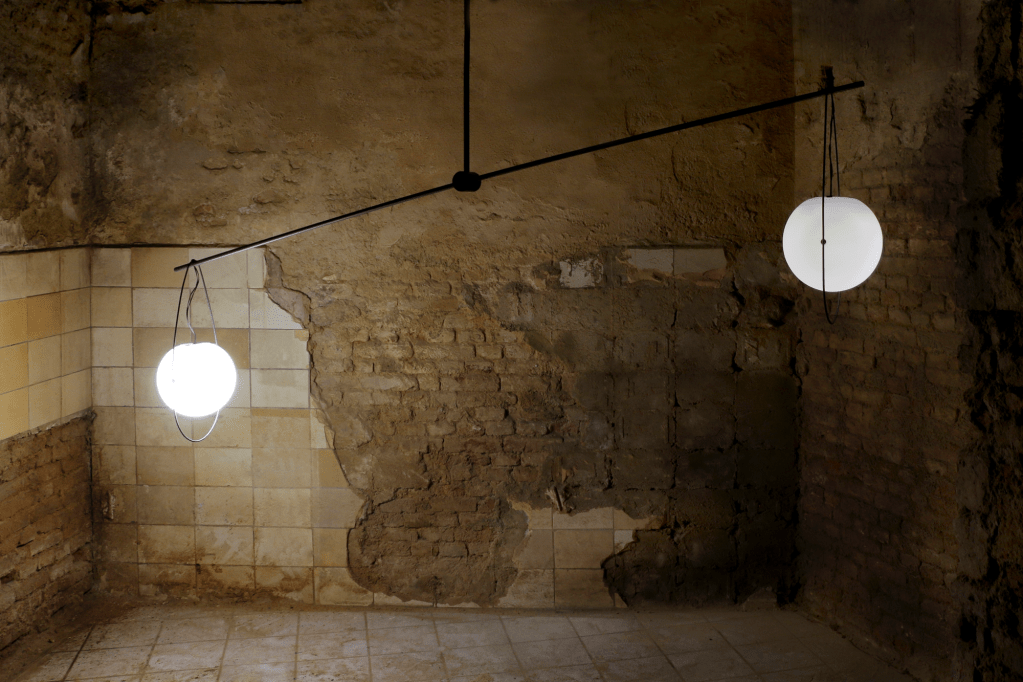
‘equilumen’ by mischer traxler studio: It consists of a long rod with a glass sphere on each side. When the lamp is balanced, both spheres give off the same amount of light by sharing the lamp’s power equally. Once somebody pulls down one end of the lamp, this sphere will light up to its maximum while the other sphere gets dimmed down. It is a constant game of ‘give and take as soon as someone interacts with the lamp – symbolising that the right balance is delicate and hard to achieve.
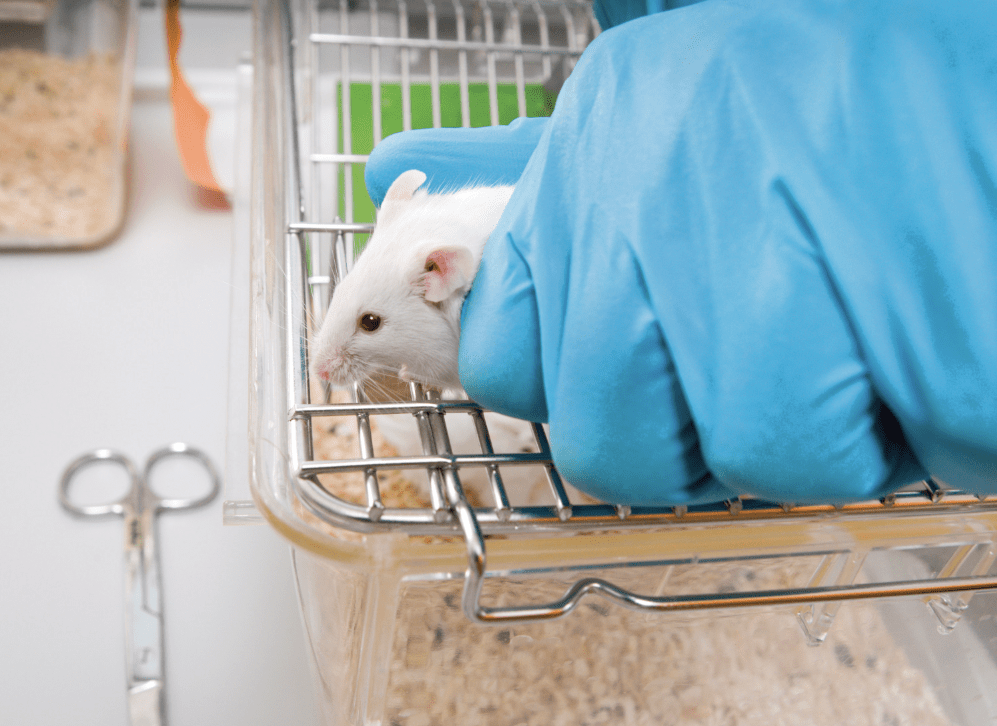
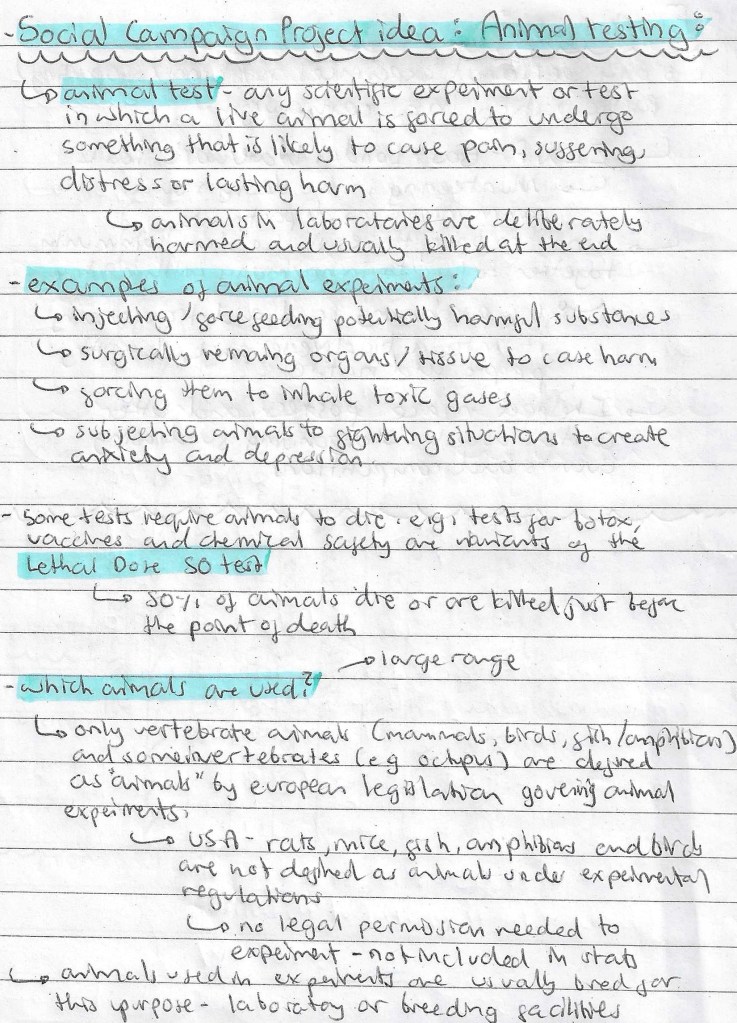
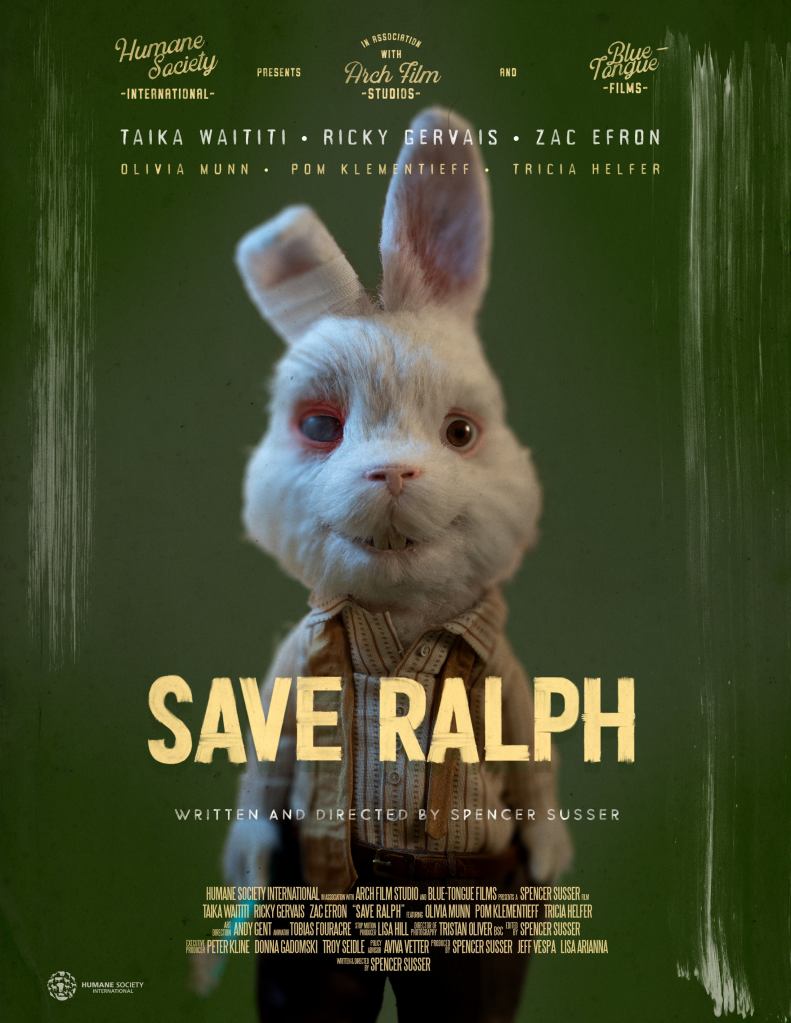
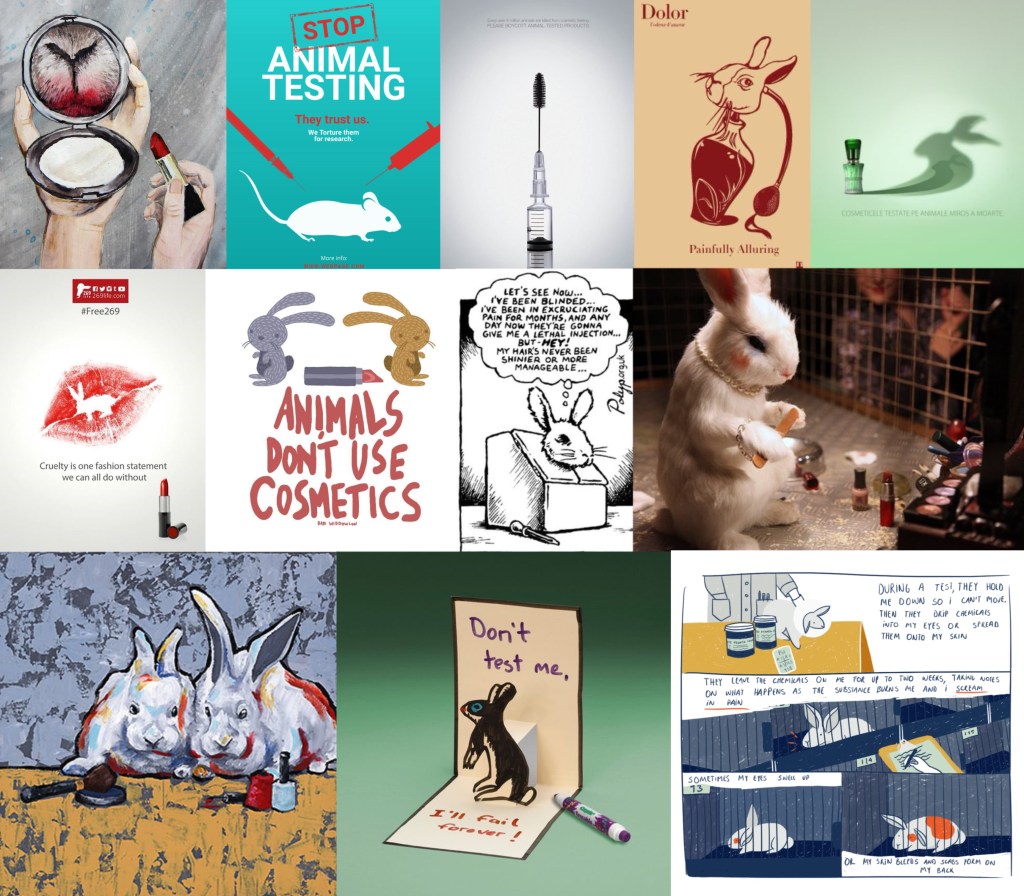
Save Ralph: this is a short stop motion film created by ‘The Humane Society’. Its intention was to raise awareness for the problems surrounding animal testing. It follows a rabbit called Ralph as he goes to the ‘work’ and we see the effects that the experiments are having on him. It’s a really powerful way of communicating this pressing issue.
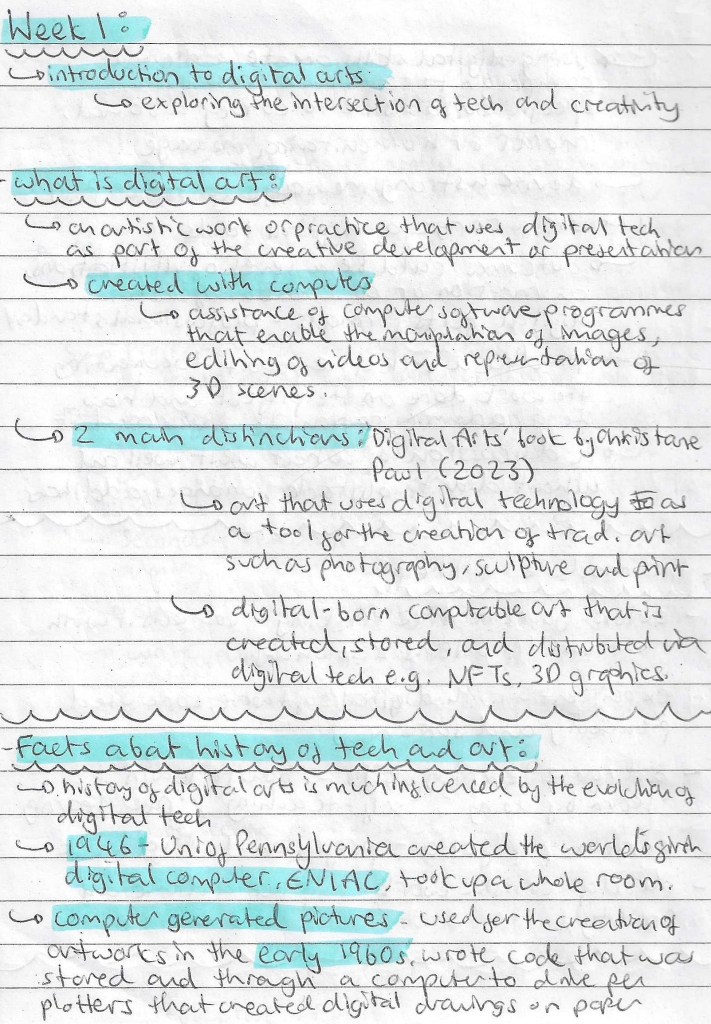
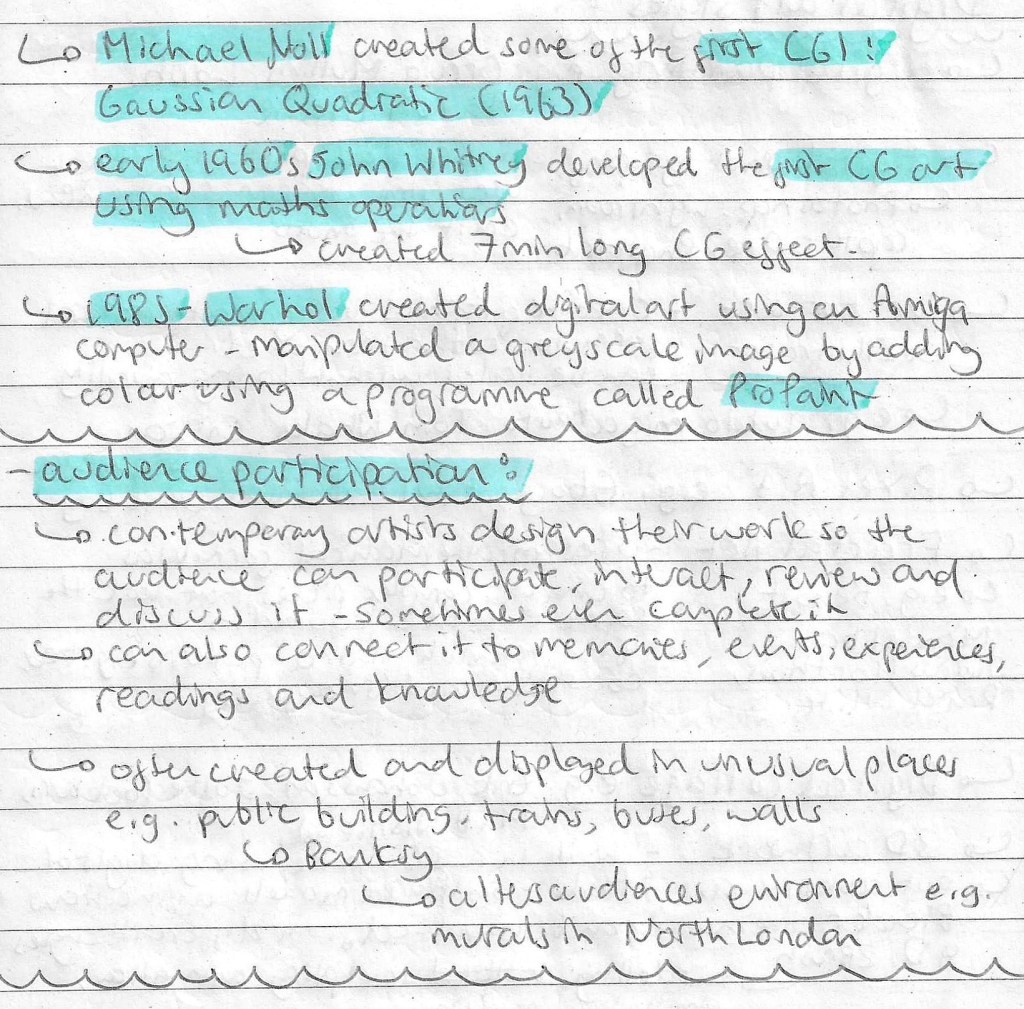
Michael Noll- Gaussian-Quadratic (1963): This is a photographic print of a computer-generated image. Noll used an IBM 7090 computer and Stromberg-Carlson 4020 microfilm plotter to produce “an exploratory series of design-producing experiments”
John Whitney (early 1960s): Whitney is widely considered one of the pioneers of computer animation. He was the founder of ‘Motion Graphics Incorporated’ which used the mechanical analog computer that he invented to create motion picture and television title sequences and commercials.
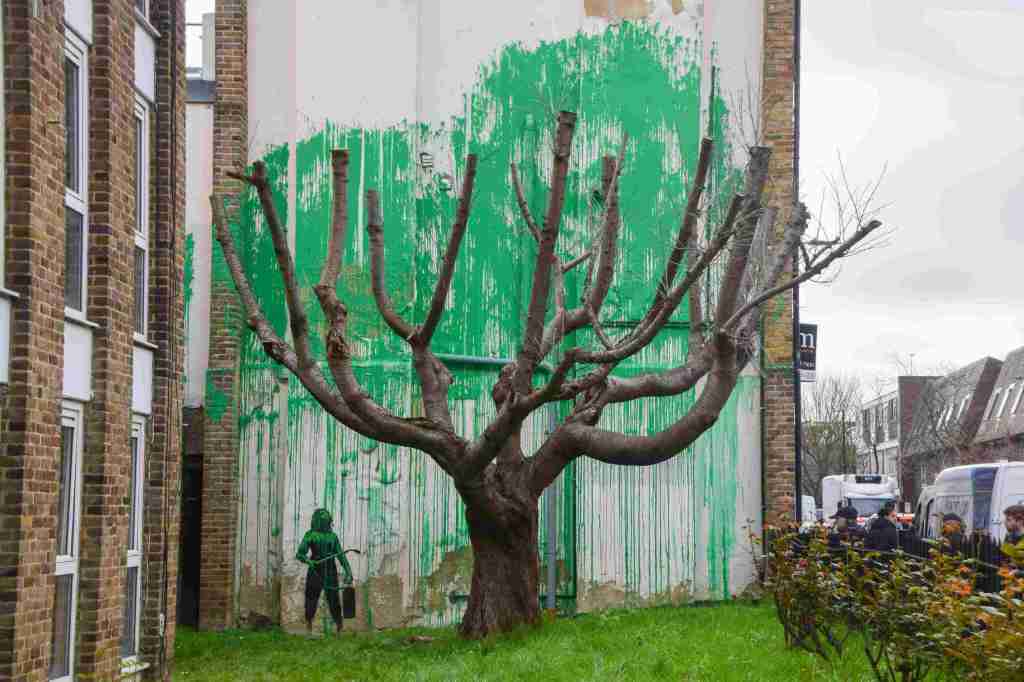
Banksy mural (2024): Banksy created this piece in London using green paint sprayed across the side of a building to mimic the foliage of heavily pruned tree that stands a few metres in front of it. The mural also has a stencilled character, typical of his work. The power of this piece comes from its location and size.
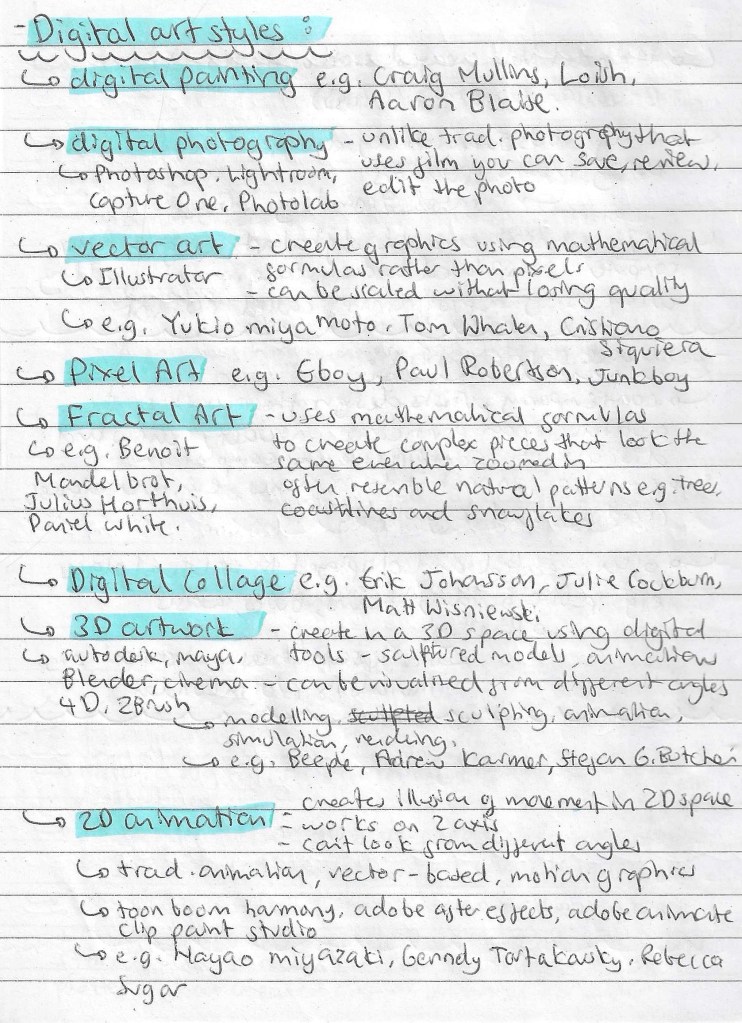
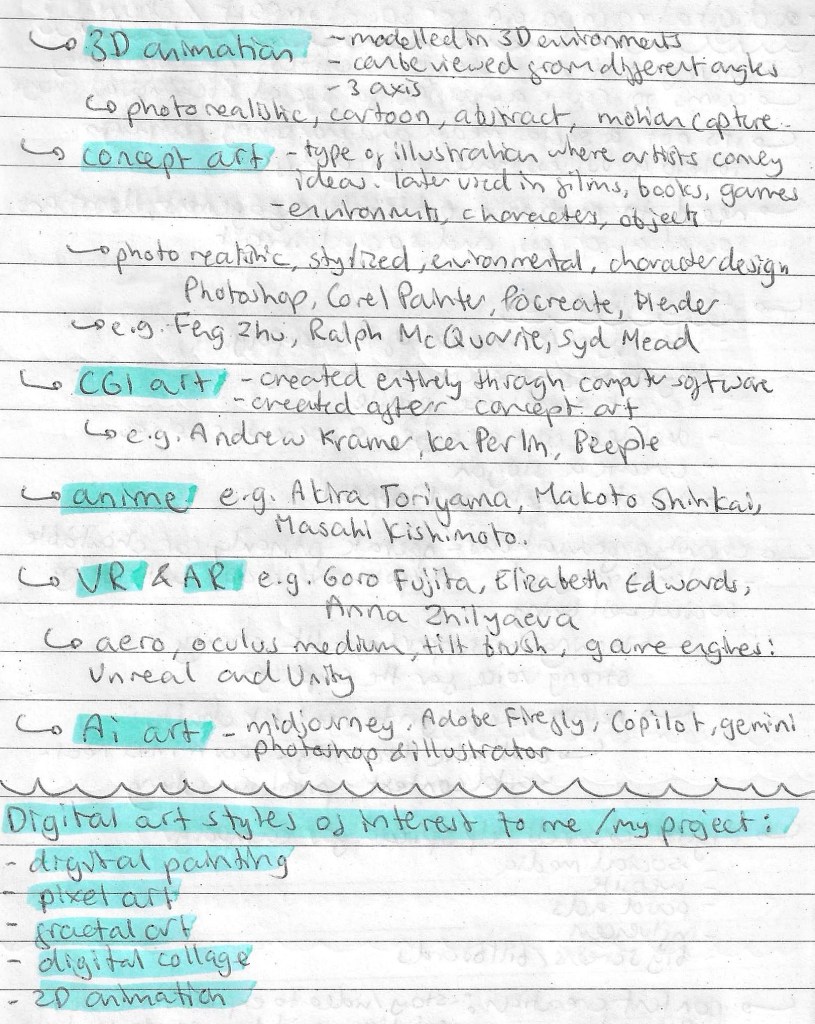
Digital art styles: here are notes about lots of different digital art styles and some examples of artists who work in that style. The digital art styles that initially interest me for my project art digital painting, fractal art, digital collage and 2D animation.
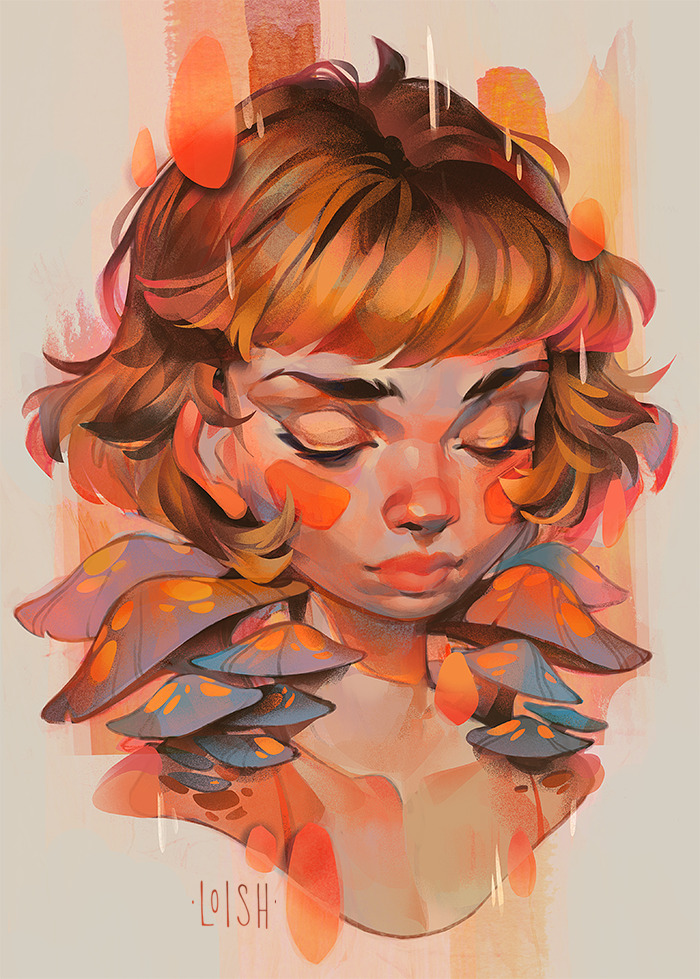
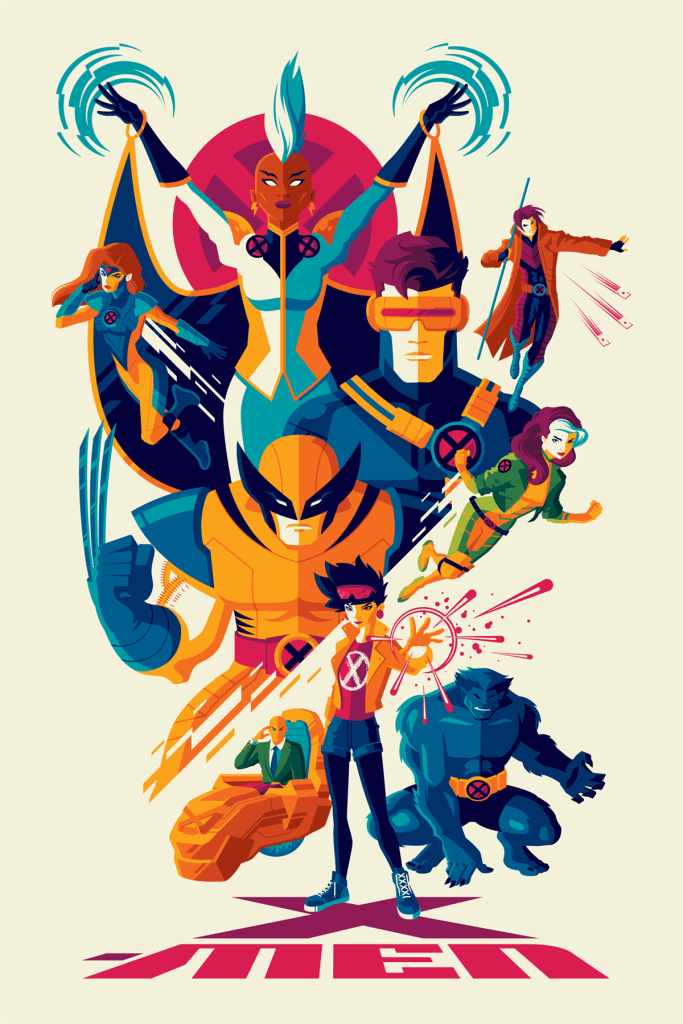
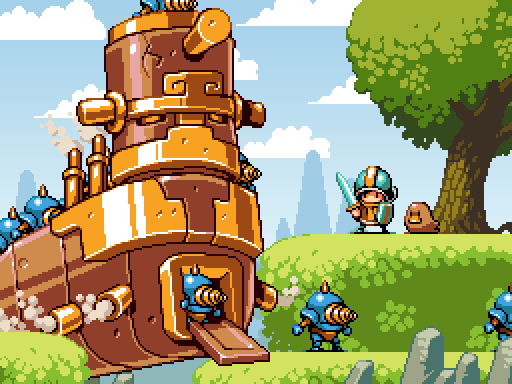
Digital Artists: these are a selection of digital artists that work across various styles who’s art I like and can draw inspiration from.
Loish (digital painting):
Tom Whalen (vector art):
Junkboy (pixel art):
Benoit Mandelbrot (fractal art):
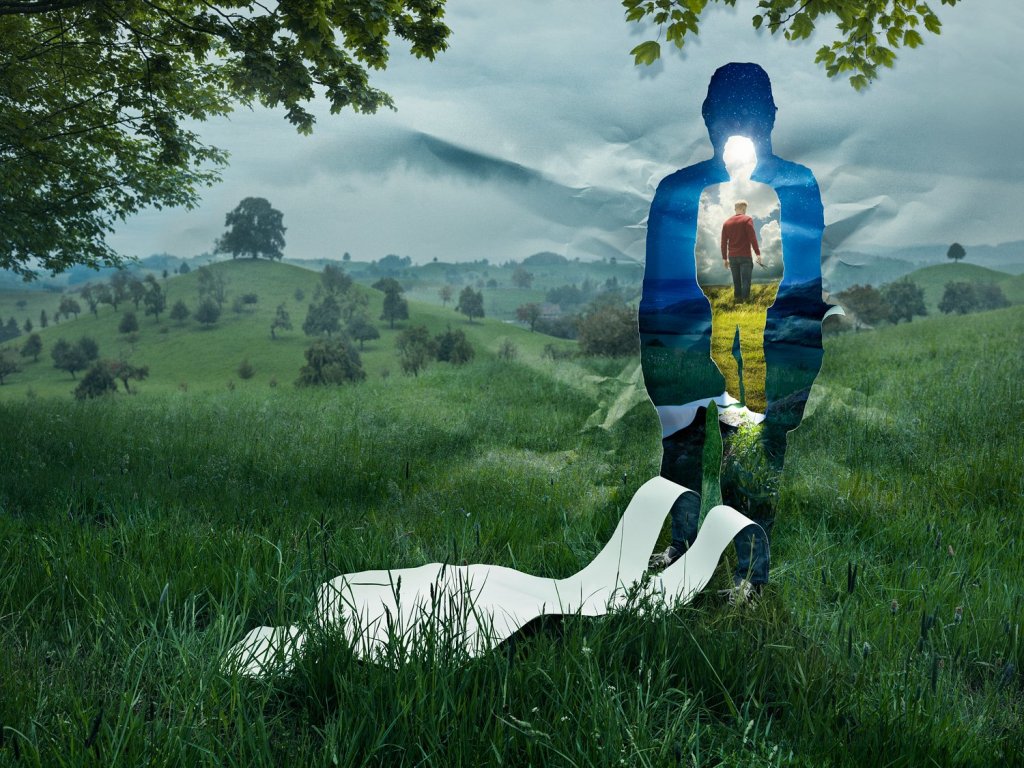
Erik Johansson (digital collage):
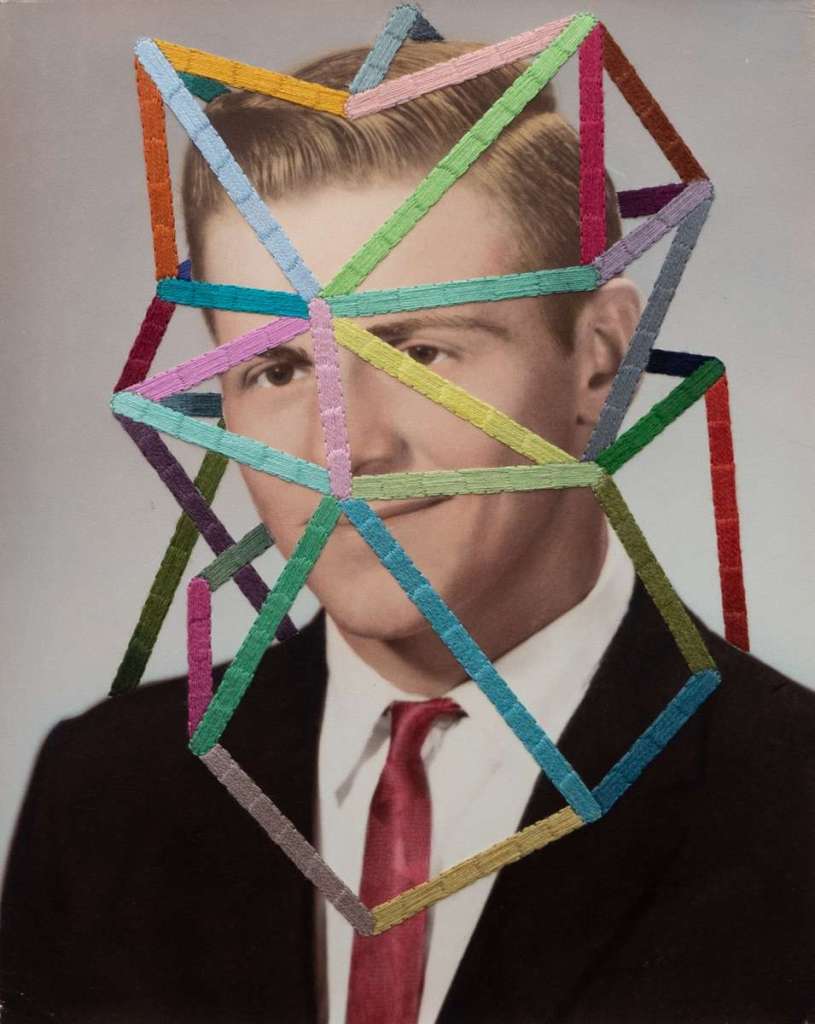
Julie Cockburn (digital collage):
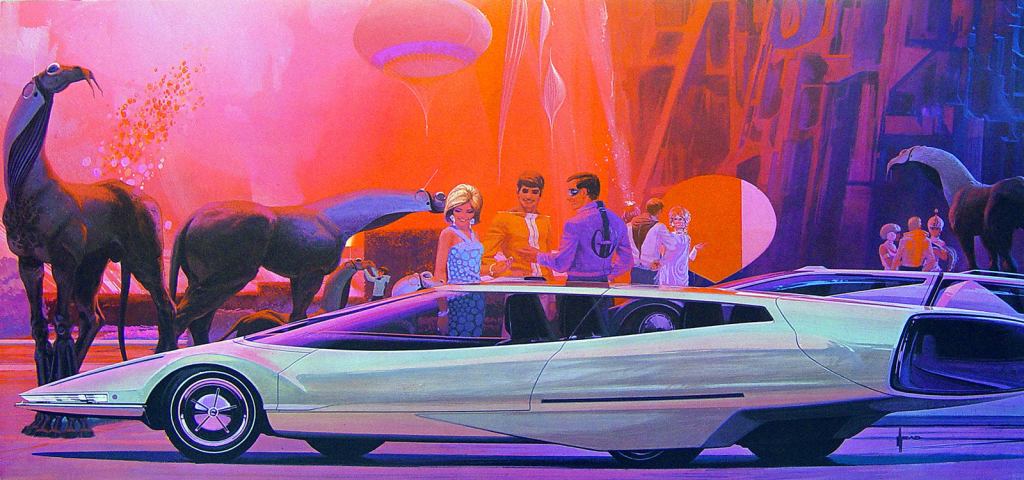
Syd Mead (concept art):
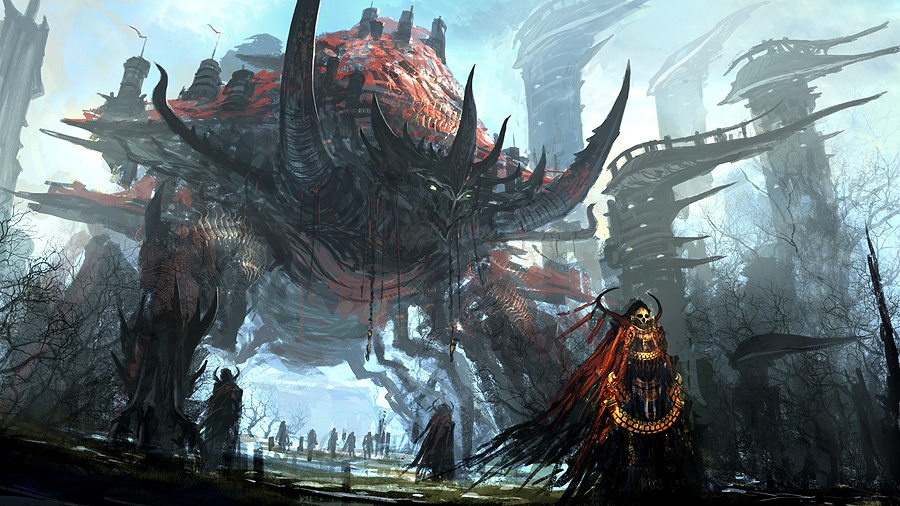
Feng Zhu (concept art):
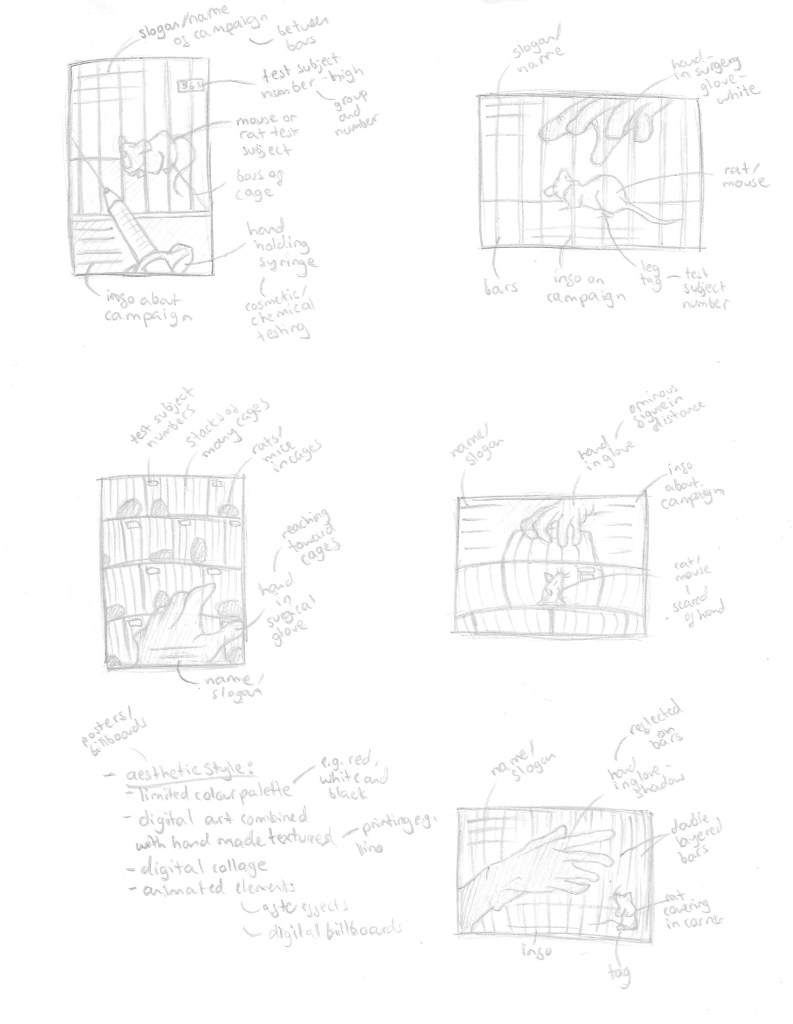
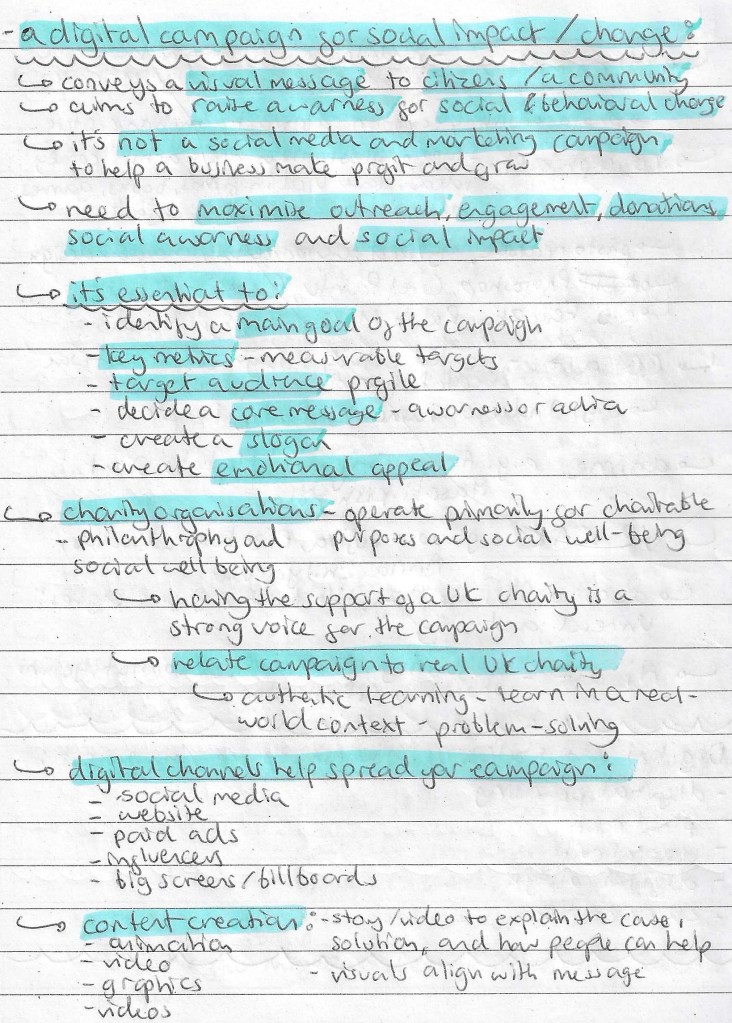
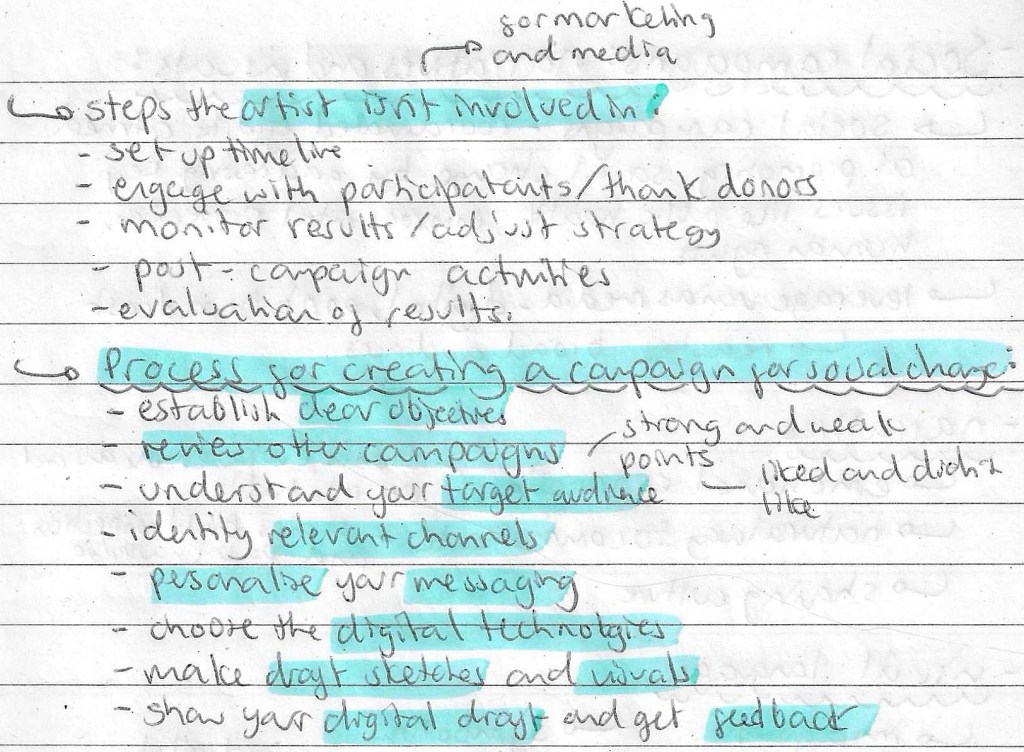
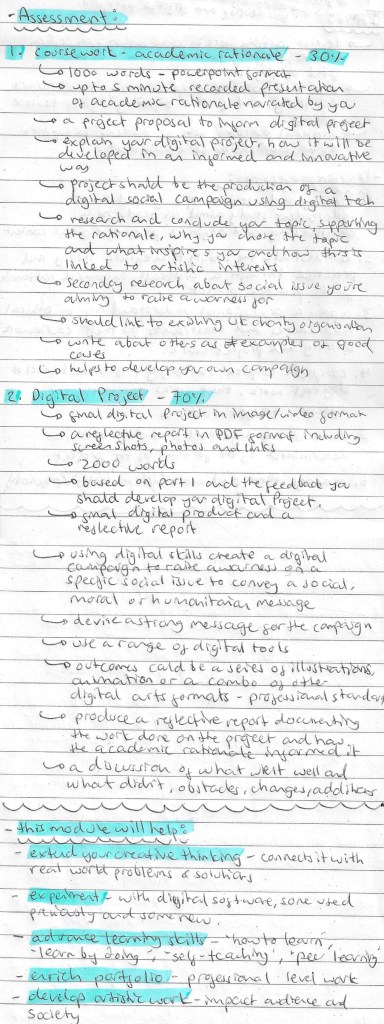
A digital campaign for social impact/change:
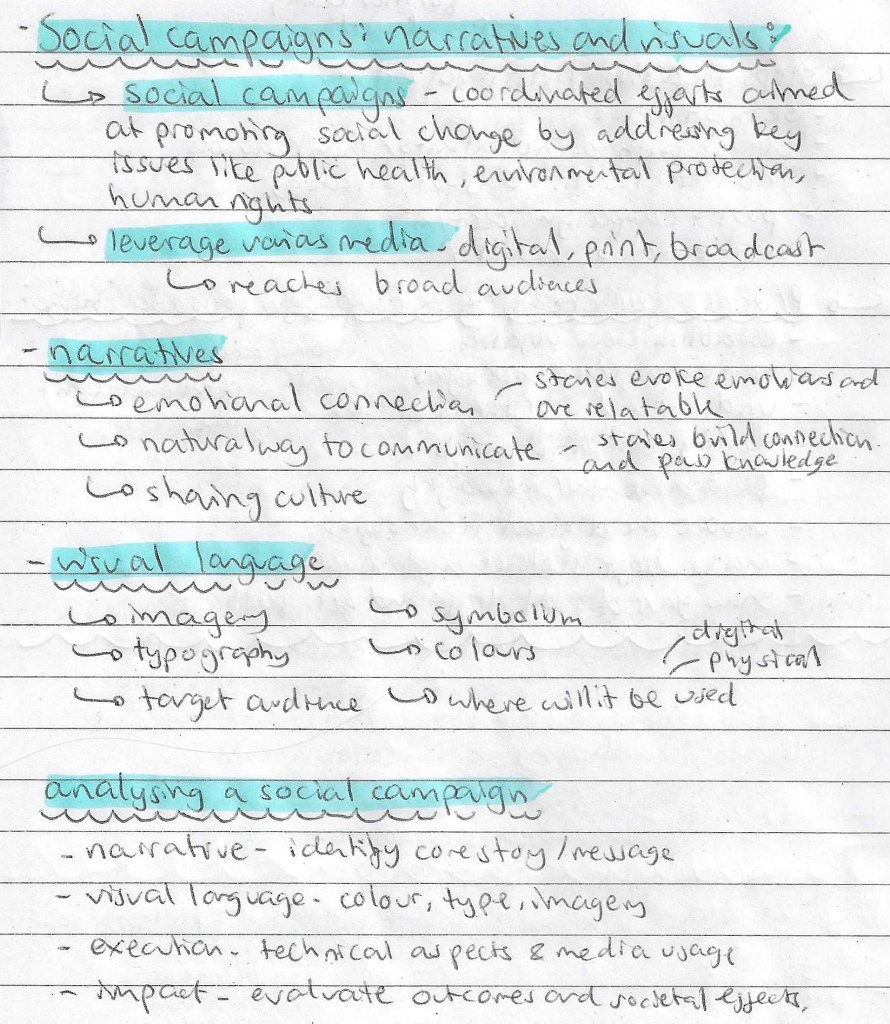
Social campaigns: narratives and visuals:
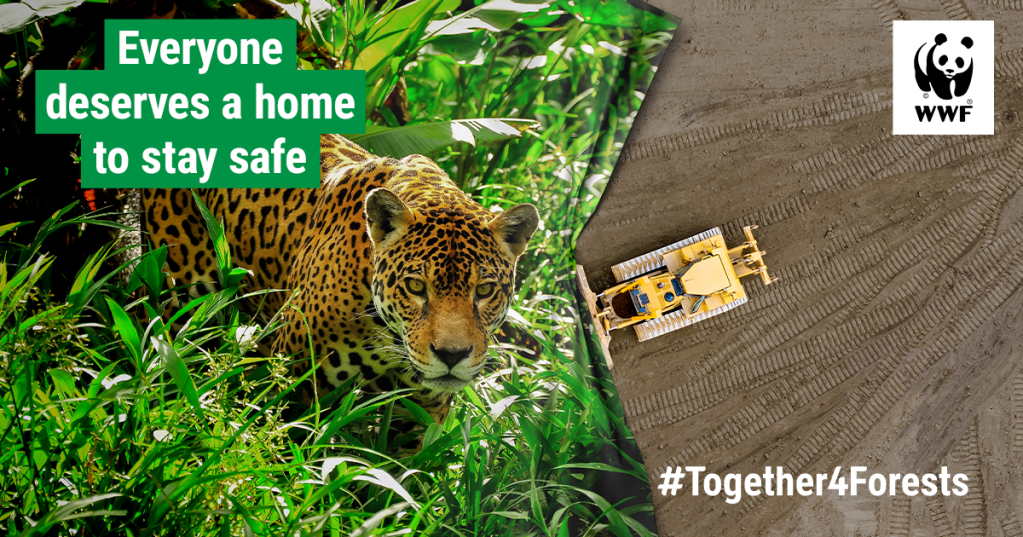
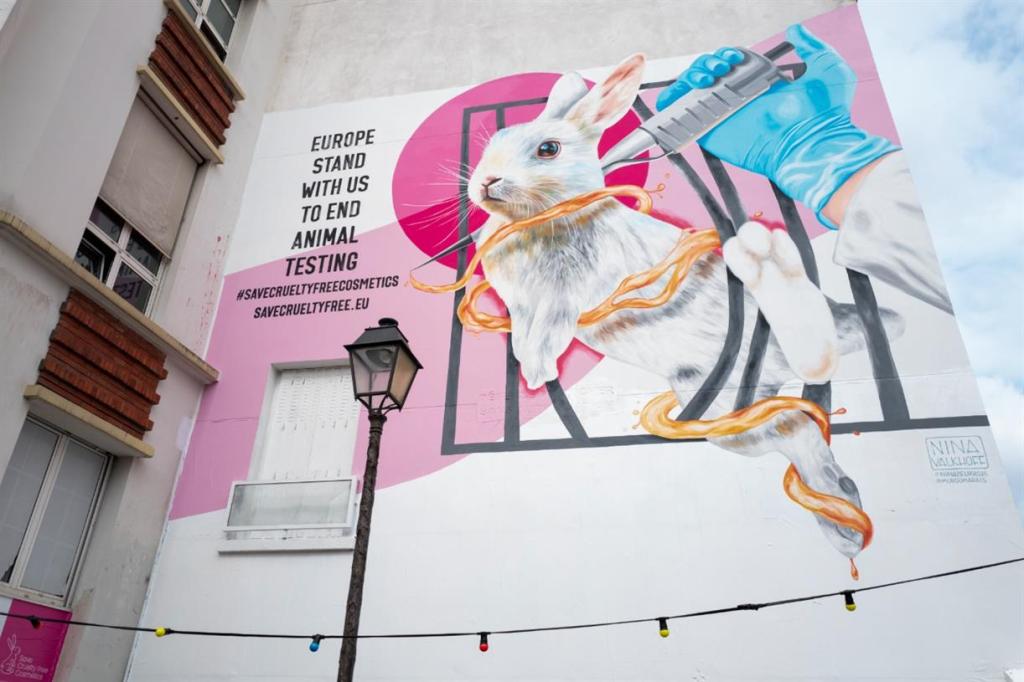
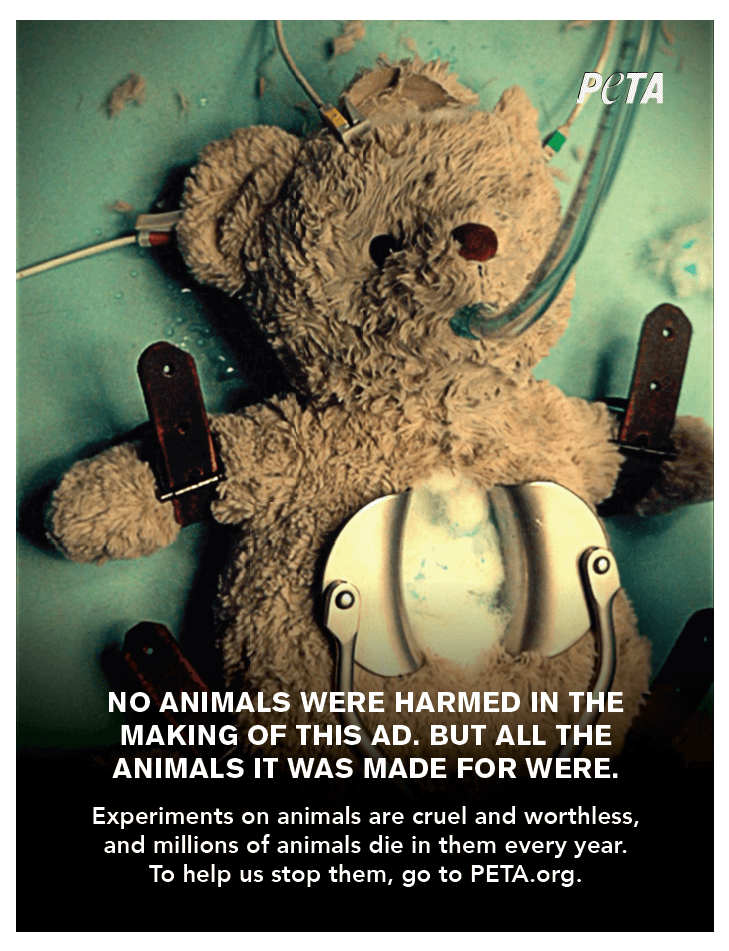
Reviewing digital social campaigns:
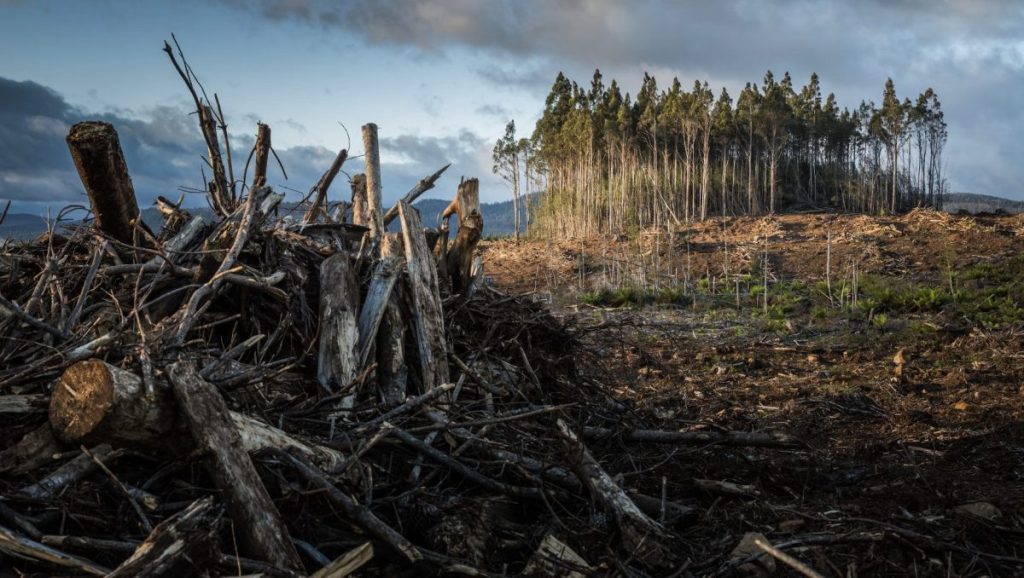
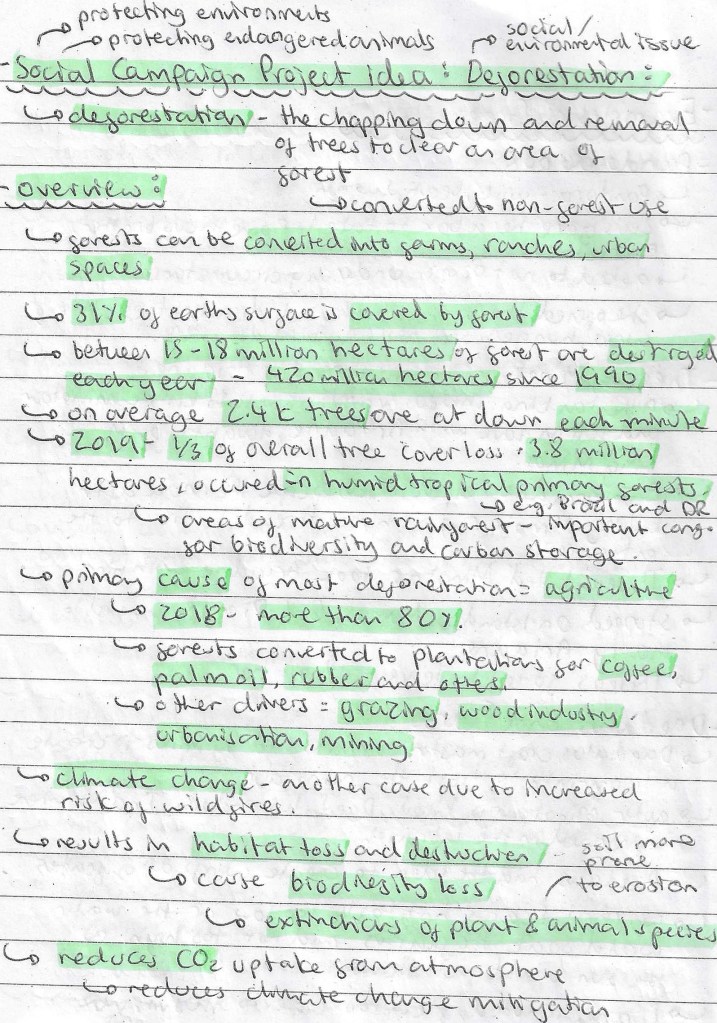
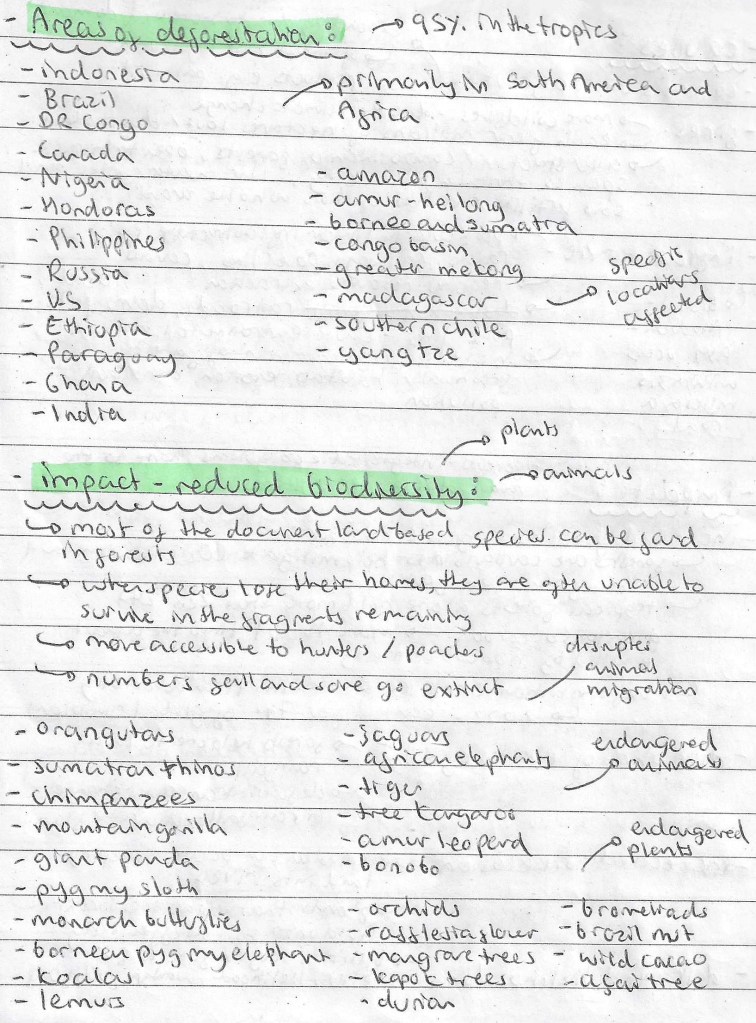
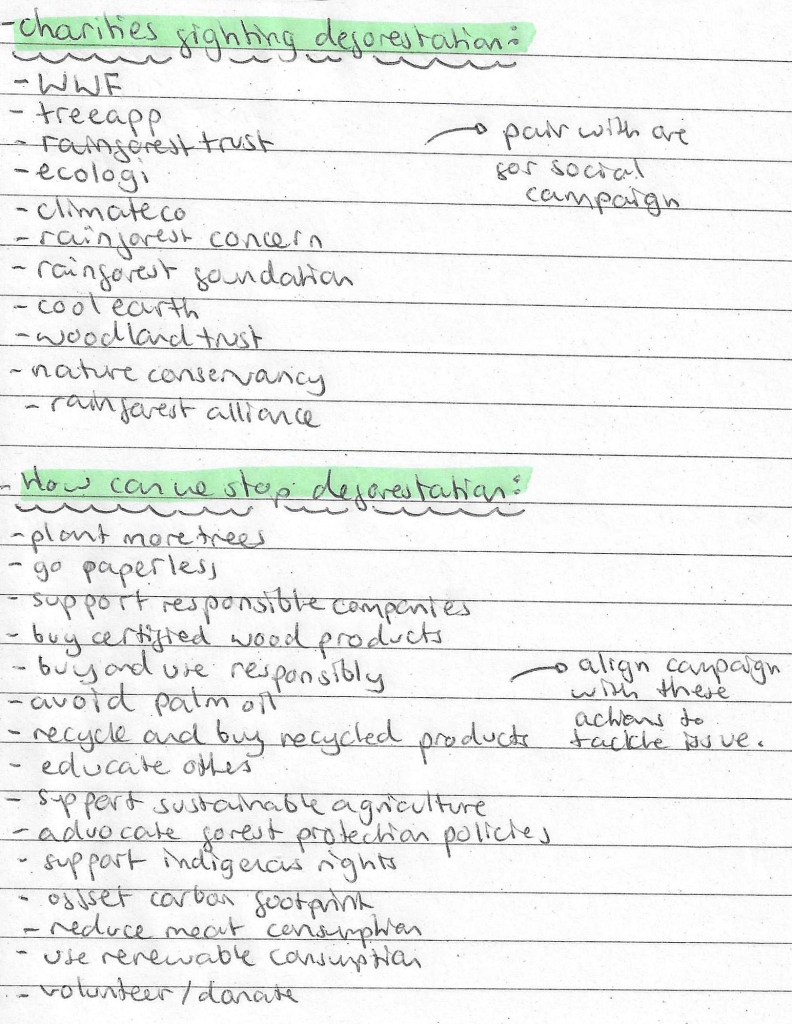
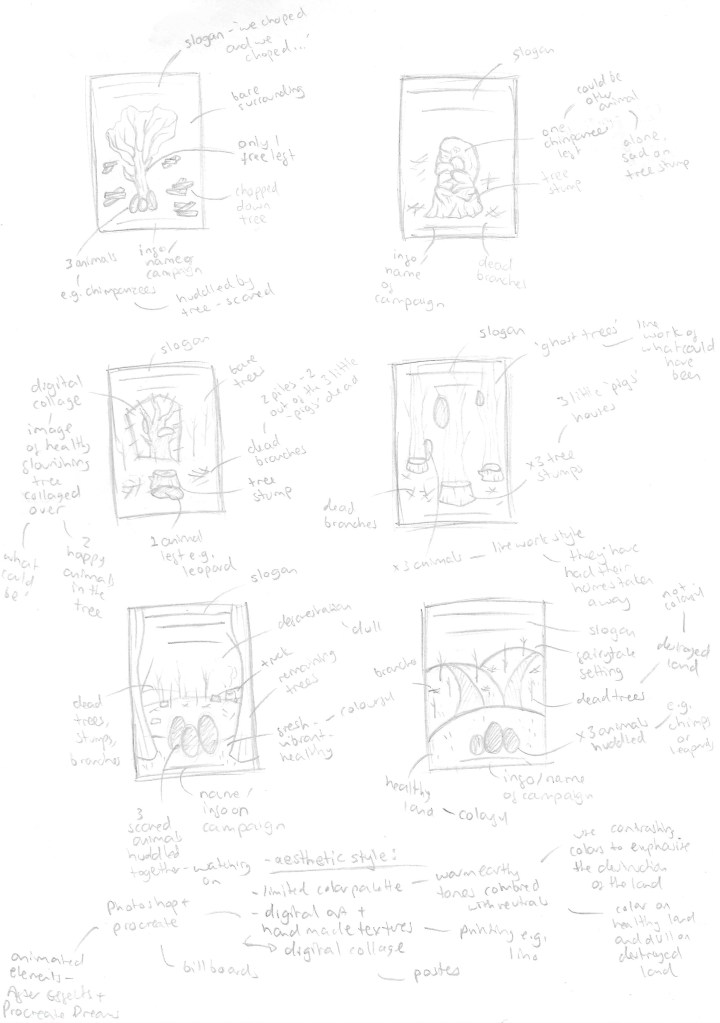
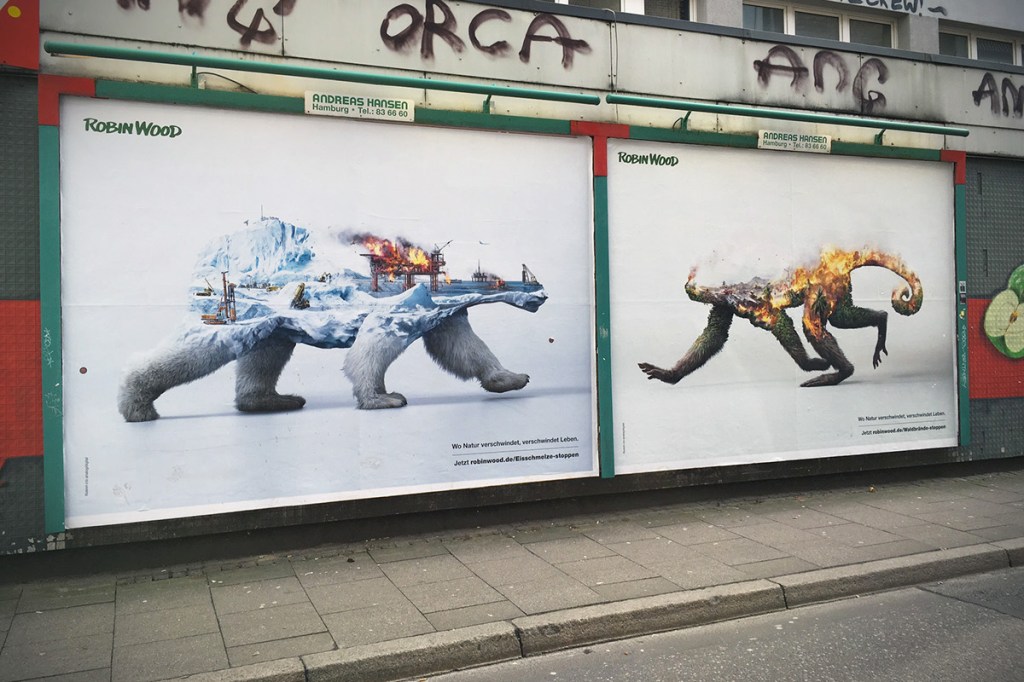
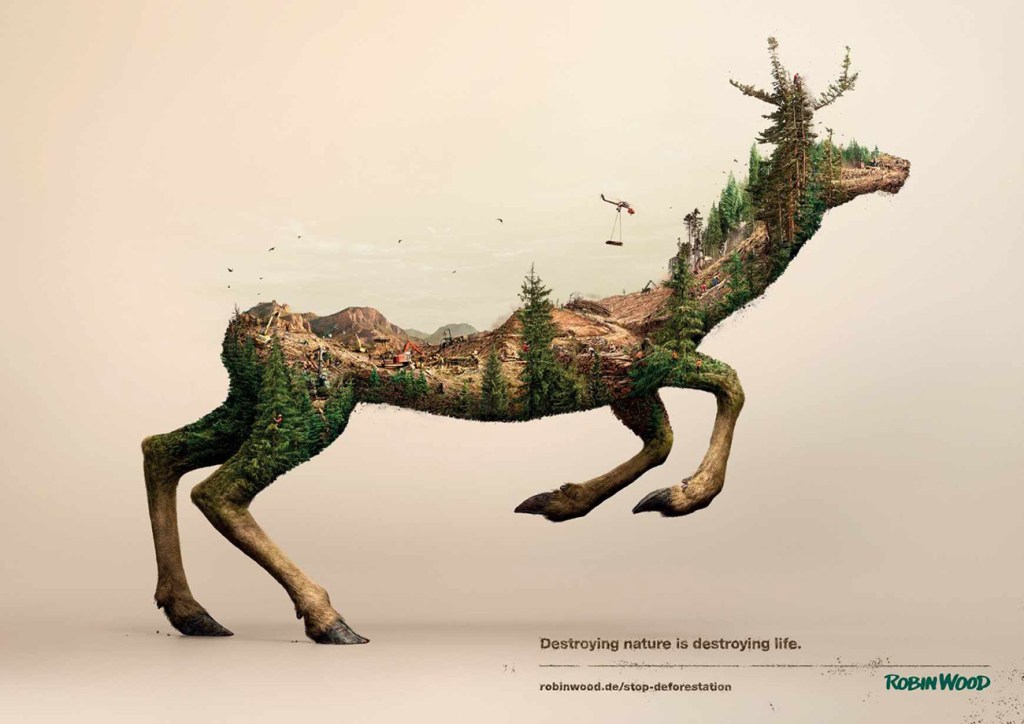
Robin Wood ‘Destroying nature is destroying life’ (2016): Illusion, the artists, helped Robin Wood, environmental activists, by creating three incredibly detailed fully CG visuals to raise public awareness of the ongoing destruction of animals’ natural habitats. The images are digital collages as they combine the forms of the animals with the destroyed landscapes. The campaign has a powerful slogan which draws awareness to the destruction caused by uncontrolled industrialisation. The campaign was organised by the Robin Wood foundation.
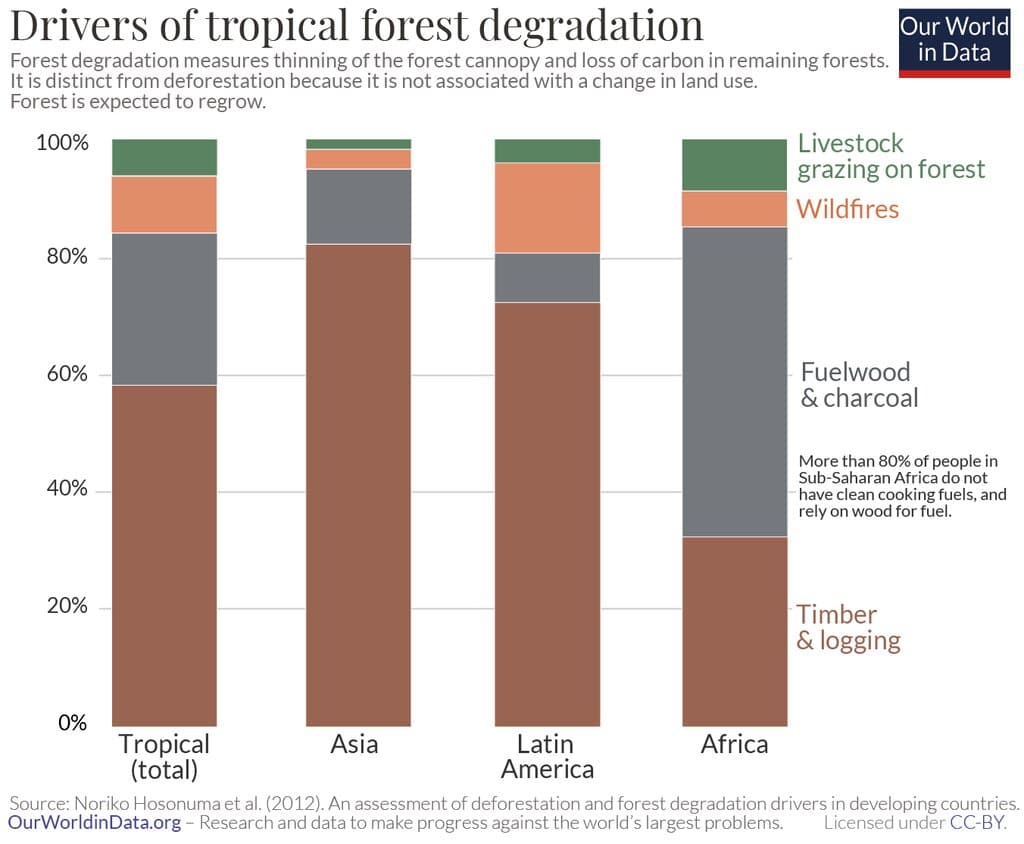
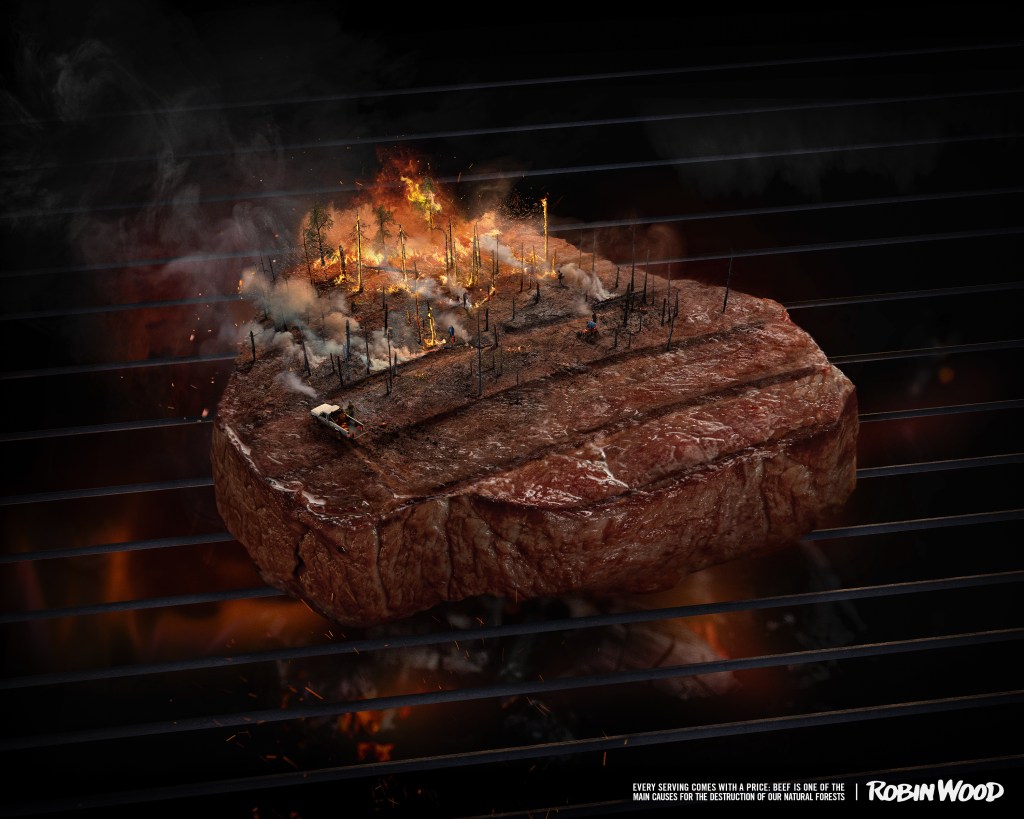
Robin Wood ‘Hungry for Destruction’ (2020): this is another social campaign by the Robin Wood Foundation. The purpose of the campaign was to take action against large-scale deforestation of natural forests to gain pasture for cattle ranches. The aim was to get people to consider the amount and origin of the meat they consume. The visual language of this is similar to the previous campaign, using detailed CG images to collage 2 elements together, in this case meat and the destroyed forests. The campaign slogan ‘every slogan comes with a price’ is perfect for making people reconsider their decisions.
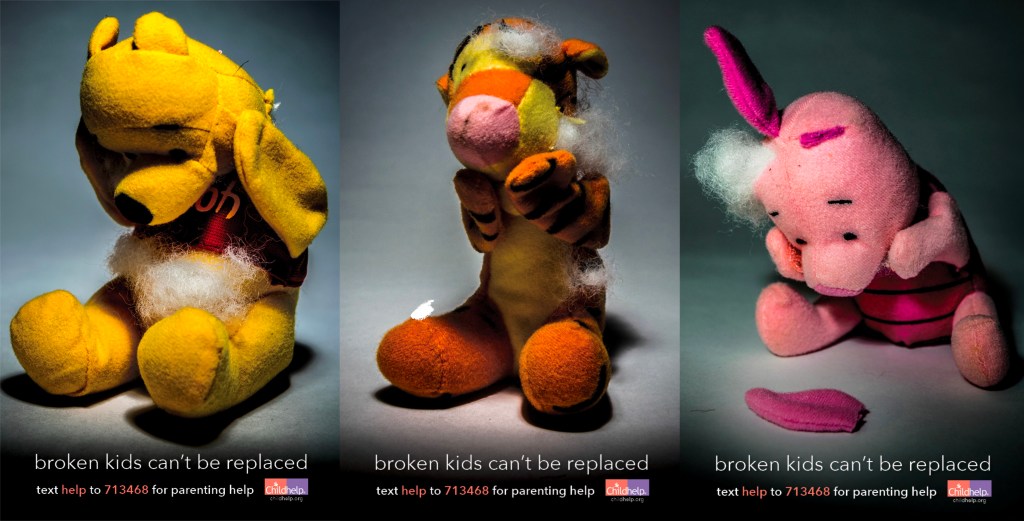
Childhelp (2017): this poster campaign tackles the social issue of child abuse. The visual were created by Christopher Das, in partnership with the non-profit organisation ‘Childhelp’. The objective of the campaign was to raise awareness of child abuse and teach people about a safe place they can go to speak about and get help regarding this issue. The visuals cleverly use the iconic characters of Winnie the Pooh, Tigger and Piglet to help boost the campaign. Seeing the characters in this conditions is distressing and help to make the poster eye catching and memorable to try and help increase the number of people that engage with the campaign.
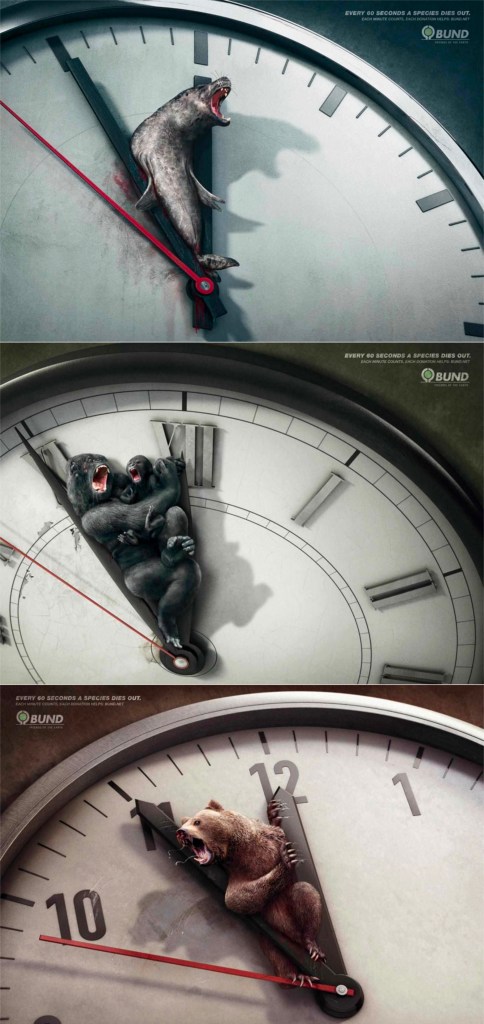
BUND ‘Every 60 Seconds A Species Dies Out. Each Minute Counts’ (2011): These 3 fully CG images were part of a print campaign by BUND fighting for animal awareness. The campaign presented the message in a striking, graphic way to attract attention from viewers. The message is a call the action to stop the destruction of ecosystems, and senseless killing of animals which result in species extinctions. The campaign aimed to raise donations to help with this issue.
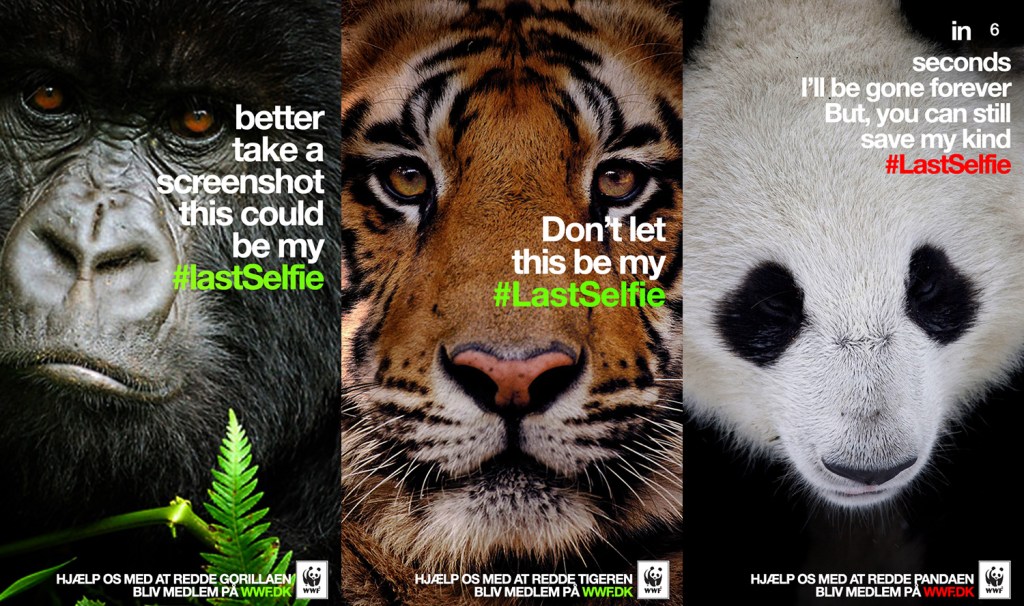
WWF ‘#LastSelfie’ (2015): this WWF campaign brilliantly used social media to spread their message. Snapchat helped spread the message to a younger audience which otherwise may not have engaged which the campaign. ‘Selfies’ of many endangered animals were shared under the hashtag #LastSelfie. These images lasted for 10 seconds and before they disappeared, users had to either share, donate or adopt the animal or help in any other way which they could. This helped to create more of an emotional impact in the minds of the viewers.
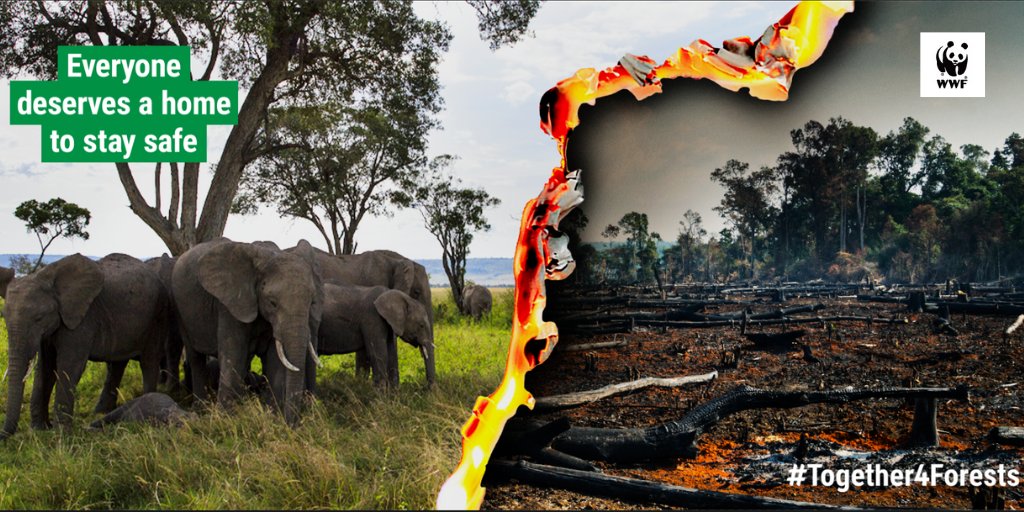
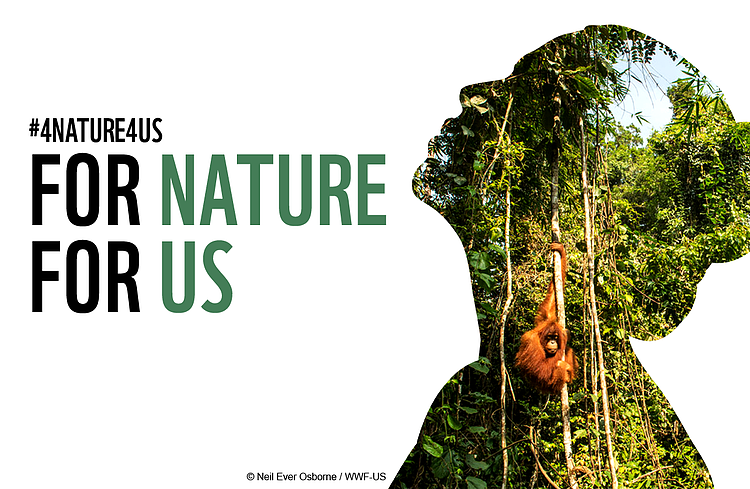
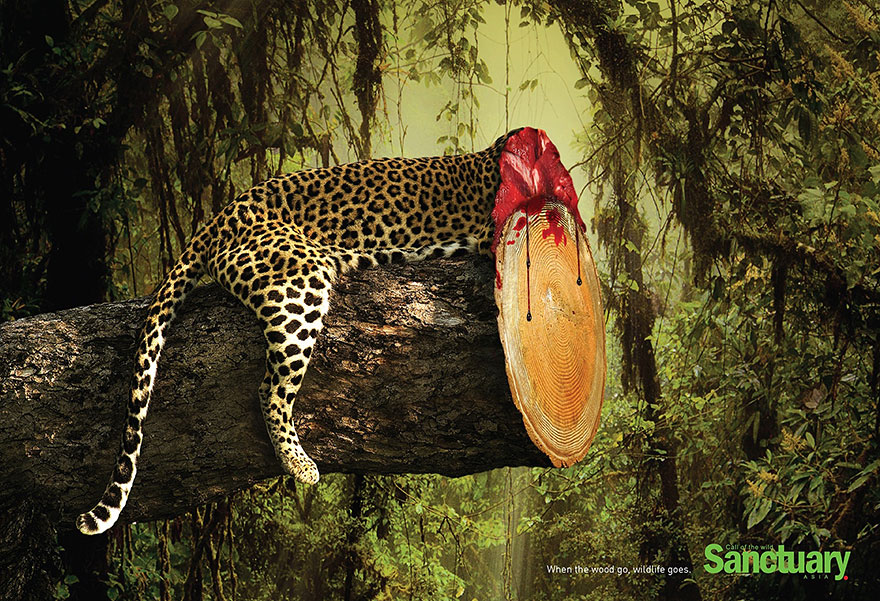
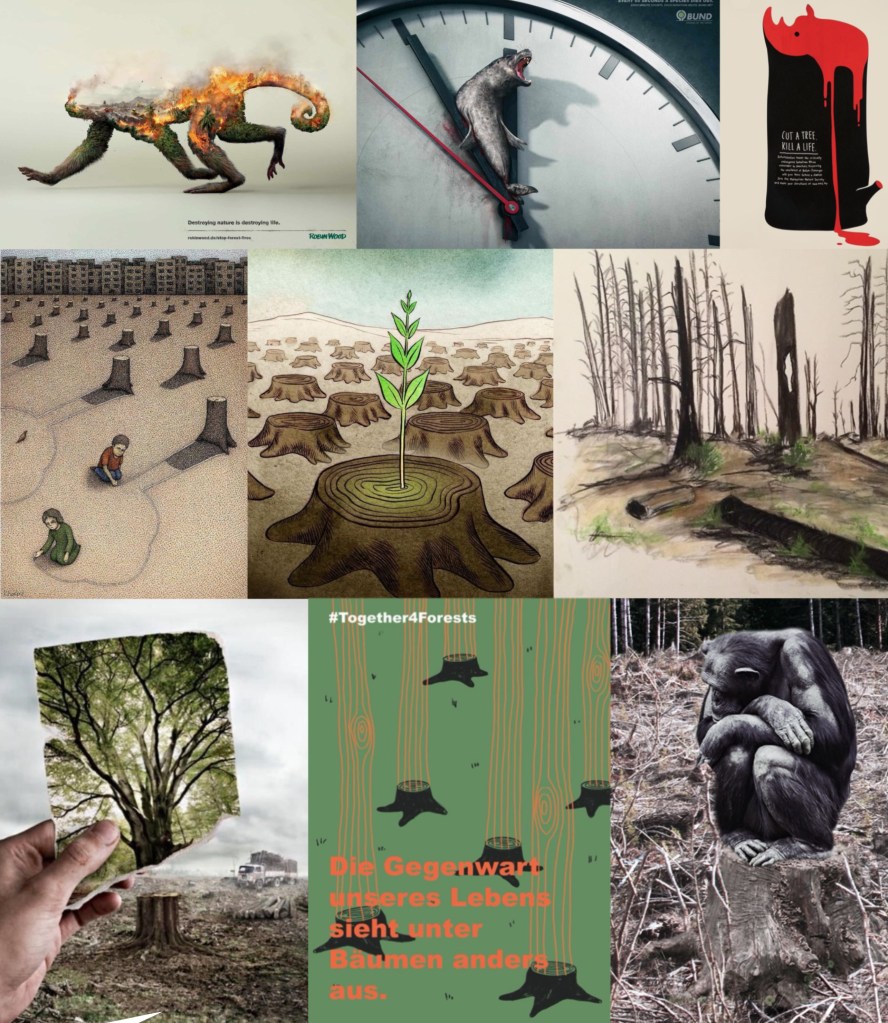
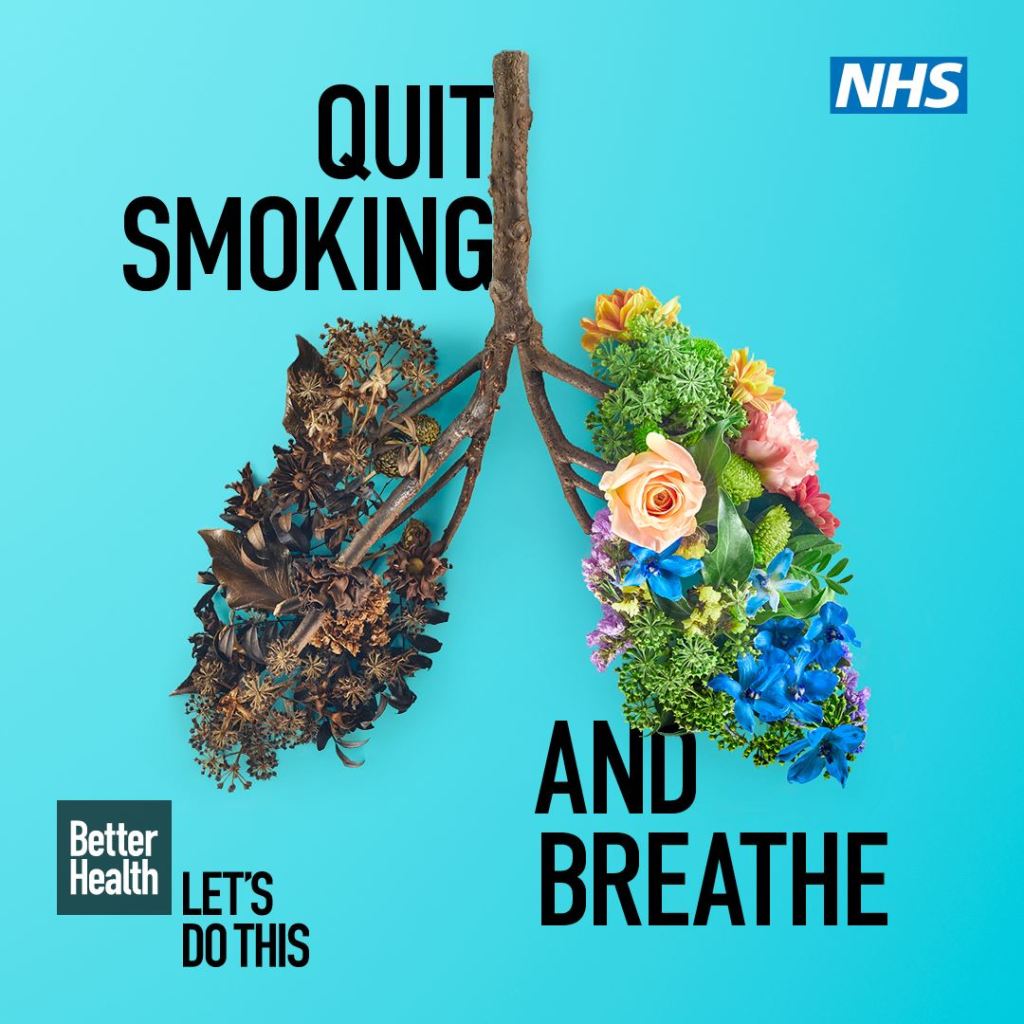
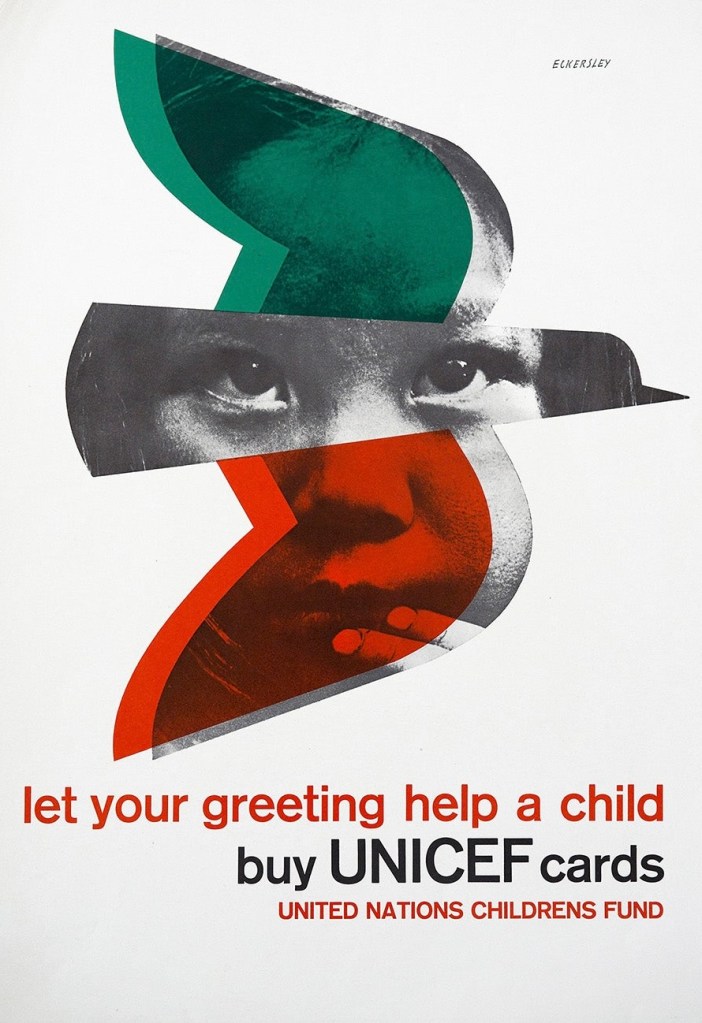
Visuals: these are some other social campaigns with visuals that I really like. They utilise photo manipulation and digital collaging which are techniques I’d like to use in my project.
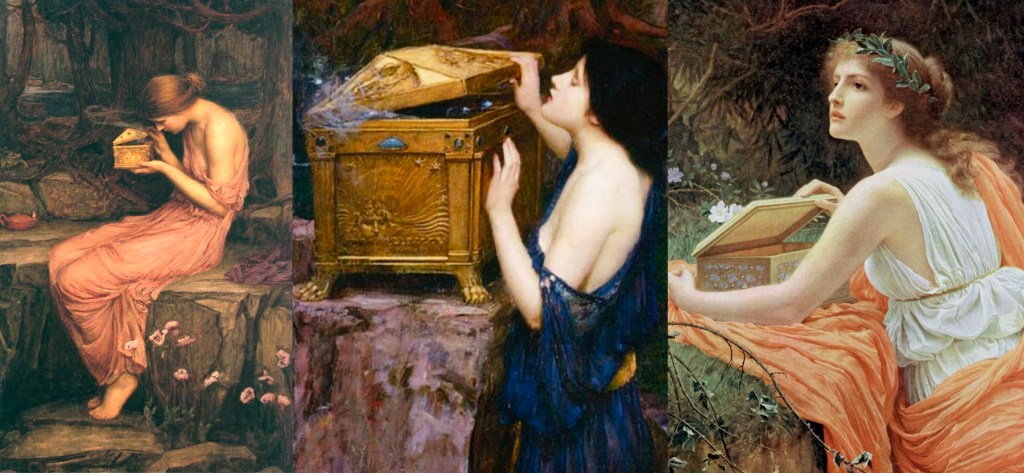
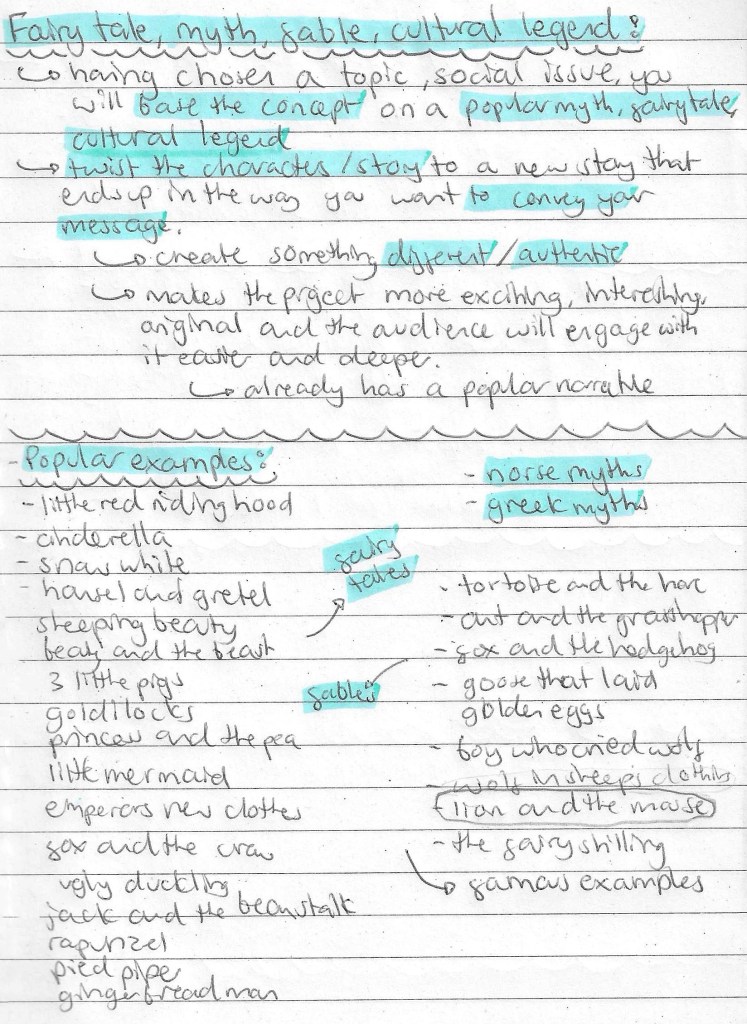
Fairy tale/ myth/ fable/ cultural legend: after choosing a social issue we will have to base our concept around a popular fairy tale, myth, fable or cultural legend.
Examples of narrative experiences: below are some examples of expanded narrative experiences that utilise digital technologies and audience engagement.
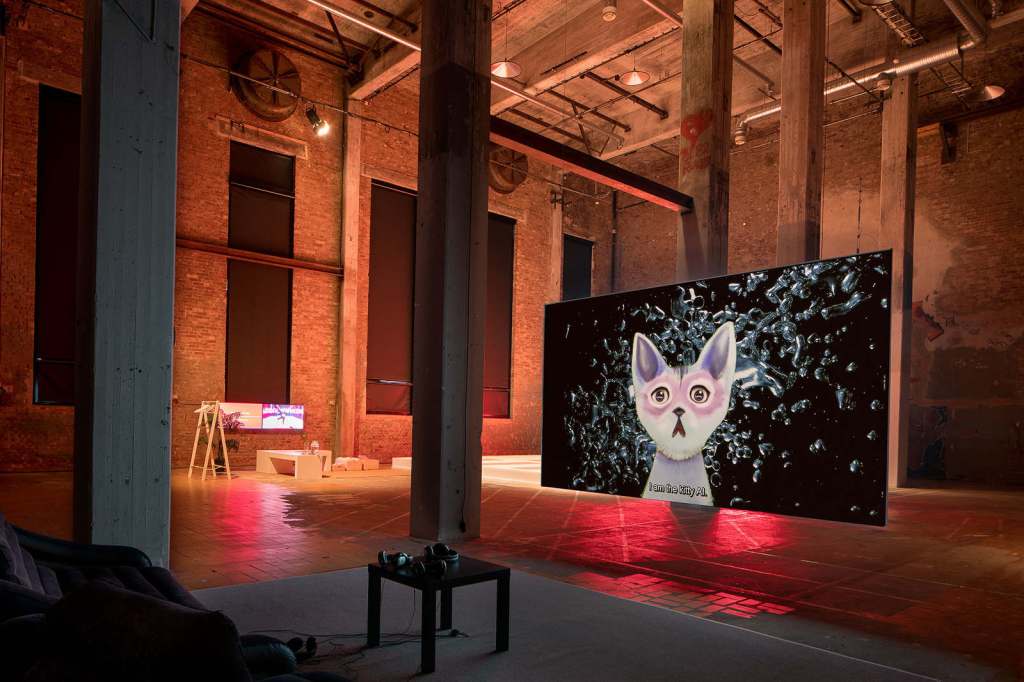
‘Kitty AI: Artificial Intelligence for Governance’ by Pinar Yoldos (2016): This is a fun piece with the narrative that in the future (2039) political governance is replaced by a speaking kitten AI.. This speculative future scenario is inspired by a Black Mirror episode. Audiences interact by talking to the AI. It’s a light hearted way of commenting on the current political governance and I like this way of approaching a serious topic.
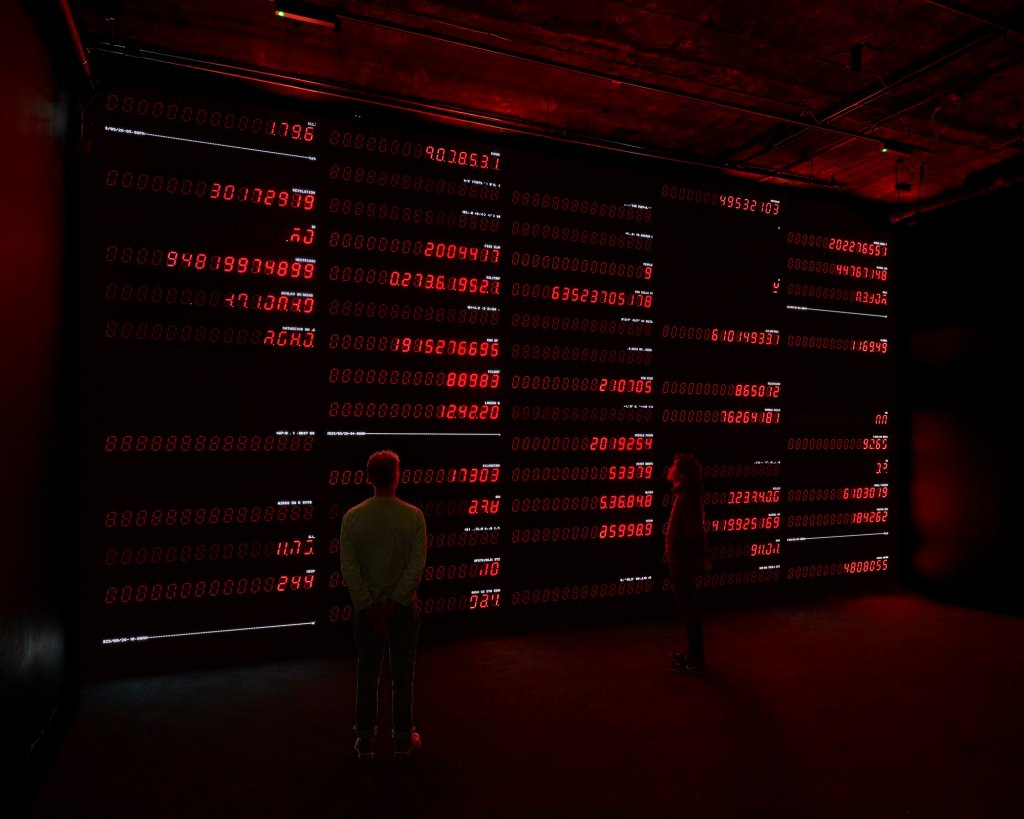
‘Present Shock II’ by United Visual Artists (2023): This installation shows the viewer loads of statistical clocks and live news feeds representing real-time information from all around the world highlighting how the speed and volume of data in the Information Age. The continuous installation successfully creates the feeling of “information overload” with a tense, stressful and ominous atmosphere.
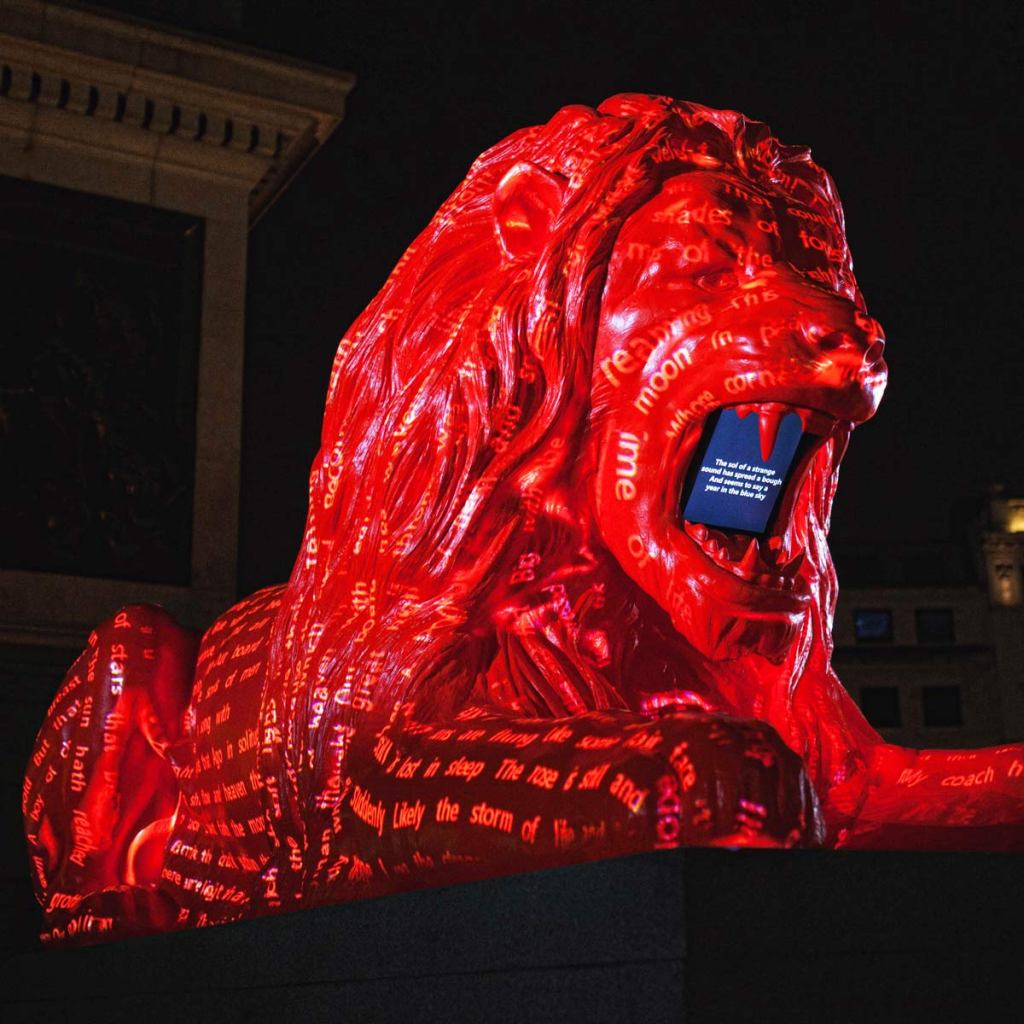
‘Please Feed the Lions’ by Es Devlin [Interactive Poetry, Sculpture, Projection] (2018): This interactive installation in Trafalgar Square combines projection-mapped sculptures, fuse light, music & tech. The lion roared poetry, with the words being chosen by the public. The public were asked to “feed the lion” words. By daylight, the constantly changing collective poem was shown by LEDs in the mouth of the lion. By night, the poem was projection-mapped over the lion.
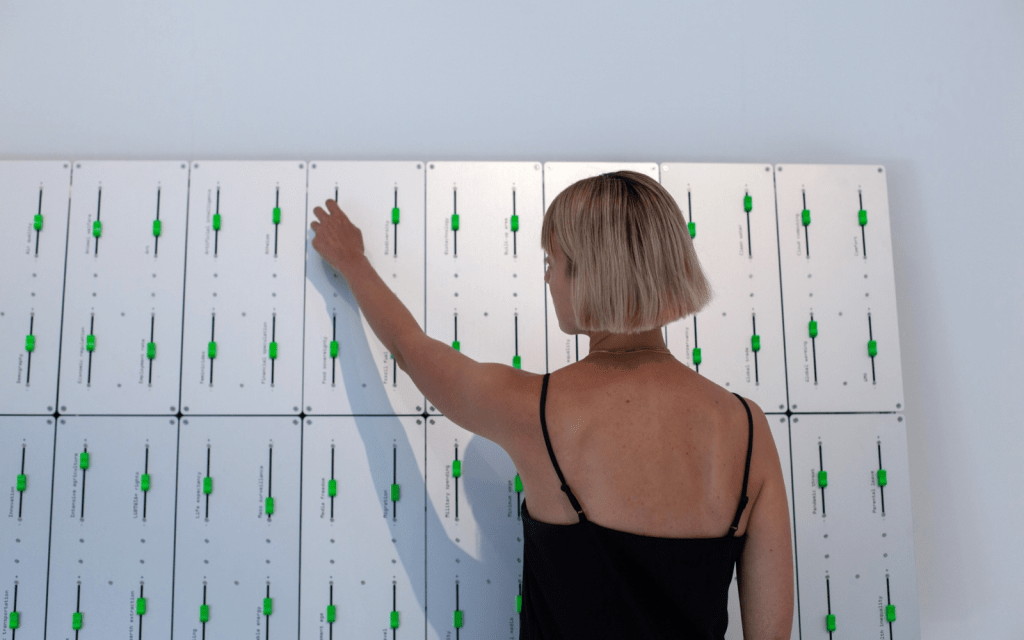
‘G80 (un)Equitable Variables’ by Fragmentin (Interactive Installation] (2023): in this installation, the audience interact with lots of sliders, each corresponding to a variable of one of 80 human conditions. When a single slider is moved, other sliders react and change, showing the how all variables are connected.
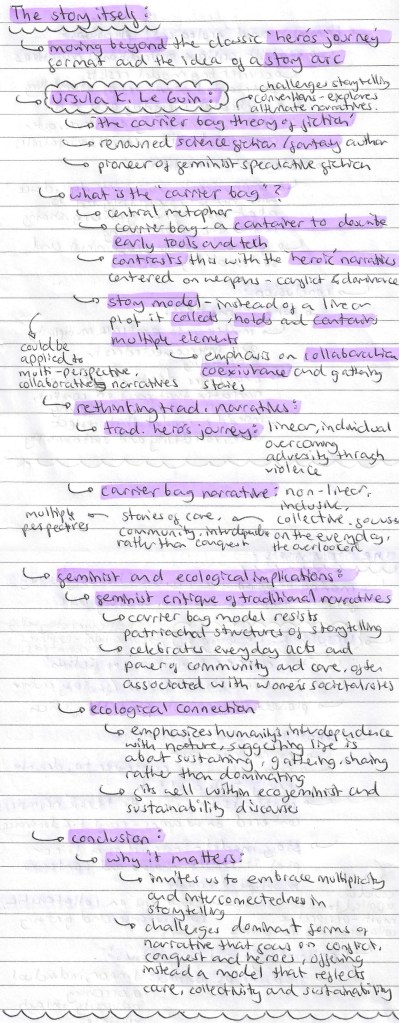
The story itself:
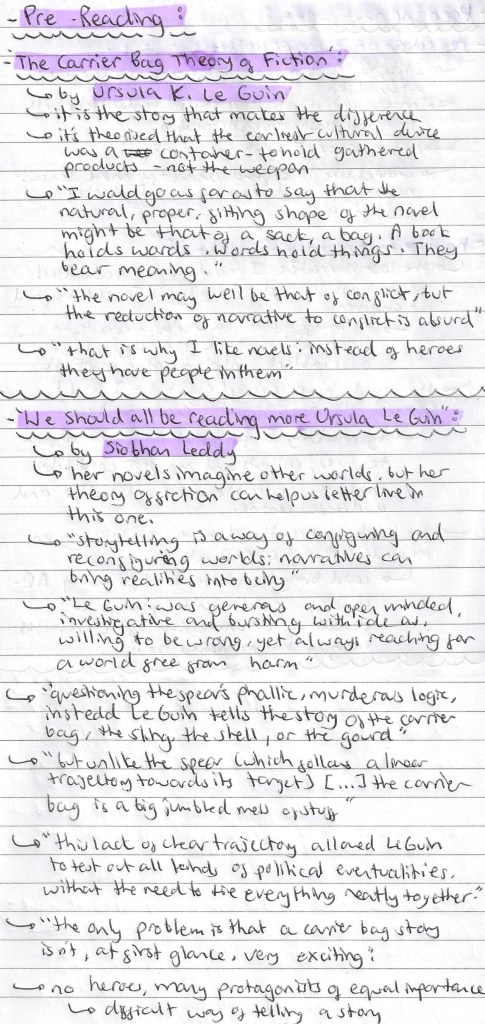
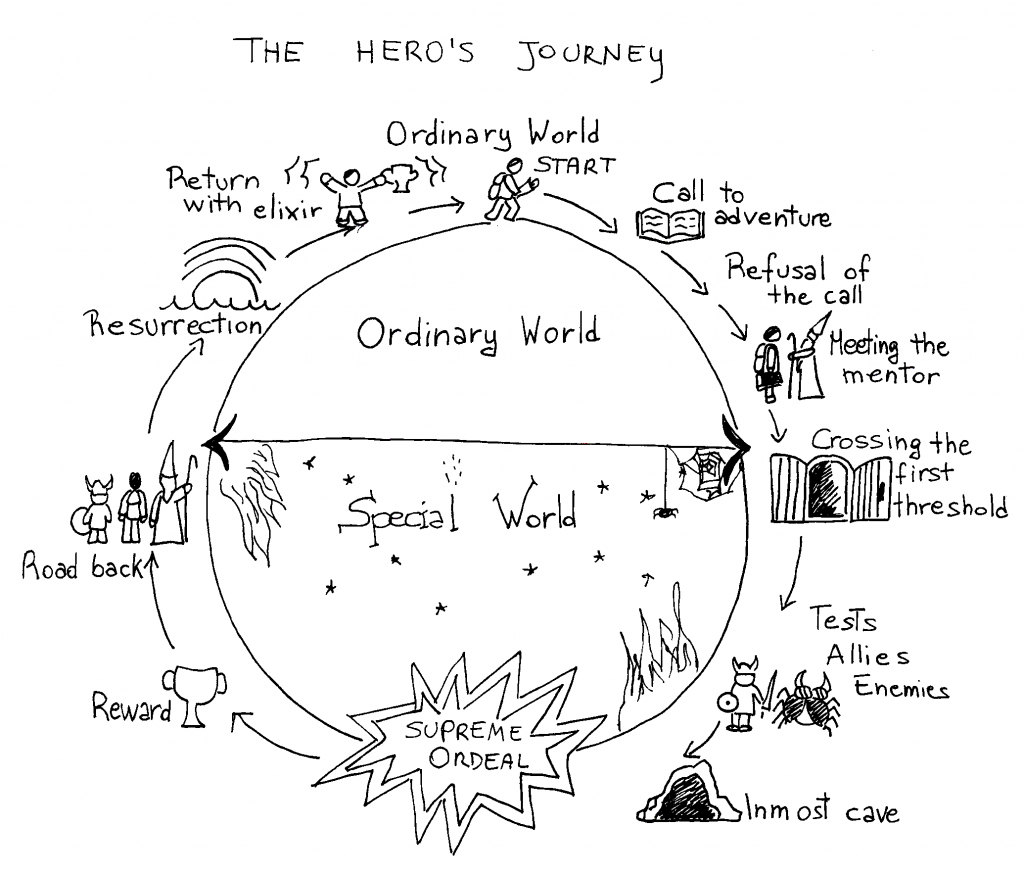
Joseph Campbell’s ‘The Hero’s Journey’: describes the common heroic storytelling narrative in which a heroic protagonist sets out, has transformative adventures, and returns home. This storytelling format is being challenged by more audience centric narratives utilising new interactive technologies.
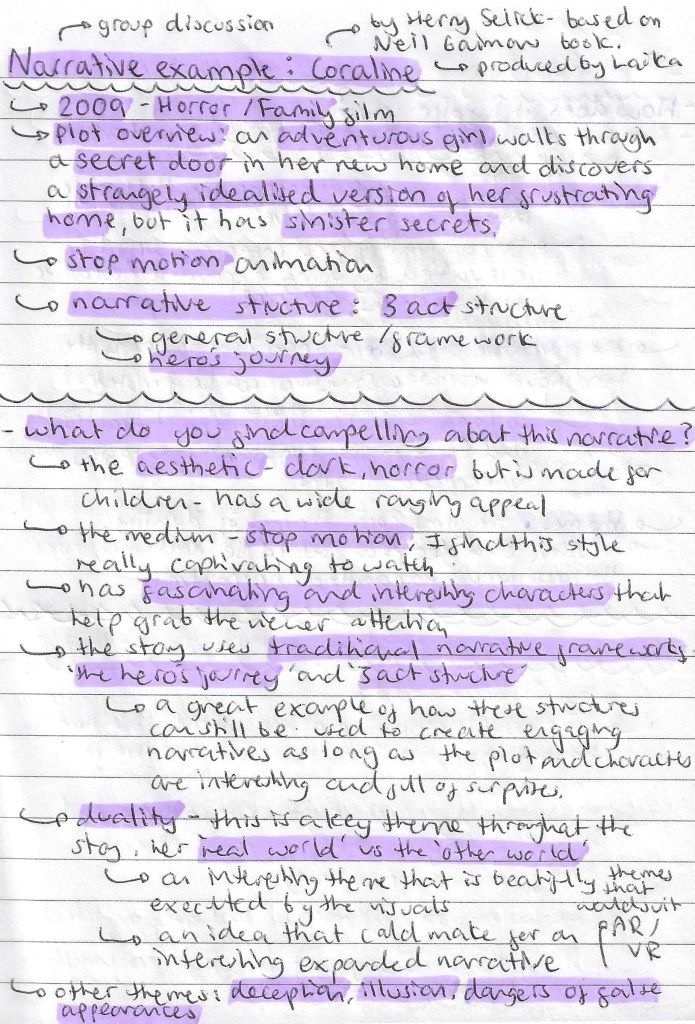
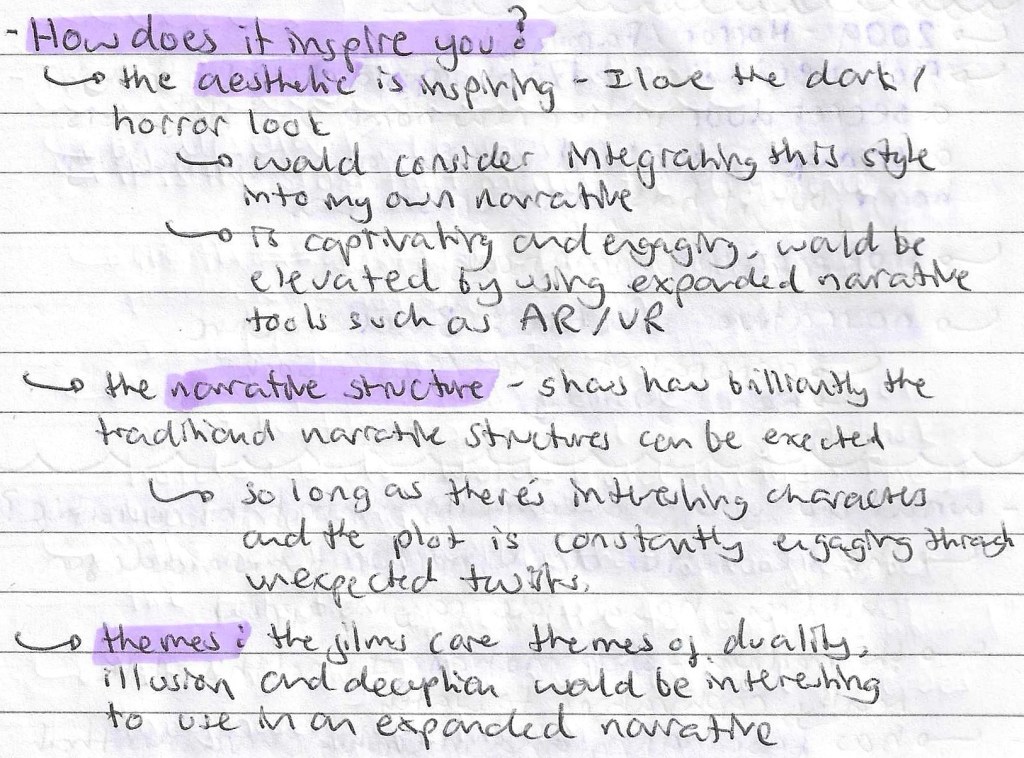
Coraline:
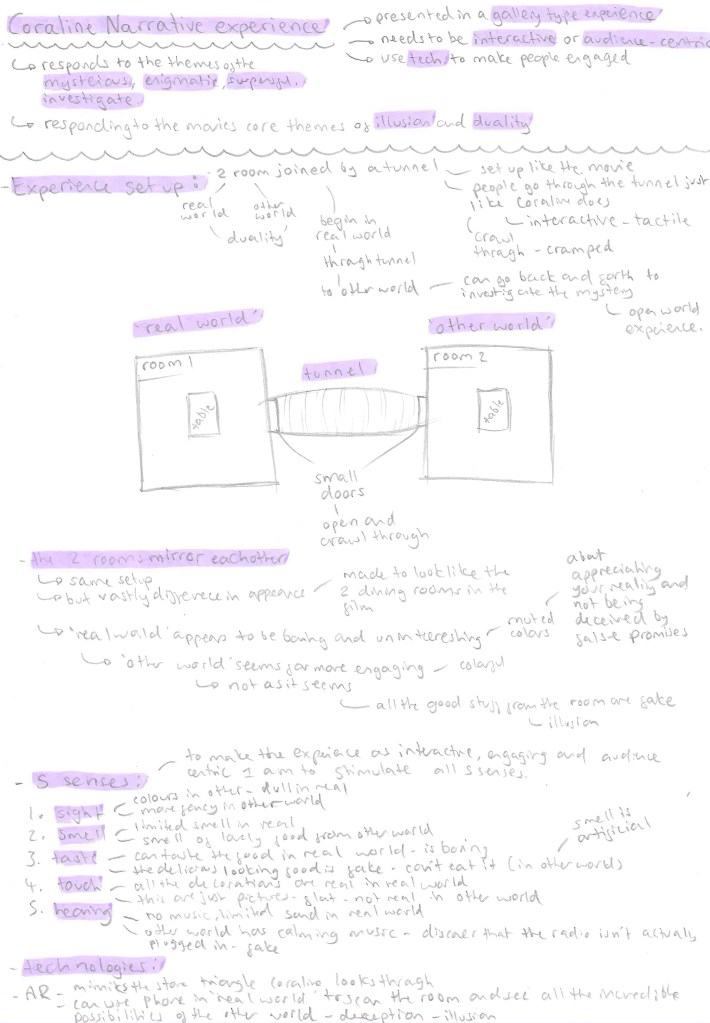
Coraline narrative experience:
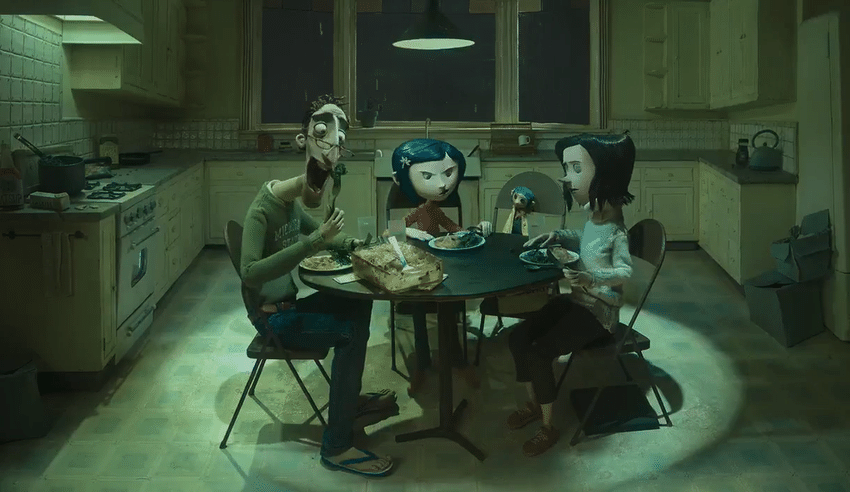
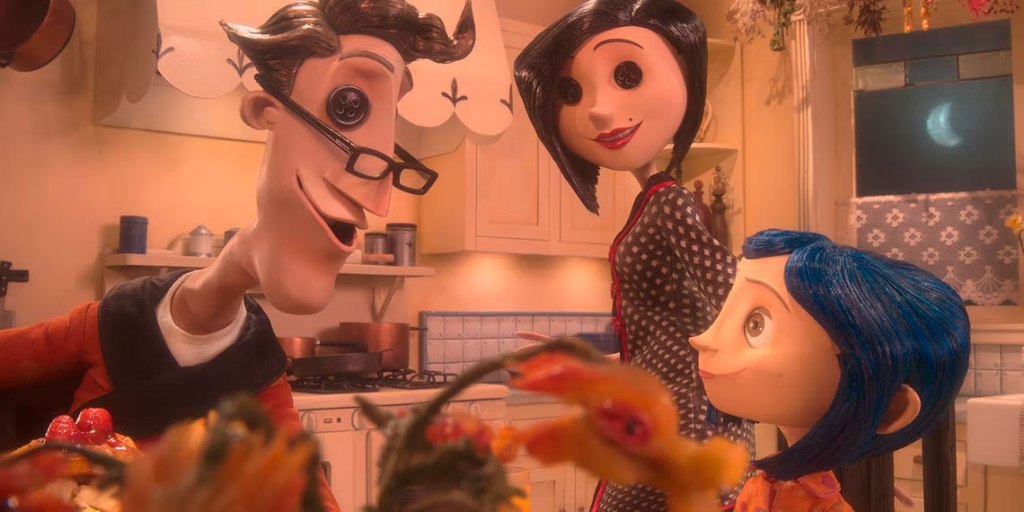
2 versions of the same room: I would replicate these 2 rooms by using different lighting, and props. Creating a drastic contrast would be key to making this installation engaging. The layout of the rooms would be the same to create the mirroring effect. There would be no actors involved to play the characters, just the audience and the sets/props. I think this would force all the other elements to be stronger in order to create an immersive experience that stimulates all the senses.
The ‘real world’:
The ‘other world’:
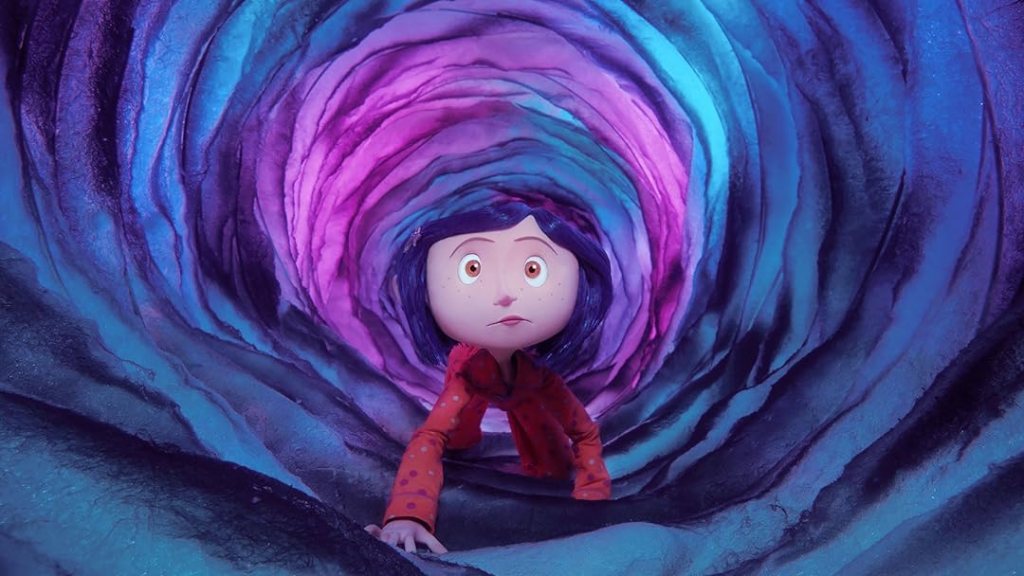
The tunnel: Coraline crawls through this to get from the real world to the ‘other world. I would add this to the narrative experience so the audience would get the tactile experience of crawling through an enclosure space, to build the mystery and tension.
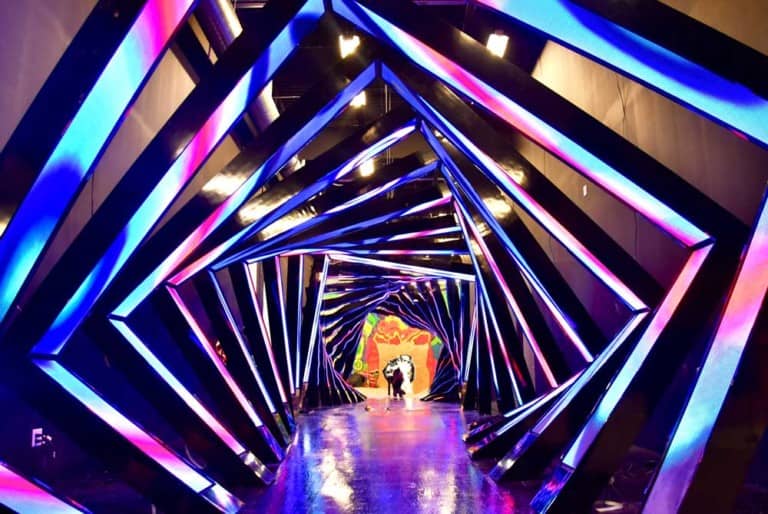
I would light this tunnel similar to this:
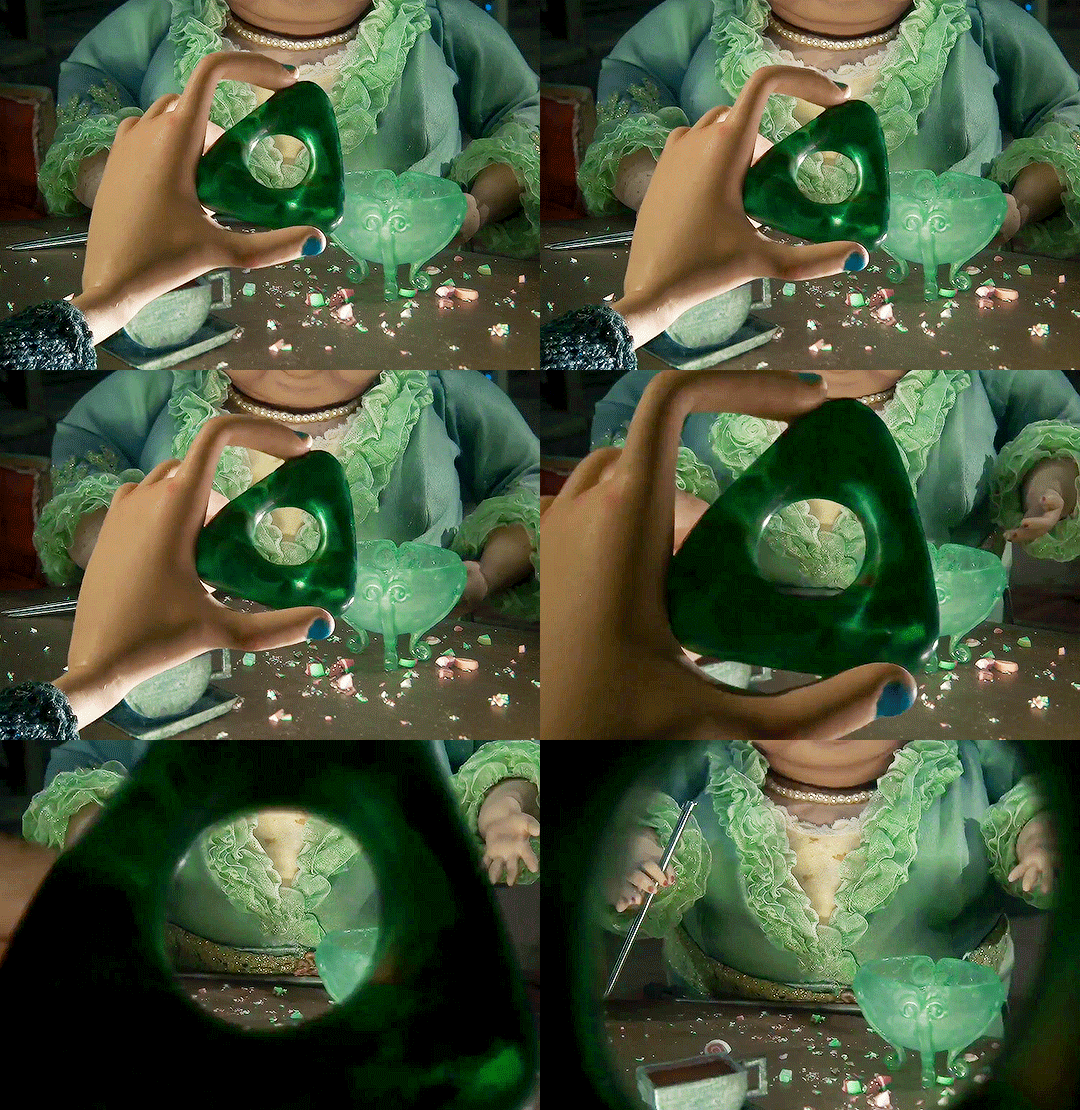
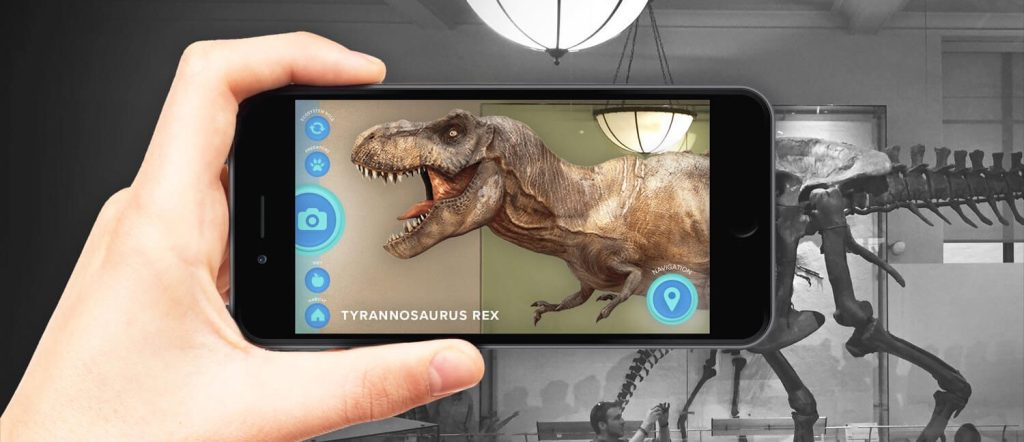
Augmented Reality (AR): I want to integrate the idea of this green amulet from the movie into the experience. Using AR technology the audience hold their phone up around the ‘real world’ and it will show them all the beautiful possibilities of the ‘other world’. The striking contrast bewteen what they’d see in person and through their phone would tempt them into the ‘Other world. This plays on the idea of deception and illusion.
AR: this is an example of how this technology would work. They would see the dull, boring room around them and the beautiful, colourful version on their phones.
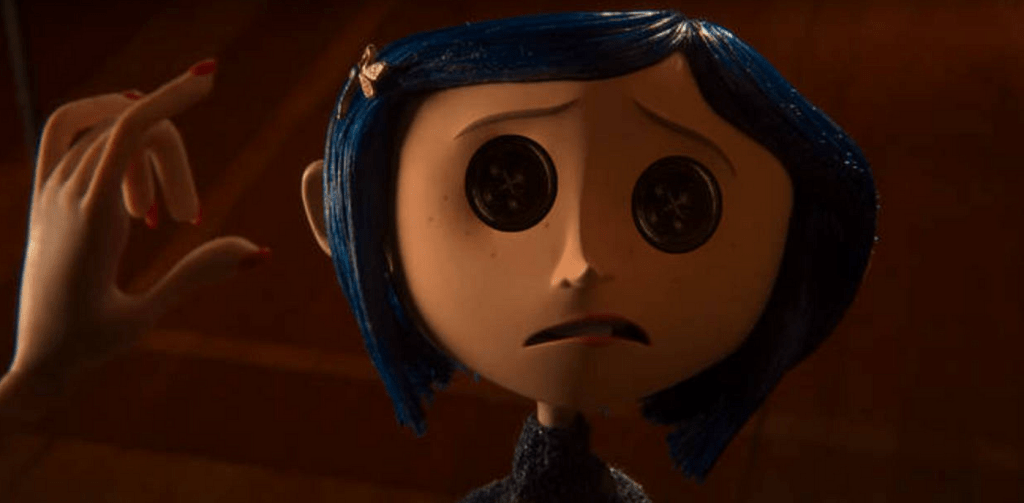
Button eyes: the buttons are such an iconic part of Coraline so I felt it was important to include them in this narrative experience. There would be a mirror in the ‘real world’ and using AR technology the audience would see themselves with button eyes if they looked through their phone. This foreshadows the danger and deceit of the ‘other world’.
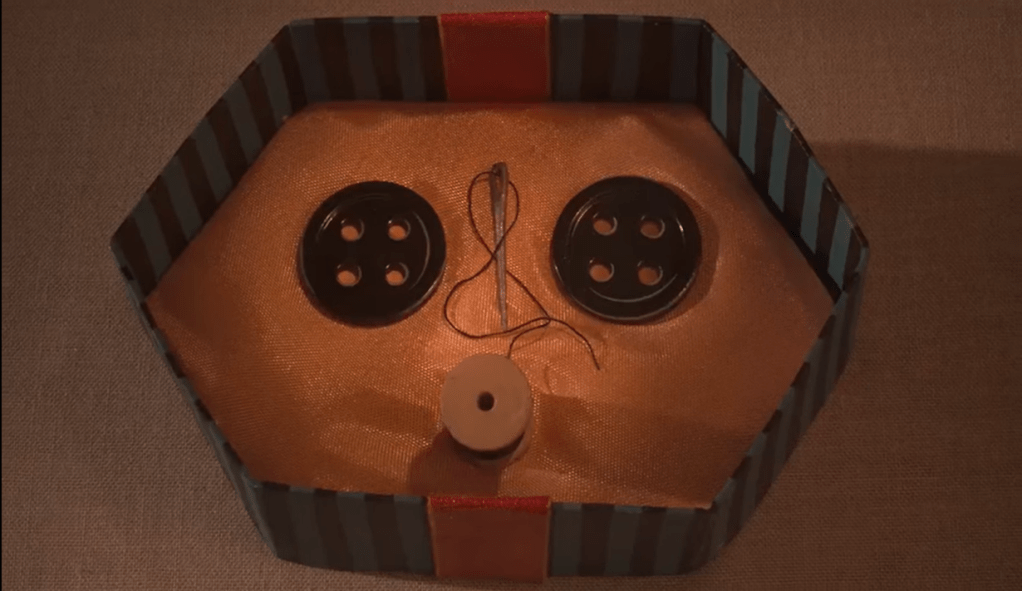
Everything in the ‘other world’ would be fake, the food would be plastic, the smell would be artificial, the decorations would just be flat cutouts or painted. The only thing that is real and audiences could touch and interact with would be this button box in the middle of the table.


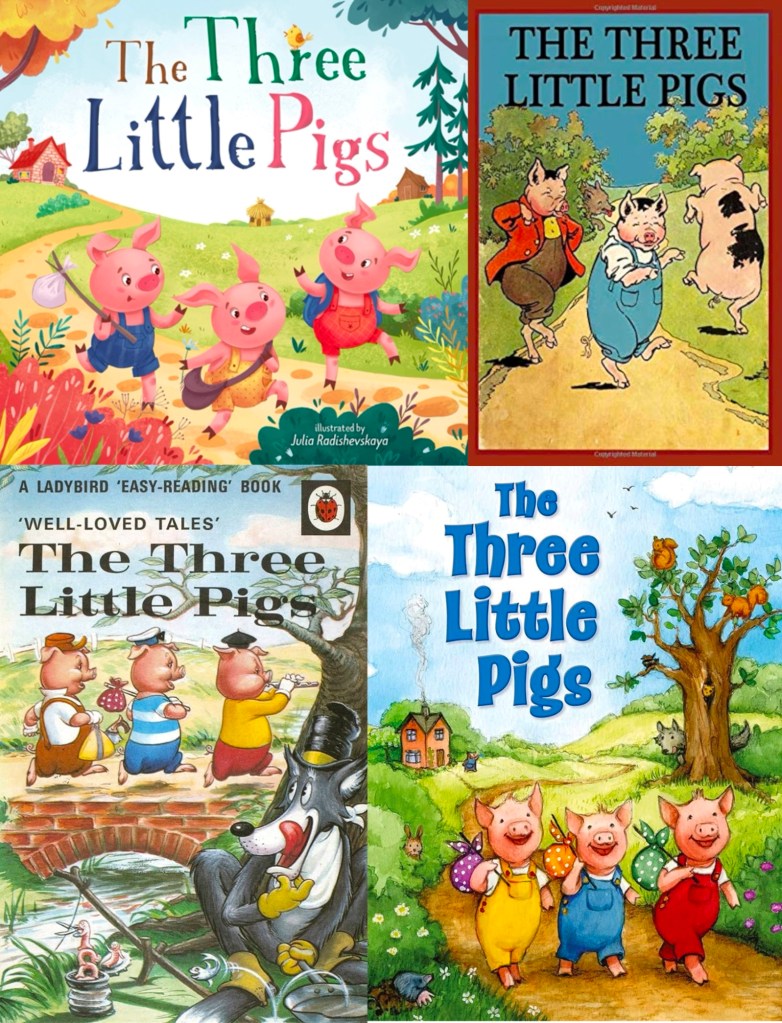
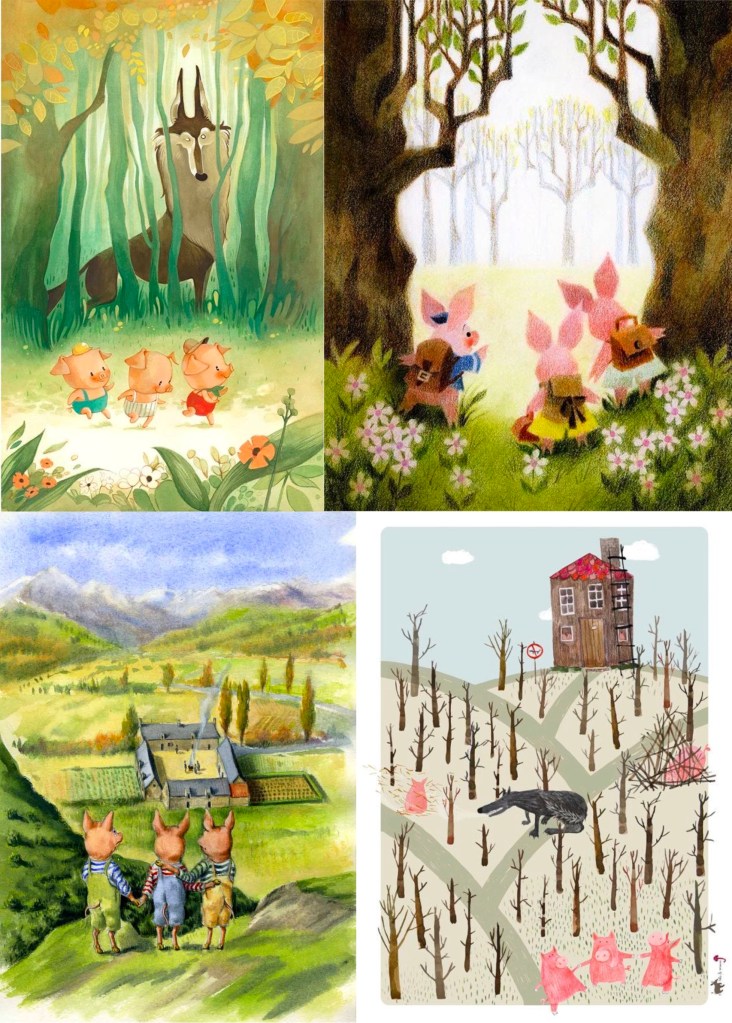
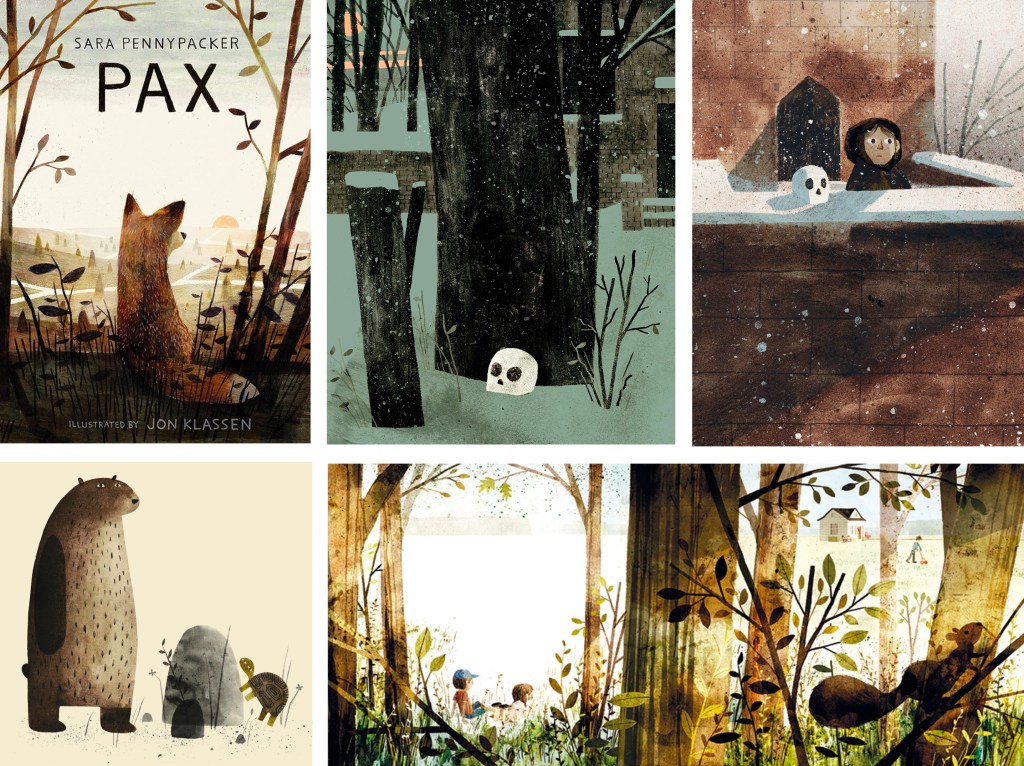
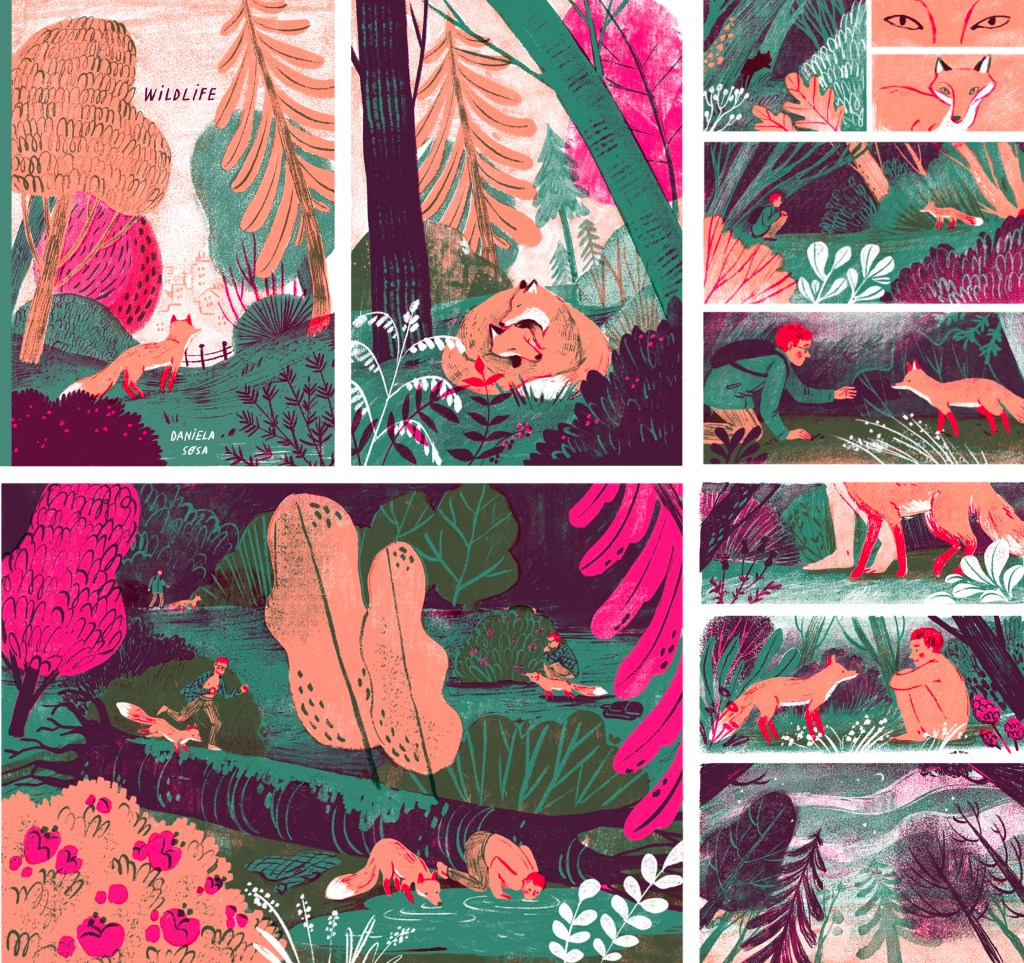
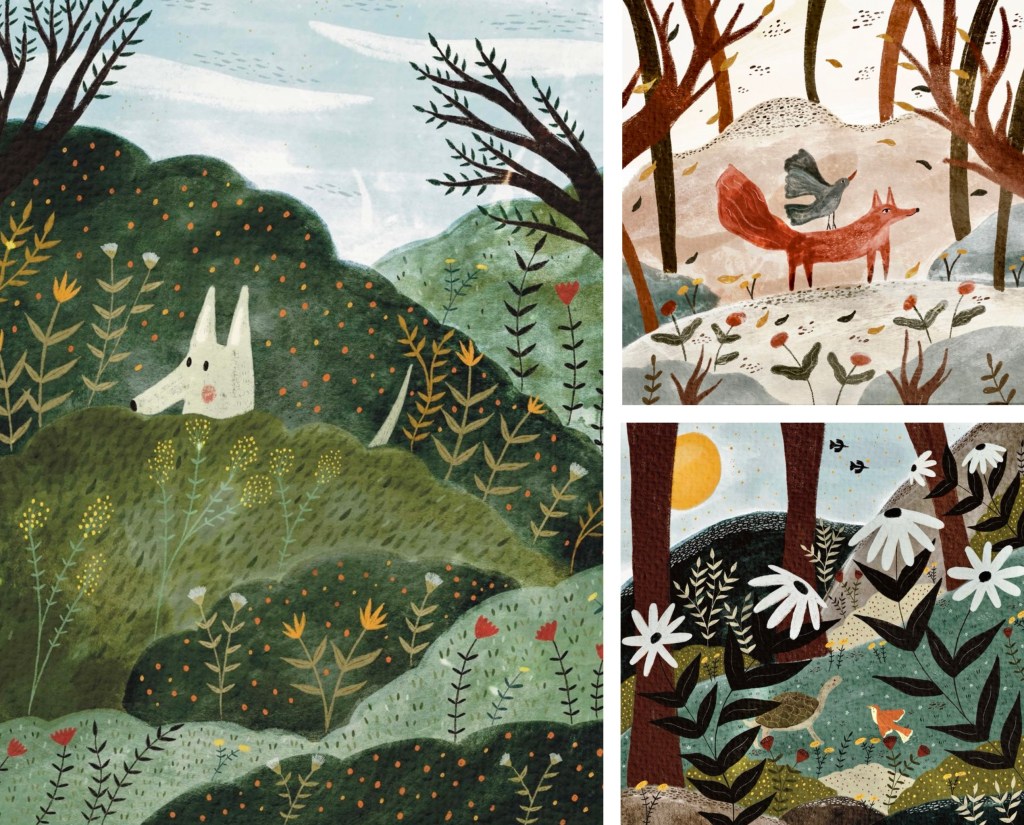
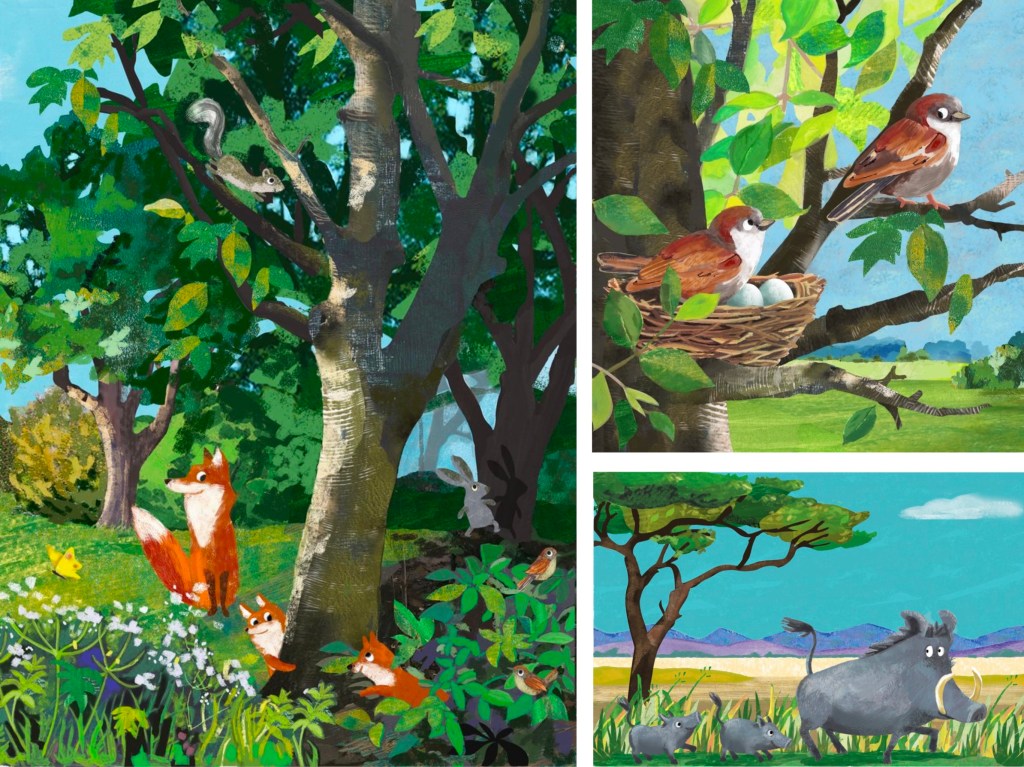











 Samuel Green Illustration