Examples of Interactive Experiences:
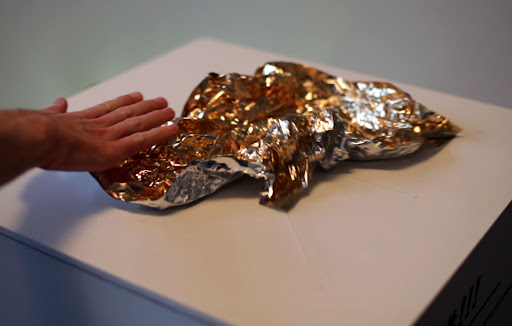
‘@><#!!! the life of an overtaxed surface’ by Vera Hausmann, Till Maria Jürgens and Vitus Schuhwerk: A thin metal coated foil with invisible string is connected to servo-motors and an arduino board. This senses if somebody comes close. Through squeezing and releasing, the flat motion turns into a spatial transformation and expands towards the user. It reacts by proximity and physical interaction. The intensity of expression is determined by the user’s interaction. The foil reacts more intensely to more than one interaction. An arduino board controls the interaction.
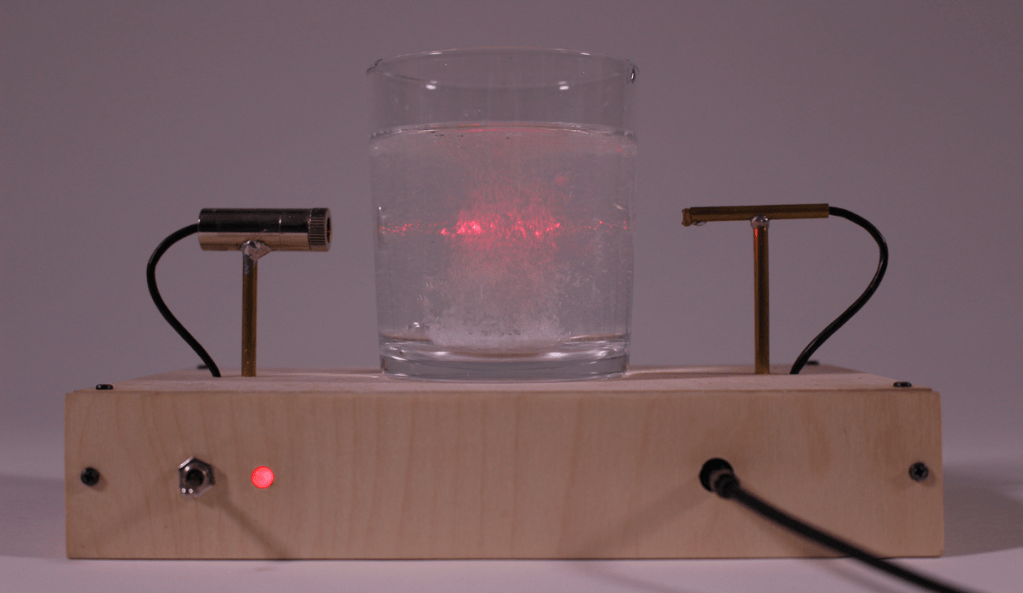
‘Laser Microphone’ by Kai Lab: Laser Microphone acts like a microscope for sound, amplifying the physical vibrations of tiny objects that are otherwise too quiet to hear. This installation has been used to hear things such as the movement of insect wings, water spray and the movement of bubbles. A laser is used to illuminate a vibrating object. When the material of the object oscillates, it disrupts the beam of the laser and casts a shadow on a light sensor placed opposite the laser. The varying light intensity is translated into an electrical signal, which is amplified by an electrical circuit. This signal can then be fed into an audio playback device. The sound detected by the device is real-time and unprocessed.
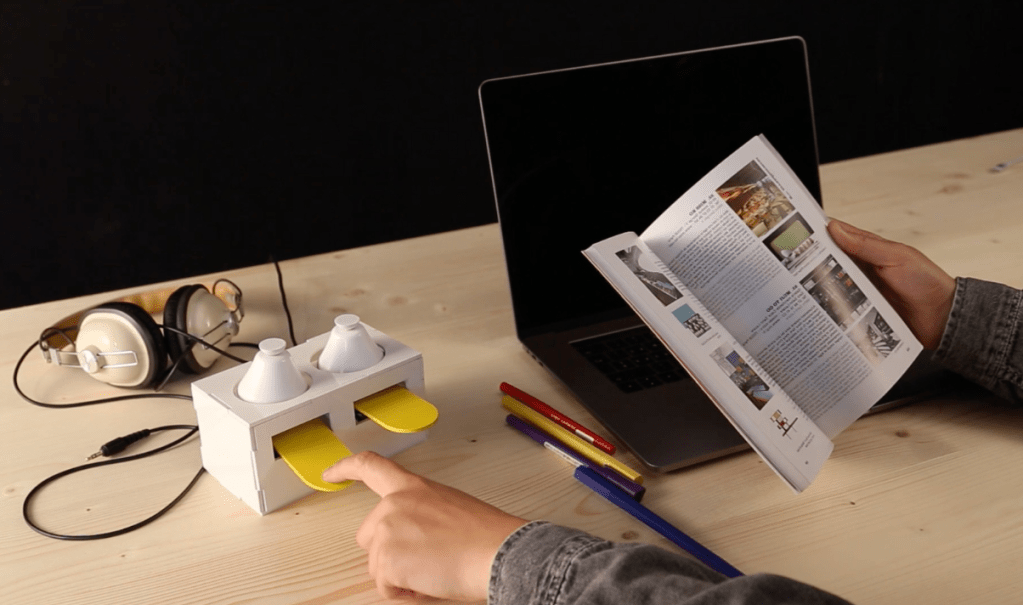
‘Twin Objects – Devices for Long Distance Relationships’ by Elise Migraine: Twin Objects is a collection of devices designed to act as a ‘hotline’ in attempt to nurture intimacy that long-distance relationships can lack. It is a playful solution to enhance the experience of instant messaging. It consists of two buttons which react to each other’s positions. When one button is pressed down, it causes the other twin button to move up creating a physical, interactive experience.
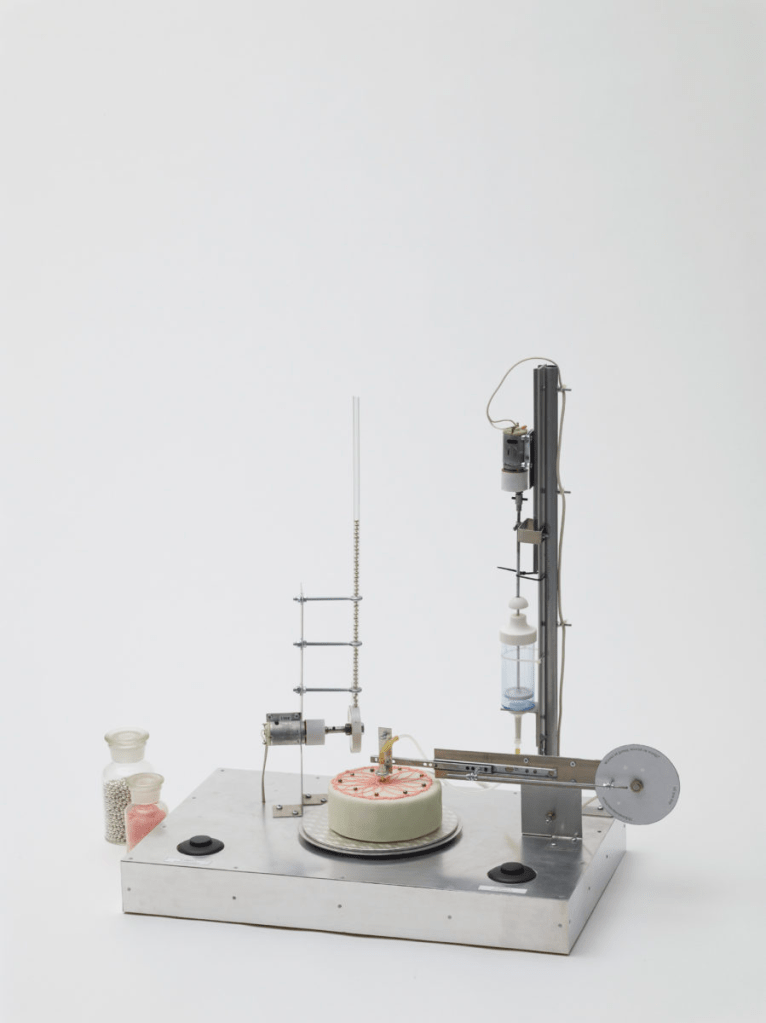
‘till you stop’ cake decoration machine by mischer traxler studio: A machine decorates a cake with lines, similar to a Spirograph, until the customer/visitor decides to stop the decoration process. Then in a second process sugar pearls are dropped onto the glazing. The decor is continuously changing and the costumer/visitor has to decide whether they prefer a simple design or a more complex one. Once the decoration machine is stopped it can not be started again.
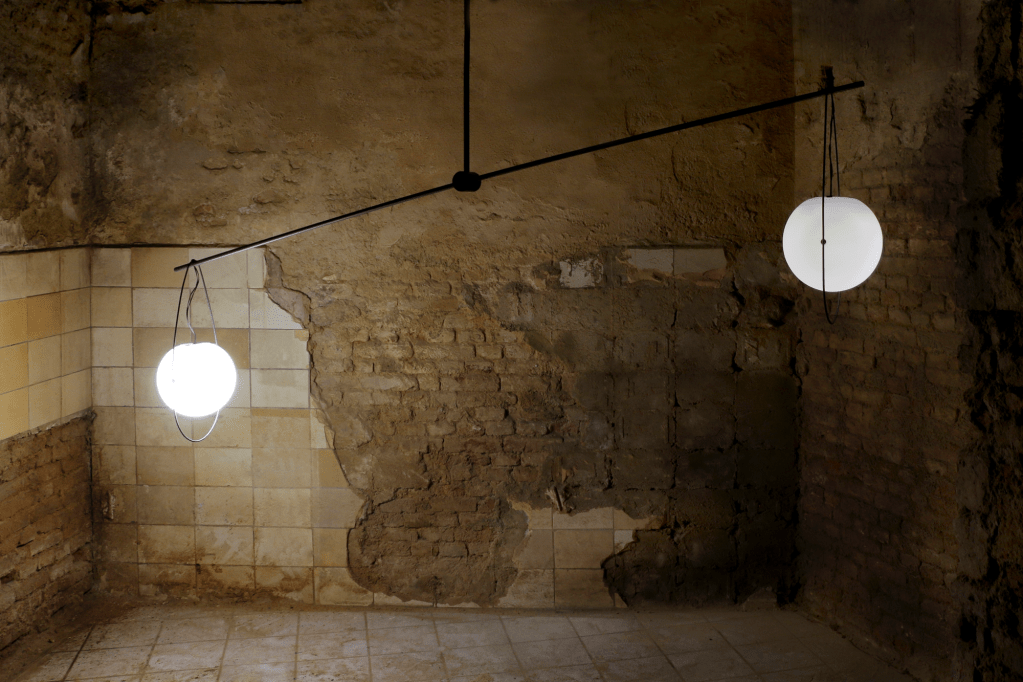
‘equilumen’ by mischer traxler studio: It consists of a long rod with a glass sphere on each side. When the lamp is balanced, both spheres give off the same amount of light by sharing the lamp’s power equally. Once somebody pulls down one end of the lamp, this sphere will light up to its maximum while the other sphere gets dimmed down. It is a constant game of ‘give and take as soon as someone interacts with the lamp – symbolising that the right balance is delicate and hard to achieve.
Arduino Introduction:
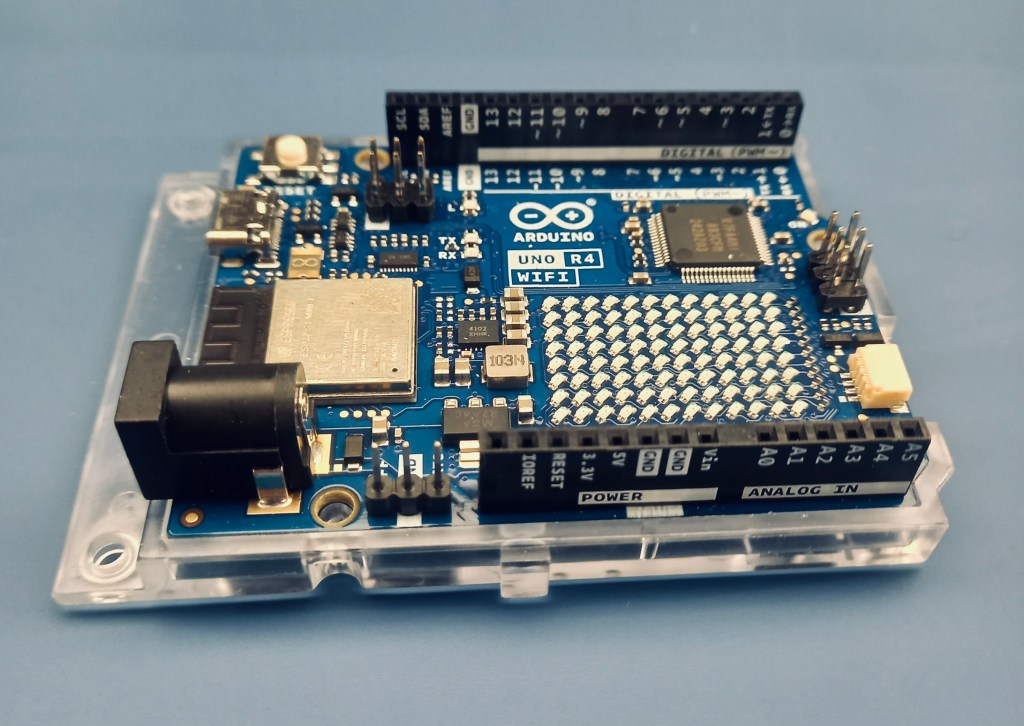
Arduino:
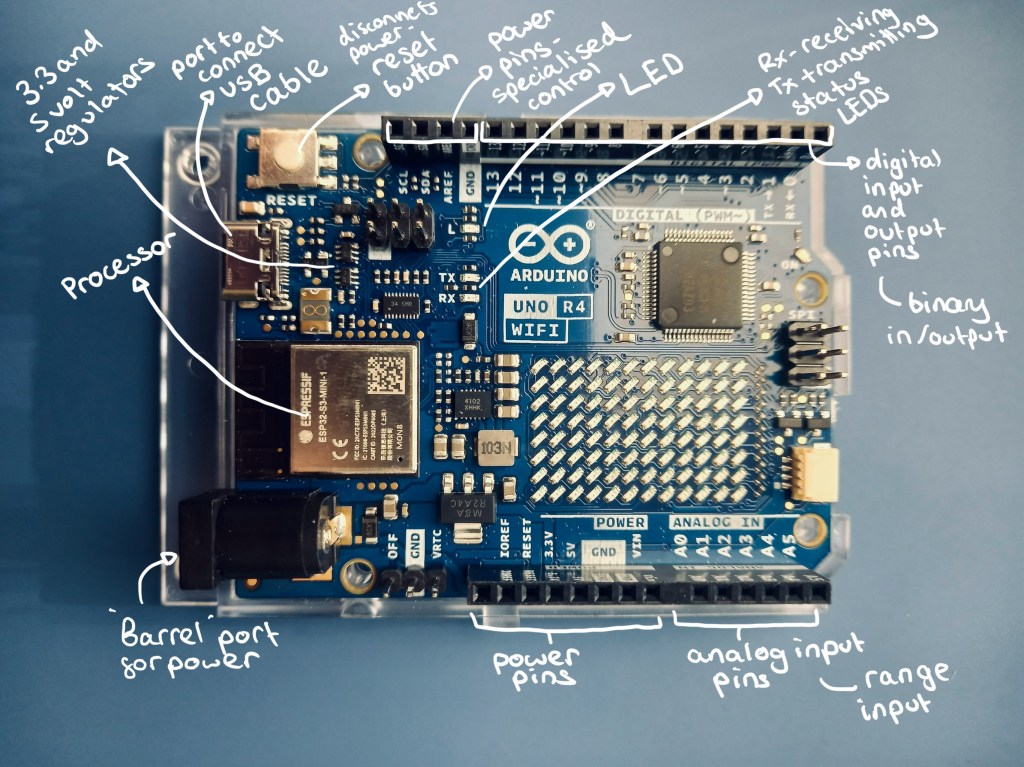
Labelled Arduino:
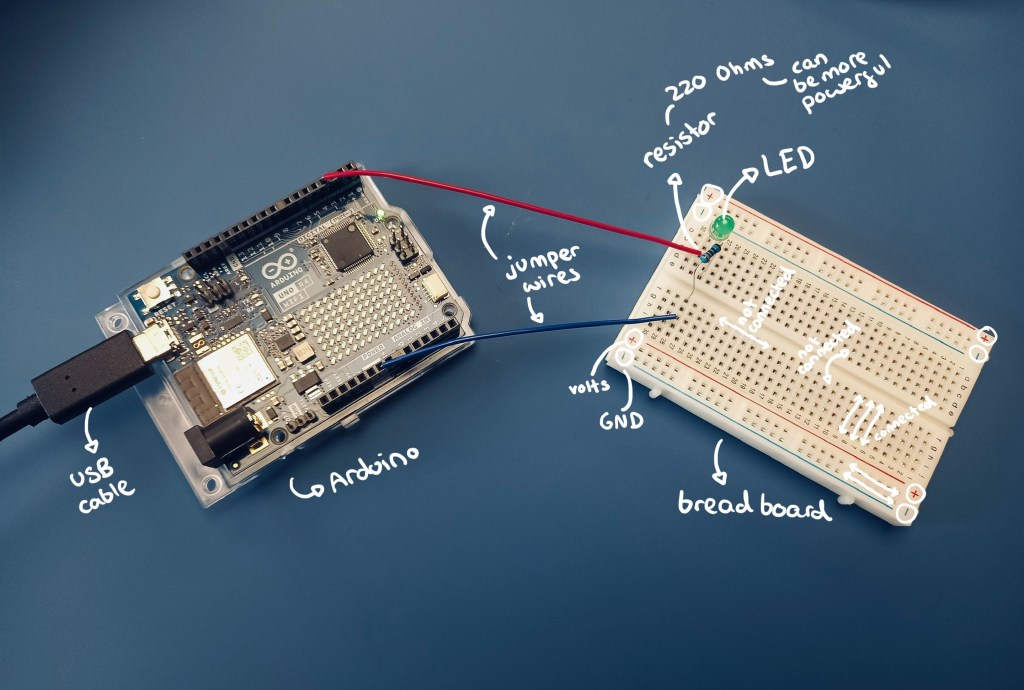
Labelled circuit:
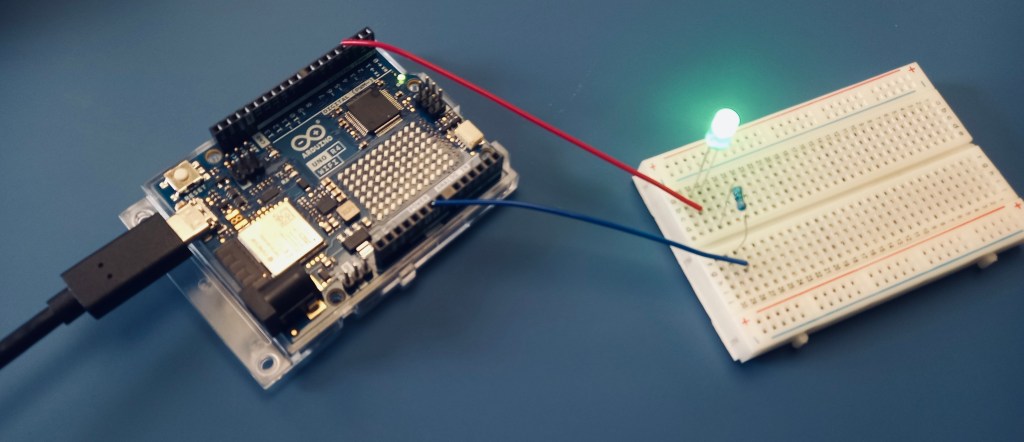
LED on:
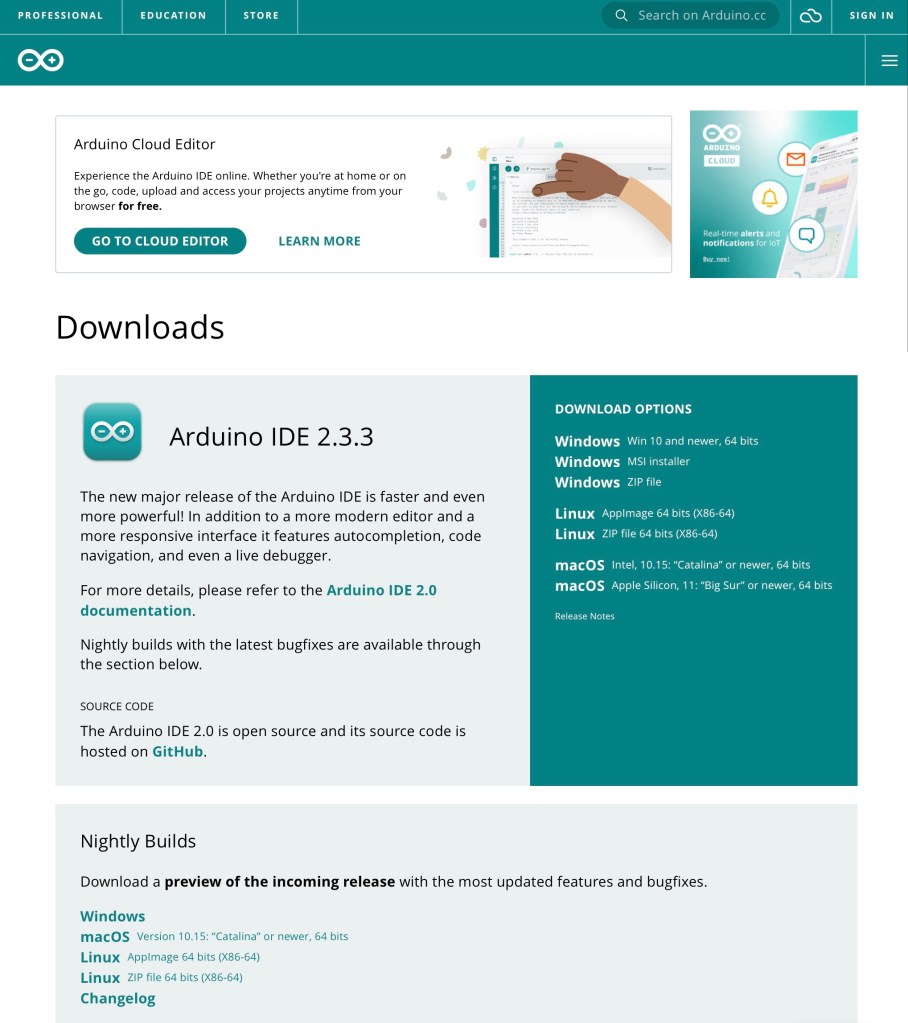
Download Arduino IDE:
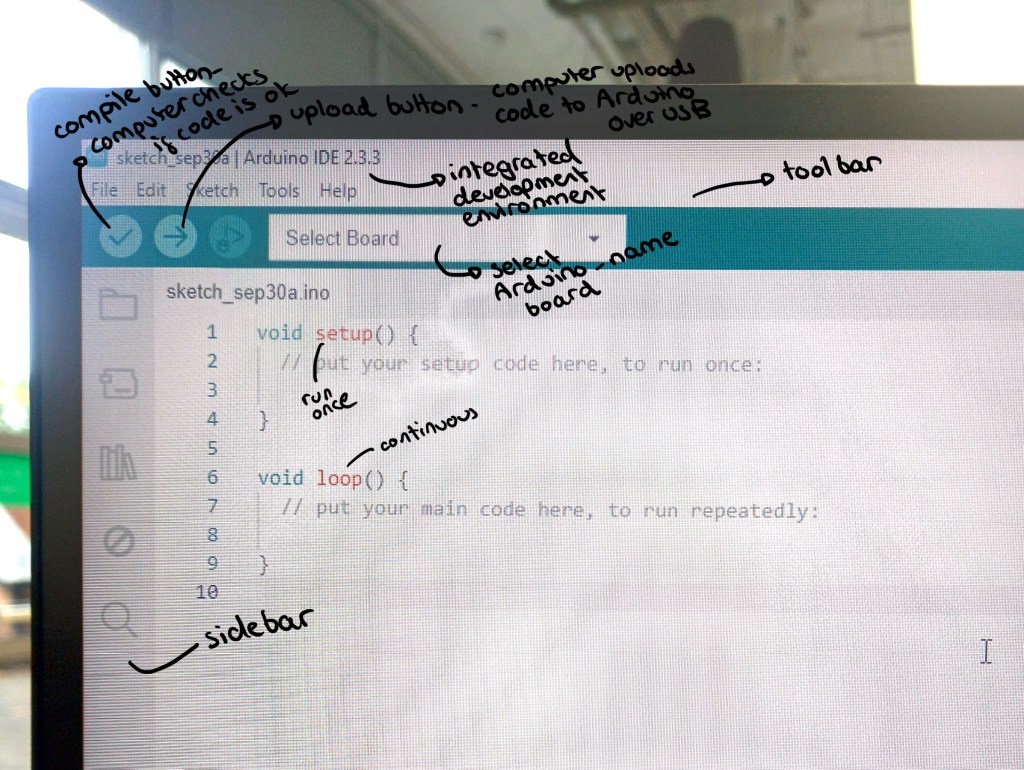
Basics of Arduino coding:

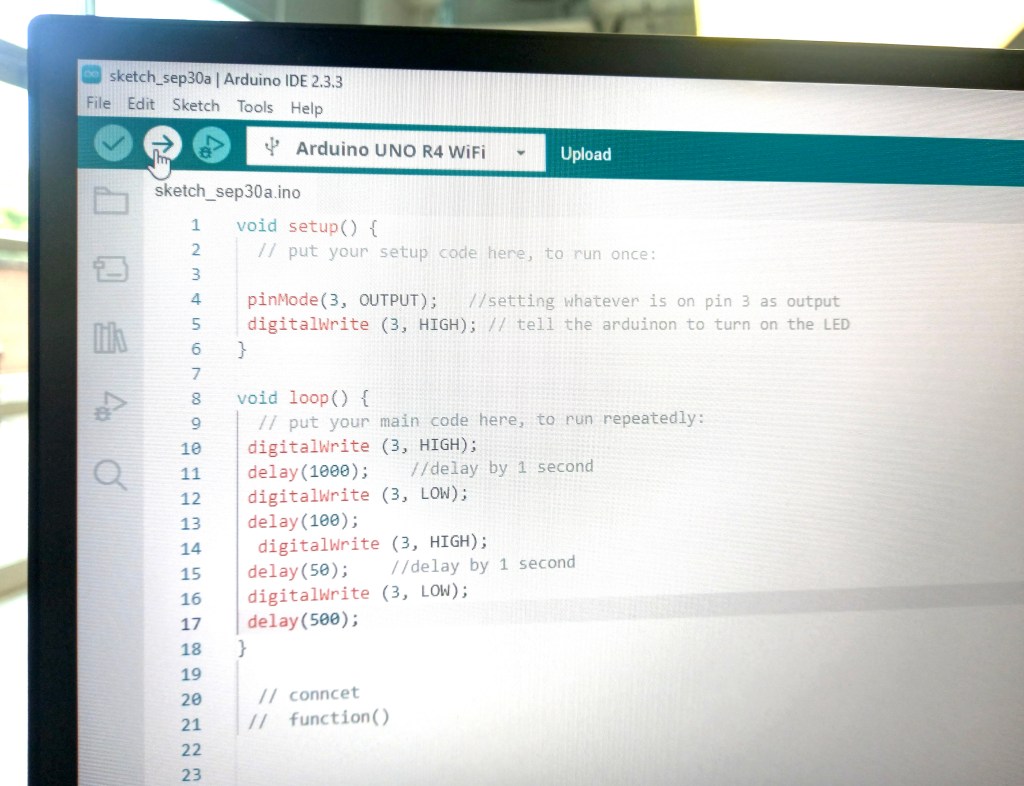
Results of the coding:
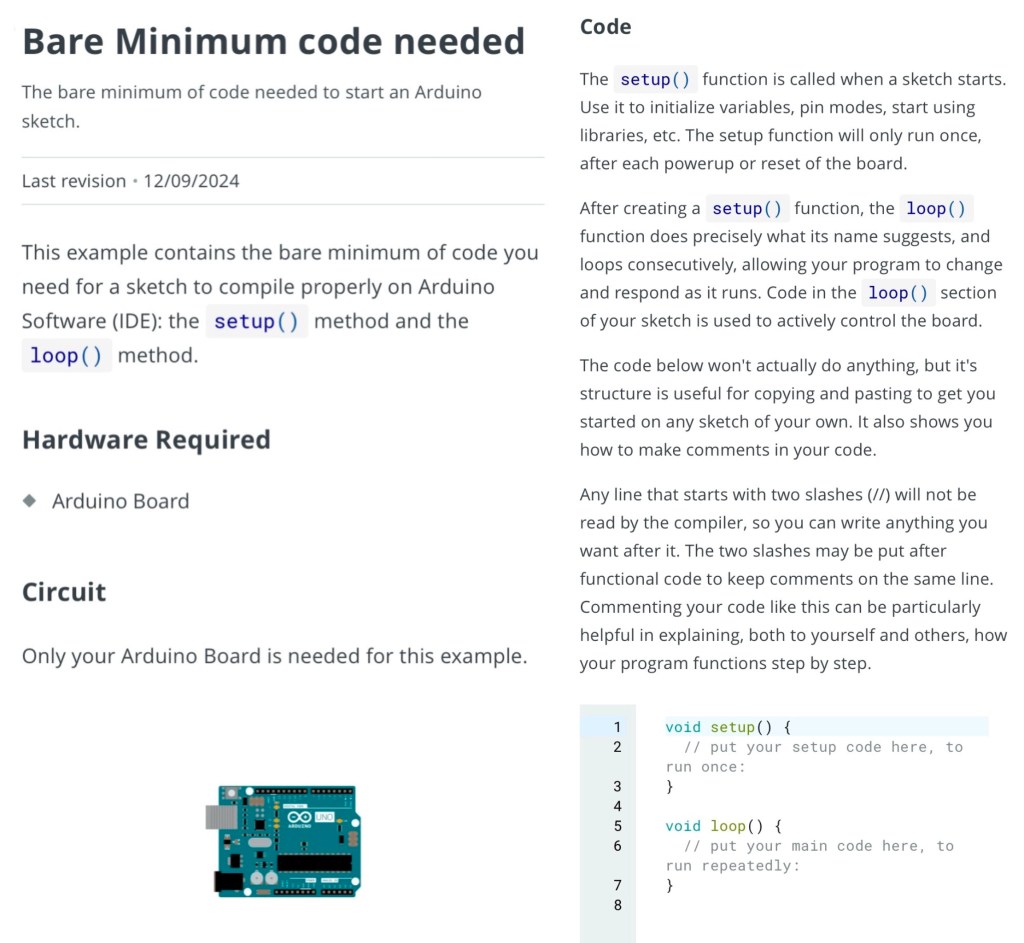
Bare minimum code:
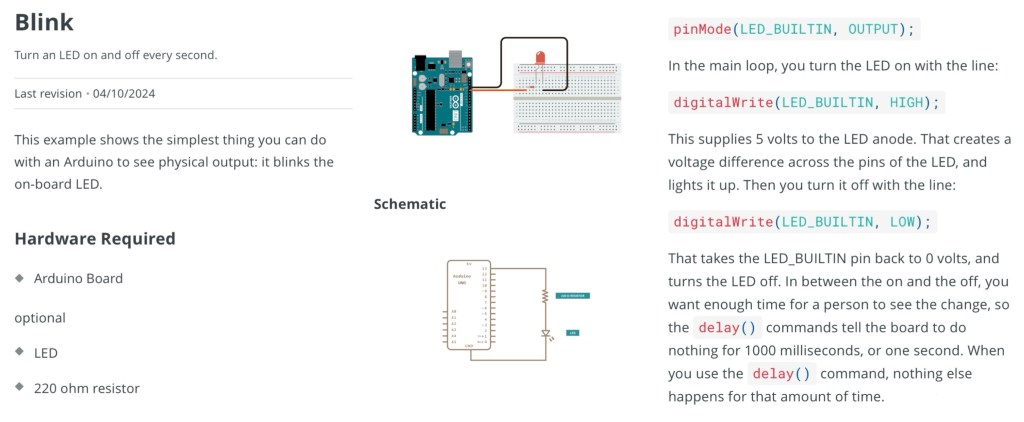
Blink:
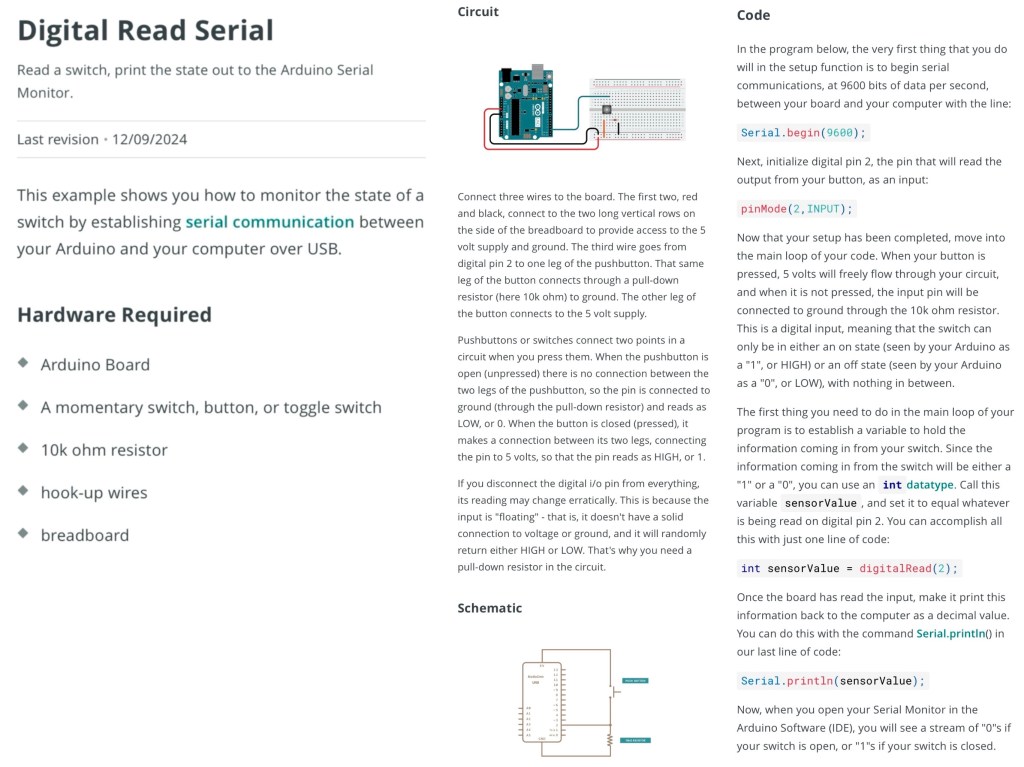
Digital Read Serial:
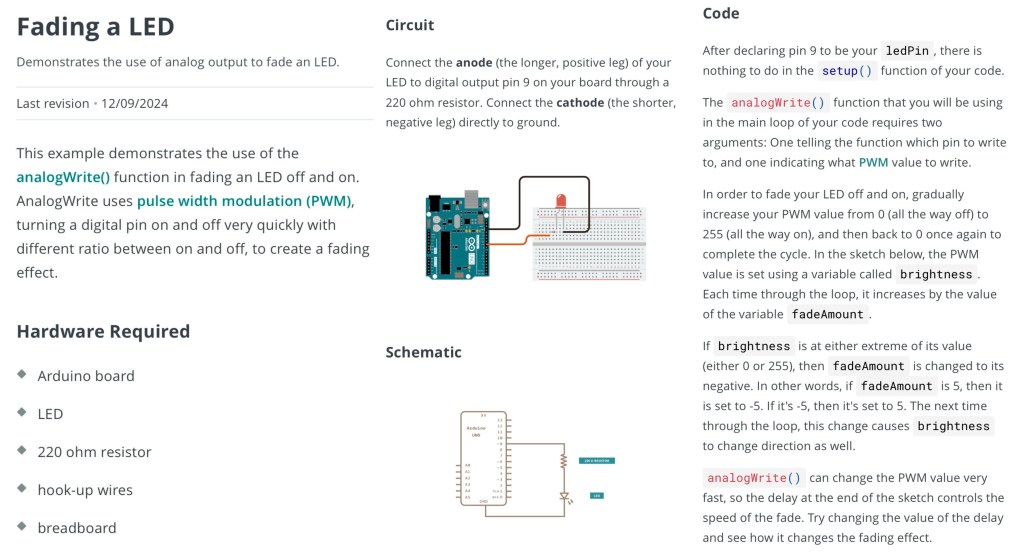
Fading an LED:
Learn more about Arduino coding:
 Samuel Green Illustration