The brief required us to make a minimum of 4 outcomes for the project. There are 5 different formats of outcomes that we could work with; digital, print, physical, spatial and events. I planned to create something for each of these formats. I didn’t want to just make a series of random outcomes, I wanted to keep them connected with a couple of central themes and consistent with the branding and visual identity I made. I researched lots of companies and social campaigns who tackle a similar topics to get inspiration and ideas. Here are some notes I made during my research and planning of the outcomes.
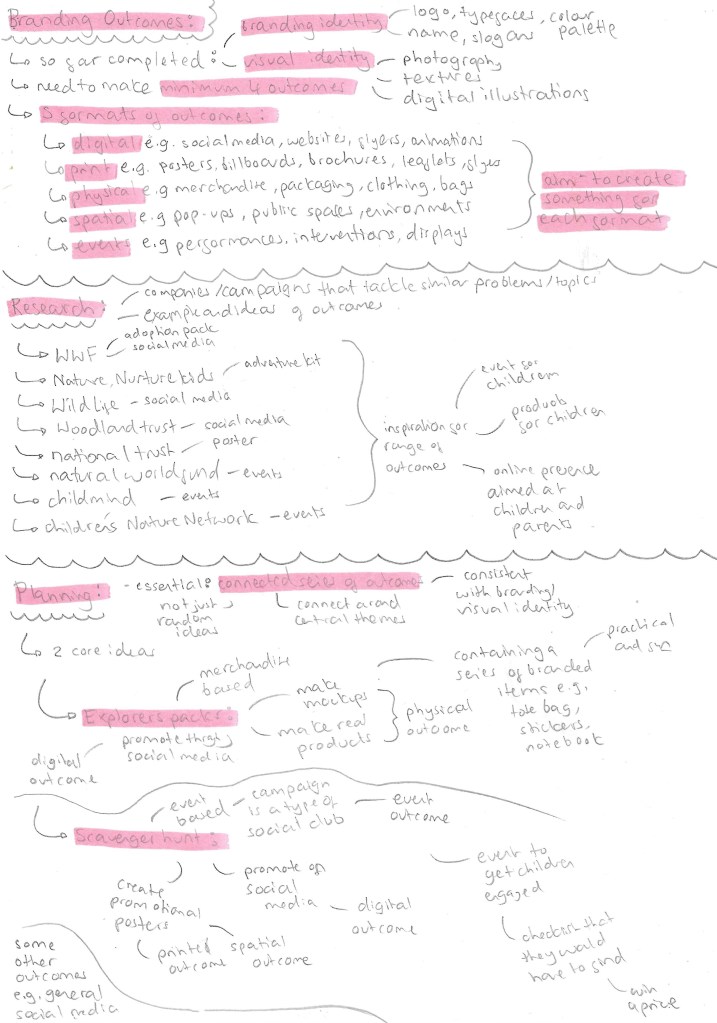
I chose to split my outcomes into 2 main sections. The ‘Explorers Packs’ which would be a more merchandise based one. I chose the name ‘Explorers Pack’ because it aligns with the slogan ‘Little Explorers’. The other will be a scavenger hunt which would be an event that the campaign would run. I chose this because it’s an event that children can do to really engage with nature and immerse themselves in their surrounding. Also it’s more enjoyable for children than a walk or hike as there’s more of a direct goal, find a series of things. These will allow me to cover all 5 types of outcomes and diversify the engagement that people can have with my campaign. I also thought about a few ideas that aren’t part of either of those outcomes but would supplement them. Below are all the outcomes that I made for the project divided into sections titled; mockup merchandise, hand made merchandise, posters and social media posts.
Mockup Merchandise: Although I didn’t actually make them they’re a series of physical outcomes. Out of everything these were the first outcomes I made as they’re fairly quick to make. It was a good way to experiment with different ideas about how to combine the branding identity and visual assets onto merchandise. To make these mockups I used a range of different digital software such as Adobe Illustrator and Illustrator Beta, Adobe Photoshop and Procreate. The more complex ones I did with Illustrator Betas mock up feature but for the more flat and simple ones I used Photoshop and Procreate. All the items could be used in an Explorer Pack as there’s a range of fun and practical items that children could use.
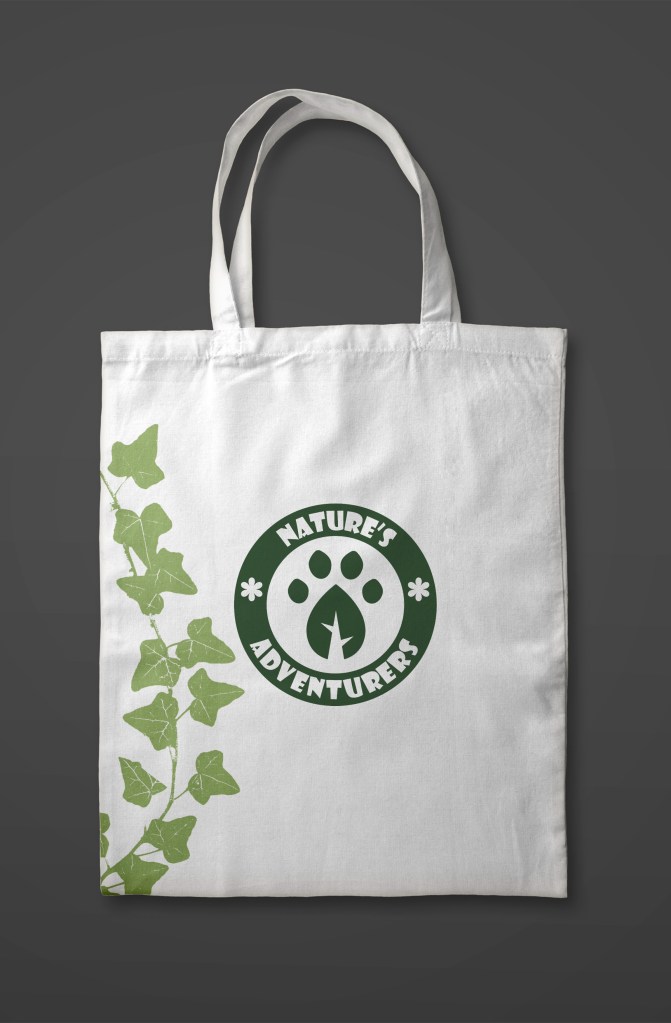
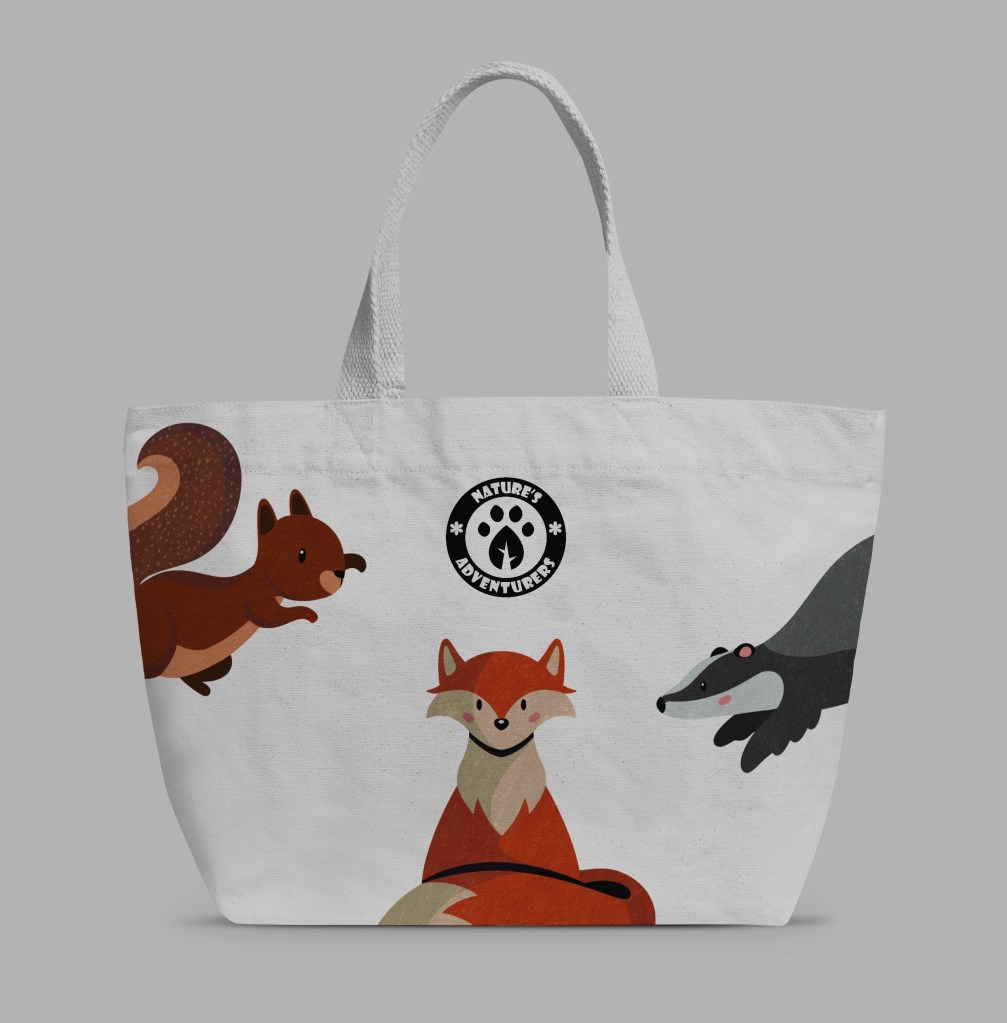
Tote bags: Some sort of bag is almost always included in nature kits to hold the rest of the items from the kit and any other things they may need. Tote bags are popular at the moment as a simple way to brand an item. They can carry a lot of stuff but also fold up small so would be ideal for a child to bring with them when going for a walk or doing any activity in nature. I made several designs using Illustrator and Photoshop.
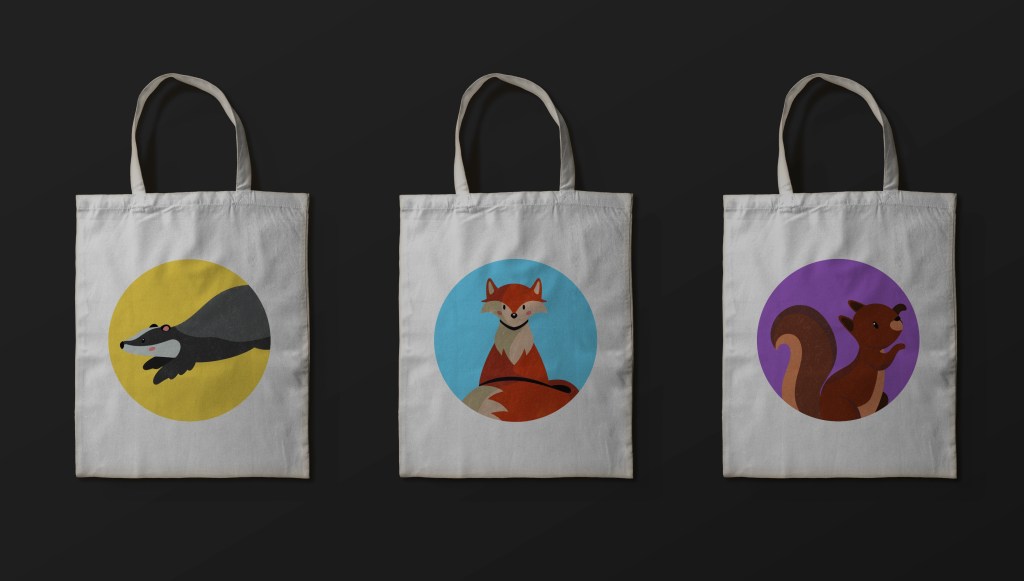
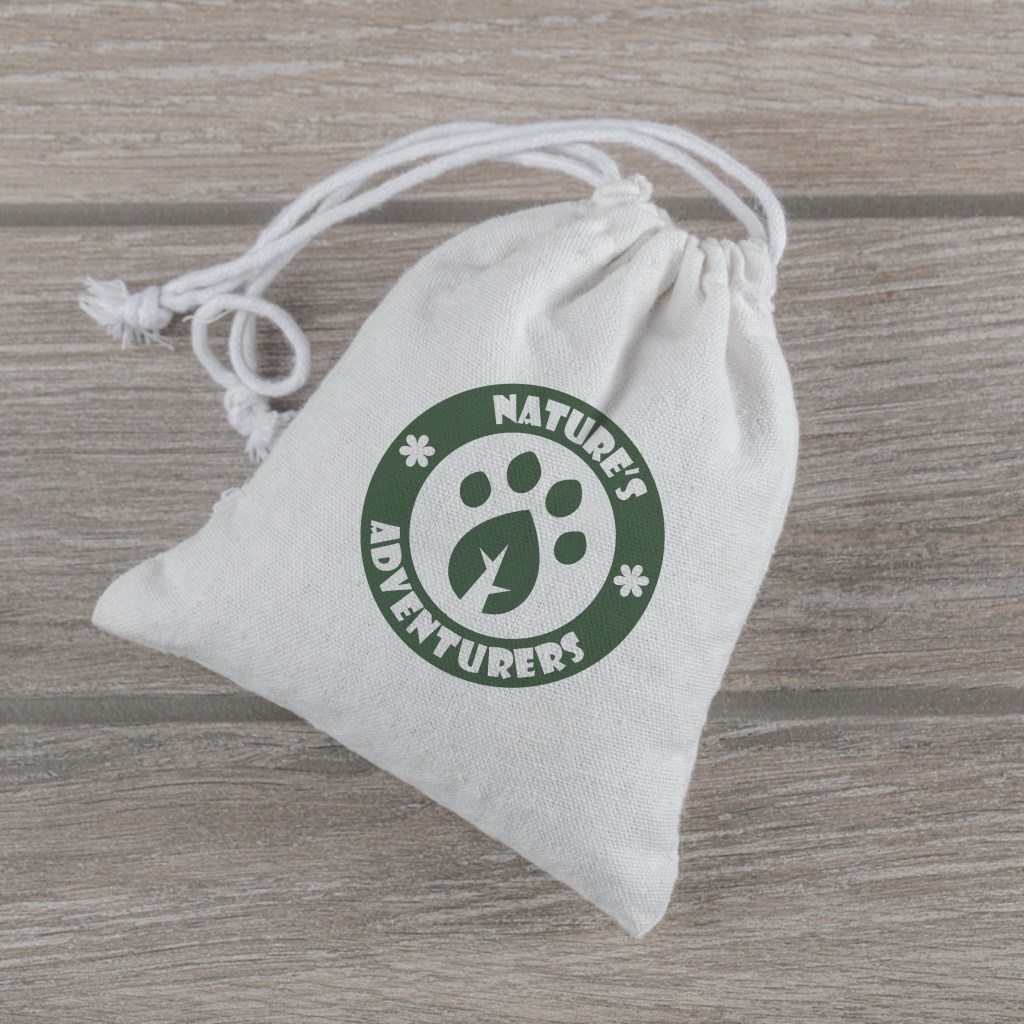
Mini drawstring bags: To try show the folds of the bag I used Illustrator Betas mock up tool which allows your design to wrap around an object. These bags could serve multiple purposes in the Explorers Pack. 1 could be to store any items they collect when they’re out in nature such as interesting leaves and rock. Another could be to carry items like bird seas and nuts that they could put out for the wildlife. Also they could store the other items from this campaigns such as the badges they collect for completing different activities.

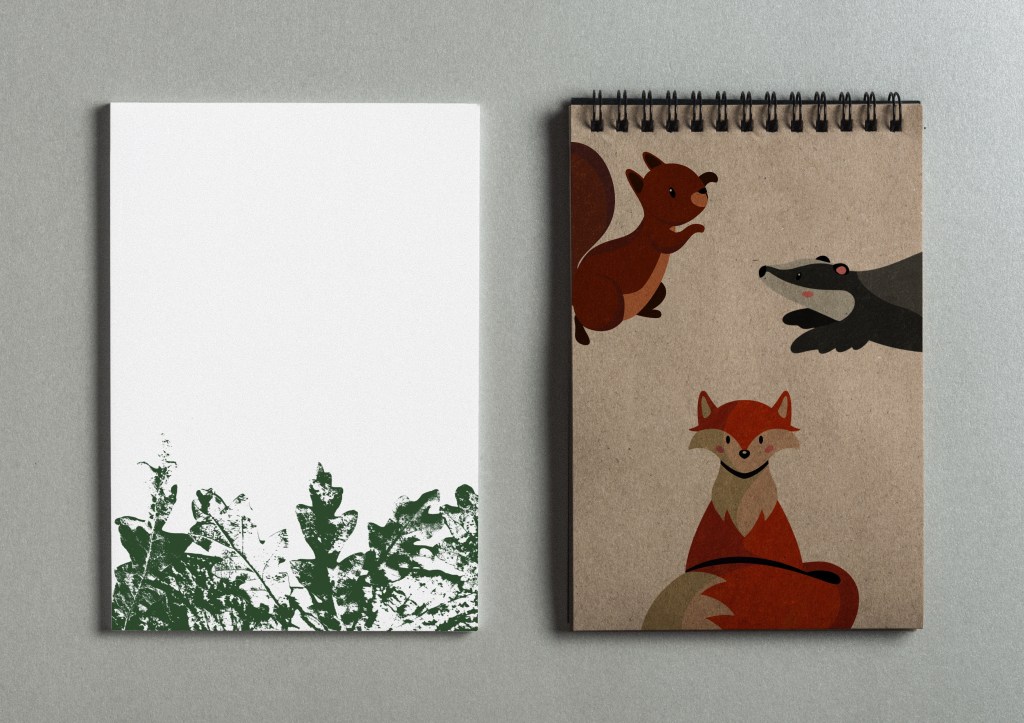
Notebooks: Notebooks are a commonality between most companies that make sets of merchandise for children. I made several different designs on Procreate, I think the top one is the most successful. The characters really bring the design to life and turn what is otherwise just a boring notebook into something more engaging to a child. Also having the pages branded with one of the textures I made is a small touch but makes the product feel more unique.


Other accessories:
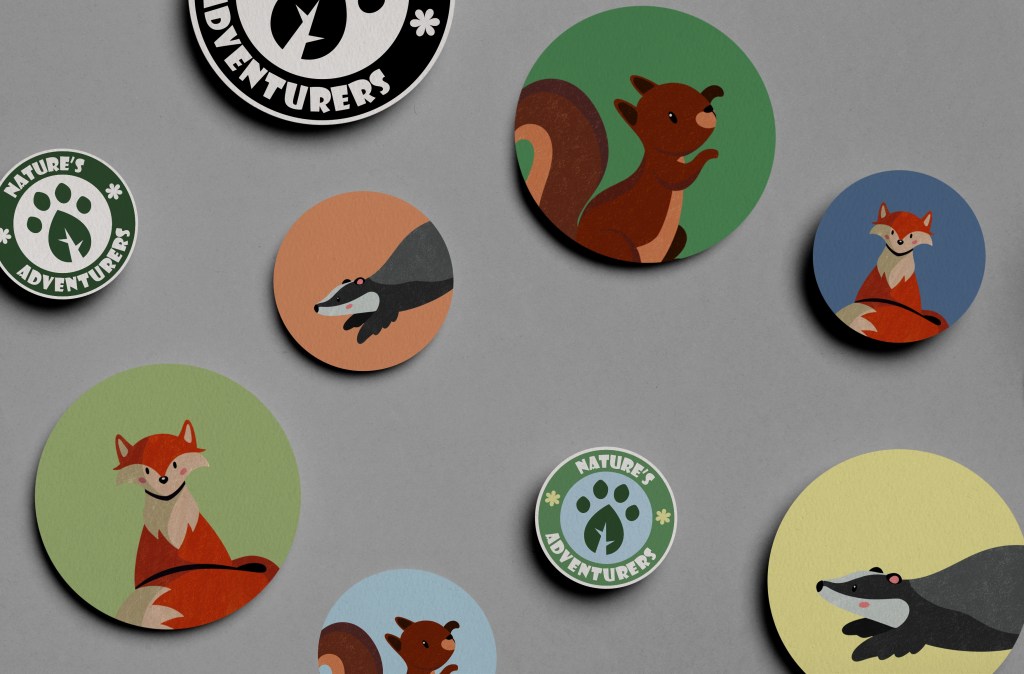
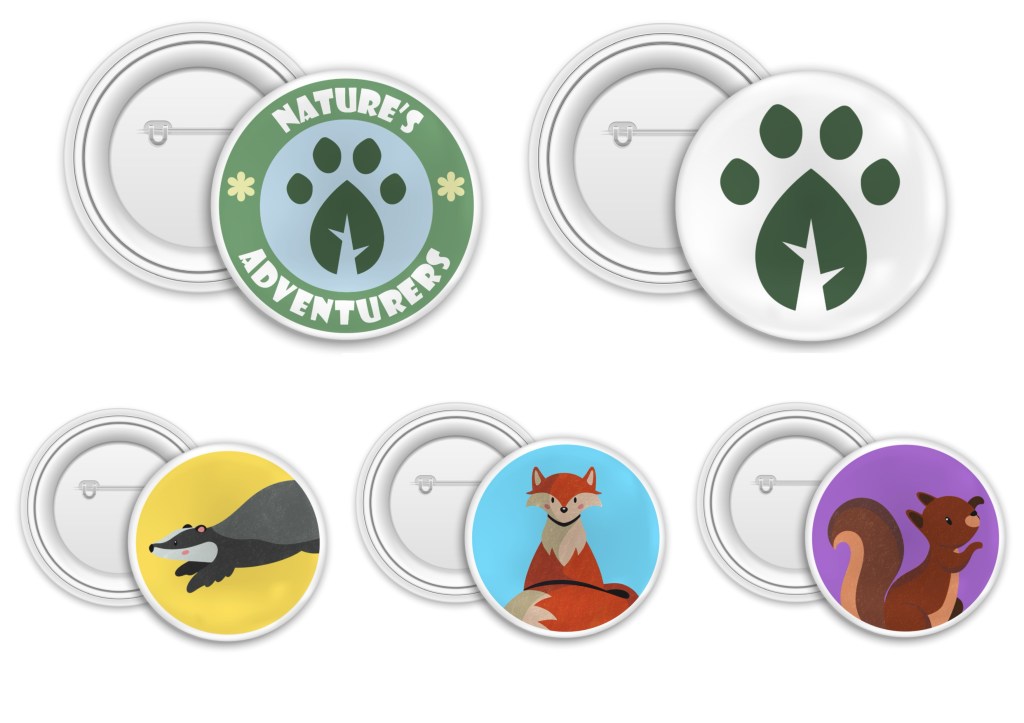
Stickers and badges: I made these mockups as fun little extras that could be in the Explorers Pack. I also thought they could be used as an incentive for engagement, for example for completing challenge they could get a sticker or badge and this could build up into a collection. It’s important when making merchandise to have colourful and engaging products so I think stickers and badges of the characters and logo would be popular.

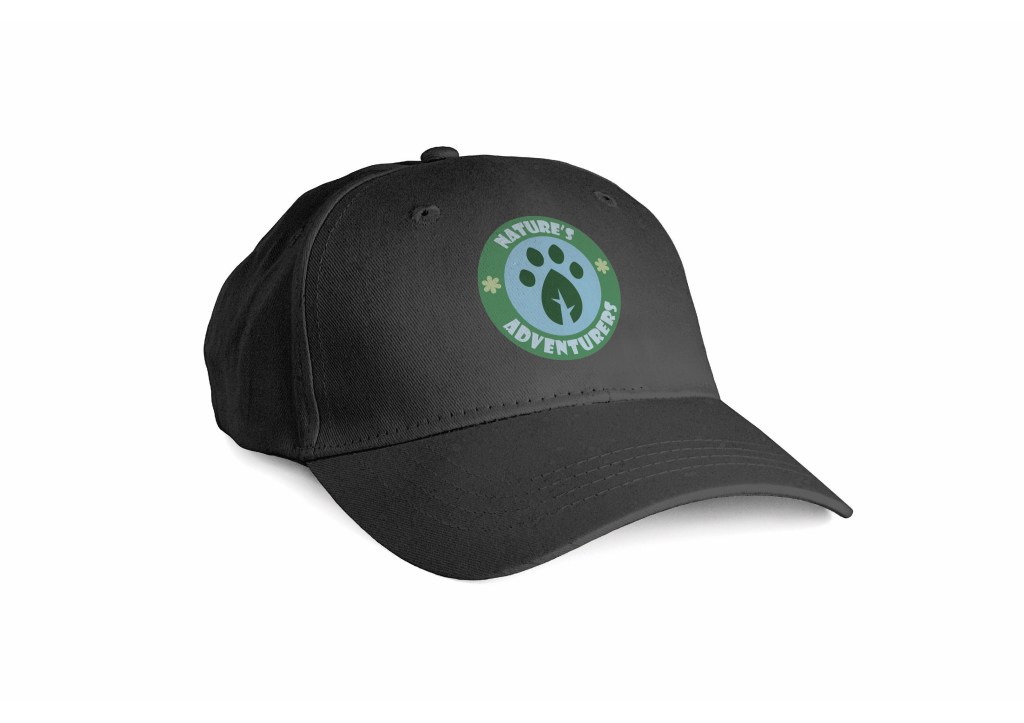
Cap: Using Illustrator Beta I added the full coloured logo onto a plain cap to create this mockup. It’s a simple design but is an essential for children to have when being outside in the sun so would make a good addition to the Explorers Pack.
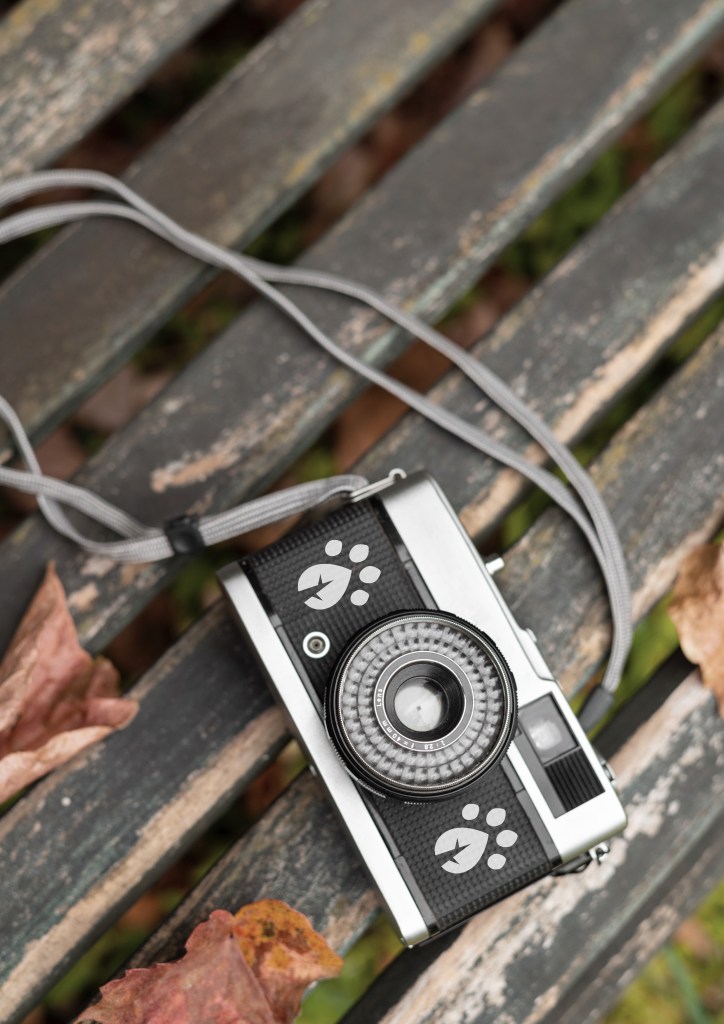
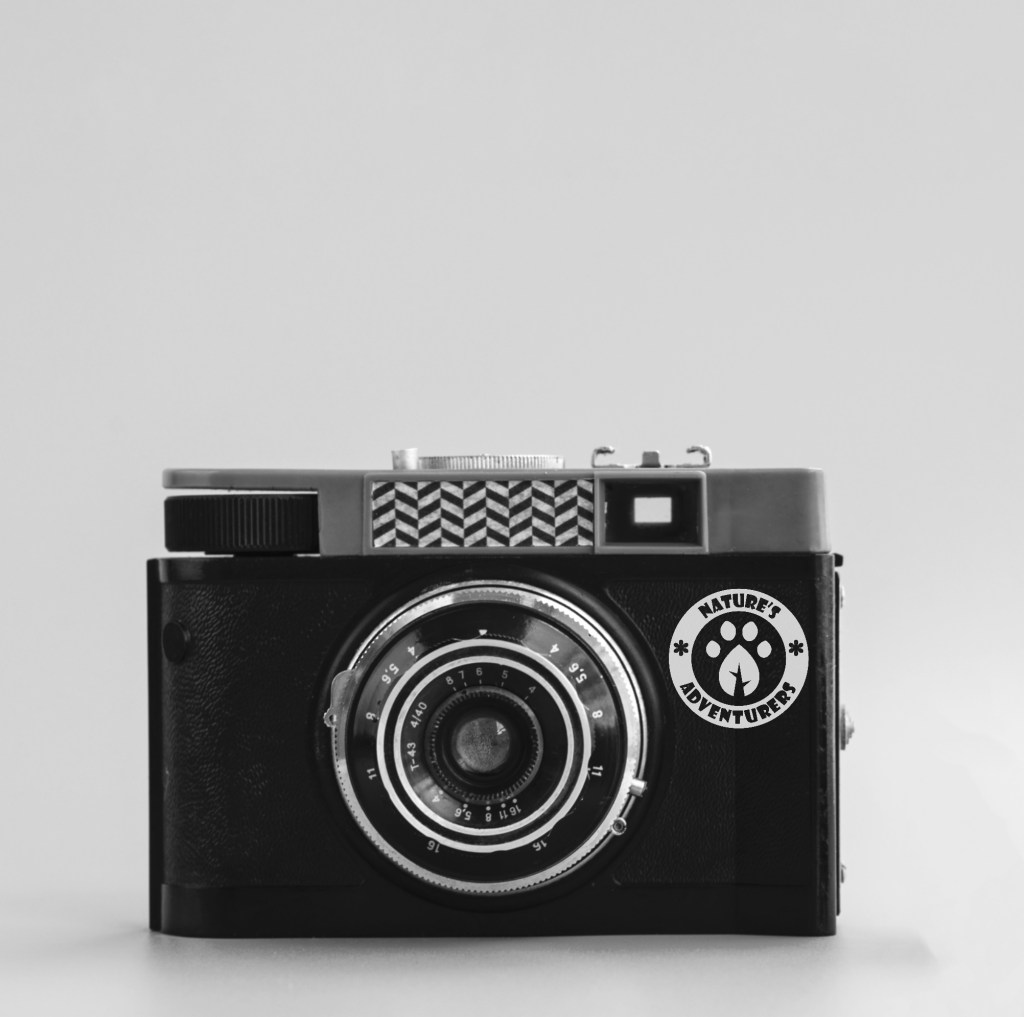
Cameras: I added the submark and logo onto digital cameras using Photoshop to brand them. I think this would be a good and unique item to have in an Explorers Pack as it would encourage children to pay closer attention to their surroundings as well as potentially sparking passion for photography. It’s more hands than simply using a phone camera and would help reduce the need to be on their phones when out in nature.
Hand made merchandise: These are more physical outcomes. The products are relevant to both the Explorer Packs and scavenger hunt. After creating the series of mockups I started actually making some merchandise for the campaign. To create these products I bought some blank items and customised them in the 2D craft area at the University. I first did an introduction into the facility to get an ideas as to what sort merchandise I could realistically make with the equipment they have. The tool I used a lot was the Cricut maker and its accompanying software. This allows you to upload a design and the machine will precisely cut it out. The material I used for the design was HTV (heat transfer vinyl). I used a mixture of plain colours and metallic colours. The design would be cut by the Cricut machine then I would iron it onto the item. Once I made the items I photographed them outside using a Conon camera and a big roll of white paper for the background. I wanted to take nice product shots to make the campaign look professional and so I could later make a mockup instagram post promoting it.
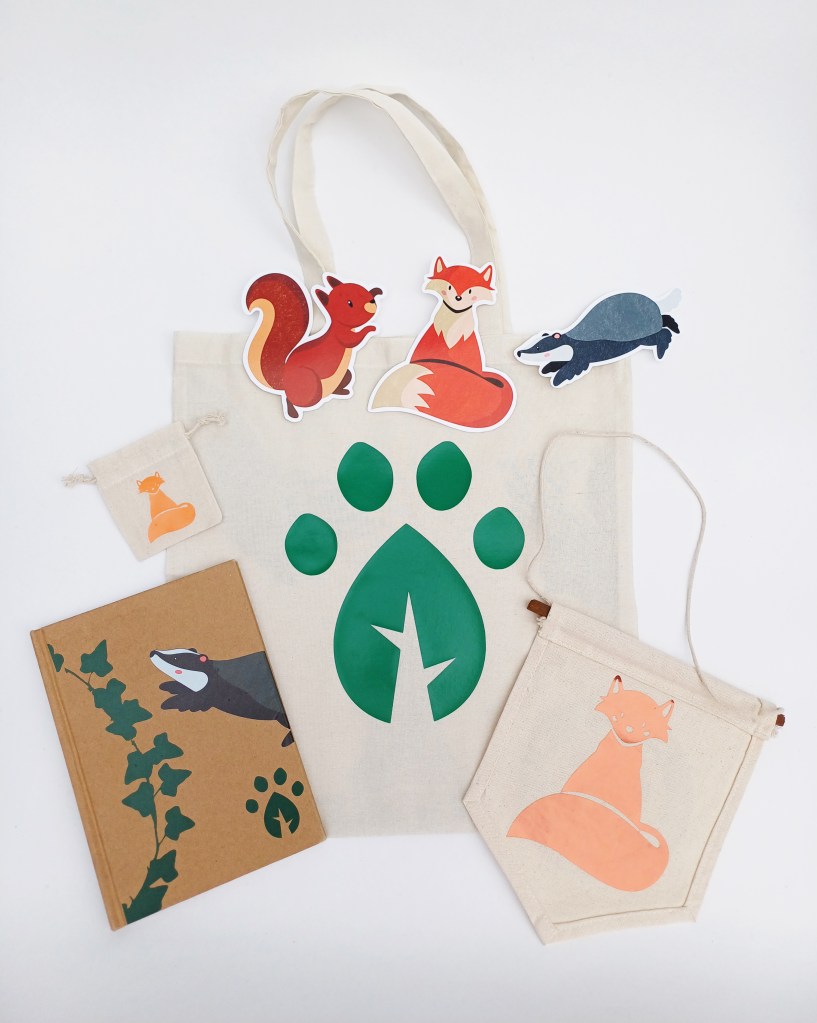
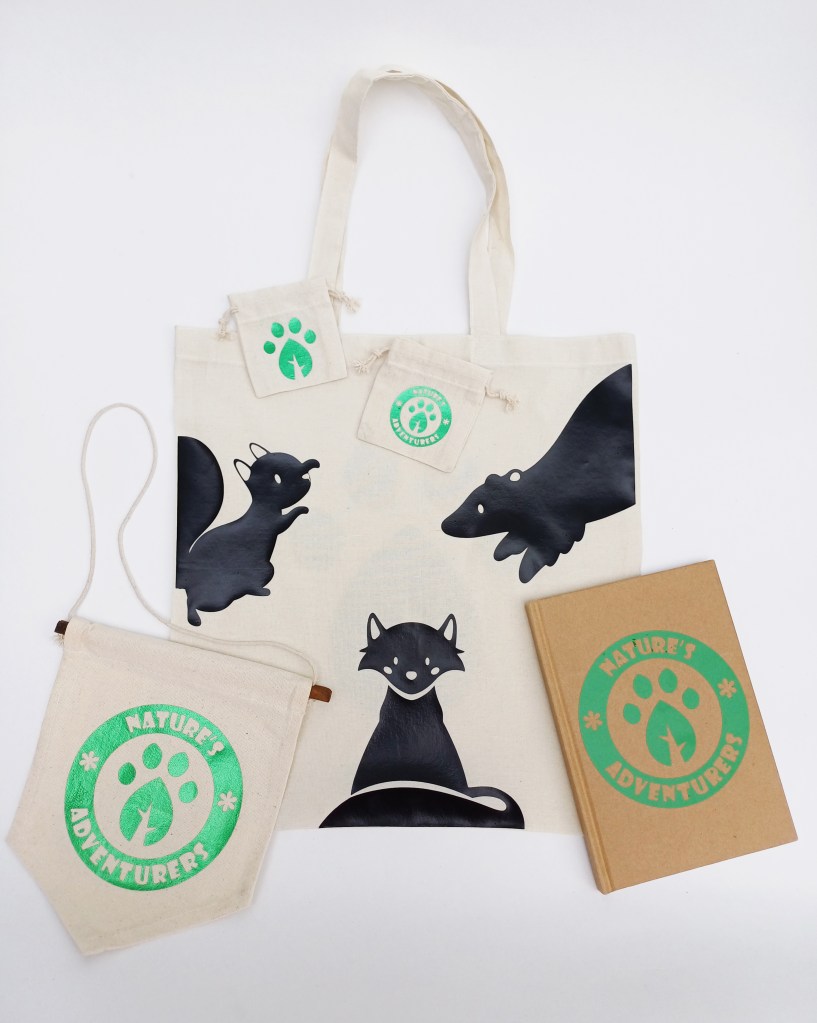
Explorer Packs: When making the merchandise I was constantly thinking about my target audience and the idea of the Explorers Pack to make sure everything remained relevant and on theme. I used a lot of the ideas from the mockups but had to make some alterations due to the resources and facilities I had available to me. Below are 2 different Explorer Pack options. Option one is more focused on the animal characters and contains a tote bag, 3 stickers, a mini drawstring bag, a hanging sign and a notebook. Option 2 is more focused on the branding with more of the logos and contains a tote bag, 2 drawstring bags, a notebook and a hanging sign.
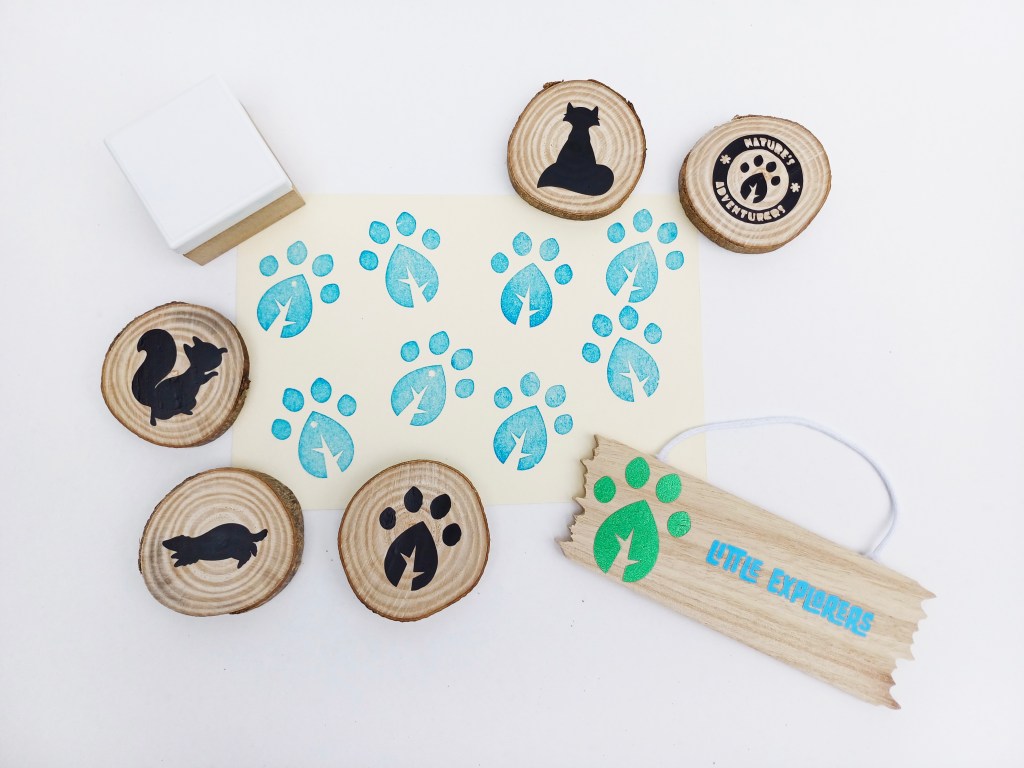
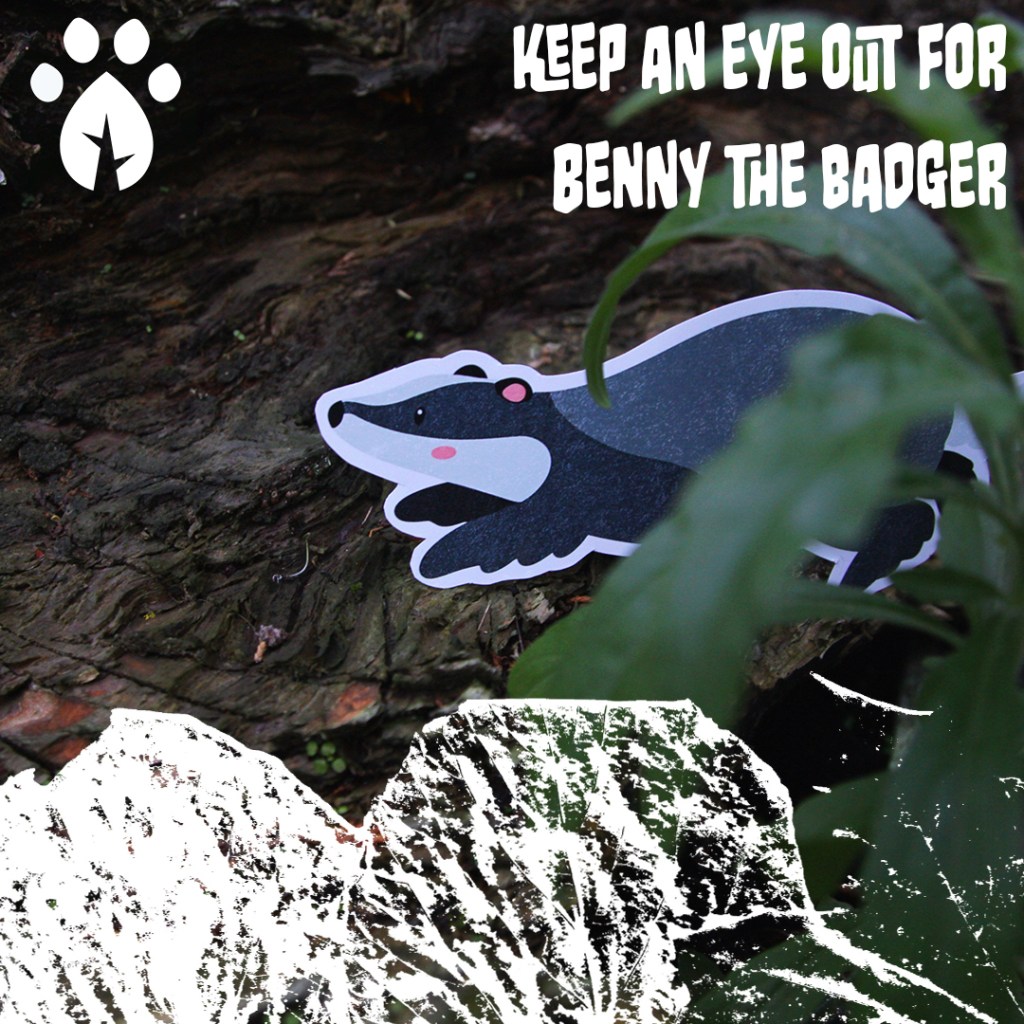
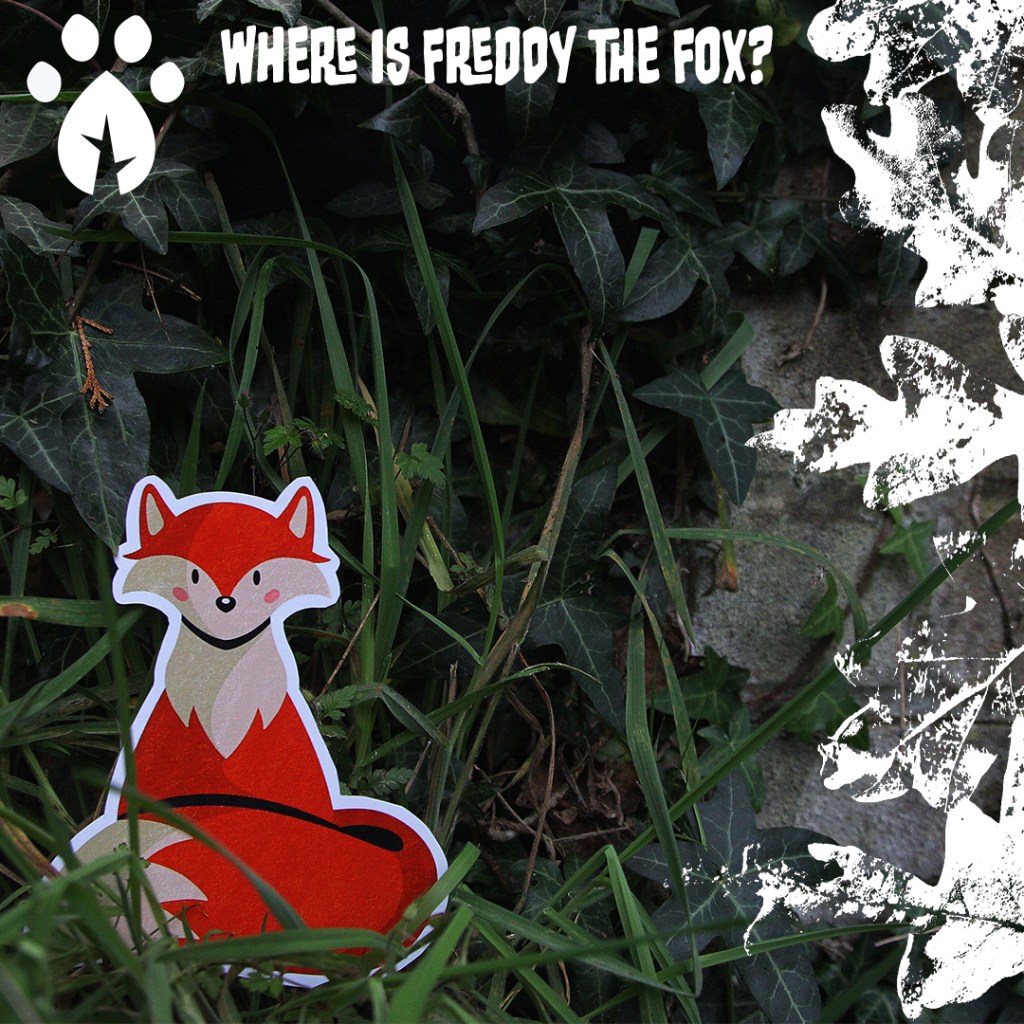
Scavenger hunt items: The event outcome I planned was a scavenger hunt. I was thinking about ways to make this more unique and specific to my campaign. The idea I came up with was that each child who takes part would get a checklist and a stamp of the submark logo. Each time they found something on the checklist they would stamp it. The things on the checklist would be different plants such as specific type of trees and flowers as well as commonly seen animals and insects. To make it brand specific there would also be branded hanging signs and cut outs of the animal characters that they’d have to find. When they complete the scavenger hunt and have stamped all of their checklist they would be given a prize and it would be one of the wooden discs with the logo or an animal character on it. These could be collected by completing multiple activities and stored in one of the drawstring bags from the Explorers Packs.
Individual items:
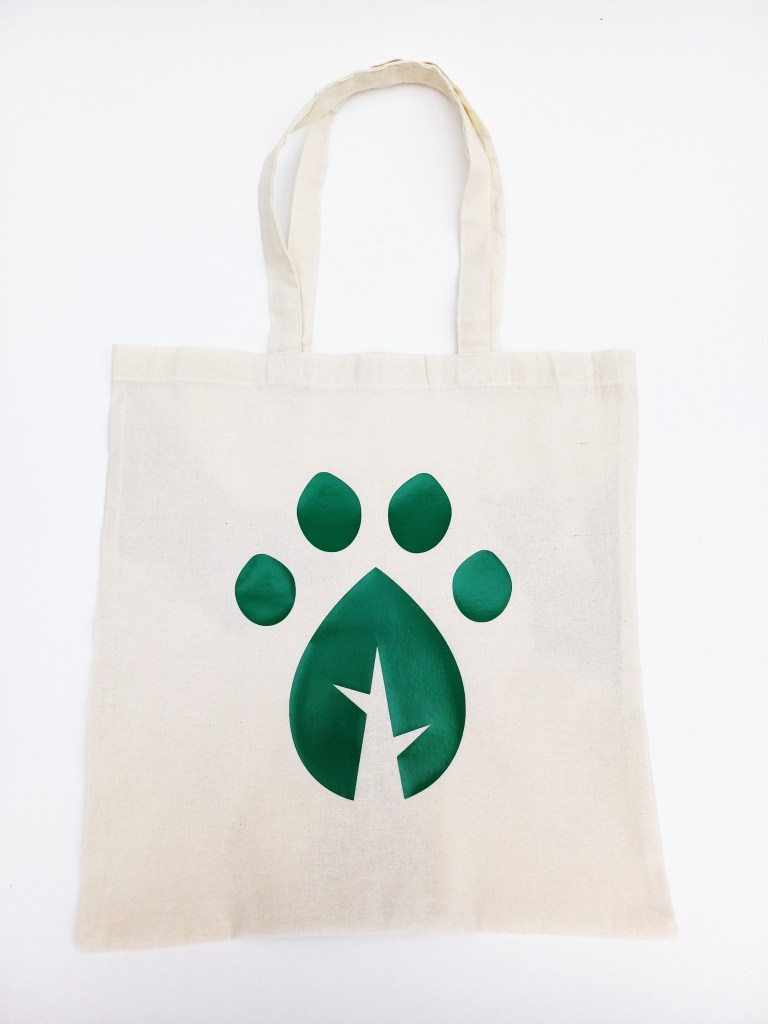
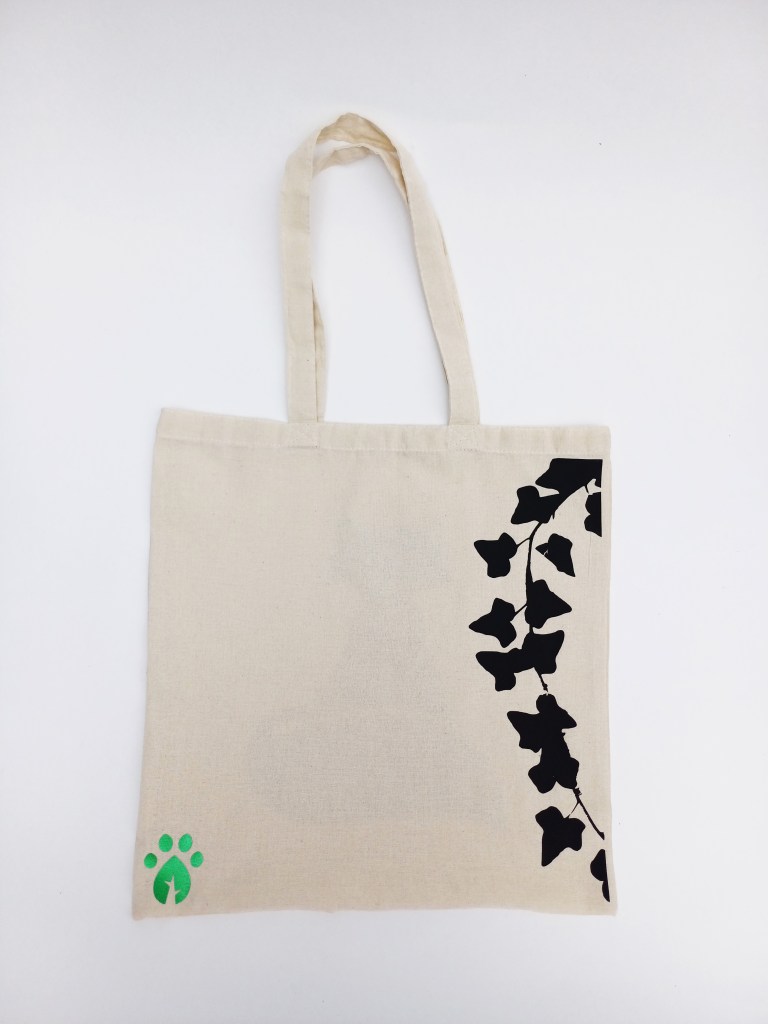
Tote bags (Explorers Pack): I made several different designs: 2 are with on the characters, 1 is with the submark logo and the other is with one of the textures I made. I like all the designs as they all work for the target audience and align with the branding identity but I’d say my favourite is the top one as it is the most fun and dynamic. I think using the silhouette style designs help draw attention to the shapes of the animals and give it a clean look that a parent and child could use.


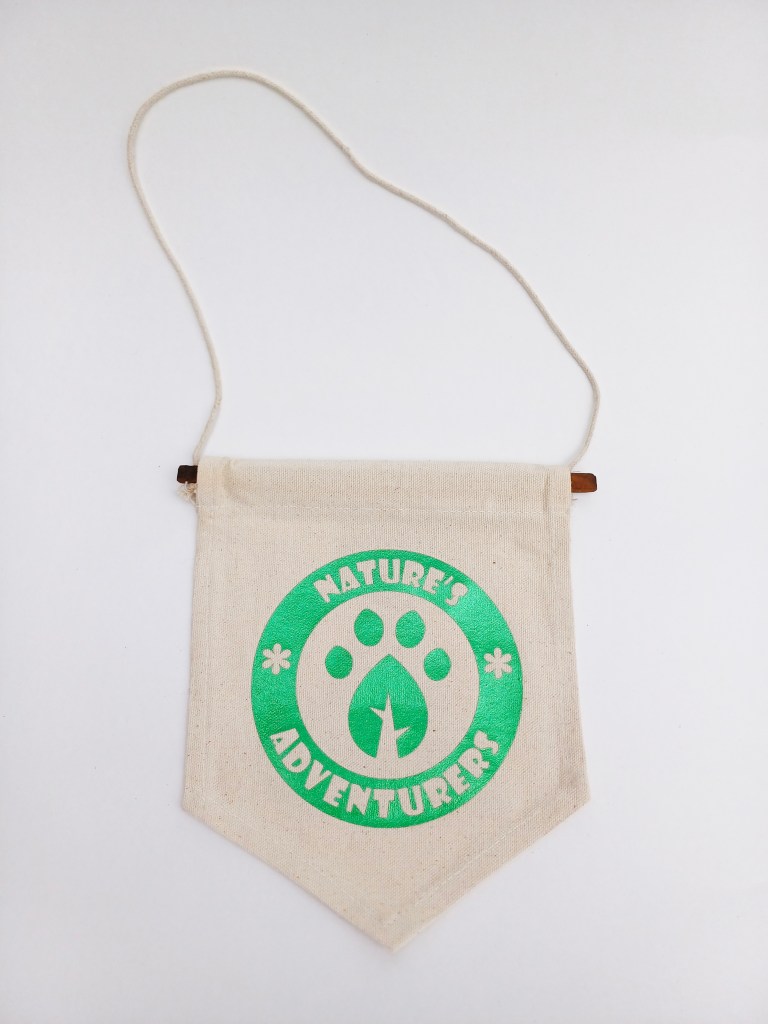
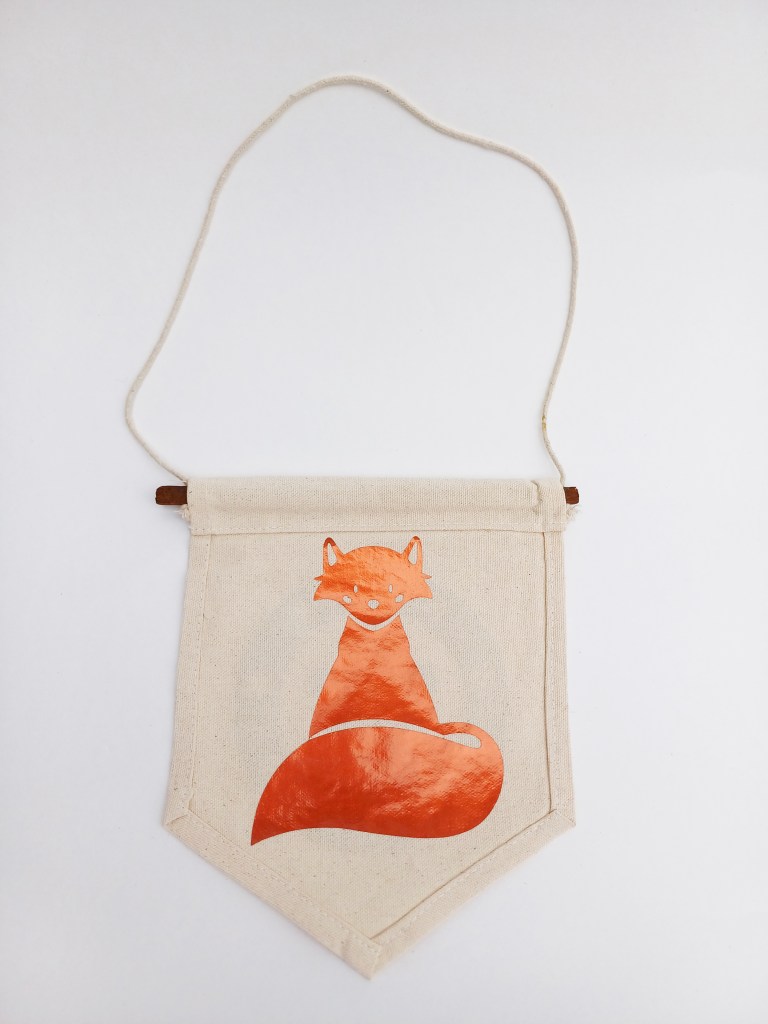
Hanging signs (Explorers Pack): I didn’t make mockups for these but thought that could be a nice additional item for the Explorer Packs which children could decorate their rooms with. I did 1 with the logo and 1 with Freddy the fox.
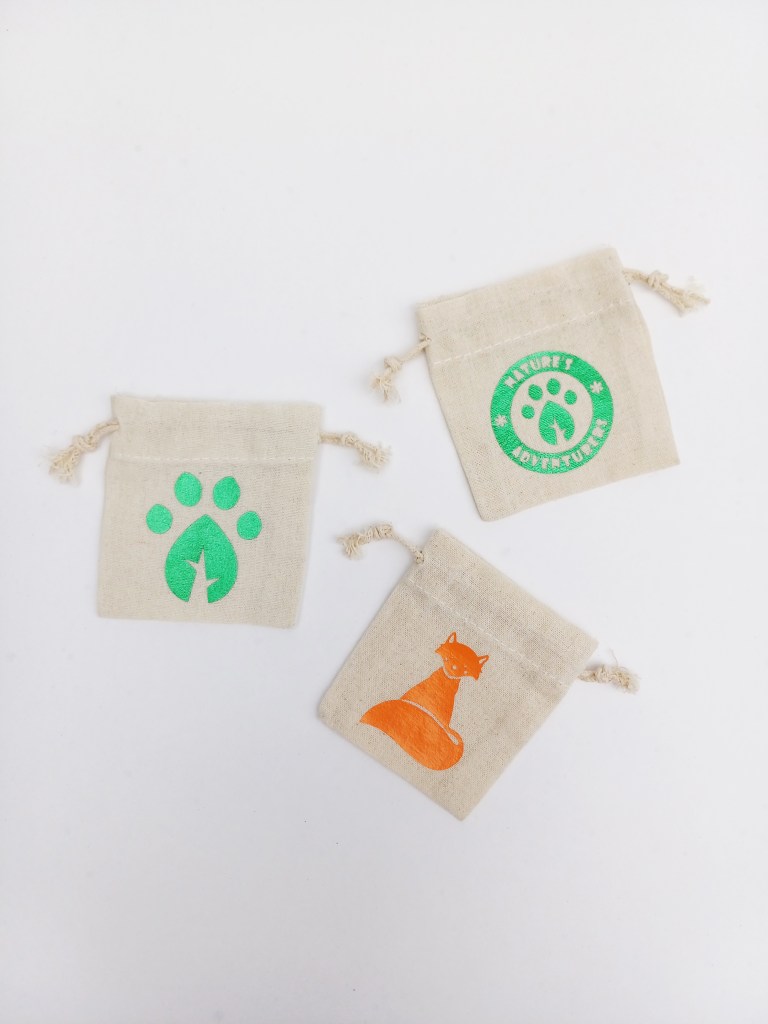
Mini drawstring bags (Explorers Pack): I closely followed the mockup designs for these bags. The only change I had to make was to do the fox in a single colour rather than in full colour. This was due to limitations I had with the materials and machinery available. However I actually think with the size of the bags it works better in just this metallic orange, any more detail would unnecessary and too small.
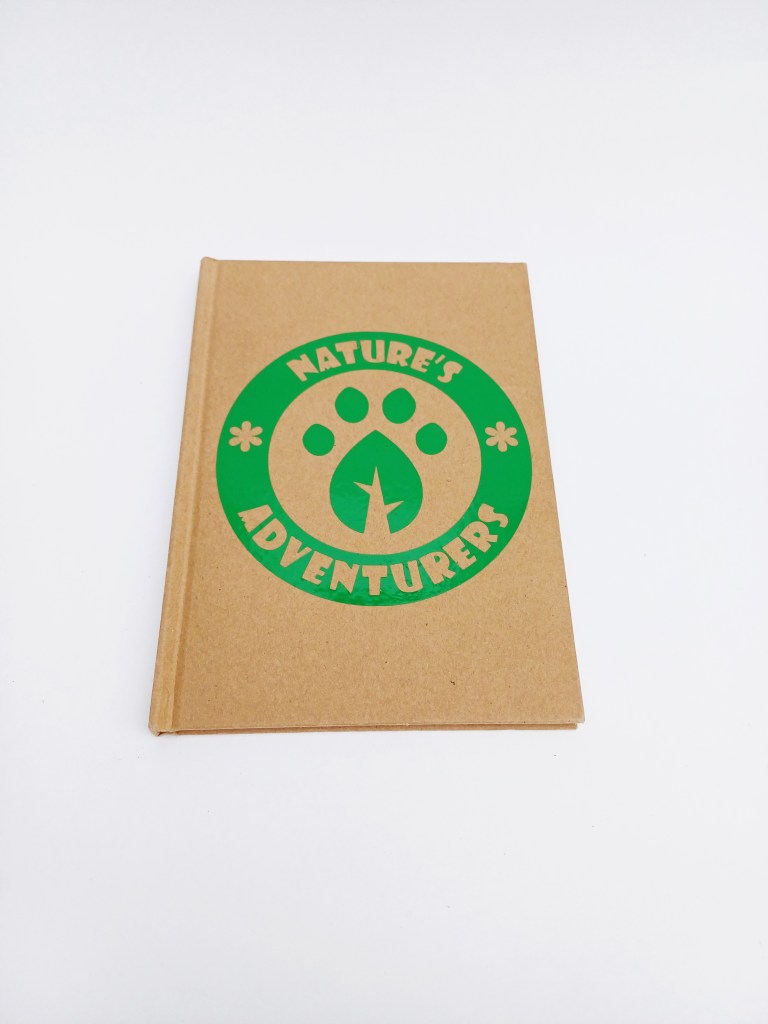
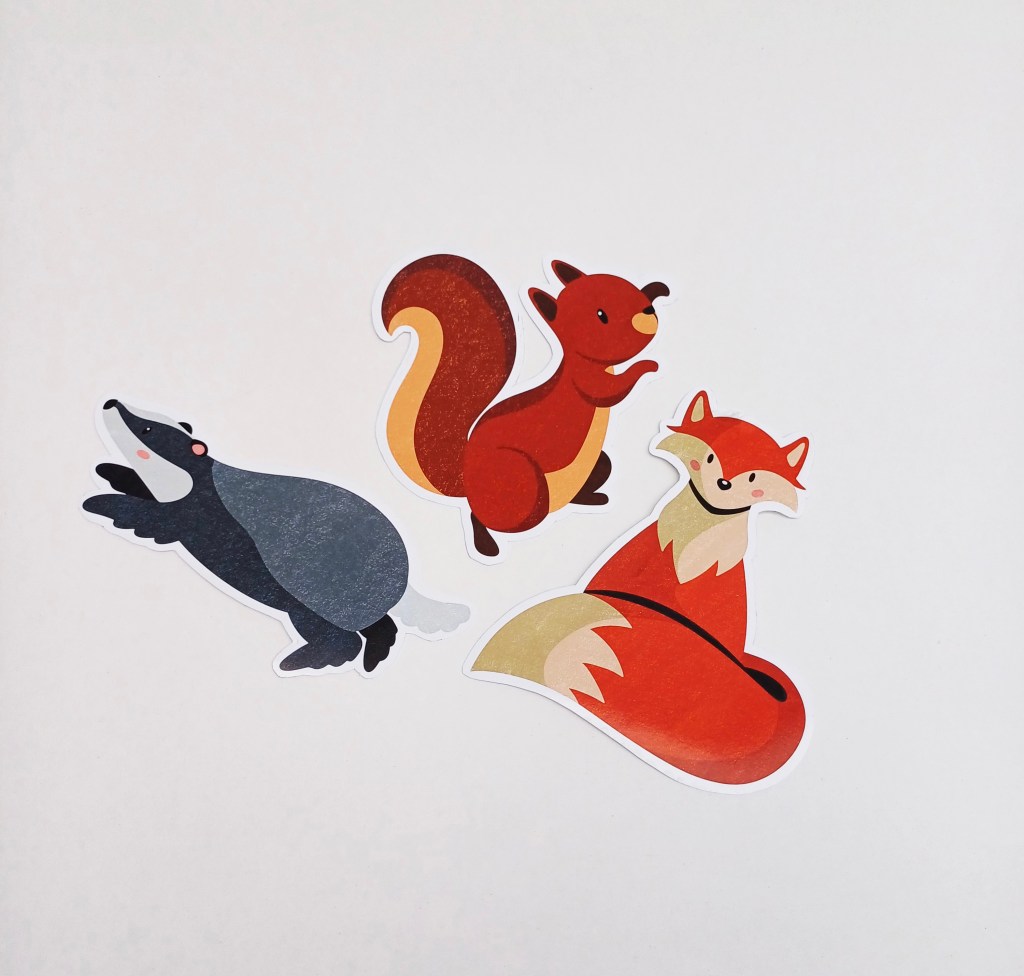
Notebooks (Explorers Pack): To make these 2 notebook designs I combined ideas from all my mockups. 1 simply has the logo is a bold and bright green. I think this one works as a piece of simple branding but I don’t think it is unique and visually interesting enough. The other has a more complex design with a vine texture, Benny the Badger and the submark logo. I prefer this one for my target audience as it’s more busy and combines more elements of the campaigns visual identity. To get the character in full colour I printed it on sticker paper and used the Cricut maker to cut around it.

Stickers (Explorers Pack): For these I did the same process as making the badger design for the notebook. The only difference is I used glossy paper to give it a nicer, more premium feeling. These are exactly like one of the sets of mockups I made and would be a nice item for children to have and use to customise something like a sketchbook.
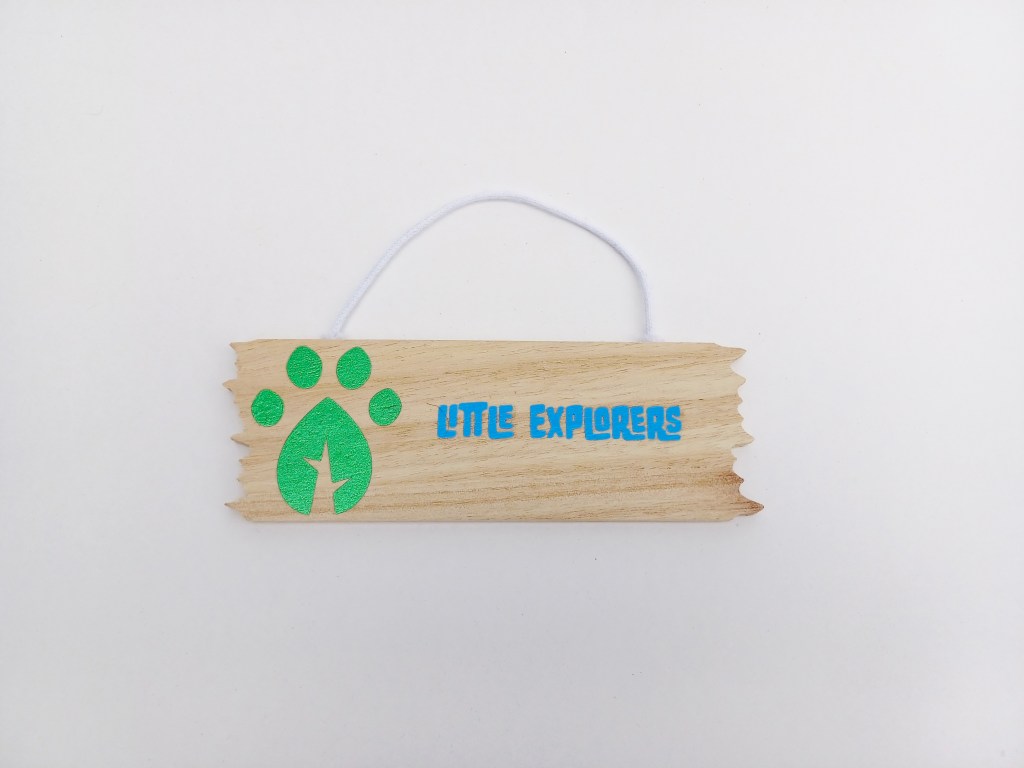
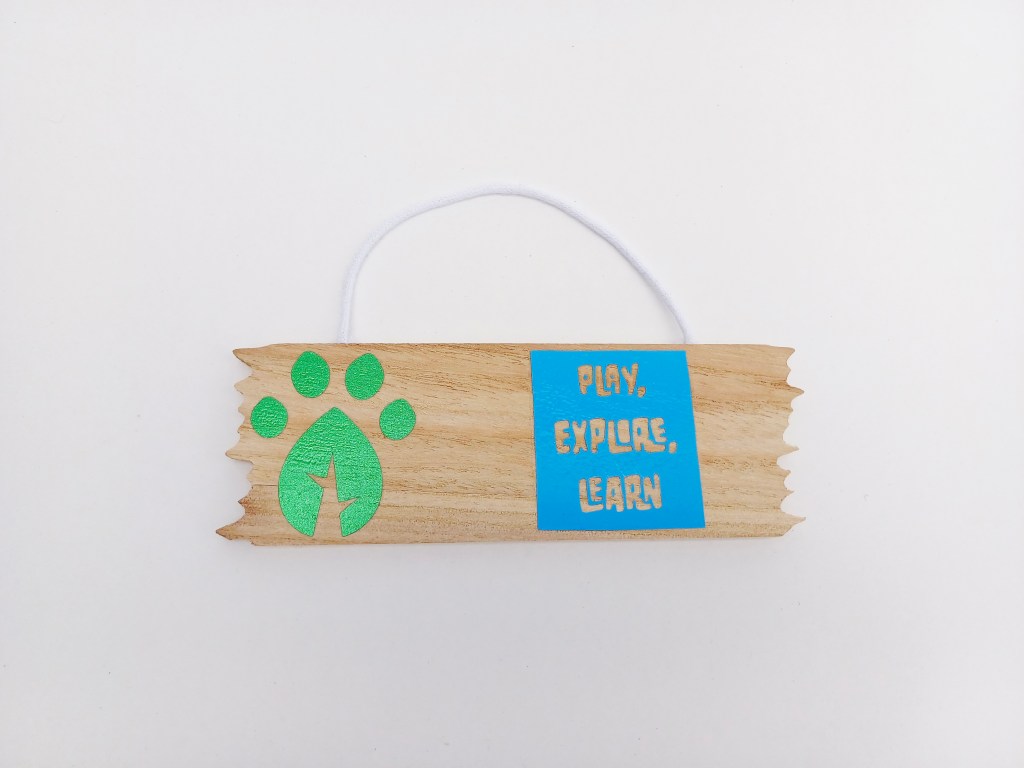
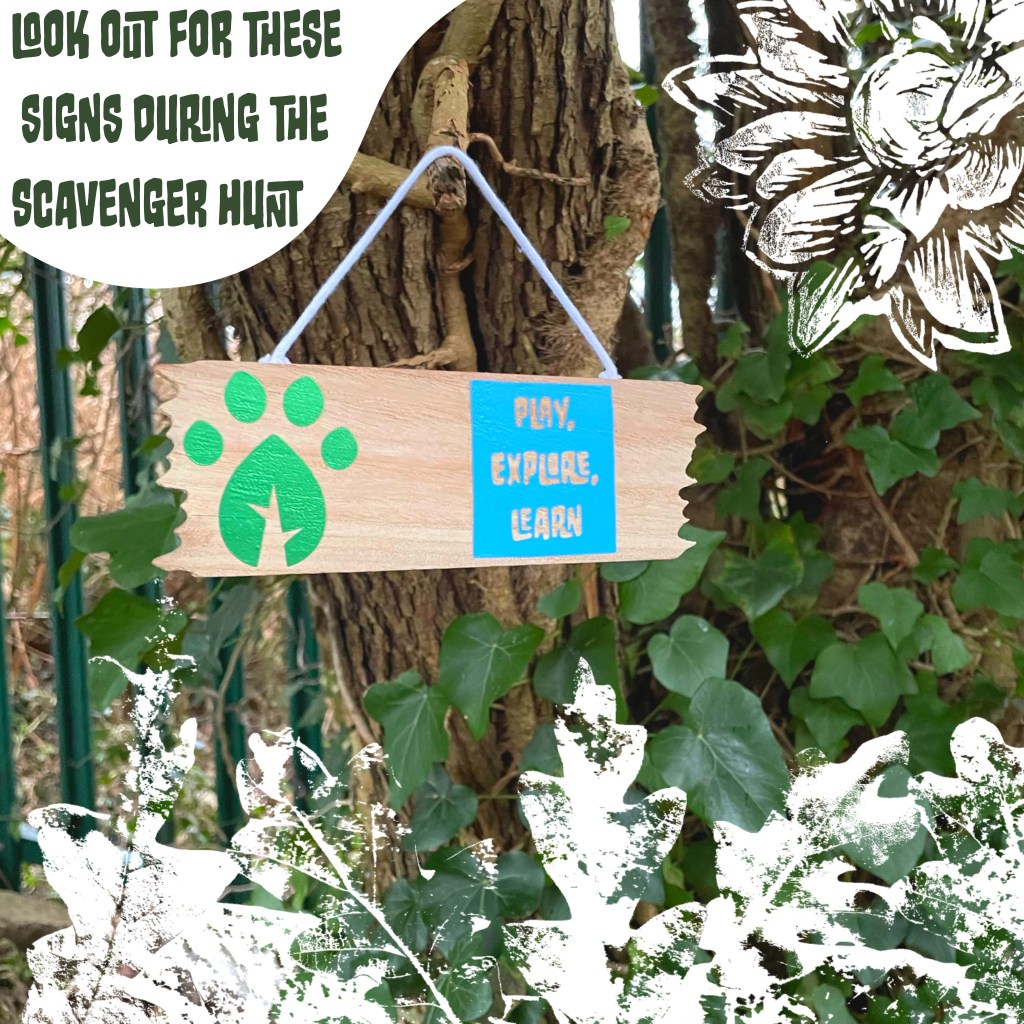
Hanging signs (scavenger hunt): Up to this point I had only really worked on canvas and other woven material and paper so I wanted to experiment with putting the HTV on other materials. I didn’t make a mockup for these designs because they were just a successful experiment. To my surprise they took really well to the wood so I was able to creates these signs for the scavenger hunt with the submark logo and different campaign slogans. The reason I wanted them to be signs in the scavenger hunt is that it gives the children a more diverse range of things to look for hopefully making it more engaging.
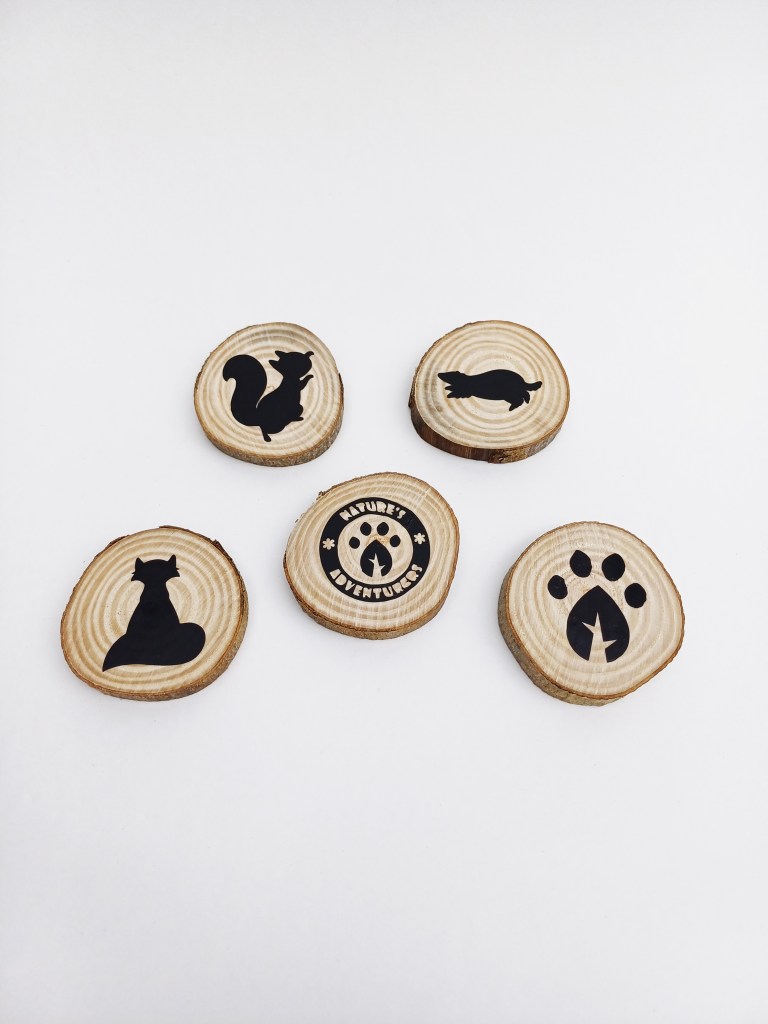
Wooden discs (scavenger hunt): After the success of putting the HTV on the signs I wanted to experiment further. The signs are made of a very processed wood do was still relatively smooth. These wooden discs have more grain and texture. The HTV did stick well but took longer to hold. I’m really happy with these and think they’d make really nice prizes for completing the scavenger hunt so could act as good incentives for engagement with the activities.
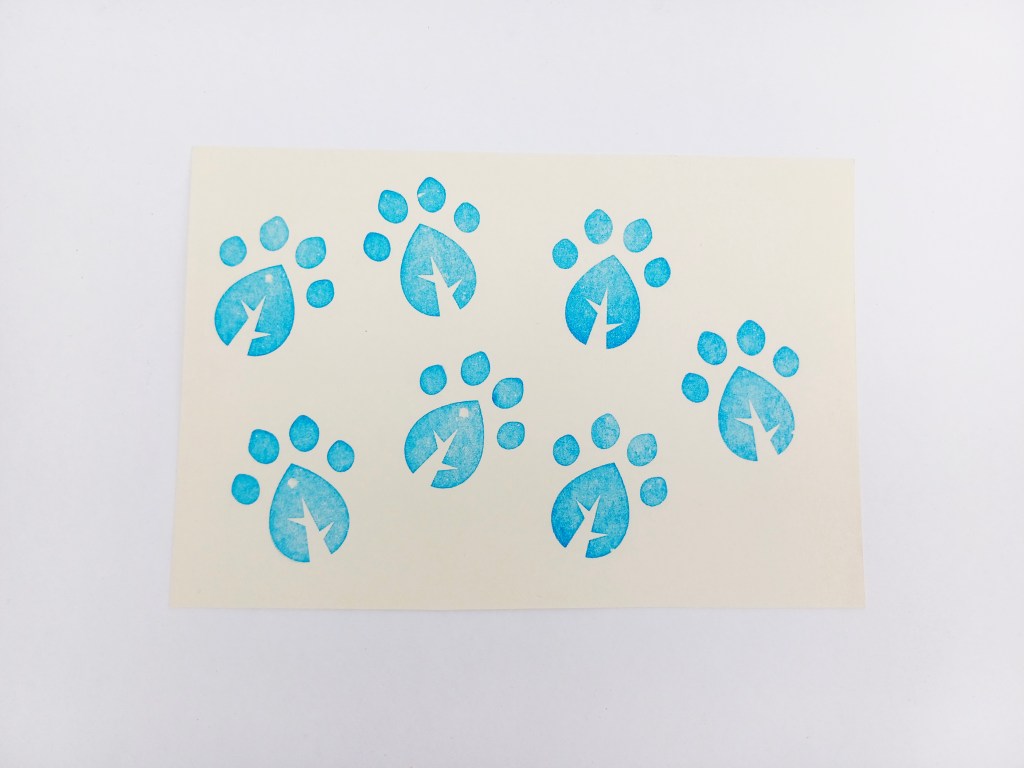
Stamp (scavenger hunt): This stamp was made by uploading the design and a machine then presses the design onto the rubber like material creating the stamp. The stamp would be used to mark off what things on the checklist they have found on the scavenger hunt. I wanted to make a stamp as it’s just more fun than using a pen to tick it off. This style of stamp holds a lot of ink for a long time so would rarely need to have more ink put on it, making it more convenient and user friendly. I chose the paw print leaf rather than the full logo as it’s a more bold shape with less detail so even if they didn’t stamp it well or it smudged you’d still be able to tell what it is.

Posters: These are a series of printed outcomes. I didn’t physically print these as poster but I did mockups of them in context. These poster were a good way to focus more on combining the branding identity and campaigns visual identity. To make these posters I used 2 digital softwares, Adobe Photoshop and Procreate. With the merchandise I was more limited to what I could in regard to colour and composition by the materials that were available to me. But with the posters there was more creative freedom in that aspect. I made 2 different types of posters, character posters and promotional posters.
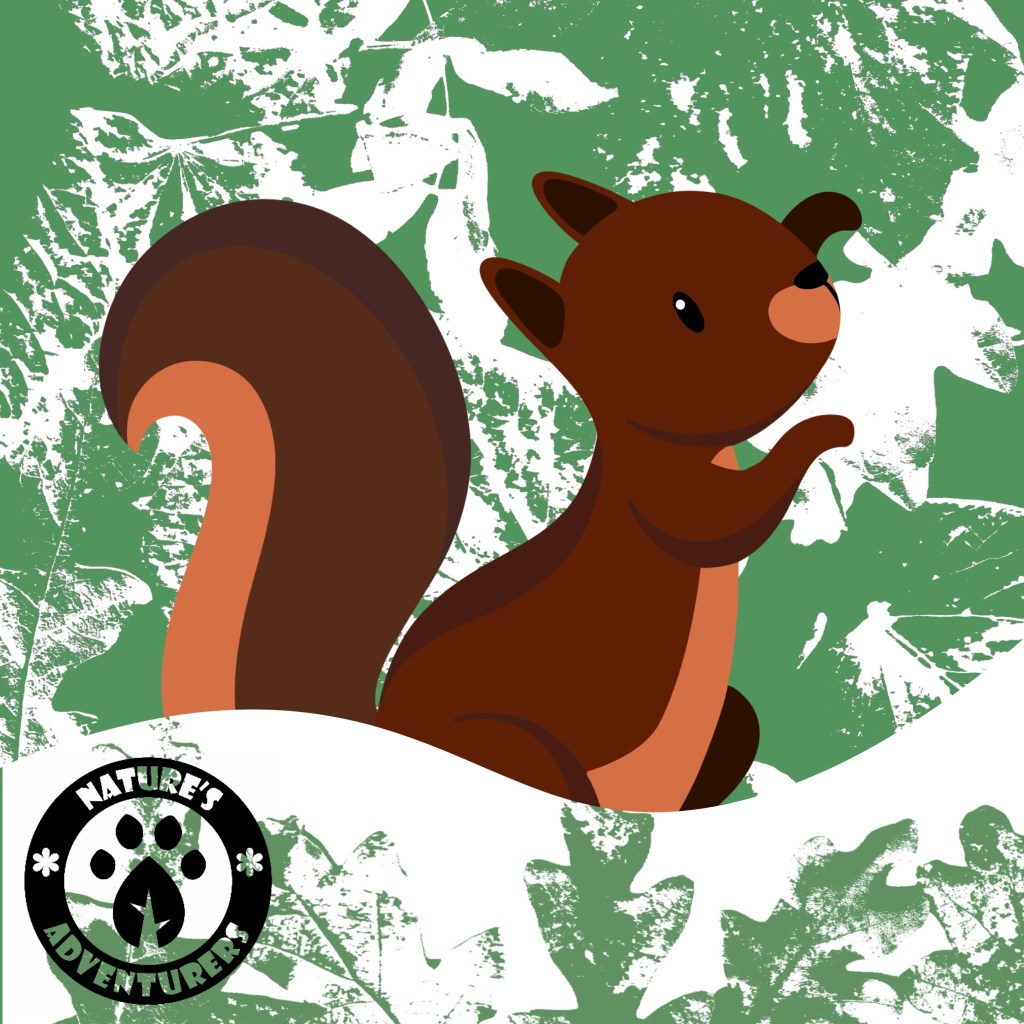
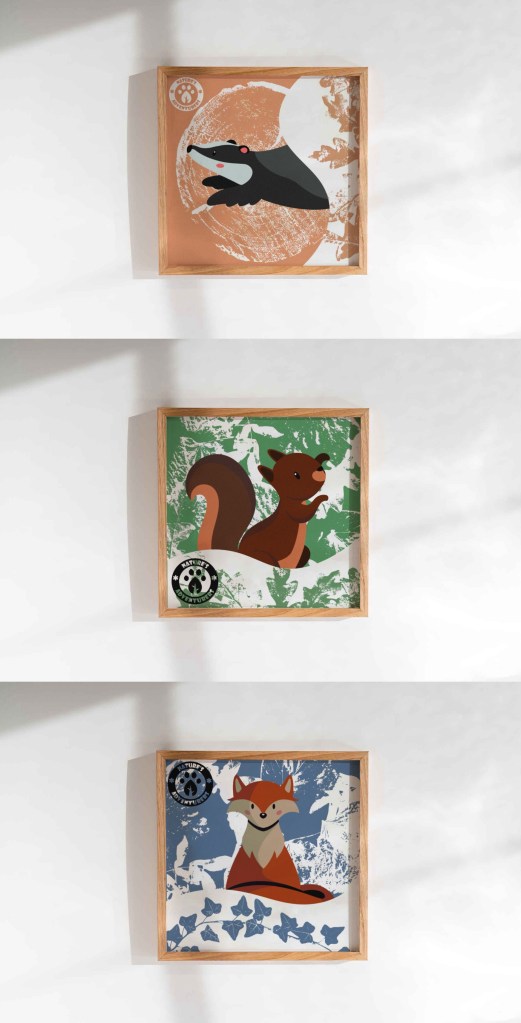
Character posters: I wanted to make a set of 3 posters, one of each character. To make them feel like a set I wanted to have the same visual style across all 3. The posters gave me the opportunity to develop on the aesthetic I’d been working on with the textures overlayed on the curvy shapes with the brand colours. The first image with all 3 in a row was my first attempt. I liked the composition, the placement on the logos, the characters, the curved shapes and the textures I chose. However it was the colours that I was unsatisfied with. Firstly I made the green and blue background colours too light so didn’t stick to the brand colour palette. I also think I overcomplicated the colours especially for the target audience. The characters are already colourful so they don’t need so made didn’t colours around them. Also I think the colours in the curved shapes are too dark and don’t align with the visual identity I wanted.
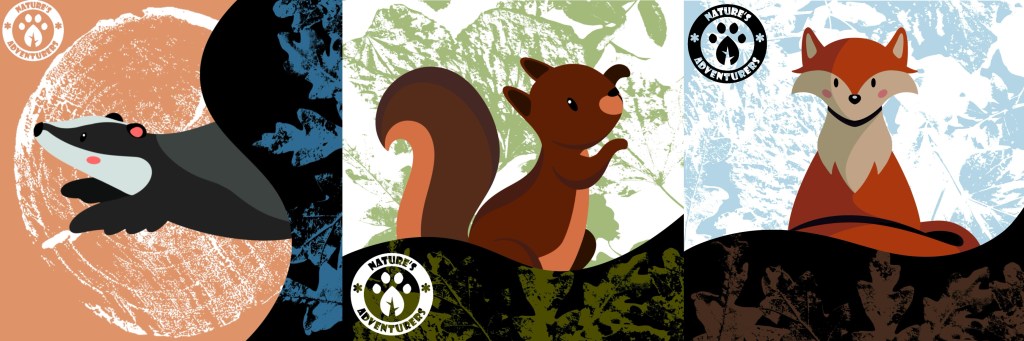
I fixed the issues I mentioned and came up with the 3 posters below. I think keeping the backgrounds to just 1 colour and white is much more visually appealing and makes the poster look more cohesive. The colours are now all ones that are in the branded colour palette so align better with the rest of the outcomes.
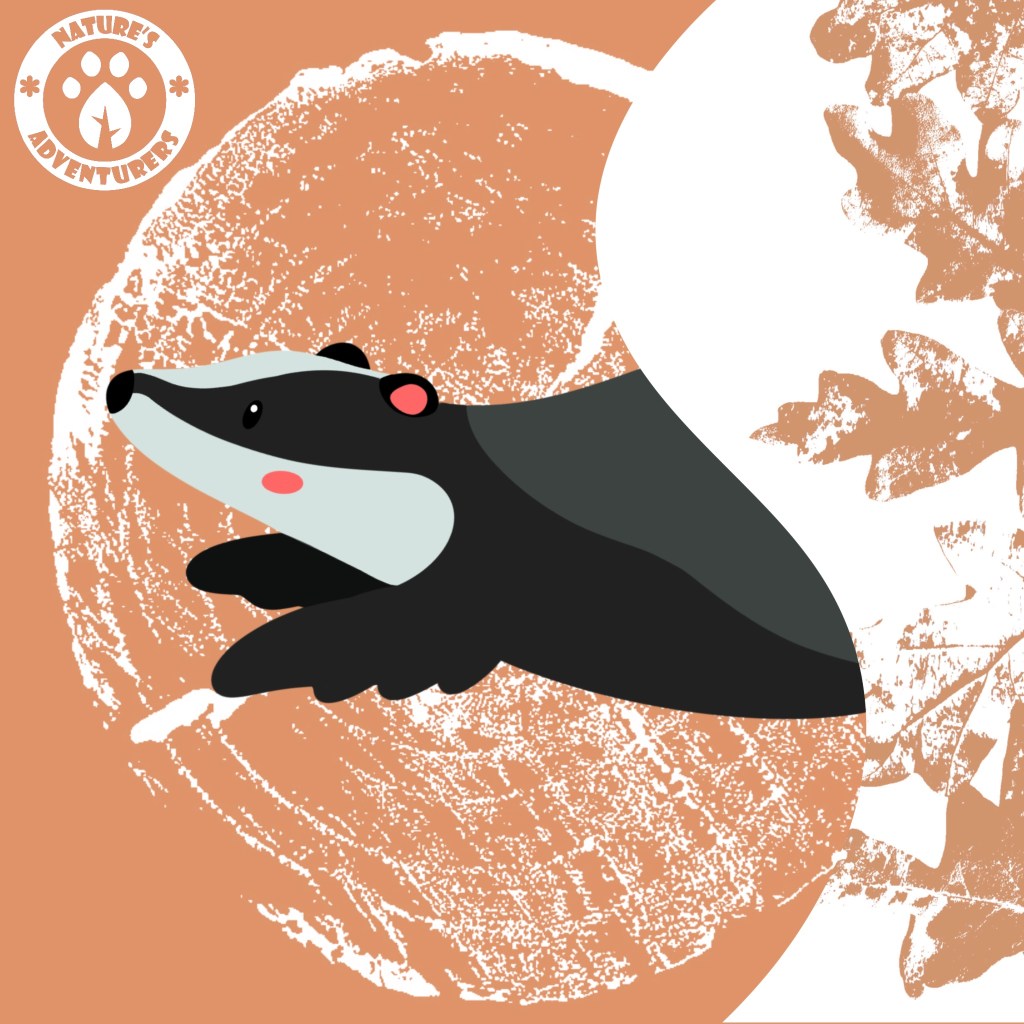
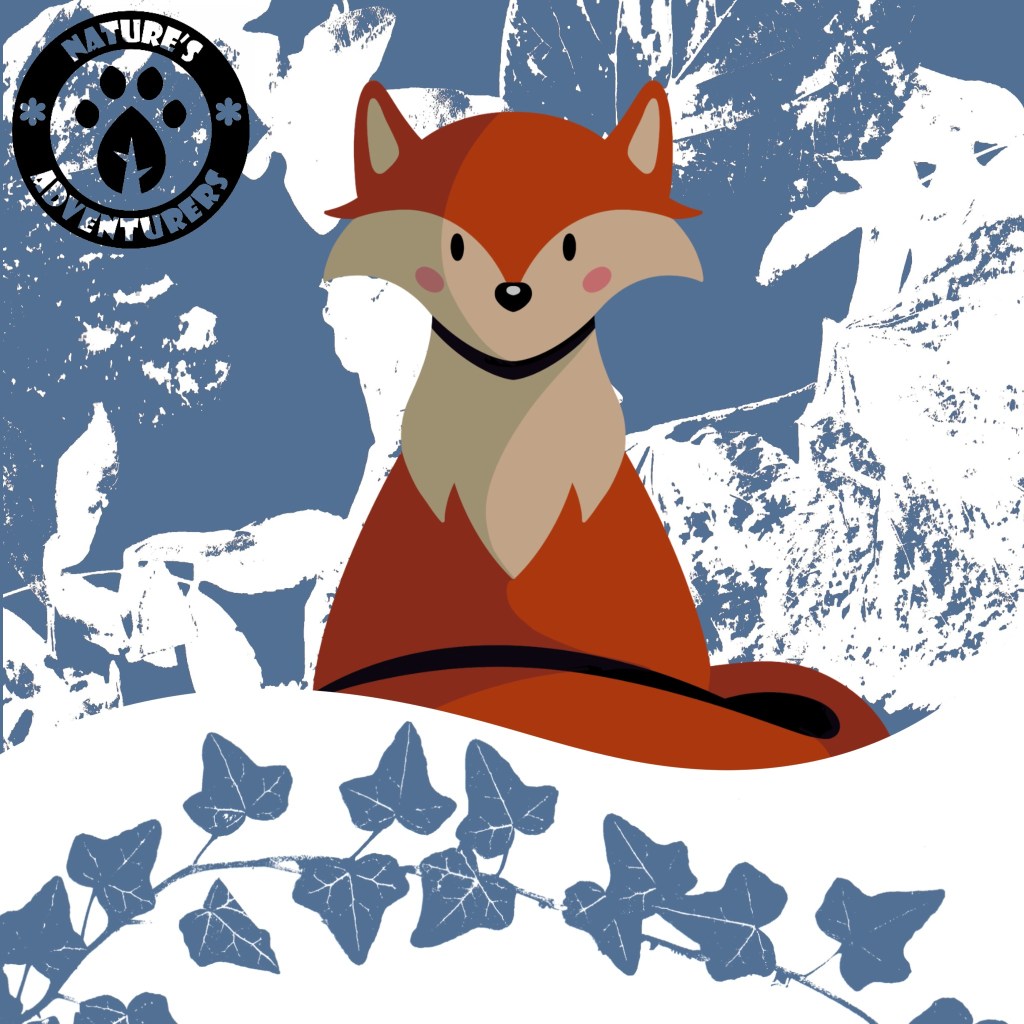
Poster mockups: I used Adobe Photoshop to create the mockups of the posters in frames. I think they work well as a set and successfully convey to visual identity and tone that I want the campaign to have. Along with the hanging signs I think these will make nice decorations for a child’s room.
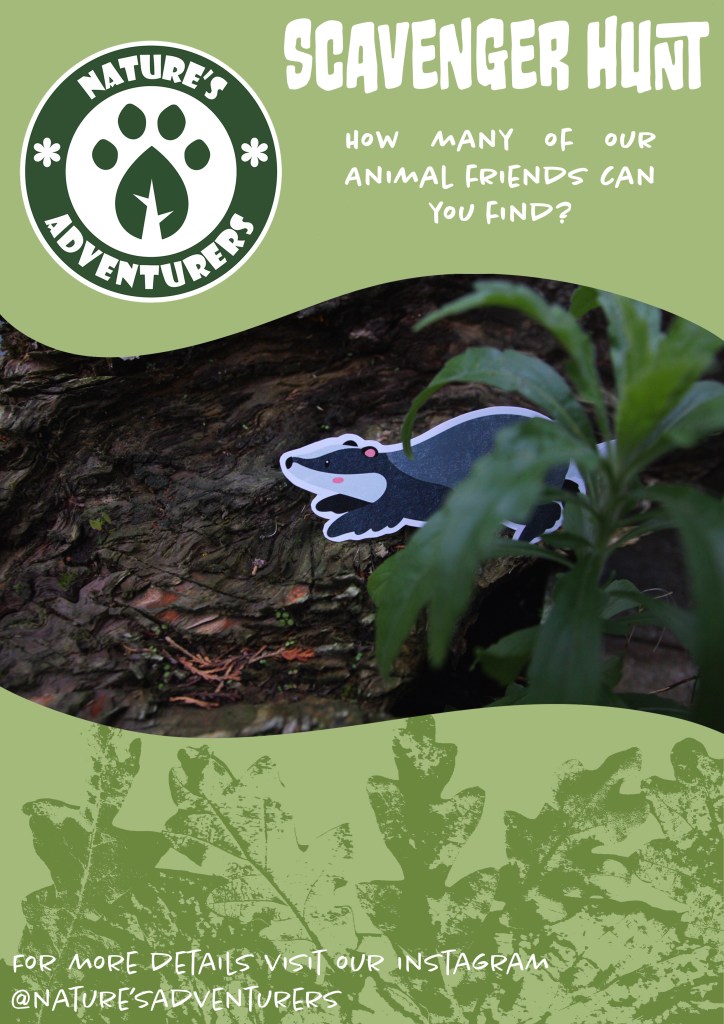
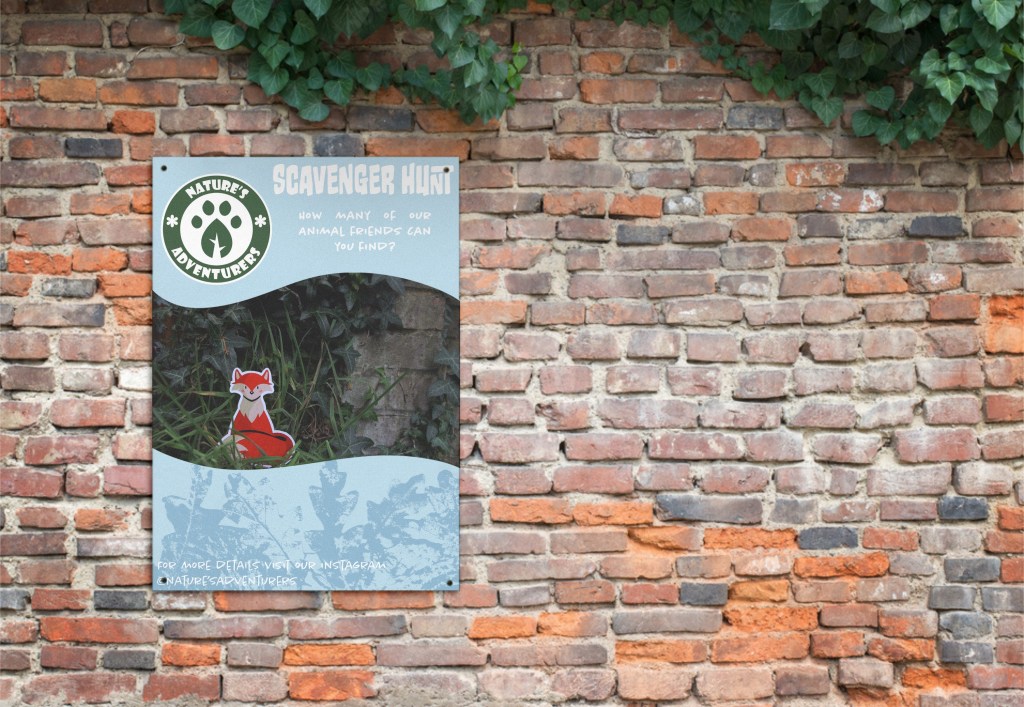
Scavenger hunt posters: The second kind of poster that I made were promotional posters for the scavenger hunt. These posters needed to serve a different purpose while still keeping a consistent visual language. The character ones are solely decorative, these ones are made to not only be visually engaging but also promote an event so needed more context than just a logo and character.
I used the photos I took of the character cut outs as they’re something that would be on the checklist for the scavenger hunt. Combined this with the curved shapes, textures and brand colours to match the other posters. But this time I added text to give information on the event. I used 2 typefaces from the selection of brand typefaces, Monsterific BB and Chantal Light. I kept the details to a minimum by just including the name of the event, a question to engage viewers and where to get more information from. I thought too much information would be off putting to a child so this way they will get interested and the parents could go to the instagram mentioned on the poster to find out more. I made 2 versions of the using the same template, only changing the character and colour.

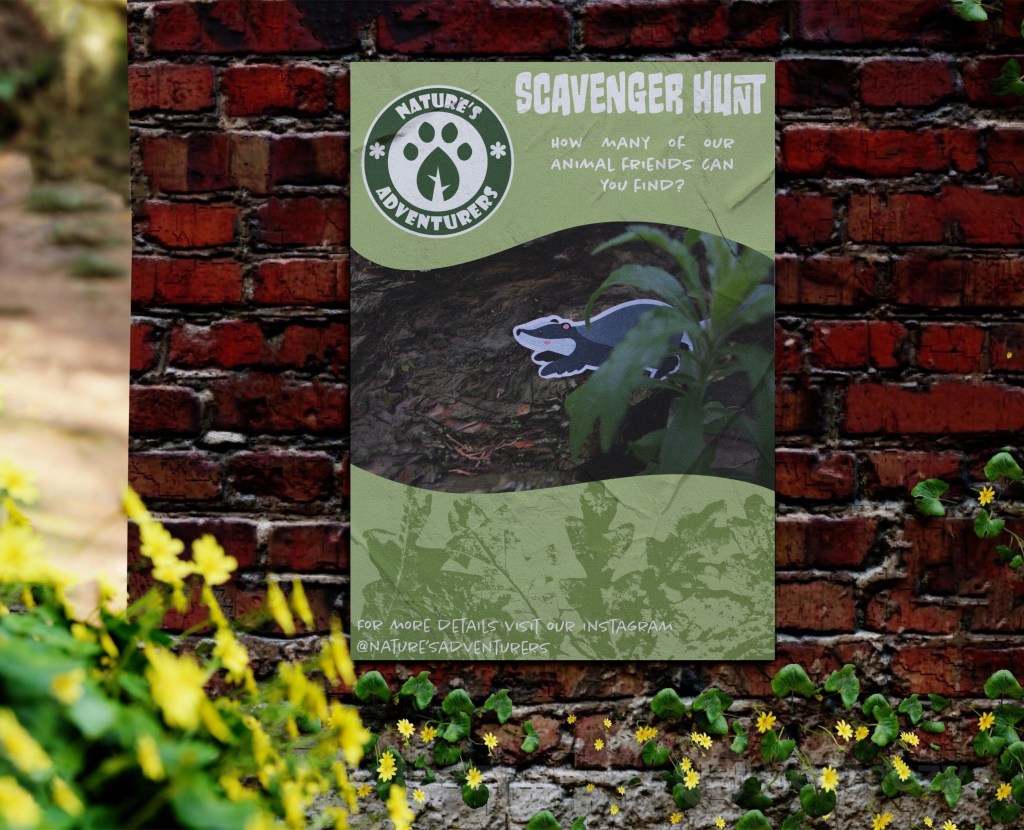
Poster mockups: To apply these to their context I created mockups using Adobe Phototshop. This allowed me to adjust the opacity and blend mode to allow the creases and shadows to be seen, making it more realistic. Unlike the character posters these were made to be viewed by the general public so would be placed in a range of located, such as near parks, schools and shopping centres. By applying them to this context the poster also become a spatial outcome.
Social media posts: These are a series of digital outcomes. The social media platform that I chose to work with was Instagram as that’s my personal favourite and I think it’s one of the best for starting companies to have. I think much of what I created is transferable to other platforms. The posts allowed me to further explore the campaigns visual identity and further explore the ideas from the posters. Where they sit in terms of aesthetic and purpose is somewhere in between the character posters and the promotional posters. To make these posts I used 2 digital softwares, Adobe Photoshop and Procreate. I used Procreate for much of the design then took it into Photoshop to work with the text. This is because the typefaces I chose are all Adobe fonts.
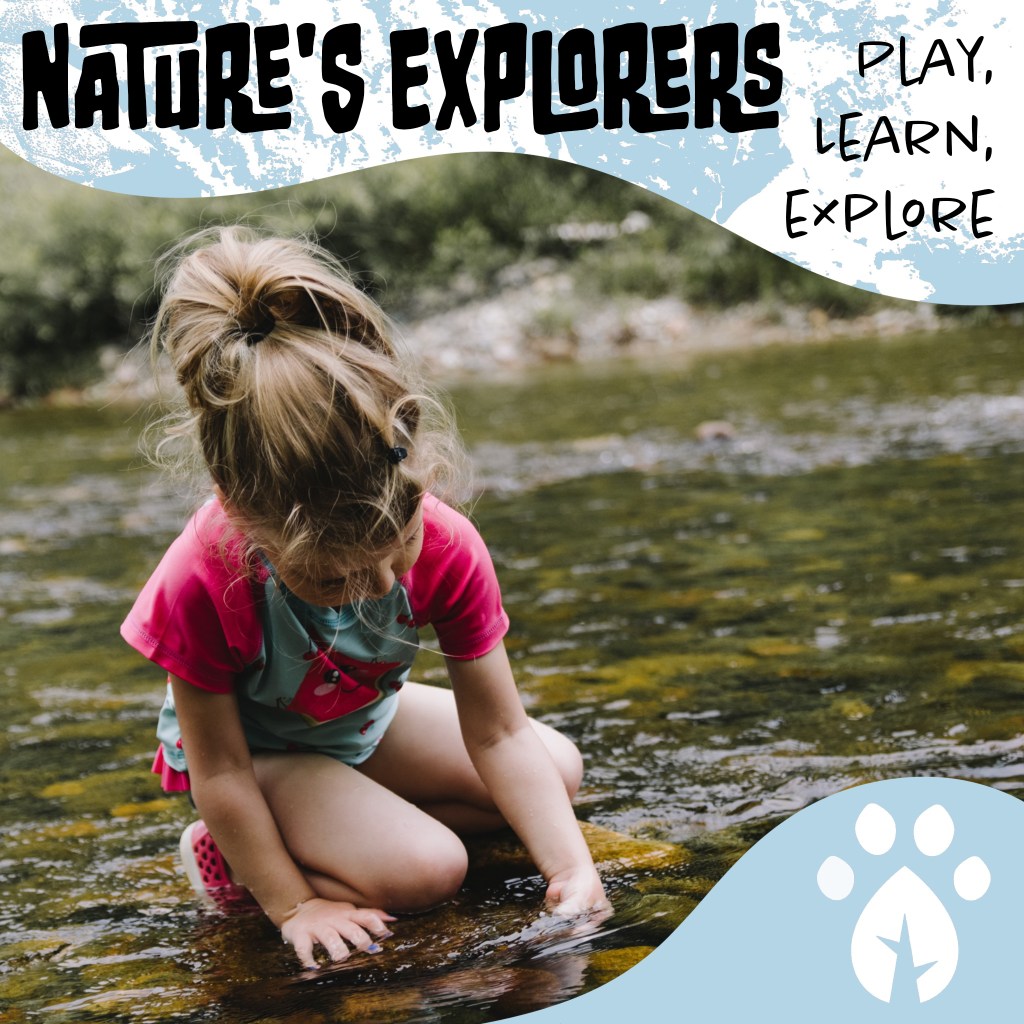
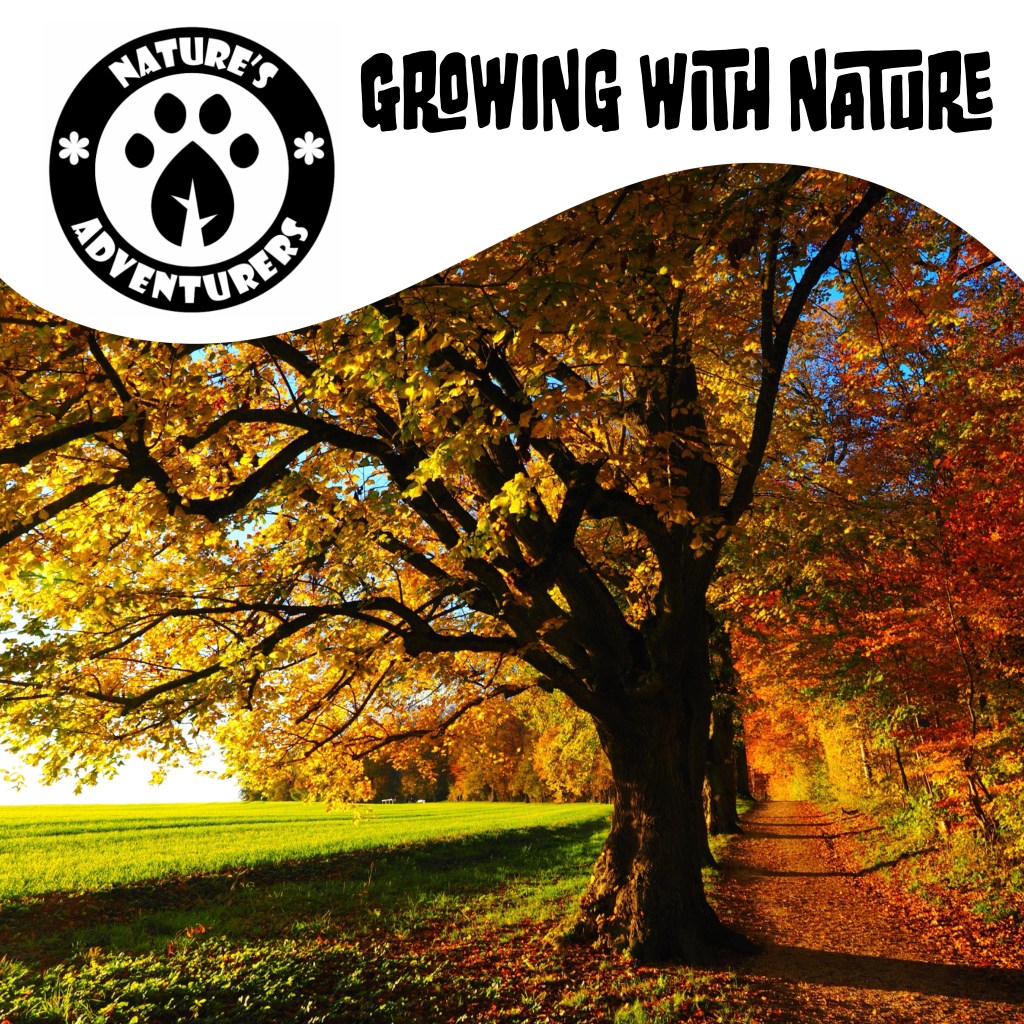
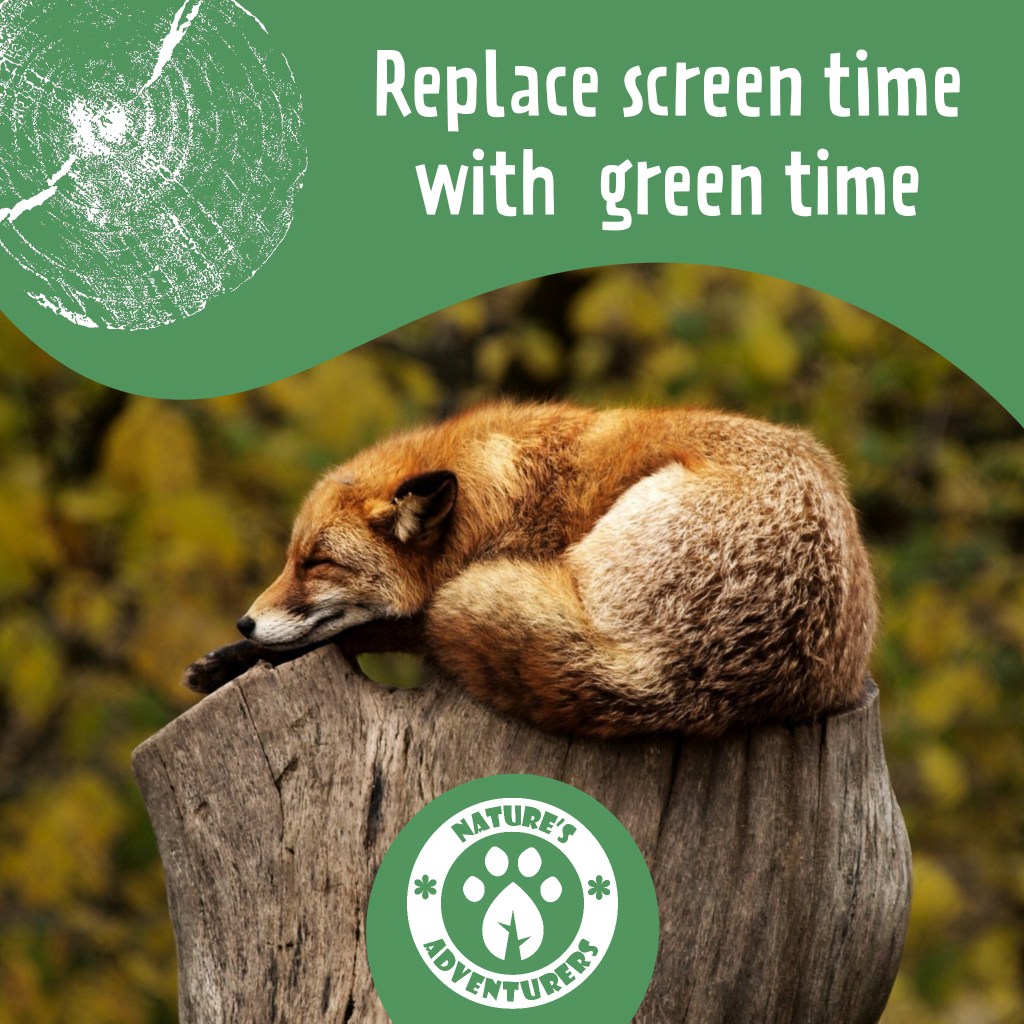
General posts: These are a set of general posts for the Instagram account. I used some of the stock images I downloaded to create these. I tried to cover and represent all aspects of the campaign so there’s one of a child in nature, one of natural scenery, one of an animal and one of some outdoor crafts. I used a range of brand colour, textures, and slogans to show a range of the campaigns visual identity. They are all clearly look like a set but are unique enough that they don’t get too repetitive and boring. I would use the image is draw in the viewers attention and then more details would be in the caption on the post. This would help make the online presence appeal to both parents and children.
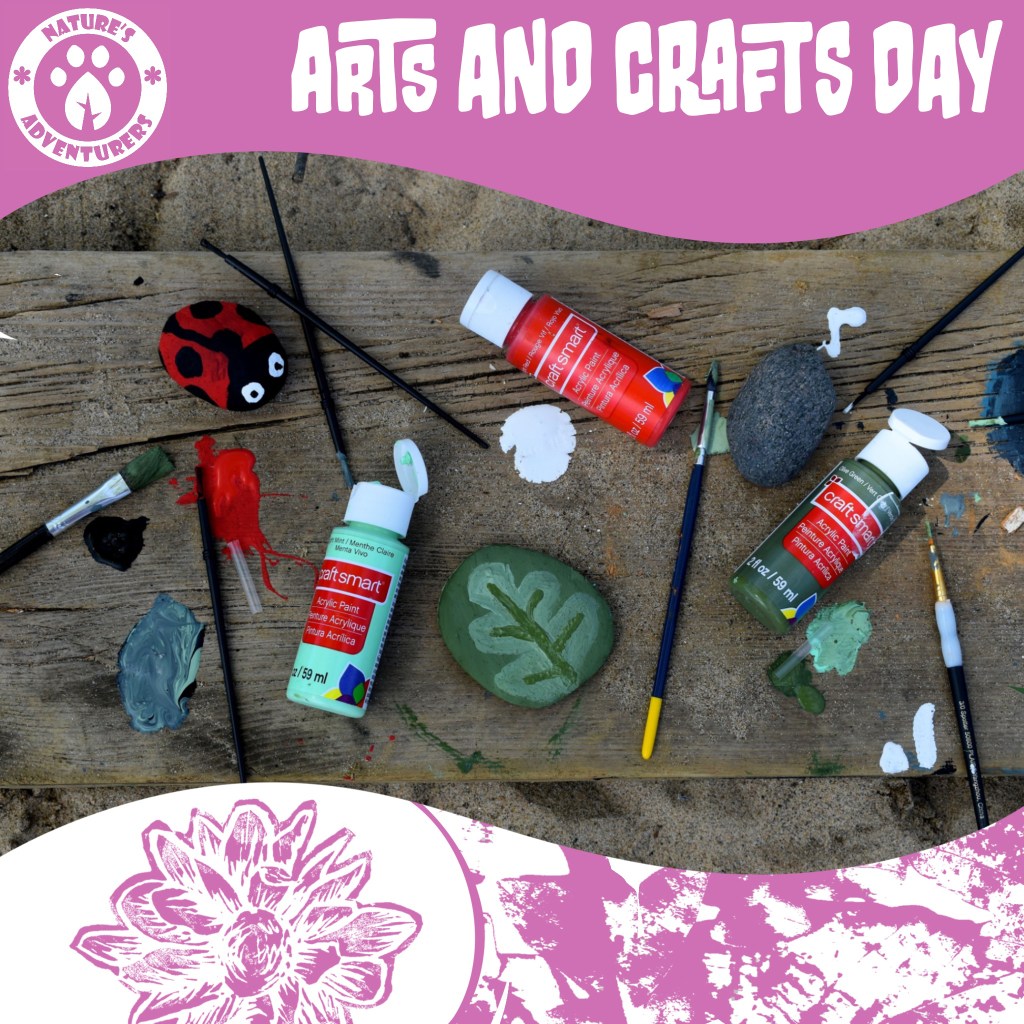
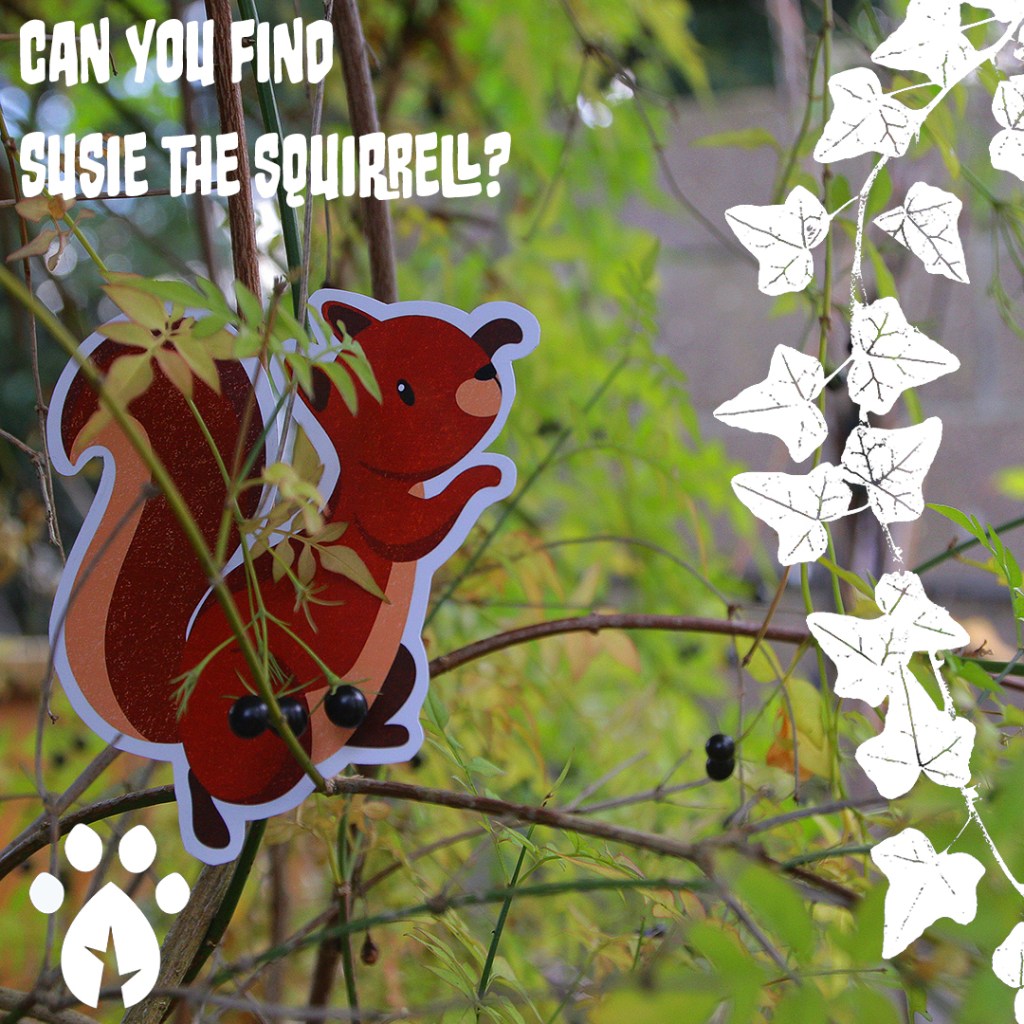
Scavenger hunt posts: The next 4 posts are all specific to promoting the scavenger hunt. The photos are all of things that would be on the checklist to find, the hanging sign and the animal cut outs. By bringing these items into their context they also become spatial outcomes. I went for a slightly different visual style to help differentiate these from the general posts. They still have the same design elements just with some variation. Because the photos already have lots of colour, I decided to completely remove any colour from the branding details and keep them all white, creating a nice bold contrast. I used Monsterific BB for all of the text used on the posts.
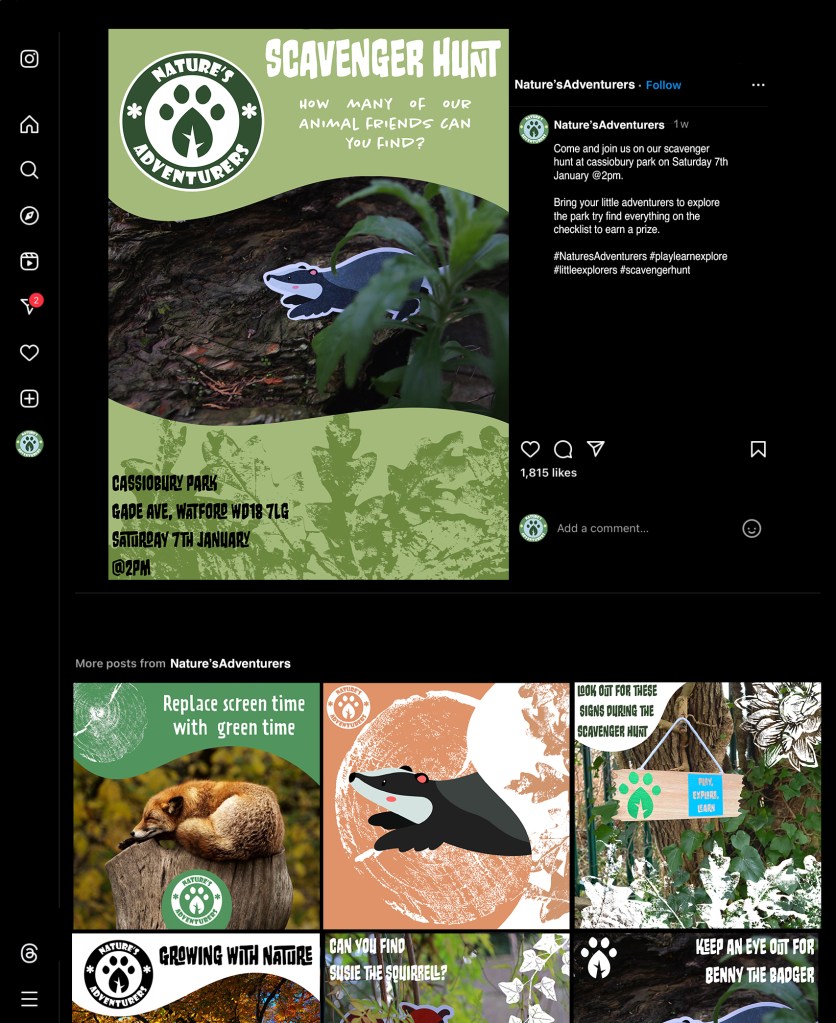
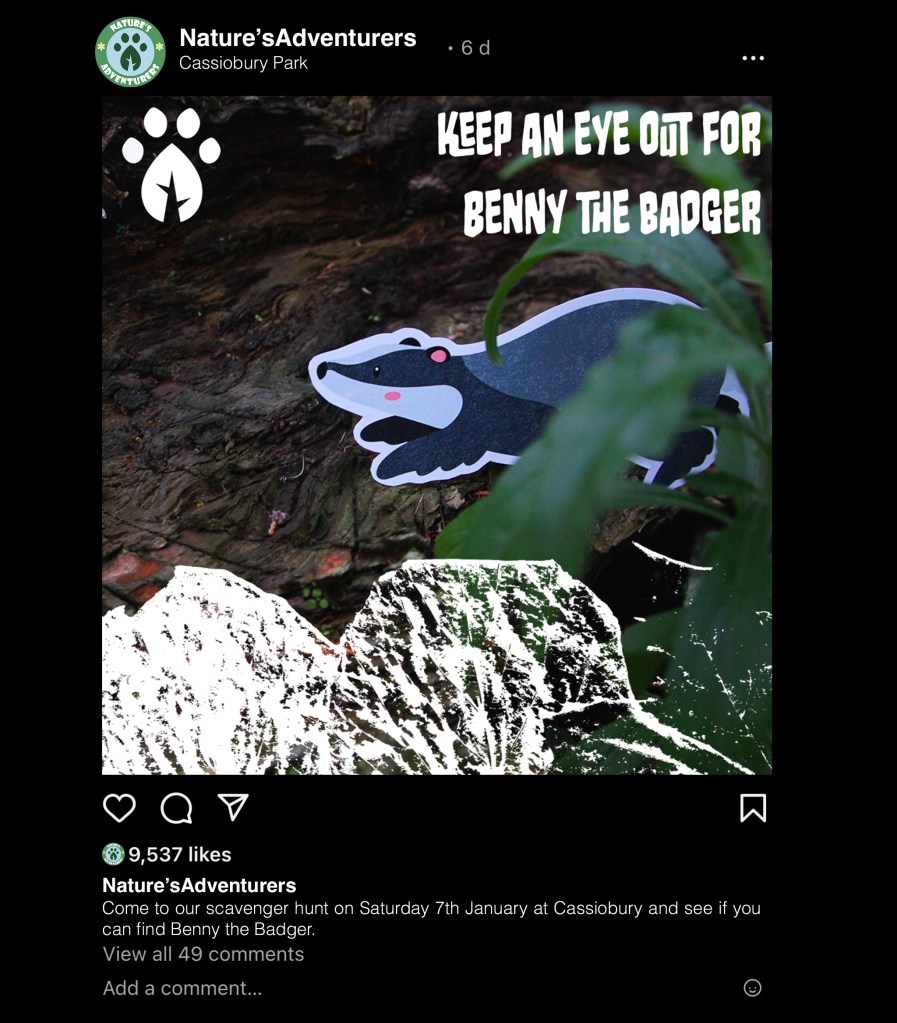
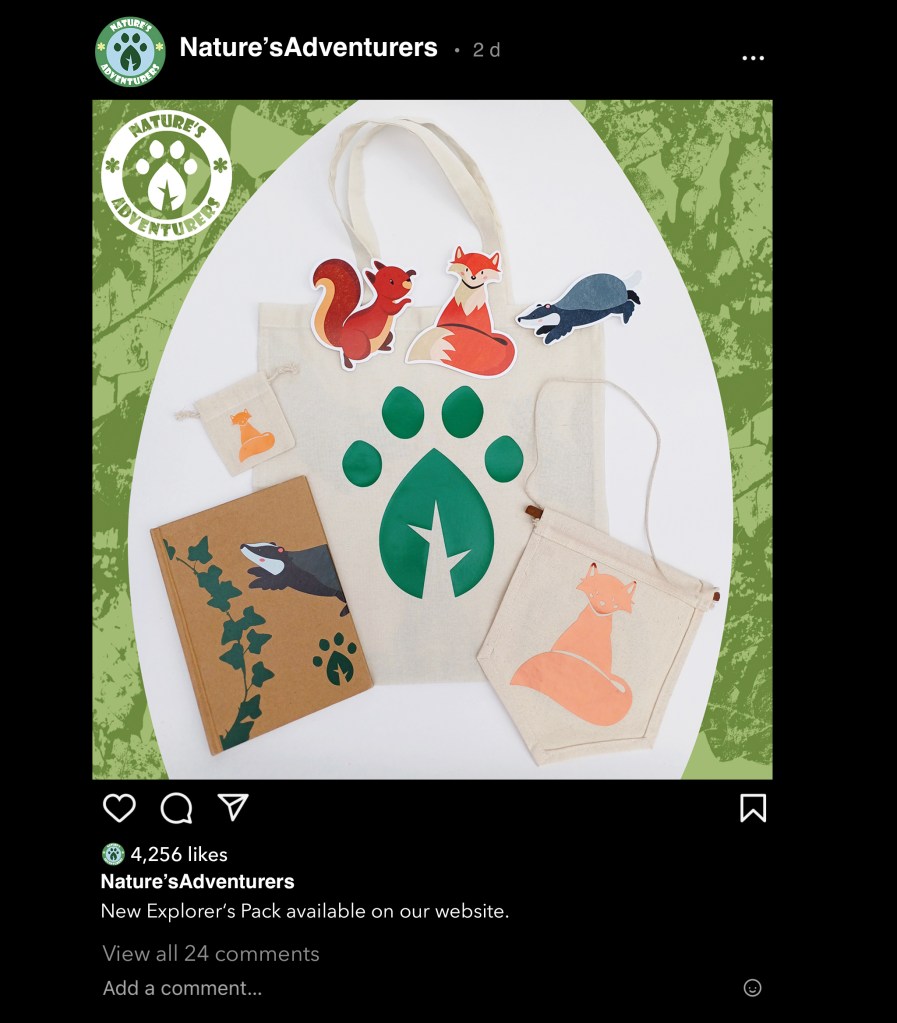
Instagram mockups: The last outcome I created was these Instagram mockups. To achieve this I took screenshots of some existing Instagram account and used Adobe Photoshop to make the necessary changes. These included adding in my own photos, account name, profile picture and captions. This is something I had worked on earlier in the module on the ‘Fake You’ task so was fairly confident in editing profiles. I made 3 mockups, 2 prompting the scavenger hunt and 1 promoting the Explorers Packs. I tried using the captions of the posts to share the essential details that would need to be know when hosting an event. This allowed me to work on the tone of language to make it appropriate to my audience. I made sure to keep it fun and light heart to align with the campaigns identity.
 Samuel Green Illustration