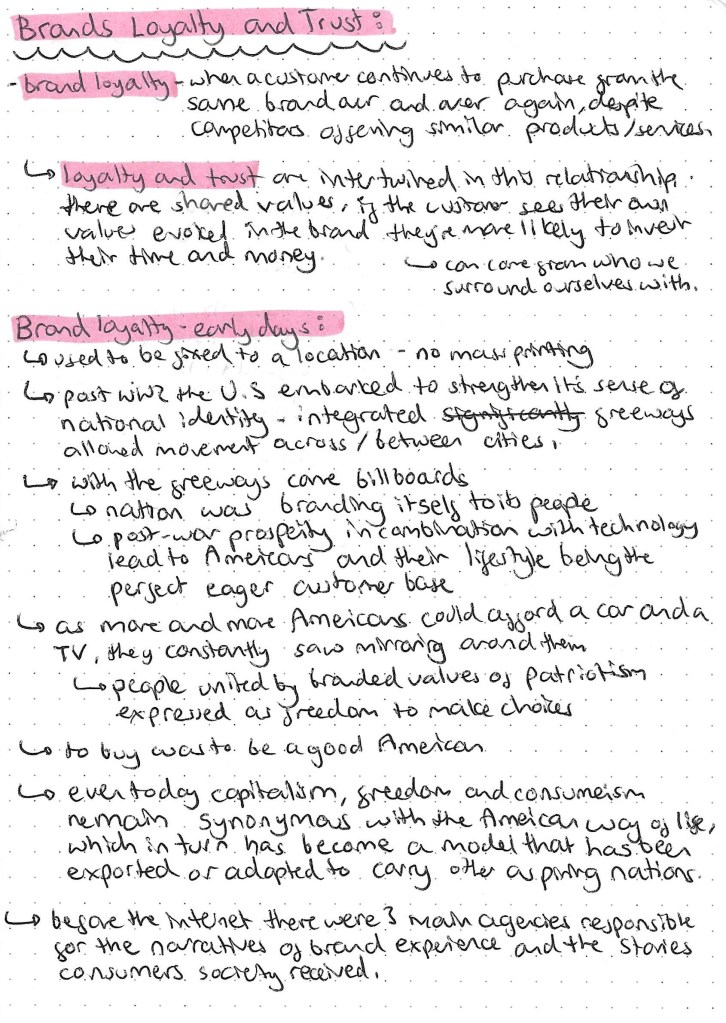
In this weeks session we learnt about brand loyalty and trust. Brand loyalty is when a customer repeatedly purchases from the same brand despite competitors offering similar products and services. A customer could feel trust in a brand due to shared values, if you see your own values reflected in the brand then you’re more likely to invest your time and money. I found this interesting in connection to my brand research from last week as I have brand loyalty for Puma and WWF so it was interesting to see exactly why that may be.

This is the movie poster from Straight Outta Compton which became a viral meme.
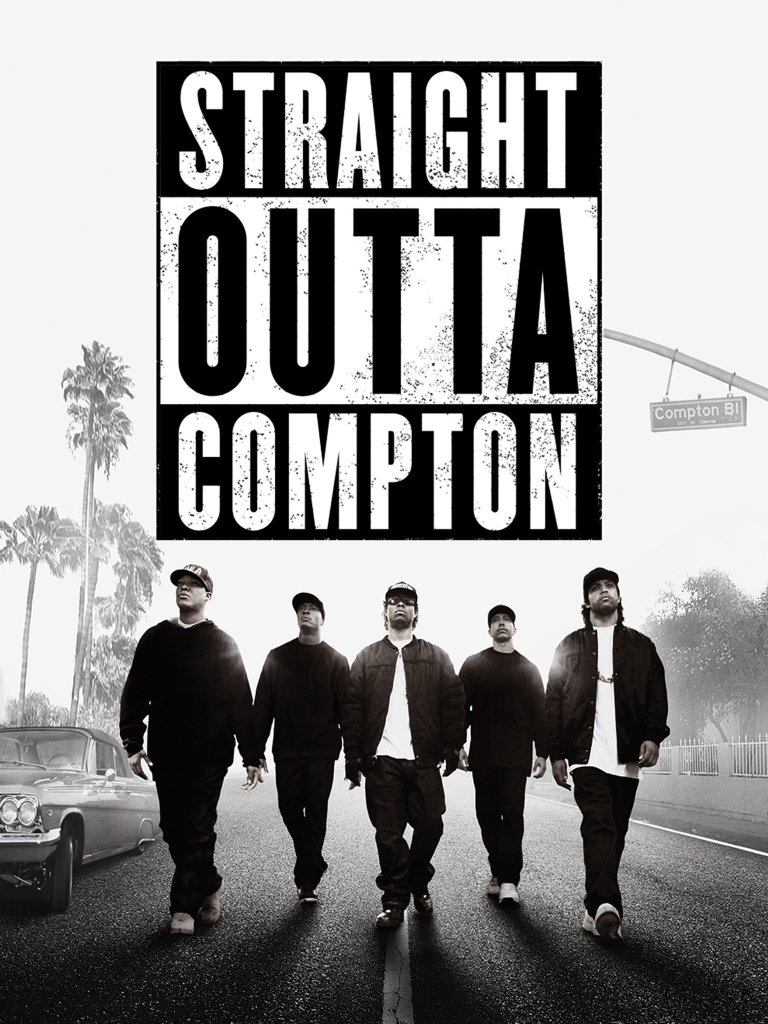
Some examples of other images made with the template. This is great marketing as it went viral online so there was widespread interaction with it.

We also learnt some ways in which brands create this relationship. Often brands target children in order to create that relationship early in the hopes this loyalty will carry into adulthood. For example many cartoons have been merchandised such as Transformers. Also brands will create opportunities to experience them through multiple points of engagement. The companies with the best branding are able to take their concept and create a world such as Marvel, Harry Potter and Disney. We also learnt about different campaign strategies and how they’re able to appeal to their target audience.
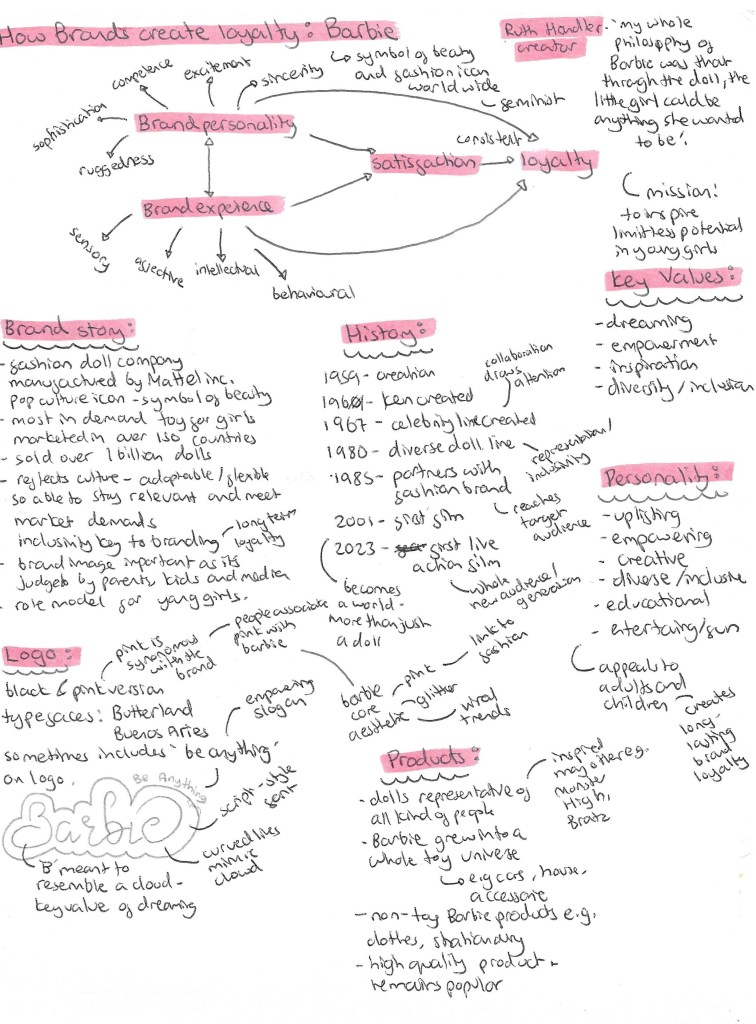
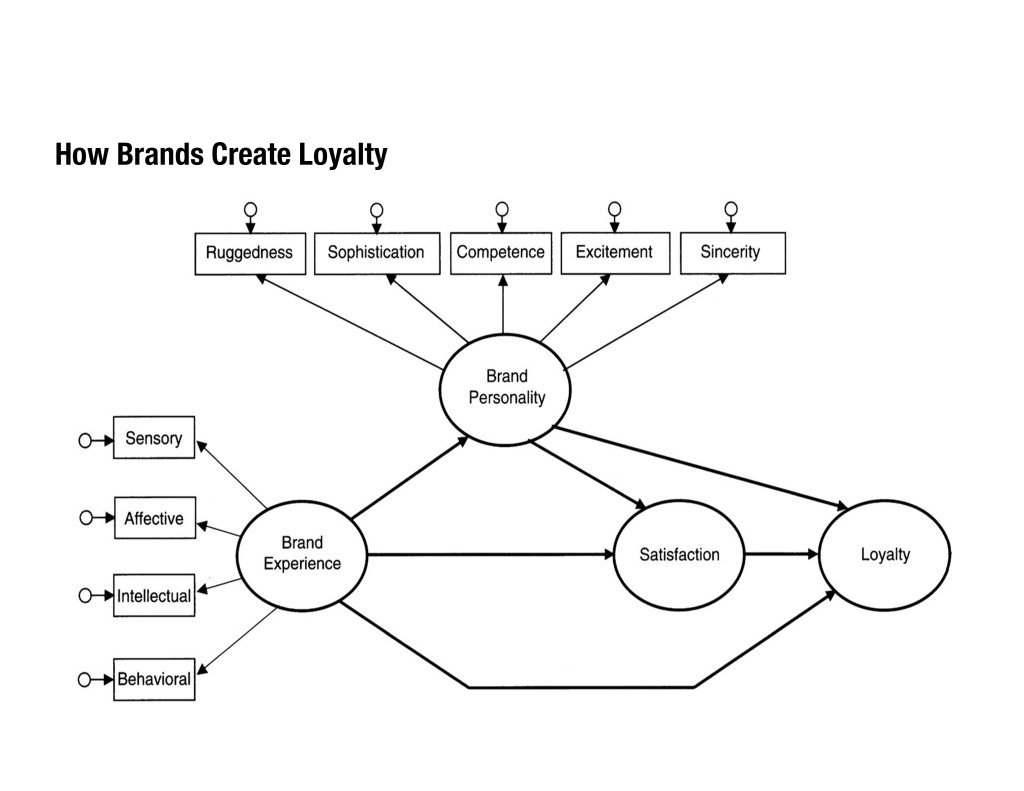
Our research task for the week was to choose from a selection of brands and research them and how they’re able to create brand loyalty and trust. I chose to look into the Barbie brand. The general map for how a brand creates loyalty is through the brand personality combined with the experience which creates consistent satisfaction and then loyalty. I enjoyed this research and in particular learning how engrained inclusivity and diversity is in the brand values. Some believe this is a newer addition to the brand ethos but it was actually there from the start. This is a key reason as to why Barbie is able to create loyalty as people see themselves and their values reflected in the brand.
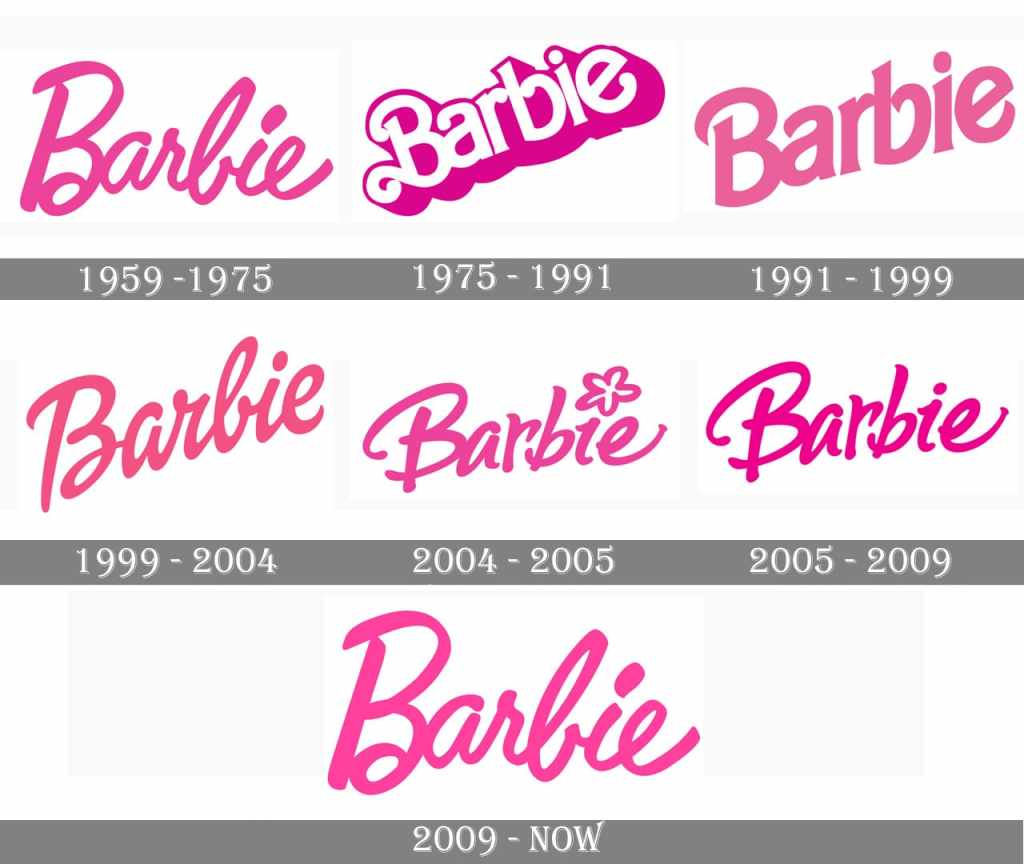
The evolution of the Barbie logo. Has remained similar in typeface and colour but the has been subtile change made.
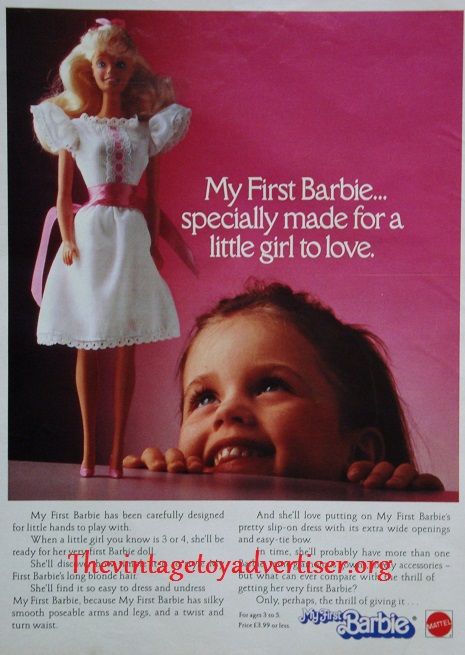
An old piece of Barbie advertising. From when Barbie was simply an inclusive toy doll brand for girls.
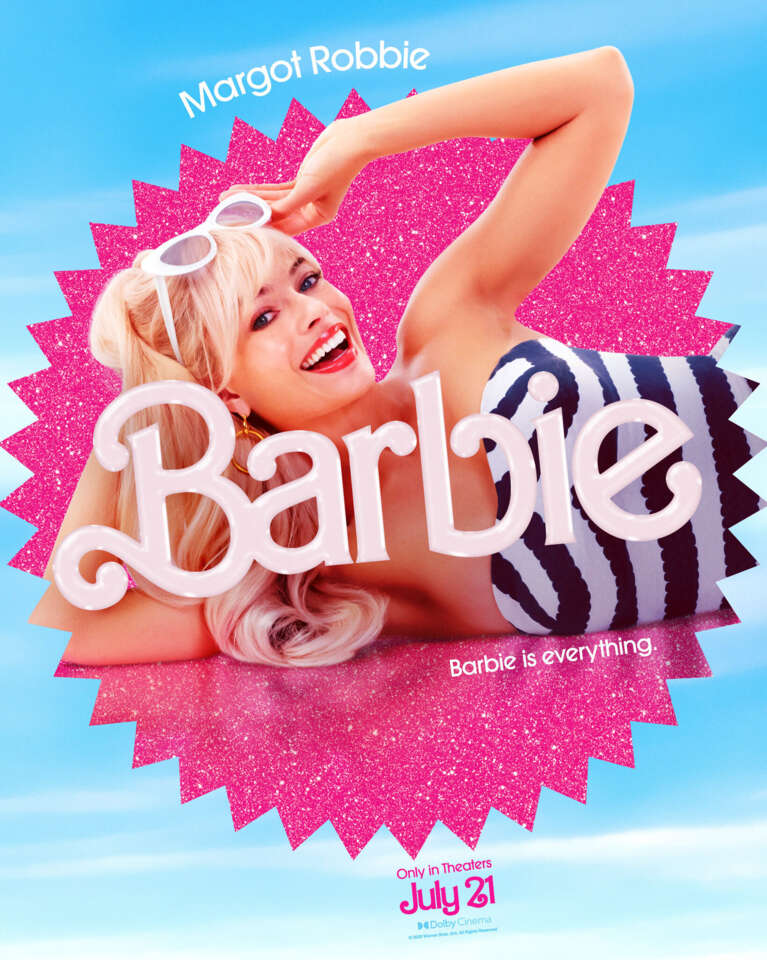
A movie poster from the live action Barbie movie staring Margot Robbie. Barbie has transformed from a simple doll brand to a world where consumers can engage in multiple ways .This poster, similar to Straight Outta Compton went viral online with people putting themselves and others in place of Margot Robbie. Still pushing the key idea of inclusivity.
This model breaks down the idea of creating brand loyalty into 2 sections, brand personality and brand experience. Each of these are broken down into sub sections. When a customer likes the brand personality and is happy with the brand experience this leads to satisfaction and with consistency it will create brand loyalty.
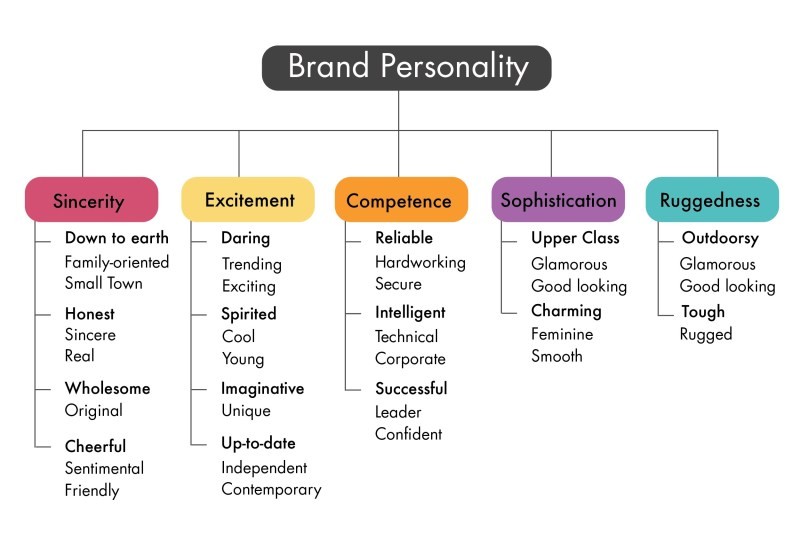
Some more detail on the different parts that make up brand personality and brand experience.
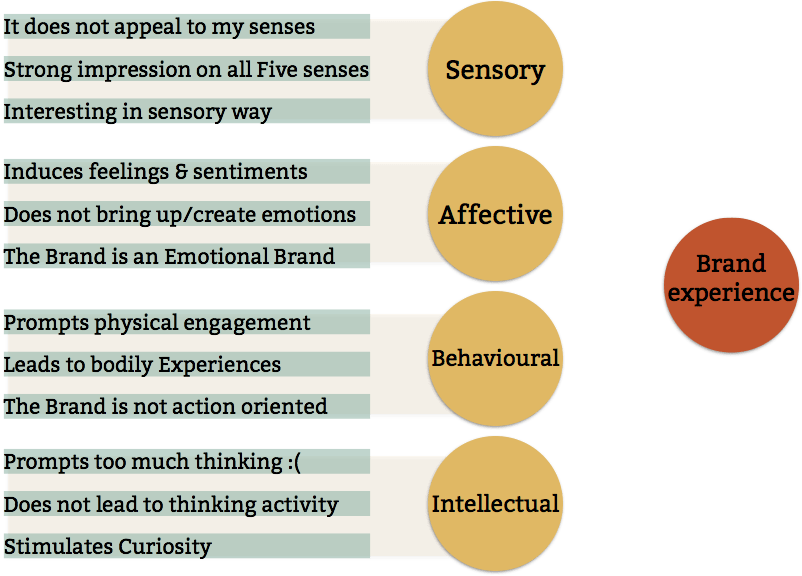
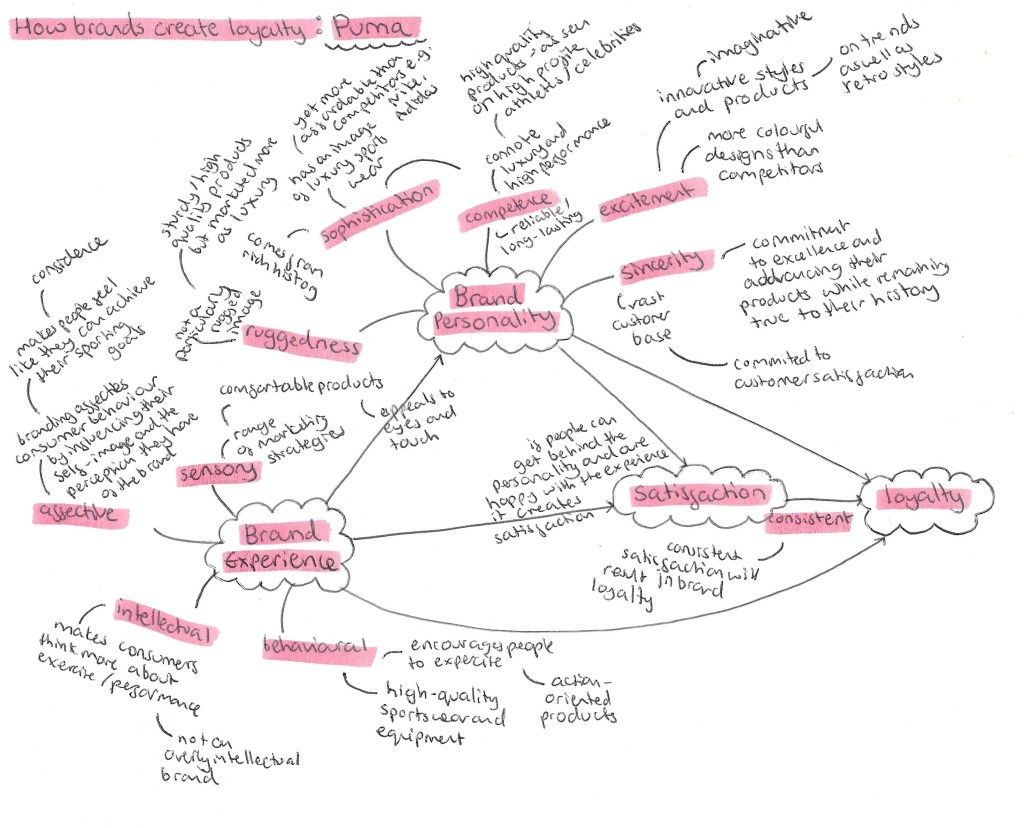
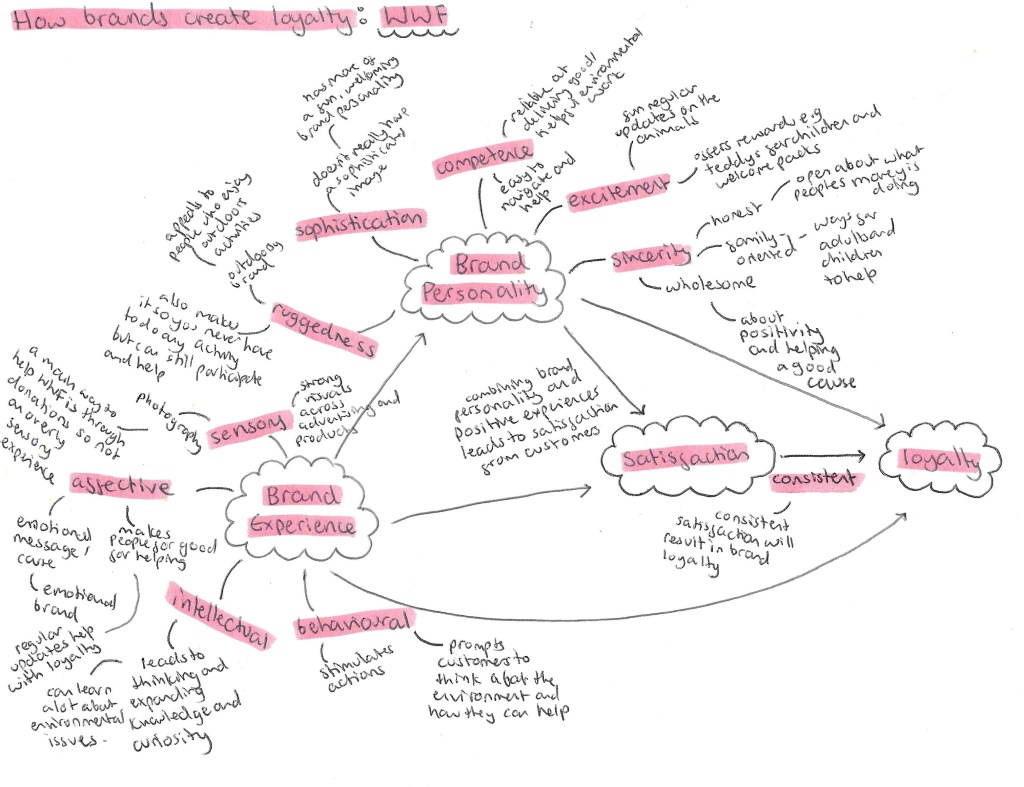
I used this model to explain how the 2 brands that I researched last week, Puma and WWF, are able to create brand loyalty. I used a combination of my knowledge from last week and additional research to explain each part.
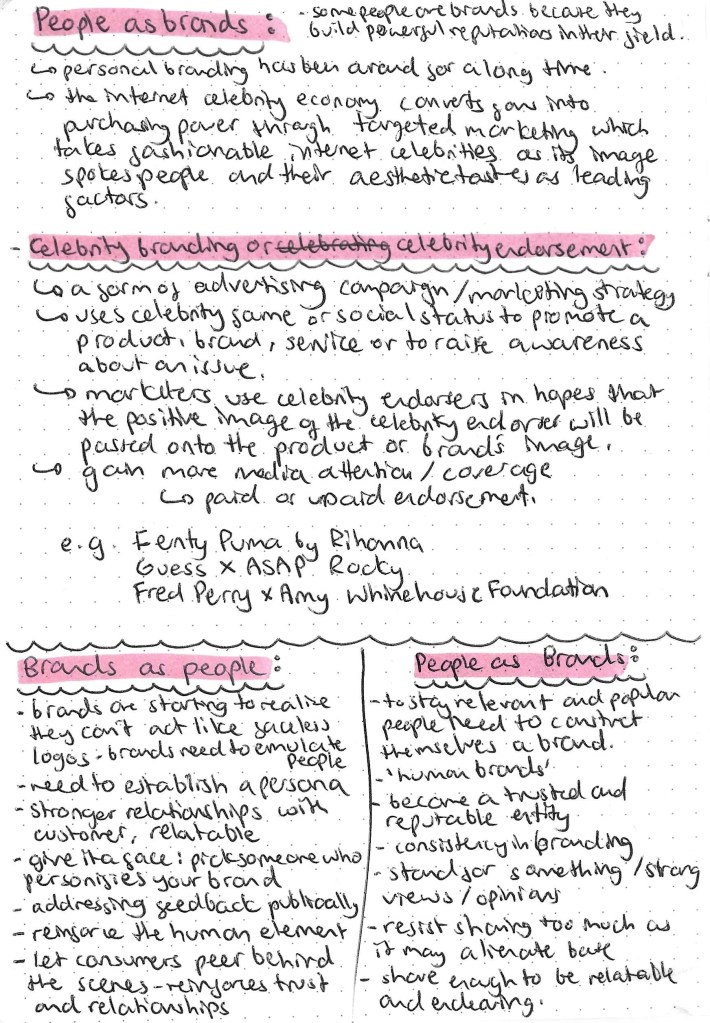
Also I did a bit of research into people as brands as this is a topic that interested me. I found out that this idea is broken into 2 sections, brands as people and people as brands. Brands as people is where brands establish a human persona to advance their sales and build a stronger relationship with the consumer. Whereas people as brands is where an individual needs to market themselves a brand in order to sell a product and advance their popularity. This ideas are seen all the time in celebrity culture.
 Samuel Green Illustration